LI AUTO(LI)

Search documents
预计到2030年前后全固态电池将小批量装车应用 首个飞行汽车工厂落地广州 | 汽车早参
Mei Ri Jing Ji Xin Wen· 2025-11-12 22:36
Group 1: Solid-State Battery Development - The full solid-state battery technology is expected to achieve breakthroughs and demonstration applications by around 2030, marking significant progress in the electric vehicle industry [1] - The inherent safety and ultra-high energy density of solid-state batteries have made them a focal point globally, currently undergoing critical phases of scientific breakthroughs and industrial technology challenges [1] - The anticipated introduction of solid-state batteries may stimulate investment enthusiasm in the new energy vehicle market and promote collaboration and innovation in battery manufacturing and material science [1] Group 2: Flying Car Manufacturing - The first electric vertical takeoff and landing flying car factory with a production capacity of "ten thousand units" has entered trial production in Guangzhou, marking a significant step towards large-scale manufacturing in the low-altitude economy sector [2] - The manufacturing process of flying cars has adopted automotive industry practices, such as "parallel flight testing," to shorten the verification cycle [2] - This initiative is expected to attract more investment and resources into related industries, particularly in aviation manufacturing and intelligent transportation [2] Group 3: Huawei's Automotive Trademark Application - Huawei has applied for the "Qi Jie" trademark, expanding its footprint in the automotive sector, indicating the company's growing ambitions in the smart vehicle market [3] - The trademark application covers automotive-related goods and services, which may enhance brand recognition and market competitiveness [3] - Huawei's diversified strategy in the smart vehicle field is likely to positively impact the industry and attract investor interest in innovation potential [3] Group 4: Li Auto's Organizational Restructuring - Li Auto has announced an organizational restructuring, merging the "Organization Department" and "Human Resources" into a new "Human Resources" department, directly reporting to CEO Li Xiang [4] - The restructuring aims to improve decision-making efficiency and team collaboration, reflecting the company's agile strategy in responding to market changes [4] - Li Auto's frequent structural adjustments may enhance investor confidence in its future development [4]

Li Auto selects Hesai Technology as exclusive LiDAR supplier
Yahoo Finance· 2025-11-12 19:30
Core Insights - Li Auto has chosen Hesai Technology as the exclusive supplier of LiDAR sensors for its next generation assisted driving platform, which includes the L Series, i Series, and MEGA models [1] - The partnership between Li Auto and Hesai, which began in 2021, aims to enhance advanced driver-assistance systems (ADAS) and improve safety in complex driving scenarios [2][3] - As of October 31, Li Auto has delivered over 1.46 million vehicles, indicating strong market performance [2] Group 1: Partnership and Supply Agreement - Hesai's AT series LiDAR has facilitated the mass production of Li Auto's vehicles with advanced driver-assistance capabilities [2] - The expanded agreement solidifies Hesai's role as the exclusive LiDAR supplier for all new Li Auto models starting from May 2025 [1] - Both companies are focused on accelerating the rollout of ADAS to provide safer assisted driving experiences globally [2] Group 2: Hesai Technology's Market Position - Hesai recently produced its 1,000,000th LiDAR unit and was listed on the Hong Kong Stock Exchange, raising approximately HK$4.2 billion ($533 million) for future growth [3] - The company has also expanded its supply deal with a US-based robotaxi company, securing a contract worth over $40 million [3] - Hesai claims to hold the top positions in the automotive LiDAR market, including overall market share, ADAS market share, and Level 4 autonomous driving market share [4]

中概指数盘初跌超1%,百度与、蔚来、小鹏至少跌2%
Xin Lang Cai Jing· 2025-11-12 15:03
Group 1 - The Nasdaq Golden Dragon China Index experienced a decline of 1.2% in early trading [1] - Among popular Chinese concept stocks, Baidu fell by 2.6%, NIO by 2.2%, and Xpeng and New Oriental by up to 2% [1] - Alibaba, NetEase, and Li Auto saw declines of up to 0.88% [1] Group 2 - Pinduoduo, JD.com, Yum China, TSMC, WeRide, and Fangdd recorded increases of up to 1.52% [1] - In the ETF sector, CQQQ decreased by 0.98% and KWEB by 0.82% [1]


【新能源周报】新能源汽车行业信息周报(2025年11月3日-11月9日)
乘联分会· 2025-11-12 08:53
Industry Information - Jiangsu Province's new energy commercial vehicle power and control system innovation center construction plan has been approved, focusing on core issues in the industry such as high-power electric drive systems and intelligent control systems [8] - CATL has established a new energy technology company in Yunnan with a registered capital of 5 million RMB, focusing on new energy technology research and battery swap facilities [8] - Tsinghua University has developed a new solid-state battery using soybean protein, which shows potential for high performance and environmental benefits [10][11] - Zhengli New Energy plans to launch a pilot line for all-solid-state batteries in the first half of 2026, aiming to solve production challenges [11] - Wuhan Weinan completed a C-round financing of 670 million RMB, with funds directed towards battery asset management and technology development [12] - The number of electric vehicle charging facilities in China has exceeded 18 million, reflecting a 54.5% year-on-year increase [22][23] Policy Information - Guangdong Province is offering a one-time subsidy for personal consumers purchasing new energy passenger vehicles as part of a broader consumption promotion campaign [29] - The National Development and Reform Commission has issued a plan to support the construction of smart charging facilities and improve community services [30] - A new policy in Huzhou, Zhejiang, aims to establish over 10,000 public charging stations by 2025, enhancing the charging network [34] - The city of Zhengzhou has suspended applications for vehicle scrapping subsidies due to budget exhaustion [38] Company Information - BYD's Tengshi brand has launched new models with competitive pricing, indicating strong market activity [9] - Xpeng Motors has begun trial production of its flying car, marking a significant step in the development of flying vehicles [15] - Huawei's driving assistance system has accumulated over 58.11 billion kilometers of assisted driving mileage, showcasing its technological advancements [17] - SAIC's MG4 has introduced a cross-year tax subsidy plan, reflecting competitive strategies in the automotive market [12]




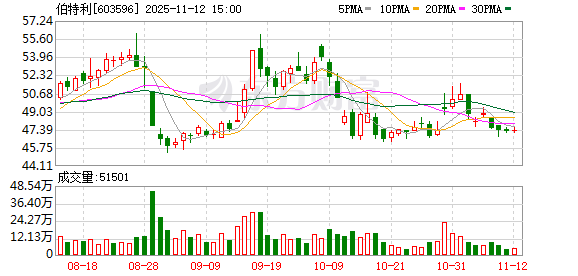
伯特利:理想汽车是公司的重要客户之一
Zheng Quan Ri Bao· 2025-11-12 07:13
Group 1 - Bertel's response on November 11 indicates that Li Auto is an important client for the company [2] - The company supplies various products, including basic braking and electronic braking systems, to Li Auto [2]

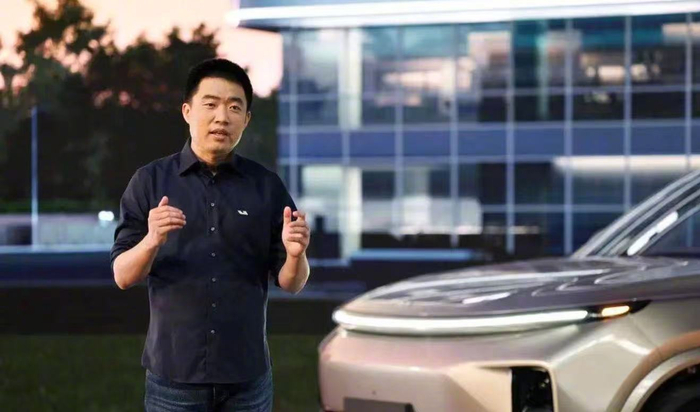
理想汽车调整组织架构,李想直管人事
3 6 Ke· 2025-11-12 05:52
Core Viewpoint - Li Auto has undergone significant organizational and personnel adjustments, with CEO Li Xiang taking direct control over human resources and organizational structure, indicating a shift in management strategy away from previous Huawei influences [1][2][3] Group 1: Organizational Changes - Li Auto announced the integration of the "Organization Department" and "Human Resources" into a single "Human Resources" department, which will now report directly to CEO Li Xiang [1] - The previous CFO function group has been renamed to reflect its new role, with Yang Haishan appointed as the head of human resources [1] - Li Xiang's direct management of human resources suggests a potential change in the company's previously aggressive personnel management approach [3] Group 2: Shift from Huawei Influence - Li Auto previously recruited talent from Huawei to address gaps in processes, sales, chips, and intelligence, including hiring Zou Liangjun and Li Wenzhi [2] - In July, Li Auto announced a shift from Huawei's PBC to the OKR management system, marking a move towards "de-Huawei" practices [2] - The departure of key figures from Huawei, such as Zou Liangjun, indicates a broader trend of reducing reliance on Huawei's management style [2] Group 3: Strategic Focus - Li Xiang continues to manage product lines, branding, and strategy while also dedicating significant time to AI initiatives, attending multiple AI meetings weekly [2] - Despite previous successes with range-extended vehicles, Li Auto faced challenges after the MEGA setback, leading to a rapid adjustment in sales targets and workforce reductions [2]
纯电与增程“龙虎斗”造车新势力“技术对调”打破“路线围城”
Zheng Quan Shi Bao Wang· 2025-11-12 02:31
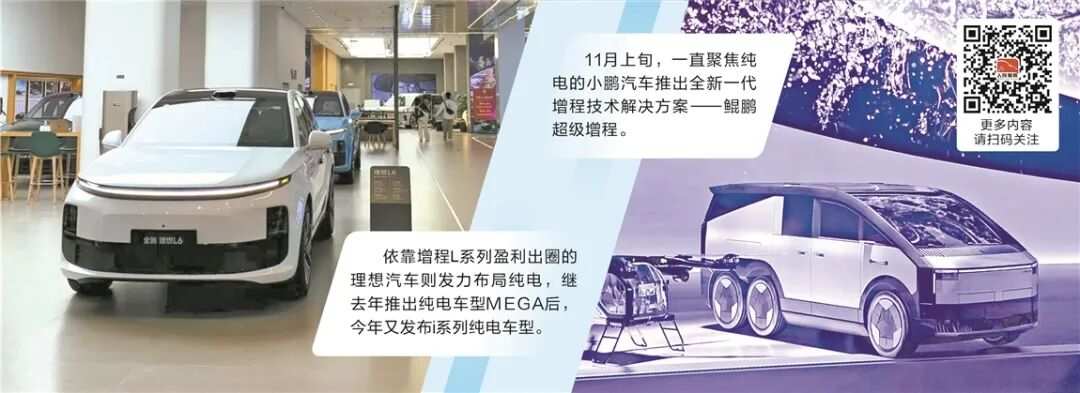
Core Viewpoint - The Chinese electric vehicle market is witnessing a "technical route adjustment," with companies like Xpeng shifting towards range-extended electric vehicles while Li Auto accelerates its focus on pure electric models, reflecting a complex response to market demands and competitive pressures [2][4][11]. Group 1: Market Dynamics - The market currently favors range-extended and hybrid technologies, despite the long-term goal of pure electric vehicles being the ultimate target of policy [4][10]. - Xpeng's new range-extended model, the X9, features a fast-charging lithium iron phosphate battery and a large fuel tank, achieving over 450 km of pure electric range and over 1600 km of total range [5][9]. - Li Auto is increasing its commitment to pure electric vehicles, driven by competitive pressures and the need to adapt to market trends [6][10]. Group 2: Competitive Landscape - The sales of pure electric vehicles have surpassed 60% of total new energy vehicle sales in China from January to September this year, indicating a shrinking market for range-extended vehicles [6][10]. - Companies like Lantu are also entering the range-extended market, with models like the Lantu Taishan gaining traction, showcasing the competitive nature of this segment [6][9]. - The shift towards range-extended vehicles is seen as a strategic move to capture market share and respond to consumer preferences, with Xpeng's strategy viewed as a way to maintain brand value without resorting to price cuts [9][12]. Group 3: Strategic Implications - The dual approach of offering both pure electric and range-extended models is seen as a way to maximize market opportunities while addressing consumer needs [10][12]. - The integration of both technologies allows companies to leverage the benefits of each, with range-extended vehicles providing a solution to range anxiety while maintaining the driving experience of pure electric vehicles [12][13]. - The ongoing competition in the range-extended segment is expected to intensify, with more players entering the market, leading to a scenario where only the strongest will survive [9][10].

新能源车市上演"技术路线对调",看似矛盾的举措背后有何逻辑?
Zheng Quan Shi Bao· 2025-11-12 02:21
Core Viewpoint - The Chinese electric vehicle market is witnessing a shift in technology strategies, with companies like Xiaopeng Motors introducing range-extended models while Li Auto accelerates its focus on pure electric vehicles, indicating a complex interplay of market demands and technological advancements [1][3][11]. Group 1: Xiaopeng Motors' Strategy - Xiaopeng Motors has launched its first range-extended model, the Xiaopeng X9, featuring a large battery and fuel tank, achieving over 450 km of pure electric range and over 1600 km of total range [3]. - The company plans to adopt a dual strategy of offering both pure electric and range-extended models in the future, responding to market demands and addressing challenges such as winter range reduction and charging infrastructure [3][4]. - Xiaopeng's shift towards range extension is seen as a pragmatic response to market conditions, with the CEO emphasizing that many consumers transitioning from traditional fuel vehicles often start with range-extended options [3][5]. Group 2: Li Auto's Focus on Pure Electric - Li Auto, initially focused on range-extended vehicles, is now increasing its efforts in the pure electric segment, driven by competitive pressures and the need to establish a strong market presence [4][7]. - The company has observed significant growth in the sales of pure electric large SUVs, indicating a shift in consumer preferences towards fully electric options [4]. - Li Auto's strategy reflects a broader trend in the industry where companies are diversifying their offerings to capture different segments of the market [4][6]. Group 3: Market Dynamics and Competition - The competition in the range-extended vehicle market is intensifying, with multiple companies, including Lantu and others, planning to launch new models, indicating a crowded field [4][6]. - The overall market for pure electric vehicles is growing, with over 60% of new energy vehicle sales in China being pure electric from January to September this year, while the share of range-extended vehicles is declining [4][6]. - The dual approach of offering both technologies is seen as a way for companies to maximize market opportunities while addressing consumer needs for flexibility and range [10][11].
理想汽车架构调整:组织部与人力资源整合,李想直管人事
Xin Lang Ke Ji· 2025-11-12 02:07
Core Points - Li Auto has announced an organizational restructuring, merging the "Organization Department" and "Human Resources" under a single "Human Resources" department, which will now report to CEO Li Xiang instead of CFO Li Tie [1] - Yang Haishan has been appointed as the head of the newly formed Human Resources department, previously serving as the after-sales director since 2016 [1] - The restructuring also involves the departure of former HR head Yuan Chunfeng and the head of the Organization Department, Li Wenzhi, who has left the company [1]
套现415亿!软银回应清仓英伟达:筹钱投OpenAI;李想直管人事,华为系高管淡出理想管理层;Meta首席AI科学家杨立昆将离职
雷峰网· 2025-11-12 00:56
Group 1 - SoftBank has liquidated its entire stake in NVIDIA, raising $5.83 billion (approximately 415 billion RMB) to fund investments in OpenAI [4][5] - The CFO of SoftBank indicated that the decision was influenced by the need to secure financial stability while seizing investment opportunities, amidst rising concerns about potential AI investment bubbles [5] - SoftBank's investment gains from OpenAI's valuation increase amounted to approximately 992 million RMB during the period from April to September [4] Group 2 - Tencent celebrated its 27th anniversary, revealing that the QQ group chat feature was originally created for employees to coordinate lunch plans [7][8] - The company confirmed that its first logo was not a penguin but a pager, with the penguin design winning in a vote [7] - Tencent's headquarters, referred to as "Penguin Island," is undergoing construction and is set to enter trial operations [8] Group 3 - Li Auto has undergone significant personnel changes, with CEO Li Xiang taking direct control of human resources, indicating a shift in management strategy [10][11] - The company is facing challenges in maintaining its market position, as its delivery numbers have been surpassed by competitors like NIO and Xpeng [11] Group 4 - Modern Automotive is reportedly in talks with Xpeng regarding collaboration on autonomous driving technology, marking a shift from its previous independent development approach [18][19] - The collaboration aims to leverage the advanced capabilities of Chinese autonomous driving firms, which are considered to be at the forefront of the technology [19] Group 5 - Meta's chief AI scientist, Yann LeCun, is planning to leave the company to establish a new AI startup, amid strategic shifts within Meta [33][34] - LeCun has expressed differing views on large language models, focusing instead on developing "world models" for better understanding and prediction capabilities in AI [34] Group 6 - Tesla is preparing to expand its Texas Gigafactory to produce the Optimus humanoid robot, with a target annual production capacity of 10 million units [36] - The company is currently testing production lines in California while planning to centralize most of its production in Texas [36] Group 7 - AMD is expected to raise its AI market size forecast to between $750 billion and $850 billion, significantly higher than previous estimates [44][45] - The company reported a 36% year-over-year revenue increase in Q3, driven by strong demand for its EPYC processors and Instinct accelerators [45]