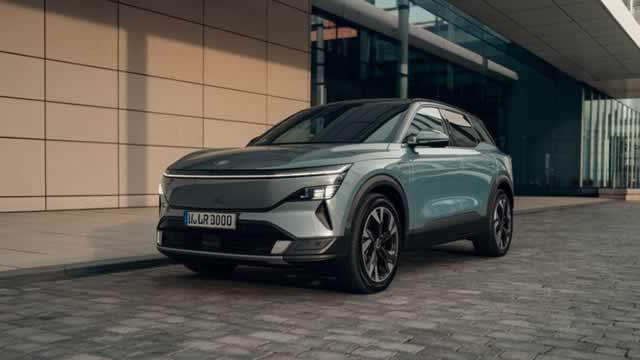
NIO(NIO)

Search documents
比亚迪首夺全球纯电车年度销冠;2025年全国汽车以旧换新超1150万辆 | 汽车早参
Mei Ri Jing Ji Xin Wen· 2026-01-03 22:42
Group 1 - BYD has become the world's top seller of pure electric vehicles for the first time, surpassing Tesla's annual electric vehicle sales, which declined by approximately 8.6% to 1.636 million units in 2025 [1] - BYD's total new car sales exceeded 4.6 million units in 2025, marking a year-on-year growth of about 8%, with pure electric vehicle sales reaching over 2.25 million units, a 28% increase [1] - This shift in the electric vehicle market indicates a significant change in competitive dynamics, highlighting BYD's advantages in technological innovation and market expansion, and signaling the rise of China's new energy vehicle industry [1] Group 2 - In 2025, over 11.5 million vehicles were replaced through the trade-in program in China, with nearly 60% being new energy vehicles, contributing to a retail market share of over 50% for new energy passenger cars for nine consecutive months [2] - The recycling of scrapped vehicles is expected to grow by 24.5%, resulting in the recycling of approximately 9.6 million tons of steel and 1.3 million tons of non-ferrous metals, while reducing carbon emissions by about 24.5 million tons [2] - The trade-in program is driving market demand growth in the automotive sector, enhancing the overall vitality of the industry and reinforcing the market dominance of new energy passenger vehicles [2] Group 3 - From December 1 to 28, 2025, retail sales of passenger vehicles in China fell by 17% year-on-year, totaling approximately 1.928 million units, while wholesale sales dropped by 19% to 2.134 million units [3] - The significant decline in both retail and wholesale sales reflects weak market demand, which may negatively impact profitability expectations for the automotive manufacturing industry [3] - The overall market sentiment may become more cautious in light of consumer fatigue, potentially affecting stock market performance [3] Group 4 - NIO is set to celebrate the production of its one millionth vehicle on January 6, 2026, with cumulative deliveries reaching 997,592 units by the end of December 2025 [4] - The completion of the battery swap route from Kunming, Yunnan, to Tibet, spanning over 2,700 kilometers and featuring 19 battery swap stations, demonstrates NIO's expansion in battery swap service networks [4] - This milestone and service expansion may enhance investor sentiment towards the electric vehicle sector and strengthen NIO's market position [4]



节假日消费观察|销售称试驾排到凌晨一两点,20余家车企推购置税托底吸引客流
Di Yi Cai Jing· 2026-01-03 15:09
Group 1 - The core observation is that during the New Year holiday, there was a significant increase in customer traffic and test drive demand at various new energy vehicle (NEV) stores, including NIO, Tesla, and others, indicating strong consumer interest despite upcoming policy changes [1][2] - NIO's store in Shanghai reported test drives extending until 1-2 AM, reflecting high customer engagement [1] - The sales performance of new energy vehicle stores during the holiday period suggests that the impact of the new policies on market sales has been limited, as many new energy vehicles are priced above the thresholds for full subsidies [2] Group 2 - In 2026, two major policy changes will affect the NEV market: the vehicle purchase tax will shift from full exemption to a 5% tax rate, and the subsidy structure will change from fixed amounts to a percentage of the vehicle price, although the maximum subsidy remains unchanged [1] - The new policies are expected to increase consumer costs for purchasing NEVs, but many automakers have implemented "bottom-line" measures to attract customers [2] - The current national subsidy policy allows for full rebates for vehicles priced above 166,700 yuan and full trade-in subsidies for those above 187,500 yuan, which aligns with the average prices of many new energy vehicles [2]
晚点独家丨李斌定调 2026:继续 “结硬寨,打呆仗”,没有片刻放松的资格
晚点LatePost· 2026-01-03 15:02
Core Viewpoint - NIO has achieved significant milestones in 2025, delivering over 326,000 vehicles, marking a historical high, despite not meeting the quarterly target of 50,000 units. The company is optimistic about the future of electric vehicles, anticipating a market penetration of over 90% for new energy vehicles by 2030, with pure electric vehicles accounting for over 80% of that market [4][5][11]. Group 1: Company Performance - In 2025, NIO delivered a total of 326,028 vehicles, a year-on-year increase of 46.9%, indicating a return to a high growth trajectory [8]. - The NIO ES8 and the L90 model have set records in their respective categories, with the ES8 delivering 22,256 units in December alone, and the L90 becoming the top-selling large pure electric SUV [8]. - The company has built 3,737 battery swap stations globally, providing over 96 million battery swap services, which enhances user convenience and supports sales growth [9]. Group 2: Strategic Outlook - The automotive industry is entering a phase of intense competition, where operational efficiency will be crucial for survival. NIO emphasizes the need for strategic focus and resilience in the face of challenges [7][11]. - NIO plans to continue investing in its core technologies and infrastructure, with a goal of constructing over 1,000 new battery swap stations in 2026, aiming to reach a total of over 4,600 stations by year-end [12]. - The company is set to launch three new models in 2026, aiming to strengthen its market share in the high-end vehicle segment [12]. Group 3: Market Trends - As of November 2025, pure electric vehicles accounted for 61.9% of the new energy vehicle market, significantly outpacing hybrid and plug-in models [11]. - The anticipated growth in the electric vehicle market is supported by advancements in technology and infrastructure, which are expected to enhance user experience and drive adoption [11].

节假日消费观察 | “试驾排到凌晨一两点” 20余家车企推购置税托底吸引客流
Di Yi Cai Jing· 2026-01-03 14:29
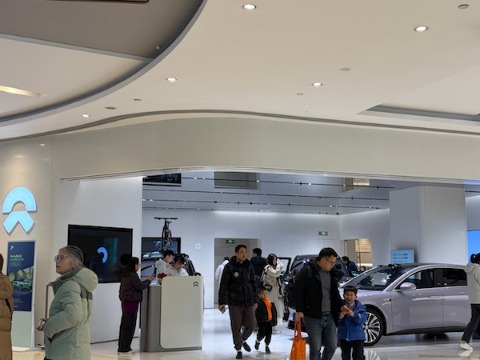
Core Insights - The sales performance of NIO and other new energy vehicle (NEV) brands remains strong despite upcoming policy changes regarding purchase tax and subsidies [3][4][6] Group 1: Sales Performance - NIO's store in Shanghai experienced high customer traffic and demand for test drives during the New Year holiday, indicating robust consumer interest [1] - Other new energy brands such as Tesla, Zeekr, and Hongmeng Zhixing also reported high foot traffic, with sales representatives noting increased customer numbers compared to typical weekends [3] Group 2: Policy Changes - In 2026, two significant policy changes will affect the NEV market: the reduction of the vehicle purchase tax from full exemption to a 5% rate, and a shift in subsidy structure from fixed amounts to percentage-based subsidies [3] - Despite these changes, many new energy vehicle sales representatives indicated that the impact on sales has been limited, as many vehicles are priced above the thresholds for maximum subsidies [3] Group 3: Manufacturer Responses - NIO is offering a subsidy of 2,000 yuan to offset the increased purchase tax, which is approximately 6,000 yuan for a vehicle priced at 119,800 yuan [4] - Zeekr has implemented a direct price reduction strategy to counteract the tax increase, effectively reducing the tax burden for consumers [4] - Hongmeng Zhixing and Xiaomi are also providing cash discounts and attractive financing options to mitigate the impact of the new tax policy [4] Group 4: Market Coverage - Over 20 car manufacturers, including major players like Li Auto, NIO, and Chery, have introduced purchase tax "safety net" policies to support consumers [4] - Tesla, while a leading player in the NEV market, has not introduced any such measures, yet its sales performance remains unaffected during the holiday period [5][6]
节假日消费观察|“试驾排到凌晨一两点”,20余家车企推购置税托底吸引客流
Di Yi Cai Jing· 2026-01-03 14:25
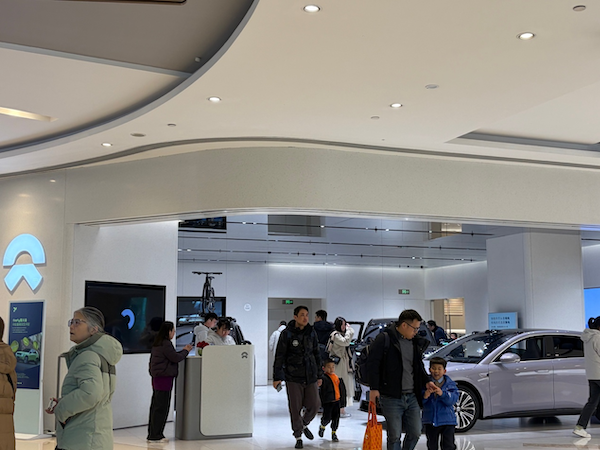
Group 1 - NIO's store in Shanghai experienced high customer traffic and demand for test drives during the New Year holiday, indicating strong consumer interest in electric vehicles [1] - Other new energy vehicle brands, including Tesla, Zeekr, and Hongmeng Zhixing, also reported high foot traffic during the same period, suggesting a robust market environment [3] - In 2026, two significant policy changes will impact the electric vehicle market: the reduction of the vehicle purchase tax from full exemption to a 5% rate, and a shift in subsidy policies from fixed amounts to percentage-based subsidies [3] Group 2 - Despite the increased purchase costs due to the new tax policy, many automakers have implemented measures to mitigate the impact on consumers, such as offering subsidies or price reductions [4] - NIO is providing a 2,000 yuan subsidy for its model priced at 119,800 yuan, while Zeekr has introduced direct price reductions to offset tax costs [4] - Over 20 automakers, including NIO, Li Auto, and Changan, have adopted purchase tax "safety net" policies to support consumers amid the new tax regulations [4] Group 3 - Tesla, while a leading player in the electric vehicle market, has not introduced any "safety net" policies in response to the new tax regulations, yet its store maintained high customer traffic during the holiday [5]
新造车2025年复盘:零跑登顶,小鹏逆袭,理想遇挫
创业邦· 2026-01-03 10:22
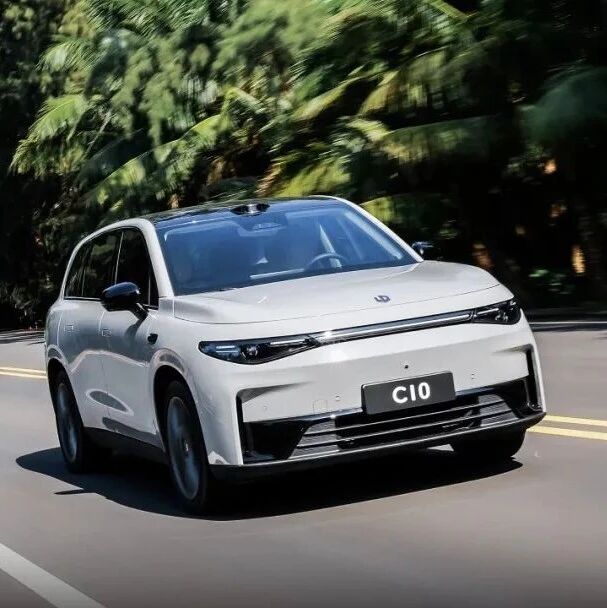
Core Viewpoint - The 2025 sales data reveals a significant shift in the Chinese electric vehicle (EV) market, with new players like Leap Motor, Huawei's Homologous Intelligent Driving, and Xiaomi emerging as strong competitors against established brands like BYD and Geely [6][12]. Group 1: 2025 Sales Performance - BYD led the market with 4.6024 million units sold, achieving 100% of its target [7]. - Geely surpassed 3 million units, reaching 3.0246 million with a 39% year-on-year growth [7]. - Leap Motor emerged as the top new force with nearly 600,000 units sold, marking a 103% increase [8][12]. - Homologous Intelligent Driving ranked second among new forces with 589,100 units delivered, primarily driven by the Wanjie brand [8]. - Xiaomi entered the top five with over 400,000 units sold, leveraging its ecosystem and brand loyalty [17]. Group 2: Competitive Landscape - The competition among new forces has intensified, with Leap Motor, Homologous Intelligent Driving, and Xiaomi leading the charge, while traditional players like BYD and Geely maintain their dominance [10][12]. - The market is shifting from a focus on capturing the fuel vehicle market to a more competitive landscape where companies vie for each other's market share [10]. - The new forces are increasingly focusing on systemic capabilities rather than just product features or pricing [18]. Group 3: Strategic Insights - Leap Motor's success is attributed to its cost control and high component sharing rate, which allows it to offer competitive pricing while maintaining quality [15][18]. - Xiaomi's approach combines its consumer electronics experience with automotive production, achieving a gross margin of 26.4% in Q3 2025 [17]. - The high-end players like Ideal, Homologous Intelligent Driving, and NIO face challenges as the market shifts towards technology competition rather than just configuration [19][23]. Group 4: Future Outlook - The penetration rate of new energy vehicles is expected to exceed 60% in 2026, leading to intensified competition [10]. - Companies are setting ambitious sales targets for 2026, with Homologous Intelligent Driving aiming for 1 to 1.3 million units and Leap Motor targeting 1 million [10]. - The competition will evolve into a "value war," focusing on better battery performance, intelligent features, and overall vehicle quality [29][30].




2025款红旗HS7 PHEV改款车型上市;中国车畅销以色列市场丨汽车交通日报
创业邦· 2026-01-03 10:22
Group 1 - The 2025 Hongqi HS7 PHEV model has been launched with unchanged battery parameters but upgraded electric range, now exceeding 100 kilometers, with prices ranging from 290,800 to 345,800 yuan [2] - NIO will hold a ceremony on January 6 for the production of its one-millionth vehicle, with a record delivery of 326,028 vehicles in 2025, marking a 46.9% year-on-year increase [2] - In the first eleven months of 2025, China accounted for 68% of the global share of new energy vehicles, with total vehicle sales reaching 87.66 million and new energy vehicle sales at 20.33 million, representing a 30% share of total sales [2] Group 2 - The Chery-produced Jietu 7 became the best-selling vehicle in Israel for 2025, with approximately 13,000 units sold, followed by Hyundai's Kona with around 12,000 units [2]

蔚来公司12月交付同比增长54.6%
Xin Lang Cai Jing· 2026-01-03 02:15
Core Insights - NIO reported record vehicle deliveries in December 2025, with a total of 48,135 units delivered, marking a year-on-year increase of 54.6% [1] - The NIO brand alone delivered 31,897 units, also a record high, with a year-on-year growth of 54.8% [1] - The company achieved a total of 326,028 vehicle deliveries for the entire year of 2025, representing a 46.9% increase compared to the previous year [1] Delivery Breakdown - In Q4 2025, NIO delivered 124,807 vehicles, a record high with a year-on-year increase of 71.7% [1] - The NIO brand delivered 67,433 units in Q4, reflecting a year-on-year growth of 27.8% [1] - The Ladao brand saw a significant increase in Q4 deliveries, reaching 38,290 units, which is a 92.1% year-on-year growth [1] - The Firefly brand delivered 19,084 units in Q4, showing a quarter-on-quarter increase of 52.8% [1] Cumulative Deliveries - As of now, NIO has cumulatively delivered 997,592 vehicles, with the NIO brand accounting for 829,609 units [2] - The Ladao brand has delivered 128,569 units, while the Firefly brand has delivered 39,414 units [2] Policy Impact - Starting January 1, 2026, the vehicle purchase tax policy will change from exemption to a 50% reduction, which is expected to benefit battery-swapping models [3] - Under the BaaS battery rental scheme, customers purchasing NIO, Ladao, or Firefly vehicles could save between 1,770 yuan and 9,558 yuan due to the new tax policy [3]
NIO Inc. (NIO) Announces The Outcomes Of Its November Deliveries
Yahoo Finance· 2026-01-02 20:28
NIO Inc. (NYSE:NIO) is among the 9 Best Auto Stocks to Buy Now. NIO Inc. (NIO) Announces The Outcomes Of Its November Deliveries NIO Inc. (NYSE:NIO) announced the outcomes of its November deliveries on December 1. The company shipped 36,275 vehicles in November, jumping 76.3% over the same month last year. Firefly delivered 6,088 cars, Onvo delivered 11,794 cars, and Nio, the company’s smart electric vehicle brand, delivered 18,393 cars. There have been 949,457 deliveries as of November 30. According t ...
NIO, XPeng & Li Auto Report December & Fourth-Quarter Delivery Results
ZACKS· 2026-01-02 16:45
Core Insights - NIO, XPeng, and Li Auto, three major Chinese smart electric vehicle manufacturers, reported their delivery figures for December 2025 and the fourth quarter of 2025, showcasing varying performance levels among them [1]. NIO Performance - NIO achieved a record 48,135 vehicle deliveries in December 2025, reflecting a 54.6% year-over-year increase. The breakdown included 31,897 units from the premium NIO brand, 9,154 units from the ONVO brand, and 7,084 units from the FIREFLY brand [2]. - For the fourth quarter, NIO's deliveries reached a new high of 124,807 vehicles, marking a 71.7% increase from the previous year. The total deliveries for the full year 2025 were 326,028 vehicles, up 46.9% year-over-year, with cumulative deliveries reaching 997,592 units by December 31, 2025 [2]. XPeng Performance - XPeng delivered 37,508 vehicles in December 2025, which is a modest 2% year-over-year increase. The total deliveries for 2025 surged to 429,445 units, more than doubling from the previous year with a 126% increase [3]. - The company also reported overseas deliveries totaling 45,008 vehicles for the year, reflecting a 96% year-over-year increase as it expanded operations to 60 countries and regions by the end of 2025 [3]. Li Auto Performance - Li Auto delivered 44,246 vehicles in December 2025, a decrease from 58,513 units in the same month of 2024. The fourth-quarter deliveries amounted to 109,194 vehicles, with cumulative deliveries reaching 1,540,215 units as of December 31, 2025 [4]. - Throughout the year, Li Auto expanded its international presence by launching new models in Egypt, Kazakhstan, and Azerbaijan, and operated 548 retail stores in 159 cities, along with 561 service centers across 224 cities. The company also established 3,907 supercharging stations in China, comprising 21,651 charging stalls [5]. Stock Performance - Over the past year, shares of NIO and XPeng have increased by 10.2% and 73.2%, respectively, while shares of Li Auto have declined by 31.6% [6]. Zacks Rank - Currently, NIO, XPeng, and Li Auto all carry a Zacks Rank of 3 (Hold) [8].