
NIO(NIO)

Search documents
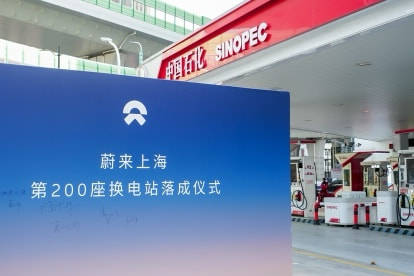
蔚来上海第200座换电站投运,携手中石化共筑能源融合新生态
Zhong Guo Qi Che Bao Wang· 2025-12-28 10:27
Core Viewpoint - NIO has launched its 200th battery swapping station in Shanghai, marking a significant milestone in its collaboration with Sinopec, indicating a new phase of strategic cooperation and scaling in the energy sector [1] Group 1: Company Developments - The newly opened station is the first directly operated by NIO in collaboration with Sinopec in Shanghai [1] - NIO has established a total of 356 battery swapping stations in partnership with various oil companies, including Sinopec, PetroChina, CNOOC, and Shell across the country [1] Group 2: Industry Collaboration - The launch signifies the deepening collaboration between NIO's energy system, which is characterized by "chargeable, swappable, and upgradable" capabilities, and the traditional energy network [1] - This development represents a new stage of large-scale development in the energy sector, highlighting the integration of electric vehicle infrastructure with conventional energy sources [1]


蔚来上海第200座换电站投运 携手中石化等加密补能网络
Sou Hu Cai Jing· 2025-12-28 09:59
中石化助力蔚来双向换电站的落地,是传统能源领军者推动新能源汽车与电网融合发展的具体实践。近 年来,中石化明确将充换电网络作为其新形象综合加能站的核心组成部分,并设定了明确的建设目标。 2025年9月,国家发展改革委等部门印发《电动汽车充电设施服务能力"三年倍增"行动方案(2025-2027 年)》,鼓励新能源车企和传统能源企业积极参与充换电基础设施建设。对于正加速向"油气氢电服"综 合能源服务商转型的中石化而言,此次合作是其巩固能源市场地位、布局未来交通能源体系的关键一 步。此前,中石化与蔚来签署战略合作协议,携手共建充换电基础设施,共同打造全球能源行业与汽车 行业的创新合作模式。 上海的第200座换电站是双方在全国范围内合作的首座具备"车网互动"(V2G)能力的双向站,不仅能 高效补能,更能成为参与城市电网调节的智慧基础设施。该站配备23个电池仓位,支持多规格电池包与 多品牌车型共享换电,单站最大日服务能力达480次,单次换电时间最快可达2分24秒。整站算力达到 1016TOPS,搭载高性能智能感知硬件,用户可以通过智能辅助泊车一键驶入换电站进行补能。同时, 本站具备的"车网互动"能力,使其不仅可智能实施" ...

又一电车冬季续航测试发布,小米YU7达成率超Model Y,小鹏P7全场最高
Jin Rong Jie· 2025-12-28 09:29
Core Insights - The latest winter testing results for electric vehicles were released by Auto Home, conducted in Yakeshi, Inner Mongolia, under extreme cold conditions of around -20°C, showcasing unexpected performances from various models [1] Electric Vehicle Performance Rankings - In the "Advanced Family 5-Seater Electric SUVs" category, the 2026 Wanjie M7 Pure Electric Itra Four-Wheel Drive version achieved a 44.4% range completion rate with an actual range of 282 km, ranking first [7] - The 2025 Xiaopeng P7 750 Four-Wheel Drive High-Performance Ultra version led the "Advanced Family Electric Cars" category with a 53.9% range completion rate and an actual range of 366.7 km [10] - The 2025 Nissan N7 625 Max topped the "Mainstream Family Electric Cars" category with a 47.4% range completion rate and an actual range of 296.3 km [16] - In the "Essential Commuter Electric Small Cars" category, the 2025 BYD Seagull Intelligent Driving version achieved a 43.8% range completion rate with an actual range of 177.2 km, ranking first [18] - The 2025 BYD Ti3 501 km Four-Wheel Drive Ultra version led the "Personalized Electric SUVs" category with a 44.9% range completion rate and an actual range of 224.7 km [19] Overall Rankings - The overall testing results indicated that the Xiaopeng P7 had the highest range completion rate among all tested models, while the Ideal i8 2025 Standard version had the lowest at 34.8% with an actual range of 250.3 km [21] - Among joint venture electric vehicles, the Nissan N7 had the highest range completion rate, ranking fifth overall [21]






蔚来加密补能网络 与能源企业合作建设365座换电站
Zheng Quan Shi Bao Wang· 2025-12-28 07:28
Core Insights - NIO has officially launched its 292nd battery swap station in collaboration with Sinopec on December 28, marking a new phase of large-scale and normalized strategic cooperation between the two companies [1] - To date, NIO has established a total of 356 battery swap stations in partnership with oil companies across the country [1]
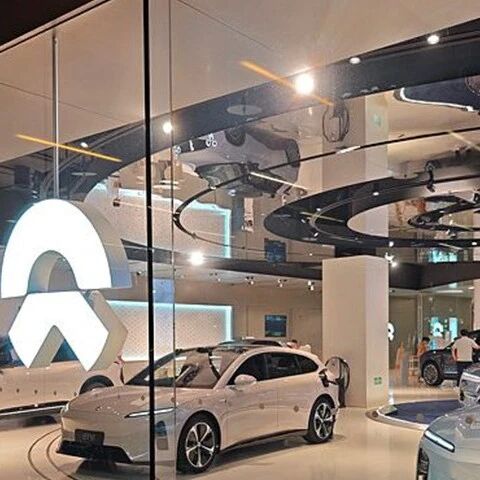
新能源车企,「逃离」商场一楼
36氪· 2025-12-28 03:18
活到最后,才是最大的排面。 以下文章来源于金错刀 ,作者祥燎 金错刀 . 科技商业观察家。爆品战略提出者。 这一次,轮到了 汽车商场店 。 2013年,特斯拉在北京开设第一家体验店,地址选在了很有潮流感的侨福芳草地购物中心,开创了在商场里卖新能源汽车的先河。 文 | 祥燎 编辑 | 张一弛 来源| 金错刀(ID: ijincuodao ) 封面来源 | 视觉中国 又一个特斯拉开的"坏头",快被抛弃了。 作为新能源汽车行业的标杆,特斯拉有不少"创举"被同行模仿,结果后来被车主狠狠吐槽,继而陆续被抛弃或升级。比如取消物理按键,还有夏天晒得头晕 的全景天窗,冬天冻得僵硬的隐形门把手…… 但风向说变就变,在商场里一掷千金的车企越来越少了。 数据显示,2024年以来全国购物中心的新能源汽车门店数量 同比减少37% ,连特斯拉、小鹏等头部品牌也在"撤退"。 投入最狠的,非蔚来莫属。据报道,北京王府井的东方广场店,蔚来付出的年租金高达7000万-8000万元。 后来汽车商场店风靡全国。甚至可以说,判断商场火不火,过去看的是星巴克和麦当劳的分布,现在要看有多少新能源汽车的门店。 车企们为什么集体逃离商场? 特斯拉开的"坏头" ...
最近的蔚来,让人倒吸一口凉气
自动驾驶之心· 2025-12-27 02:07
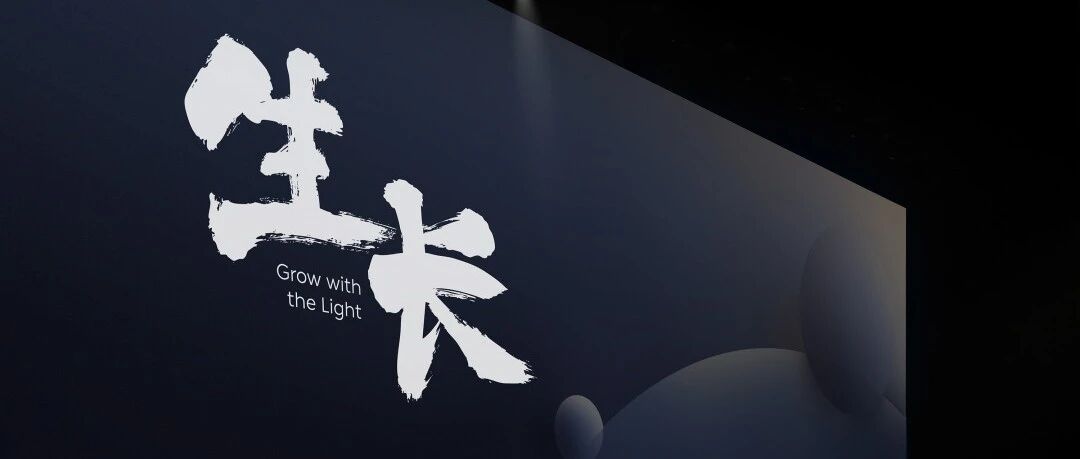
Core Viewpoint - NIO has experienced a remarkable turnaround in 2023, overcoming significant challenges and criticisms to achieve impressive sales milestones and operational improvements [5][10][20]. Group 1: Sales Performance - NIO's new ES8 model has achieved over 30,000 deliveries, setting a record for electric vehicles priced above 400,000 yuan [9]. - As of November 30, NIO's cumulative delivery volume reached 950,000 units, nearing the milestone of one million [13][14]. - In November, NIO delivered 36,275 vehicles, marking a year-on-year increase of 76.3%, with the NIO brand delivering 18,393 units [20]. Group 2: Organizational Changes - NIO's CEO, Li Bin, has implemented significant organizational changes, focusing on accountability and operational efficiency through a new CBU mechanism [10][25]. - The theme of NIO Day 2023 was "Growth," reflecting the company's transformation and renewed focus on operational effectiveness [24]. - NIO has restructured its business into 12 core operational units, each with clear performance targets [25]. Group 3: Market Trends - The market for high-end electric vehicles is rapidly expanding, with pure electric SUVs surpassing hybrid and fuel models in sales for the first time [36]. - The penetration rate of pure electric vehicles in the 300,000 yuan and above market has increased from 12% to 18% year-on-year [36]. - NIO's product offerings, including the ES8 and L90, align well with market trends, positioning the company for future growth [44]. Group 4: Future Outlook - NIO plans to launch three new models in 2024, which are expected to perform well in the expanding electric vehicle market [44]. - The company aims to achieve profitability in Q4 2023, with a target of delivering between 120,000 to 125,000 vehicles [22][31]. - NIO's extensive battery swap network, with 3,631 stations, enhances its competitive advantage and addresses consumer concerns about charging [44].
中概股拉升 小鹏涨超6% 蔚来涨超4% 白银暴涨10% 国际油价跳水
2 1 Shi Ji Jing Ji Bao Dao· 2025-12-26 23:39
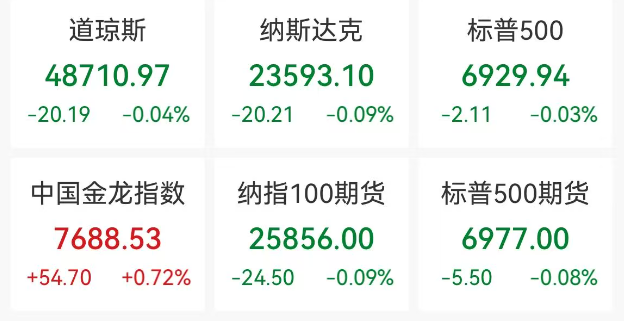
Market Overview - On December 26, the three major U.S. stock indices experienced slight declines, with the Dow Jones down 0.04% at 48,710.97 points, the S&P 500 down 0.03% at 6,929.94 points, and the Nasdaq down 0.09% at 23,593.10 points [1][2]. Technology Sector - Most large tech stocks fell, with the Wande American Technology Seven Giants Index down 0.06%. Notable declines included Tesla down over 2%, Facebook down 0.64%, Google down 0.18%, Apple down 0.15%, and Microsoft down 0.06%. However, Amazon rose 0.06% and Nvidia increased by over 1% [3]. - The Philadelphia Semiconductor Index saw a mixed performance, up 0.05%, with TSMC rising over 1% and Broadcom up 0.55%, while ARM fell over 1% and NXP Semiconductors dropped by more than 1% [3]. Chinese Stocks - Chinese stocks mostly rose, with the Nasdaq China Golden Dragon Index up 0.72% and the Wande Chinese Technology Leaders Index up 1.23%. Key performers included XPeng Motors up over 6%, Dingdong Maicai up over 5%, NIO up over 4%, Li Auto up over 3%, and Hilltop Metal Mining up over 3% [3][4]. Commodity Market - In the commodities market, safe-haven assets gained appeal amid geopolitical tensions, with gold and silver prices rising significantly. Spot gold surpassed $4,530, and spot silver exceeded $79, both marking substantial increases of over 10% [5][6]. - Conversely, international oil prices dropped sharply, with both WTI and Brent crude oil falling over 2% [5][6]. Cryptocurrency Market - The cryptocurrency market saw most assets rise, with Bitcoin regaining above $87,000. Over the past 24 hours, more than 80,000 traders faced liquidation [6][8].

美股三大指数收盘微跌 英伟达涨超1%
Xin Lang Cai Jing· 2025-12-26 23:39
Market Overview - On December 26, US stock indices closed slightly lower, with the Nasdaq down 0.09%, the Dow Jones down 0.04%, and the S&P 500 down 0.03% [1] - Major tech stocks showed mixed performance, with Tesla dropping over 2%, while Nvidia rose over 1% and Netflix increased nearly 1% [1] Individual Stock Performance - Xpeng Motors saw a significant increase, rising over 6%, while NIO gained nearly 4% [1] - Alibaba and Baidu both experienced gains of over 1%, while Bawang Tea dropped by 2.54% [1]





中概股拉升,小鹏涨超6%,蔚来涨超4%,白银暴涨10%,国际油价跳水
2 1 Shi Ji Jing Ji Bao Dao· 2025-12-26 23:33
记者丨黎雨桐 编辑丨金珊 周五(12月26日),美国三大股指小幅收跌,道指跌0.04%报48710.97点,标普500指数跌0.03%报 6929.94点,纳指跌0.09%报23593.1点。 | 道琼斯 | 纳斯达克 | 标普500 | | --- | --- | --- | | 48710.97 | 23593.10 | 6929.94 | | -20.19 -0.04% | -20.21 -0.09% | -2.11 -0.03% | | 中国金龙指数 | 纳指100期货 | 标普500期货 | | 7688.53 | 25856.00 | 6977.00 | | +54.70 +0.72% | -24.50 -0.09% | -5.50 -0.08% | 大型科技股多数下跌,万得美国科技七巨头指数跌0.06%。个股方面,特斯拉跌超2%,脸书跌0.64%, 谷歌跌0.18%,苹果跌0.15%,微软跌0.06%,亚马逊涨0.06%,英伟达涨逾1%。 加密货币多数上涨,比特币重回87000美元上方。过去24小时超8万人爆仓。 | 13 | BTC w 7/2 $563.6亿 -0.6% | 87396 | ...
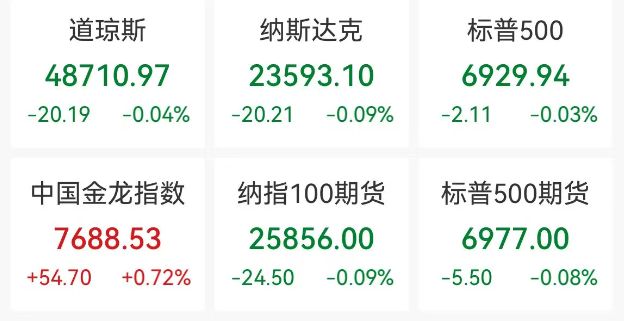
纳斯达克中国金龙指数收涨0.72%,小鹏汽车涨超6%
Mei Ri Jing Ji Xin Wen· 2025-12-26 22:16
每经AI快讯,12月27日,纳斯达克中国金龙指数收涨0.72%,本周累计上涨0.64%。小鹏汽车涨超6%, 蔚来涨近4%,阿里巴巴、百度涨超1%;霸王茶姬跌2.54%。 ...
