Toyota(TM)

Search documents
【联合发布】一周新车快讯(2025年8月23日-8月29日)
乘联分会· 2025-08-29 08:58
Core Viewpoint - The article provides a comprehensive overview of upcoming vehicle models from various manufacturers, detailing their specifications, market segments, and expected launch dates. Group 1: Upcoming Vehicle Models - Chery New Energy's QQ Ice Cream is set to launch on August 23, 2025, in the A00 HB segment with a price range of 36,900 RMB [15] - Toyota's Lexus NX will be available on August 23, 2025, as a B SUV with a price range of 299,800 to 509,800 RMB [23] - Chery's Jetour X70 PLUS is scheduled for release on August 25, 2025, in the B SUV segment, priced between 113,900 and 136,900 RMB [31] - NIO's Firefly will launch on August 25, 2025, as an AO HB with a price of 133,800 RMB [38] - Chery's LUXEED R7 will be available on August 25, 2025, in the C SUV segment, with prices ranging from 249,800 to 309,800 RMB [46] Group 2: Specifications and Features - The QQ Ice Cream features a pure electric engine with a range of 205 km and a battery capacity of 17.4 kWh [15] - The Lexus NX offers multiple engine options, including a 2.5L hybrid with a power output of 139 kW and a torque of 241 Nm [22] - The Jetour X70 PLUS is equipped with a 1.5T engine, providing a power output of 115 kW and a torque of 230 Nm [31] - NIO's Firefly has a pure electric engine with a range of 420 km and a battery capacity of 42.1 kWh [38] - The LUXEED R7 offers both range-extended and pure electric options, with the latter providing a range of up to 802 km [46] Group 3: Market Segments and Engineering Changes - The QQ Ice Cream is categorized as a new model (NM) with no significant engineering changes [15] - The Lexus NX is classified as a mid-cycle enhancement (MCE1), indicating minor updates [23] - The Jetour X70 PLUS also falls under MCE1, suggesting some improvements without a complete redesign [31] - NIO's Firefly is a new model (NM) with no major engineering modifications [38] - The LUXEED R7 is classified as MCE1, indicating updates to features and specifications [46]






宗馥莉们的接班焦虑,日本几百年前就解决了
Hu Xiu· 2025-08-29 04:02
Group 1 - The article discusses the challenges and dynamics of family business succession in Japan and China, highlighting the cultural differences in how succession is approached [2][4][41] - In Japan, succession is often seen as a duty, with discussions focused on "who will take over" rather than "whether to take over," involving multiple generations [3][5][12] - Japanese family businesses have a high rate of continuity, with approximately 97% of small and medium enterprises being family-owned, and 66% of all businesses being family-operated [12][13] Group 2 - The article contrasts the Japanese approach to succession, which includes mechanisms like "muko-iyashi" (adoption of sons-in-law) to ensure stability and continuity, with the more fragmented approach seen in China [16][18][41] - Notable examples of successful family business transitions in Japan include Toyota and Nintendo, where leadership has been passed down through generations, often involving external candidates as well [4][6][10] - The article emphasizes the importance of training and preparation for successors in Japan, with many inheritors gaining experience in other companies before taking over the family business [22][21][30] Group 3 - The article points out that while Japan has a robust system for business succession, it also faces challenges, such as internal conflicts and the need for adaptability in changing markets [8][24] - The cultural emphasis on family and legacy in Japan fosters a sense of responsibility among successors, which contrasts with the more individualistic approach seen in China [26][31][41] - The discussion includes the impact of economic conditions on succession, noting that stability becomes a priority during economic downturns, making the Japanese model appealing for long-term sustainability [14][36]
丰田7月全球销量创新高,在中国持续复苏
日经中文网· 2025-08-28 08:00
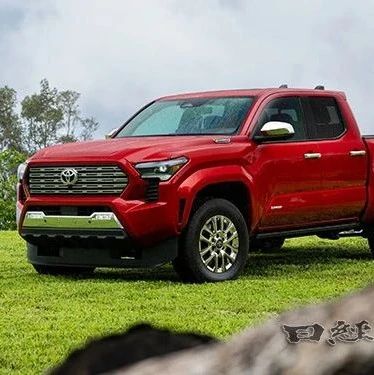
Core Insights - Toyota's global sales reached a record high of 899,449 units in July, marking a 5% year-on-year increase, driven by strong demand for large vehicles and hybrid models in the U.S. market [2][4] - The U.S. market saw a significant 20% increase in sales, with notable performance from the Tacoma pickup and 4Runner SUV [4] - In China, sales continued to recover with a 6% increase, totaling 151,669 units, supported by government subsidies and strong sales of new models [4] Group 1 - Toyota's global production also hit a record high for July, increasing by 5% to 846,771 units, with the U.S. production up by 29% and China by 17% [4] - The U.S. government and Japan reached an agreement to reduce additional tariffs on automobiles from 25% to 15%, leading to a 25% increase in the number of cars exported from Japan to the U.S., totaling 55,306 units [4] - Despite the positive trends, production and sales in Japan were affected by a recent earthquake, resulting in a 6% decrease in production to 292,041 units and a 4% decrease in sales to 135,249 units [4]
中美市场双引擎驱动,丰田(TM.US)7月全球产销量再创历史新高
Zhi Tong Cai Jing· 2025-08-28 07:05
Group 1 - Toyota's global sales reached a record high in July, marking the seventh consecutive month of growth, driven by strong demand in the US and China despite global trade uncertainties [1] - In July, global sales (including subsidiaries Daihatsu and Hino) increased by 4% year-on-year to 963,796 units, with overseas market sales growing by 6% [1] - North America showed exceptional performance with a 20% increase in sales, supported by strong demand for trucks, SUVs, and hybrid models [1] Group 2 - In the first half of 2025, Toyota's global sales also hit a record high, with a 7.4% year-on-year increase, surpassing 5.5 million units, and production rising by 8.8% to 5.5 million units [2] - The US remains Toyota's largest export market, with sales reaching $40.8 billion last year, although tariff impacts have significantly affected the company [2] - Toyota has lowered its operating profit forecast for the fiscal year 2025 from 3.8 trillion yen to 3.2 trillion yen, anticipating a tariff impact of 1.4 trillion yen (approximately $9.5 billion) [2] Group 3 - Traditional Japanese automakers like Toyota face dual challenges from fluctuating trade policies and competition from emerging electric vehicle companies like BYD and Tesla [2] - While hybrid technology still holds market advantages, the intensifying competition in the pure electric vehicle sector is pushing Toyota to accelerate its transformation [2] - Balancing traditional strengths with the shift towards electrification will be a key focus for Toyota in the future [2]
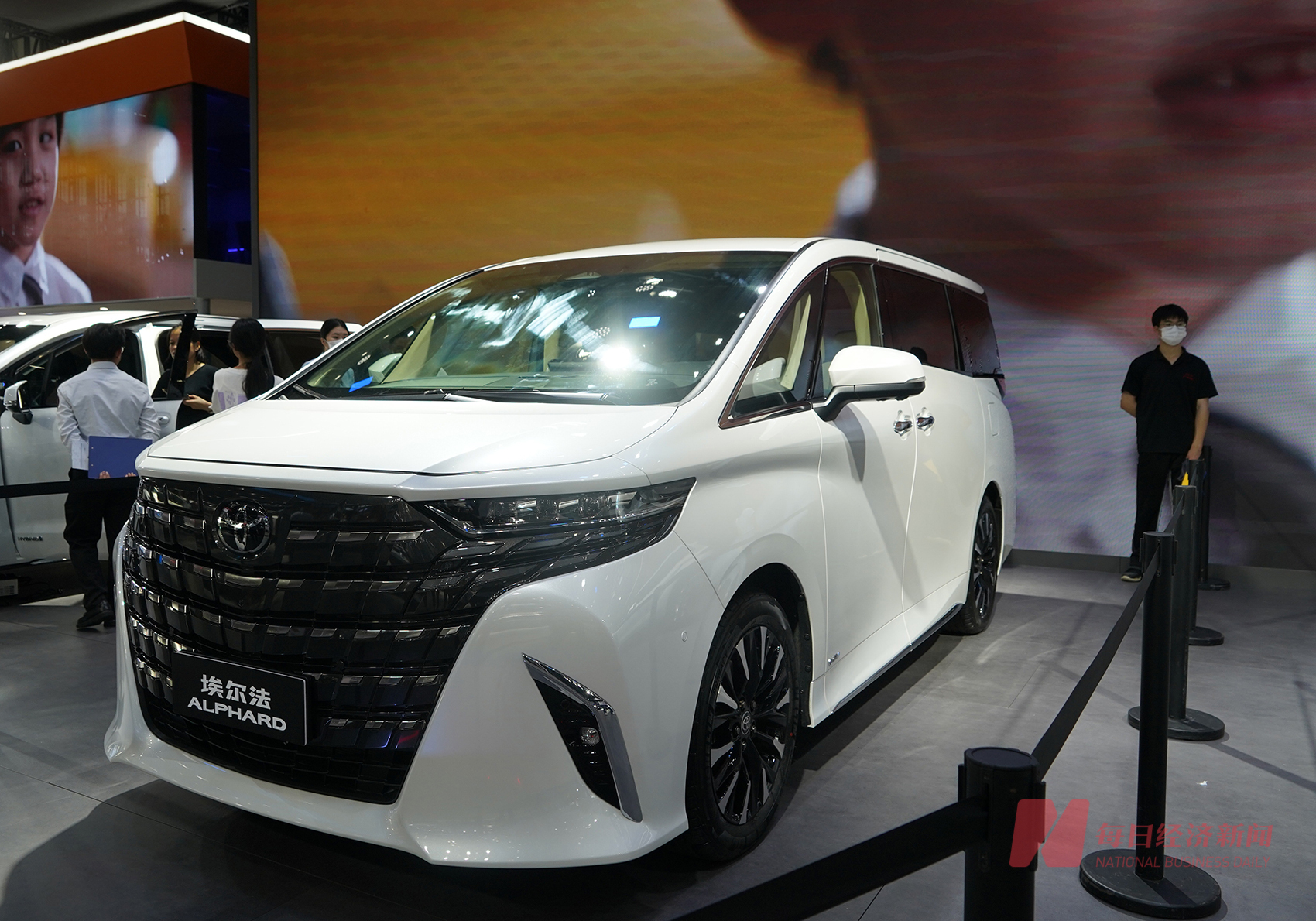
曾动辄加价30万元 丰田埃尔法被曝“行情崩了” 多地经销商:仍加价10万元 店内无现车
Mei Ri Jing Ji Xin Wen· 2025-08-27 13:44
Core Viewpoint - The market for Toyota Alphard is experiencing a significant shift, with price increases stabilizing and availability issues arising, leading to a decline in its once-dominant position in the high-end MPV segment in China [1][3][4]. Group 1: Pricing and Availability - A recent report indicates that the price increase for the Toyota Alphard has decreased from around 30,000 yuan to approximately 10,000 yuan over the past year, reflecting a notable market adjustment [1]. - Many dealers report a lack of stock for both new and old models of the Alphard, with some stating they cannot obtain vehicles from the manufacturer [1][2]. - Dealers with available stock are leveraging the situation to charge higher prices, with reports of price increases of 16,000 yuan for new models and 10,000 yuan for older models [2]. Group 2: Market Position and Competition - The Alphard, once a top seller in the high-end MPV market, has seen a decline in sales, with 21,000 units sold in 2022, down over 12% year-on-year, and 19,000 units in 2023 [3]. - The vehicle's market share in Hong Kong has also diminished, with competitors like Zeekr 009 and Denza D9 taking the lead in sales [4]. - The rise of domestic high-end MPVs and changing consumer preferences are challenging the Alphard's previous status as a luxury symbol, as buyers now have more options in the under 1 million yuan segment [4]. Group 3: Import Market Dynamics - The import market for vehicles, including the Alphard, is facing a downturn, with a reported 32% year-on-year decline in imported vehicles from January to July 2025 [5][6]. - The demand for non-luxury imported vehicles is shrinking, while luxury brands like Lexus and Porsche are performing relatively well [6]. - The overall trend indicates a continuous decline in the import market, with projections suggesting that the market will struggle to grow in the future [6][7].
丰田埃尔法被曝“行情崩了”,多地经销商:仍加价10万元,店内无现车
Mei Ri Jing Ji Xin Wen· 2025-08-27 13:19
Core Viewpoint - The market for Toyota Alphard is experiencing a significant shift, with a notable decrease in price premiums and a lack of available inventory, indicating changing consumer preferences and increased competition from domestic brands [1][2][7]. Group 1: Pricing and Inventory Situation - Recent reports indicate that the price premium for the Toyota Alphard has decreased from around 30,000 yuan to approximately 10,000 yuan, reflecting a significant market adjustment [2][8]. - Many dealers across various regions, including Beijing and Shanghai, report a complete lack of inventory for both new and old models of the Alphard, leading to increased price premiums for those with available stock [4][8]. - A dealer in Hangzhou mentioned that the new model was sold with a 160,000 yuan markup, while the old model had a 100,000 yuan markup, indicating that even with reduced premiums, the final price remains high [4][8]. Group 2: Market Dynamics and Competition - The Alphard, once a dominant player in the high-end MPV market, is facing declining sales, with 2022 sales dropping to 21,000 units, a year-on-year decline of over 12%, and 2023 sales projected at 19,000 units [8][10]. - The vehicle's popularity in the Guangdong-Hong Kong-Macau Greater Bay Area is waning, with competitors like Zeekr 009 and Denza D9 capturing significant market share [10]. - The rise of domestic high-end MPVs and changing consumer preferences are challenging the Alphard's status as a luxury symbol, as buyers now have more options within the 1 million yuan price range [10][12]. Group 3: Import Market Trends - The overall import car market in China is experiencing a downturn, with a reported 32% year-on-year decline in imported vehicles from January to July 2025 [12][13]. - The demand for non-luxury imported vehicles is sharply decreasing, while luxury brands like Lexus and Porsche are performing relatively well [13]. - The long-term trend shows a continuous decline in the import car market, with projections indicating that the scale of imports will remain below demand in the near future [13].
曾动辄加价30万元,丰田埃尔法被曝“行情崩了”,多地经销商:仍加价10万元,店内无现车
Mei Ri Jing Ji Xin Wen· 2025-08-27 13:07
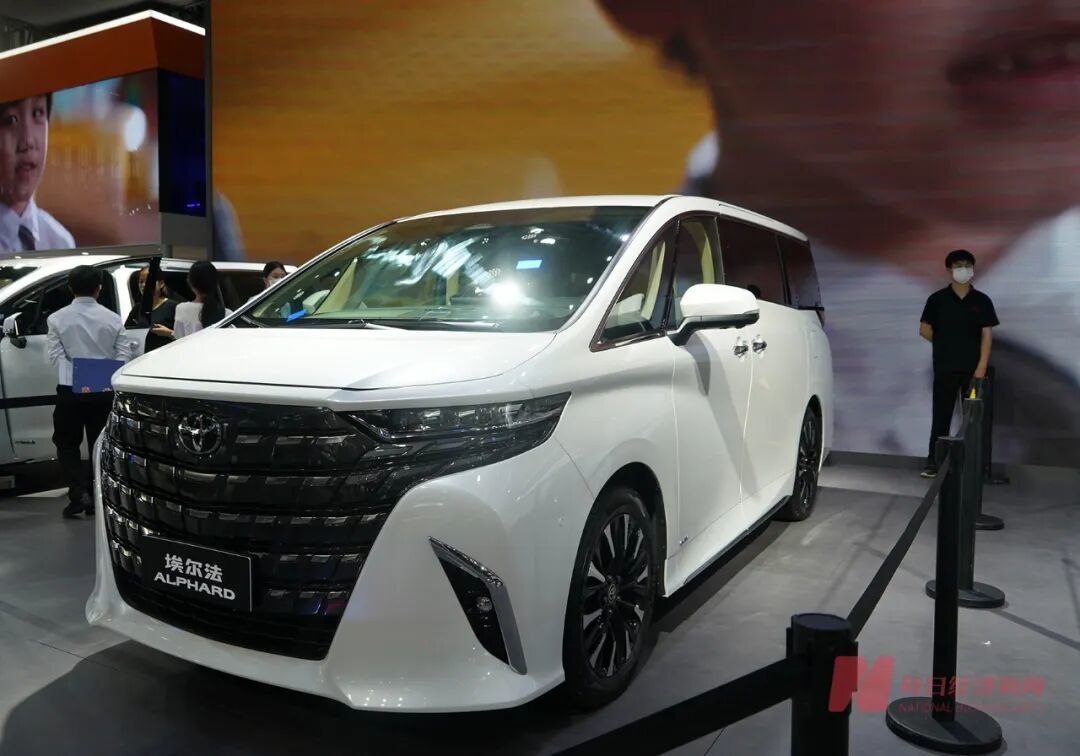
Core Viewpoint - The market for Toyota Alphard is experiencing a significant shift, with price increases stabilizing and availability issues leading to reduced demand and competition from domestic brands [1][6][9]. Group 1: Pricing and Availability - A recent report indicates that the price for a specific configuration of the Toyota Alphard is now only 2.75 million yuan above the suggested retail price of 899,000 yuan, a stark contrast to previous price hikes of up to 300,000 yuan [1]. - Many dealers report a lack of stock for both new and old models of the Alphard, with some indicating that they cannot obtain vehicles from the manufacturer [3][4]. - The average price increase for the Alphard has stabilized around 100,000 yuan, down from previous levels, but dealers with available stock are still leveraging this scarcity to maintain higher prices [5]. Group 2: Market Trends and Competition - The Alphard, once a dominant player in the high-end MPV market, has seen a decline in sales, with 21,000 units sold in 2022, representing a year-on-year drop of over 12%, and 19,000 units in 2023 [6][8]. - The vehicle's popularity in the Guangdong-Hong Kong-Macao Greater Bay Area is waning, with competitors like Zeekr 009 and Denza D9 taking the lead in the MPV market [8]. - The rise of domestic high-end MPVs and changing consumer preferences are challenging the Alphard's market position, as buyers now have more options under one million yuan without the need for additional markups [9]. Group 3: Import Market Dynamics - The import price of the Alphard in China is significantly higher than in Japan, where it is priced between 265,000 and 428,000 yuan, due to import taxes and limited supply [10]. - The overall import car market in China is facing a downturn, with a 32% year-on-year decline in the first seven months of 2025, indicating a shift in consumer demand towards domestic brands [11]. - The luxury segment is currently the only area sustaining the import market, while demand for non-luxury imported vehicles is rapidly shrinking [11].

丰田埃尔法告别“加价30万”神话?多地经销商:仍加价10万元,店内无现车
Mei Ri Jing Ji Xin Wen· 2025-08-27 12:05
Core Insights - The price of the Toyota Alphard has seen a significant reduction in the markup, with recent reports indicating a markup of only 27,500 yuan compared to previous markups of up to 300,000 yuan, suggesting a shift in market dynamics [1][2] - Despite the reduced markup, many dealers report a lack of available stock for the Alphard, indicating ongoing supply chain issues and limited allocations from the manufacturer [1][3] - The Alphard's market dominance is being challenged by the rise of domestic high-end MPVs, such as the Denza D9 and Zeekr 009, which are gaining popularity and market share [3][4] Pricing and Availability - Recent reports show that the current markup for the new Alphard is around 160,000 yuan, while the older model has a markup of approximately 100,000 yuan, leading to a total price exceeding 1,009,000 yuan for the 2.5L premium version [2] - Dealers across various regions, including Beijing and Shanghai, have confirmed that there are no available units of the Alphard, with some stating that they have exhausted their annual allocation from the manufacturer [1][3] Market Trends - The Alphard's sales have declined significantly, with 21,000 units sold in 2022, representing a year-on-year decrease of over 12%, and only 19,000 units sold in 2023 [3][4] - The vehicle's popularity in the Guangdong-Hong Kong-Macao Greater Bay Area is also waning, with its market share dropping from over 70% in the Hong Kong MPV market to being overtaken by competitors [4] Import Market Dynamics - The import price of the Alphard in China is significantly higher than in Japan, where it is priced between 265,000 to 428,000 yuan, due to import taxes and limited supply [5] - The overall import car market in China has seen a decline, with a 32% drop in imported vehicles in the first seven months of 2025, indicating a challenging environment for foreign brands [6][7]
一线调查丨丰田埃尔法告别“加价30万”神话?多地经销商:仍加价10万元,店内无现车
Mei Ri Jing Ji Xin Wen· 2025-08-27 11:59
Core Viewpoint - The market for Toyota Alphard has seen a significant reduction in price markups, with current additional charges around 2.75 million yuan compared to previous charges of up to 300,000 yuan, indicating a shift in demand and supply dynamics in the high-end MPV segment [1][6][9]. Group 1: Pricing and Availability - Recent reports indicate that the Alphard is still being sold at a markup, with the exact amount depending on the configuration, and many dealers currently have no stock available [1][3]. - Dealers in various regions, including Beijing and Shanghai, confirm a lack of inventory for both new and old models of the Alphard, attributing this to limited allocations from the manufacturer [4][5]. - The average markup for the Alphard has stabilized around 100,000 yuan over the past year, a significant decrease from previous levels [1][6]. Group 2: Market Trends and Competition - The Alphard, once a dominant player in the high-end MPV market, has seen a decline in sales, with 2022 and 2023 figures showing a drop to 21,000 and 19,000 units respectively, down over 12% year-on-year [6][7]. - The vehicle's popularity in the Guangdong-Hong Kong-Macau Greater Bay Area is waning, with competitors like Zeekr 009 and Denza D9 taking the lead in sales [7]. - The rise of domestic high-end MPVs and changing consumer preferences are challenging the Alphard's market position, as buyers now have more options within the 1 million yuan price range [7][8]. Group 3: Import Market Dynamics - The import market for vehicles, including the Alphard, is experiencing a downturn, with a reported 32% decrease in imported vehicles in the first seven months of 2025 [9][10]. - The pricing of the Alphard in China is significantly higher than in Japan, where it is considered a more affordable vehicle, leading to questions about the sustainability of its current pricing strategy [8][9]. - The overall trend indicates a continuous decline in the import market for non-luxury vehicles, with a shift towards luxury brands sustaining demand [10].
Here's Why You Should Offload Toyota Stock From Your Portfolio
ZACKS· 2025-08-26 17:46
Core Insights - Toyota Motor Corporation is facing challenges with rising operating expenses and capital requirements, leading to a recommendation to consider offloading the stock [1] Financial Performance - Toyota's operating income for fiscal 2026 is projected at ¥3.2 trillion, a decrease of 33.2% year over year [2][8] - The pretax profit for fiscal 2026 is estimated at ¥3.87 trillion, down from ¥6.41 trillion in fiscal 2025 [2] Expenses and Investments - R&D expenses for fiscal 2026 are expected to rise to ¥1.37 trillion, up from ¥1.33 trillion in fiscal 2024, which may limit near-term margins [3] - Capital expenditure for fiscal 2026 is projected to increase from ¥2.13 trillion to ¥2.3 trillion, potentially straining near-term cash flows [4] Debt Levels - Toyota's long-term debt was ¥22.94 trillion as of June 30, 2025, an increase from ¥22.19 trillion as of June 30, 2024 [4] - The company's debt-to-capitalization ratio stands at 38%, compared to the industry average of 28% [4][8] Earnings Estimates - The Zacks Consensus Estimate for Toyota's fiscal 2026 earnings indicates a year-over-year growth of 23.9%, although EPS estimates have declined by 2 cents and 3 cents for fiscal 2026 and 2027, respectively, in the past 30 days [5]