TSMC(TSM)

Search documents
大芯片封装,三分天下
半导体行业观察· 2025-11-20 01:28
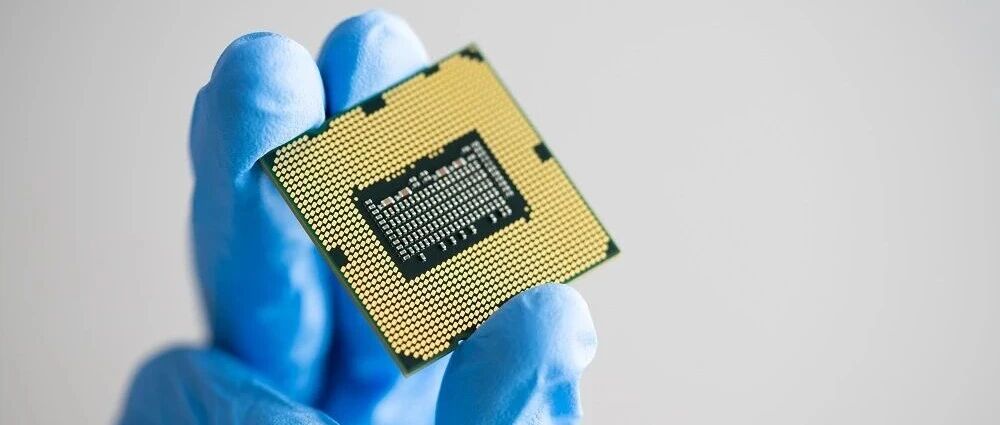
Core Insights - The article discusses the rapid development of AI chips, highlighting the importance of advanced packaging technologies like 2.5D/3D packaging, particularly focusing on GPU, AI ASIC, and HBM as key components in high-performance computing [2][4]. Group 1: Advanced Packaging Technologies - Advanced packaging platforms are crucial for enhancing device performance and bandwidth, becoming a hot topic in the semiconductor industry, even surpassing traditional cutting-edge process nodes [2]. - TSMC, Intel, and Samsung have established a "triple dominance" in the advanced packaging field, each playing different roles in the supply chain [4]. - TSMC's CoWoS technology has become the de facto standard for high-bandwidth packaging, with significant adoption by major companies like NVIDIA and AMD [6]. Group 2: Market Projections - The advanced packaging market is projected to exceed $12 billion by Q2 2025, driven by strong demand in AI and high-performance computing [4]. - By 2024, the advanced packaging market size is expected to reach approximately $45 billion, with a robust compound annual growth rate of 9.4%, potentially reaching around $80 billion by 2030 [4]. Group 3: Capacity and Cost Challenges - CoWoS capacity is severely constrained, primarily due to NVIDIA's long-term commitments, which occupy over half of the available capacity [7]. - TSMC plans to expand its CoWoS capacity by over 20% by the end of 2026, aiming for a capacity of at least 120-130 thousand wafers per month [7]. - The high cost of the intermediate layer in CoWoS packaging can account for 50%-70% of the total packaging cost, leading to situations where packaging costs exceed the chip costs [8]. Group 4: Intel's EMIB Technology - Intel's EMIB technology is gaining attention as a flexible alternative to TSMC's CoWoS, with major companies like Apple and Qualcomm evaluating it for their next-generation chips [11]. - EMIB allows for cost-effective heterogeneous integration and supports large-scale system expansion, making it suitable for custom ASICs and AI inference chips [18]. - The combination of EMIB with Foveros technology creates a hybrid architecture that balances packaging size, performance, and cost efficiency [21]. Group 5: Samsung's Position - Samsung's advanced packaging strategy is driven by its HBM supply chain, leveraging its position to influence packaging and system architecture decisions [23]. - Samsung's I-Cube technology offers a different approach to advanced packaging, focusing on high-density interconnects and cost-effective solutions [24][28]. - The X-Cube technology represents a significant advancement in 3D packaging, enhancing chip density and performance through innovative bonding techniques [28]. Group 6: Competitive Landscape - The competition in the AI chip foundry sector is no longer just about packaging processes but involves a comprehensive strategy encompassing computational architecture, supply chain security, capital expenditure, and ecosystem integration [30]. - For downstream chip design companies, navigating between different packaging camps will be crucial for determining the performance limits and delivery certainty of future AI products [30].


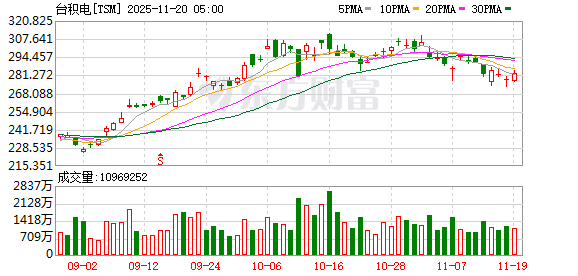
台积电盘后股价一度涨超3%
Mei Ri Jing Ji Xin Wen· 2025-11-19 22:12
每经AI快讯,11月20日,台积电盘后股价一度涨超3%。 (文章来源:每日经济新闻) ...
Meet the Supercharged Artificial Intelligence (AI) Growth Stock That Could Join Apple, Nvidia, Alphabet, and Microsoft in the $3 Trillion Club by 2027
Yahoo Finance· 2025-11-19 18:32
Key Points Semiconductor stocks have been some of the biggest beneficiaries of the artificial intelligence (AI) revolution. While Nvidia gets more of the headlines, the GPU leader relies heavily on outside partners to handle its manufacturing. Taiwan Semiconductor Manufacturing could be on a path to join the $3 trillion club sooner than many investors realize. 10 stocks we like better than Taiwan Semiconductor Manufacturing › There are currently 11 public companies that boast market capitalizatio ...
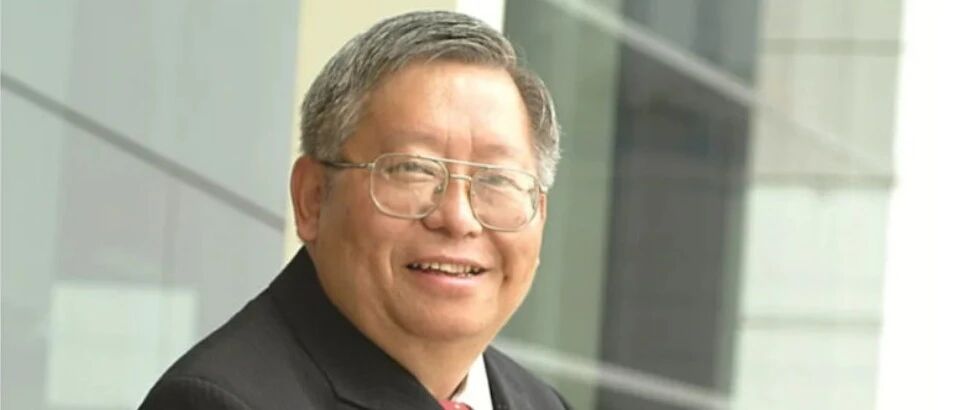
75岁台积电退休“老将”,携2nm机密赴任英特尔?
Guan Cha Zhe Wang· 2025-11-19 14:41
Core Viewpoint - The recent rumors regarding the return of former TSMC executive Luo Wei-ren to Intel as a Vice President of R&D have raised concerns about potential violations of non-compete agreements and the possible leakage of sensitive technology information from TSMC [1][2][3]. Group 1: Background on Luo Wei-ren - Luo Wei-ren, aged 75, has a long history with Intel, having worked there for 18 years before joining TSMC in 2004, where he held several senior positions and was instrumental in TSMC's advancements in technology, including the 2nm process [1]. - He was recognized for his contributions to TSMC's 10nm process development, notably through the "Night Hawk Plan," which established a 24-hour advanced process R&D center [1]. Group 2: Allegations of Technology Misappropriation - Reports suggest that Luo Wei-ren, prior to his retirement from TSMC in July, utilized his executive authority to request technical briefings and took "over 20 boxes" of confidential materials related to advanced process technologies, including 2nm, A16, and A14 [2]. - The involvement of Taiwan's economic department and the prosecutor's office indicates a serious investigation into the matter, although TSMC has stated it is unaware of the situation [2][3]. Group 3: Industry Reactions and Implications - The lack of a strong response from TSMC regarding the allegations has led to speculation that Luo's move to Intel may have been tacitly approved by TSMC's management, possibly to assist Intel in advancing its technology [3]. - Analysts suggest that TSMC would have likely enforced a non-compete agreement with Luo, making the situation more complex and potentially leading to legal actions if the allegations are substantiated [3].

Bank of America Securities Reiterates a Buy on Taiwan Semiconductor Manufacturing (TSM)
Yahoo Finance· 2025-11-19 12:11
Core Viewpoint - Taiwan Semiconductor Manufacturing Company Limited (TSM) is highlighted as a highly profitable stock with a Buy rating and a price target of $390 from Bank of America Securities [1][2]. Group 1: Financial Performance and Projections - TSM announced a budget approval of $14.98 billion aimed at enhancing long-term capacity, including fab construction and R&D funding for 2026 [2]. - The company is expected to maintain robust gross margins around 60% through 2027, with sales projected to grow at a CAGR of 21% [3]. - Analyst Yang anticipates a 5% CAGR supply growth from 2025 to 2027, driven by TSM's technological advancements [4]. Group 2: Competitive Positioning - TSM is recognized as the world's largest dedicated semiconductor foundry, serving various global industries such as technology, communications, and automotive [5]. - The company's technological capabilities in 2nm expansion and high-end packaging are seen as significant competitive advantages over peers [4].
传台积电前高管携技术机密入职英特尔 台北股市应声震荡
Zhong Guo Xin Wen Wang· 2025-11-19 11:42
Core Viewpoint - The news highlights concerns regarding the potential theft of proprietary technology by a former TSMC executive who has joined Intel, leading to market volatility in Taiwan's stock market and raising questions about TSMC's internal security measures [1][2]. Group 1: Company Developments - Former TSMC senior vice president Luo Wei-ren allegedly took core technology secrets, including 2nm process technology, before joining Intel [1]. - TSMC's internal technology protection system is under scrutiny following this incident, especially after a previous leak of 2nm process documents in August [1]. Group 2: Market Reaction - The news caused a significant drop in the Taipei stock market, which fell nearly 100 points at the opening, reaching a low of 26,663.44 points [1]. - TSMC's stock price fell below NT$1,400, dropping to NT$1,395 [1]. - The Taipei stock market had already experienced a decline of 691.19 points (2.52%) on the previous trading day, with total trading value at NT$672.757 billion [2].
马斯克爆建晶圆厂原因
半导体芯闻· 2025-11-19 10:32
Core Viewpoint - Elon Musk indicated that Tesla may require "100 to 200 billion AI chips" annually, expressing concerns over the production speed of TSMC and Samsung Electronics [2]. Group 1: Production Capacity Concerns - Musk emphasized that the current pace of chip production by TSMC and Samsung is insufficient for Tesla's needs, stating that building a new wafer fab would take five years, which he considers too long [2]. - He mentioned that if TSMC and Samsung could expedite their production to meet the demand of 100 to 200 billion AI chips per year, it would be ideal [2]. - The semiconductor industry supplied 1.5 trillion semiconductor devices in 2023, but this figure is misleading due to the variety of chip types involved [3]. Group 2: AI Chip Specifications - Musk believes that the AI5 processor consumes only 250W, significantly less than Nvidia's B200 GPU, which consumes 1,200W, suggesting that the AI5 is much smaller in size [3]. - If Musk's statement about needing 200 billion AI processors is accurate, it would exceed the annual production capacity of the entire semiconductor industry, primarily manufactured by TSMC [3]. Group 3: Potential Collaborations and Future Plans - Musk is exploring the possibility of collaborating with Intel to address chip production challenges, noting that even in the best-case scenario, supplier chip output would still be insufficient [4]. - Tesla's potential wafer fab could initially produce 100,000 silicon wafers per month, with a possible expansion to 1 million wafers, while TSMC's projected annual output for 2024 is 17 million wafers, averaging 1.42 million per month [4].


三星公布首批2纳米芯片性能数据,加速追赶台积电
Hua Er Jie Jian Wen· 2025-11-19 07:42
Core Insights - Samsung Electronics is intensifying its efforts to catch up with industry leader TSMC by revealing specific performance metrics of its next-generation chip manufacturing technology [1] - The announcement of Samsung's first performance data for its upcoming 2nm chip process marks a shift from conceptual descriptions to concrete specifications, aimed at demonstrating its technological capabilities to the market and potential customers [1] Group 1: Samsung's 2nm Technology - The first-generation 2nm process utilizes Gate-All-Around (GAA) transistor technology, achieving a 5% performance improvement, an 8% increase in power efficiency, and a 5% reduction in chip area compared to the second-generation 3nm process [1] - This release signifies a strategic move for Samsung to enhance its competitive position in the concentrated global foundry market, where TSMC holds over 70% market share while Samsung's share is approximately 7% [1] Group 2: Market Dynamics - Analysts expect TSMC's leading position to remain unchallenged in the short term due to its advantages in high-volume production, stability, and meeting strong demand for AI accelerators and data center chips [1] - However, subtle changes in market dynamics are occurring, as some customers are seeking alternatives due to TSMC's ongoing capacity constraints, creating opportunities for Samsung [1] - Samsung's foundry business is attracting orders from large tech companies and startups, broadening its customer base [1] Group 3: Collaborations and Orders - Samsung has recently begun producing processors based on a 4nm process for the U.S. AI startup Chaboraite [1] - Additionally, Samsung is collaborating with companies like Tesla on its 2nm process [1]
国际产业新闻早知道:东南亚多国三季度经济增速放缓,人工智能投资热度维持高位
Chan Ye Xin Xi Wang· 2025-11-19 05:53
Group 1: Peru's Agricultural Exports - The U.S. government has exempted over 200 products from "reciprocal tariffs," with approximately 100 of these being Peruvian agricultural exports, including avocados, coffee, cocoa, mangoes, ginger, lemons, oranges, and natural juices [1][2] - In 2024, these products are expected to generate around $1.2 billion in exports to the U.S., accounting for 24% of Peru's total exports to the U.S. [1] - The exemption will allow nearly 50% of Peru's exports to the U.S. to benefit from tariff relief, enhancing competitive market access for Peruvian producers [2] Group 2: Japan's Long-term Bonds - Japan's long-term bonds have seen a significant decline due to increasing concerns over the country's fiscal situation, coinciding with expectations of an upcoming economic stimulus plan [3][4] - The yield on Japan's 20-year bonds has surged to its highest level since 1999, with the 30-year and 40-year bond yields also rising [4] - Investors are cautious about the scale of the government's economic stimulus plan, which may lead to increased bond issuance and potential market stability risks [5] Group 3: Southeast Asia's Economic Slowdown - Four out of six major Southeast Asian economies reported a slowdown in GDP growth for the third quarter, primarily due to weak manufacturing output and low household consumption [6][7] - Thailand's GDP growth fell to 1.2% year-on-year, the lowest in nearly four years, with manufacturing output declining for the first time in six quarters [6][7] - Other countries like Singapore, the Philippines, and Indonesia also experienced varying degrees of GDP growth slowdown, with Indonesia's growth at 5.04% and the Philippines at 4.0% [8][9] Group 4: Global Hunger Crisis - The United Nations World Food Programme has warned of an escalating global hunger crisis due to significant cuts in humanitarian aid funding, with an estimated 318 million people facing severe hunger in 2024 [11][12] - The WFP plans to assist only about 110 million of the most vulnerable populations in 2026, with a budget of $13 billion, although actual funding is expected to be only half of this amount [13] - The WFP has called for increased support from governments and donors to effectively address hunger and achieve the "zero hunger" goal [17][18] Group 5: Taiwan's AI Investment - Taiwan is advancing a plan to invest approximately NT$100 billion (around $3.2 billion) to develop its AI industry, aiming to establish itself as an "AI island" [19][20] - The investment will focus on ten key AI projects, with a goal to create NT$7 trillion in added value by 2028 and NT$15 trillion by 2040 [20][21] - Key technologies targeted for enhancement include silicon photonics, quantum computing, and AI robotics, with plans to establish dedicated research centers [22] Group 6: Google's Investment in Texas - Google announced a $40 billion investment in Texas by 2027 to build new cloud and AI infrastructure, which will create thousands of jobs and support community energy efficiency programs [24] - The investment includes the establishment of new data center parks in Armstrong County and Haskell County, with a commitment to responsibly expand infrastructure [24] Group 7: Strategic Partnerships in AI - Microsoft, NVIDIA, and Anthropic have formed a strategic partnership involving a $15 billion investment and a $30 billion order for computing resources, significantly expanding the accessibility of Anthropic's AI models [25][26] - This collaboration will optimize Anthropic's models for performance and efficiency, with a focus on deploying them across major cloud services [27][28] Group 8: Automotive Industry Developments - BYD plans to double its sales network in Europe by the end of 2025, aiming for 1,000 sales points as part of its strategy to expand in the European market [65][66] - Geely and Renault have launched a joint venture in Brazil, investing 3.8 billion reais (approximately 5.1 billion yuan) to localize new energy vehicle production [69][70] - BMW is accelerating the localization of its intelligent driving technology in China, with plans to launch a new generation of smart driving assistance systems in 2026 [71][72]




突发!曝台积电高管窃2nm机密跳槽!
是说芯语· 2025-11-19 05:11
Core Viewpoint - The article discusses the potential misconduct of a former TSMC executive, Luo Wei-ren, who allegedly took confidential technology information to Intel after retiring, raising concerns about corporate espionage and legal implications [1][3]. Group 1: Allegations and Legal Implications - Luo Wei-ren, former senior vice president of TSMC's technology research and development, has reportedly taken a large amount of confidential information related to advanced process technologies (2nm, A16, A14) to Intel after his retirement [1][3]. - TSMC has not yet filed a lawsuit, and the legal status remains unclear; however, if TSMC does file a complaint and confirms the involvement of 2nm secrets, legal actions similar to previous cases of technology theft may be pursued [3]. - The Taiwanese law enforcement is currently gathering evidence to determine if any illegal activities occurred, with a focus on whether Luo's actions constitute a breach of trade secrets [3]. Group 2: Background of Luo Wei-ren - Luo Wei-ren joined TSMC in 2004 and held various senior positions, including vice president of operations and senior vice president of corporate strategy development, during which he led the technology team to secure over 15,000 patents [4]. - His leadership in advanced process upgrades has been significant for TSMC, making his transition to Intel, a direct competitor, particularly concerning for TSMC [3][4].