
卡游

Search documents
“借来的灵魂终不如自己的” IP如何点石成金
Jie Fang Ri Bao· 2025-10-17 00:49
Group 1 - The core idea of the articles emphasizes the importance of IP (Intellectual Property) in driving sales and consumer engagement in the toy industry, particularly in China, where the market for licensed products is rapidly growing [2][6][10] - During the National Day holiday, a significant increase in foot traffic and sales was observed at Jing'an Joy City, highlighting the success of the My Little Pony pop-up event organized by the licensed card game company, Kayo [1][4] - A survey by the China Toy and Baby Products Association indicates that 91.4% of licensed merchants believe IP licensing boosts sales, with 22.7% reporting sales increases of over 100% compared to the previous year [2][6] Group 2 - Kayo's revenue diversification strategy is evident, with only 81.5% of its total revenue in 2024 coming from trading card games, down from 95.1% in 2022, indicating a shift towards toys, stationery, and other products [3][4][7] - The company has successfully entered the stationery market, achieving a 24.3% market share in the domestic entertainment stationery sector, with retail sales reaching 5.13 billion yuan in 2024 [3][6] - Kayo's strategy of holding multiple IPs, including popular franchises like Ultraman and Harry Potter, allows it to mitigate risks associated with reliance on a single IP, as 76% of its current revenue comes from IPs expiring after 2028 [6][7] Group 3 - The articles highlight the necessity for companies to create their own IPs rather than solely relying on licensed ones, as self-created IPs can provide unique market advantages and emotional connections with consumers [9][10][12] - The success of Kayo's original IP, such as the Three Kingdoms series, demonstrates the potential for cultural content to resonate with both domestic and international audiences when presented innovatively [9][14] - The importance of long-term planning and emotional engagement in IP development is emphasized, with successful examples showing that sustained investment in content and consumer interaction is crucial for maintaining IP popularity [10][12][13]
2025谷子经济市场前景及供需两端详细梳理分析报告
Sou Hu Cai Jing· 2025-10-16 08:53
Group 1 - The core viewpoint of the report highlights the rapid growth of the "Guzi" economy, driven by a shift from niche subculture to mainstream consumer market, with a market size of 168.9 billion yuan in 2024 and an expected growth to over 300 billion yuan by 2029, reflecting a compound annual growth rate (CAGR) of 17.79% from 2017 to 2024 [1][22][21] - The "Guzi" products, which are affordable and range from 10 to 200 yuan, have gained popularity among younger consumers, with an average single purchase of 102 yuan and an increase in monthly purchase frequency from 2.3 times in 2023 to 2.9 times in 2025, indicating strong user engagement [1][2][3] - The user base for the "Guzi" economy is substantial, with over 500 million individuals in the pan-anime demographic in China as of 2024, and 88.71% of anime enthusiasts expressing willingness to purchase "Guzi" products [2][29] Group 2 - The supply side of the "Guzi" economy is being optimized, with a notable shift from Japanese IP dominance to the rise of domestic IPs such as "Love and Deep Space" and "Identity V," which are now leading in sales, showcasing the improvement in domestic IP creation capabilities [3][4][5] - The IP licensing system in China has seen significant growth, with retail sales of licensed products reaching 155.09 billion yuan in 2024, doubling since 2017, and the licensing fees increasing from 3.82 billion yuan in 2019 to 5.99 billion yuan [4][30] - The diversification of sales channels, including online platforms like Tmall and JD.com, as well as offline stores, has enhanced consumer access to "Guzi" products, with a rapid expansion of retail outlets in the sector [4][5][22] Group 3 - The "Guzi" economy is expected to benefit from the cultural confidence and the ongoing development of domestic IPs, which are becoming increasingly relevant in the context of rising spiritual consumption among younger generations [5][21][22] - The market is currently concentrated in high-tier cities, with over 55.25% of consumers located in first-tier cities, but there is significant potential for growth in lower-tier cities, where GDP growth is projected to be 6.1% annually from 2023 to 2028 [3][4][22] - The social attributes of "Guzi" products amplify their market impact, with over 70% of consumers sharing their purchases on social media, transforming these products into social media tools that attract new users [2][3][4]

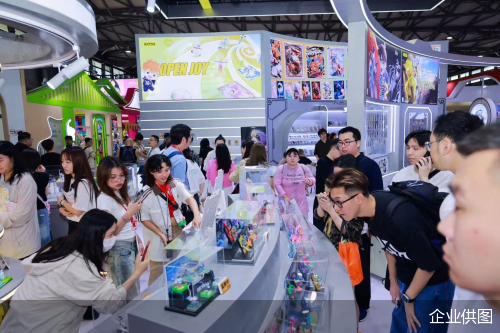
卡游亮相2025 上海玩具展:新 IP、新品类、TCG 多重亮点引领文创潮流
Bei Jing Shang Bao· 2025-10-16 05:40
Core Insights - The China Shanghai Toy Expo, a leading event in the Asian toy and pop culture industry, showcased the innovative achievements of the company, highlighting its new IP collaborations and immersive TCG experiences [1] Group 1: New IP Collaborations - The company launched new IP products across various fields, including anime, fast-moving consumer goods, web literature, and film, featuring titles like "Honey Snow Ice City," "Little Liu Duck," "Prince of Tennis," "Tomb Raider Notes," and "Barbie," creating a diverse IP matrix [2] - The company also introduced NBA star cards and ETERSOURCE Jay Chou Carnival series collectible cards, demonstrating an open-minded approach to product development and promoting cultural integration [2] Group 2: New Product Categories - The company showcased three new product lines: plush toys, trendy toys, and stationery, emphasizing its full industry chain development and operational capabilities to meet the diverse needs of young consumers [4] - The plush toys feature popular IPs like "My Little Pony," "Ultraman," and "Haikyuu," offering collectible and companionship value [4] - The trendy toy series includes figures, mini scenes, and 3D cards, providing emotional value for decoration, collection, and daily carry [4] - A new type of gel pen was introduced, combining trendy design with a smooth writing experience for educational and office settings [4] Group 3: TCG Immersive Interaction - The company organized a two-day TCG trial event featuring five popular trading card games, allowing enthusiasts to experience strategic battles under professional guidance [6] - The company has been expanding its TCG product matrix and hosting experience events and competitions across the country to enhance consumer engagement [6] - The company is also accelerating its overseas expansion, showcasing upcoming Southeast Asian games and previously launched popular IP cards in the U.S. market, attracting international attention [6] Group 4: Industry Positioning - As a cultural and intelligent manufacturing enterprise, the company has established a comprehensive industry chain covering R&D, manufacturing, channel sales, and brand operation [8] - The company aims to promote Chinese cultural creativity globally through diverse products and high-quality experiences, connecting with consumers worldwide [8]
潮玩品牌,从拼“上架”到抢“上市”
3 6 Ke· 2025-10-15 09:12
Core Insights - The潮玩 industry is witnessing a collective move towards IPOs, driven by internal and external pressures, marking a significant shift in the industry landscape [4][10][12] - The潮玩 market is expected to grow significantly, with a projected total value of 110.1 billion yuan by 2026, reflecting an annual growth rate of over 20% [2] Group 1: Reasons for the IPO Rush - The潮玩 industry is facing a transformation due to changes in market dynamics, regulatory environments, and the need for companies to adapt to a more rational consumer base [4][5] - The era of relying solely on a few popular IPs and blind box strategies is over, as market saturation has led to diminished consumer excitement [5][6] - Companies are now competing on three fronts: IP reserves, channel penetration, and user engagement, which are essential for sustainable growth [6][7] Group 2: Capital Market Dynamics - The investment landscape for潮玩 has evolved, with 2018 marking a peak in VC/PE investment, and the current period being a critical exit window for investors [7][9] - The success of companies like泡泡玛特 has increased investor understanding and acceptance of潮玩, leading to favorable conditions for IPOs [8][9] Group 3: Different Business Models - TOP TOY represents a "channel-driven" model, leveraging a vast distribution network but lacking unique IP development, with over 52.8% of its revenue coming from external IPs [14][15] - 卡游 and Hitcard exemplify an "ecosystem-driven" approach, focusing on collectible card games that foster a strong user community, but face risks related to dependency on a young audience [15][16] - 泡泡玛特 follows an "IP-driven" model, achieving 99.1% of its revenue from proprietary products, but must continuously innovate to maintain consumer interest in its IPs [16][18] Group 4: Industry Challenges and Future Directions - Domestic潮玩 companies lag behind international giants like三丽鸥 and迪士尼 in building a comprehensive IP ecosystem, often relying on short-term strategies [20][21] - Key shortcomings include a lack of long-term IP management, shallow user connections, and ineffective international expansion strategies [22][23][24] - To succeed,潮玩 companies must transition from product suppliers to emotional service providers, focusing on IP co-creation, cross-media storytelling, and compliance-driven innovation [25][26]



孩之宝:推进“玩乐制胜”战略 推动授权业务增长
Xin Hua Cai Jing· 2025-10-15 07:12
Core Insights - The global licensing industry is entering a new stage of diversified development, with IP value continuously being released and cross-industry integration becoming a trend [1] - Hasbro aims to reach over 750 million fans by 2027, leveraging its licensing business to drive growth and innovation [1] Industry Trends - The Chinese licensing market is showing strong growth, with increasing demand for personalized and emotional products from younger demographics [1] - IP licensing is expanding beyond traditional toy and stationery sectors into areas such as dining, fashion, cultural tourism, and digital entertainment, creating a broader industrial ecosystem [1] Company Strategy - Hasbro is adjusting its strategic layout to continue promoting its "Play to Win" strategy, focusing on five pillars: future play ecosystem, sustainable brand management, partner empowerment, lifelong fan engagement, and a diverse brand matrix [1] - Continuous innovation in content and marketing is central to Hasbro's growth in licensing, with a reported global retail sales of $16 billion last year [2] Partnerships and Collaborations - Hasbro is actively empowering partners to aid in their localization and internationalization efforts, achieving rapid growth in both local and overseas markets [2] - Collaborations with partners like Miniso and Card Game have led to successful product launches and expansions into new markets, such as Southeast Asia [2] Entertainment and Experience - Hasbro is working with partners like Maichi Culture to localize international IP theme parks, providing immersive experiences for fans and families [3] - The company boasts over 1,900 brand IPs, aiming to continuously launch a richer array of licensed products, services, and experiences [3]

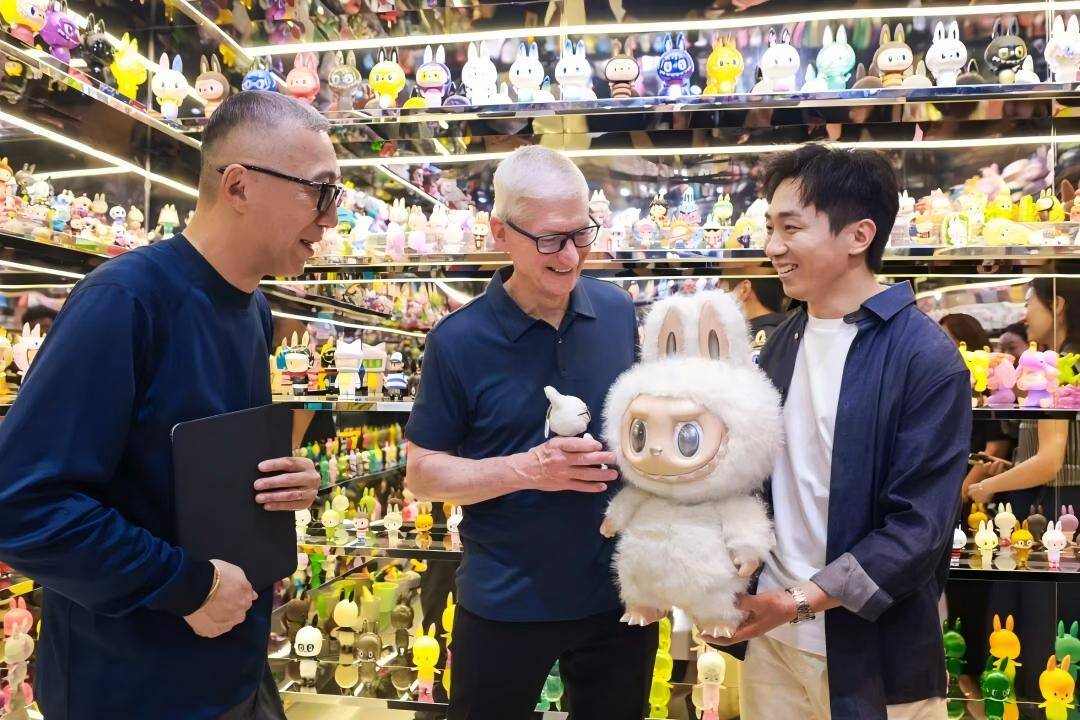
库克王宁同框,同为供应链大师,“潮链”为何不如“果链”赚钱?
Sou Hu Cai Jing· 2025-10-14 07:11
Core Insights - The meeting between Wang Ning, founder of Pop Mart, and Tim Cook, CEO of Apple, highlights the importance of the Chinese supply chain for Apple and suggests potential synergies between the tech and toy industries [1][3] - Pop Mart's impressive financial performance, with a target revenue of 20 billion RMB and a potential for 30 billion RMB, raises questions about the sustainability of its growth and the broader toy industry [3][28] - The toy industry, particularly the collectible toy segment, is experiencing rapid growth, with companies like Pop Mart and Card Game (卡游) expanding their IP portfolios and supply chains [4][11] Industry Overview - The collectible toy industry is characterized by a complex supply chain involving IP rights holders, manufacturers, and retailers, with leading companies like Pop Mart and Card Game integrating across the entire value chain [5][13] - Pop Mart's supplier network has grown significantly, from 85 suppliers in 2022 to 13,192 expected by the end of 2024, indicating a robust expansion strategy [6][8] - The IP landscape is evolving, with Pop Mart collaborating with major brands like Disney and leveraging various IPs to diversify its offerings and reduce reliance on single IPs [11][28] Financial Performance - Pop Mart reported its best-ever financial results, with a three-digit percentage increase in revenue and profit, addressing concerns about the sustainability of its business model [3][28] - Card Game's gross margin has reached nearly 70%, showcasing the profitability potential within the collectible card segment [3][28] - The financial success of both companies has led to increased interest from investors and a notable impact on stock prices of related firms [3][28] Supply Chain Dynamics - The toy industry's supply chain is becoming more defined, with clear roles for IP creation, manufacturing, and retail, similar to the structure seen in the tech industry [13][35] - Companies like Pop Mart and Card Game are investing in their supply chains, with Card Game establishing multiple production bases to enhance manufacturing efficiency [32][34] - The collaboration between toy companies and suppliers is deepening, with investments in manufacturing capabilities and joint product development initiatives [16][19] Challenges and Opportunities - Despite the rapid growth, the collectible toy industry faces challenges in maintaining sustainable growth and finding differentiated paths for long-term success [28][31] - The industry is still in its early stages, with a need for improved production techniques and standardized processes to enhance product quality and efficiency [35][36] - Companies are exploring new markets and diversifying their product lines, with Pop Mart and Card Game both looking to expand internationally and into new product categories [36][28]
时尚品牌在苏河湾滨水“秀场”轮番登场“弄潮”
Guo Ji Jin Rong Bao· 2025-10-13 06:50
Group 1 - The 2026 Spring/Summer Shanghai Fashion Week and Jing'an "Fashion Consumption Season" have officially commenced, focusing on fashion brand innovation and development, integrating technology, art, culture, and sustainability to create a world-class fashion experience for consumers [1] - Suhewan is being positioned as a new fashion landmark in Jing'an, aiming to enhance the platform for local emerging brands through a series of product launches, trade fairs, and industry forums [3][4] - LABELHOOD will host the first-ever Vanguard Fashion Art Festival at Suhewan, showcasing over ten Chinese original designer brand debuts, including a significant 10th-anniversary presentation from the local brand SHUSHU/TONG [3] Group 2 - An international fashion magazine will collaborate with LABELHOOD to host a special exhibition in Suhewan, featuring original works from renowned international designers and promoting deep exchanges between international and local design communities [4] - Suhewan is attracting fashion commerce and creative enterprises, with international brands like Tapestry and Longchamp establishing a presence and achieving growth, as indicated by the "2024 Young Luxury Brand Market Activity Ranking" [8] - The Jing'an District government has signed a strategic cooperation agreement with Shanghai University of Engineering Science to introduce top fashion and cultural resources, aiming to create a fashion cultural brand for Suhewan [9]

WAKUKU挑战LABUBU:中国潮玩经济进入竞争新阶段
Zhong Guo Jing Ying Bao· 2025-10-10 21:25
Core Insights - The Chinese潮玩 (trendy toy) market is entering a new competitive phase, with MINISO's own潮玩 brand "WAKUKU" challenging the long-standing dominance of Pop Mart in the industry [3][4] - The潮玩 industry in China is projected to reach a total value of 110.1 billion yuan by 2026, with an average annual growth rate exceeding 20% [4] - The market remains highly fragmented, with even leading players like Pop Mart holding only an 11.5% market share by GMV in 2024, indicating ample room for new entrants [6] Industry Growth and Competition - The潮玩 market has seen a continuous increase in scale, with over 50,000 related enterprises currently in operation [5] - WAKUKU's strategy of offering products at fixed prices rather than through random draws is expected to lower purchase barriers and expand its consumer base [6] - The success of WAKUKU has led to increased attention from investors, with reports of potential investments in潮玩 brands like TNT [7] Brand Development and IP Strategy - The success of LABUBU, a潮玩 brand, highlights the importance of storytelling and cultural integration in building a globally recognized IP [8][11] - Pop Mart has seen a significant increase in its market value, with its stock price rising approximately 470% over the past year, surpassing the combined market value of major international toy companies [11] - The competition between Pop Mart and MINISO reflects different strategic approaches, with Pop Mart focusing on IP ecosystem development and MINISO leveraging its extensive distribution channels [12] Market Dynamics and Future Outlook - The潮玩 industry is transitioning from a phase of explosive growth to one of consolidation, where companies with strong original design and cultural branding will dominate [12] - The emergence of imitation products has raised concerns about market trust and product differentiation, potentially impacting the overall潮玩 market [13] - Strengthening IP protection is crucial for maintaining brand integrity and fostering consumer trust in the潮玩 sector [14]
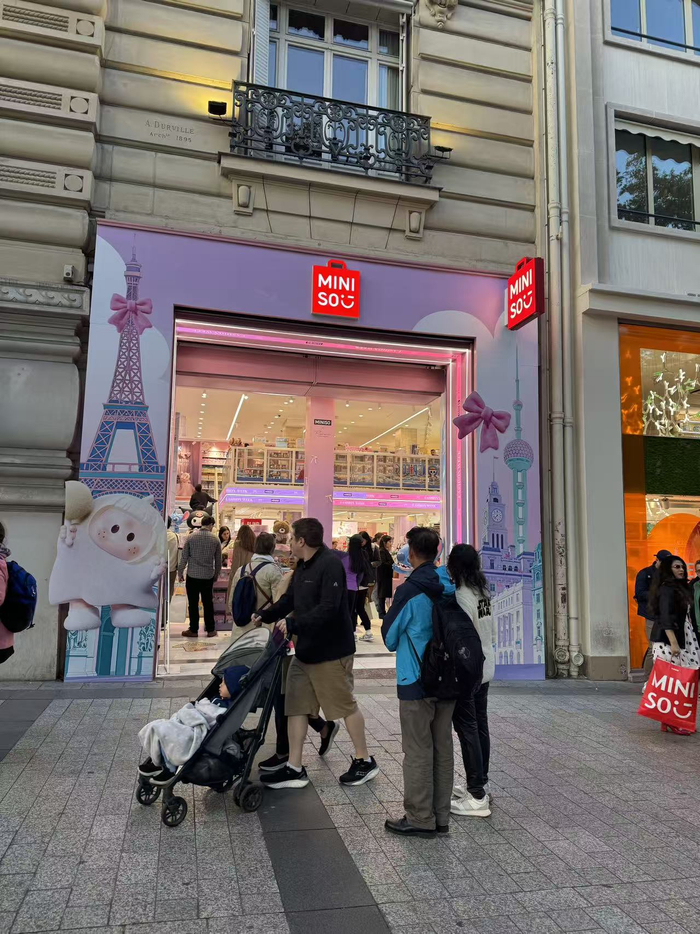
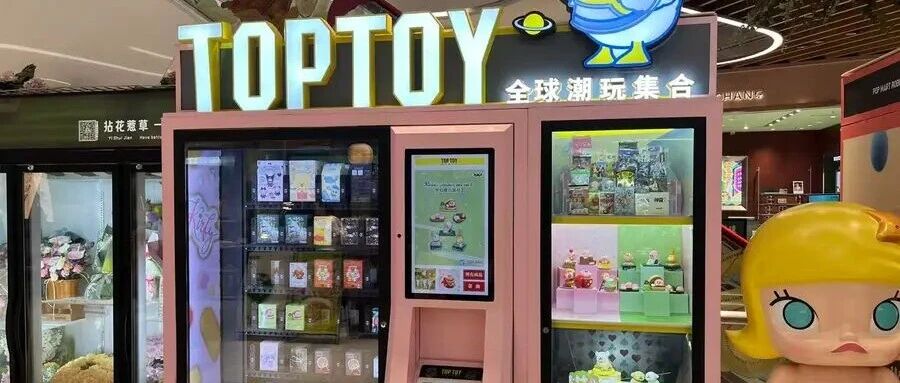
TOP TOY能否撼动泡泡玛特的王者地位?
BambooWorks· 2025-10-10 00:38
Core Viewpoint - TOP TOY, a subsidiary of Miniso, has submitted an application for a Hong Kong IPO, aiming to capitalize on the growing global trend of collectible toys, following a successful model similar to Pop Mart [1][2]. Group 1: Company Overview - Miniso, founded by Ye Guofu in 2013, has expanded to over 7,000 stores globally, surpassing Uniqlo's 2,500 stores [1]. - TOP TOY aims to leverage Miniso's extensive store network to replicate the success of Pop Mart in the collectible toy market [1]. Group 2: Financial Performance - TOP TOY's valuation reached $1.3 billion after a $59.4 million Series A funding round, with Temasek investing $40 million [2]. - In comparison, Pop Mart reported a revenue of 13.8 billion yuan (approximately $1.9 billion) in the first half of the year, a twofold increase, while TOP TOY's revenue grew 60% to 1.36 billion yuan [4][5]. Group 3: Market Position and Strategy - TOP TOY's gross margin improved from 19.9% to 32.4%, but it still lags behind Pop Mart's gross margin of nearly 70% [5][6]. - The company is shifting towards developing its own intellectual property (IP), with self-owned IP products accounting for about 50% of revenue in the first half of the year [6]. - Despite the growth in self-owned IP, licensed IP toys remain a significant revenue source, contributing 8.89 billion yuan in 2024, which is 47% of total revenue [6]. Group 4: Competitive Landscape - Other companies like Kayou and 52TOYS are also pursuing IPOs, indicating a competitive environment in the collectible toy market [7]. - The Chinese collectible toy market is projected to grow from 20.7 billion yuan in 2019 to 58.7 billion yuan in 2024, with TOP TOY holding a 2.2% market share, ranking third behind Pop Mart and LEGO [7].
IP行业解构IP商业化:内容、场景与消费的三元共振
2025-10-09 02:00
Summary of Key Points from the Conference Call Industry Overview - The Chinese IP industry has reached a scale of over 100 billion yuan, with rapid growth and significant potential. However, the content conversion rate of domestic IP remains relatively low compared to countries like the US and Japan, indicating a large gap in per capita consumption and industry chain structure, suggesting ample future growth space [1][4][5]. Core Business Insights - The most common IP commercialization model is product licensing, which can leverage unit licensing fees to generate over 25 times the product GMV. The industry royalty rate is approximately 5-10%. In 2022-2023, product licensing accounted for over 50% of the market, with brand collaborations making up nearly 30% [1][4]. - The primary audience for IP consumption is the millennial and Gen Z demographics, who have a strong emotional consumption demand. The improvement of domestic supply chains has reduced production costs and time for derivative products, accelerating IP monetization [1][6]. - The value of IP can be measured using the User Lifetime Value (LTV) model, where emotional value is a key driver, including social currency, emotional companionship, and collectible value [1][8]. Market Dynamics - The global IP licensing market is projected to reach $363.6 billion by 2024, with the Chinese market size at 126.2 billion yuan, reflecting a compound annual growth rate (CAGR) of 9.2% and 8.5% respectively [4]. - In terms of new IP, cartoon and anime IPs account for the majority at 65%, while cultural arts and film/TV account for 10% each. The toy and entertainment sectors dominate the licensing business, making up 18.3% of product licensing [4][5]. Consumer Behavior - The per capita consumption in the US, Japan, and China in 2022 was 3,077 yuan, 581 yuan, and 51 yuan respectively, indicating that China's consumption is less than a quarter of Japan's and one-fifth of the US's [5]. - The emotional connection and storytelling behind IPs are crucial for consumer engagement, with successful IPs often having strong narratives and aesthetic appeal [11]. Company-Specific Insights - Pop Mart has a significant advantage in proprietary and exclusive licensed IPs, having started with 37 such IPs, which enhances its bargaining power within the industry [11]. - The company has seen a continuous increase in membership numbers, with a 34% year-on-year growth, and a repurchase rate of 49.4%, indicating strong customer loyalty [12]. - Channel expansion is critical for growth, with online channels building private traffic and offline stores enhancing brand influence. Pop Mart's online revenue from Douyin increased by 112% year-on-year [13]. Future Outlook - Pop Mart's strategy includes leveraging core IPs to build a retail paradise and digital entertainment framework, aiming for sustained engagement in everyday life [16]. - The second-hand market's price fluctuations are seen as a natural part of the lifecycle of evergreen IPs, with examples like Pokémon cards showing resilience and recovery in value post-pandemic [17]. Additional Considerations - The cultural experience is evolving beyond traditional metrics, with a shift towards emotional resonance in consumer markets, indicating a promising future for the IP industry [14]. - The recent valuation adjustments for companies like Damai Entertainment reflect market concerns over domestic concert performances, but there remains potential for growth in international and IP-related businesses [19]. This summary encapsulates the key insights and data points from the conference call, providing a comprehensive overview of the current state and future potential of the IP industry and specific companies within it.