九号公司

Search documents
九号公司:价格短期波动大疑“背刺”消费者 电动车成非法改装的“重灾区”多次被官方点名
Xin Lang Zheng Quan· 2025-07-25 08:57
Core Viewpoint - Ninebot Company is experiencing a dichotomy between impressive financial performance and significant consumer complaints regarding price volatility and safety concerns related to its electric vehicles [1][2]. Financial Performance - Ninebot's gross margin is projected to reach 28.24% in 2024, with its two-wheeled electric vehicle segment achieving a gross margin of 21.1%, outperforming competitors like Yadea (15.2%) and Aima Technology (17.82%) [3]. - The company's revenue and net profit have shown significant growth over the past three years, with revenues of 101.24 billion yuan, 102.22 billion yuan, and 141.96 billion yuan from 2022 to 2024, representing year-on-year growth rates of 10.7%, 0.97%, and 38.87% respectively [2]. - The net profit for the same period increased from 4.51 billion yuan to 10.84 billion yuan, with growth rates of 9.73%, 32.5%, and 81.29% [2]. Consumer Complaints and Pricing Issues - Consumers have reported significant price fluctuations, with instances of electric vehicles dropping in price shortly after purchase, leading to dissatisfaction [3]. - For example, a consumer noted that a vehicle purchased for 4,199 yuan was reduced to 3,899 yuan within ten days [3]. Market Position and Target Demographic - Ninebot's electric vehicles are particularly popular among the youth demographic, especially those aged 15-25, due to their stylish design and advanced technology [5]. - The company has successfully captured the Gen Z market through collaborations and marketing strategies, including partnerships with popular brands and celebrities [5]. Safety and Regulatory Concerns - The company faces scrutiny due to illegal modifications of its vehicles, which have become popular among youth, leading to safety risks and regulatory actions [9][11]. - Law enforcement agencies have identified Ninebot vehicles as a focus for monitoring due to their association with illegal street racing and modifications [9][11]. - The rapid expansion of Ninebot's retail outlets has made it challenging for the company to maintain oversight and control over its franchisees, contributing to issues of non-compliance and illegal modifications [11][12].


中证全指耐用消费品与服装指数报6033.30点,前十大权重包含四川长虹等
Jin Rong Jie· 2025-07-25 08:26
Group 1 - The core index of the Consumer Durables and Apparel sector, represented by the CSI Consumer Durables and Apparel Index, has shown a monthly increase of 6.07%, a three-month increase of 7.11%, and a year-to-date increase of 4.61% [1] - The CSI Consumer Durables and Apparel Index is composed of listed companies that correspond to the durable consumer goods and apparel theme, reflecting the overall performance of these companies [1] - The index's top ten weighted companies include Gree Electric Appliances (10.27%), Midea Group (9.84%), Haier Smart Home (8.59%), and others, indicating a concentration in major players within the sector [1] Group 2 - The market capitalization distribution of the CSI Consumer Durables and Apparel Index shows that 59.16% of the holdings are from the Shenzhen Stock Exchange, while 40.84% are from the Shanghai Stock Exchange [1] - In terms of industry composition, home appliances account for 66.38%, textiles and apparel for 15.26%, and home furnishings for 8.54%, highlighting the dominance of home appliances in the index [2] - The index samples are adjusted biannually, with changes implemented on the next trading day following the second Friday of June and December, ensuring that the index remains reflective of the current market conditions [2]





上证小盘指数上涨0.24%,前十大权重包含天风证券等
Jin Rong Jie· 2025-07-25 08:10
Group 1 - The Shanghai Composite Index decreased by 0.33%, while the Shanghai Small Cap Index increased by 0.24%, closing at 5013.41 points with a trading volume of 180.948 billion yuan [1] - The Shanghai Small Cap Index has risen by 8.36% in the past month, 10.72% in the past three months, and 8.01% year-to-date [1] - The index categorizes listed companies in the Shanghai market into mid-cap, small-cap, and large-cap based on market capitalization and trading volume, reflecting the overall performance of different sized companies [1] Group 2 - The top ten holdings of the Shanghai Small Cap Index include Shanghai Electric (1.04%), Dongwu Securities (0.85%), Chifeng Jilong Gold Mining (0.85%), Sichuan Changhong (0.78%), Tianfeng Securities (0.75%), Yongtai Energy (0.72%), Nine Company (0.72%), Ruixin Microelectronics (0.71%), Yuntianhua (0.67%), and Hengtong Optic-Electric (0.67%) [1] - The Shanghai Stock Exchange accounts for 100% of the holdings in the Shanghai Small Cap Index [2] - The industry composition of the index includes 22.61% in industrials, 20.52% in information technology, 12.51% in materials, 10.54% in financials, 8.85% in healthcare, 7.20% in consumer discretionary, 5.17% in communication services, 4.05% in consumer staples, 3.34% in utilities, 2.86% in energy, and 2.35% in real estate [2]

如何展望2025年国补后续效果?
Changjiang Securities· 2025-07-25 02:19
Investment Rating - The report maintains a "Positive" investment rating for the home appliance industry [11]. Core Insights - The 2025 national subsidy for home appliances is expected to boost industry performance, with a significant increase in subsidy duration and coverage, leading to sustained high industry sentiment [3][9]. - The report anticipates that the demand for home appliances will remain robust due to a large number of appliances reaching their safety usage limits that have not yet been replaced [3][9]. Policy Overview - The 2025 national subsidy program extends from 4 months to 12 months, covering the peak season for air conditioners and expanding the types of subsidized products to include small appliances and cleaning devices [6][17]. - The total subsidy amount for the "old for new" policy has increased from 150 billion to 300 billion yuan [6][17]. Performance Review - As of May 31, 2025, approximately 49.86 million consumers purchased 77.618 million units of 12 major categories of home appliances, with an estimated sales revenue of about 262 billion yuan [7][27]. - The home appliance retail sales growth from January to May 2025 was 30.2%, significantly outperforming the overall retail sales growth of consumer goods [7][27]. Future Outlook - Without subsidies, the expected growth rates for air conditioners, refrigerators, and washing machines in 2025 are projected at 2.0%, -0.8%, and 5.1%, respectively. However, with a conservative estimate of 80 billion yuan in subsidy funds, these growth rates could increase to 10.6%, 3.7%, and 7.7% [8][9]. - The report suggests that the impact of the subsidy on future demand will be limited due to the high number of appliances that have reached their replacement age [8][9]. Investment Recommendations - The report recommends focusing on high-quality leading companies with certain growth prospects, such as Gree Electric Appliances, Midea Group, and Hisense Home Appliances, which are expected to benefit from domestic sales trends driven by subsidies [9][12]. - Companies with exposure to the U.S. market and strong brand power, such as Anker Innovations and Roborock, are also highlighted for their potential recovery [9][12].


基金控盘升级,126股成“抱团”新宠
Huan Qiu Wang· 2025-07-24 03:51
Group 1 - The core viewpoint of the article highlights the significant increase in fund holdings in certain core assets, with 126 stocks having a fund holding ratio exceeding 10%, indicating enhanced "control" by funds over these assets [1][3] - The stock with the highest fund holding is Nine Company, with 216 funds collectively holding 195 million shares, accounting for 35.24% of its circulating stock [1] - Other notable stocks include BeiGene and Innovent Biologics, with fund holding ratios of 33.47% and 32.70% respectively, and 17 stocks have fund holding ratios exceeding 20%, reflecting high recognition from funds [1][3] Group 2 - In Q2, funds were active in adjusting their holdings, with 85 out of 126 stocks seeing increased fund holdings, particularly notable increases in Puyuan Precision, Huahong Semiconductor, and Yuanjie Technology, with increases of 409.08%, 354.96%, and 317.64% respectively [3] - Conversely, 41 stocks experienced reductions in fund holdings, with Hengxuan Technology, Stone Technology, and Nairui Radar seeing decreases of 37.29%, 32.21%, and 30.98% respectively [3] - The "hugging" phenomenon is prominent among high holding ratio stocks, with 44 stocks held by over 100 funds and 32 stocks held by 50 to 99 funds, with Ningde Times leading at 1,775 funds holding 14.49% of its shares [3][4] Group 3 - From a valuation perspective, among the high holding ratio stocks, 42 stocks have a price-to-earnings ratio below 30, with Gujing Distillery having the lowest at 8.20 times [4] - Major sectors represented among these stocks include electronics, pharmaceuticals, and automotive, with 32, 21, and 12 stocks respectively [4] - Of the 24 stocks that have released half-year performance forecasts, 23 are expected to see profit increases, with Huaxia Airlines projecting a staggering 875.10% year-on-year profit growth [4]




史上最严“新国标”将落地,小电驴告别“蒙眼狂奔”
Tai Mei Ti A P P· 2025-07-24 02:58
Core Viewpoint - The new national standard for electric bicycles (GB 17761-2024) imposes strict speed limits and design requirements, fundamentally changing the landscape of the electric bicycle industry in China, particularly affecting the production and sales of two-wheeled electric vehicles [2][8][14]. Group 1: Regulatory Changes - The new standard limits the maximum speed of electric bicycles to 25 km/h and introduces an "over-speed power cut" mechanism to prevent exceeding this limit [2][8]. - Manufacturers are prohibited from including modification interfaces for speed control, effectively eliminating the possibility of illegal speed enhancements [2][8]. - The transition period for manufacturers to comply with the new standard extends until September 1, 2025, after which only vehicles meeting the new requirements can be sold [11]. Group 2: Historical Context - The development of electric bicycles in China began in 1995, with significant growth following the implementation of "motorcycle bans" in various regions starting in 2001 [3][4]. - By 2013, the production of electric bicycles had surged to 36.1 million units, reflecting a compound annual growth rate (CAGR) of over 20% [4]. Group 3: Market Impact - The new regulations are expected to lead to a price increase for electric bicycles, with entry-level models projected to rise by 20%-25% due to higher production costs associated with new safety and design requirements [14][16]. - The demand for electric bicycles among delivery personnel is significant, with over 10 million delivery riders in China relying on these vehicles for their work [12]. Group 4: Safety and Compliance - The new standard mandates that electric bicycles must meet enhanced fire safety standards, including restrictions on the use of non-metal materials and the installation of anti-tampering devices [11][14]. - The World Health Organization has indicated a direct correlation between speed and the severity of traffic accidents, emphasizing the need for these regulatory changes to improve safety [7][8]. Group 5: Transition Strategies - Local governments are implementing financial incentives and support measures to facilitate the replacement of old electric bicycles with new models that comply with the new standards [10][17]. - The industry is witnessing a rapid increase in the replacement of old models, with significant monthly growth in the number of exchanges reported [17].

中证500沪市指数下跌0.11%,前十大权重包含四川长虹等
Jin Rong Jie· 2025-07-23 10:01
Core Viewpoint - The performance of the CSI 500 Shanghai Index shows mixed results, with a slight decline on the latest trading day but positive growth over the past month, three months, and year-to-date [1]. Group 1: Index Performance - The CSI 500 Shanghai Index closed at 6545.83 points, down 0.11% on the latest trading day, with a trading volume of 155.06 billion yuan [1]. - Over the past month, the index has increased by 8.78%, by 8.04% over the last three months, and by 7.04% year-to-date [1]. Group 2: Index Composition - The top ten weighted stocks in the CSI 500 Shanghai Index include Chifeng Jilong Gold Mining (1.02%), Dongwu Securities (0.93%), Sichuan Changhong (0.93%), Tianfeng Securities (0.87%), and others [1]. - The index is composed entirely of stocks listed on the Shanghai Stock Exchange, with a 100% allocation [1]. Group 3: Industry Breakdown - The industry composition of the CSI 500 Shanghai Index is as follows: Industrial (21.68%), Information Technology (16.96%), Materials (14.27%), Financials (11.00%), and Healthcare (9.92%) [2]. - The index samples are adjusted biannually, with adjustments occurring on the next trading day after the second Friday of June and December [2].
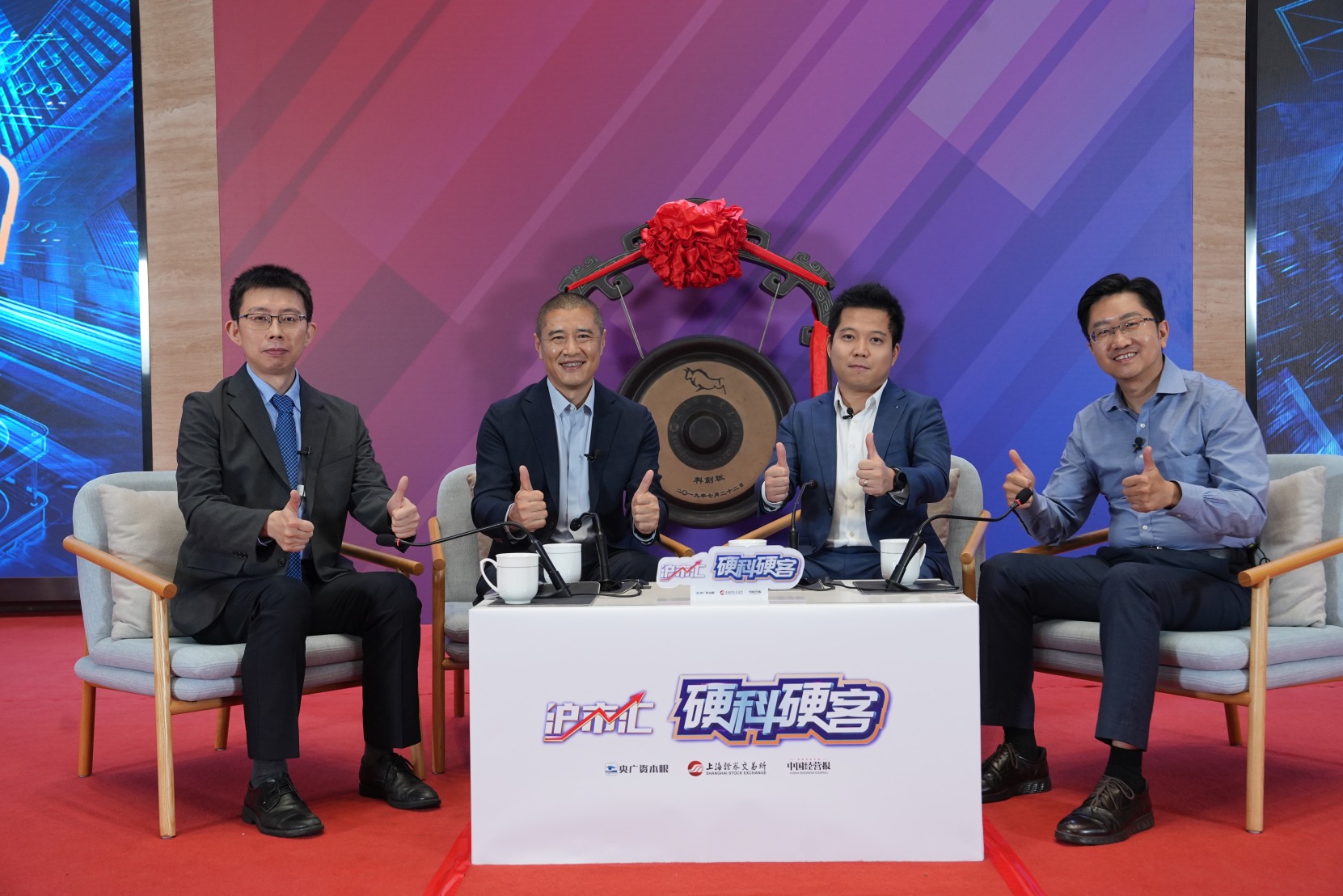
智能消费设备创新大跃迁!科创板六周年《硬科硬客》十问行业三龙头
Zhong Guo Jing Ying Bao· 2025-07-23 06:29
Core Competitiveness of Chinese Smart Consumer Device Manufacturers - The smart consumer device manufacturing industry is experiencing rapid development and deep integration, with Chinese companies leading in areas such as sports imaging, smart cleaning systems, and short-distance transportation robots [3] - Companies like影石创新 (Insta360) hold a global market share of approximately 70% in panoramic cameras and are ranked second in the sports camera market, driven by product innovation [5] - 石头科技 (Roborock) has captured about 19.3% of the global market share for robotic vacuum cleaners, maintaining its position as the market leader [7] - 九号公司 (Ninebot) leads in the sales of electric two-wheelers priced above 4000 yuan in China and holds a 50% market share in Germany for electric scooters [9] Understanding Consumer Trends - Companies utilize traditional market research and user feedback, along with real-time data analysis from activated devices, to identify user habits and needs [10] - The focus on consumer trends emphasizes convenience and safety, with product innovation driven by engineers and product managers becoming users themselves [10] - 石头科技 emphasizes understanding user needs through big data feedback and direct engagement with users in their environments [10][11] Future of Smart Consumer Devices - The ultimate form of smart consumer devices may involve specialized robots for specific scenarios rather than a universal robot, as current technological challenges remain [13] - Short-term prospects favor specialized AI applications, which are more feasible and cost-effective [13] - AI is transforming smart consumer devices, enhancing their intelligence and functionality, such as the introduction of mechanical arms in robotic vacuums [14][15] Overseas Growth Strategies - "Going global" is seen as a crucial growth avenue for Chinese smart consumer device brands, with increasing influence in high-end markets [19] - Companies are leveraging their efficient innovation and rapid iteration capabilities to expand internationally [19][20] - The engineering talent pool in China is viewed as a significant advantage for manufacturing [22] Supply Chain Security - Companies are focusing on domestic production of key components to ensure supply chain security, with a gradual shift towards local sourcing [23][24] - The strategy includes diversifying suppliers and vertically integrating to enhance competitiveness [24] Policy Support for Industry Growth - Government subsidies have significantly boosted sales, with影石创新 reporting a 160% year-on-year increase during a promotional event [25] - There is a call for more supportive policies targeting upstream components and technologies to foster industry growth [25][26] Impact of the Science and Technology Innovation Board - The Science and Technology Innovation Board has facilitated fundraising, talent acquisition, and brand enhancement for companies [27][28][30] - Listing has improved corporate governance and compliance, increasing trust among partners and customers [32][33] Challenges and Future Aspirations - Companies face ongoing challenges in management and market competition, with a focus on continuous improvement and innovation [36][38] - Future goals include expanding product categories, achieving global recognition, and enhancing user experience [36][37]
华安基金科创板ETF周报:科创板迎来开市六周年,科创50指数周涨1.32%
Xin Lang Ji Jin· 2025-07-22 09:31
Group 1: Event Overview - The "2025 China Sci-Tech Innovation Leaders Summit and the 6th Anniversary Forum of the Sci-Tech Innovation Board" will be held on July 25 in Shanghai, focusing on themes of "source innovation and industry leadership" [1] - The summit will include keynote speeches, high-level dialogues, and roundtable discussions on hot topics such as mergers and acquisitions and overseas expansion, aiming to promote the deep integration of technological innovation and capital markets [1] Group 2: Sci-Tech Innovation Board Performance - As of now, there are 589 listed companies on the Sci-Tech Innovation Board, with a total IPO financing amount of approximately 925.7 billion and a total market value exceeding 7 trillion [2] - The board has seen significant R&D investment, with a cumulative amount of 168.1 billion in 2024, which is more than three times the net profit attributable to the parent company [2] - The three strategic emerging industries—new generation information technology, biomedicine, and high-end equipment manufacturing—account for over 80% of the board's market value [2] Group 3: Market Trends and Investment Opportunities - The current trend of de-globalization and the urgent need for self-sufficiency have heightened the necessity for the development of new productive forces, with the Sci-Tech Innovation Board focusing on hard technology sectors such as electronic chips and biomedicine [3] - Investment directions represented by Sci-Tech Chip ETF (588290), Sci-Tech Information ETF (588260), and Sci-Tech 50 ETF Index Fund (588280) are worth long-term attention [3] Group 4: Recent Market Performance - The overall performance of the Sci-Tech Innovation Board has seen an increase, with the Sci-Tech 50 Index rising by 1.32%, the Sci-Tech Information Index by 0.88%, and the Sci-Tech Chip Index by 0.12% over the past week [4] - The top five industries on the Sci-Tech Innovation Board—electronics, biomedicine, computers, power equipment, and machinery—account for 87.2% of the board's total market value [5] Group 5: Sector Insights - In the new generation information technology sector, AI hardware, particularly optical modules, has seen a collective surge, driven by strong mid-year performance and increased global demand for AI computing power [7] - The high-end equipment manufacturing sector is experiencing significant growth, with industrial robot exports increasing by 61.5% year-on-year, and forklift sales up by 23.1% [8] - The innovative drug market is also on the rise, with the industry transitioning from "follower" to "leader," and 2025 expected to be a pivotal year for the emergence of blockbuster drugs [8]




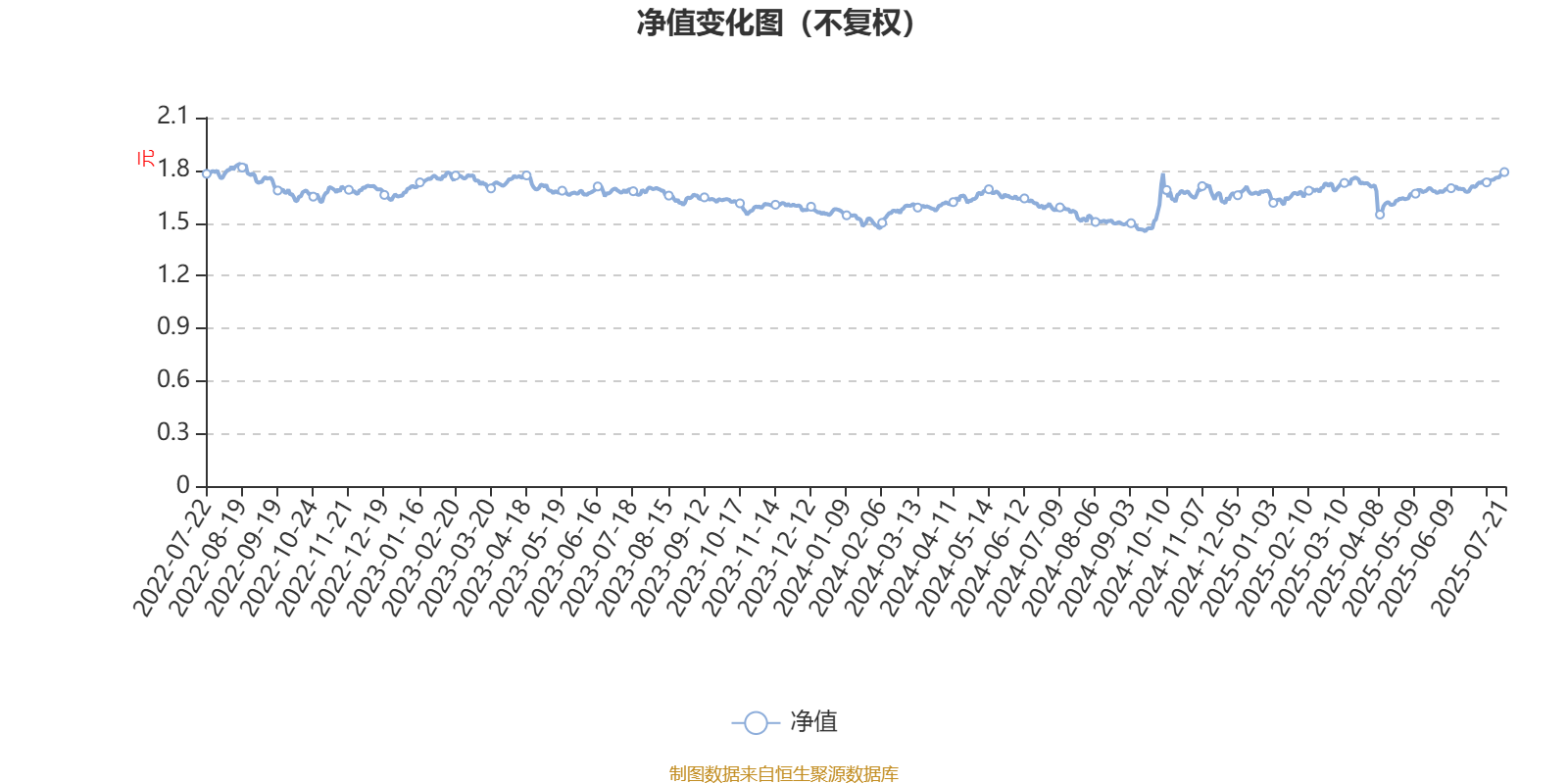
南方改革机遇灵活配置混合:2025年第二季度利润256.7万元 净值增长率0.94%
Sou Hu Cai Jing· 2025-07-22 05:35
Core Viewpoint - The South Reform Opportunity Flexible Allocation Mixed Fund (001181) reported a profit of 2.567 million yuan in Q2 2025, with a net asset value growth rate of 0.94% for the period, and a total fund size of 274 million yuan as of the end of Q2 2025 [3][15]. Fund Performance - The fund's weighted average profit per share for the reporting period was 0.016 yuan [3]. - As of July 21, the fund's unit net value was 1.79 yuan [3]. - The fund's performance over various time frames includes: - 3-month net value growth rate: 10.02%, ranking 377 out of 880 comparable funds [4]. - 6-month net value growth rate: 7.06%, ranking 478 out of 880 comparable funds [4]. - 1-year net value growth rate: 14.23%, ranking 480 out of 880 comparable funds [4]. - 3-year net value growth rate: 0.51%, ranking 262 out of 871 comparable funds [4]. Fund Management Insights - The fund manager expressed optimism for Q3, citing potential increases in market liquidity driven by global capital flows and domestic interest rate declines [4]. - Expectations for improved fundamentals include progress in US-China trade negotiations and accelerated infrastructure projects, which may positively impact corporate earnings [4]. Risk and Return Metrics - The fund's Sharpe ratio over the past three years is 0.1727, ranking 273 out of 875 comparable funds [9]. - The maximum drawdown over the past three years is 20.95%, with the largest single-quarter drawdown recorded at 16.86% in Q1 2020 [11]. - The average stock position over the past three years was 76.7%, compared to a peer average of 80.43% [14]. Top Holdings - As of June 30, 2025, the fund's top ten holdings include: - Midea Group - CATL (Contemporary Amperex Technology Co., Limited) - Ninebot - Jerry Holdings - Chongqing Rural Commercial Bank - Jiuli Special Materials - Shanghai Agricultural Bank - XCMG - Orient Cable - TCL Technology [17].