
奇瑞汽车

Search documents
小鹏汽车-W9月出口量突破5000台 同比增长79.4%
Zhi Tong Cai Jing· 2025-10-16 03:48
Group 1 - The core point of the news is that XPeng Motors has achieved significant growth in its export volume, surpassing 5,000 units in September 2025, marking a month-on-month increase of 65.8% and a year-on-year increase of 79.4% [1] - In the first nine months of 2025, XPeng Motors exported over 29,723 vehicles, reflecting a year-on-year growth of 125.2% [1] - XPeng Motors ranks first among new energy vehicle brands in terms of export volume and achieved the 17th position in the total export ranking of passenger vehicles for September [1] Group 2 - According to data from the China Passenger Car Association, the top three manufacturers in passenger vehicle exports for September were Chery Automobile, BYD, and SAIC Motor, with export volumes of 138,714 units, 69,258 units, and 47,731 units respectively [2] - For the first nine months of 2025, the top three manufacturers in passenger vehicle exports were also Chery Automobile, BYD, and SAIC Motor, with export volumes of 928,355 units, 670,323 units, and 350,778 units respectively [2]
小鹏汽车-W(09868)9月出口量突破5000台 同比增长79.4%
智通财经网· 2025-10-16 03:46
Core Insights - Xiaopeng Motors has achieved a significant milestone in its export volume, surpassing 5,000 units in September 2025, marking a month-on-month increase of 65.8% and a year-on-year increase of 79.4% [1] - For the first nine months of 2025, Xiaopeng Motors exported over 29,723 vehicles, reflecting a year-on-year growth of 125.2% [1] - Xiaopeng Motors ranks first among new energy vehicle brands in terms of export volume, and it has reached the 17th position in the total export ranking of passenger vehicles for September [1] Export Rankings - In September, the top three manufacturers for passenger vehicle exports were Chery Automobile, BYD Auto, and SAIC Motor, with export volumes of 138,714 units, 69,258 units, and 47,731 units respectively [1] - For the first nine months of 2025, the leading manufacturers in passenger vehicle exports were also Chery Automobile, BYD Auto, and SAIC Motor, with export volumes of 928,355 units, 670,323 units, and 350,778 units respectively [1]
京东联手“造车”,下的是一步怎样的棋? | 说商道市
Chang Sha Wan Bao· 2025-10-16 03:25
Core Insights - JD.com is entering the automotive sector by collaborating with GAC and CATL to launch a new vehicle, with test drives starting at the end of October and an official release on November 9 [1][2] - The collaboration aims to leverage JD.com's consumer insights and sales platform, while GAC will handle manufacturing and CATL will supply batteries, indicating a division of responsibilities among the partners [1][2] Group 1: Reasons for Entering the Automotive Sector - JD.com's core retail business has reached a plateau in growth, necessitating the development of a new growth driver, with the automotive industry being a promising option due to its potential for significant capital influx [2] - The timing of JD.com's entry into the automotive market coincides with the upcoming "Double 11" shopping festival, suggesting a strategic move to capitalize on consumer spending [2] Group 2: Roles and Responsibilities - Each partner in the collaboration has distinct strengths: JD.com provides a vast platform and consumer data, CATL is the largest global battery supplier, and GAC is an established state-owned automaker responsible for vehicle production [2][3] - GAC faces the most pressure in this partnership, as it must successfully navigate the competitive landscape of the automotive market, particularly in the context of its previous struggles compared to traditional fuel vehicle sales [2] Group 3: Future Considerations - The success of this collaboration hinges on the effective execution of each partner's responsibilities, emphasizing the importance of resource integration and collaboration [3] - The automotive market in China is still in its early stages, allowing room for new entrants, which positions JD.com favorably despite entering a competitive environment [3]



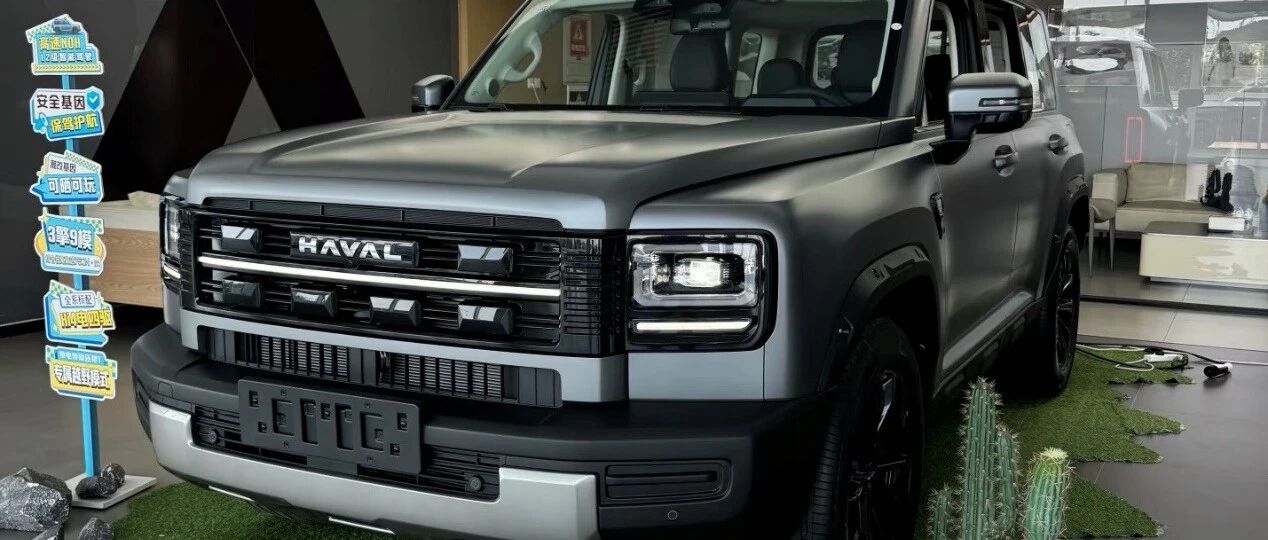
车Fans十月“方盒子”行情:哈弗大狗优惠30000+,普拉多老款最多让价90000
车fans· 2025-10-16 00:30
Core Viewpoint - The article discusses the resurgence of retro aesthetics in consumer preferences for SUV models, particularly focusing on the "boxy" design trend in the automotive market [1][2]. Group 1: Market Trends - There is a noticeable shift in consumer aesthetics back to retro designs, particularly in the SUV segment [1]. - The demand for versatile vehicles that can navigate various terrains is increasing, reflecting a desire to explore the country's landscapes [2]. Group 2: Vehicle Pricing and Sales - The Haval Big Dog models have a strong market presence, with 95% of sales concentrated on gasoline versions, averaging over 15,000 units sold monthly [3]. - The Equation Leopard T3 has achieved stable monthly sales of around 10,000 units, indicating strong market acceptance [6]. - The Haval Tank 300 has seen a decline in sales from approximately 10,000 units to around 7,000 units monthly, yet it remains one of the most successful Chinese off-road vehicles [18]. Group 3: Competitive Analysis - The article highlights several key players in the boxy SUV market, including Haval, Equation Leopard, and Jietu, with a recommendation for consumers to consider these brands in the order mentioned [43]. - The Jietu Traveler and Jietu Mountain Sea T2 models are noted for their competitive pricing and product capabilities, although the latter has limited product strength [10][12]. - The Equation Leopard series, particularly the T3, is positioned as a unique electric option among boxy models, showcasing the brand's commitment to innovation [7].

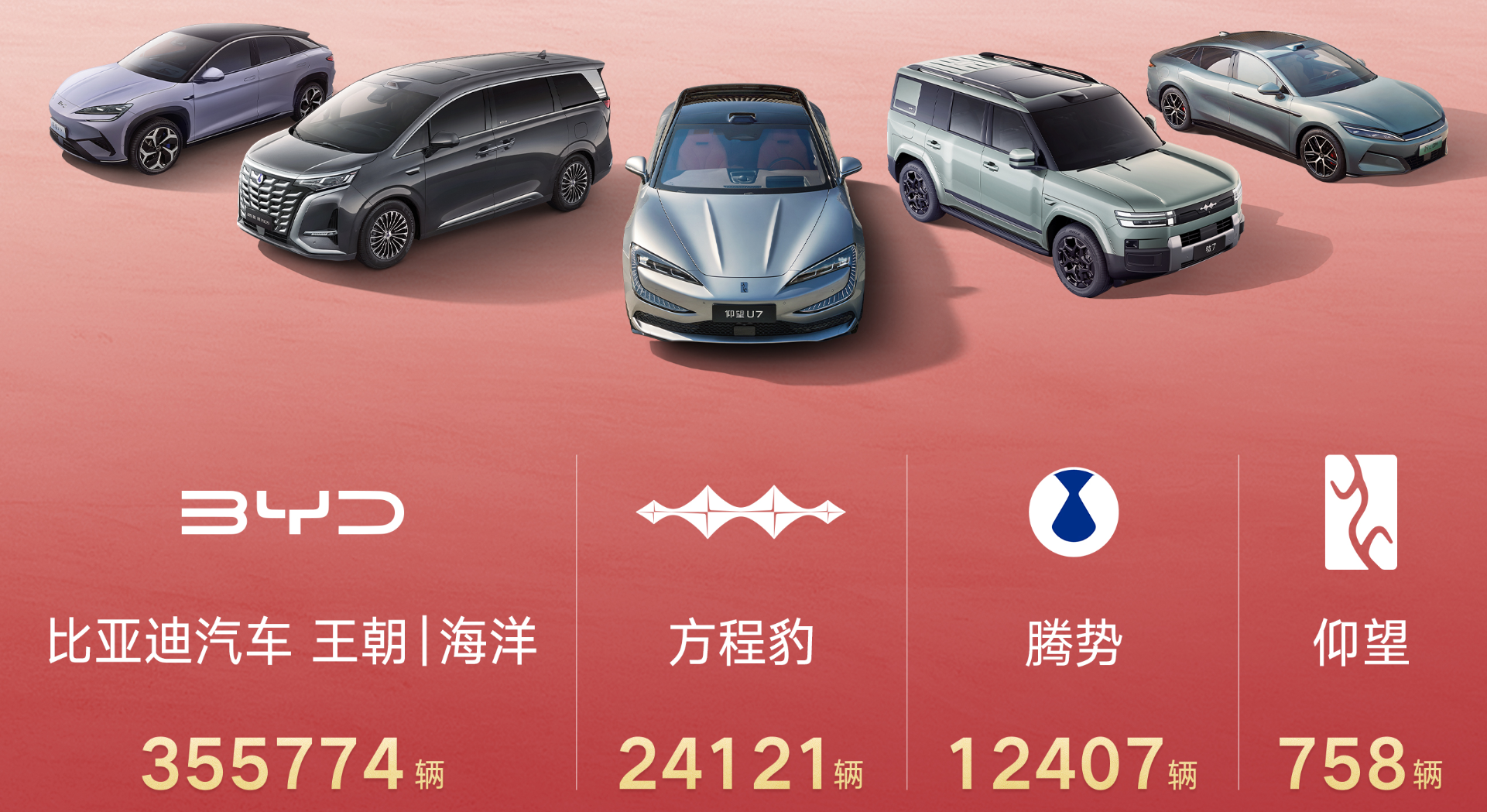
9月车市格局微变:上汽夺得第一,新势力纯电车型销量占比超七成
Mei Ri Jing Ji Xin Wen· 2025-10-15 12:17
Core Insights - The automotive market in September experienced both month-on-month and year-on-year growth, with retail sales reaching 2.241 million units, a 6.3% increase year-on-year and an 11.0% increase month-on-month [1] - Domestic brands captured two-thirds of the market share, with retail sales of 1.5 million units, reflecting a 13% year-on-year increase and a 12.9% month-on-month increase [2] - New energy vehicles (NEVs) and exports significantly contributed to the growth of domestic brands, with NEV penetration among domestic brands reaching 78.1% [2] Domestic Brands Performance - Domestic brands achieved a retail market share of 66.9% in September, up 3.6 percentage points year-on-year, and a cumulative market share of 64.8% for the first nine months of the year, an increase of 5.9 percentage points [2] - BYD led the domestic brands but experienced its first year-on-year decline in sales since March 2024, with September sales at 396,200 units, down 5.52% [2][4] - Geely and Chery are gaining market share in the NEV sector, with Geely's sales reaching 273,100 units in September, a 35.24% year-on-year increase, and Chery's sales at 255,600 units, an 8.90% increase [5] Joint Venture and Luxury Brands - Joint venture brands faced challenges, with retail sales of 490,000 units in September, down 6% year-on-year, despite a 4% month-on-month increase [6] - Luxury brands saw a slight year-on-year decline, with retail sales of 240,000 units, down 1%, but a 16% month-on-month increase [6] - The market share of German brands decreased by 2.3 percentage points to 14.3% in September, indicating a shift towards domestic brands [6] New Energy Vehicle Market - The penetration rate of NEVs among domestic brands remains high at 70.1%, despite a slight year-on-year decline of 2.3 percentage points [2] - New energy vehicles accounted for 6.6% of joint venture brands and 40% of luxury brands in September [6] Emerging Players - New energy vehicle startups showed significant growth, with Leap Motor leading the segment with approximately 66,700 units delivered in September, a 97% year-on-year increase [8]




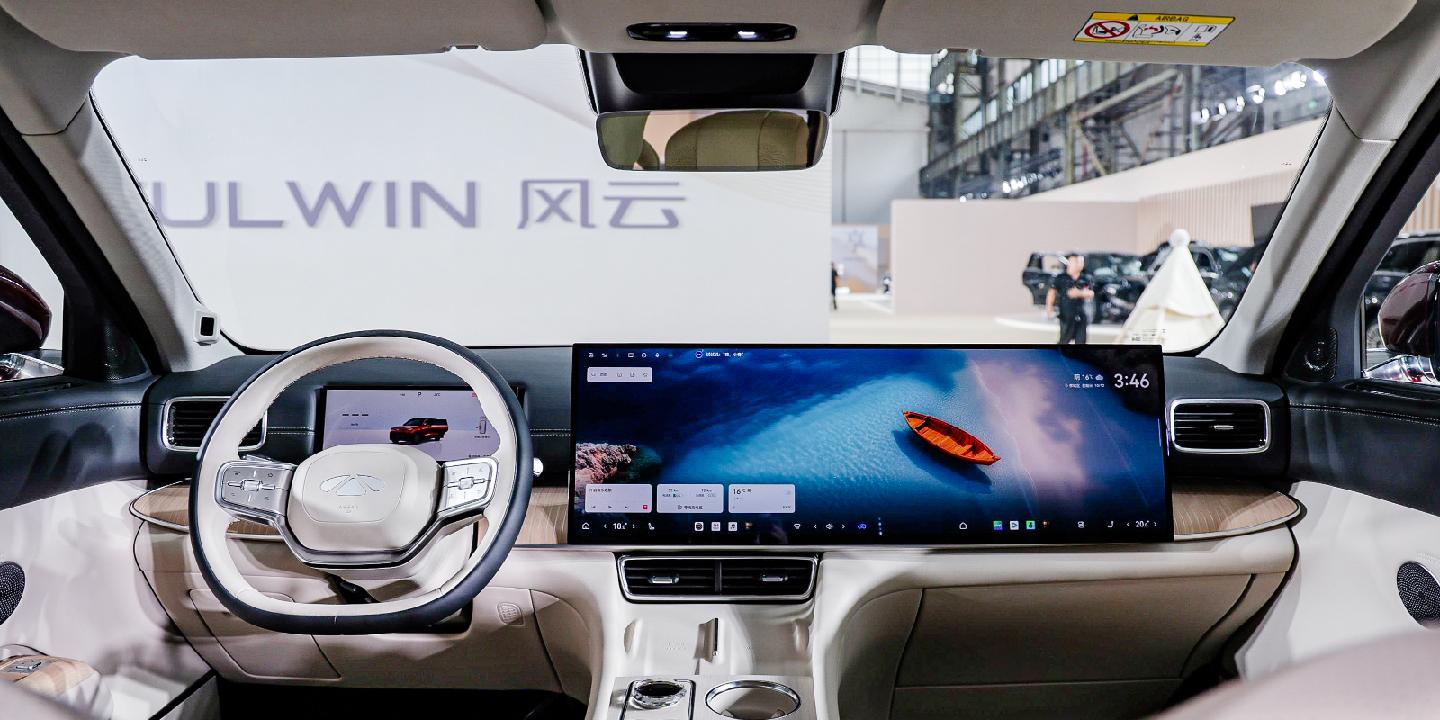
汽车数据安全监管趋严,奇瑞打出“隐私保护牌”
Jing Ji Guan Cha Wang· 2025-10-15 12:08
Core Insights - Chery's Fengyun T11 has officially started pre-sales, positioning "privacy protection" as its core selling point, contrasting with the trend of data collection in mainstream smart vehicles [2] - The global smart automotive industry is entering a critical period of reshaping privacy protection rules, with user privacy expected to become a significant competitive arena [2][8] Data Privacy and Technology - The rapid proliferation of smart vehicles has transformed them into massive data collection platforms, raising concerns about user privacy [3] - Fengyun T11 features four core privacy protection functions, supported by a comprehensive technology system that integrates hardware security, encryption, local processing, and zero-trust principles [3] - The account information isolation function exemplifies the application of the zero-trust security concept in vehicle systems, ensuring that user data remains protected from cross-account leakage [3][4] Regulatory Environment - China's data security regulatory framework has evolved, making privacy protection a mandatory requirement for automotive companies [5][6] - A complete legal system for automotive data security has been established, providing clear legal boundaries for data processing activities [5] - Recent inspections revealed data security vulnerabilities in several vehicle models, highlighting the need for compliance with data protection regulations [7] Global Trends - The global landscape for data privacy protection regulations is also intensifying, with the EU's Data Act granting users greater control over vehicle-generated data [8] - China's initiative to establish an international standard for privacy protection in smart mobility services marks a significant step in global privacy regulation [8] - Privacy protection is becoming a key dimension for assessing automotive companies' market competitiveness, shifting from a compliance cost to a means of building brand trust and creating value [8]
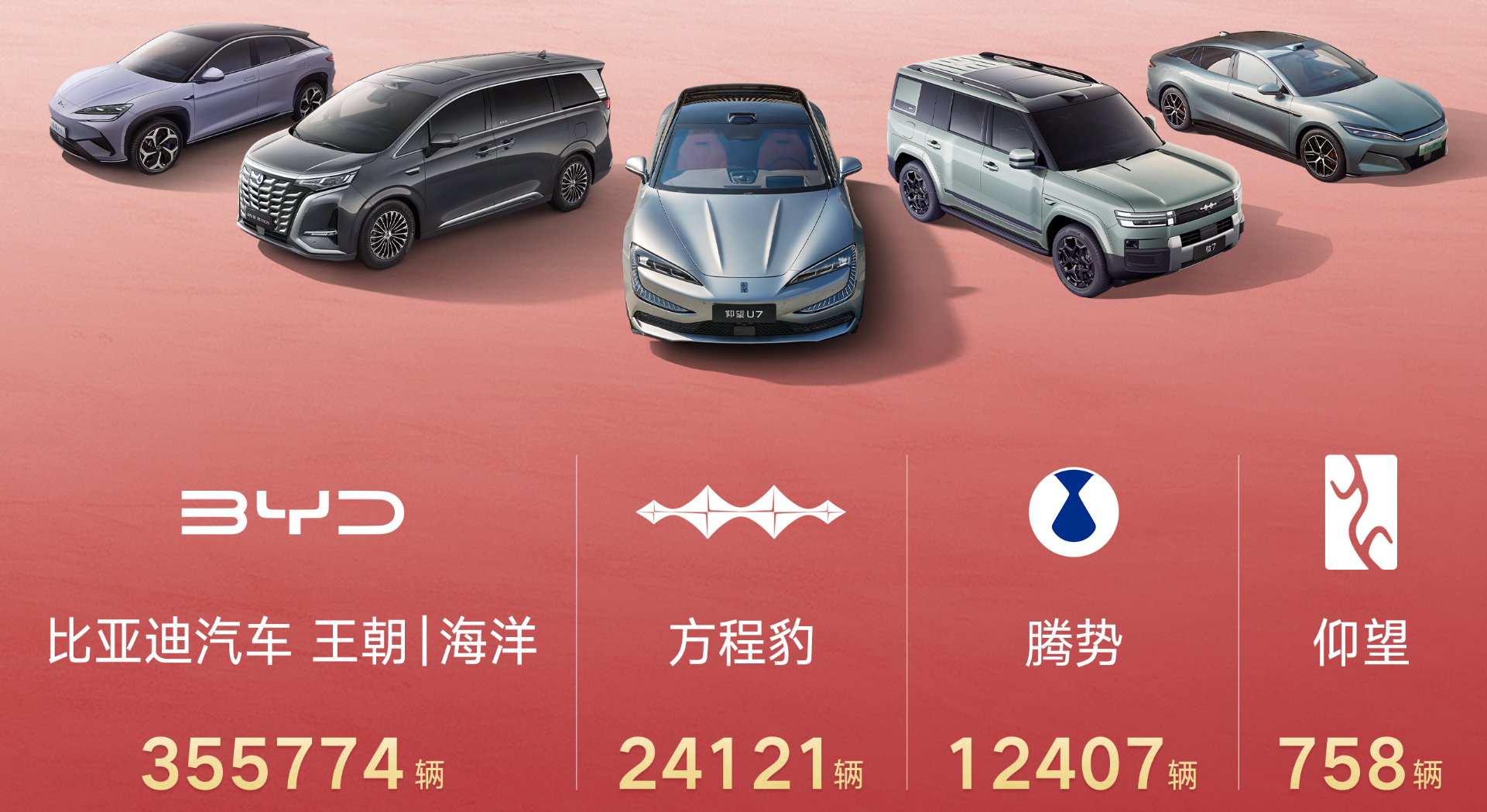
降价减少、促销平缓!9月车市格局微变:上汽夺得第一,新势力纯电车型销量占比超七成
Mei Ri Jing Ji Xin Wen· 2025-10-15 12:07
Core Insights - The automotive market in September 2025 experienced both month-on-month and year-on-year growth, with retail sales reaching 2.241 million units, a 6.3% increase year-on-year and an 11.0% increase month-on-month [1] - The overall retail sales for the year reached 17.005 million units, marking a 9.2% year-on-year increase, setting a new historical peak [1] - The market is shifting towards a more stable operation characterized by reduced price competition and moderate promotions, driven by a wave against "involution" [1] Domestic Brands Performance - Domestic brands captured 66.9% of the market share in September, with retail sales of 1.5 million units, reflecting a 13% year-on-year increase and a 12.9% month-on-month increase [2] - From January to September, the market share of domestic brands was 64.8%, up 5.9 percentage points from the previous year [2] - The penetration rate of new energy vehicles (NEVs) among domestic brands reached 78.1%, solidifying their position as a sales engine [2] - BYD, while still leading domestic brands, saw a 5.52% year-on-year decline in September sales, totaling 396,200 units, ending an 18-month growth streak [2][4] Key Competitors in Domestic Market - Geely and Chery are gaining traction in the NEV market, with Geely reporting sales of 273,100 units in September, a 35.24% year-on-year increase [4] - Chery, which went public in Hong Kong in September, achieved sales of 255,600 units, a year-on-year increase of 8.90% [4] - Changan and Great Wall Motors also reported significant growth, with Changan's sales at 266,300 units (up 24.92% year-on-year) and Great Wall's at over 133,600 units (up 23.29% year-on-year) [5] Joint Venture and Luxury Brands - Joint venture brands faced challenges, with retail sales of 490,000 units in September, down 6% year-on-year, despite a 4% month-on-month increase [6] - Luxury brands sold 240,000 units, down 1% year-on-year, but up 16% month-on-month, with a NEV penetration rate of 40% [6] - Volkswagen's joint ventures showed mixed results, with SAIC Volkswagen achieving a record high of 94,100 units sold, while FAW-Volkswagen experienced a year-on-year decline [6] New Energy Vehicle Market Dynamics - The new energy vehicle segment is seeing a shift, with the penetration of pure electric vehicles increasing significantly [12] - The new energy vehicle market is characterized by a growing share of small and high-end electric vehicles, driven by declining battery costs and the introduction of new models [12] - The market share of independent new energy brands reached 12.5%, up 1.2 percentage points year-on-year, with brands like Deep Blue and Zeekr performing well [12] Emerging Players in the Market - New energy vehicle startups are showing strong performance, with Leap Motor leading the segment with approximately 66,700 units delivered in September, a 97% year-on-year increase [8] - Xiaopeng and Xiaomi both surpassed 40,000 units in monthly sales, marking a significant milestone for the new energy vehicle sector [11] - Overall, the new energy vehicle startups achieved a retail market share of 20.2% in September, up 3.4 percentage points year-on-year [11]
认购金额超去年全年,险资频繁参与港股IPO,逻辑是什么?
Sou Hu Cai Jing· 2025-10-15 10:54
Core Viewpoint - The Hong Kong IPO market has seen significant participation from insurance institutions, with a total subscription amount nearing 30 billion HKD, surpassing last year's total [1][3]. Group 1: Participation and Investment Trends - As of October 14, 2023, seven insurance institutions have participated as cornerstone investors in seven Hong Kong IPOs, with a total subscription amount of approximately 29.32 billion HKD, a substantial increase from less than 10 billion HKD last year [3][4]. - Major players include Taikang Insurance, China Pacific Insurance, and others, with Taikang Insurance alone participating in five IPOs, investing over 14 billion HKD, accounting for nearly half of the total insurance investment in Hong Kong IPOs [3][4]. - The participation of insurance capital is driven by regulatory encouragement, a downward trend in long-term interest rates, and the need to enhance equity asset allocation to cover liability costs [3][4]. Group 2: Investment Focus and Selection Criteria - Insurance institutions are focusing on sectors such as hard technology and green industries, with a preference for companies that align with national strategies and demonstrate long-term growth potential [6][7]. - The selection criteria emphasize cash flow, industry position, and governance structure, with a preference for projects with a clear controlling shareholder, low foreign ownership, and quantifiable valuations (typically PE less than 20) [1][6]. - The investment strategy reflects a balance between certainty and growth, targeting companies with strong market positions and solid financial metrics [6][7]. Group 3: Market Performance and Valuation - The Hong Kong IPO market has raised approximately 182.9 billion HKD in the first nine months of 2023, marking a 229% increase year-on-year, with an average of 4-5 cornerstone investors per project [5]. - The performance of IPOs has been strong, with significant first-day gains, exemplified by Zijin Mining International, which saw a peak increase of 66% on its listing day [5][8]. - The valuation of Hong Kong stocks is generally lower than that of A-shares, providing a favorable investment opportunity for insurance capital [5].

投资奇瑞,潮汕兄妹一战赚了160亿
创业家· 2025-10-15 10:09
遨游广袤的财富世界。 雷达Finance . 以下文章来源于雷达Finance ,作者X编辑 王来春再度上演财富神话。 来源:雷达Finance 文:彭程 编:孟帅 靠着成功"押宝"奇瑞汽车,潮汕女首富王来春再度上演财富神话。 9月25日,奇瑞汽车在港交所敲锣上市,市值逼近2000亿港元,成为年内港股市场规模最大的 车企IPO。 在这场资本"盛宴"中,王来春、王来胜兄妹或成最大赢家。 早在2022年,王来春兄妹二人就已通过立讯有限斥资100.54亿元,收购包括奇瑞汽车在内的 三家奇瑞系公司的部分股权。之后,前者又斥资数亿进一步增持。 同花顺iFinD数据显示,截至9月25日,立讯投资持有奇瑞汽车15.96%的股权。按照10月9日 的最新市值计算,立讯投资持有的奇瑞汽车股权对应的最新价值约298亿港元,约合人民币 273亿元。 粗略计算,仅靠所持有的奇瑞汽车的股权,王来春兄妹就已实现超160亿元的浮盈。而股权合 作背后的产业协同效应,更是展现出了王来春欲让公司汽车零部件Tier1业务进入全球前十 的"野心"。 不过,奇瑞汽车成功登陆资本市场的背后,也伴有毛利率不断下滑、资产负债率较高等隐忧。 这里插播一条课程资 ...

小马智行、文远知行筹备香港IPO
Sou Hu Cai Jing· 2025-10-15 09:01
Group 1 - The core viewpoint of the articles highlights that Chinese Robotaxi companies, Xiaoma Zhixing and Wenyuan Zhixing, are planning to raise approximately $2.3 billion and $1.1 billion respectively through an IPO in Hong Kong [1][2] - Both companies have received approval from the China Securities Regulatory Commission to issue new shares within the next 12 months [1] - Xiaoma Zhixing and Wenyuan Zhixing are currently listed on the NASDAQ and plan to issue around 1.02 million shares each [1] Group 2 - UBS predicts that the number of Robotaxis in China's first-tier cities could reach 300,000 by 2030, and potentially grow to 4 million by the end of the 2030s as consumer acceptance increases [2] - Chinese Robotaxi companies are accelerating their overseas expansion, with Xiaoma Zhixing conducting public road tests in Doha, Qatar, and Wenyuan Zhixing testing in Riyadh, Saudi Arabia [2] - The trend of Chinese new energy vehicle companies seeking financing in Hong Kong is notable, with CATL completing an IPO raising $5.3 billion earlier this year [2]
