宝马

Search documents
增程能再救一次合资和豪华品牌们么?
Hu Xiu· 2025-07-10 09:23
Core Insights - The article discusses the resurgence of range-extended electric vehicle (REEV) technology among joint venture and luxury brands, highlighting its potential to influence their future product strategies [1][8][39] - Companies like SAIC Volkswagen and GAC Toyota are set to introduce new vehicles utilizing REEV technology, while BMW and Mercedes-Benz are also considering entering this market [2][7][27] - The article reflects on the initial skepticism surrounding REEV technology, particularly during the early days of Li Auto, and contrasts it with the current renewed interest from established brands [6][22][39] Group 1: Industry Trends - The adoption of REEV technology is seen as a strategic pivot for traditional and luxury brands, which previously focused on pure electric and hydrogen technologies [8][22] - GAC Toyota's decision to implement REEV in models like the next-generation Highlander and Sienna indicates a shift towards more family-oriented vehicles [10][12] - The article notes that GAC Toyota's diverse powertrain options, including hybrid and hydrogen, make their move into REEV somewhat unexpected [9][10] Group 2: Company Strategies - SAIC Volkswagen's "Joint Venture 2.0" strategy emphasizes a collaborative approach, integrating local technology and consumer insights into product development [18][20] - The article highlights that the success of GAC Toyota's recent models is linked to their willingness to empower local teams, suggesting that this approach could enhance their competitiveness in the domestic market [17][21] - BMW's exploration of REEV technology for models like the sixth-generation X5 reflects a broader trend among luxury brands to reconsider their technological strategies in response to market demands [27][29] Group 3: Consumer Insights - The article emphasizes that consumer preferences in China are shifting towards vehicles that offer low energy consumption, convenient refueling options, and extended range, rather than a strict adherence to specific technologies [27][39] - Li Auto's focus on creating a "mobile home" experience for users illustrates the importance of addressing practical consumer needs in the design of electric vehicles [35][39] - The discussion around REEV technology serves as a litmus test for how well traditional brands can adapt to the evolving expectations of Chinese consumers [37][39]


机械ETF(516960)涨超1.1%,固态电池技术突破或提振产业链预期
Mei Ri Jing Ji Xin Wen· 2025-07-10 06:29
Group 1 - The Ministry of Industry and Information Technology, along with five other departments, issued a notice on July 7, 2025, to enhance server efficiency and actively utilize energy storage technology in green data center construction [1] - Solid Power's sulfide solid-state battery has achieved an energy density of 390Wh/kg, while QuantumScape's QSE-5 cell has reached 301Wh/kg with a 10C discharge capability [1] - Factorial Energy's Solstice battery offers a single range of 1000 kilometers, and FEST battery supports fast charging in 18 minutes [1] Group 2 - Samsung SDI's silver-carbon anode battery has an energy density of 900Wh/L and can achieve fast charging in 9 minutes [1] - Many overseas solid-state battery companies are focusing on sulfide technology and have entered vehicle testing or sample delivery phases, with mass production timelines set for 2026-2030 [1] - Collaborations between battery manufacturers and automotive companies are deepening, covering technology licensing, production line co-construction, and road testing validation [1] Group 3 - Solid Power's battery has been tested in real vehicle trials with BMW i7, and QuantumScape has signed a mass production agreement with Volkswagen [1] - Domestic policies are accelerating the industrialization of solid-state batteries, aiming for small-scale vehicle demonstration by 2027 [1] Group 4 - The Mechanical ETF tracks a segmented mechanical index compiled by China Securities Index Co., covering listed companies in engineering machinery and industrial automation sectors in the Shanghai and Shenzhen markets [2] - The index constituents are strictly selected, typically exhibiting high growth potential and industry representation, effectively reflecting the development trends and market performance of China's machinery manufacturing industry [2] - The segmented mechanical index focuses on capturing quality enterprises within the machinery industry, providing investors with an effective tool to track the overall performance of the mechanical sector [2]
初请数据前夜黄金突现异动!机构预警:3320美元或成多空决战点
Sou Hu Cai Jing· 2025-07-10 05:22
Group 1: Gold Price Dynamics - Gold prices showed a rebound after hitting a near two-week low of $3282.61 per ounce, closing at $3313.38 per ounce, indicating significant recovery momentum [1][3] - The increase in gold prices is driven by rising geopolitical risks, trade policy uncertainties, and U.S. fiscal expansion, leading to increased demand for gold as a safe-haven asset [3][4] - The U.S. dollar index remains near a two-week high, exerting short-term pressure on gold, but the decline in the 10-year U.S. Treasury yield to 4.34% partially offsets the impact of a stronger dollar [4][11] Group 2: U.S.-EU Trade Negotiations - The EU is accelerating trade negotiations with the U.S. to avoid tariff increases set by the Trump administration, focusing on reducing auto import tariffs and providing export credits for EU car manufacturers [5][6] - In-depth discussions on auto tariff rates and quotas have taken place, with proposals for providing tariff credits to manufacturers producing and exporting cars in the U.S., which could benefit companies like BMW and Mercedes [6] Group 3: Federal Reserve Policy and Inflation - The Federal Reserve's June meeting minutes indicate a cautious stance, with most policymakers focusing on potential inflation pressures from trade tariffs, maintaining the interest rate range at 4.25%-4.50% [8][9] - Market expectations for a rate cut in July are low, but there is an increasing probability of a first cut in September, with a cumulative cut of 50 basis points by year-end being likely [9] Group 4: U.S. Treasury Market Performance - The U.S. Treasury auction of $390 billion in 10-year notes saw a strong bid-to-cover ratio of 2.61, the highest since April, indicating reduced concerns about "selling U.S. assets" [10] - The decline in the 10-year Treasury yield to 4.34% reflects alleviated worries about fiscal outlook, creating a favorable environment for gold price rebound [11] Group 5: Market Sentiment and Future Outlook - Gold price fluctuations are influenced by trade negotiations, dollar movements, and Federal Reserve policies, with short-term pressures from a stronger dollar and Treasury yield volatility [12] - Investors are advised to monitor initial jobless claims data and Federal Reserve officials' speeches to gauge market sentiment changes [12]

超70亿元!欧盟资助6大电池项目
起点锂电· 2025-07-09 10:55
Core Viewpoint - The article discusses the European Union's ongoing support for the lithium battery industry despite slower-than-expected electric vehicle (EV) market growth, highlighting significant funding initiatives and regulatory measures aimed at fostering local battery production and reducing dependency on external supply chains [2][10]. Group 1: EU Funding Initiatives - The EU has launched the "IF24 Battery" program with a total budget of €1 billion (approximately 7.9 billion yuan) to support EV battery manufacturing and clean energy technologies [2]. - Recently, the EU Commission announced a total of €852 million (about 7.16 billion yuan) in funding for six EV battery projects [3]. - These projects are expected to collectively achieve a production capacity of approximately 56 GWh by 2030 [8]. Group 2: Specific Projects and Investments - The ACC project in France will add five NMC battery production lines with a total capacity of 15.7 GWh [5]. - Verkor's "AGATHE" project aims to double the capacity of its Dunkirk battery plant from 8 GWh to 16 GWh [6]. - LG Energy's project in Poland plans to establish a production line for 46 series cylindrical cells with an annual output of 11.5 GWh [6]. Group 3: Strategic Material Investments - The EU plans to invest €28 billion (approximately 229.4 billion yuan) in 60 strategic raw material projects to enhance local production capabilities and reduce reliance on external sources [8]. - The EU has identified 47 strategic projects focused on lithium, cobalt, nickel, and rare earths to strengthen its supply chain resilience [8]. Group 4: Regulatory Measures Against Chinese Competition - The EU is implementing regulations to limit the entry of Chinese lithium battery supply chains, including the "Battery Regulation" and "Critical Materials Regulation" [10][12]. - New legislation is expected to require a significant percentage of local content in EV batteries by 2025, with a target of 40% local production of key components by 2030 [14]. Group 5: Challenges and Opportunities for Chinese Companies - Despite the tightening regulations, Chinese companies like CATL and others are establishing a foothold in Europe through localized production and technological innovation [15][16]. - CATL's Hungarian factory operates under "zero carbon" standards and has received €320 million (approximately 2.5 billion yuan) in EU subsidies for low-carbon technology research [16].


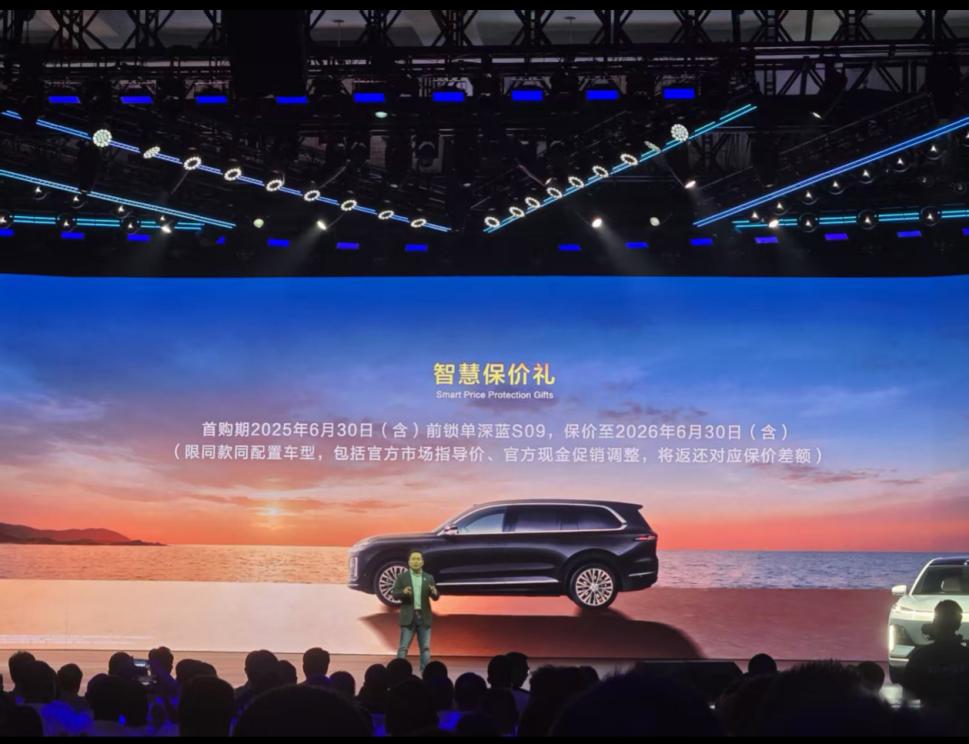
看厂家话术买车的用户,已经遭遇了背刺
3 6 Ke· 2025-07-09 10:36
Core Viewpoint - The article discusses the various promotional policies introduced by car manufacturers aimed at addressing consumer concerns, but highlights the difficulties in fulfilling these promises, leading to consumer disappointment and skepticism [1][11]. Group 1: Promotional Policies - Car manufacturers are introducing attractive policies such as "one-year price guarantee," "zero self-ignition commitment," and "intelligent driving insurance" to alleviate consumer anxiety regarding vehicle purchases [2][11]. - The "three-year buyback" strategy allows consumers to sell their vehicles back to dealerships at a predetermined discount within specified time frames, but many consumers face challenges when trying to redeem this offer [6][7]. Group 2: Execution Challenges - Many of the promotional policies have stringent execution standards or are subject to various excuses for denial, leading to consumer frustration [4][9]. - For instance, the "intelligent driving insurance" has hidden conditions that limit compensation, often leaving consumers with minimal support in case of accidents [5][9]. Group 3: Market Context - The automotive industry is experiencing declining profit margins, with a reported profit rate of only 4.3% in 2024, prompting manufacturers to focus on after-sales services for profitability [13][14]. - The shift towards after-sales services is evident, as companies like Zhongsheng Group and AutoNation report significant profits from their after-sales operations despite losses in new car sales [13][14]. Group 4: Consumer Trust Issues - The lack of clear, executable details and the ability of manufacturers to fulfill their promises contribute to a growing distrust among consumers [16][11]. - The article emphasizes that without a collective industry effort to ensure transparency and accountability, individual promotional policies may only serve as temporary marketing strategies rather than genuine consumer protections [16][11].
德媒:追赶中美,欧洲车企发力自动驾驶
Huan Qiu Shi Bao· 2025-07-08 22:46
6月,德国汽车制造商大众汽车全资子公司MOIA在汉堡正式发布了其首款量产级Robotaxi(自动驾驶出 租车)——ID.Buzz AD。大众汽车首席执行官奥博穆在发布会上表示:"这使大众汽车集团在全球增长 的市场中占据了领先地位。"同时,ID.Buzz AD也在汉堡展开城市道路测试。 现场报道的美国《华尔街日报》记者表示:"在测试过程中,安全员两次接管车辆。为绕开占道的货 车,车辆一次误入了自行车道、一次误入了对向车道,安全员不得不立即纠正车辆……" 【环球时报驻德国特约记者 青木 环球时报记者 任筱楠】"德国的汽车奇迹。"最新一期德国《经济周 刊》封面文章称,自动驾驶正在成为汽车行业的领先技术,多年来德国汽车制造商似乎一直落后于来自 美国和中国的竞争对手。现在,大众、梅赛德斯-奔驰和宝马等德国车企试图奋力追赶。 汽车行业分析专家许广健8日对《环球时报》记者分析称,德国作为汽车制造业大国,在自动驾驶领域 发展相对滞后,主要原因包括:首先,德国自动驾驶整体生态与中美等国存在差距,体现在芯片等关键 硬件以及算法、人才、高精地图等软实力上,同时,自动驾驶对基础设施要求较高,而德国等欧洲国家 在车路协同等基础设施建设 ...
国泰海通|电新:海外固态电池进展积极,产品性能持续突破
国泰海通证券研究· 2025-07-08 09:41
Group 1 - The core viewpoint of the article highlights the steady progress in overseas solid-state battery development, with continuous breakthroughs in product performance and a mass production timeline set for 2026-2030 [1][2][3] Group 2 - Overseas solid-state battery companies are focusing on sulfide technology routes, with energy densities ranging from 301-560 Wh/kg for various companies including Solid Power, QuantumScape, Factorial Energy, and Samsung SDI [1][2] - Solid Power's revenue for 2024 is projected at $20.14 million, a 16% year-on-year increase, with R&D expenses of $73.34 million, up 34% year-on-year; QuantumScape has not yet generated revenue but has R&D expenses of $380 million, a 10% increase year-on-year [2] - Solid Power's sulfide solid-state battery has an energy density of 390 Wh/kg, while QuantumScape's QSE-5 cell reaches 301 Wh/kg with a 10C discharge capability; Factorial Energy's Solstice battery offers a range of 1000 km, and Samsung SDI's silver-carbon negative battery achieves 900 Wh/L with a 9-minute fast charge [2] - Collaboration between battery manufacturers and automakers is deepening, with projects covering technology licensing, production line co-construction, and road testing; Solid Power's batteries are being tested in BMW's i7, while QuantumScape has signed a mass production agreement with Volkswagen's PowerCo [3]

稀土这牌是为特朗普准备的,欧盟和印度只是顺手!
Sou Hu Cai Jing· 2025-07-08 09:39
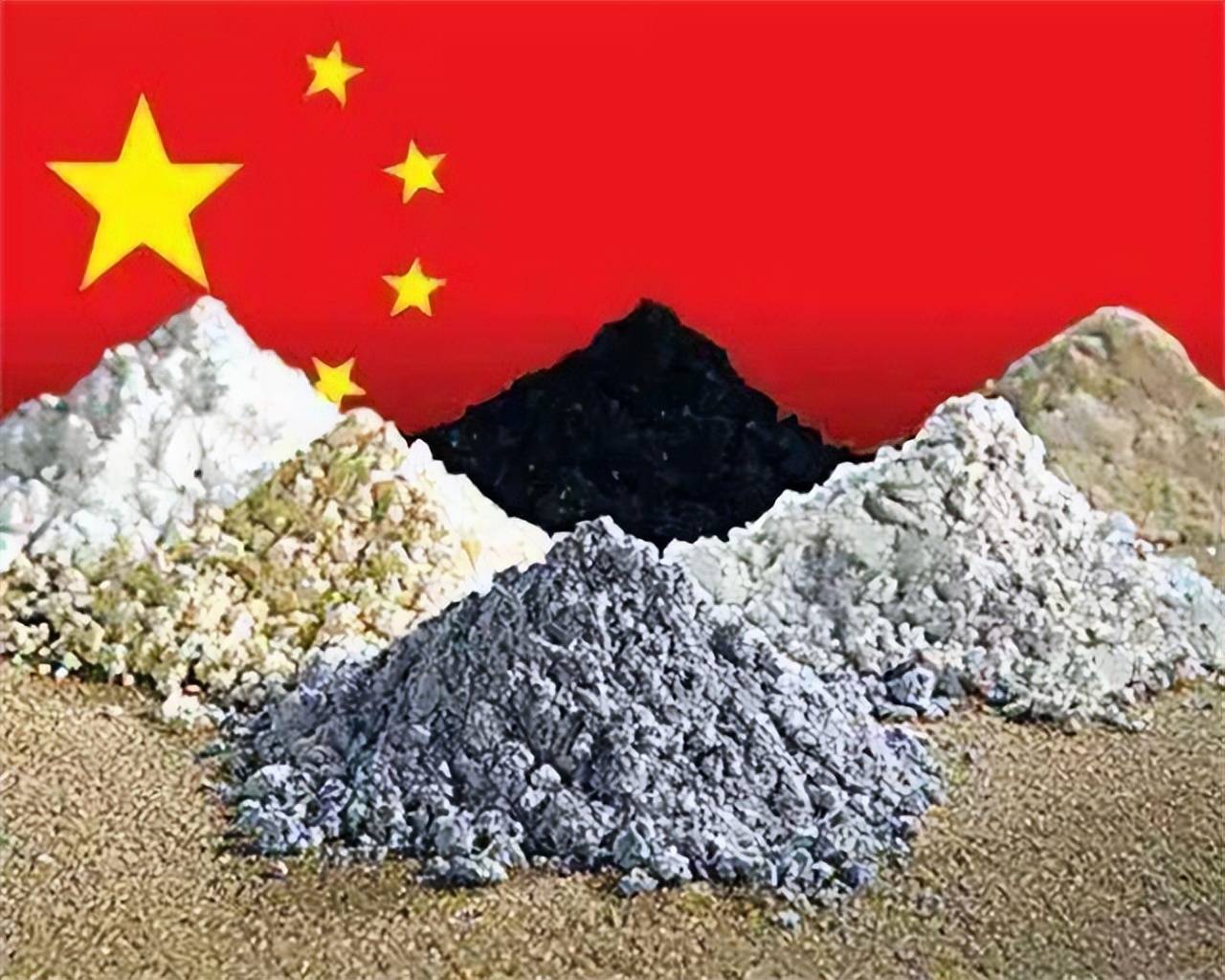
Group 1 - China's control over rare earth elements primarily impacts the United States, followed by the European Union and India [1] - The U.S. military industry is significantly affected, with the production of F-35 fighter jets facing potential shutdown due to rare earth shortages [1] - The automotive industry in the U.S. is also severely impacted, with companies like Tesla and Ford adjusting production lines due to shortages of neodymium magnets [3] Group 2 - The U.S. has softened its stance, with Treasury Secretary Yellen expressing a desire for China to expedite rare earth exports [4] - The European Union is less aware of the situation's severity, with officials like von der Leyen and Karas urging China to lift export restrictions while simultaneously imposing tariffs on Chinese electric vehicles [5][7] - German automakers, such as Volkswagen and BMW, are facing production line shutdowns due to magnet shortages, with electric vehicle production capacity potentially decreasing by 30% [6] Group 3 - India's automotive industry is on the brink of stagnation, with domestic companies facing depleting inventories and potential production halts if new supplies are not secured [12] - Despite having the fifth-largest rare earth reserves globally, India is unlikely to achieve self-sufficiency in the short term due to outdated extraction and refining technologies [13]
美日印澳稀土联盟正式成立,中国修法反击,29年来首次大动作
Sou Hu Cai Jing· 2025-07-08 07:59
Group 1 - The establishment of the Quad alliance aims to diversify the supply chain of critical minerals, reducing reliance on China, which currently supplies 87% of rare earths for the F-35 fighter jet and is crucial for other military systems [6][8] - China's revised Mineral Resources Law, which has expanded from 7 chapters and 53 articles to 8 chapters and 80 articles, emphasizes the protection of national mineral resource security, coinciding with the Quad's announcement [6][10] - The new law introduces a "strategic mineral catalog," requiring buyers to specify the intended use of rare earths, complicating approvals for military and sensitive applications [12][20] Group 2 - The Quad countries face significant challenges in establishing an independent rare earth supply chain, including the need for substantial capital investment, estimated in the billions, and ongoing funding [20][22] - Technological barriers exist, as China currently dominates the large-scale, low-cost, and high-purity production of rare earths, while other countries lag behind in technological capabilities [22][24] - The rare earth market is characterized by high volatility and regulatory risks, raising concerns about the sustainability of investments in a market that may face declining demand or technological shifts [20][26] Group 3 - China controls over 90% of the global rare earth refining capacity and contributes 72% of the total production, establishing a robust ecosystem over the past 30 years through advanced technologies and strategic acquisitions [24][26] - The competition for rare earths is not merely a commercial transaction but a strategic battle for global industrial dominance, with the Quad seeking to break free from dependency while China aims to maintain its advantageous position [28][30]
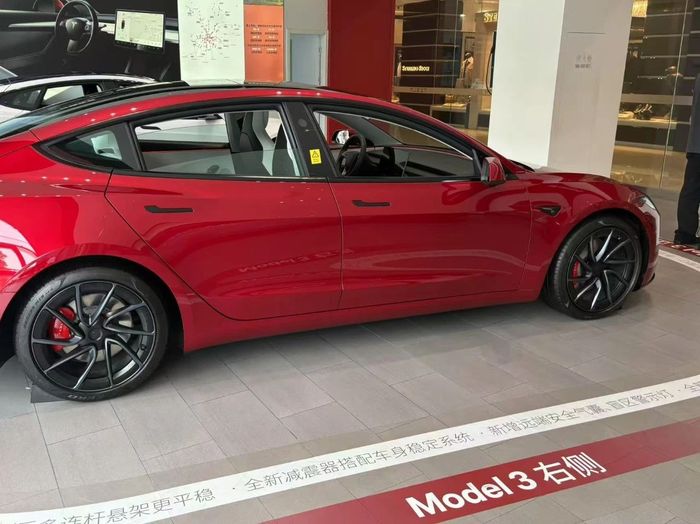
特斯拉与BBA集体涨价,价格战要熄火了?
Xin Lang Cai Jing· 2025-07-08 07:37
Core Insights - The launch of Xiaomi's YU7 has generated significant market excitement, achieving over 240,000 pre-orders within 18 hours, which has surprised industry players and prompted varied responses from competitors [1][2] - The automotive industry is experiencing a potential shift in pricing strategies, with some companies opting to lower prices in response to Xiaomi's success, while others, like Tesla, are increasing prices, indicating a complex market dynamic [3][4][5] Group 1: Xiaomi YU7 Launch Impact - Xiaomi YU7's pre-order success is described as a "miracle" in the automotive industry, with notable figures like Li Xiang and He Xiaopeng acknowledging its unprecedented performance [1] - Competitors such as NIO, Zeekr, and others are offering compensation to YU7 pre-order customers to entice them to switch brands, indicating a competitive response to Xiaomi's market entry [2] Group 2: Competitor Pricing Strategies - Tesla has raised prices for its Model 3 and Model Y, citing increased costs of imported raw materials and upgrades in vehicle performance, which contrasts with the trend of price reductions seen in other brands [3][5] - The automotive market is witnessing a broader trend of price increases among luxury brands like Audi and BMW, as they prepare to return to pre-price war pricing structures following the cessation of high-interest financing incentives [8][10] Group 3: Industry Pricing Dynamics - The end of the "high interest, high return" financing policy has led to a tightening of bank loan policies, resulting in increased vehicle prices and a shift in consumer purchasing behavior [10][11] - There is a growing sentiment that the automotive industry is moving towards a price recovery phase, with many brands expected to raise prices as they adjust to the new financial landscape [18][19] Group 4: Consumer Behavior and Market Sentiment - Consumers are becoming increasingly sensitive to price fluctuations, with many opting to delay purchases in anticipation of further price changes, reflecting a cautious market sentiment [15][16] - Sales personnel report a significant drop in customer traffic and transactions, indicating that the end of aggressive discounting has left potential buyers hesitant [15][16][24]