极氪

Search documents
国产面板何以拿下全球七成江山?
Xin Lang Cai Jing· 2025-07-06 06:12
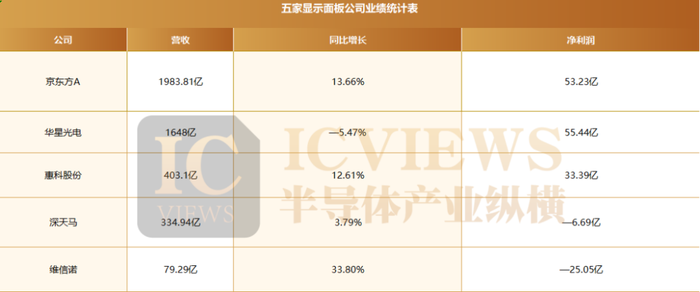
Group 1: Market Position and Growth - By 2024, Chinese companies will control 65% of global polarizer production capacity, expected to exceed 80% by 2027 [1] - In 2025, China's display panel production will account for 70% of the global market share, meaning 7 out of every 10 display panels produced worldwide will come from China [2] - The market size of China's display panel industry will reach 1.3 trillion yuan in 2024, capturing over 50% of the global market [3] Group 2: Key Players and Performance - BOE Technology Group leads the smartphone panel market with a projected shipment of 610 million units in 2025, holding a 68.8% market share in 2024 [2] - In the large-size LCD TV panel market, BOE holds a 25.9% market share, while Huaxing Optoelectronics and Huike occupy 20.2% and 14.4% respectively [2] - In 2024, BOE's revenue is expected to be 198.38 billion yuan, with a net profit of 5.32 billion yuan, marking a significant recovery from previous losses [7] Group 3: Technological Advancements - The introduction of 15 AMOLED production lines is challenging the dominance of South Korean manufacturers, with flexible screens and MiniLED technology driving a new display revolution [3] - Chinese companies are adopting a dual-track strategy, focusing on both LCD and OLED technologies to maintain market leadership [6] - The OLED gaming monitor segment is experiencing rapid growth, with a 132% increase in global shipments in 2024 [8] Group 4: Emerging Markets and Opportunities - The global automotive display panel market is projected to reach 232 million units in 2024, with a 6.3% year-on-year growth [8] - BOE holds a 17.6% market share in the automotive display sector, collaborating with various automotive brands [9] - The esports monitor market in China is expected to grow by 12.4% in 2025, driven by increasing consumer demand and the introduction of new products [12] Group 5: Strategic Developments - The acquisition of LG Chem's OLED polarizer business by Shanshan Holdings is a significant move towards vertical integration in the industry [4] - The construction of the world's first 3000mm ultra-wide polarizer production line by Hengmei Optoelectronics is set to enhance production capacity significantly [5] - The dual strategy of focusing on both LCD and OLED technologies has allowed Chinese manufacturers to effectively compete in the global market [6][13]



纽交所还欢不欢迎中国企业?葛辰皓:我们非常重视中国市场
凤凰网财经· 2025-07-04 11:32
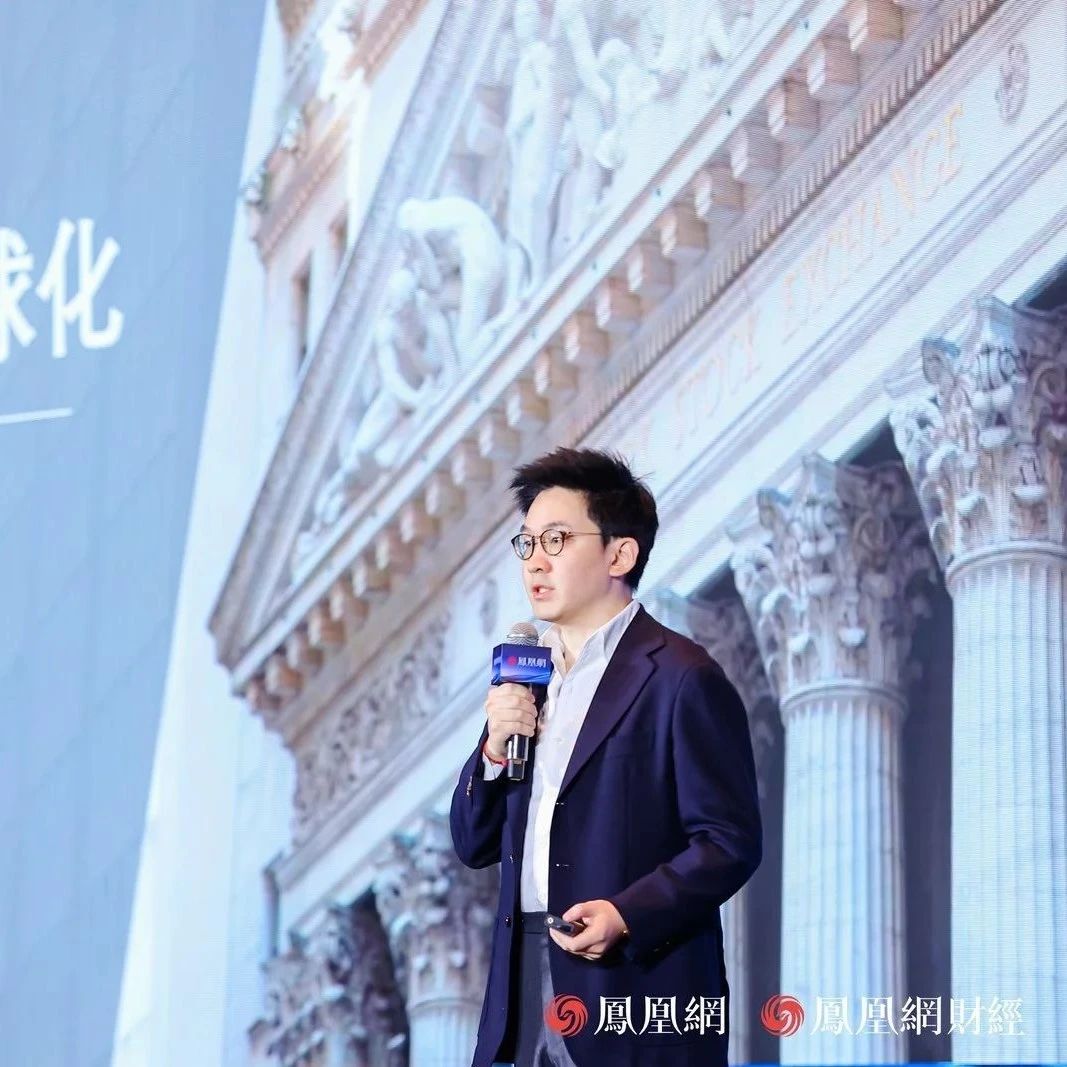
Core Viewpoint - The forum aimed to provide a high-end platform for Chinese companies to address challenges in going global and explore paths for ecological win-win transformation [1] Group 1: Clarification on Chinese Companies' Delisting Rumors - The rumors of a large-scale delisting of Chinese companies from U.S. markets were clarified as a misinterpretation by media [3] - The discussion that sparked these rumors was based on a hypothetical scenario regarding the use of funds raised by Chinese companies in military applications, which was taken out of context [4] - The NYSE maintains effective communication with the SEC and reassures that there is no need for excessive anxiety regarding the situation [4] Group 2: NYSE's Commitment to Chinese Market - The NYSE has a long-standing commitment to the Chinese market, having supported Chinese state-owned enterprises and witnessed significant IPOs like Alibaba's [4][5] - Despite a decrease in overall fundraising amounts, the increase in the number of Chinese companies going public in the U.S. in 2025 is noted, attributed to a high base in the previous year [5] - The NYSE believes that the issuance of quality projects will help boost the overall recovery of the Chinese stock market [5] Group 3: Trends in International Investment - There is a positive trend of international funds returning to Chinese assets, driven by both internal and external factors [6] - Internal factors include the Chinese government's proactive measures in response to economic challenges and the emergence of new productive forces in China [6] - External factors involve a shift in global asset allocation, with investors looking towards Chinese and European assets due to uncertainties in U.S. policies and high valuations in the U.S. market [6] Group 4: Cooperation Between NYSE and HKEX - The NYSE and HKEX maintain a good cooperative relationship, providing diverse options for companies in different capital markets [7] - The example of NIO, which listed in multiple markets, illustrates that exchanges are not in a strictly competitive relationship [7] Group 5: Impact of Tariff Policies - The uncertainty of tariff policies affects not only Chinese companies but also all global companies seeking to go public [10] - The NYSE experienced a peak issuance period in April, which was disrupted by new tariff policies, leading to postponed listings [10] - Chinese companies have developed stronger mechanisms to cope with trade fluctuations, enhancing their resilience against policy changes [10]
新能源车周报:商务部将加强对二手车出口工作指导
Sou Hu Cai Jing· 2025-07-04 07:13
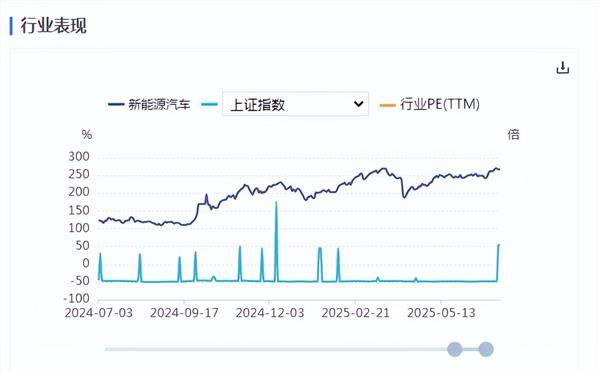
Industry Overview - As of July 4, the price of battery-grade lithium carbonate is between 61,300 to 63,300 CNY per ton, with an average price of 62,300 CNY per ton, reflecting a week-on-week increase of 200 CNY per ton. Industrial-grade lithium carbonate is priced between 60,200 to 61,200 CNY per ton, with an average of 60,700 CNY per ton, also up by 200 CNY per ton week-on-week. The spot price of lithium carbonate continues to show a slight upward trend due to improved demand expectations for July and strong support from rigid demand [1] - The penetration rate of new energy vehicles (NEVs) in June is expected to reach a new high, with wholesale sales of NEV manufacturers estimated at 1.26 million units, a year-on-year increase of 29%. Cumulatively, from January to June, wholesale sales reached 6.47 million units, a year-on-year increase of 38% [6][5] - In May, the export value of automotive goods reached 20.67 billion USD, marking a year-on-year increase of 12.2%. The total import and export value of automotive goods for May was 25.06 billion USD, with imports valued at 4.38 billion USD and exports at 20.67 billion USD [5][6] Company Developments - XPeng Motors launched the new AI smart family SUV, XPeng G7, with a starting price of 195,800 CNY. The vehicle features advanced AI capabilities and is the world's first L3-level AI car, achieving 2250 TOPS of effective computing power [7] - GAC Group announced that its first model in collaboration with Huawei is expected to be launched in 2026, focusing on the high-end market segment priced around 300,000 CNY [8] - NIO's founder Li Bin stated that the company has achieved its strategic goal of self-developed chips, with the global first automotive-grade 5nm intelligent driving chip, Shenji NX9031, now being applied in several models [9] Policy and Market Trends - The Ministry of Commerce will enhance guidance on the export of used cars to promote healthy and orderly development in this sector. The export business for used cars was officially launched nationwide in February 2024 [4] - Jinan city has initiated its first round of automotive consumption subsidies for the second half of 2025, with a total subsidy amount of 12 million CNY available for individuals and enterprises purchasing non-operational passenger vehicles [4]


雷军:169元的纸巾盒是车规级的,在降成本
Guan Cha Zhe Wang· 2025-07-04 07:07
Core Viewpoint - The pricing of Xiaomi's car-mounted magnetic tissue box, set at 169 yuan, has sparked widespread discussion, with mixed opinions on its value compared to competitors [1][2]. Pricing Comparison - The topic of "Xiaomi YU7 magnetic tissue box priced at 169 yuan" trended on Weibo, with some users finding the price high while others considered it acceptable compared to higher-priced alternatives [2]. - Competitor products include NIO's Haptex tissue box at 199 yuan, ET9's second-row magnetic tissue box at 308 yuan, and Geely's exclusive car tissue box at 99 yuan, while XPeng's BASA magnetic tissue box was recently launched at 75 yuan [2][4]. Market Position - Most car-mounted tissue boxes on shopping platforms are priced between 40 to 300 yuan, placing Xiaomi's product in the mid-to-high price range [4]. Product Availability - The Xiaomi Life car-mounted magnetic tissue box has already shown as out of stock, indicating strong initial demand [4]. Design and Production Insights - Lei Jun, during a live broadcast, acknowledged the feedback regarding the high price and explained that the complex design and materials used contributed to the elevated cost. He mentioned that the product is "car-grade" and emphasized the need to reduce costs [7][10]. - The tissue box is designed specifically for car environments, featuring high and low-temperature resistant materials, and includes 14 internal magnets to withstand extreme conditions [12]. Product Features - The Xiaomi Life car-mounted magnetic tissue box has a dual-layer design, with hidden magnets and a high-quality PU leather exterior, providing both safety and a premium feel [12]. - It is recommended to be placed at specific magnetic points in the Xiaomi YU7 vehicle, but it can also be used in other magnetic environments like refrigerators and office furniture [12].


代号“SEA-S”,极氪将发布全球首个全栈900V高压混动架构
news flash· 2025-07-04 02:57
Core Insights - Zeekr announced the launch of its new super electric hybrid architecture, Zeekr SEA-S, at the 9X technology conference on July 9 [1] - This architecture is the world's first luxury super electric hybrid architecture built on a pure electric platform and features a full-stack 900-volt high-voltage hybrid architecture [1] - The Zeekr SEA-S will introduce the first megawatt-level electric drive in the hybrid field [1]
新势力车企半年销量公布:零跑首次登顶半年销量榜!鸿蒙智行、理想稳居第一梯队,小米紧追
新浪财经· 2025-07-04 00:54
Core Viewpoint - The domestic new energy vehicle market is experiencing significant growth, with several companies reporting impressive sales figures for the first half of the year, particularly Leap Motor, which has seen a remarkable increase in sales compared to the previous year [1][2][3]. Group 1: Sales Performance - Leap Motor achieved sales of 221,700 units in the first half of the year, marking a year-on-year increase of 155.8% [2][6]. - Hongmeng Zhixing and Li Auto followed closely, with sales of 206,200 units and 203,800 units respectively, showing growth rates of 6.2% and 7.8% [2][7]. - Xiaopeng Motors reported a significant year-on-year increase of 279%, with sales reaching 197,200 units [2][9]. - Xiaomi Motors, despite a drop in June deliveries, reported a total of over 150,000 units delivered in the first half, reflecting a 456% increase [2][12]. Group 2: Competitive Landscape - Leap Motor's rapid rise to the top of the sales chart was unexpected, as it was previously considered a second-tier player [2][6]. - Hongmeng Zhixing is undergoing a model refresh, with new vehicles expected to drive future growth, although it has only achieved 20.6% of its annual sales target so far [6][7]. - Li Auto is focusing on expanding its high-pressure pure electric product line, with new models set to launch in the coming months [9]. - Xiaopeng Motors achieved a record quarterly delivery of 103,181 units, indicating strong market demand [9]. Group 3: Challenges and Future Outlook - Xiaomi faces production capacity challenges, with delivery timelines extending significantly for its new models [12]. - Aion is the only company to report a decline in sales, dropping 14.2% year-on-year, despite launching new models [13]. - NIO, once a leader in sales, has been surpassed by Leap Motor and Xiaopeng, with a total of 114,200 units sold in the first half, reflecting a 30.6% increase [13]. - The future of Nezha, a previously successful brand, is uncertain due to financial difficulties and bankruptcy restructuring efforts [14].

雷军自曝买Model Y
21世纪经济报道· 2025-07-03 03:19
Core Viewpoint - Xiaomi's entry into the automotive industry has resulted in a remarkable achievement, with the YU7 model receiving 200,000 orders in just three minutes, showcasing its strong product capabilities, pricing strategy, and quality safety [3][4]. Group 1: Market Performance - The average age of YU7 pre-owners is 33 years, with 30% being female users, and 52.4% of them are Apple users, which is 4.4% higher than the SU7's user base [3]. - Competitors like Xpeng and NIO have expressed both shock and pressure following the YU7's success, with some executives publicly acknowledging their orders of the YU7 [3][4]. Group 2: Competitive Landscape - Competitors have initiated "截胡" strategies to attract YU7 customers, including reimbursing deposits and offering rewards for referrals [4]. - Xiaomi's YU7 is positioned to compete directly with Tesla's Model Y, particularly in major markets like Shanghai, Hangzhou, and Beijing, where Model Y has seen significant sales [5][6]. Group 3: Production Capacity - Xiaomi's first factory achieved a production of 250,000 vehicles in 14 months, exceeding the initial capacity plan of 150,000 [6]. - The delivery timelines for YU7 models have extended significantly, with standard versions taking 58-61 weeks and PRO versions taking 51-54 weeks [6]. - Xiaomi aims to increase its annual production capacity from 150,000 to 350,000 vehicles, with plans for the second factory to begin production in July [6]. Group 4: Future Plans - Xiaomi plans to prioritize domestic deliveries until around 2027 before considering international expansion [7].

雷军自曝买Model Y 希望小米汽车超越特斯拉
2 1 Shi Ji Jing Ji Bao Dao· 2025-07-03 01:33
Core Insights - Xiaomi's Yu7 has achieved a remarkable milestone of 200,000 orders in just 3 minutes, marking a significant entry into the automotive industry within a year and three months [2] - The average age of Yu7 pre-owners is 33 years, with 30% being female, and 52.4% of them are Apple users, indicating a strong appeal among younger, tech-savvy consumers [2] - Competitors are feeling pressure from Yu7's success, with brands like Xpeng and NIO reacting by implementing strategies to attract Yu7 customers [2] Production Capacity and Strategy - Xiaomi's first factory delivered 250,000 vehicles in 14 months, exceeding the initial design capacity of 150,000 [4] - The delivery timelines for Yu7 models are currently lengthy, with the standard version taking 58-61 weeks and the PRO version 51-54 weeks [4] - Xiaomi aims to increase its annual production capacity from 150,000 to 350,000 vehicles by 2027, prioritizing domestic deliveries before considering international expansion [4] Competitive Landscape - Yu7 is positioned to compete directly with Tesla's Model Y, particularly in major cities like Shanghai, Hangzhou, and Beijing, where Model Y has seen significant sales [2][4] - The automotive industry is witnessing aggressive tactics from competitors attempting to undermine Yu7's market position, including offering incentives to potential customers [2] - Xiaomi's CEO has expressed ambitions to not only match but potentially surpass Tesla's performance in the automotive sector [2][3]

新势力 | 6月:车市热度攀升 新势力销量稳健【民生汽车 崔琰团队】
汽车琰究· 2025-07-03 01:24
Core Viewpoint - The article highlights the significant growth in the delivery volumes of new energy vehicle companies in June 2025, driven by favorable policies and market dynamics, with varying performance among different manufacturers [2][3]. Group 1: Delivery Volumes - Leap Motor delivered 48,006 units in June, a year-on-year increase of 138.6% and a month-on-month increase of 6.5% [1][3]. - AITO delivered 44,685 units, showing a year-on-year increase of 4.5% and a month-on-month increase of 22.9% [1][3]. - Li Auto's deliveries were 36,279 units, reflecting a year-on-year decrease of 24.1% and a month-on-month decrease of 11.2% [1][4]. - Xpeng delivered 34,611 units, marking a year-on-year increase of 224.4% and a month-on-month increase of 3.2% [1][5]. - Aion's deliveries were 27,848 units, with a year-on-year decrease of 20.5% and a month-on-month increase of 4.0% [1][6]. - NIO delivered 24,925 units, a year-on-year increase of 17.5% and a month-on-month increase of 7.3% [1][6]. - Zeekr delivered 16,702 units, showing a year-on-year decrease of 16.9% and a month-on-month decrease of 11.7% [1][6]. - Xiaomi delivered over 25,000 units, with a new SUV model launched [1][6]. Group 2: Market Trends - The overall retail market for narrow passenger vehicles in June is estimated at around 2 million units, a year-on-year growth of 13.4% and a month-on-month growth of 3.2% [2]. - The new energy vehicle retail market is expected to reach 1.1 million units, with a penetration rate of approximately 55% [2]. - The market heat has increased due to new promotional discounts and the "last train effect" from tightening trade-in subsidies [2]. Group 3: Company Strategies and Innovations - Leap Motor's growth is attributed to strong product offerings like the C10 and B10, with new models expected to sustain sales growth [3]. - AITO's M8 and M9 models have performed well in their respective price segments, contributing to their sales [3]. - Li Auto is expanding its charging network, with plans to increase the number of charging stations to 4,000 by the end of 2025 [4]. - Xpeng's sales are driven by the popularity of the MONA M03 and improvements in production capacity [5]. - NIO is enhancing its smart driving capabilities and has plans for new model launches [6]. - Zeekr is set to launch the ultra-luxury SUV Zeekr 9X, featuring advanced driving technology [6]. - Xiaomi's new SUV YU7 has received significant pre-order interest, indicating strong market potential [6]. Group 4: Technological Advancements - The article discusses the acceleration of end-to-end technology applications in smart driving, with companies like Xpeng and Huawei leading the charge [7]. - The smart driving sector is expected to see a reduction in hardware costs, making it more accessible to mainstream markets [7]. - The article emphasizes the importance of intelligent capabilities as a competitive factor among automakers [8]. Group 5: Supply Chain and Component Growth - The article notes the strengthening of the supply chain for new energy vehicles, with quality suppliers gaining market share due to their cost-effectiveness and responsiveness [9]. - There is a focus on the potential for breakthroughs in critical technologies, which could disrupt the current market dynamics [9].

吉利汽车 | 6月:新能源持续亮眼 全年销量目标300万辆【民生汽车 崔琰团队】
汽车琰究· 2025-07-03 01:24
Core Viewpoint - The company has demonstrated strong growth in wholesale and new energy vehicle sales, leading to an upward revision of its annual sales target to 3 million units, reflecting confidence in the second half of the year [2][3]. Group 1: Sales Performance - In June, the company reported total wholesale sales of 236,000 units, a year-on-year increase of 42.1% and a month-on-month increase of 0.4%. For the first half of the year, total wholesale sales reached 1.409 million units, up 47.4% year-on-year [2]. - New energy vehicle sales in June were 122,367 units, representing a year-on-year increase of 85.5% but a month-on-month decrease of 11.3%, with a penetration rate of 51.8%. Cumulatively, 725,000 new energy vehicles were sold in the first half, up 126.5% year-on-year [2]. Group 2: Product Launches and Market Strategy - The company plans to launch the Galaxy A7 and M9 models in Q3 2025, targeting the mid-range and large SUV segments, respectively. These models are expected to enhance the company's competitive edge in the market [2][3]. - The company aims for total sales of 710,000 units in 2025, with Zeekr targeting 320,000 units and Lynk & Co aiming for 390,000 units. The Zeekr 9X luxury SUV is set to debut in late 2025, featuring advanced technology and a high price point [3]. Group 3: Strategic Moves - The company has proposed to privatize Zeekr, which is expected to facilitate the integration of assets and resources, enhancing operational efficiency and brand competitiveness in the luxury electric vehicle market [4]. - The privatization aligns with the company's strategic focus on integration and collaboration, aiming to improve overall business performance [4]. Group 4: Financial Projections - Revenue projections for 2025-2027 are estimated at 404.8 billion, 489.7 billion, and 572.8 billion RMB, respectively, with net profits expected to be 16.2 billion, 22.1 billion, and 26.0 billion RMB [5]. - The earnings per share (EPS) are projected to be 1.61, 2.19, and 2.58 RMB for the years 2025-2027, with corresponding price-to-earnings (P/E) ratios of 9, 7, and 6 [5].