
红旗连锁

Search documents
奶茶原料为什么越来越“邪门”了?
远川研究所· 2025-05-12 12:46
Core Viewpoint - The article discusses the transformation of kale from a decorative plant to a "superfood" in the beverage industry, driven by marketing strategies and consumer health trends [3][4][5]. Group 1: Kale's Rise in Popularity - In 2025, kale transitioned from being a decorative plant to a sought-after superfood, praised for its nutritional benefits such as antioxidant properties and potential cancer-fighting abilities [3][4]. - The price of kale surged from 0.8 yuan per pound in 2024 to 3.5 yuan per pound in 2025, marking an increase of over 300% [4]. - The domestic market share of kale increased from 5% to 55% as tea brands began to source it for their products [4][5]. Group 2: Marketing Strategies - The marketing success of kale in the U.S. was largely due to strategic promotion by the American Kale Association, which utilized social media to enhance its visibility [12][14]. - Celebrities and cooking tutorials played a significant role in popularizing kale, transforming it from a lowly vegetable to a trendy food item among the middle class [15][17]. - In China, tea brands adopted similar marketing tactics, associating kale with health and fitness, particularly during the Paris Olympics [18][19]. Group 3: Consumer Trends and Product Development - The tea industry has seen a trend towards health-conscious products, with brands emphasizing the nutritional benefits of kale to attract consumers concerned about weight gain [21][22]. - The introduction of kale-based products, such as the "Champion Slimming Bottle," generated significant sales, with over 1.6 million bottles sold within ten days [22]. - The trend of using niche ingredients like kale is not unique; other ingredients such as avocado and oil fruit have also gained popularity through similar marketing strategies [24][30]. Group 4: Industry Dynamics - The beverage industry is characterized by high competition and product homogeneity, leading brands to continuously seek out unique ingredients to differentiate themselves [30][31]. - Despite the initial success of niche ingredients, the industry often sees a rapid influx of similar products from competitors, diluting the uniqueness of the original offering [29][30]. - The article highlights that while niche ingredients can drive short-term sales, they may not provide sustainable differentiation in a crowded market [34][37].




开源证券:聚焦“悦养身心”需求 技术+模式迭代衍生时代投资机遇
智通财经网· 2025-05-12 06:03
Group 1: Core Themes in New Consumption - The new consumption sector is accelerating around three main themes: "well-being," "technological transformation," and "travel consumption" [1] - Sub-sectors such as trendy toys, healthy eating, beauty economy, and AI+ consumption show structural growth potential [1] Group 2: Well-being Consumption - Trendy toys are experiencing a historical opportunity with global IP cross-regional penetration and category innovation, expected to see significant growth by 2025 [2] - The global market for trendy toys is expanding, with interactive features driving user engagement and product innovation [2] - Beneficiaries in this sector include Pop Mart, Blokus, and Huali Technology [2] Group 3: Healthy Eating and Efficiency - The Chinese meal replacement industry has grown from 5.8 billion yuan in 2017 to 132.2 billion yuan in 2022, with a projected CAGR of 21.7% from 2022 to 2027 [2] - Major brands like KFC and Nayuki are expanding into the healthy salad market, while beverage companies are launching popular fruit and vegetable products [2] - Beneficiaries include Mixue Group, Guming, Bawang Tea, and Luckin Coffee [2] Group 4: Beauty Economy - Online channels continue to show growth potential, particularly on platforms like Douyin [3] - The market share of domestic brands is expected to rise from 13.3% in 2022 to 19.9% by 2024 [3] - Key players benefiting from this trend include Juzhibio, Mao Geping, and Shangmei [3] Group 5: Travel Consumption - Post-pandemic travel is becoming a relatively essential low-frequency optional consumption, showing strong anti-cyclical resilience [4] - The travel sector is expected to maintain a growth rate of 7-8%, with ongoing recovery in inbound and outbound tourism [4] - Beneficiaries in this sector include Trip.com Group and Tongcheng Travel [4] Group 6: Technological Transformation - AI is driving a new marketing ecosystem, with significant growth in content creation and diverse application scenarios in beauty and beverage sectors [5] - The number of active creators on content platforms is expected to grow by 62% year-on-year by June 2024 [5] - Beneficiaries include Meitu, Youdao, Keri International, and Tongdao Recruitment [5] Group 7: Travel Consumption Expansion - Local life services are expanding, with Meituan and Didi entering the Brazilian food delivery market, valued at over 20 billion USD [6] - Chinese tea culture is spreading globally, with brands like Mixue Ice City and Bawang Tea entering markets in Europe and the Americas [6] - Key players in this expansion include Mixue Ice City and Bawang Tea [6]
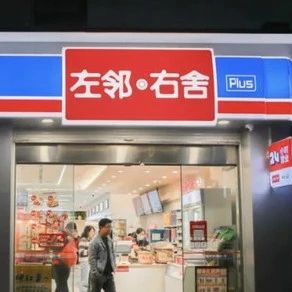
便利店赛道杀出一匹黑马“左邻右舍”
FBIF食品饮料创新· 2025-05-11 16:14
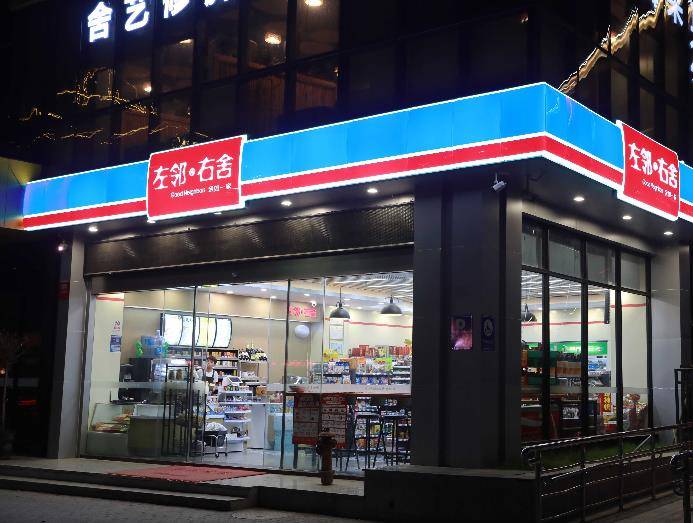
Core Viewpoint - The convenience store industry in China is witnessing significant growth, with the emergence of new players like "左邻右舍" (Left Neighbour) and "生活驿站" (Life Station) under the Chicheng Holding Group, which have rapidly expanded their store numbers and are challenging established brands like 美宜佳 (Meiyijia) and 芙蓉兴盛 (Furong Xingsheng) [1][5][12]. Group 1: Industry Overview - The latest convenience store TOP100 list by the China Chain Store & Franchise Association (CCFA) shows that 美宜佳 leads with nearly 40,000 stores, maintaining its position for three consecutive years [1]. - The entry threshold for the top ten has increased, with the tenth place, 红旗连锁 (Hongqi Chain), now requiring 3,447 stores, up from 2,800 the previous year [3]. - The overall ranking stability among top brands contrasts with significant fluctuations among lower-ranked brands, indicating a solidified position for leading players [3]. Group 2: Growth of New Players - "左邻右舍" and "生活驿站" have collectively reached 5,310 stores, marking a notable entry into the top ten for the first time [3][5]. - The rapid growth of these brands is attributed to their franchise model, with an average of over 400 new stores opened annually over the past four years [5]. - In 2024, "左邻右舍" is projected to exceed 11 billion in sales, with Chicheng Holding reporting a revenue of 1.065 billion, a 15.39% increase year-on-year [12]. Group 3: Business Model and Strategy - The franchise model allows for low entry costs, with an investment of approximately 120,000 to 140,000 yuan for a 30-40 square meter store [6]. - "左邻右舍" focuses on community services, offering utilities payment, package collection, and public transport card recharges, which enhances customer foot traffic [8][9]. - The product offering is more localized and affordable compared to competitors, avoiding imported trendy items and focusing on everyday necessities [7][8]. Group 4: Competitive Landscape - "左邻右舍" is positioned to compete directly with 芙蓉兴盛, which also emphasizes community service and has a similar store count [12]. - Other local supermarkets are enhancing their community service offerings, indicating a competitive environment for "左邻右舍" [13]. - The introduction of popular products in stores aims to attract more customers, with items like 瑞士卷 (Swiss Roll) and 榴莲千层 (Durian Layer Cake) being offered at competitive prices [14].
单店一天卖60万、7年持续火爆,揭秘全球最火饮品店
3 6 Ke· 2025-05-11 07:33
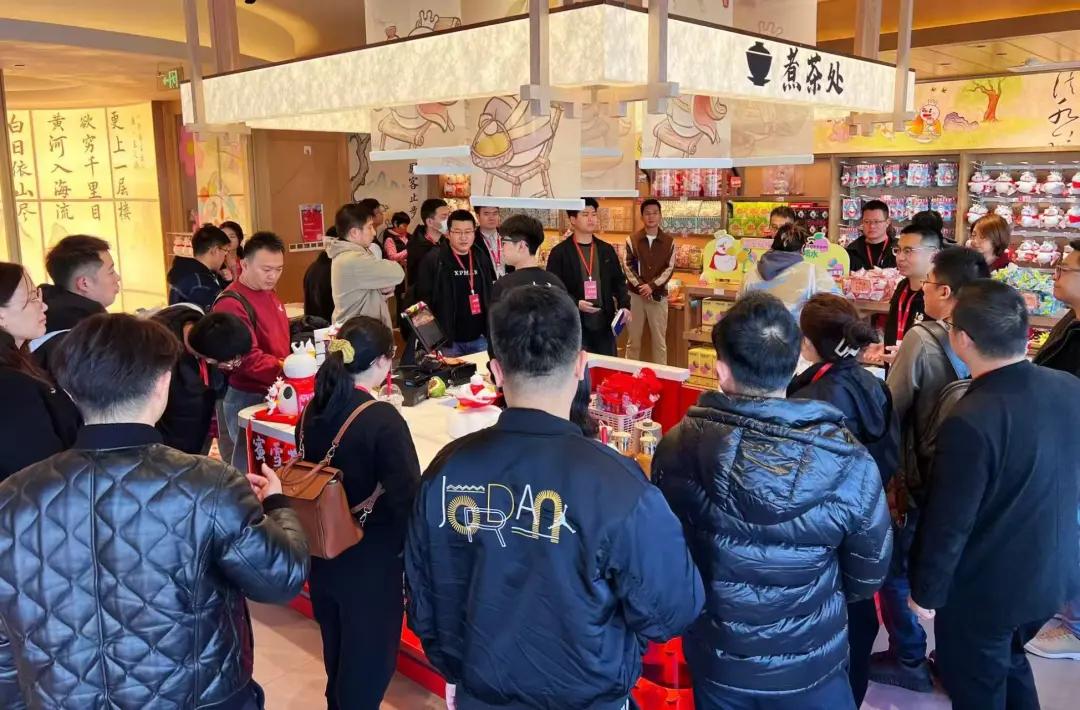
Core Insights - The rise of "scenic stores" has become a new path for brands to stand out, transforming beverage shops from standardized chains to destinations for unique experiences [3][5][7] Group 1: Scenic Store Concept - Scenic stores attract large crowds, exemplified by the success of the Mixue flagship store, which generated over 1 million in revenue during the Qingming Festival and achieved daily revenues exceeding 200,000 [3][5] - The concept of scenic stores is not new, with Starbucks' Roastery in Shanghai serving as a long-standing example of a "phenomenal landmark" in the beverage industry [3][5] - Scenic stores leverage local culture to create a unique brand experience, evolving from mere functional providers to meaning creators [5][9] Group 2: Cultural Integration - Successful scenic stores focus on local cultural connections, as demonstrated by the luxury hotel brand Songzan, which emphasizes understanding the local environment and community [11][14] - The essence of a scenic store lies in its ability to resonate with local culture, transforming cultural details into tangible products and services that engage customers [14][20] - Brands that can effectively tap into the cultural heartbeat of a city are more likely to succeed in creating memorable experiences for consumers [16][19] Group 3: Unique Positioning - Creating a unique label for a scenic store is crucial for attracting traffic, with examples including Mixue's flagship store and Starbucks' Roastery being positioned as the largest or first of their kind [19][20] - Scenic stores often feature distinctive elements that enhance the customer experience, such as themed decorations and exclusive products tied to the brand's identity [20][22] - The goal is to transform one-time visitors into repeat customers through a combination of material satisfaction and social sharing [22]

深化县域商业体系建设
Jing Ji Ri Bao· 2025-05-10 22:16
Core Viewpoint - The development of county-level economies and commercial systems is crucial for promoting urban-rural economic circulation and driving economic growth in China, despite existing challenges such as inadequate infrastructure and insufficient supply of goods and services [1][2]. Group 1: County-Level Market Potential - The county-level market is a significant consumer market and production factor supply area, with increasing rural residents' income and consumption capabilities, leading to a projected retail sales share of 38.8% in 2024 [2]. - The expansion of e-commerce and new business models like live-streaming and short video commerce is enhancing agricultural product sales channels [3]. Group 2: Challenges in County-Level Commercial System - County-level commercial systems face challenges such as weak infrastructure, high operational costs for cold chain logistics, and a lack of modern business talent [4]. - The adaptation of new business models in rural areas is hindered by differences in consumer behavior and limited brand recognition among rural residents [4]. Group 3: Strategies for High-Quality Development - Recommendations for improving county-level commercial systems include enhancing infrastructure and logistics, optimizing product supply based on local needs, and fostering innovative business models [5][6]. - Emphasis on talent cultivation and attracting skilled professionals to support the development of modern commercial practices in rural areas [6]. Group 4: Successful Case Studies - The "Leading Counties" initiative showcases successful county-level commercial practices, highlighting effective resource integration and innovative logistics solutions to address rural delivery challenges [7][8]. - Examples include the establishment of integrated logistics systems in Zhejiang and the development of unique commercial spaces in Sichuan to enhance local consumption and attract tourism [9][10]. Group 5: Market Expansion and Brand Development - The expansion of well-known brands into county markets is evident, with significant growth in retail and service sectors, despite challenges in profitability and market incentives [11][12]. - The logistics sector in rural areas is improving, with a growing number of service stations and increased processing capacity, although costs remain high [13][14]. Group 6: Policy Recommendations - To support county-level commercial development, policies should focus on infrastructure investment, tax incentives, and creating a favorable business environment [15][16]. - Collaboration among various sectors, including e-commerce, logistics, and local governments, is essential to streamline operations and reduce costs [15].
喜茶12分钟破千杯,去茶山排队6小时,“景点式门店”突然走红
3 6 Ke· 2025-05-10 04:45
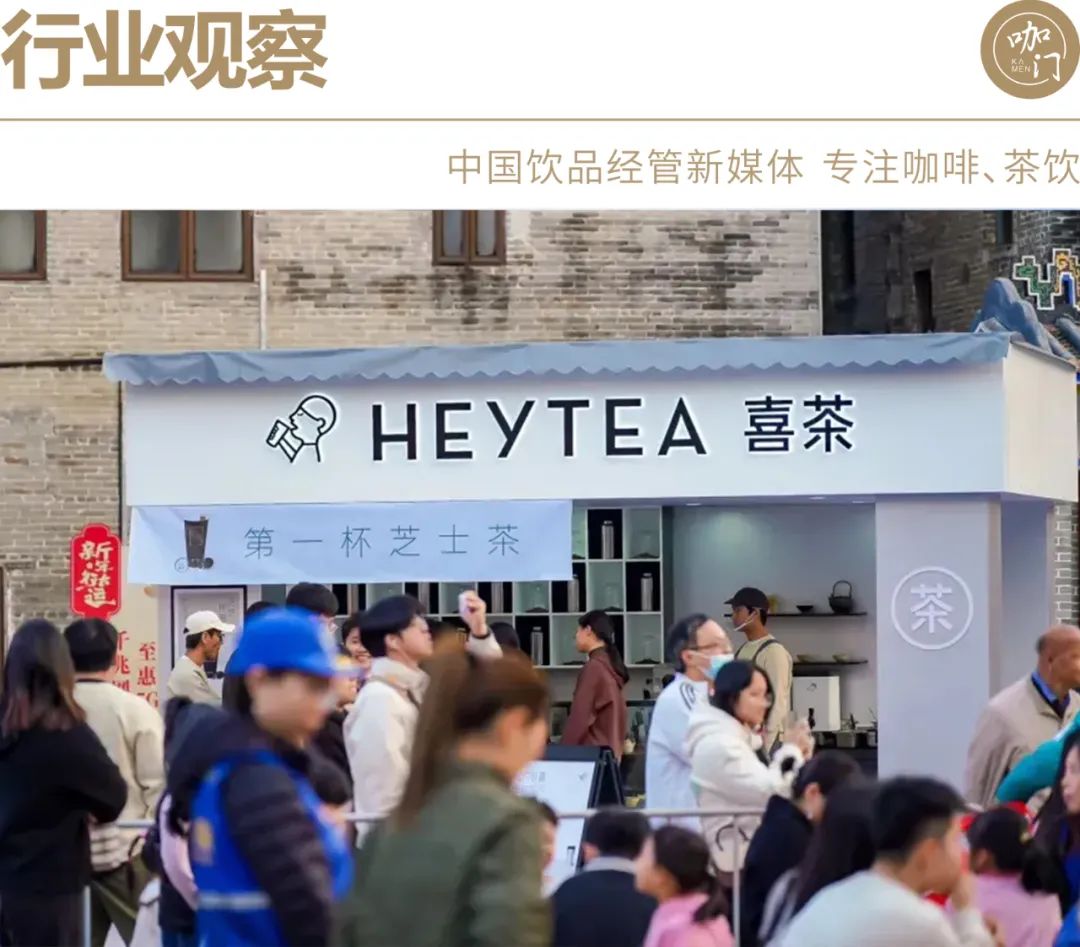
Core Insights - The beverage industry is witnessing a trend where stores are transforming into "scenic spots," significantly enhancing customer engagement and revenue potential [3][26][30] Group 1: Revenue Performance - The "去茶山" store in Foshan achieved a peak daily sales volume of over 4000 cups, with customers waiting up to 6 hours [4][6] - The "喜茶" store in Jiangmen recorded over 1000 orders within the first 12 minutes of opening during peak times [9][11] - The "蜜雪冰城" flagship store in Zhengzhou reported daily revenues exceeding 200,000, with a three-day revenue surpassing 1 million [19][21] - The "幸运咖" flagship store achieved a single-day revenue of over 60,000 shortly after opening [25][23] Group 2: Store Design and Experience - The "去茶山" store features a calm design with glass walls and traditional tea utensils, making it a popular photo spot [4][6] - The "洪都大拇指" store in Nanchang incorporates local culture and offers a unique combination of tea and snacks, enhancing the customer experience [8][6] - The "茶百道" flagship store in Chengdu combines modern design with traditional elements, attracting both local and foreign visitors [12][14] - The "星巴克" roasting workshop in Shanghai is designed to showcase the coffee-making process, creating an immersive experience for customers [15][17] Group 3: Cultural Significance - Scenic stores are becoming cultural symbols, attracting visitors beyond local customers and creating a "destination" effect [26][30] - The success of these stores demonstrates the potential for beverage brands to integrate local culture into their offerings, enhancing brand loyalty and customer experience [30][28] - The trend reflects a broader retail strategy where experiential and cultural elements are prioritized to create memorable customer interactions [26][30]
中国便利店“开店王”:一年净增4095家,月均服务超过2.5亿人次
Sou Hu Cai Jing· 2025-05-09 12:22
Core Insights - The convenience store sector in China continues to experience rapid growth, with a total of 196,000 stores among the top 100 companies, reflecting a net increase of 14,000 stores year-on-year, representing a growth rate of 7.7% [1][3][5] Group 1: Market Overview - The convenience store format is the closest retail model to consumers, providing a wide range of products and services, which has led to strong market demand despite the decline of hypermarkets and department stores [1] - The top 100 convenience store companies have a combined store count of 196,000, with an entry threshold of 129 stores, indicating a competitive landscape [1][3] Group 2: Industry Concentration - There are 38 companies with over 1,000 stores, an increase of 7 from the previous year, indicating a trend towards higher industry concentration [3] - The top 20 companies account for 148,128 stores, representing 75.57% of the total, while the top 10 companies hold 124,066 stores, a year-on-year increase of 8,325 stores (7.19%) [3][6] Group 3: Leading Companies - Meiyijia remains the largest convenience store chain in China, with 37,943 stores, a net increase of 4,095 stores, averaging 11.2 new stores opened daily [8][9] - The top three companies, Meiyijia, Yijie, and Kunlun Haoke, have store counts exceeding 10,000, with Kunlun Haoke experiencing a decrease of 80 stores to 19,700 [6][8] - Lawson continues to be the leading foreign convenience store brand in China, with 6,652 stores after a net increase of 332 stores [5][6] Group 4: Future Outlook - Meiyijia aims to expand its store count to over 39,000 by April 2025, while Lawson has set a target of reaching 10,000 stores by the end of 2025, although achieving this goal may be challenging [8][5]
“数读”5月支付消费,这些数据都翻倍了
券商中国· 2025-05-09 11:09
随着"五一"假期(5月1日至5日)的收官与"五五"购物节的火热进行,支付消费领域呈现出蓬勃发展的态 势,一系列支付数据和消费动态成为观察我国经济活力与消费潜力的重要窗口。 小长假支付数据亮眼 日前,中国人民银行发布数据显示,2025年"五一"假期,银联、网联共处理支付交易234.39亿笔、金额7.64万 亿元,较去年"五一"假期分别增长20.49%、3.21%。其中,境外来华人员支付交易笔数、金额较去年同期分别 增长244.86%、128.04%。 与此同时,微信、支付宝作为国内两大主流支付平台,也相继发布了"五一"假期消费支付数据。 微信团队"微信派"公众号发布报告显示,此次小长假期间,中国内地微信支付消费笔数较去年增长超10%,微 信支付餐饮行业交易笔数同比增长12.3%。包括蜜雪冰城、瑞幸咖啡、海底捞、霸王茶姬等本土餐饮品牌成为 热门餐饮消费选择。 事实上,"中国制造"的各式商品,包括文创纪念品、衣服鞋子以及电子产品等,都成为来华游客扫货的目标。 义乌小商品市场、深圳华强北、广州国际轻纺城等特色市场也吸引着众多外国人的目光。 出境游方面,有关数据显示,今年"五一"用支付宝境外出行消费笔数增长了53%,出 ...

平替,赢麻了?
3 6 Ke· 2025-05-09 09:02
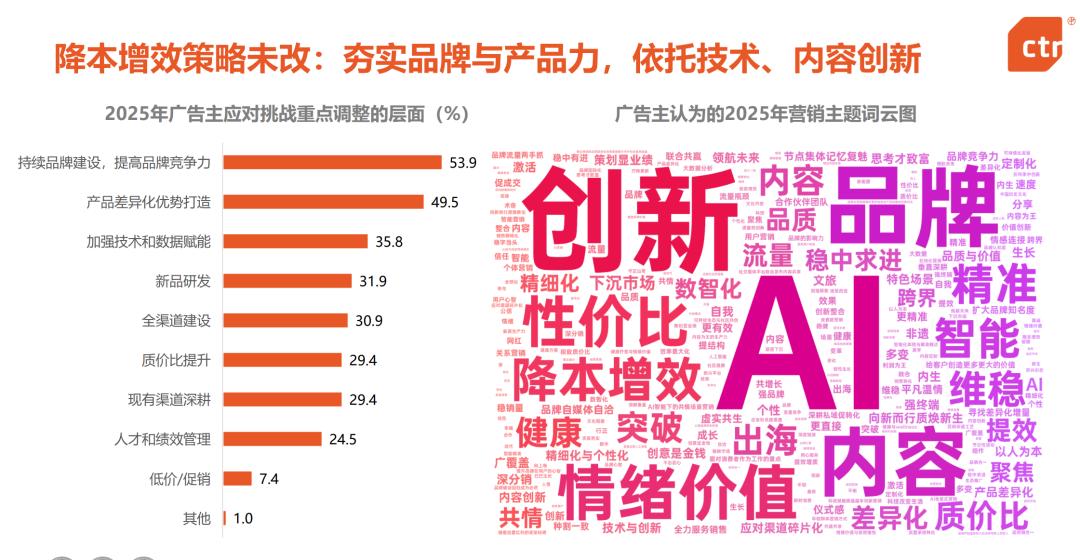
Group 1 - The core concept of "平替" (alternative products) reflects a blend of consumer rationality and confidence in domestic brands, which has led to the emergence of numerous local brands while also posing hidden risks for long-term brand sustainability [1][2] - The success of brands like 徕芬, which offers products that closely mimic high-end brands like Dyson at a significantly lower price, demonstrates the effectiveness of leveraging "平替" strategies to gain market entry and consumer recognition [1][3] - However, the challenge arises when brands become categorized as "low-cost alternatives," making it difficult to rebuild a high-value brand perception, leading to fierce competition in the low-price segment [2][4] Group 2 - The rise of "平替" does not equate to a market-wide consumption downgrade; rather, it signifies a re-evaluation of the "basic value" of products, as evidenced by the growth of high-priced categories driven by innovation [5][6] - Brands that start as "平替" often aim to transition to differentiated products to establish premium pricing power, focusing on high-profit margins [6][7] - The marketing landscape is shifting, with a significant emphasis on creating differentiated product advantages, as nearly half of advertisers prioritize this in their strategies [7][11] Group 3 - Successful differentiation requires more than just new marketing gimmicks; it necessitates a deep understanding of brand strengths and alignment with current consumer trends [11][12] - Content marketing is becoming a crucial tool for brands to break free from the "平替" label, with a focus on long-term brand narratives rather than short-term sales tactics [12][14] - The increasing importance of brand storytelling and IP development indicates a shift towards building long-term brand equity rather than merely chasing immediate results [14][16] Group 4 - The market is witnessing a growing demand for high-quality products, suggesting that "平替" is merely a starting point for brands to achieve their peak moments [17] - Establishing brand differentiation requires a thorough identification of target demographics and a strategic approach tailored to the brand's unique circumstances [17][18]
2025年零售行业分析
Lian He Zi Xin· 2025-05-09 04:45
Investment Rating - The report indicates a cautious outlook for the retail industry, with expectations of continued pressure on physical retail operations and a focus on online retail as the main growth driver [2][36]. Core Insights - In 2024, the retail market is expected to face challenges due to a slowdown in consumption growth, increased savings willingness, and external macroeconomic impacts, leading to insufficient consumer demand and a need for improved consumer confidence [2][4]. - Online retail remains the primary driver of consumption growth, although its growth rate has slowed. The report anticipates that companies with strategies closely aligned with consumer needs and efficient multi-channel service capabilities will achieve structural growth [2][36]. - The government is expected to continue and possibly increase policy support for the consumption sector in 2025, but the effectiveness of these policies will depend on improvements in consumer spending capacity and willingness [2][36]. Summary by Sections Industry Overview - In 2024, consumer spending is crucial for GDP growth, but the growth rate is slowing, particularly in the department store sector, which faces significant operational pressure [4][5]. - The retail industry is a vital part of the modern commercial circulation system, contributing significantly to economic circulation and employment [4]. Retail Performance - In 2024, China's total retail sales of consumer goods grew by 3.5%, a noticeable slowdown compared to the previous year. Online retail sales of physical goods increased by 6.5%, contributing significantly to overall retail growth [5][25]. - The performance of various retail formats showed mixed results, with convenience stores and specialty stores experiencing growth, while department stores and brand specialty stores faced declines [5][19]. Subsector Analysis 1. **Department Stores** - The department store sector has seen a decline in retail sales, with a 5.0% drop in the first three quarters of 2024 compared to the previous year. The sector is under significant operational pressure, with many stores closing [13][15]. - The overall performance of department stores is at a low point, with revenue and profit indices at their lowest in nearly a decade [15]. 2. **Supermarkets** - Supermarkets showed some resilience, with a 2.7% growth in 2024, but the overall recovery trend remains unclear. Many supermarkets reported increased sales without corresponding profit growth [19][20]. - The number of supermarket stores is decreasing, with more closures than openings, indicating a challenging competitive environment [20]. 3. **Online Retail** - Online retail continues to be a significant growth driver, with a 6.5% increase in sales in 2024, outpacing overall retail growth. The top 100 online retail companies generated a total sales volume of 1.91 trillion yuan [25][26]. - Innovations such as live streaming and instant retail are key factors driving online consumption growth [26]. Industry Policies and Focus - The government has implemented various policies to stimulate consumption, including the "old for new" policy for consumer goods, which is expected to support market growth [28]. - The retail industry has seen increased capital activity, with several mergers and acquisitions aimed at optimizing asset structures and expanding market presence [32][34].