小米

Search documents
宁德/亿纬/多氟多/国轩披露三季报;吉利落子湖南;富士康储能迎重磅进展;五家国企50亿成立储能产投公司;比亚迪88亿电池项目投产
起点锂电· 2025-10-26 11:15
Group 1 - The 2025 Solid-State Battery Industry Annual Conference and the Golden Ding Award Ceremony will take place from November 6 to November 8, 2025, in Guangzhou, focusing on new technologies and ecosystem building [5][6] - The event will feature over 1000 participants and includes a concurrent CINE Solid-State Battery Exhibition and Sodium Battery Exhibition [6] - Major companies participating include CATL, BYD, Ganfeng Lithium, and others, indicating strong industry interest and collaboration [5] Group 2 - Chuangneng New Energy has secured over 80GWh in new orders for 2025, with nearly 50GWh of overseas orders, showcasing robust international growth [8] - CATL reported a revenue of approximately 283.07 billion yuan for the first three quarters of 2025, a year-on-year increase of about 9.3%, with a net profit of approximately 49.03 billion yuan, up 36.2% [9] - Guoxuan High-Tech's revenue for the first three quarters reached 29.508 billion yuan, a year-on-year increase of 17.21%, with a net profit of 2.533 billion yuan, up 514.35% [10] Group 3 - Multiple leading lithium battery companies are expanding production capacity in response to surging demand, with companies like CATL, BYD, and Guoxuan High-Tech initiating new capacity projects [17] - A new 20GWh lithium-ion battery manufacturing base has been established by Guoxuan High-Tech in Nanjing, with a total investment of 4 billion yuan [19] - A significant investment of 88 billion yuan has been made by BYD in a new battery project in Taizhou, which will have an annual production capacity of 22GWh [15][16] Group 4 - Fujitsu has launched a new series of energy storage products with a combined capacity of 261kWh, 522kWh, and 4.32MWh, aiming for high efficiency and simplified operations [20] - XINWANDA is investing in three energy storage projects, with a total capacity of 200MW/400MWh, to enhance its energy storage capabilities [21][22] - Zhuhai Guanyu has successfully mass-produced high-silicon anode batteries, achieving an energy density of 900Wh/L, positioning itself as a leader in the industry [24] Group 5 - The domestic market for battery recycling is rapidly growing, with nearly 192,300 related companies established as of October 22, indicating a significant rise in the sector [42] - A strategic partnership has been formed between Beijing Dinos and EVE Energy to build a nationwide lithium battery recycling network, marking a crucial step in the industry's closed-loop construction [43] - A new project for recycling used lithium batteries has been completed in Tengzhou, focusing on efficient recovery and reuse of battery materials [44]







智能座舱产业链洗牌加速:芯片换挡,Tier 1上位
Xin Lang Cai Jing· 2025-10-26 04:48
Core Viewpoint - The competition in the smart automotive sector is increasingly focusing on smart cockpits and electronic products, with companies like Junsheng Electronics securing significant orders for cockpit and in-car screen projects, indicating a shift in automotive competition towards in-car electronics and user interaction experiences [1][2][3]. Industry Trends - The smart cockpit market in China is projected to reach a pre-installation rate of 74.6% in the first half of 2025, with expectations to exceed 80% for the entire year [4]. - The Chinese government is reinforcing the development of smart cockpits as a key research direction in its "14th Five-Year" digital economy development plan, promoting domestic production of critical hardware and software [5]. - The automotive chip market is experiencing a shift, with international giants like Qualcomm and Renesas seeing a slowdown in growth, while domestic manufacturers are rapidly capturing the mid-to-low-end market due to cost advantages [5][6]. Company Developments - Desay SV's smart driving business revenue reached 4.15 billion yuan in the first half of 2025, marking a 55.5% year-on-year increase, indicating strong growth in the cockpit domain [7]. - System integrators are gaining profit leadership as hardware margins compress, with companies like Desay SV showcasing integrated solutions that combine multiple functionalities into a single chip, reducing costs [7][8]. - Domestic cockpit chip penetration in mainstream models is increasing, with over 90% of self-owned brand vehicles reportedly using domestic MCU or SoC solutions [6]. Technological Innovations - Leading automotive companies are transitioning from purchasing components to defining entire vehicle systems through self-developed operating systems and algorithms, enhancing their technological sovereignty [9]. - The integration of AI and ecosystem collaboration is becoming a new competitive focus, with companies like Xiaopeng and Xiaomi extending user experiences through integrated hardware and software solutions [9][10]. - The core competitiveness of smart cockpits is evolving from hardware specifications to ecosystem integration and algorithm collaboration, reflecting a shift in consumer focus from the number of screens to system capabilities [10].
大厂蜂拥入局掀智能眼镜热潮,雷鸟创新继续以“首发”换声量
Hua Xia Shi Bao· 2025-10-25 13:40
Core Insights - The competition in the smart glasses market is intensifying, with both technological advancements and price wars occurring simultaneously [2] - Thunderbird Innovation has launched the Thunderbird Air 4 series, featuring HDR10 display and self-developed Vision 4000 chip, aiming to popularize high-performance products at competitive prices [2][3] Market Position and Performance - Thunderbird Innovation achieved a 39% market share in the global AR glasses market by Q2 2025, surpassing Apple to become the third in the global XR market [3] - The global smart glasses market is projected to ship 2.555 million units in Q2 2025, reflecting a year-on-year growth of 54.9%, although this volume is still significantly lower than that of smartphones, which are expected to reach 295.2 million units with a 1% year-on-year growth [4] Competitive Landscape - The AR glasses market is crowded with major players like Huawei, Baidu, Xiaomi, Apple, and Alibaba, leading to a highly competitive environment [6] - Despite the competition, smaller companies express optimism, viewing the entry of large firms as a means to expand the overall market rather than as direct competition [6][7] Product Strategy - Thunderbird Innovation's strategy focuses on integrating supply chain efficiencies to lower costs while enhancing user experience through technological iterations, aiming to make AR glasses accessible to a broader audience [5] - The pricing for the Thunderbird Air 4 is set at 1,599 yuan, and the Air 4 Pro at 1,699 yuan, reflecting a commitment to quality without increasing prices [4] Future Outlook - The smart glasses market is expected to evolve into a multi-product, multi-scenario hardware ecosystem, where differentiation will be key, and both leading and mid-tier companies will coexist [7] - The market is anticipated to undergo further restructuring as more manufacturers enter, intensifying the competitive dynamics [7]

押注AI荣耀已投百亿元,拼生态战手机厂商激战正酣
Hua Xia Shi Bao· 2025-10-25 09:12
Core Insights - Honor's Chairman Wu Hui emphasized the importance of AI and terminals in the future of technology during the first Global Developer Conference, highlighting a significant investment of over 10 billion yuan in AI research [2][3] - The company aims to regain its position in the domestic smartphone market and expand into a broader ecosystem of interconnected devices [2][4] Group 1: AI Ecosystem Strategy - Honor introduced its "1×3×N" strategy, which includes a single platform (HONOR AI Connect), three empowerment models (ecological, channel, and technical brand empowerment), and multiple industry clusters [3] - The company has launched eight AI scenario-based ecological solutions covering smart home, connected vehicles, and more, with its vehicle connectivity solution already covering over 140 brands and 10,000 models [3][4] - Honor has partnered with over 200 ecosystem partners and initiated a "Partner Support Program" to optimize AI industry pricing [5] Group 2: Market Position and Competition - Honor's transition to an AI terminal ecosystem company is marked by a commitment to invest 10 billion USD over the next five years [4] - The company aims to differentiate itself from competitors like Xiaomi and Apple by focusing on AI capabilities in its products, particularly the newly launched Magic8 series [6][7] - Despite a decline in smartphone shipments, Honor holds a 14.4% market share in China, tied with OPPO, and is close to the leading brand, vivo [7] Group 3: Future Outlook - The competitive landscape in the smartphone market is intensifying, with many manufacturers launching flagship devices and new operating systems simultaneously [7][8] - Analysts suggest that the key to success for Honor lies in stabilizing its smartphone segment to build a larger user base for its AI ecosystem [8]
洛图Q3排名 | 中国大陆电竞显示器线上市场品牌销量
Xin Lang Cai Jing· 2025-10-25 00:10
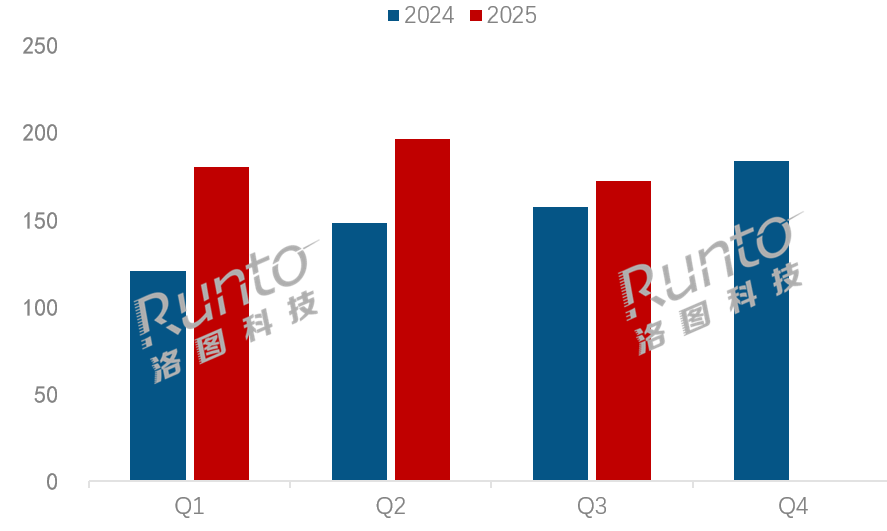
Core Insights - The report from Runto Technology indicates that in Q3 2025, the sales volume of gaming monitors in China's online retail market reached 1.72 million units, representing a year-on-year growth of 9.5%, while sales revenue amounted to 1.9 billion yuan, up 2.6% from the previous year [1] - The average price of gaming monitors decreased to 1,085 yuan, a reduction of 73 yuan compared to the same period last year [1] - The growth rate of gaming monitor sales is expected to slow down starting Q3 2024, with the penetration rate stabilizing [1] Market Dynamics - In the first half of 2025, government subsidy policies significantly boosted market consumption, leading to a sales growth rate of 40% for gaming monitors [1] - However, by Q3 2025, the impact of these subsidies diminished due to a reduction in the scope of subsidies and increased eligibility requirements, contributing less than 10% to sales growth [1] Product Performance - The gaming monitor market is transitioning from being driven by policy to relying on endogenous growth, primarily fueled by upgrades in product performance [1] - In Q3 2025, 180Hz monitors held a 23% market share, but this was a decrease of 24 percentage points compared to 2024. Conversely, the penetration rate of 240Hz models rose to 18%, and 300Hz products increased to 6% from nearly 0% last year [1][4] Brand Analysis - The top three brands in the gaming monitor online market accounted for 44% of total sales, an increase of 11 percentage points year-on-year, with AOC leading at nearly 20% market share and a sales growth of nearly 60% [7] - HKC and KTC ranked second and third, respectively, with differentiated product offerings of 240Hz and 260Hz [7] - Xiaomi and ROG also showed significant growth, with Xiaomi achieving a 71% increase in sales due to its dual strategy of focusing on both office and entry-level gaming products [7] - ROG, a high-end gaming brand under ASUS, experienced a 24% growth in Q3, supported by new products featuring 600+Hz refresh rates and a dual-mode design [7] Competitive Landscape - Other brands like KTC, SANC, and Titan Legion experienced growth rates of 20%-60% in the first half of the year but faced varying declines in Q3 due to high base effects from the previous year and limited quotas this year [9]
AR眼镜大乱斗,XREAL、影目、Rokid、雷鸟、星纪魅族鹿死谁手?
3 6 Ke· 2025-10-24 10:43
Core Insights - The AR glasses market is experiencing significant competition, with various companies like XREAL, Rokid, and RayBird emerging as key players, while tech giants such as Huawei and Xiaomi are also entering the fray [1][3][10] - Marketing creativity is becoming crucial in the AR glasses sector, as evidenced by the recent marketing strategies employed by RayBird and the attention garnered by influencer Wang Ziru [2][3] - XREAL has established itself as a leader in the AR glasses market, holding a 31.6% market share in China, while RayBird and Rokid follow with 23.1% and 18.4% respectively [4][10] Company Performance - XREAL has been recognized as the global leader in consumer-grade AR glasses sales from 2022 to 2025, with a remarkable 113.7% year-on-year increase in shipments in Q2 2025 [3][4] - RayBird has gained significant attention with its recent product launches and marketing efforts, including a successful collaboration with Wang Ziru [2][4] - INMO (影目) has also shown strong performance in the all-in-one smart glasses segment, leading sales in China for four consecutive years [7] Market Trends - The AR glasses market is projected to grow rapidly, with IDC forecasting a shipment volume of over 2.9 million units in China by 2025, reflecting a year-on-year increase of 121% [15] - The global smart glasses market is expected to reach 40 million units by 2029, with a compound annual growth rate (CAGR) of 55.6% in China from 2024 to 2029 [15] - Despite the current hype, challenges remain for AR glasses to achieve widespread consumer adoption, including issues related to weight, battery life, and privacy concerns [12][13]
10.24犀牛财经晚报:股票私募平均仓位79.68% 传月之暗面将完成数亿美元新融资
Xi Niu Cai Jing· 2025-10-24 10:34
Group 1: Private Equity and Investment Trends - The average position of domestic stock private equity has risen to 79.68%, marking a nearly one-year high, with a 0.55 percentage point increase from the previous week [1] - Since August, the average position has increased by 5.75 percentage points, indicating a significant trend towards increasing positions [1] - As of October 17, 63.40% of stock private equity firms are in heavy or full positions (over 80%), while only less than 20% are in low or empty positions [1] Group 2: Company Financing and Management Changes - Moonshot AI is reportedly completing a new financing round amounting to several hundred million dollars, following a previous round of approximately $300 million in August 2024 [1] - Zhao Changjiang, general manager of Tengshi Fangchengbao, has confirmed his departure from BYD, stating he will take a break [1] - Huatai Asset Management's chairman, Cui Chun, has resigned, with general manager Jiang Xiaoyang taking over the role [1] Group 3: Corporate Responses to Consumer Issues - OPPO has announced a free screen replacement service for devices with a green line issue within four years of purchase, and a discounted replacement policy for devices older than four years [2] - Xiaomi has reduced the price of its K90 model by 300 yuan, and customers who purchased the phone before the price drop can apply for a price difference refund [2] Group 4: Financial Performance Reports - Southern Media reported a 60.73% year-on-year increase in net profit for the first three quarters, despite a 3.01% decline in revenue [7] - Zhongchuan Special Gas achieved a 14.9% increase in revenue and a 3.98% increase in net profit year-on-year for the first three quarters [8] - Taihe Intelligent reported a 46.28% increase in net profit year-on-year for the first three quarters, despite a slight decline in revenue [8] - Wanliyang's net profit increased by 32.58% year-on-year for the first three quarters, although revenue decreased by 2.14% [9] - Xiamen Tungsten's net profit grew by 27.05% year-on-year for the first three quarters, with a significant increase in third-quarter profit [10] - Xinjiang Torch reported a 20.49% increase in net profit year-on-year for the first three quarters [12] - Kailong Co. saw a 20.64% increase in net profit year-on-year for the first three quarters, despite a slight revenue decline [13] - Dianguang Media reported a remarkable 116.61% increase in net profit year-on-year for the first three quarters [14] - Zinc Industry Co. experienced a staggering 1110.26% increase in net profit year-on-year for the first three quarters, despite a net loss in the third quarter [15] Group 5: Market Performance - The Shanghai Composite Index rose by 0.71%, reaching a new high for the year, with significant gains in the computing power and semiconductor sectors [16] - The market saw a total trading volume of 1.97 trillion yuan, an increase of 330.3 billion yuan from the previous trading day [16] - Notable gains were observed in storage chip stocks and commercial aerospace sectors, while coal stocks experienced a collective decline [16]
腾势方程豹直营事业部总经理赵长江离职,网传将加盟智界,官方暂无回应;理想汽车回应MEGA起火事故丨汽车交通日报
创业邦· 2025-10-24 10:13
Group 1 - Nvidia announced a collaboration with Uber to advance autonomous vehicle development, leveraging large-scale real driving data to accelerate technology progress [2] - Li Auto responded to a fire incident involving its MEGA model, confirming that all passengers safely exited the vehicle and that they will cooperate with fire department investigations [2] - Zhao Changjiang, General Manager of Tengshi Fangchengbao's direct sales division, has resigned, with rumors suggesting he may join a new brand under Huawei and Chery, although no official confirmation has been provided [2] - Xiaomi's automotive division has published a patent for a method and system for switching driving modes in electric vehicles, aimed at enhancing driver experience and acceleration efficiency [2]


前小米高管创业,融资近2亿元,要做AI影像消费硬件丨智能涌现独家
3 6 Ke· 2025-10-24 09:27
Core Viewpoint - The article discusses the entrepreneurial journey of Ma Ji, a former Xiaomi executive, who is venturing into the AI imaging hardware market with his new company, "Light of the Future" (光启之境), aiming to create a camera that simplifies photography for users by automatically generating popular styled photos without requiring technical knowledge [2][3][4]. Group 1: Company Background - Ma Ji has worked at Xiaomi for 11 years, transitioning from a frontline employee to management, and has been involved in various key projects including MIUI and Xiaomi's internet business [1][7]. - The new venture, "Light of the Future," focuses on developing an AI camera that addresses the creative needs of users rather than just providing hardware [2][3]. Group 2: Market Opportunity - The digital camera market has seen a significant decline, with sales dropping from over 100 million units at its peak to around 8 million units currently, raising questions about the necessity of new photography devices [2]. - Despite the decline in traditional camera sales, there is evidence of a growing demand for unique and aesthetically pleasing photography, as seen with the success of products from companies like DJI and Insta360 [3]. Group 3: Investment and Funding - "Light of the Future" has successfully completed a seed funding round, raising $27 million, led by Honghui Capital, with participation from several other investment firms [3]. Group 4: Product Development - The first product from "Light of the Future" is still in development, with plans for a release in the following year [4]. - The camera aims to allow users to take satisfactory photos effortlessly, without needing to understand complex camera settings or post-editing [14][30]. Group 5: User Insights and Challenges - Ma Ji emphasizes that the primary challenge is to create a product that meets the unarticulated needs of users, who often do not know what they want in terms of photography [19][20]. - The company aims to leverage AI to enhance the creative process, focusing on how to capture images that align with current aesthetic trends [21][22]. Group 6: Competitive Landscape - The company is entering a new product category, differentiating itself from existing competitors like DJI and Insta360, and aims to establish a unique market position [37]. - Ma Ji acknowledges the competitive pressure from larger companies but believes that the current landscape offers opportunities for smaller firms to innovate [36].


港股收评:恒指涨0.74%,半导体飙升,有色金属活跃
Ge Long Hui· 2025-10-24 08:48
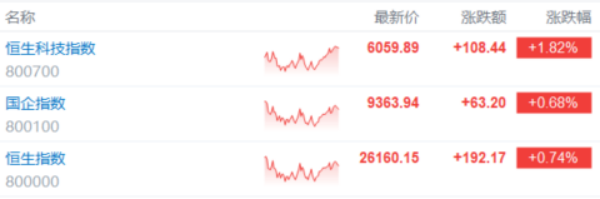
Market Overview - On October 24, Hong Kong's three major indices collectively rose, with the Hang Seng Tech Index leading with a gain of 1.82%, while the Hang Seng Index increased by 0.74%, recovering the 26,000-point mark, and the State-Owned Enterprises Index rose by 0.68% [1][2] - Large technology stocks generally saw increases, with Alibaba and Kuaishou rising over 2%, and Baidu and NetEase up over 1% [1][2] Sector Performance - Semiconductor stocks performed notably well, with Hua Hong Semiconductor surging nearly 14% [1][4] - Military stocks were active, with significant gains in Chinese brokerage stocks in the afternoon session [1] - Precious metals and non-ferrous metals sectors saw collective gains, while water utilities, nuclear power, new consumption concept stocks, domestic real estate, gas, and coal sectors mostly underperformed [1] Company News - Alibaba launched its first self-developed Quark AI glasses on October 24, featuring dual flagship chips from Qualcomm and Hengxuan [3] - The Central Committee of the Communist Party of China emphasized the importance of technological modernization to support China's development during a press conference on October 24 [5] Individual Stock Movements - Hua Hong Semiconductor led the semiconductor sector with a 13.73% increase, followed by ASMPT and Center International with gains of 8.11% and 8.04%, respectively [4][6] - Military-related stocks like AVIC and Aerospace Holdings also saw increases, with AVIC rising over 4% [8] - The non-ferrous metals sector was active, with Jiangxi Copper and Luoyang Molybdenum both rising over 6% [10] Investment Trends - Southbound funds recorded a net inflow of 3.414 billion HKD, indicating strong interest in Hong Kong stocks [18] - Analysts from Guotai Junan Securities believe that if market concerns are alleviated, Hong Kong tech stocks will benefit from current industry trends, particularly with the potential return of foreign capital due to anticipated interest rate cuts by the Federal Reserve [20]