东鹏饮料

Search documents
沪市公司积极培育消费新“增长极”
Zhong Guo Xin Wen Wang· 2025-09-18 12:16
Group 1 - The core viewpoint is that Shanghai-listed companies are actively cultivating new consumption growth drivers by innovating in scenarios and experiences to transform "interesting and substantial" into "traffic and revenue" as they prepare for the upcoming consumption peak season [1] - Consumption promotion policies, including trade-in programs, consumption vouchers, and tourism subsidies, have effectively stimulated residents' consumption potential, with retail sales of consumer goods expected to reach 24.55 trillion yuan in the first half of 2025, a year-on-year increase of 5% [1] - In the automotive sector, companies like SAIC Motor are leveraging the dual drive of new energy vehicles and intelligent connectivity to achieve continuous sales growth, with sales of SAIC's new energy models increasing by over 40% year-on-year in the first half of 2025 [1] Group 2 - The food and beverage companies in Shanghai are focusing on exploring new and detailed consumer demands to cultivate new growth drivers, with companies like Haitian Flavoring and Dongpeng Beverage achieving year-on-year growth in revenue and net profit [1] - Cultural tourism companies are shifting from "sightseeing" to "experiential" upgrades, with Xiangyuan Cultural Tourism launching a series of unique cultural tourism activities to create immersive experiences for visitors [2] - The integration of "cultural commerce and tourism" is highlighted by Bailian Group's exploration of a comprehensive consumption model combining shopping districts, cultural tourism, and night economy, launching immersive night performances in cities like Shanghai and Hangzhou [2]
服务消费迎政策助力,多措并举扩大内需!市场午后“变脸”,消费ETF(159928)回调1.61%弱势三连阴,近2天疯狂吸金近8亿元!
Xin Lang Cai Jing· 2025-09-18 10:16
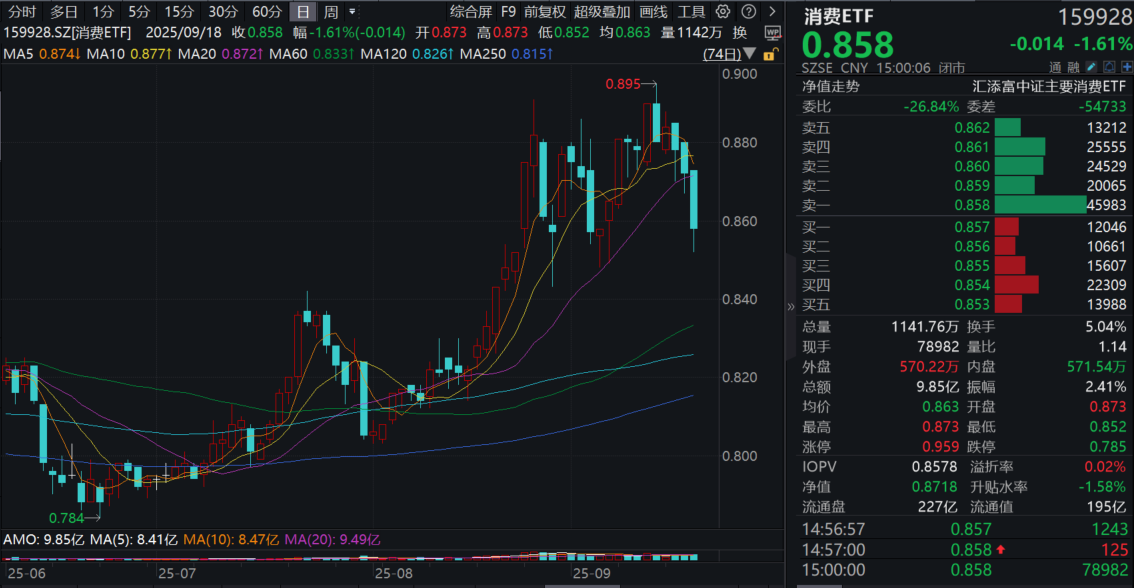
Market Overview - The market experienced a high of 3899 points before a decline, with all three major indices dropping over 1% [1] - The Consumption ETF (159928) fell by 1.61%, marking a three-day downward trend, with a total trading volume of 1 billion yuan, slightly higher than the previous day [1] - The Consumption ETF (159928) attracted nearly 800 million yuan in two days, with a total size exceeding 19.7 billion yuan, leading its peers [1] Hong Kong Market - The Hong Kong Consumption 50 ETF (159268) also saw a decline of 1.43%, with a trading volume exceeding 33 million yuan [3] - Over the past five days, there were net inflows on four days, accumulating over 32 million yuan [3] - Notable stocks included Pop Mart rising over 4% and China Duty Free increasing over 2%, while stocks like Anta Sports and Midea Group fell over 2% [3] Policy Measures - The State Council introduced policies to expand service consumption, selecting around 50 pilot cities for new consumption models [5] - A series of policy documents will be released to promote high-quality development in the accommodation industry and integrate railways with tourism [5] - The government plans to conduct over 25,000 cultural and tourism consumption activities during the consumption month, distributing over 330 million yuan in consumption subsidies [5] Service Consumption Policies - The recent policies are seen as a refinement of the 2024 guidelines for promoting high-quality service consumption, emphasizing cross-department collaboration [6][7] - The measures cover 19 specific actions across key service sectors, including culture, tourism, sports, education, and health, aiming to enhance service consumption from multiple dimensions [7] - The policies focus on practical execution and operational feasibility, introducing innovative and implementable measures [7] Key Highlights of the Measures - The policies include initiatives for service consumption seasons, targeting areas with high demand potential [8] - Supply-side measures aim to expand openness and reduce restrictions in various sectors, enhancing service product offerings [8] - Demand-side strategies focus on attracting inbound consumption and exploring new consumption forms through AI and digital services [8] - Financial support will be provided through various tools to inject liquidity into the service consumption market [8] Industry Insights - The policies are expected to boost sectors like IP economy, maternal and infant care, and AI-driven consumption [9][10] - The IP economy is encouraged to innovate and create new consumption scenarios, with strong growth in domestic IP industries [9] - Maternal and infant care will benefit from supportive policies, reducing costs and stimulating demand in related industries [9] - AI technology is anticipated to enhance consumer experiences and create new products and scenarios in the market [10] Consumption ETF Insights - The Consumption ETF (159928) is characterized by its resilience across economic cycles, with top ten holdings accounting for over 68% of its weight [11] - Key holdings include leading liquor brands and major players in the agricultural sector, indicating a strong focus on essential consumer goods [11] - The Hong Kong Consumption 50 ETF (159268) is positioned as an efficient choice for investing in the Hong Kong consumption sector, supporting T+0 trading and not occupying QDII quotas [12]

不投标!不比稿!为何那么多品牌迷信华与华?
Sou Hu Cai Jing· 2025-09-18 08:51
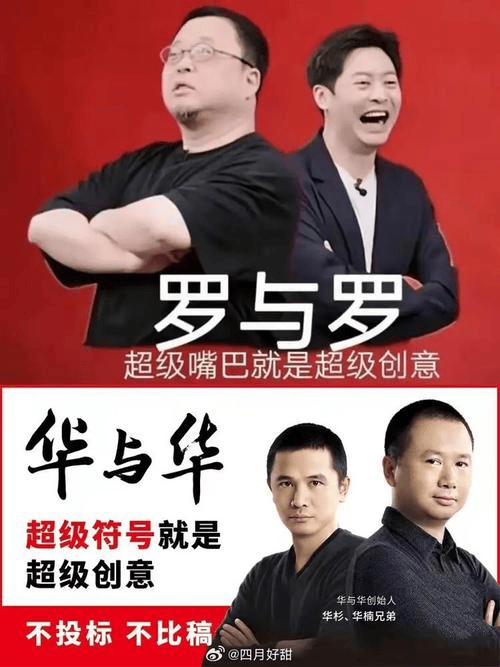
Core Viewpoint - The recent public relations crisis involving the company Xibei and its marketing consultant Huayi Huayi highlights the challenges and limitations of the "super symbol" marketing methodology, raising questions about the true value of marketing consulting in the industry [1][11][19] Group 1: Company Background - Huayi Huayi was founded in 2002 by brothers Hua Shan and Hua Nan, gaining recognition for its "super symbol" methodology in marketing [1][6] - The company has worked with numerous well-known clients, including Xibei, Haidilao, and Mijue Ice City, among others, many of which are publicly listed companies [6][10] Group 2: Marketing Methodology - The "super symbol" theory aims to reduce brand communication costs by utilizing familiar cultural symbols and phrases, resulting in simple and straightforward branding elements [6][8] - The design principles of Huayi Huayi emphasize large logos, bright colors, and repetitive imagery, which have proven effective in rapidly increasing brand awareness in certain market conditions [6][8] - Critics argue that the methodology is overly formulaic and lacks innovation, often resulting in designs that are perceived as unattractive or simplistic [7][8] Group 3: Client Attraction - Huayi Huayi attracts clients by promising reduced communication costs and seemingly predictable commercial outcomes, appealing to businesses seeking quick results [10] - The confidence and authoritative image of the founders, particularly Hua Shan, contribute to client trust, as they often refuse to participate in competitive bidding [10] Group 4: Recent Crisis and Implications - The crisis surrounding Xibei's "baby meal" marketing campaign revealed a significant gap between brand promises and actual product quality, leading to consumer backlash [11][13] - The failure of the "super symbol" approach in this instance serves as a cautionary tale for the consulting industry, emphasizing the need for genuine product experience and consumer trust rather than just catchy slogans [11][19] - The financial impact on Xibei has been severe, with reported daily revenue losses of 2 million to 3 million yuan [19]
万联晨会-20250918
Wanlian Securities· 2025-09-18 01:14
Core Viewpoints - The A-share market saw collective gains on Wednesday, with the Shanghai Composite Index rising by 0.37%, the Shenzhen Component Index by 1.16%, and the ChiNext Index by 1.95%. The total trading volume in the Shanghai and Shenzhen markets reached 23,764.76 billion yuan. The leading sectors included power equipment, automobiles, and home appliances, while agriculture, retail, and social services lagged behind [2][8] - The U.S. Federal Reserve announced a 25 basis point cut in the federal funds rate, bringing it to a target range of 4.00% to 4.25%. This marks the first rate cut of 2025 and follows three cuts in 2024. The Fed noted a slowdown in economic activity and rising inflation, with high uncertainty in the economic outlook [3][9] - The Hong Kong government introduced measures to enhance the stock market, including support for tech companies to raise funds in Hong Kong and optimizing listing regulations. These initiatives aim to boost the market's vitality and competitiveness [4][10] Industry Insights Banking Sector - In August, the social financing stock growth rate was 8.8%, a decrease of 0.2% from July. New social financing totaled 2.57 trillion yuan, down by 0.47 trillion yuan year-on-year. The decline was attributed to a slowdown in government bond issuance and credit growth [11][12] - The M1 growth rate was 6%, with M2 growing by 8.8%. The anticipated smooth deployment of fiscal funds may continue to support economic growth, although the increase in monetary growth is expected to narrow [12][14] - The banking sector is expected to see gradual recovery in revenue and profit growth, supported by attractive dividend yields and regulatory encouragement for insurance funds to increase market participation [14] Media Sector - The media industry reported a revenue increase of 3.86% in H1 2025, totaling 254.86 billion yuan, with net profit rising by 28.85% to 21.78 billion yuan. The gross margin remained stable at 32.90% [15][16] - The gaming sector showed significant growth, with revenue reaching 54.45 billion yuan in H1 2025, a 22.17% increase, and net profit soaring by 74.95% to 8.05 billion yuan [15][16] - The film and television sector experienced a revenue increase of 15.24% in H1 2025, driven by successful releases, although Q2 saw a decline in revenue and an increase in losses [16][19] Food and Beverage Sector - The food and beverage industry saw a revenue increase of 2.41% in H1 2025, totaling 5,806.35 billion yuan, but net profit decreased by 0.56% to 1,275.08 billion yuan. The sector's growth rates ranked 14th and 20th among 31 sub-industries [22][23] - The beverage segment, particularly soft drinks and condiments, showed strong revenue growth, while the beer segment maintained positive growth in both revenue and profit [23][24] - The liquor industry faced challenges, with a slight decline in revenue and profit, particularly in the mid-range segment, while high-end brands remained resilient [25][26] Electronics Sector - The SW electronics industry reported a revenue increase of 19.10% in H1 2025, totaling 1,846.095 billion yuan, with net profit rising by 29.29% to 84.04 billion yuan [30][31] - The semiconductor sector performed well, driven by AI demand and domestic substitution, while consumer electronics benefited from government subsidies [31][32] - The optical and electronic sectors saw significant profit growth, particularly in the panel segment, which experienced a 193.31% increase in net profit [32]
开源证券晨会纪要-20250917
KAIYUAN SECURITIES· 2025-09-17 14:41
Group 1: Industry Overview - The retail sales growth rate in August 2025 showed a month-on-month decline, primarily due to the diminishing effects of the "old-for-new" policy and a slow recovery in consumer demand. The food and beverage sector is expected to benefit from improving macroeconomic conditions in the medium to long term [3][4][5]. - The food and beverage sector's performance is mixed, with the liquor industry showing signs of improvement as it approaches the peak consumption seasons of Mid-Autumn Festival and National Day. The overall consumer sentiment remains weak, impacting categories like grain and oil products, and tobacco and alcohol [4][6]. Group 2: Company-Specific Insights - IFBH (06603.HK) is positioned as a leading brand in the coconut water market, benefiting from its strong presence in the Thai supply chain. The company is expected to see rapid growth in earnings, with projected net profits of $38 million, $55 million, and $71 million for 2025, 2026, and 2027 respectively, reflecting year-on-year growth rates of 14.7%, 44.2%, and 28.4% [15][16]. - The company has established a competitive edge through its dual-brand strategy, focusing on high-quality coconut water and traditional functional beverages. This strategy has significantly enhanced its brand influence in the domestic market [17][18]. Group 3: Market Dynamics - The coconut water market in China is experiencing high growth, driven by increasing health awareness among consumers and substantial capital inflow into the sector. The market is expected to maintain a compound annual growth rate (CAGR) of 20.2% from 2024 to 2029, reaching a size of $2.55 billion by 2029 [16]. - The company has a robust supply chain in Thailand, ensuring a stable supply of high-quality raw materials at low costs, which is crucial for maintaining competitive pricing in the market [18]. Group 4: Chemical Industry Insights - Hoshine Silicon Industry (603260.SH) is a leading player in the silicon industry, expected to benefit from the ongoing "de-involution" in the photovoltaic sector. The company has significant production capacities, including 1.22 million tons/year of industrial silicon and 1.73 million tons/year of organic silicon [20][21]. - The price of polysilicon has rebounded significantly, with a 58% increase from the June low, indicating a potential recovery in profitability for the silicon industry as a whole [21]. Group 5: Investment Recommendations - The food and beverage sector is recommended for investment, particularly in new consumption categories and brands that align with industry trends. Specific companies highlighted for potential growth include Weilian Delicious, Yanjinpuzi, and Dongpeng Beverage [3][6]. - For the chemical sector, Hoshine Silicon is rated as a "buy," with expectations of profitability recovery as the industry adjusts to new market conditions [20].
让西贝花6000万的男人,服软了
商业洞察· 2025-09-17 09:25
Core Viewpoint - The article discusses the ongoing conflict between Xibei and Luo Yonghao, highlighting a surprising turn of events where Hua Yu Hua, previously supportive of Xibei, has apologized to Luo Yonghao, raising questions about the credibility of Hua Yu Hua's marketing strategies and their impact on the industry [2][4][6]. Group 1: Company Background and Business Model - Hua Yu Hua was founded in 2002 by brothers Hua Shan and Hua Nan, who transitioned from various unsuccessful ventures to the advertising industry, eventually creating a unique business model that combines strategic consulting with advertising creativity [7][8]. - The company is known for its "super symbol" methodology, which emphasizes simple, memorable slogans to reduce communication costs for brands, successfully creating iconic marketing campaigns for clients like Xibei, Haidilao, and others [9][11]. - Unlike traditional advertising firms, Hua Yu Hua does not engage in competitive bidding for projects and charges high service fees, earning the reputation of being the "most expensive marketing company" [12][14]. Group 2: Performance and Controversies - Hua Yu Hua's strategic consulting has significantly benefited clients, with Xibei's revenue increasing from 1.6 billion yuan to 6.2 billion yuan between 2013 and 2019, and the number of stores expanding to nearly 500 [16]. - Despite its successes, Hua Yu Hua has faced criticism for its aesthetic choices, with some designs labeled as "too crude" and "brainwashing," leading to public backlash [17][21]. - The company has also been involved in legal issues, including a significant fine for advertising violations, which raises concerns about its operational integrity [23]. Group 3: Financial Performance of Related Companies - The article notes that the performance of Reader Culture, another company controlled by the Hua brothers, has been declining since its IPO in 2021, with revenues dropping from 519 million yuan in its first year to an estimated 168 million yuan in the first half of 2025 [25][26]. - The decline in Reader Culture's performance coincides with significant stock sell-offs by executives, raising questions about the company's future and the Hua brothers' management capabilities [28]. Group 4: Future Outlook - The recent apology from Hua Yu Hua to Xibei reflects a need for the consulting firm to reassess its role in managing corporate crises and public relations [29]. - The ability of Hua Yu Hua to maintain market trust through its "super symbol" approach remains uncertain and will require time and genuine effort to prove its effectiveness [29].

饮料乳品板块9月17日涨0.22%,东鹏饮料领涨,主力资金净流出2.83亿元
Zheng Xing Xing Ye Ri Bao· 2025-09-17 08:42
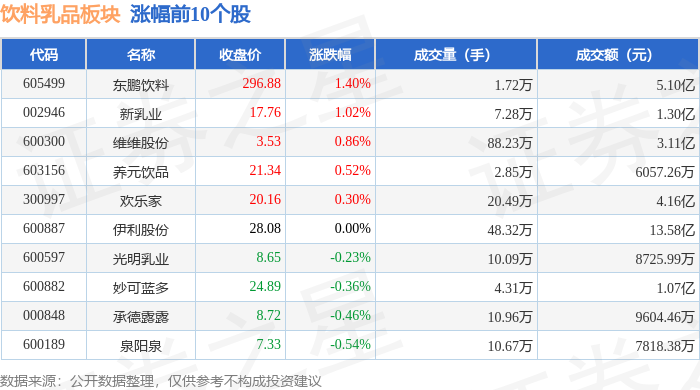
Market Overview - The beverage and dairy sector increased by 0.22% on September 17, with Dongpeng Beverage leading the gains [1] - The Shanghai Composite Index closed at 3876.34, up 0.37%, while the Shenzhen Component Index closed at 13215.46, up 1.16% [1] Individual Stock Performance - Dongpeng Beverage (code: 6655599) closed at 296.88, up 1.40% with a trading volume of 17,200 lots and a transaction value of 510 million [1] - New Dairy (code: 002946) closed at 17.76, up 1.02% with a trading volume of 72,800 lots and a transaction value of 130 million [1] - Yili Group (code: 600887) remained unchanged at 28.08 with a trading volume of 483,200 lots and a transaction value of 1.358 billion [1] - Bright Dairy (code: 600597) closed at 8.65, down 0.23% with a trading volume of 100,900 lots and a transaction value of 87.26 million [1] Fund Flow Analysis - The beverage and dairy sector experienced a net outflow of 283 million from institutional investors, while retail investors saw a net inflow of 253 million [2] - The main funds showed varying net inflows and outflows across different stocks, with VIVI (code: 600300) seeing a net inflow of 9.9628 million from main funds [3] - New Dairy (code: 002946) had a net outflow of 3.6952 million from main funds, while it attracted a net inflow of 7.8254 million from retail investors [3]






行业点评报告:8月社零增速环比放缓,消费动能仍待提振
KAIYUAN SECURITIES· 2025-09-17 08:27
Investment Rating - The industry investment rating is "Positive" (maintained) [1] Core Viewpoints - The report indicates that the retail sales growth rate in August 2025 has slowed down, primarily due to the diminishing effects of the "old-for-new" policy and a gradual recovery in consumer demand. However, with economic stimulus policies being implemented, the macroeconomic environment is expected to improve in the medium to long term, leading to an increase in household income and consumer willingness, which will benefit the food and beverage sector [4] - The liquor industry is approaching the peak demand season around the Mid-Autumn Festival and National Day, showing signs of improvement in demand. The fundamentals of the liquor market are expected to stabilize and trend upwards as consumption scenarios recover. The current bottoming out presents long-term investment value [4] - The report recommends focusing on new channels, new products, and new markets to identify new consumption targets that align with industry development trends. Specific recommended stocks include Weilian Meishi, Yanjinpuzi, Ximai Food, Dongpeng Beverage, Youfu Food, Wancheng Group, and Bairun Co., Ltd. [4] Summary by Sections Industry Trends - The food and beverage sector is experiencing a retail sales growth rate of 3.4% year-on-year in August 2025, with a month-on-month decline of 0.3 percentage points [5] - The growth rates for food, beverages, and tobacco and alcohol categories in August 2025 are 5.8%, 2.8%, and -2.3% respectively, indicating a month-on-month decline in the tobacco and alcohol category due to high base effects and lack of consumption scenarios [5][6] Subsector Observations - The liquor industry is currently in a bottom recovery phase, with sales under pressure but showing signs of improvement due to the upcoming festive season. The fundamentals are gradually stabilizing [7] - Ximai Food is accelerating its health business by launching new products in the health food segment, focusing on traditional Chinese medicine ingredients and weight loss products, which are expected to become significant growth drivers for the company [7]

食品饮料行业2025H1业绩综述报告:业绩增速明显放缓,只有啤酒、软饮料、调味品、肉制品营收利润双增长
Wanlian Securities· 2025-09-17 08:01
Investment Rating - The report maintains an "Outperform" rating for the food and beverage industry [5] Core Insights - The food and beverage sector is experiencing a significant slowdown in performance, with a year-on-year decline in net profit attributable to shareholders. The sector's revenue for H1 2025 reached 580.635 billion yuan, a year-on-year increase of 2.41%, while net profit attributable to shareholders was 127.508 billion yuan, reflecting a year-on-year decrease of 0.56% [2][16] - The report highlights that the growth rates of revenue and net profit have declined compared to H1 2024, with revenue growth down by 1.30 percentage points and net profit growth down by 14.52 percentage points. The sector's gross margin and net margin have also decreased year-on-year [2][16] Summary by Sections Overall Performance - The food and beverage sector's revenue growth has slowed significantly, ranking 14th among 31 sub-industries, while net profit growth ranked 20th [2][16] - The sector's gross margin and net margin have decreased year-on-year, although the expense ratio remains relatively stable [3][21] Sub-sector Performance - Snack foods, soft drinks, and fermented seasonings showed the highest revenue growth rates, with increases of 36.36%, 9.08%, and 4.66% respectively. In terms of net profit growth, beer, fermented seasonings, and soft drinks led with increases of 12.06%, 8.04%, and 4.89% respectively [2][25] - The beer sector achieved positive growth in both revenue and net profit, with revenue increasing by 2.75% and net profit by 12.06% in H1 2025. Major beer companies like Zhujiang Beer and Yanjing Beer performed well, with net profit growth exceeding 22% [8][41] Wine Sector - The wine sector experienced a slight decline in revenue and net profit, with H1 2025 revenue at 241.508 billion yuan, down 0.86% year-on-year, and net profit at 94.561 billion yuan, down 1.18% year-on-year. This marks the first negative growth since H1 2014 [4][28] - High-end wines showed resilience, with revenue growth of 6.17% and net profit growth of 5.49%. The market share of leading brands like Moutai and Wuliangye remained strong [34][35] Investment Recommendations - The report suggests structural investment opportunities in the food and beverage sector, particularly in the beverage, snack, and health food industries. It emphasizes the potential in energy drinks and innovative snack brands [10] - The beer, seasoning, and dairy sectors are identified as areas for marginal improvement, while the wine sector is viewed as being in a bottoming phase, with limited downside risk [10]




AI驱动、出海加速!2025中国品牌百强总价值突破1.2万亿美元
Guo Ji Jin Rong Bao· 2025-09-16 14:09
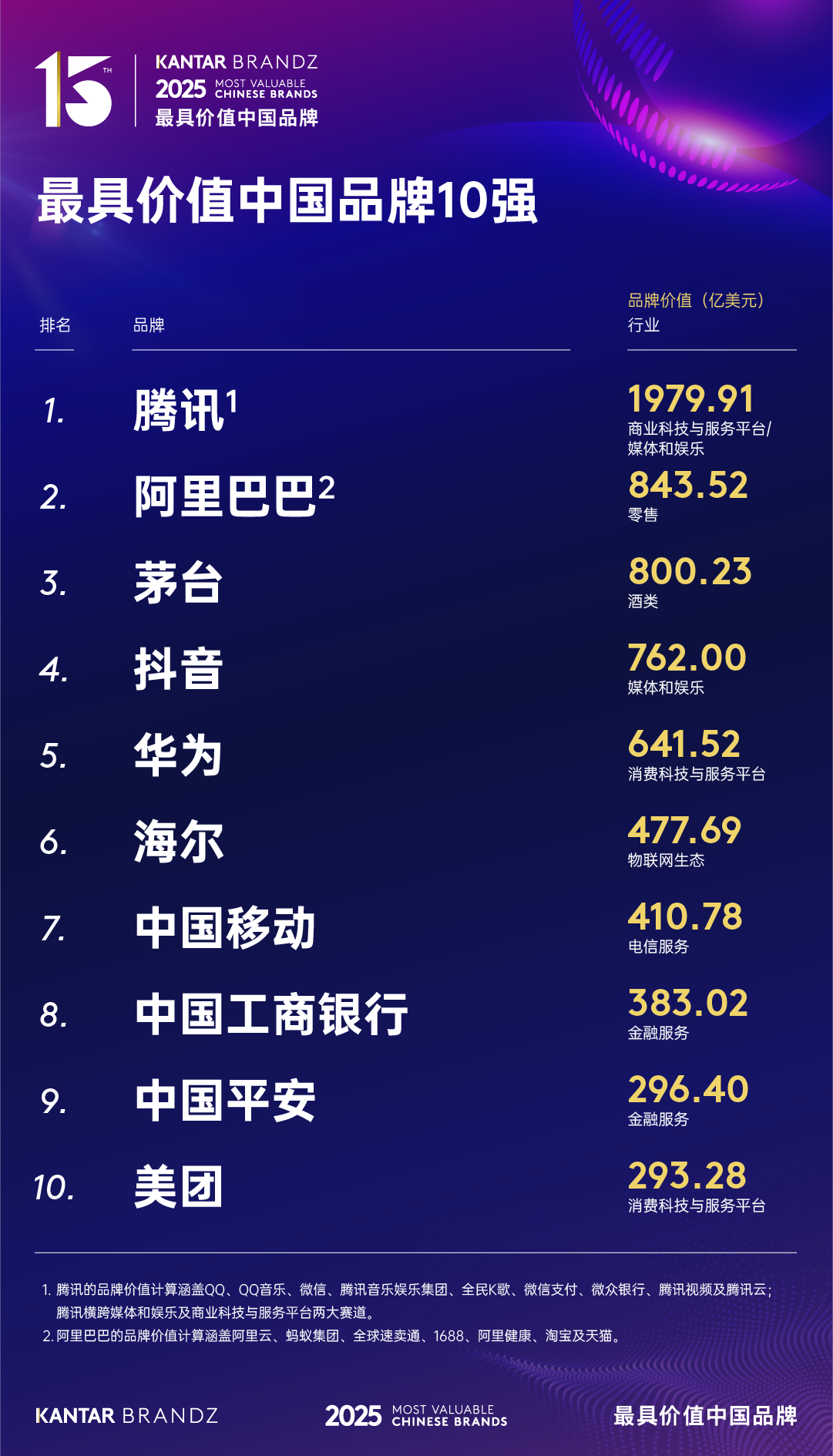
Core Insights - The total value of the 2025 BrandZ Top 100 Most Valuable Chinese Brands reached $1.21 trillion, marking a significant 25% increase from the previous year [1] - The strong recovery of Chinese brands is attributed to four main drivers: breakthroughs in artificial intelligence innovation, stable development in the financial services sector, accelerated expansion into overseas markets, and the value return of technology giants [1] Company Highlights - Tencent topped the BrandZ list with a brand value of $197.99 billion, achieving a 53% increase due to its expansion in consumer and enterprise sectors [3] - Alibaba reclaimed the second position with a brand value of $84.35 billion, growing at a rate of 23% [3] - Moutai maintained third place with a brand value of $80.02 billion, while Douyin surged 34% to $76.20 billion, securing fourth place [3] - Huawei's brand value increased by 56% to $64.15 billion, placing it fifth overall and among the top four in annual value growth [3] - Haier, ranked sixth with a brand value of $47.77 billion, strengthened its leadership in the IoT ecosystem through an enhanced ecological brand strategy [3] Emerging Brands - The BrandZ list showcased a diverse development landscape with seven new brands, including two from the fast-food sector [6] - Mixue Ice City ranked 51st with a brand value of $3.96 billion, recognized for its high-quality supply chain and affordable brand positioning [6] - Bawang Tea Ji ranked 88th with a brand value of $1.82 billion, focusing on cultural and aesthetic representation through tea [6] - Qunar, returning to the list at 78th with a brand value of $2.20 billion, improved its brand value through enhanced online service experiences [6] Growth Leaders - The average growth rate of the leading brands this year reached 67%, indicating strong development momentum among Chinese brands [7] - Xiaomi led the growth with a remarkable 154% increase, achieving a brand value of $28.15 billion through a user-centric innovation strategy [7] - BYD ranked 18th with a brand value of $17.16 billion, experiencing a 78% increase driven by advancements in smart driving technology and strategic partnerships [7] - XPeng Motors returned to the top 100 at 80th place with a brand value of $2.18 billion, bolstered by its overseas market expansion [7] Industry Trends - Chinese brands are at the forefront of artificial intelligence applications, optimizing manufacturing processes and transforming marketing strategies [8] - The integration of smart technology into daily life is becoming increasingly seamless, with innovations in smart home solutions leading the way [8]