
极氪

Search documents
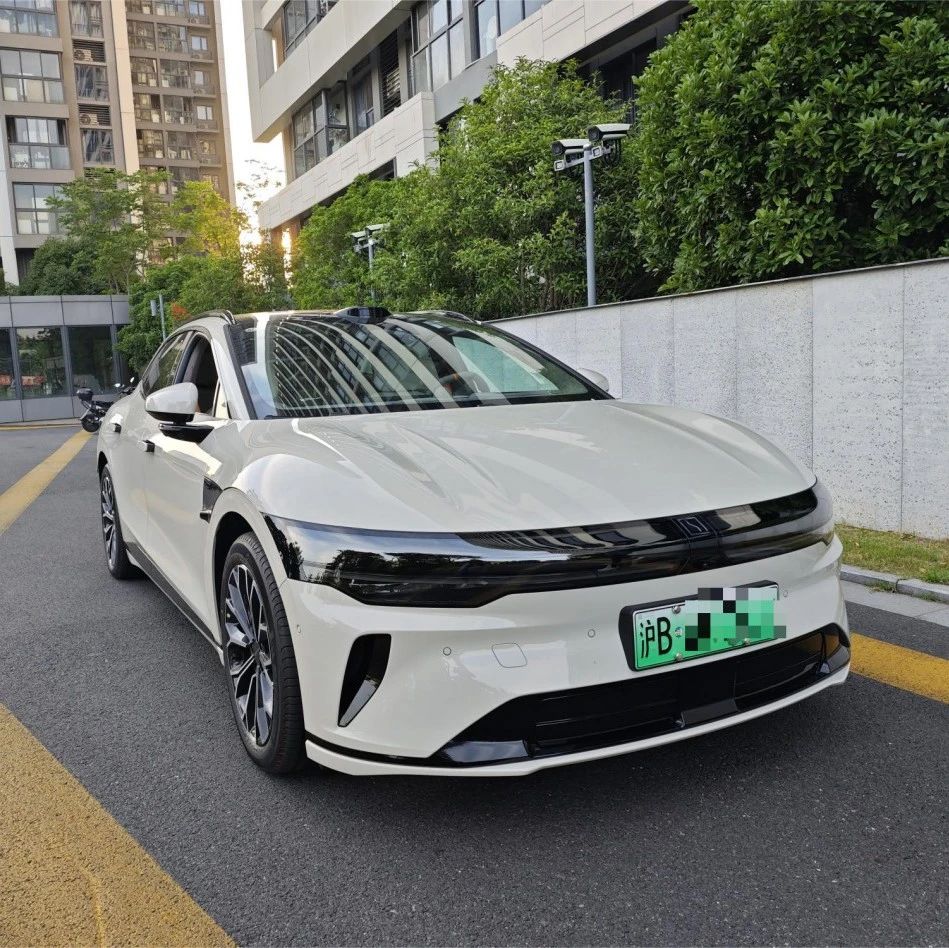
极氪007GT车主分享:置换享受沪牌政策,领克直接换极氪
车fans· 2025-05-29 00:29
Core Viewpoint - The article provides a detailed account of a car owner's experience in purchasing and using the Zeekr 007GT, highlighting the decision-making process, comparisons with competitors, and the overall satisfaction with the vehicle's performance and features [1][2][4][6][11]. Group 1: Purchase Experience - The car was purchased at a price of 202,900 with a limited-time discount of 3,000, and a 20% down payment of 39,980 was made through a loan plan [1]. - The owner received a trade-in value of 41,800 for an old car, making the transition smoother [2]. - The purchase was influenced by a government subsidy of 15,000 for replacing old vehicles with new energy cars [2]. Group 2: Competitor Comparison - Initially, the owner considered an SUV, specifically the Tesla Model Y, but found it to have a low cost-performance ratio despite good driving quality [4]. - The owner also test-drove the Zeekr 7X, noting its high cost-performance ratio and comfort, but ultimately chose the 007GT for its youthful appeal and better handling [6]. Group 3: Delivery and Customer Service - The delivery experience was smooth, with efficient service at the delivery center, and the owner appreciated the quick registration and licensing process in Shanghai [9][7]. - There were some frustrations regarding marketing policies, particularly concerning a promotional electric card that was not provided as expected [9]. Group 4: Vehicle Performance and Features - The owner reported positive driving experiences, highlighting the vehicle's advanced chassis and effective handling of road vibrations [11]. - Features such as automatic parking were appreciated, although there were concerns about the speed of the system [11]. - Some drawbacks included issues with the HUD clarity and occasional delays in unlocking the vehicle [12][13]. Group 5: Overall Satisfaction - Overall, the owner rated the vehicle highly, citing its design, space, and handling as strengths, while noting that software improvements are needed [16]. - The owner expressed a desire for better marketing strategies to avoid feeling misled [16].

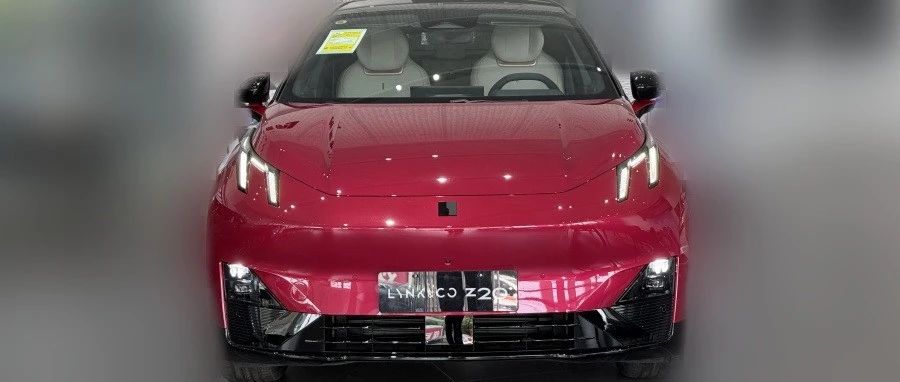
领克Z20:店里对比竞品最多的是极氪X,成交战败皆因外观
车fans· 2025-05-29 00:29
Core Viewpoint - The article discusses the market performance of the Lynk & Co Z20 electric vehicle, highlighting sales figures, customer demographics, and competitive comparisons. Sales Performance - The dealership has seen an average of 10 daily visitors, with 3 specifically interested in the Z20. During the May Day holiday, daily foot traffic increased to 20 [2] - Last month, over 40 vehicles were sold, with 12 Z20 units sold but only 5 delivered due to production capacity issues. The most popular configuration is the 530km rear-wheel drive Max version, with 8 out of 12 available units [2] - The Z20's most popular color combination is the cocoa Xili with beige interior, accounting for 4 out of 10 units sold [2] Customer Demographics - Approximately 80% of potential buyers are young, fashionable individuals, while the remaining 20% are families looking for a second vehicle for child transportation. The majority of buyers work in public service and education sectors [5] Competitive Analysis - The Z20 is frequently compared to models such as BYD Yuan Plus and Volkswagen ID.3, with the Zeekr X also being a notable competitor due to proximity to the dealership [9] - Customers are primarily attracted to the Z20 for its aesthetics and features, while some competitors are dismissed due to perceived lack of space and overly unique designs [11][15] Purchase Incentives - The Z20 continues to offer a May Day promotion of 2000 yuan city subsidy, an additional 2000 yuan insurance subsidy, and potential provincial subsidies of up to 14000 yuan [19] - Two financing options are available: a two-year interest-free loan of 80000 yuan or a zero down payment plan, with the interest-free option being the most popular [21] Customer Feedback - Initial buyers have reported issues such as half-shaft noise due to insufficient grease, which the manufacturer is addressing. Concerns about high energy consumption due to the 250kw rear motor compared to the 200kw of the Z10 have also been noted [22][23] - Maintenance costs are set at 255 yuan per year or every 20000 kilometers, focusing on the inspection of the three electric systems and filters [24] Additional Considerations - Buyers should be aware of various subsidies available, including large customer subsidies, additional purchase incentives, and partnerships with top enterprises [26]
贝壳车评|干了这杯“皮子水”,一汽奔腾的营销能“解渴”吗?
Bei Ke Cai Jing· 2025-05-28 08:53
Core Viewpoint - The automotive industry is experiencing a trend of extreme marketing tactics, particularly among new energy vehicle companies, which may detract from genuine consumer trust and product quality [1][2]. Group 1: Marketing Trends - New energy vehicle companies are increasingly resorting to unconventional marketing strategies, such as drinking water infused with car seat materials, to stand out in a competitive market [1]. - The reliance on sensational marketing reflects a broader issue in the automotive market, where exaggerated claims and competitive undermining are common, leading to a perception of vehicles as "technological myths" rather than practical transportation [1]. Group 2: Industry Challenges - The shift from a growth phase to a competitive phase in the automotive market has intensified product homogeneity and price wars, making marketing the most accessible avenue for differentiation [2]. - Over-reliance on marketing can lead to a "path dependency," where resources are diverted from research and development, potentially compromising product quality and innovation [2]. Group 3: Recommendations for Improvement - New energy vehicle companies should focus on enhancing technical capabilities and product quality rather than engaging in gimmicky marketing [2]. - Companies are encouraged to address consumer concerns, such as battery range accuracy and charging efficiency, rather than relying on superficial marketing claims [2]. - With increasing regulatory scrutiny on false advertising, the industry is moving towards a more rational approach, emphasizing solid R&D investment and verifiable product advantages [2].
宝马中国,踩上悬崖|深氪lite
3 6 Ke· 2025-05-28 08:31
Core Insights - The luxury car market is witnessing a brand crisis, with BMW facing challenges similar to those that led to Audi's decline [1][2] - BMW's sales strategy has shifted, leading to a significant drop in customer loyalty and brand value [4][14] - The rise of domestic brands like AITO and Li Auto is capturing market share from BMW, particularly in the SUV segment [2][3] Sales and Market Dynamics - BMW's X5, once a profitable model, has seen its price drop to 540,000 RMB, yet it struggles to sell [2][3] - The company exited the price war last year, which further alienated potential customers who perceived BMW as becoming more expensive [3][4] - The rapid expansion of BMW's dealership network from 460 to over 600 between 2014 and 2017 was initially successful but has led to internal competition among dealers [5][6][9] Dealer and Pricing Strategy - BMW's dealer model, which offers 90% of the MSRP as wholesale price, has created a competitive environment where dealers undercut each other [7][9] - The introduction of the new 5 Series has resulted in disappointing sales, with only 4,000 units sold monthly, leading to inventory pressure on dealers [10][11] - The price cuts initiated by dealers to move inventory have eroded BMW's pricing integrity, making it difficult to maintain higher price points [11][12] Brand Perception and Product Development - BMW's brand value and premium pricing ability are declining, with consumers now expecting lower prices [14][20] - The company is struggling to adapt to market changes, with its new models failing to resonate with consumers compared to competitors like Mercedes-Benz [16][20] - BMW's slow response to the electric vehicle market and reliance on traditional performance metrics have left it vulnerable to newer brands [18][19] R&D and Market Strategy - BMW's development teams in Germany are disconnected from the preferences of Chinese consumers, leading to products that do not meet local market demands [21][22] - The company is facing internal challenges regarding decision-making and product development, which are hampering its ability to compete effectively [25][26] - Competitors like Mercedes-Benz and Audi are actively adapting their strategies to better align with Chinese consumer preferences, while BMW remains stagnant [24][26]
东北证券:科技赋能车载面板 重塑智能座舱体验新维度
Zhi Tong Cai Jing· 2025-05-28 01:41
Group 1 - The car display industry is experiencing rapid growth driven by the transformation of the automotive sector, particularly with the rise of electric and smart vehicles, leading to an expected shipment of 230 million car display panels globally in 2024, a year-on-year increase of 8.5%, and a projected 5.4% growth to 250 million panels in 2025 [1] - The demand for larger and multiple displays in vehicles is increasing, with new products like HUDs and co-driver screens emerging to meet consumer needs, significantly boosting the installation rates of car displays [1] - The performance of electric vehicles is particularly notable, with models like Xiaomi SU7 and Zeekr 007 featuring large, high-resolution displays to enhance user experience, further stimulating market demand for car displays [1] Group 2 - While LCD technology remains dominant in the car display panel market, emerging technologies such as OLED, Mini LED, and Micro LED are gaining traction, with OLED expected to increase its market share due to its advantages like self-lighting and high contrast [2] - Mini LED technology combines the strengths of traditional LED and OLED, offering high brightness and energy efficiency, while Micro LED is viewed as a revolutionary future direction for car displays due to its superior performance in brightness, contrast, and lifespan [2] - Other innovative display technologies, such as holographic displays and near-field projection, are also being explored, indicating a shift towards more interactive and advanced display solutions in vehicles [2] Group 3 - The traditional supply chain in car displays involves panel manufacturers, module manufacturers, system integrators, and automakers, but the increasing demands for display technology are fostering closer collaborations between automakers and panel manufacturers [3] - This direct cooperation is expected to enhance technical capabilities, improve production efficiency, and reduce costs, thereby driving technological advancements and industry upgrades in the car display sector [3]

昨夜,大涨!道指猛拉超700点
Zheng Quan Shi Bao· 2025-05-28 00:09
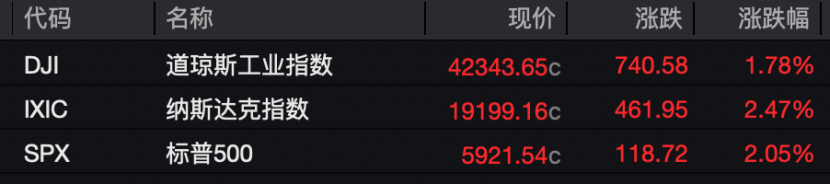
隔夜欧美股市大涨。 当地时间5月27日(周二),美国股市三大指数全线收涨,其中道指涨超700点;纳指大涨2.47%,收复19000点整数关 口。特斯拉大涨近7%,5月以来特斯拉股价已经累计大涨近三成。 中概股方面,纳斯达克中国金龙指数收跌0.28%,拼多多收盘重挫逾13%,领跌中概股。 美股能源股普遍上涨,但涨势相对温和。雪佛龙涨近1%,西方石油涨0.8%,斯伦贝谢涨0.77%,埃克森美孚涨 0.49%,康菲石油涨0.42%。 主要航空股明显上涨,西南航空涨超5%,美联航、美国航空均涨超4%,达美航空涨逾3%。 欧股主要指数收涨,英国富时100指数涨0.69%,德国DAX指数涨0.83%,意大利富时MIB指数涨0.34%,欧洲斯托克50 指数涨0.37%;法国CAC40指数微跌0.02%。 美股三大股指全线收涨 当地时间5月27日(周二),美国股市三大股指全线收涨,其中道琼斯工业指数涨1.78%,报42343.65点,标准普尔500 指数涨2.05%,报5921.54点,纳斯达克综合指数涨2.47%,报19199.16点。 | 代码 | 名称 | 现价 | 涨跌 | 涨跌幅 | | --- | --- | - ...


昨夜,大涨!道指猛拉超700点
证券时报· 2025-05-28 00:03
美股三大股指全线收涨 当地时间5月27日(周二),美国股市三大股指全线收涨,其中道琼斯工业指数涨1.78%,报42343.65点,标准普尔500指数涨 2.05%,报5921.54点,纳斯达克综合指数涨2.47%,报19199.16点。 隔夜欧美股市大涨。 当地时间5月27日(周二),美国股市三大指数全线收涨,其中道指涨超700点;纳指大涨2.47%,收复19000点整数关口。特 斯拉大涨近7%,5月以来特斯拉股价已经累计大涨近三成。 中概股方面,纳斯达克中国金龙指数收跌0.28%,拼多多收盘重挫逾13%,领跌中概股。 欧股主要指数收涨,英国富时100指数涨0.69%,德国DAX指数涨0.83%,意大利富时MIB指数涨0.34%,欧洲斯托克50指数涨 0.37%;法国CAC40指数微跌0.02%。 | 代码 | 名称 | 现价 | 涨跌 | 涨跌幅 | | --- | --- | --- | --- | --- | | DJI | 道琼斯工业指数 | 42343.65c | 740.58 | 1.78% | | IXIC | 纳斯达克指数 | 19199.16c | 461.95 | 2.47% | | SP ...

裁员计划逼近 10 万,海外车企集中 “瘦身”
晚点Auto· 2025-05-27 15:44
Core Viewpoint - The global automotive industry is facing significant challenges, including a slowdown in electrification trends, shrinking demand, intensified market competition, and an unstable international trade environment, leading to widespread layoffs among major overseas automotive brands [2][7]. Group 1: Layoff Trends - Major overseas automotive companies have announced layoffs affecting nearly 100,000 employees across key markets such as China, North America, Europe, and Japan [2]. - Volkswagen Group plans to cut approximately 35,000 jobs by 2030, with 7,000 already laid off, aiming to save €1.5 billion annually in labor costs [3][4]. - Other companies like Ford, General Motors, and Nissan are also implementing significant layoffs, with Ford cutting 4,000 jobs in Europe and Nissan planning to lay off 20,000 employees due to weak sales and trade uncertainties [3][5][6]. Group 2: Reasons for Layoffs - The layoffs are primarily driven by the need for cost reduction, increased competition, and the impact of tariffs and trade policies [3][5][6]. - Companies are restructuring to improve efficiency and adapt to changing market conditions, with many citing the need to streamline operations and reduce overhead costs [4][5][6]. Group 3: Comparison with Chinese Brands - In contrast to the layoffs among overseas brands, Chinese automotive companies are experiencing growth, with brands like BYD, Geely, and NIO increasing their workforce [7]. - The expansion of Chinese brands highlights a divergence in market performance, as they continue to capitalize on opportunities while traditional automakers face contraction [7].

多家企业已通过动力电池新国标
起点锂电· 2025-05-27 10:17
Core Viewpoint - The competition for "safety certification" in the electric vehicle battery industry has intensified, with the new national standard GB38031-2025 mandating "non-flammability and non-explosion" as compulsory requirements [1][2]. Group 1: Industry Developments - The Ministry of Industry and Information Technology released the new safety requirements for electric vehicle batteries, emphasizing extreme scenario testing [1]. - Nine battery manufacturers and twenty automotive companies have announced compliance with the new national standard, establishing safety benchmarks for the industry [2]. Group 2: Company Achievements - CATL became the first company in China to pass the new national standard certification for its Kirin battery, achieving this milestone with multiple product lines [3]. - BYD's blade battery and flash-charging blade battery have both passed the new national standard, showcasing their technological advantages [4]. - Zhongxin Innovation successfully obtained the new national standard certification, being one of the first battery companies to do so [5]. - Ruipu Lanjun's PHEV series battery was among the first to meet the new national standard, emphasizing high safety and long lifespan [6]. - XWANDA's flash-charging battery 3.0 received certification, setting a new safety benchmark for ultra-fast charging batteries [7]. - Zeekr's self-developed battery passed extensive testing, exceeding industry standards in safety [8]. Group 3: Market Trends - Major automotive brands, including Geely and Great Wall, have announced compliance with the new national standard, indicating a widespread industry shift towards enhanced safety [9]. - The majority of top electric vehicle manufacturers have already met the new safety requirements, reflecting a proactive approach to battery safety [9].



吉利汽车(0175.HK):Q1盈利高于预告中值 拟私有化极氪回归“一个吉利”
Ge Long Hui· 2025-05-27 02:31
Core Viewpoint - Geely Automobile reported a significant increase in Q1 2025 performance, achieving a net profit of 5.67 billion yuan, a year-on-year growth of 263.6%, and a record sales volume of 704,000 vehicles, up 48% year-on-year, driven by strong growth in the new energy sector and optimized product structure [1][2]. Financial Performance - In Q1 2025, the company achieved operating revenue of 72.5 billion yuan, a year-on-year increase of 24.5%, and a net profit attributable to shareholders of 5.67 billion yuan, reflecting a substantial year-on-year growth of 263.6% [2]. - The record sales volume was primarily due to strong performance in new energy vehicle sales, which reached 339,000 units, representing a year-on-year increase of 135% [2]. - The company benefited from a favorable exchange rate, contributing a net income of 2-2.3 billion yuan after tax, mainly due to rapid growth in export business [2]. Sales and Cost Efficiency - The sales and administrative expense ratios decreased significantly, indicating initial success from the integration of Lynk & Co and Zeekr, with expected production cost savings exceeding 3% and R&D cost reductions of 10-20% [3]. - The gross profit margin for Q1 2025 was 15.8%, a slight increase of 0.2 percentage points year-on-year, while the sales, administrative, and R&D expense ratios were 5.0%, 2.0%, and 4.6%, respectively, showing a decrease in sales and administrative expenses [3]. Strategic Moves - The company plans to privatize Zeekr, proposing a non-binding offer of $25.66 per ADS or 12.3 shares of newly issued Zeekr stock, which represents a premium of 13.6% over the last closing price [4]. - This privatization is expected to create a unified listing platform and enhance operational efficiency by integrating Zeekr's assets and resources, aligning with the "One Geely" strategy [4]. Future Outlook - Geely is set to launch over 10 new models in 2025, including five new vehicles under the Galaxy brand and two new models from Lynk & Co, with the first Galaxy model already launched [5]. - The company anticipates a strong operational momentum throughout 2025, supported by advanced intelligent driving solutions and a robust product lineup [5]. - Profit forecasts for 2025-2027 project net profits of 16.094 billion, 19.457 billion, and 22.450 billion yuan, with corresponding P/E ratios of 12.7, 10.5, and 9.1, maintaining a "buy" rating [5].
