东风汽车

Search documents
超豪华车消费税起征点降至90万元,哪些品牌受影响最大?
Di Yi Cai Jing· 2025-07-18 00:53
Group 1 - The Chinese Ministry of Finance and the State Taxation Administration announced a change in the consumption tax policy for ultra-luxury cars, lowering the retail price threshold from 1.3 million yuan to 900,000 yuan [1][2] - The new policy will take effect on July 20, 2025, and will include various types of vehicles, such as pure electric and fuel cell cars, expanding the scope of the consumption tax [1] - In the first half of 2025, sales of ultra-luxury cars priced above 1.017 million yuan fell by 49%, with traditional fuel vehicles making up nearly 90% of sales, indicating a heavy reliance on this segment [1][2] Group 2 - Major brands in the ultra-luxury car market, such as Mercedes-Benz, Land Rover, and Porsche, will face direct pressure from the policy adjustment, with Mercedes-Benz holding a 48% market share [2] - The previous consumption tax threshold was based on a new car price of 1.3 million yuan, and the adjustment will primarily affect vehicles priced between 1.017 million and 1.469 million yuan [2] - The adjustment is expected to increase consumer costs by several tens of thousands of yuan, potentially leading price-sensitive consumers to delay purchases or shift to lower-priced models [2] Group 3 - There have been significant discounts on certain ultra-luxury models, such as those from Porsche and Maserati, indicating market adjustments in response to the new tax policy [3] - Several domestic brands have targeted the million-yuan luxury car market, launching new products like BYD's Yangwang U8 and Hongqi's Jin Kuihua Guo Ya, although these models have yet to gain significant market traction [3]


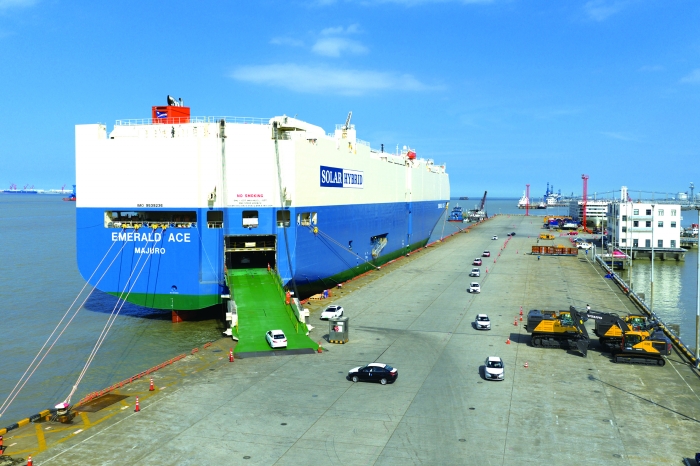
江海联运扩容升级 汽车从长江上游直达全球
Shang Hai Zheng Quan Bao· 2025-07-17 18:13
Core Insights - The article highlights the expansion of the automobile export model through the Jiang-Hai intermodal transport system, marking a significant development for the automotive industry in China [3][6]. Group 1: Export Growth and Performance - In the first half of 2025, Shanghai port exported 1.275 million vehicles, a year-on-year increase of 13%, accounting for 36.7% of the national total [3]. - Changan Automobile reported overseas sales of 299,000 vehicles, up 5.11% year-on-year, with its new energy brand, Deep Blue, achieving over 29,000 deliveries in June alone [4]. - Dongfeng Motor exported 115,000 vehicles, a 3% increase, with its DONGFENG BOX model leading the electric vehicle market in the Netherlands [5]. - Chery Group exported over 550,000 vehicles, a 3.3% increase, making it the top exporter in the country [5]. - SAIC Group's overseas sales reached nearly 500,000 vehicles, a 28% increase, with one-third of these being new energy vehicles [5]. Group 2: New Export Model and Logistics - The Jiang-Hai intermodal transport model allows for a seamless transition from domestic to international shipping, significantly reducing customs processing time and costs [6][7]. - The new model enables Chongqing car manufacturers to handle all customs procedures locally, effectively turning the Shanghai port into a convenient export hub [7]. - The implementation of a shared public service platform between Shanghai and Chongqing customs enhances the efficiency of the export process through real-time monitoring and streamlined procedures [7]. - The external port has extended its export routes to cover 131 countries and regions, with 2 to 3 ships departing daily loaded with domestic vehicles [7].




年中经济观察|中国新能源汽车如何逐“新”提“智”——中国经济年中观察之二
Xin Hua She· 2025-07-17 13:53
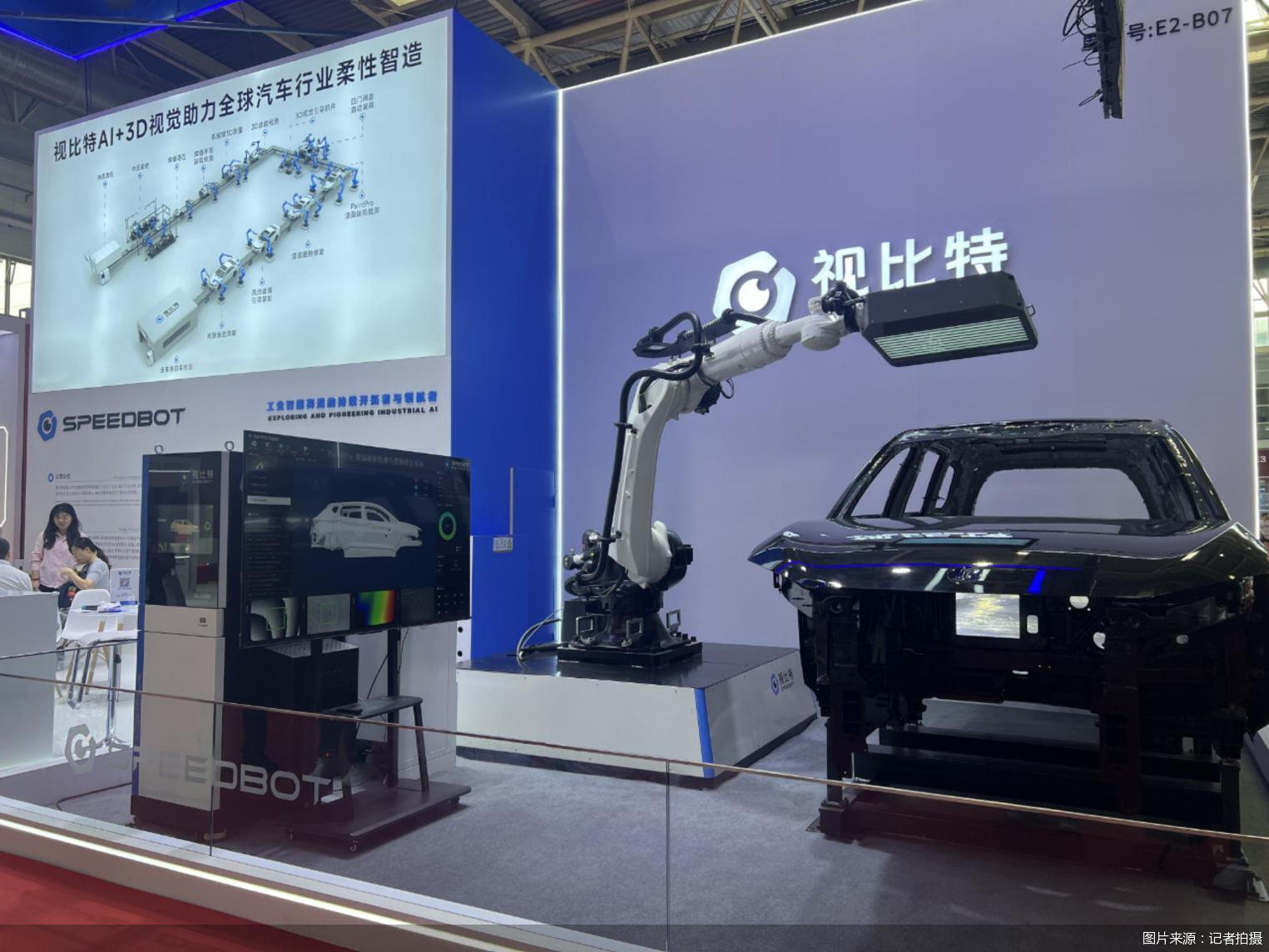
Core Viewpoint - The Chinese electric vehicle (EV) industry is experiencing significant growth, with production and sales both surpassing 6.9 million units, reflecting over 40% year-on-year growth, and a market penetration rate that continues to rise. Exports have also increased by 75.2% [1]. Group 1: Innovation and Technology - The introduction of advanced technologies, such as AI-driven paint defect detection systems, is enhancing quality control in the EV manufacturing process [2]. - The integration of over 1,600 smart terminals and 3,000 robots in factories has achieved 100% automation in production, showcasing the industry's shift towards intelligent and efficient manufacturing [4]. - New battery technologies, like the dual-core battery developed by CATL, are being tailored to meet specific user needs, indicating a trend of innovation driven by market demands [5]. Group 2: Collaboration and Industry Dynamics - The automotive industry is witnessing increased collaboration between suppliers and manufacturers, exemplified by CATL's production lines being integrated within vehicle assembly lines for immediate battery installation [8]. - Partnerships, such as that between BMW and Momenta, highlight the importance of local collaboration to enhance technological advancements in the Chinese market [8]. - The establishment of innovation alliances among over 300 partners is aimed at improving overall innovation efficiency within the automotive sector [9]. Group 3: Market Regulation and Competition - The Chinese government is taking steps to regulate the competitive landscape of the EV industry, addressing issues of irrational competition and low profitability, with the automotive industry's profit margin reported at 4.3% compared to 5.7% for downstream industrial enterprises [10][11]. - New national standards for electric vehicle batteries are being implemented to enhance safety and performance, reflecting a commitment to high-quality development in the industry [11]. - Major automotive companies are moving away from price wars and focusing on long-term value creation, with commitments to fair payment practices and reduced sales targets to foster sustainable growth [12]. Group 4: Future Outlook - The consensus within the industry emphasizes the need for a long-term strategy focused on value creation rather than mere volume, with calls for the Chinese automotive sector to become a leader in quality and innovation [13].

汽车链向“智”重塑造
Bei Jing Shang Bao· 2025-07-17 08:12
Core Insights - The third China International Supply Chain Promotion Expo (Chain Expo) highlighted the rapid transformation of the smart automotive supply chain, with a focus on collaboration and innovation among various stakeholders in the industry [1][6][12] Group 1: Smart Automotive Supply Chain - NVIDIA CEO Jensen Huang's presence at the Chain Expo emphasized the importance of smart automotive technology and the growing interest in Chinese automotive brands like BYD and "Wei Xiaoli" [1] - The Chain Expo showcased a comprehensive view of the smart automotive supply chain, presenting key technologies and products from chips to electric drive systems [1][3] - The collaboration among various companies in the supply chain is crucial, as each component plays a significant role in the overall manufacturing process of smart vehicles [3] Group 2: Tesla's Innovations - Tesla's booth featured the Model "3Y" combination, which attracted significant attention, showcasing its advanced charging solutions and manufacturing capabilities [4] - As of June this year, Tesla has produced over 8 million vehicles globally, with half of that production coming from its Shanghai Gigafactory, which has an annual capacity exceeding 950,000 vehicles and a localization rate of over 95% for components [4][6] - Tesla aims to deepen its relationship with Chinese suppliers to establish global green supply chain standards and explore AI applications in various sectors [6] Group 3: Domestic Innovations - Dongfeng Motor is actively involving suppliers in its research and development efforts, particularly in the area of domestic chip development, showcasing self-developed chips at the Chain Expo [6] - The establishment of a technology innovation consortium for automotive-grade chips in Hubei province aims to streamline the process from demand definition to mass production [6] Group 4: Material Innovations - Battery materials are a focal point, with companies like BetterRay introducing innovative solutions to enhance the lifespan and performance of electric vehicle batteries [7] - CATL showcased its sodium-ion batteries, which promise to reduce reliance on lithium resources and lower costs significantly compared to traditional lead-acid batteries [8] Group 5: AI Integration - The integration of AI technologies in the automotive supply chain is transforming manufacturing processes, with companies like BMW implementing AI applications to enhance quality control and efficiency [11] - The emergence of new players in the automotive supply chain, driven by advancements in AI and technology, is reshaping traditional supplier dynamics [12]

徐工/福田超4000辆争冠 远程上位 上半年换电重卡销2.5万辆增1.4倍 | 头条
第一商用车网· 2025-07-17 06:58
Core Viewpoint - The new energy heavy truck market experienced significant growth in June 2025, with a year-on-year increase of 158%, reaching a record sales volume of 18,000 units, including over 12,000 units of charging heavy trucks, setting a new monthly sales record [1][4]. Market Performance - In June 2025, the domestic new energy heavy truck market sold a total of 18,000 units, with a month-on-month increase of 19% and a year-on-year increase of 158% [4][5]. - Pure electric heavy trucks accounted for 97.87% of total sales, with charging and battery swap heavy trucks contributing significantly [5]. - Battery swap heavy trucks sold 5,573 units in June, marking a month-on-month increase of 16% and a year-on-year increase of 141%, although this growth rate was lower than the overall new energy heavy truck market [5][6]. Market Share and Competition - The market share of battery swap heavy trucks in pure electric heavy truck sales was 31.62% in June, showing a slight decline from the previous month and a decrease compared to the same period last year [7]. - From January to June 2025, the battery swap heavy truck market saw participation from 27 companies, with 24 active participants as of June [20]. - The top-selling companies in June included Foton, Xugong, and Jiefang, with Foton achieving a remarkable year-on-year growth of 825% [16][18]. Segment Analysis - The battery swap heavy truck segment is dominated by tractor and dump trucks, which accounted for 86.38% and 11.72% of sales, respectively [11][27]. - The competition in the battery swap tractor market is intense, with six companies selling over 2,000 units each, and Foton leading with 4,147 units sold [29]. - The battery swap dump truck segment did not keep pace with the overall growth, with a year-on-year increase of only 26% [31]. Conclusion - The battery swap heavy truck sector has shown impressive growth in the first half of 2025, with continuous month-on-month increases, but it still lags behind the overall new energy heavy truck growth rate [36].




多地“车路云一体化”齐发力,自动驾驶加速迈向未来
Huan Qiu Wang· 2025-07-17 06:57
Group 1 - The "Vehicle-Road-Cloud Integration" construction is entering a critical development year, with local policies and corporate strategies advancing simultaneously to pave the way for higher-level autonomous driving [1][2] - Chongqing plans to build 600 perception intersections and cover 2,500 kilometers of urban and highway roads by 2027, aiming to create a comprehensive roadside infrastructure system [1] - In July alone, over ten regions in China, including Guizhou, Hangzhou, and Nanjing, have announced new developments related to "Vehicle-Road-Cloud Integration" projects [2] Group 2 - The industry is moving towards "Vehicle-Road-Cloud Integration" as a necessary trend to overcome the inherent limitations of single-vehicle intelligence [3] - Collaboration among multiple automakers to develop unified technical frameworks and standards is essential for accelerating industry implementation [3] - The rapid advancement of "Vehicle-Road-Cloud Integration" across the country is creating a clearer vision of a smart, efficient, and safe future transportation landscape [3]
国常会双箭齐发:破消费限制、正新能源秩序
Huan Qiu Wang· 2025-07-17 02:10
Group 1 - The State Council's executive meeting focuses on boosting consumption and regulating competition in the new energy vehicle (NEV) industry as key areas for economic stability and growth [1][3] - The meeting emphasizes the importance of removing unreasonable restrictions on consumer spending, such as car purchase limits, to unlock consumer potential [3] - A call for optimizing the trade-in policy for consumer goods is made to align with diverse consumer demands and expand investments in new production capabilities and emerging service industries [3] Group 2 - The NEV industry is facing irrational competition, which has become a governance focus, prompting the need for stricter regulations on cost investigations and price monitoring [4] - Key automotive companies, including FAW, Dongfeng, and GAC, have committed to maintaining payment terms of no more than 60 days to support healthy industry development [4] - Future measures to combat "involution" in the industry will be led by government departments with industry self-regulation as a supplementary approach [4]
人形机器人产业创新高地,为何花落武汉?
Chang Jiang Ri Bao· 2025-07-17 00:41
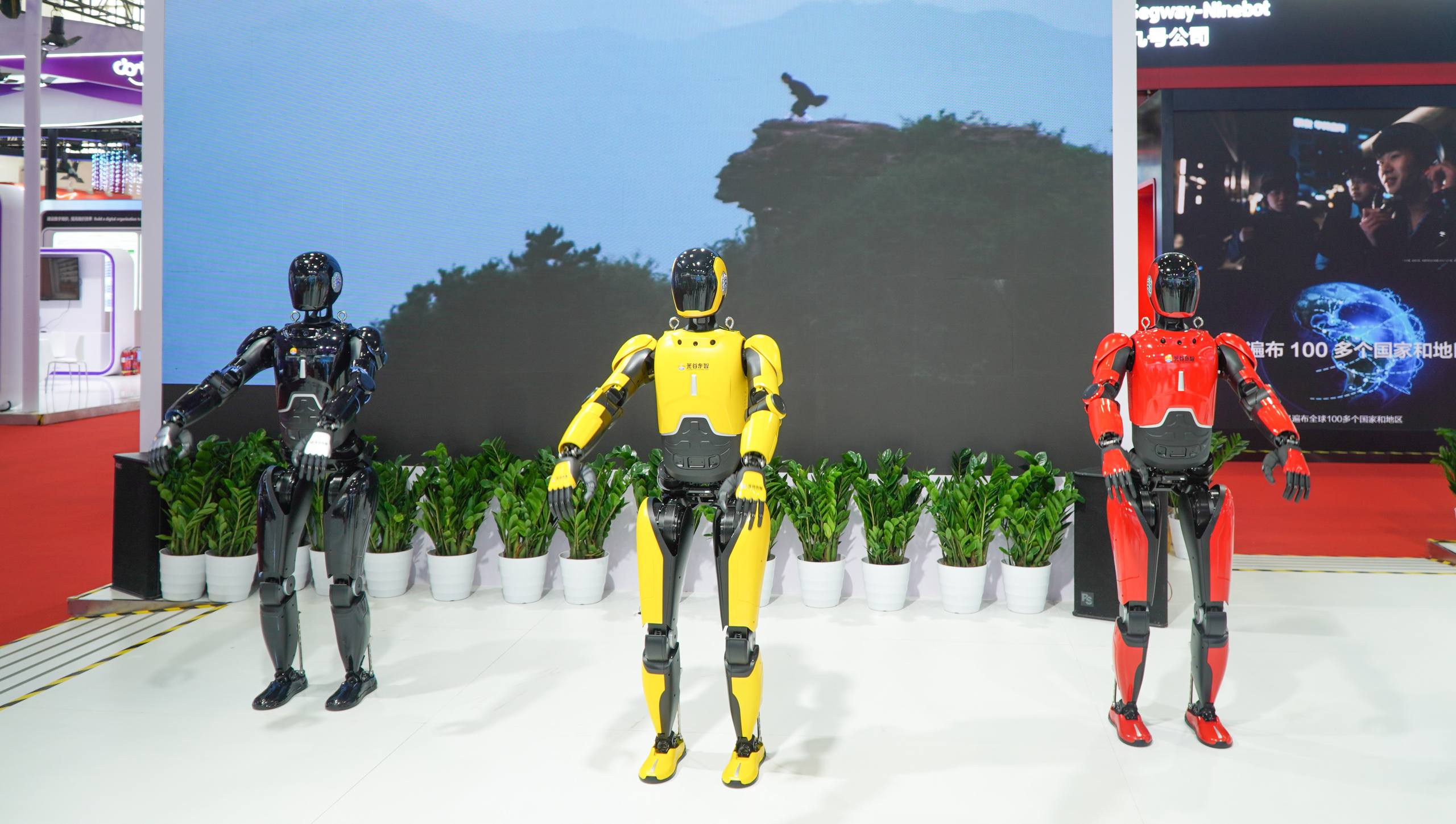
Core Insights - The humanoid robot industry is seen as a "barometer" of technological revolution and an "accelerator" for industrial upgrading, with significant developments occurring in Hubei province [1] - Hubei's humanoid robot industry is recognized for its innovative potential and is supported by various policies and funding initiatives aimed at fostering technological advancements [5][9] Group 1: Industry Development - Hubei has showcased its humanoid robots at multiple events, including the third Chain Expo, highlighting the rapid growth and innovation in this sector [1][3] - The province has established a robust industrial chain with over 50 key enterprises involved in humanoid robot manufacturing, covering the entire supply chain from core components to complete systems [6] Group 2: Academic and Research Collaboration - Collaboration among local universities, such as Wuhan University and Huazhong University of Science and Technology, is driving technological innovation in humanoid robots, focusing on key components and intelligent algorithms [4][5] - The establishment of a humanoid robot innovation center in Hubei aims to provide comprehensive technical services and support for industry collaboration [7][8] Group 3: Policy and Financial Support - The local government has implemented a series of policies to accelerate the development of the humanoid robot industry, including financial support for innovation centers and collaborative research projects [9][13] - A significant investment fund of 100 billion yuan has been established to support the humanoid robot and artificial intelligence sectors, indicating strong governmental backing [13] Group 4: Future Goals and Vision - Hubei aims to become a national leader in humanoid robot innovation by 2027, with plans to produce over 10 models and achieve breakthroughs in key technologies [14][15] - The province is actively seeking global partnerships to enhance its technological capabilities and market presence in the humanoid robot industry [14]

首发、首秀、首展落地 链博会传递创新合作新信号
Shang Hai Zheng Quan Bao· 2025-07-16 23:39
Group 1 - The "Chain Expo" showcased multiple firsts, including the global supply chain index matrix and visualized industry maps, signaling continuous innovation and collaboration in the global supply chain [1] - The "Chain Expo Launch Station" featured over a hundred cutting-edge global technologies across six dimensions, focusing on new products, technologies, processes, scenarios, ecosystems, and chains, particularly in fields like new energy and digital technology [2][3] - The "Innovation Chain Zone" was established to facilitate the entire process from intellectual property rights to technology incubation and result implementation, aiming to create a closed-loop ecosystem for technological innovation [2] Group 2 - The event highlighted regional collaboration, with various domestic companies showcasing advancements in AI and robotics, enhancing the resilience and competitiveness of the supply chain [4] - Notable international companies, including Nvidia and Apple, participated, with Nvidia's CEO praising China's AI developments and their potential to drive growth in the supply chain ecosystem [4] - The first-ever industry map was presented, helping companies identify their positions within the supply chain and optimize resource allocation [5][6] Group 3 - Customized financial services were introduced by China Bank to support enterprises in various industry chains, aiming to seize new opportunities in the industry cycle [6] - The China Council for the Promotion of International Trade released a global supply chain innovation index and a human-centric index, indicating a positive overall trend in global supply chain development despite ongoing uncertainties [6]




国常会重磅!关注促居民消费与车企反“内卷”!
券商中国· 2025-07-16 14:05
Group 1: Domestic Circulation and Consumption - Strengthening domestic circulation is a strategic move to ensure stable economic growth, focusing on key areas such as boosting consumption and removing unreasonable restrictions on consumer spending [2][4] - The government aims to implement special actions to stimulate consumption, optimize policies for replacing old consumer goods, and diversify supply to meet increasing consumer demand [4][5] - In 2023, there has been a significant increase in sales of consumer goods due to large-scale equipment updates and policies promoting the replacement of old consumer goods, although there are concerns about the effectiveness of these policies [5] Group 2: New Energy Vehicle Industry - The meeting emphasized the need to regulate the competitive order in the new energy vehicle (NEV) industry, addressing irrational competition and promoting high-quality development [3][8] - Measures will include strengthening cost investigations, price monitoring, and ensuring compliance with payment commitments by key automotive enterprises [8][9] - The industry is facing challenges such as extended payment terms for suppliers, which could hinder technological innovation and sustainable development [9] Group 3: Service Consumption - Service consumption is identified as a key area for boosting overall consumption and expanding domestic demand, with a focus on upgrading sectors like education, healthcare, and entertainment [6][5] - The People's Bank of China has allocated 500 billion yuan for service consumption and elderly care loans to support high-quality supply in these sectors [5] - Experts suggest that removing restrictions such as car purchase limits could significantly enhance consumer spending potential [7]