荣耀

Search documents
投资者追问ESG不走过场 推动企业挤出“绿色泡沫”
Zhong Guo Zheng Quan Bao· 2025-10-12 22:12
Core Insights - The ESG (Environmental, Social, and Governance) evaluation system is reshaping corporate value, with the environmental dimension being central to "green value" [1] - Companies are increasingly focusing on environmental protection and carbon neutrality as key points for brand communication and product value enhancement [2][3] - There is a growing concern among investors regarding the authenticity of companies' ESG practices and the risk of "greenwashing" [1][6] Investor Concerns - Investors are showing heightened interest in companies' environmental protection efforts and ESG commitments, with numerous inquiries on platforms like Shanghai Stock Exchange's e-Interaction and Shenzhen Stock Exchange's Interactive Easy [2] - Specific questions raised by investors include inquiries about environmental investments, compliance with environmental assessments, and management of new pollutants [2] Corporate Initiatives - Companies like Anta Sports and Honor have set ambitious carbon neutrality goals, with Anta aiming for over 30% of sustainable products by 2024 and Honor targeting carbon neutrality in operations by 2040 [2][3] - Other companies, such as Master Kong, are launching environmentally friendly products and reducing packaging waste to lower carbon emissions [3] Greenwashing Risks - Experts warn about the dangers of "greenwashing," where companies may exaggerate or misrepresent their environmental efforts, potentially leading to reputational damage and legal risks [4][6] - The need for clear definitions and standards regarding carbon neutrality and environmental claims is emphasized, as current regulations are often vague [7] Regulatory Environment - There is a lack of specific policies against "greenwashing" in China, with existing regulations scattered across various laws [7] - Recent developments include the introduction of group standards for carbon neutrality labels, which aim to provide a unified benchmark for industries [7] Internal Governance - Companies are encouraged to strengthen internal governance structures to prevent "greenwashing," with some firms linking executive compensation to environmental performance [8] - Establishing a robust ESG management system and ensuring compliance with international disclosure standards are critical for companies [9]
投资者追问ESG不走过场推动企业挤出“绿色泡沫”
Zhong Guo Zheng Quan Bao· 2025-10-12 20:53
Core Insights - The ESG (Environmental, Social, and Governance) evaluation system is reshaping corporate value, with the environmental dimension (E) being central to "green value" [1] - Companies are increasingly focusing on environmental protection and carbon neutrality as key points for brand communication and product value enhancement [1][2] - Investors are showing heightened interest in companies' ESG practices and the tangible outcomes of their "green value" initiatives [1][2] Investor Concerns - There has been a noticeable increase in investor inquiries regarding environmental protection and ESG on platforms like Shanghai Stock Exchange's e-Interaction and Shenzhen Stock Exchange's Interactive Easy [1][2] - Specific questions from investors include inquiries about companies' environmental investments, compliance with environmental assessments, and management of new pollutants [1][2] Corporate Initiatives - Companies like Anta Sports and Honor have set ambitious carbon neutrality goals, with Anta aiming for carbon neutrality by 2050 and Honor targeting the same for its value chain [1][2] - Anta has reported that over 30% of its products will be sustainable by 2024, with several products achieving carbon neutrality certification [1] - Other companies, such as Master Kong, are launching environmentally friendly products and reducing plastic use in packaging [2] Greenwashing Risks - Experts warn about the risks of "greenwashing," where companies may exaggerate or misrepresent their environmental efforts [2][3] - Specific examples include Apple removing carbon neutrality claims from its product marketing following legal scrutiny [2] Regulatory Environment - There is a lack of specific regulations against "greenwashing" in China, with existing laws focusing on truthful disclosure and advertising [5] - New standards for carbon neutrality and related concepts are being introduced to provide clearer guidelines for companies [5] Internal Governance - Companies are encouraged to strengthen their internal governance systems to prevent "greenwashing," with some linking executive compensation to environmental performance [6] - Establishing a robust ESG management framework and ensuring compliance with international disclosure standards are critical for companies [6][7] Information Disclosure - Clear, truthful, and verifiable environmental claims are essential for companies to avoid "greenwashing" accusations [7] - Companies should implement multi-dimensional control mechanisms, including management accountability and rigorous data management systems [7]


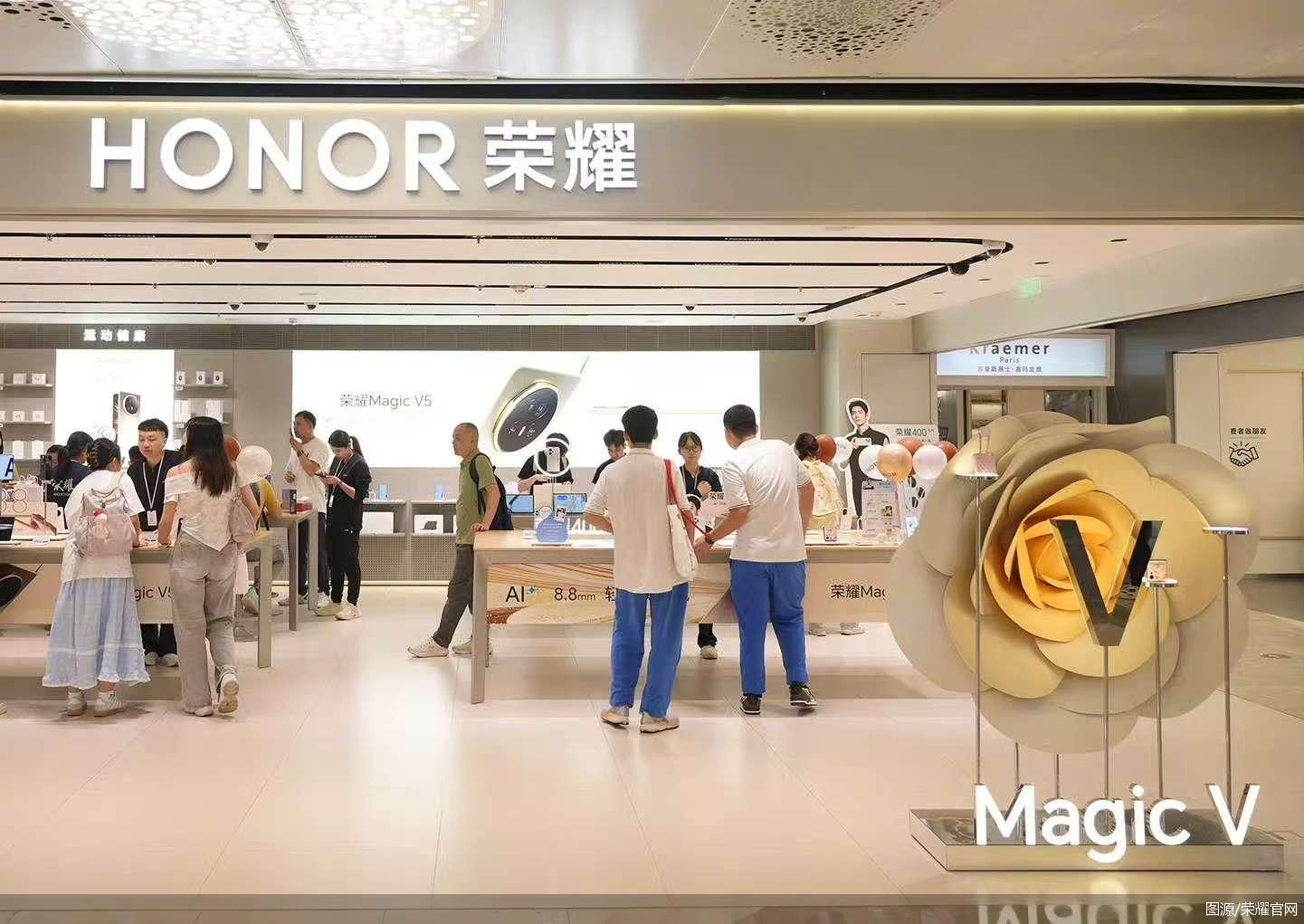
荣耀跌回华为的“影子”
Bei Jing Shang Bao· 2025-10-12 14:25
Core Viewpoint - The article discusses the challenges faced by Honor as it attempts to establish its identity separate from Huawei, while simultaneously experiencing a significant decline in market share and struggling to innovate in a competitive smartphone market [1][2][4][5]. Group 1: Market Performance - Honor's market share has significantly declined over the past year, dropping from over 17% in Q1 2024 to below 13.7% in Q1 2025, leading to its exclusion from the top five smartphone manufacturers [4][5]. - In contrast, Huawei has maintained a strong market presence, consistently ranking in the top three and achieving the number one position in Q2 2025 [2][5]. Group 2: Brand Identity and Strategy - The use of celebrity endorsements, such as actor Nicholas Tse, has sparked discussions about Honor's attempts to align itself with Huawei, raising concerns about its ability to create a distinct brand identity [1][2][7]. - Honor's product designs and features have been criticized for closely resembling those of Huawei, leading to perceptions that it lacks originality and innovation [7][10]. Group 3: Innovation and Future Direction - Honor has initiated internal reforms and established new departments to drive innovation, but these efforts have yet to yield significant breakthroughs in product differentiation [5][12]. - The company aims to transition from a smartphone manufacturer to a leading AI terminal ecosystem company, emphasizing the importance of AI in its future strategy [11][13].


电子行业周报:商务部发布“稀土出口管制决定”,台积电10月16日召开25Q3法说会-20251012
Guotou Securities· 2025-10-12 14:02
Investment Rating - The report maintains an investment rating of "Outperform the Market-A" for the electronic industry [5]. Core Insights - The report highlights the significant impact of China's export control on rare earth elements, linking approvals to high-end chip manufacturing, which enhances China's bargaining power and accelerates the domestic semiconductor industry's self-sufficiency [1]. - TSMC reported a revenue of approximately NT$330.98 billion for September 2025, reflecting a year-on-year increase of 31.4%, driven by sustained AI demand [2]. - Qualcomm is under investigation by China's market regulator for failing to report its acquisition of Autotalks, a semiconductor company focused on V2X technology [3]. Summary by Sections Industry Performance - The electronic sector index PE is at 72.55 times, with a 10-year PE percentile of 93.31% [4]. - The electronic sector experienced a decline of 2.63% during the week of October 8-10, 2025, ranking 30th out of 31 sectors [30][31]. Stock Performance - The top three gainers in the electronic sector for the week were Canxin Technology (17.98%), Yake Technology (15.17%), and Deep Technology (13.81%), while the top three losers were Tailong Technology (-14.67%), Jucheng Technology (-13.46%), and Lianyun Technology (-12.61%) [34]. Valuation Metrics - As of October 10, 2025, the electronic industry sub-sectors' PE ratios are as follows: Semiconductor (115.01 times), Consumer Electronics (43.93 times), Components (58.97 times), Optical Electronics (55.46 times), Other Electronics (81.60 times), and Electronic Chemicals (72.92 times) [38]. Investment Recommendations - The report suggests focusing on companies in the domestic computing sector such as Huafeng Technology, Feirongda, and Xingsen Technology, as well as storage companies like Zhaoyi Innovation and Bawei Storage [9].
折叠屏手机加速迭代 铰链产业有望迎12亿美元市场新机遇
Zheng Quan Ri Bao Wang· 2025-10-12 13:11
Core Insights - China Telecom and Samsung Electronics launched the new high-end foldable smartphone, the Samsung W26, featuring upgraded Snapdragon 8 Gen 2 platform and satellite communication capabilities [1] - The foldable smartphone market in China is rapidly growing, with a need for innovation across hardware, software, and materials to transition from niche to mainstream [1] - The global foldable smartphone market is expected to see significant growth, with a forecasted shipment of 15.2 million units in 2025 and a 51% increase in 2026 [3] Industry Trends - The foldable smartphone market is currently in an early growth stage, primarily targeting high-end segments due to cost constraints [3] - The hinge technology has become a critical barrier to success in the foldable smartphone market, with increasing demand expected to drive the hinge industry forward [3][4] - The global market value for foldable smartphone hinges is projected to reach $1.2 billion by 2025, driven by the anticipated release of foldable products from major brands like Apple [4] Company Developments - Jiangsu Jingyan Technology is enhancing its hinge solutions through a dual-driven approach, focusing on lightweight and durable components to improve the reliability of foldable smartphones [4] - The company emphasizes the potential market growth for foldable smartphones as software ecosystems mature and innovative applications are explored [4] - Despite progress, the domestic hinge industry faces challenges in high-end technology and manufacturing capabilities, necessitating further innovation to close the gap with international standards [5]
智谱否认上市前裁员:近50个岗位待招;张一鸣久违露面:有的人才创新能力不足;Sora推安卓版,OpenAI年烧70亿刀|AI周报
AI前线· 2025-10-12 05:32
Core Insights - The article discusses various developments in the tech and AI sectors, highlighting significant corporate actions, product launches, and market trends. Group 1: Company Developments - Zhipu Technology denies rumors of layoffs before its IPO, stating a demand for nearly 50 positions is still open [3] - Alibaba is entering the embodied intelligence space, forming a team led by the head of its large language model technology [4] - ByteDance initiates a new round of stock option buybacks, with prices for current employees rising by 5.5% and for former employees by 11.7% [5][6] - OpenAI's annual expenditure reaches $7 billion, primarily for cloud computing resources from Microsoft [8][10] - Intel's layoffs impact numerous Linux open-source projects, leading to many being abandoned [11] - Honor's executive faces backlash for controversial comments, prompting calls for CEO intervention [12] - A Chilean company is unable to reclaim mistakenly overpaid wages to an employee, resulting in a court ruling against them [13] - The U.S. Walmart lists the Yushun G1 humanoid robot at a 55% premium compared to its price in China [14] - Apple CEO Tim Cook may step down, with hardware engineering VP John Ternus as a potential successor [17] Group 2: Market Trends and Innovations - OpenAI signs a $1 trillion cloud computing partnership, enhancing its AI model capabilities [10] - Google unveils a new AI model, Gemini 2.5, designed for user interface interactions [27] - Ant Group releases a trillion-parameter language model, Ling-1T, which shows superior performance in various benchmarks [28] - Huawei introduces a new open-source quantization technology, SINQ, significantly reducing memory usage for large language models [29] - Cloud Deep Technology launches the world's first all-weather humanoid robot, DR02, designed for outdoor operations [30] - Google Cloud launches Gemini Enterprise, an AI platform aimed at automating tasks for employees [32]





从“雷布斯”到“雷不退”,为何越来越多人不喜欢雷军?
Xin Lang Cai Jing· 2025-10-11 14:28
Core Viewpoint - The reputation of Xiaomi and its founder Lei Jun has significantly declined, transitioning from a marketing genius to a target of public criticism due to perceived false advertising and customer dissatisfaction [1][2]. Group 1: Company Reputation and Market Position - Xiaomi's marketing strategy, which has remained unchanged for over a decade, is now being scrutinized as the company expands into multiple high-stakes markets, including smartphones, home appliances, and automobiles [2][5]. - The company's aggressive pricing and marketing tactics have led to resentment from competitors and consumers alike, particularly as Xiaomi enters the automotive sector, where it is competing for high-end market share [5][6]. Group 2: Product Issues and Customer Sentiment - Recent incidents, such as a tragic car accident involving Xiaomi's smart driving technology, have turned the company's selling points into liabilities, raising concerns about safety and accountability [10]. - Customers have expressed frustration over perceived discrepancies between advertised features and actual product performance, leading to a significant backlash against the brand [10][11]. Group 3: Leadership and Corporate Philosophy - The contrasting leadership styles of Lei Jun and Huawei's Ren Zhengfei highlight a fundamental difference in corporate philosophy, with Xiaomi focusing on speed and marketing rather than user experience and product quality [15]. - The need for Xiaomi to undergo a "value upgrade" is emphasized, suggesting that the company must move beyond superficial marketing tactics to regain consumer trust and credibility [17].


2025年《财富》可持续发展峰会精彩观点荟萃
财富FORTUNE· 2025-10-11 13:21
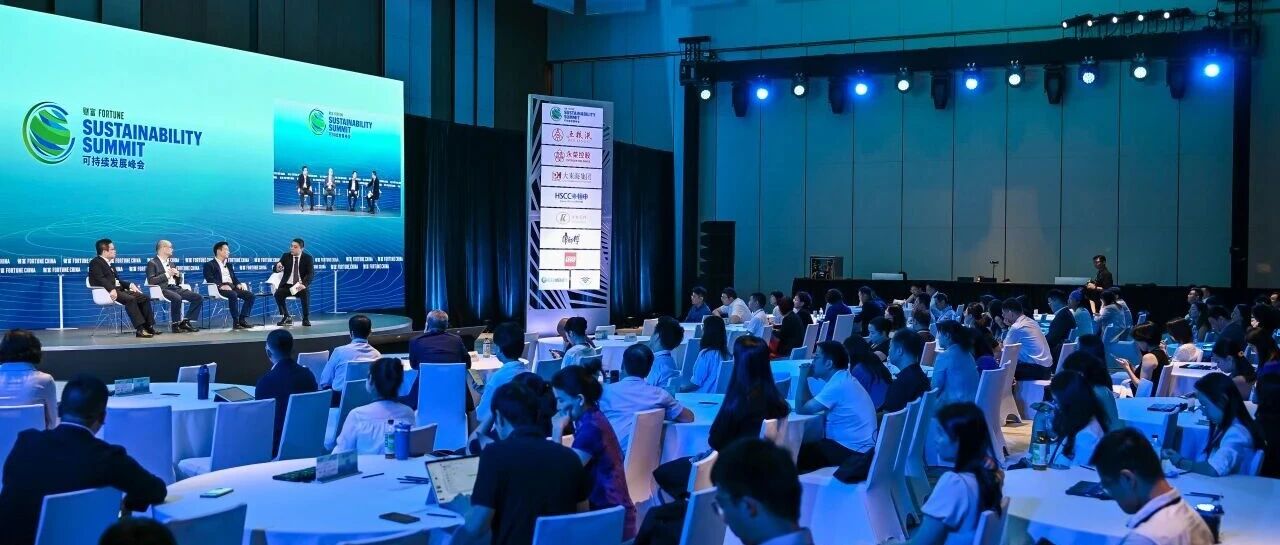
Core Insights - The 2025 Fortune Sustainable Development Summit was successfully held in Fuzhou, focusing on the theme "Intelligent Era, Intelligent Coexistence" and gathering nearly 200 global business leaders, policymakers, and academic experts to explore sustainable development paths empowered by technology [1] Group 1: Key Themes and Discussions - The summit featured 40 speakers from various sectors including AI, internet, manufacturing, new energy, finance, and health, discussing how smart technologies can accelerate growth while avoiding excessive environmental consumption [1] - Key topics included the social responsibilities of multinational companies in a fragmented geopolitical landscape and the protection of human creativity and development rights in an algorithm-driven era [1] Group 2: ESG Practices and Globalization - Companies are encouraged to ensure that suppliers meeting ESG standards will gain more orders and global opportunities, highlighting the competitive edge of Chinese suppliers in quality, cost, and delivery [6] - The urgency for green and low-carbon transformation in the chemical industry is emphasized, aligning with national dual carbon goals and the increasing demand for green materials from international brand clients [6] Group 3: Sustainable Consumption and Corporate Responsibility - The importance of circular economy practices is highlighted, where manufacturers must innovate in product design and lifecycle management, while consumers are also encouraged to participate in sustainable practices [30] - The wine industry is recognized as a participant in environmental practices, emphasizing the necessity of establishing a good ecological environment as a fundamental requirement [33] Group 4: Financial Instruments and ESG Integration - Green financial products like green bonds are seen as a driving force for companies to integrate international ESG concepts into their development, effectively addressing regulatory challenges and attracting international capital [41] - Companies are advised to balance production activities with ecological diversity protection, ensuring that sustainable financial tools align with their sustainability goals [45] Group 5: Technological Innovations in ESG - The application of cutting-edge technologies such as AI and big data is crucial for enhancing ESG management, transitioning from compliance to data-driven value creation [62] - Companies are encouraged to leverage technology to improve operational efficiency and sustainability, with a focus on accurate and transparent data for ESG disclosures [68]





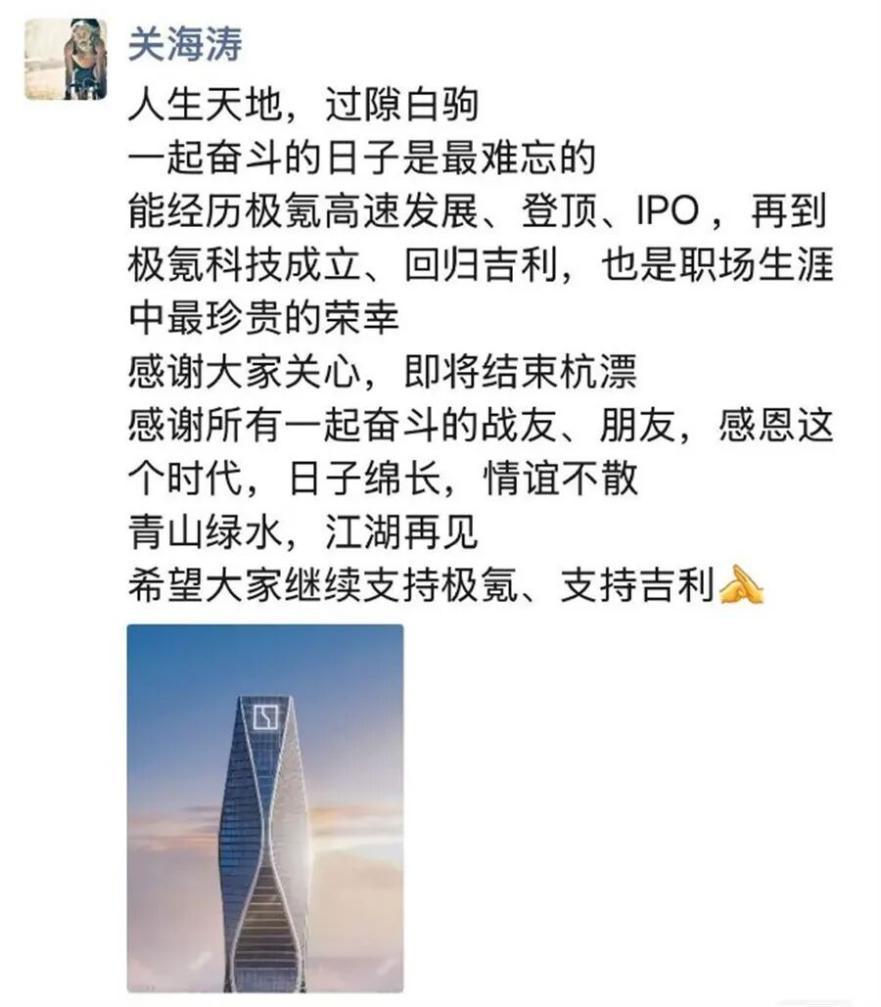
关海涛告别极氪:青山绿水间,一场“双向奔赴”的华丽谢幕
Feng Huang Wang Cai Jing· 2025-10-11 11:50
Core Insights - The departure of Guan Haitao, the CBO of Zeekr Technology Group, marks the end of a significant chapter in the company's rapid growth and branding success [1][7] - Guan Haitao's career is characterized by a successful transition from various industries, including 3C digital, internet, and fast-moving consumer goods, to the automotive sector [2] - Under his leadership, Zeekr achieved remarkable sales growth and brand recognition in the electric vehicle market, particularly in the luxury segment [4][5] Company Performance - In 2023, Zeekr delivered 118,000 vehicles, representing a year-on-year increase of 65% [5] - The company is projected to surpass 220,000 vehicles in 2024, with an impressive year-on-year growth of 87% [5] - Zeekr's average vehicle price is nearly 300,000 yuan, with the highest price reaching 900,000 yuan [5] Marketing Strategy - Guan Haitao implemented a unique marketing philosophy of "staying true while innovating," focusing on product marketing as a priority [5] - He successfully launched key models such as Zeekr 001, 007, and 009, establishing benchmarks in various market segments [5] - The brand leveraged celebrity endorsements to enhance its market presence, particularly in the ultra-luxury MPV segment [5] Industry Impact - Guan Haitao's tenure at Zeekr is seen as a case study in effective cross-industry transformation, contributing to the company's rapid ascent in the electric vehicle market [4][7] - His departure raises questions about talent retention and the ongoing value of cross-industry expertise in the competitive new energy vehicle sector [7]
华为系高管离职极氪,热搜了
3 6 Ke· 2025-10-11 09:39
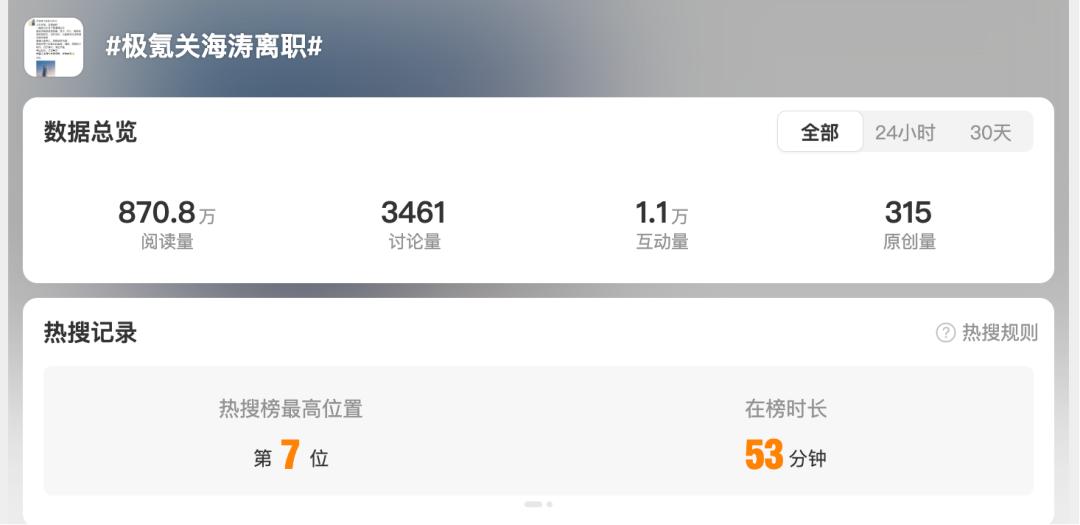
非一号位话事人、非关键技术带头人,这样一位车企高管的离职消息,竟然热搜了? 关海涛,原极氪品牌统管市场营销的CMO,现极氪科技集团CBO,离职了: 车圈中高层人员流动几乎每天都在发生,尤其是在大变革浪潮中,车企和人才都在不断尝试找合适的定位。 为啥一个车企下属子品牌管市场营销的负责人离职,引起这么大的关注? 服务极氪2年,关海涛离职 实际2个月前,坊间就已经流传开了关海涛要离职的传闻。 也不是空穴来风,首先因为关海涛个人微博的名称,去掉了"极氪"二字,但认证仍然保留极氪科技集团CBO。 其次就是这个"极氪科技集团"了,吉利"台州宣言"正式启动内部架构大调,研发、渠道、品牌等等分散力量重新集中。 极氪在这一波调整中直接选择退市,回归吉利子品牌并和领克合并,从属于吉利汽车集团,向CEO淦家阅汇报。之前一直领导极氪的安聪慧,则升任整个 吉利控股的CEO。 外界有一种猜测认为,成立的极氪科技集团可能是一种临时性过渡安排,极氪之前单独建立的研发、渠道、市场等等部门都面临分流或"毕业"。 但过去几个月,各个平台大部分转载关海涛离职的帖子或文章,都遭投诉下架,理由是涉嫌发布不实信息,侵犯名誉权: 极氪之前,关海涛最广为人知 ...