宝马

Search documents
人形机器人的AB面:一半海水一半火焰
Xin Lang Cai Jing· 2025-04-07 13:09
Core Insights - The humanoid robot sector is experiencing significant growth, driven by advancements in AI and increasing investment interest [1][3][4] - Despite the hype, there are concerns regarding the commercial viability and practical applications of humanoid robots, with industry leaders expressing skepticism about their immediate future [2][9][10] Group 1: Investment Landscape - Humanoid robots are viewed as the "new frontier" for capital investment, with over 30 financing events in China in Q1 2025, totaling over 4 billion yuan [3] - Notable companies like Zhiyuan Robotics have seen their valuations soar, with a recent round of financing exceeding 1.5 billion yuan, leading to a valuation of 15 billion yuan [3][4] - Major tech firms such as Baidu, Tencent, and Alibaba are entering the humanoid robot space, exploring applications that integrate AI models with robotic capabilities [4] Group 2: Industry Applications - The automotive sector is rapidly adopting humanoid robots, with over 20 domestic and international car manufacturers investing in or developing humanoid robots for various applications [6][7] - Humanoid robots are being utilized in industrial settings, significantly improving efficiency, with reports indicating a 30% reduction in labor and a quality improvement from 92% to 99.7% in production lines [6][7] Group 3: Market Projections - The humanoid robot market in China is projected to reach 300 billion yuan by 2030, with a compound annual growth rate exceeding 50% [8] - This growth trajectory suggests a potential for the humanoid robot industry to replicate the scale of the electric vehicle market, which took a decade to surpass 100 billion yuan [8] Group 4: Challenges and Concerns - Industry leaders express doubts about the commercial pathways for humanoid robots, citing high costs and unclear customer bases as significant barriers [9][10] - The average price for high-end humanoid robots ranges from 2 million to 5 million yuan, which is substantially higher than industrial robots, complicating market entry [10] - Current technological limitations in navigation and dexterity hinder the practical deployment of humanoid robots in complex environments [10][11]

天天3·15维权调查”暗访七行业服务,汽车售后成“老大难
Xin Jing Bao· 2025-04-07 07:15
新京报讯(记者陈琳)近日,"天天3.15维权调查"发布七行业售后服务质量专项暗访结果,其中汽车售后 服务涉及的"代步车"问题暗访八家车企,一律没有代步车和交通补助。据悉,"天天3.15维权调查"开展 的售后服务质量专项暗访中,汽车售后服务已成为"老大难"。 暗访手机行业主要了解是否按规定提供备用机。国家手机"三包"规定保修期内手机送修7天修不好的, 从第一天起就要给消费者提供备用机。暗访10个品牌,只有联想、三星、小米能够提供备用机。华为、 荣耀、魅族、VIVO、苹果、真我、努比亚回答模棱两可,说以门店答复为准,有就提供,没有就不提 供。 暗访家电行业主要是了解企业承诺紧急情况及时上门服务情况。小米、创维、小松鼠空气能等企业存在 的主要问题包括,有的企业24小时热线全部由机器人服务,晚间紧急情况无法找到人工服务;400电话 和服务商服务脱节,紧急情况解决不了问题;承诺24小时服务热线春节无人值班等。 医院主要是投诉电话的问题。国家有关部门规定医院特别是三甲医院要设专人值守投诉电话,要公示投 诉电话,要热情接待投诉者,实行首问责任制。共暗访10家三甲医院,8家医院负责接投诉电话的工作 人员未报工号和姓氏,服务不 ...
爱莲说
汽车商业评论· 2025-04-06 15:12
撰文 / 路 行 设计 / 师 超 在豪华车的销量榜上,莲花没有姓名。 从战略路线的调整、品牌名称的回归,到高层人事的变动,拥有77年历史的莲花汽车(原路特斯)正经历一场前所未有的变革阵痛。在全球汽车产业加 速向电动化与智能化转型的浪潮中,这些动作背后折射出传统超豪华品牌在新时代转型中的深层矛盾。 正如其品牌slogan"For the Drivers"所喻,真正的驾驶者从不畏惧弯道,但莲花需要证明,在电动化与智能化的新赛道上,它依然是那个敢于"打破规 则"的领跑者。 从技术标杆到价格混战 莲花 跑 车曾以极致的轻量化设计、空气动力学技术和赛道基因闻名全球。 7次F1厂商年度总冠军、6次F1车手年度总冠军、81次F1分站赛冠军,另外还有9次勒芒大奖赛分组冠军、1次印地500大奖赛冠军、1次世界拉力锦标赛 冠军。 莲花车队金光闪闪的成绩,得益于其灵魂人物、创始人柯林·查普曼(Colin Chapman)在赛车设计上的天才创造。空气动力学技术、双凸轮轴、地面效 应、双底盘等技术的应用,使莲花跑车在历史上留下了浓墨重彩的一笔。 燃油车时代,初代莲花Elise725公斤、118匹马力、实现5.7秒零百加速的传奇,印证 ...
汽车行业新车跟踪报告:4月上海车展开启新品周期
Huachuang Securities· 2025-04-05 14:04
Investment Rating - The report maintains a recommendation for the automotive industry [4] Core Insights - The Shanghai International Auto Show will commence on April 23, showcasing several significant new models, including those from Geely, NIO, and Li Auto, which are expected to impact stock prices [3][10] - The report highlights the anticipated launch of nine major new or updated models in April 2025, suggesting a potential catalyst for investment in the automotive sector [9][12] Summary by Sections Industry Overview - The automotive sector comprises 225 listed companies with a total market capitalization of approximately 30,810.37 billion CNY and a circulating market value of about 23,623.17 billion CNY [4] Market Performance - The absolute performance of the automotive sector over the past month, six months, and twelve months is -3.5%, -4.3%, and -9.1% respectively, while the relative performance shows -2.1%, 1.3%, and 3.2% [5] New Model Launches - Key new models expected in April include: 1. Leapmotor B10: A-class flagship pure electric SUV, expected to sell 5,000 to 8,000 units monthly [11][13] 2. BYD Han L: C-class flagship plug-in hybrid/pure electric sedan, expected to sell 10,000 units monthly [20][28] 3. BYD Tang L: C-class flagship plug-in hybrid/pure electric SUV, expected to sell 8,000 units monthly [30][31] 4. NIO Firefly: A0-class pure electric hatchback, expected to sell 5,000 to 8,000 units monthly [11][20] 5. Avita 06: B-class range-extended/pure electric sedan, expected to sell 5,000 units monthly [11][20] 6. AITO M8: C-class range-extended family SUV, expected to sell 15,000 to 20,000 units monthly [11][20] 7. Lynk & Co 900: C-class plug-in hybrid six-seat SUV, expected to sell 6,000 to 8,000 units monthly [11][20] Investment Recommendations - The report suggests focusing on the new models from Leapmotor (B10), BYD (Han L, Tang L), NIO (Firefly), Changan (Avita 06), and Geely (Lynk & Co 900) due to their expected market impact [11][20][30] - Key investment recommendations include Geely and Li Auto, with expectations of exceeding market performance in upcoming financial reports [11][20]




全固态电池技术路线之争
起点锂电· 2025-04-05 06:30
与车企不同,头部电池企业则针对固态电池态度一般,无论是国内的宁德时代还是国外的LG和松下,均没有贸然说出固态电池前景无限之类 的言论,包括研发过程也是被市场逼问"被迫透露"。 因为汽车企业普遍没有制造电池的经验,电池业内专家也指出想要让固态电池产业化、规模化绝非一朝一夕之事。 因此起点锂电认为欧阳明高院士言论正确:"未来相当一段时间内,液态电池和固态电池是共存关系。" 不过即使固态电池未来不会同大家所想那样拥有三头六臂的六边形战士属性,但产业化依旧在推进,并会在2025年实现技术和产能的新进步, 下面起点锂电将从4个方面来阐述一下固态电池产业化最新进展。 固态电池在实验室中展现出的能量密度和安全性,让新能源汽车和储能企业看到了未来曙光,这正是这些曙光,让当前处于调整期的锂电池产 业链纷纷押注,2025年各企业纷纷摩拳擦掌,力求加快推进产业化进程,向着2027年前目标前进。 作为最关注固态电池进展的车企,也纷纷以身试水,丰田/日产/本田/现代/奔驰/宝马等一众老牌车企先后建立实验室和中试线,国内车厂一汽/ 上汽/广汽/比亚迪也纷纷展开布局。 一汽王德平在公开场合表示,将于2027年实现固态电池小批量应用;比亚迪 ...

汽车盛宴不容错过!2025年齐鲁春季车展下周开幕
Qi Lu Wan Bao· 2025-04-05 04:21
Core Viewpoint - The 2025 Qilu Spring Auto Show will be held from April 10 to April 14 at the Shandong International Convention and Exhibition Center, featuring nearly a hundred brands and a thousand models, providing a grand automotive feast for consumers [1]. Brand Lineup - The auto show continues its tradition of high specifications, comprehensive brands, low prices, and large foot traffic, showcasing a wide range of vehicle types including sedans, sports cars, SUVs, MPVs, pickups, and motorcycles [3]. - The event will feature luxury brands such as Bentley and Lotus, alongside major players in the new energy sector like Tesla and Li Auto, as well as top domestic brands like BYD and Avita, which have already seen significant pre-sale activity [5][9]. New Vehicle Launches - Several newly launched models will be showcased, including the Extreme Fox Alpha New 6 series, Kia's 2025 model, and GAC Trumpchi's new SUV, all equipped with advanced technologies [7]. Consumer Benefits - The auto show will offer significant discounts and promotional policies from manufacturers, making it one of the most affordable times for consumers to purchase vehicles [10]. - Various promotional activities will be available, including trade-in subsidies, financing options, and exclusive gifts for attendees [15]. Special Events - A "Ten Thousand People Group Purchase" event will be held in collaboration with major brands, providing VIP privileges for early ticket purchasers, including exclusive access and special prizes [16][19]. - An online car model competition will also take place, enhancing the event's appeal with over 100 models participating [22][24].



关税战影响最大的行业!
雪球· 2025-04-05 03:03
Core Viewpoint - The article discusses the implications of the recent tariff measures announced by former President Trump, which are expected to significantly impact various industries and companies, particularly in the technology and manufacturing sectors [4][10]. Group 1: Tariff Overview - The new tariffs represent the highest level in a century, increasing from an average of 2% to 29%, surpassing the previous peak of 20% in 1930 [7]. - Target countries for the highest tariffs include Southeast Asian nations, with Cambodia at 49%, Vietnam at 46%, and Laos at 48% [8]. - The overall tariff on Chinese goods will reach 54%, combining existing tariffs with new measures, approaching Trump's 2024 election promise of 60% [9]. Group 2: Reasons for Tariff Implementation - The primary goal of the tariffs is "America First," driven by increasing trade deficits, which rose by 17% to $918.4 billion in 2024 [11]. - Political support is a key factor, as Trump aims to appeal to voters in manufacturing-heavy regions affected by job losses [13]. - The tariffs are also intended to pressure trade partners into renegotiating unfavorable trade agreements, such as NAFTA [14]. Group 3: Market Impact and Company Analysis - The tariffs are expected to adversely affect global technology companies like Apple, Nvidia, and Tesla, which rely heavily on international supply chains [16]. - Retailers such as Walmart and Costco may face profit pressures due to increased import costs, leading to higher consumer prices [17]. - The aviation industry, including companies like Boeing, may experience cost increases and potential impacts on overseas orders due to rising material costs and retaliatory tariffs [17]. - Short-term market volatility is anticipated, with capital likely flowing into safer assets like gold and U.S. Treasuries, while emerging markets and A-shares may face pressure, particularly in export-oriented sectors [18].



人形机器人的三种死法
Hu Xiu· 2025-04-04 03:04
Core Viewpoint - Humanoid robots are rapidly emerging from laboratories and are being produced and delivered in small batches, indicating a significant trend towards their integration across various industries [1] Group 1: Industry Landscape - Humanoid robots are considered the fourth "disruptive product" following computers, smartphones, and electric vehicles, attracting competition from both tech giants and startups [2] - The influx of capital into the humanoid robot sector is notable, with over 67 financing rounds and a total investment exceeding $1.52 billion in 2024 alone [3] - The current market for humanoid robots is characterized by a mix of startups and established tech companies, with significant participation from automotive firms [2][3] Group 2: Challenges and Criticism - Criticism exists regarding the industry, with experts highlighting that impressive demonstrations often mask underlying limitations and a lack of true understanding of physical interactions [4] - Concerns about the commercial viability of humanoid robots have led some investors to withdraw from the sector, citing unclear business models [5] - The complexity of humanoid robots, which integrate advanced AI, precision engineering, and biomimetic materials, suggests that the industry is still in its early stages and will require a long development period to mature [6][7] Group 3: Historical Context and Development - The development of humanoid robots has faced historical challenges, including ethical dilemmas, technological constraints, and cost barriers, which have previously led to downturns in the robotics industry [8] - A review of the last 70 years of robotics history indicates that even early robotic innovations sparked significant societal and labor conflicts [22][23] - The evolution of humanoid robots has been influenced by past technological advancements, with notable milestones such as the introduction of the first full-size humanoid robot, WABOT-1, in 1973 [39] Group 4: Future Projections - Goldman Sachs predicts that global shipments of humanoid robots will reach 1.4 million units by 2035, primarily in factories and research institutions [11] - The current wave of humanoid robot development is marked by a significant increase in new product launches, with over 106 new models expected in 2024, surpassing the total from the previous two decades [57] - The competition in the humanoid robot market is intensifying, particularly between companies in the U.S. and China, with each focusing on different aspects of technology and application [58][60] Group 5: Technological and Cost Considerations - Advances in AI and cost control are crucial for the current wave of humanoid robots, with significant reductions in production costs compared to earlier models like ASIMO and Atlas [61][64] - Despite reductions in costs, humanoid robots still face limitations in practical applications, particularly in consumer markets, where they remain expensive and specialized [64][65] - The industry is expected to undergo a prolonged "technological journey" before achieving maturity, with uncertainty about which players will ultimately succeed [65][66]
王来春:立讯精密以创新为翼,深化全球化发展
Cai Fu Zai Xian· 2025-04-03 09:16
Core Insights - Lixun Precision has successfully navigated multiple economic cycles since its establishment in 2004, achieving a market capitalization of 300 billion and annual revenue exceeding 230 billion, with net profits surpassing 10 billion [1][2] - The company's growth is attributed to its ability to seize opportunities, deepen core competencies, and adhere to an innovation-driven development strategy [1][2] - Lixun Precision has expanded from consumer electronics into telecommunications and automotive sectors, leveraging precision manufacturing and continuous technological breakthroughs to provide comprehensive solutions [1][2] R&D and Innovation - The company prioritizes R&D innovation, investing heavily in technology to modernize traditional manufacturing processes and enhance automation levels [2] - Lixun Precision focuses on core technologies such as sound, light, electricity, heat, magnetism, and radio frequency, enabling it to offer one-stop product solutions from components to systems for global brand clients [2] Business Expansion - Since its IPO in 2010, Lixun Precision has experienced rapid revenue growth, from 1 billion in 2010 to over 230 billion in 2023, with a 13.67% year-on-year increase in the first three quarters of 2024 [2] - The company announced the acquisition of subsidiaries and business assets from Wentai Technology to enhance its capabilities in the Android ecosystem ODM system integration [3] Global Strategy - Lixun Precision aims to build a "manufacturing + technology" dual-driven global industrial ecosystem, focusing on deep collaboration with leading global technology companies and international cooperation on technology, standards, and ecosystems [4][5] - The acquisition of the German automotive wiring harness company Leoni Group has accelerated the company's transition from regional to global operations in the automotive sector, expanding its customer base to include major global automotive brands [5] Risk Management - The company emphasizes risk control in its strategic decision-making, utilizing a diversified customer structure, localized production, and independent innovation in core technologies to mitigate the impacts of market fluctuations and geopolitical risks [5]

人形机器人,少一点“腾空”,多一点“落地”
3 6 Ke· 2025-04-02 07:30
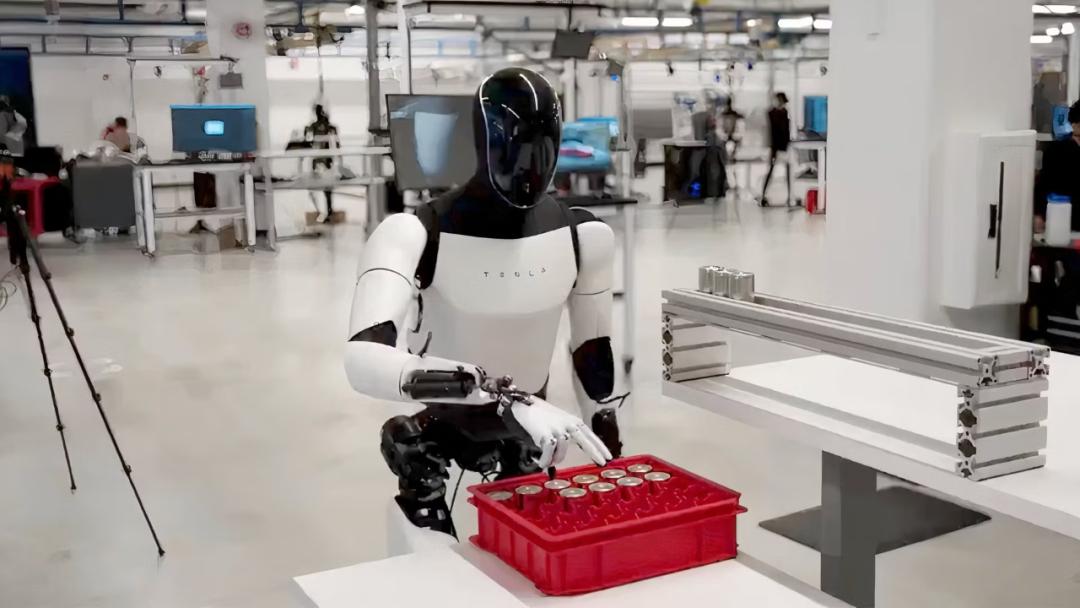
Core Viewpoint - The article discusses the rapid advancements in humanoid robots, highlighting their transition from novelty acts to practical applications in manufacturing, particularly in the automotive industry, marking a significant step towards the future of labor and production efficiency [1][2][6]. Group 1: Humanoid Robots in Manufacturing - Dongfeng Liuzhou Automobile announced the deployment of 20 UBTECH Walker S1 humanoid robots in its manufacturing plant, marking the first large-scale use of humanoid robots in automotive production [1][4]. - Tesla's Optimus Gen3 robots are enhancing production efficiency by replacing human labor in tasks such as battery sorting and equipment debugging, achieving a 30% increase in efficiency [2][4]. - In the BMW factory, the Figure AI supports complex logistics sorting with a low task interruption rate of less than 0.3%, indicating high reliability in operations [4]. Group 2: Global Competition and Market Dynamics - The competition in humanoid robotics is intensifying between the US and China, with the US focusing on AI algorithms and high-end chips, while China leverages lower labor costs and efficient supply chains [7][8]. - The US manufacturing sector employs nearly 12 million workers, with a total annual wage of $785 billion, suggesting that a significant number of humanoid robots could maintain current production levels [7]. Group 3: Technological Advancements and Challenges - The development of embodied intelligence in humanoid robots is crucial for their effective operation in real-world environments, as current models struggle with understanding complex physical tasks [9][12]. - UBTECH has introduced the BrainNet software architecture and a multimodal reasoning model to enhance the collaborative capabilities of humanoid robots, pushing towards a paradigm shift in their role from tools to collaborative partners in manufacturing [13][14]. Group 4: Future Outlook and Industry Implications - The article emphasizes the need for humanoid robots to transition from experimental phases to practical applications, focusing on their ability to adapt to human environments and tasks [10][11]. - The success of humanoid robots in industrial settings could lead to a new era of intelligent manufacturing, where human-robot collaboration becomes the norm [14][15].