
赛力斯

Search documents
“数据+”“跨界+” 观察·汽车产业加速向新质生产力跃迁
Yang Shi Wang· 2025-11-23 04:00
Group 1: Market Trends and Collaborations - The 2025 Guangzhou International Auto Show highlights the significant demand for electric vehicles (EVs) in China, prompting multinational car manufacturers to launch new products tailored for the Chinese market and accelerate local collaborations in the EV sector [1][5] - Audi emphasizes that China is a crucial market in its global strategy, collaborating with SAIC Group to integrate German quality and safety standards with China's digital ecosystem [3] - Ford's representatives note that the acceleration of partnerships with China in the EV sector is primarily due to China's robust and well-established EV supply chain [5][7] Group 2: Technological Innovations - Mercedes-Benz introduced its first pure electric model featuring technology inspired by Formula 1 racing, showcasing its commitment to developing EVs in both global and Chinese markets [9] - The company is enhancing localization efforts through innovation centers in Beijing and Shanghai, leveraging China's strong supply chain and technological ecosystem [11] - The automotive industry is undergoing a transformation with the integration of artificial intelligence and big data, which are reshaping the sector [12][15] Group 3: Data Utilization and Industry Development - The establishment of a trusted data space by the China Automotive Industry Association aims to break down data silos within the industry, integrating various stakeholders such as manufacturers, parts suppliers, and research institutions [16] - The trusted data space has shown significant results in the intelligent driving insurance sector by connecting data from consumers, manufacturers, and insurance companies to create a complete loop for accident responsibility determination [17] - The accumulation of over 17,000 wind tunnel data points by the China Automotive Engineering Research Institute is enhancing AI's ability to accurately assess vehicle aerodynamic performance, thereby improving development efficiency [19] Group 4: Expansion into Robotics - Automotive companies in Guangdong are leveraging their strong industrial chain advantages to venture into the robotics industry, exemplified by GAC Group's humanoid robot providing services at a metro station [20][22] - The chairman of XPeng Motors predicts that many companies in China's automotive industry will transition into physical AI companies in the coming decade [26] - The development of humanoid robots is seen as a significant direction in intelligent robotics, although it remains primarily in the research phase [27]

同輅同心20载,2025华輅奖揭晓
Zhong Guo Qi Che Bao Wang· 2025-11-23 03:52
Core Insights - The 2025 Huai Award ceremony took place on November 21, marking 20 years of recognizing excellence in the Chinese automotive industry [1][3] - The award has evolved from focusing solely on Chinese brands to including all passenger vehicles produced, sold, and used in China, enhancing the diversity of participants [3][63] Group 1: Event Overview - The Huai Award originated 20 years ago, initiated by the China Council for the Promotion of International Trade Automotive Industry Committee, and has seen over a thousand models participate [3] - The event atmosphere was celebratory, with industry leaders gathering to reflect on the past and discuss future developments [1][3] Group 2: Award Categories and Winners - The award categories included various segments such as hybrid, electric, and SUV models, with notable winners like the Aito M8 for Best Hybrid and the Avita 06 Ultra for Best Electric Vehicle [5][7] - Other significant awards included the Market Breakthrough Award for models like the Jietu X70L and the GAC Aion 2026, showcasing innovation and market impact [10][12][14] Group 3: Industry Evolution - The Huai Award's growth reflects the transformation of the Chinese automotive industry from "market for technology" to "technology wins market," indicating a shift towards innovation and quality [63]

雷军缺席!两大新主角联袂登场,“处处都有华为的身影”
中国基金报· 2025-11-23 03:14
Core Viewpoint - The 2025 Guangzhou International Auto Show highlights a shift in the automotive landscape, with significant participation from new players like Huawei's QianKun and a notable absence of established figures like Lei Jun from Xiaomi [4][6][10]. Group 1: Event Overview - The absence of key figures such as Lei Jun and Yu Chengdong has made the 2025 Guangzhou Auto Show feel less vibrant, but Huawei's QianKun has emerged prominently as a supplier and exhibitor [6][10]. - The proportion of new energy vehicles (NEVs) at the show reached 57.97%, up from 43.72% in the previous edition, indicating a growing trend towards electrification [4][14]. Group 2: Huawei's Role - Huawei QianKun has transitioned from a background role to a front-stage presence, showcasing partnerships with various automakers and emphasizing its smart automotive solutions [6][8]. - The collaboration between Huawei and automakers like Avita has deepened, with a focus on upgrading their partnership to include comprehensive areas such as user insights and product development [10]. Group 3: Trends in the Automotive Industry - The show revealed three major trends: the rise of large-scale and personalized vehicle models, the ongoing debate between pure electric and range-extended technologies, and the increasing importance of AI in automotive innovation [14][22]. - A total of 1,085 vehicles were displayed, with 629 being NEVs, reflecting a strong consumer interest in electric vehicles [14][17]. Group 4: Technological Innovations - AI technology is becoming a core driver of change in the automotive industry, with companies like Xpeng showcasing advancements in AI applications and autonomous driving capabilities [22][26]. - Several automakers are focusing on enhancing their AI capabilities, with plans to integrate advanced features into their vehicles, such as intelligent navigation and emergency response systems [27][28].

雷军缺席!两大新主角联袂登场 “处处都有华为的身影”
Zhong Guo Ji Jin Bao· 2025-11-23 03:04
Core Insights - The absence of key figures like Lei Jun at the 2025 Guangzhou Auto Show marks a shift in the automotive landscape, with Huawei's new brand, Huawei QianKun, emerging as a significant player [2][4] - The proportion of new energy vehicles (NEVs) at the show increased to 57.97% from 43.72% in the previous edition, highlighting the growing importance of NEVs in the market [2][8] Group 1: Industry Trends - The 2025 Guangzhou Auto Show showcased 1,085 vehicles, with 629 being NEVs, indicating a strong consumer interest in electric vehicles [8] - The event highlighted three major trends: the rise of personalized and large-volume models, the pursuit of individuality by automakers, and the ongoing debate between range-extended and pure electric technologies [9][10] Group 2: Huawei's Role - Huawei QianKun transitioned from a background supplier to a prominent exhibitor, showcasing partnerships with various automakers and emphasizing its smart automotive solutions [4][5] - The collaboration between Huawei and automakers like Avita is deepening, with a focus on upgrading their partnership to include comprehensive areas such as user insights and product development [4][5] Group 3: New Energy Vehicles - The introduction of new brands like "Qijing" by GAC Group in collaboration with Huawei aims to target the high-end smart NEV market, with plans to launch models priced around 350,000 yuan [5][6] - The competition between range-extended and pure electric vehicles remains a hot topic, with companies like NIO advocating for pure electric technology while others explore hybrid solutions [10] Group 4: AI Integration - AI technology is becoming a central theme, with companies like Seres and XPeng showcasing advancements in AI-driven automotive solutions [11][12] - XPeng's focus on AI applications, including autonomous driving and humanoid robots, reflects a broader trend of integrating AI into the automotive industry [12][14]

雷军缺席!两大新主角联袂登场,“处处都有华为的身影”
Zhong Guo Ji Jin Bao· 2025-11-23 02:55
Core Insights - The absence of key figures like Lei Jun at the 2025 Guangzhou Auto Show marks a shift in focus towards new players like Huawei's QianKun, highlighting a "new entrants, old exits" trend in the automotive industry [4][6] - The proportion of new energy vehicles (NEVs) at the show increased significantly to 57.97% from 43.72% in the previous edition, indicating a growing market presence for NEVs [4][11] Group 1: Industry Trends - The 2025 Guangzhou Auto Show showcased 1,085 vehicles, with 629 being NEVs, reflecting a strong consumer interest in electric vehicles [11] - A notable trend is the increasing emphasis on large, personalized vehicle models, with several companies launching flagship MPVs and SUVs during the event [13][14] - The competition between pure electric and range-extended technologies remains a hot topic, with various companies showcasing their respective advancements in these areas [15][16] Group 2: Company Collaborations - Huawei's QianKun brand is gaining traction as a key player, collaborating with multiple automakers like Avita and Dongfeng to enhance their vehicle offerings [8][9] - Avita and Huawei announced a strategic partnership to upgrade their collaboration model, expanding their joint efforts across various domains including product development and marketing [8] - The partnership between GAC Group and Huawei's QianKun aims to launch a high-end smart NEV brand named "Qijing," targeting the 350,000 yuan market segment [9] Group 3: Technological Innovations - AI technology is becoming a central theme at the auto show, with companies like Seres showcasing their advancements in smart electric vehicle platforms [16][19] - Xiaopeng Motors introduced several AI-driven applications, including a new generation of autonomous driving technology, set to enter mass production by 2026 [19][20] - The event highlighted the importance of self-developed capabilities in AI and autonomous driving among new automotive players, indicating a shift towards integrated technological solutions [20]
比亚迪起诉黑公关获赔31万,多家车企合力打击网络乱象
Sou Hu Cai Jing· 2025-11-23 02:22
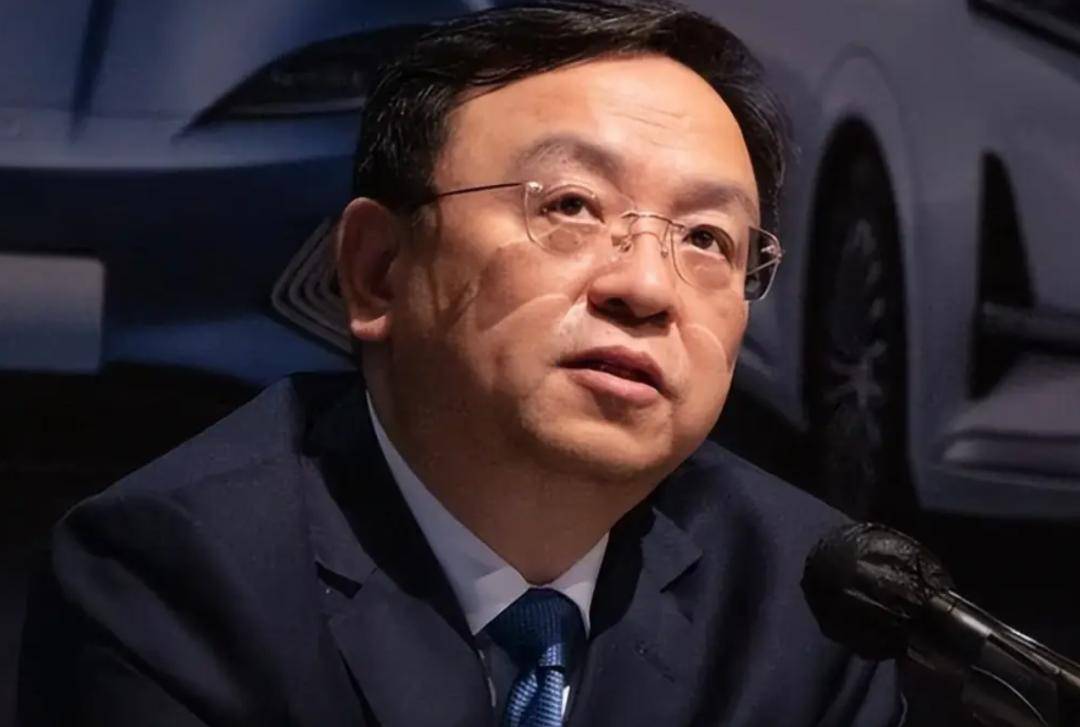
Core Viewpoint - BYD has taken legal action against online defamation, successfully winning a court ruling that requires the defendant to apologize and pay compensation of 313,800 yuan for damaging the reputation of its brand [2][4][5]. Legal Actions Against Defamation - BYD's legal victory against the self-media account "Wang Wukong Says Car" highlights the company's ongoing battle against online defamation, which has been a significant issue since 2021 [2][7]. - The court found that "Wang Wukong Says Car" published defamatory statements about BYD's Fangchengbao brand, constituting an infringement of BYD's reputation [4][8]. - BYD has initiated multiple lawsuits against various accounts, with a total of nearly 20 lawsuits filed in the past two years [7][9]. Industry Response to Black Public Relations - The automotive industry is witnessing a collective effort to combat black public relations, with several companies, including NIO and Deep Blue Auto, launching initiatives to gather evidence against malicious attacks [9][10]. - The National Development and Reform Commission has emphasized the need to address the chaotic state of the automotive industry, which includes issues like malicious smear campaigns and false advertising [9][10]. Financial Performance and Challenges - In the first three quarters of the year, BYD's net profit attributable to shareholders decreased by 7.55%, with a significant drop of 32.6% in the third quarter [3][17]. - Despite facing challenges from black public relations, BYD's Fangchengbao brand has shown strong market performance, achieving sales of 208,464 units, making it one of the fastest-growing new force brands [14][15]. - The company reported a revenue of 566.27 billion yuan for the first three quarters, a year-on-year increase of 12.75%, but faced a decline in third-quarter revenue for the first time since 2022 [16][17]. R&D Investment and Market Expansion - BYD has significantly increased its R&D investment, with expenditures reaching 43.75 billion yuan in the first three quarters, a 31.3% increase year-on-year [17]. - The company has achieved a cumulative global sales figure of 3.7019 million vehicles in the first ten months, marking a 13.88% year-on-year growth, with overseas sales contributing significantly to this growth [17].

跨国车企加速与中国开展新能源领域合作,AI成产业新动能
Bei Jing Ri Bao Ke Hu Duan· 2025-11-23 01:50
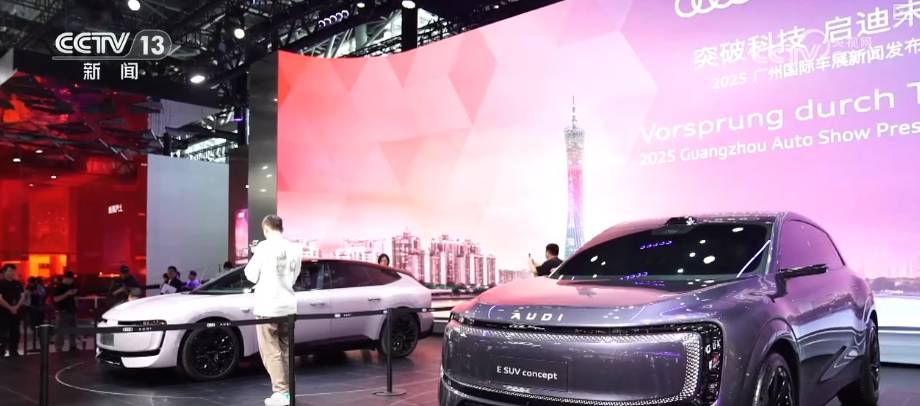
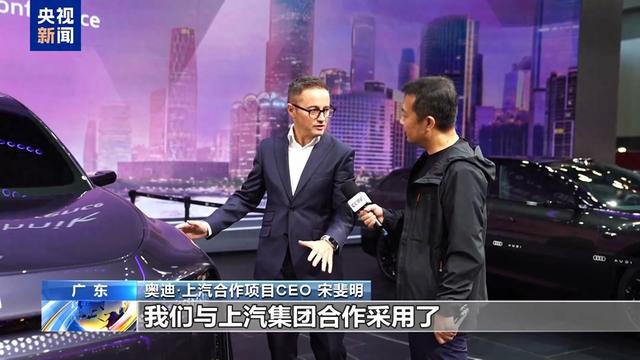
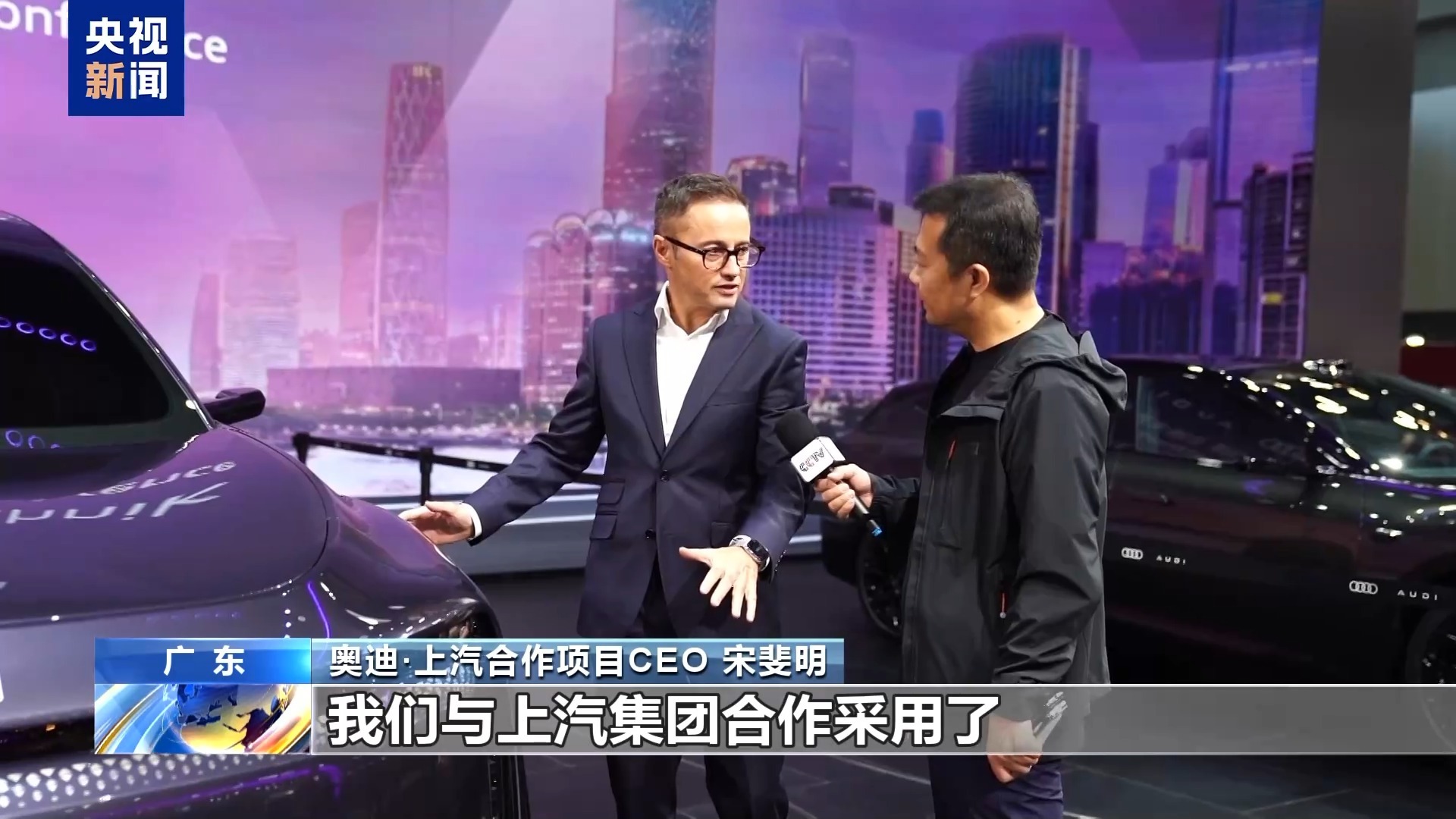
转自:北京日报客户端 正在举办的2025广州国际车展上,记者注意到,在中国新能源汽车市场巨大的需求驱动下,不少跨国车 企纷纷推出针对中国市场的新产品,同时加速与中国在新能源领域的本土化合作。 这家跨国车企自去年广州国际车展上首发新能源概念车后,今年再次首发全新SUV概念车,它的定义完 全契合中国高质量发展新源汽车的理念,搭载800伏高压,续航里程超过700公里。不仅如此,加速与中 国本土化合作,是这家跨国车企全新的战略。 奥迪·上汽合作项目CEO 宋斐明:中国是奥迪全球战略布局中最为重要的市场之一。我们与上汽集团合 作采用了中德协同的研发模式——德国团队与中国本土团队紧密合作,将德国品质与安全标准,与中国 数字生态实现无缝融合,让我们对品牌的未来充满信心。 美国福特相关负责人表示,在新能源汽车领域,之所以跨国车企加速与中国的合作,主要原因在于中国 有强大并且完善的新能源汽车产业链。 德国梅赛德斯-奔驰带来了首款F1赛车的纯电车型,它搭载了全球先进的电驱技术,这一举措是为了传 递在中国市场发展新能源汽车的决心,加大在中国的研发投入。 福特汽车公司副总裁 吴胜波:中国培养整个新能源汽车的产业链,至少有15年到20 ...
视频丨跨国车企加速与中国开展新能源领域合作 AI成产业新动能
Yang Shi Xin Wen· 2025-11-23 00:54
Core Viewpoint - The 2025 Guangzhou International Auto Show highlights the accelerating collaboration between multinational automotive companies and local Chinese firms in the electric vehicle (EV) sector, driven by China's substantial demand for new energy vehicles [1][5]. Group 1: Multinational Companies' Strategies - Several multinational car manufacturers are launching new products tailored for the Chinese market, emphasizing local collaboration in the new energy sector [1]. - Audi's CEO emphasizes that China is a crucial market for Audi's global strategy, utilizing a collaborative R&D model that integrates German quality with China's digital ecosystem [3]. - Ford's representatives note that the acceleration of partnerships with China is primarily due to the country's robust and comprehensive EV supply chain [5][6]. - Mercedes-Benz showcases its commitment to the Chinese market by introducing its first fully electric F1 car, indicating increased R&D investment in China [8][10]. Group 2: Data and Technology Integration - Big data is emerging as a new driving force in the automotive industry, with AI and data technologies reshaping the sector [11]. - The establishment of a trusted data space by the China Automotive Industry Association aims to eliminate data silos within the industry, integrating various stakeholders [13][15]. - The application of this data space in smart driving insurance has shown significant results by connecting data from consumers, manufacturers, and insurance companies to create a complete accident responsibility framework [16]. Group 3: Robotics and New Production Forces - Automotive companies are venturing into the robotics industry, leveraging their strong supply chain advantages [20][23]. - GAC Group's humanoid robot is designed to enhance service efficiency, representing a shift towards new productive forces in the automotive sector [21]. - Industry leaders suggest that many automotive companies will transition into AI-focused entities in the coming decade, emphasizing the importance of thorough feasibility studies to avoid redundant investments [25][27].
热点 | 2025新汽车合作生态交流会议程出炉
汽车商业评论· 2025-11-22 23:49
Core Viewpoint - The article discusses the upcoming World New Auto Technology Collaboration Ecosystem Summit, highlighting the importance of collaboration in the automotive industry and the focus on new technologies and supply chain development [1][5][29]. Group 1: Event Overview - The summit will take place on December 5-6, 2025, at the Wyndham Grand Suzhou, featuring various sessions including keynote speeches, roundtable discussions, and professional exchanges [12][21]. - Keynote speakers include executives from major automotive companies such as Dongfeng Motor Group, SAIC Volkswagen, and Geely, addressing current challenges and future prospects in automotive technology collaboration [12][21]. Group 2: Themes and Discussions - The summit will cover various themes such as the current state of automotive technology collaboration, supply chain development, and the evolution of intelligent cockpit systems [13][19][25]. - Roundtable discussions will focus on topics like the new dynamics of supplier relationships in the Chinese automotive market and the long-term trends in new energy vehicle range extension systems [13][19]. Group 3: Awards and Recognition - The event will also feature the 10th Lingxuan Award ceremony, recognizing outstanding contributions in the automotive parts industry, with various categories including Excellent Award, Gold Award, and Popularity Award [26][28]. - The awards aim to highlight the achievements of supply chain leaders and promote innovation within the automotive sector [26][28].



“油”又回来了?纯电车企重拾油箱 燃油巨头要做下一代油车
Nan Fang Du Shi Bao· 2025-11-22 15:28
Core Insights - The automotive industry is witnessing a shift where electric vehicle (EV) manufacturers are reintroducing fuel-powered vehicles, indicating a trend towards hybrid and range-extended technologies [1][4][6] - Major automakers, including joint ventures and independent brands, are adopting a dual approach of fuel and electric vehicles, emphasizing the coexistence of both technologies in the market [3][7][11] Group 1: Market Trends - At the 2025 Guangzhou Auto Show, several brands that previously identified as "pure electric" are now showcasing range-extended models, such as the Xiaopeng X9 and Zeekr 9X, highlighting a return to fuel technology [1][4] - The trend is supported by industry experts who predict that internal combustion engine vehicles will still account for about one-third of new car sales by 2040, as per the "Energy Saving and New Energy Vehicle Technology Roadmap 3.0" [10][11] Group 2: Consumer Demand and Technology - The re-emergence of fuel vehicles is driven by consumer concerns over range anxiety, charging infrastructure, and seasonal performance, which hybrid models can effectively address [8][9] - Companies like Xiaopeng and Geely are emphasizing the profitability of hybrid models, with Xiaopeng's X9 range-extended version promising significant cost savings compared to traditional fuel vehicles [4][8] Group 3: Strategic Responses from Automakers - Automakers such as GAC Toyota and Chery are reaffirming their commitment to fuel vehicles while also enhancing their hybrid offerings, indicating a strategic pivot rather than a complete shift to electric [3][7] - The automotive market is expected to maintain a diverse energy structure, with both electric and hybrid vehicles playing crucial roles in meeting consumer needs and adapting to varying regional infrastructure [9][12]
