
三星

Search documents
广东半导体材料“小巨人”要IPO了,年入11亿,供货苹果三星
Sou Hu Cai Jing· 2026-01-04 03:33
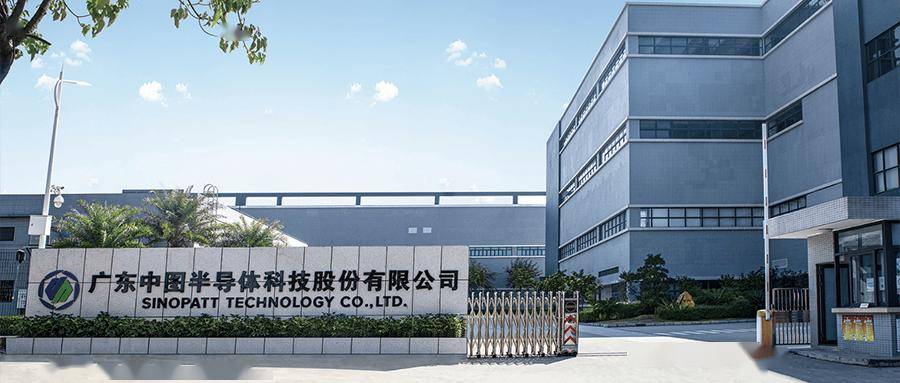
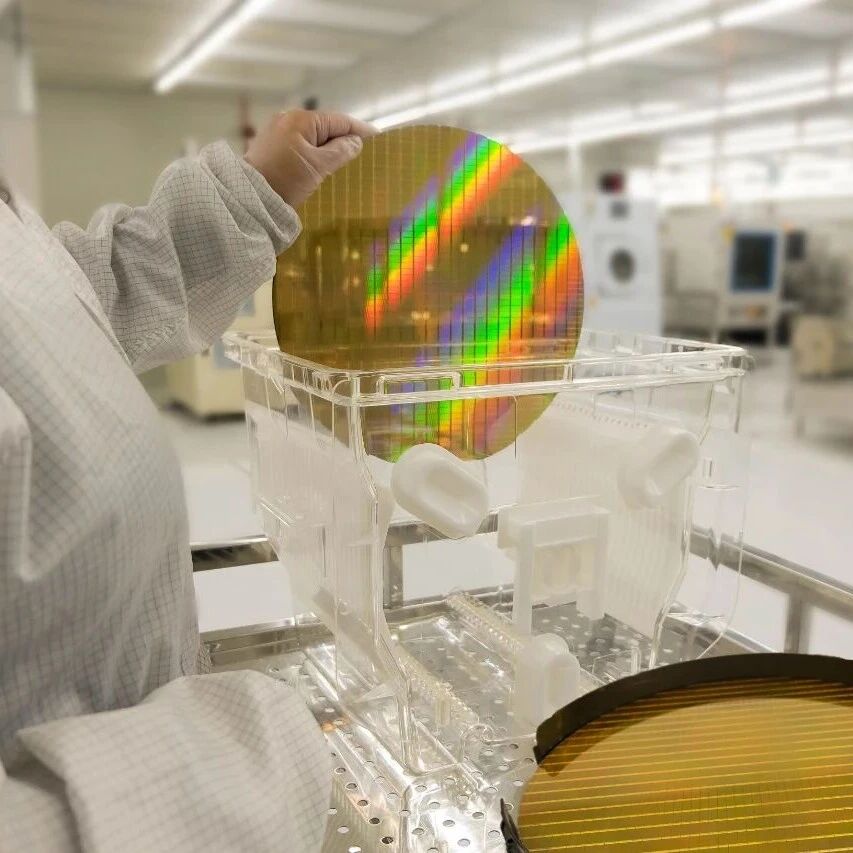
Core Viewpoint - Zhongtu Technology, a manufacturer of patterned substrates for GaN, has had its IPO application accepted, aiming to raise 1.05 billion yuan for projects related to Mini/Micro LED and automotive LED chips, as well as for a semiconductor substrate materials engineering research center and working capital [2][5]. Group 1: Company Overview - Zhongtu Technology was established in December 2013 with a registered capital of 426 million yuan and is recognized as a national-level "little giant" enterprise [2]. - The company specializes in the research, production, and sales of patterned substrates required for GaN epitaxy, leading the global market with an annual production capacity exceeding 18 million pieces of 4-inch patterned substrates [2][6]. - In 2023, Zhongtu Technology held approximately 32.76% of the global market share for patterned substrates [2]. Group 2: Financial Performance - The company's revenue for 2022, 2023, 2024, and the first half of 2025 was 1.063 billion yuan, 1.208 billion yuan, 1.149 billion yuan, and 532 million yuan, respectively, with net profits of 44 million yuan, 77 million yuan, 93 million yuan, and 41 million yuan [8][12]. - The main business gross profit margin for Zhongtu Technology was 22.51% in the first half of 2025, showing a significant increase from 11.86% in 2022 [15][16]. Group 3: Product and Market Position - Zhongtu Technology's main products include 2 to 6-inch patterned sapphire substrates (PSS) and 4 to 6-inch patterned composite material substrates (MMS), primarily used in Mini/Micro LED, automotive lighting, and display applications [6][12]. - The company has successfully developed and mass-produced patterned substrate products for Mini/Micro LED and has entered the supply chains of major companies like Apple and Samsung [4][24]. Group 4: Customer and Supplier Relationships - The top five customers accounted for over 69% of Zhongtu Technology's revenue, with significant sales to leading LED chip companies [22][25]. - The company has established a strong customer base, including major players in the consumer electronics and automotive sectors, such as BYD and NIO [24]. Group 5: Research and Development - As of June 2025, Zhongtu Technology employed 92 R&D personnel, representing 12.20% of its total workforce, and has developed key technologies for GaN-based LED chips [19]. - The company holds 44 authorized invention patents and maintains a significant amount of core technology as trade secrets [21]. Group 6: Industry Trends - The Mini/Micro LED market is rapidly growing, becoming a key technology direction for new display industries in China, providing substantial growth opportunities for Zhongtu Technology [32]. - The Chinese LED industry has established a complete and mature supply chain, enhancing cost control and efficiency, which benefits companies like Zhongtu Technology [34]. Group 7: Future Outlook - The company plans to maintain close communication with global chip leaders and other international brands to ensure continuous development and industrial upgrades for Mini/Micro LED substrates, aiming to sustain its global competitiveness [51].

消息指苹果A20芯片单颗成本280美元
Xin Lang Cai Jing· 2026-01-04 03:30
Core Viewpoint - Apple is set to launch its A20 chip with a production cost of $280, approximately 1958 RMB, which represents an 80% increase compared to the previous A19 chip, exceeding market expectations [1] Group 1: Chip Development - Samsung has released the world's first 2nm process chip, Exynos 2600, on January 3 [1] - Major manufacturers including Qualcomm, MediaTek, and Apple plan to adopt 2nm process technology in their next-generation flagship platforms [1] Group 2: Cost Implications - The shrinking of process technology is leading to increased wafer fabrication prices and rising yield pressure, which in turn is driving up the cost of System on Chip (SoC) [1]

韩国总统时隔9年再度访华,专家:李在明此访利于韩国“重新认识中国”
Di Yi Cai Jing· 2026-01-04 03:08
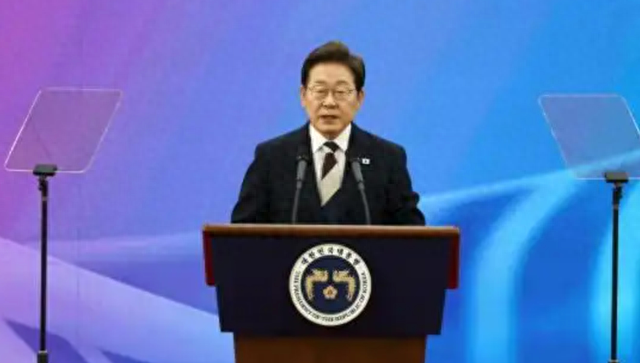
Group 1 - The core point of the news is that South Korean President Lee Jae-myung will visit China from January 4 to 7, 2026, marking his first state visit to China since taking office, and it is expected to enhance the strategic partnership between China and South Korea [1][7] - This visit is significant as it is the first state visit by a South Korean president to China in nearly nine years, following the visit of former President Moon Jae-in in 2017 [1][7] - The visit comes 215 days after Lee's inauguration and follows a previous meeting between the two leaders at the APEC summit in November 2023, indicating a renewed focus on bilateral relations [1][7] Group 2 - A key focus of Lee's visit will be to explore new economic cooperation models between China and South Korea, particularly in high-tech industries such as artificial intelligence [3][9] - Lee will lead a trade delegation of approximately 200 members, including representatives from major South Korean companies, to discuss economic collaboration [3][9] - The bilateral trade volume between China and South Korea has significantly increased from about $5 billion in 1992 to $328.08 billion in 2022, with China being South Korea's largest trading partner for 21 consecutive years [3][9] Group 3 - In 2023, South Korea experienced a trade deficit with China for the first time in 31 years, with exports to China amounting to $124.835 billion and imports totaling $142.849 billion, resulting in a deficit of approximately $18 billion [4][11] - The need for new cooperation models is emphasized due to the changing dynamics of trade, with the U.S. becoming South Korea's largest trade surplus country [4][11] - The second phase of the China-South Korea Free Trade Agreement (FTA) negotiations is expected to expand market access beyond industrial goods and agricultural products to include services and investments [4][11] Group 4 - South Korea's government has allocated 10.1 trillion won (approximately 53.5 billion yuan) for AI development in its 2026 budget, which is three times the budget for 2025, indicating a strong focus on high-tech industries [5][12] - There is a growing trend of bilateral investment, with Chinese investment in South Korea reaching $5.786 billion in 2024, a 266.1% increase year-on-year [6][13] - The recognition of China's technological advancements is crucial for South Korean companies, as they seek to enhance cooperation in sectors like electric vehicles and semiconductors [5][12][13]
不只是分拆,更是宣战:昆仑芯IPO单飞,百度豪赌AI硬科技
Sou Hu Cai Jing· 2026-01-04 02:25
Core Viewpoint - Baidu has officially announced the plan for the independent listing of Kunlun Chip Technology on the Hong Kong Stock Exchange, marking a significant event in the domestic AI computing power sector [2] Group 1: Motivations Behind the Spin-off - The first strategic motivation is value reassessment, as Baidu has been perceived primarily as an "internet advertising" platform, which suppresses its valuation in the AI sector. By spinning off Kunlun Chip, Baidu aims to enjoy a higher valuation premium as a tech company [3] - The second motivation is independent development, allowing Kunlun Chip to become a standalone AI chip supplier, which will help expand its customer base beyond Baidu's ecosystem [3] - The third motivation is independent financing, as chip development is capital-intensive. An independent listing will enable Kunlun Chip to secure more funding for its research and development [3] - The fourth motivation is leveraging the Hong Kong capital market to enhance Kunlun Chip's brand recognition and potentially open up international markets [4] Group 2: Kunlun Chip's Strengths - Kunlun Chip is positioned as a critical component of Baidu's AI strategy and is one of the few domestic AI chips that can compete with international giants in specific scenarios. Its overall valuation reached approximately 21 billion yuan by 2025 [5] - The performance of Kunlun Chip, particularly the P800 series, is noteworthy, achieving a FP16 computing power of 345 TFLOPS, which is more than double that of Nvidia's H20 chip tailored for the Chinese market [6] - Kunlun Chip has successfully secured large orders, including a 10 billion-level AI computing device procurement from China Mobile, indicating its transition from experimental phases to large-scale production [6] Group 3: Challenges and Concerns - One major concern is the ecological barrier, as Kunlun Chip faces challenges in migrating customers from Nvidia's established software ecosystem, which complicates the transition for enterprises [7] - Another issue is customer dependency, as significant orders currently come from government procurement and Baidu, raising questions about acquiring more clients in a fully market-driven environment [7] - Supply chain vulnerabilities exist, particularly with high-end chips relying on TSMC for manufacturing. Potential restrictions on TSMC's services to domestic companies could hinder Kunlun Chip's production capabilities [7] - The financial aspect is also concerning, as Kunlun Chip is projected to have a revenue of nearly 2 billion yuan in 2024 but will incur a net loss of about 200 million yuan, highlighting the high costs associated with AI chip development [8] Group 4: Implications for Baidu and the Industry - The spin-off of Kunlun Chip is seen as a pivotal move for Baidu, marking the beginning of its transition away from an advertising-centric model. A successful IPO would solidify Baidu's position in the "computing power infrastructure" sector [9] - If Kunlun Chip achieves a high valuation upon listing, it could significantly boost confidence in the domestic AI chip industry and potentially trigger a new wave of IPOs in the hard tech sector [9] - Overall, this move is a demonstration of Baidu's capabilities in both application-level internet services and foundational hard tech development, despite the competitive and ecological challenges ahead [10]

CES 2026前瞻:黄仁勋到处赶场站台,中国军团角逐AI明日终端
Tai Mei Ti A P P· 2026-01-04 02:13
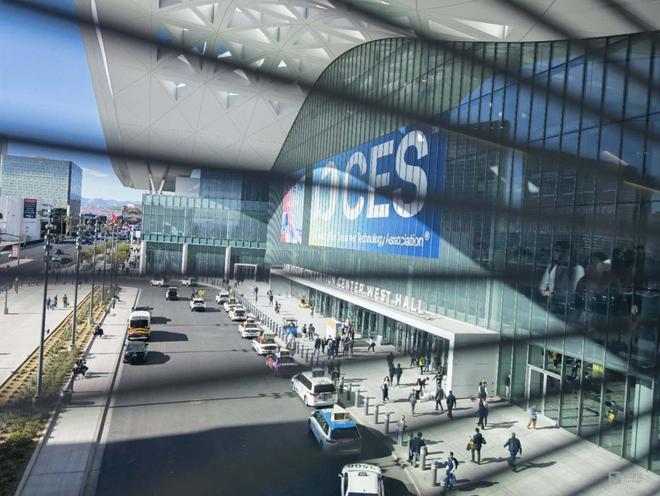
Group 1: CES 2026 Overview - CES 2026 will take place from January 6 to January 9, 2026, in Las Vegas, showcasing the latest innovations in technology and serving as a window to predict future trends in the tech industry [2] - A total of 4,112 companies will participate, with China and the US being the main players, despite Apple's absence [2] - The central theme of CES 2026 will revolve around AI, transitioning into the stage of practical applications and integration across various industries, including consumer electronics and automotive sectors [2] Group 2: Key Company Highlights - Nvidia, AMD, and Intel are expected to showcase significant advancements in AI technology, with AMD's stock having risen over 75% in the past year [5] - AMD will unveil its next-generation mobile processor, the Ryzen AI 400 series, featuring 12 Zen 5 cores and enhanced NPU capabilities [5] - Intel will introduce the third-generation Core Ultra series processors, boasting a 50% performance improvement over the previous generation [5] Group 3: AI Integration in Consumer Electronics - AI is increasingly embedded in consumer electronics, with major home appliance companies demonstrating deep applications of AI to enhance product efficiency [9] - Hisense will launch the world's first upgraded display technology featuring a "four-core architecture" and AI image processing capabilities [9] - TCL will present a wide range of display products, including the world's first printed OLED screen for automotive displays [10] Group 4: Robotics and Smart Home Innovations - The robotics sector is seeing a surge in companies showcasing products capable of complex tasks, with a significant presence from Chinese firms at CES 2026 [19] - New products include flying vacuum cleaners and stair-climbing robots, indicating advancements in smart home technology [14][16] - Companies like Ecovacs and Roborock are expected to unveil new models in the cleaning appliance category, with Ecovacs CEO scheduled to give a keynote speech [12] Group 5: AI-Driven New Devices - CES 2026 will feature a variety of AI-native devices, including AI glasses and headphones, with numerous companies participating in this emerging market [23] - XREAL will showcase its latest AI glasses, while other firms will present innovative AR products [25] - Lightwear AI, a new wearable device, will be introduced, aiming to redefine human-computer interaction in the AI era [26] Group 6: Industry Discussions and Networking - TiMedia will host multiple roundtable discussions on topics such as AI's impact on industries and the commercialization of embodied intelligence [31] - A high-end networking event, "China Innovation Night," will take place, bringing together leaders from global tech brands and AI ecosystems [31] - The event will also feature the release of the "2026 CES Innovation List," recognizing outstanding achievements in technology and design [31]




【数智周报】 Copilot整合效果不佳,微软CEO亲自出马介入整改;Meta数十亿美元收购Manus,肖弘将出任Meta副总裁
Tai Mei Ti A P P· 2026-01-04 01:55
【数智周报将整合本周最重要的企业级服务、云计算、大数据领域的前沿趋势、重磅政策及行研报 告。】 观点 吴恩达总结2025年AI发展四大关键词: 模型推理能力、AI人才争夺战、大规模AI基建、编程Agent普 及 1月30日,AI学术大牛、斯坦福大学教授、谷歌大脑联合创始人吴恩达在社交媒体平台发布公开信和一 篇长文,称2025年或将作为AI工业时代的黎明,并总结了今年AI发展的四大关键词:模型的推理能 力、AI人才争夺战、巨大规模的AI基建以及编程Agent的普及。关于模型的推理能力,吴恩达提到,它 已成为大多数新一代模型的内置常规能力,能显著提升模型在各种任务上的表现,而这一能力,在2025 年初还需通过特别提示来触发。在编程Agent的发展上,吴恩达认为,无需担心AI将取代初级开发者, AI辅助编程很快可能就被简单地视为编程本身,类似拼写检查和自动补全是写作的一部分,而擅长使 用AI的开发者的开发效率和质量将远胜以往。 国内资讯 华为2026年将持续战略聚焦 12月30日,华为轮值董事长孟晚舟在新年致辞中称,华为在2026年将持续战略聚焦、以质取胜,主要战 略方向包括强化行业垂直作战、构建鲲鹏昇腾生态、重构 ...

美国扩产,台积电利润率大跌
半导体行业观察· 2026-01-04 01:48
Core Viewpoint - The sustainability of chip production in the U.S. is a major concern, particularly for companies like TSMC, as it leads to a significant decline in profit margins [1] Group 1: Investment and Costs - TSMC plans to increase its investment in the U.S. supply chain by up to $300 billion, including building fabs and R&D facilities in Arizona [1] - The operational costs of TSMC's U.S. fabs are significantly higher, with total costs per wafer reaching $16,123 compared to $6,681 in Taiwan [2] - Labor costs and depreciation are the primary factors driving up costs in the U.S., with labor costs per wafer at $3,600 compared to $1,800 in Taiwan [2][4] Group 2: Profit Margins - The gross margin per wafer for TSMC in the U.S. is only 8%, a stark contrast to 62% in Taiwan, indicating a severe impact on profitability [2] - Depreciation costs in the U.S. are four times higher than in Taiwan, contributing to the decline in profit margins [4] Group 3: Strategic Goals - TSMC's expansion in the U.S. aims to mitigate geopolitical risks and ensure a resilient supply chain, supported by companies like NVIDIA [5] - Building a robust supply chain in the U.S. may take decades, but it is crucial for TSMC's long-term strategy [5]

仁桥资产投资备忘录2025:牛市如期而至,但这样的牛市似乎并不属于我们
Xin Lang Cai Jing· 2026-01-04 01:29
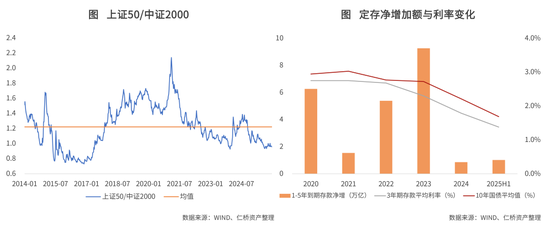
Core Insights - The bull market in 2025 has not benefited the company as expected, reflecting a lack of structural opportunities and strategic missteps [1][2][32] - The company acknowledges the need for continuous improvement and adaptation in investment strategies despite the cyclical nature of markets [1][2] Market Review - The global stock market in 2025 saw significant gains, with major indices in developed and emerging markets reaching historical highs, particularly in South Korea with a 76% annual increase [2][32] - The Chinese stock market also performed well, with both A-shares and Hong Kong stocks experiencing double-digit growth, yet the company's relative performance was disappointing [2][32] - The technology sector, especially in computing power, was identified as a missed opportunity, contributing to lower overall portfolio returns [2][33] Historical Context - The company reflects on past market conditions, particularly the extreme differentiation seen in 2013-2015 and 2020-2021, which led to significant investment challenges [3][34][35] - In 2013, the company faced difficulties due to a lack of adjustment in investment logic amidst changing economic conditions, resulting in poor performance [3][34] - The 2020-2021 period saw a focus on high-growth sectors, which, despite being viewed as overvalued, still yielded positive returns due to strategic positioning in certain stocks [3][35] Strategic Insights - The company recognizes the need to prioritize corporate governance in weak-cycle assets, particularly in state-owned enterprises, which may have lower efficiency compared to private firms [6][37] - A strategy to differentiate between strong and weak cycle assets is proposed, emphasizing the importance of governance in investment decisions [6][38] Overseas Investment - The company has made initial strides in overseas investments, particularly in Japan and Southeast Asia, although it acknowledges the need for deeper understanding of these markets [8][39] - Currency fluctuations are highlighted as a significant risk in overseas investments, necessitating careful consideration as investment scales increase [8][39] Future Outlook - The company anticipates a potential systemic revaluation of undervalued stocks in 2026, driven by ongoing liquidity support [10][42] - The AI computing bubble is expected to burst, with a focus on application and edge computing remaining crucial for future investment strategies [14][46][48] - The company emphasizes the importance of distinguishing between short-term market trends and long-term value creation, particularly in the context of consumer spending and economic recovery [19][21][43]
雷军:小字是陋习,骂小米应该客观;传比亚迪组建5000人智驾团队;人类首次「看见」黑洞扭曲时空 | 极客早知道
Sou Hu Cai Jing· 2026-01-04 00:53
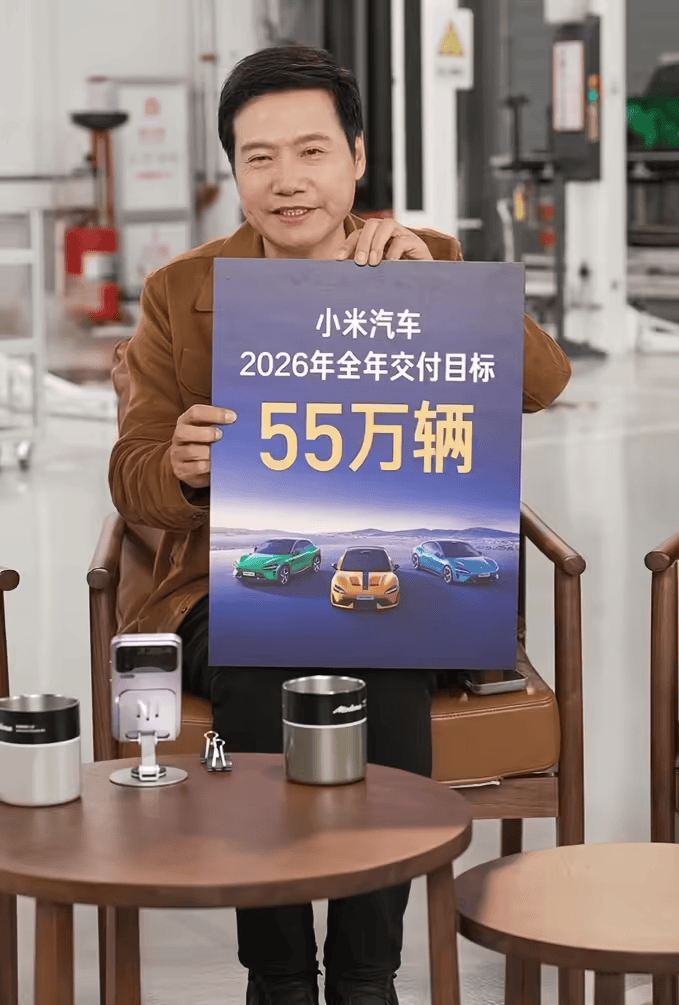
Group 1: Xiaomi - Xiaomi's founder Lei Jun announced a delivery target of 550,000 vehicles for Xiaomi Auto in 2026 [1] - Lei Jun acknowledged the industry's issue with "PPT small text" and committed to immediate rectification, emphasizing the importance of objective feedback from users [4] Group 2: BYD - BYD has formed a specialized team of over 5,000 people for driver assistance and plans to invest over 100 billion in smart technology [5] - By the end of 2025, BYD aims to have over 2.5 million vehicles equipped with the "Tianshen Eye" system, creating the largest vehicle cloud database in China [5] Group 3: Microsoft - Microsoft CEO Satya Nadella stated that 2026 will be a critical year for AI, emphasizing that application choices are more important than model capabilities [6] Group 4: Apple - Apple's upcoming A20 chip is projected to cost $280 per unit, marking an 80% increase from the previous A19 chip, making it the most expensive mobile processor to date [9] - The A20 chip will utilize TSMC's 2nm process and will feature advanced technologies to enhance efficiency and AI processing capabilities [10][11] - Apple plans to launch a new entry-level MacBook in Spring 2026, featuring a 12.9-inch display and the A18 Pro chip, aimed at the budget to mid-range market [16][17] Group 5: AI and Robotics - The first visual AI tennis robot, Tenniix, will debut at CES 2026, featuring smart tracking and adaptive training capabilities [11][12][15] - The robot will support voice interaction and provide personalized training experiences based on player performance data [15]



进博故事丨『人民日报』进博会是全球创新落地中国的桥梁
Xin Lang Cai Jing· 2026-01-04 00:25
Core Insights - The China International Import Expo (CIIE) has been a platform for companies like Samsung to showcase innovations and connect global technology with Chinese consumer demands over the past eight years [1][4] - Samsung's participation in the eighth CIIE highlighted its advancements in artificial intelligence, display technology, smart home appliances, semiconductors, mobile communication, and the Internet of Things [1][2] Group 1: Innovation and Product Development - Samsung showcased its latest foldable smartphone, the W26, which has evolved from a concept to a popular choice among Chinese consumers since its first introduction in 2019 [2] - The company presented its first 115-inch Micro RGB TV at the eighth CIIE, demonstrating advancements in display technology [2] - Samsung introduced the "AI Home" solution, featuring various AI modules that enhance smart living experiences, including a refrigerator capable of ingredient recognition and voice-activated door opening [2][3] Group 2: Market Adaptation and Consumer Engagement - Samsung is committed to addressing the evolving needs of Chinese consumers by launching products tailored to the local market, emphasizing the importance of innovation in enhancing user experience [2] - The Galaxy Ring, a smart health monitoring device, was also showcased, highlighting consumer interest in smart home appliances and health technology [3] Group 3: Investment and Supply Chain Development - Over the past eight years, Samsung has adjusted its investment strategy in China, with a total investment nearing $55 billion by the end of 2024, focusing on advanced industries [4] - The company has established a leading MLCC factory in Tianjin, which began mass production in 2021, meeting the high demand for electronic components in various sectors [5] - Samsung is actively enhancing its supply chain by collaborating with local suppliers to improve production capabilities and promote green supply chain initiatives [5]