优衣库

Search documents
孙正义成日本新首富!曾押中马云的他,豪赌AI获248%财富暴涨
Sou Hu Cai Jing· 2025-10-30 07:49
Core Insights - Masayoshi Son's net worth surged by 248%, reaching $55.1 billion, making him the new richest person in Japan, surpassing Uniqlo's founder Tadashi Yanai [1][3] - This dramatic increase in wealth is attributed to Son's significant investments in AI, particularly a $30 billion bet on OpenAI, which was largely financed through stock pledges and bank loans [3][6] - Son's strategy includes a comprehensive approach to AI, integrating ARM's chip technology with AI models, and a recent acquisition of ABB's robotics unit for $5.375 billion [6][7] Investment Strategy - Son's investment in OpenAI has positioned SoftBank with substantial influence in the AI sector, outpacing competitors like Microsoft [3][6] - The integration of ARM's architecture, which dominates 90% of mobile chips, with AI chip design is a key part of SoftBank's strategy [3][6] - Son's previous experience with Nvidia, where he sold a 5% stake for $4 billion in 2019, highlights the potential for missed opportunities in tech investments [3][6] Market Dynamics - The shift from traditional industries, exemplified by Yanai's steady success with Uniqlo, to tech-driven wealth accumulation reflects the changing landscape of wealth generation in the AI era [10][11] - Son's approach underscores the importance of early positioning and risk-taking in capitalizing on emerging technologies [10][11] - The ongoing evolution of AI presents numerous opportunities across the entire value chain, from chips to applications, indicating a robust market for future investments [11]



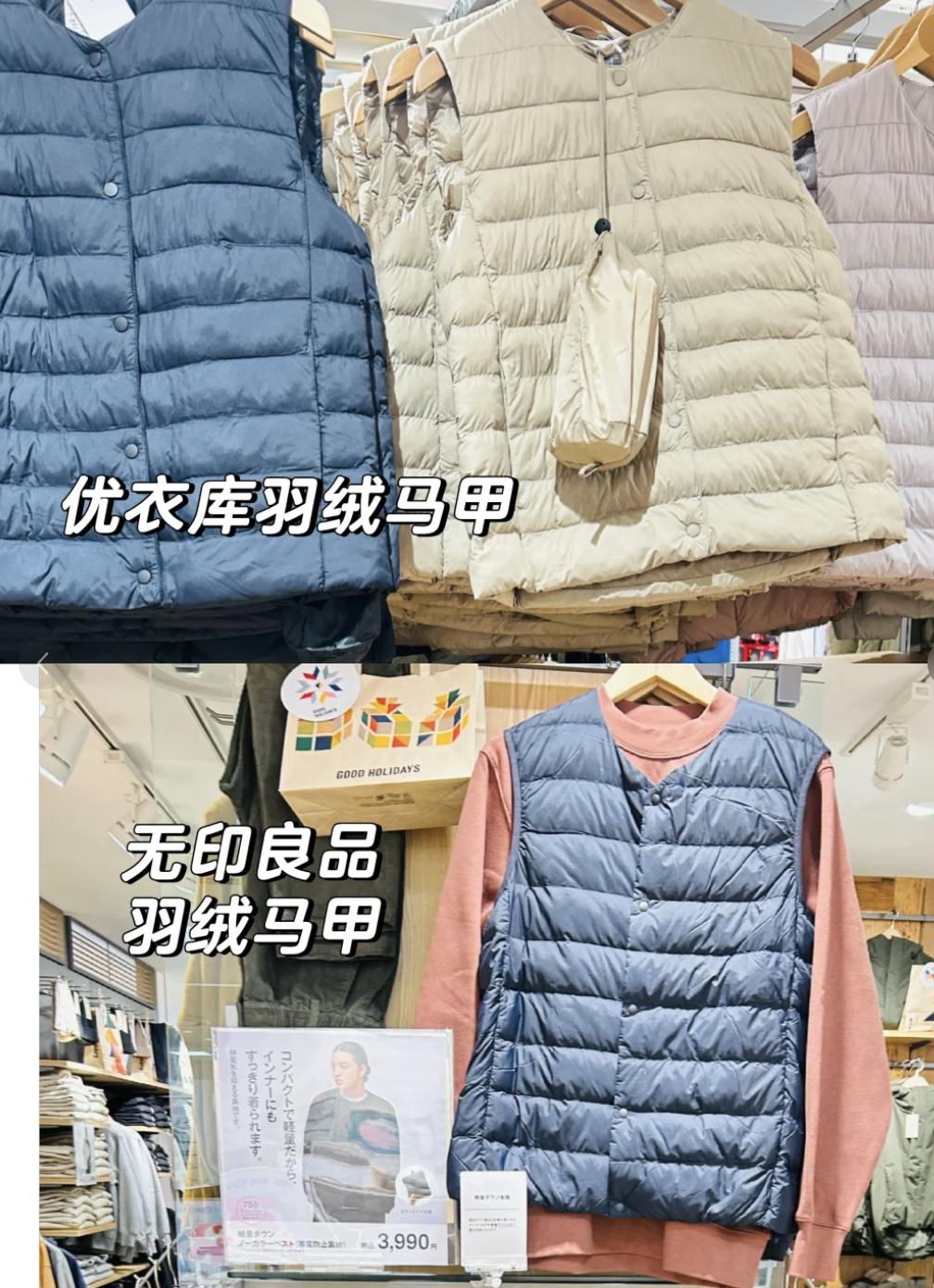
通勤马甲,年轻人的「新工服」
3 6 Ke· 2025-10-29 23:30
Core Insights - The vest has transitioned from being associated with specific activities like fishing and outdoor sports to becoming a versatile urban fashion item, symbolizing a lifestyle of being "light, in shape, and ready to go" for young people [1][4][22] Group 1: Fashion Evolution - Vests are now seen in various urban settings such as gyms, offices, and cafes, evolving from outdoor gear to a universal wardrobe staple for city dwellers [5][9] - Social media platforms are filled with diverse vest styling, showcasing its adaptability across different lifestyles, from fitness enthusiasts to office workers [4][5][19] - Brands like Lululemon and Nike are capitalizing on this trend by launching city-specific vest collections that blur the lines between sportswear and casual office attire [7][21] Group 2: Functional Appeal - The structural design of vests, featuring multiple pockets and lightweight materials, caters to the practical needs of urban life, allowing individuals to carry essentials without bulky bags [9][10] - Vests provide a sense of security and convenience for city commuters, serving as a substitute for bags while maintaining a stylish appearance [10][18] - The ability of vests to balance formal and casual styles makes them appealing across various demographics, from finance professionals to casual wearers [12][13] Group 3: Cultural Integration - The rise of "finance bro" culture has popularized the vest as an informal uniform in the financial sector, blending professionalism with a relaxed style [7][12] - Social media trends, particularly on platforms like Xiaohongshu and Instagram, highlight the vest's role in bridging the gap between athletic and everyday wear, reinforcing its status as a key layering piece [19][21] - The vest's popularity reflects a broader cultural shift towards a more relaxed yet functional urban lifestyle, emphasizing lightness and versatility in daily attire [22]
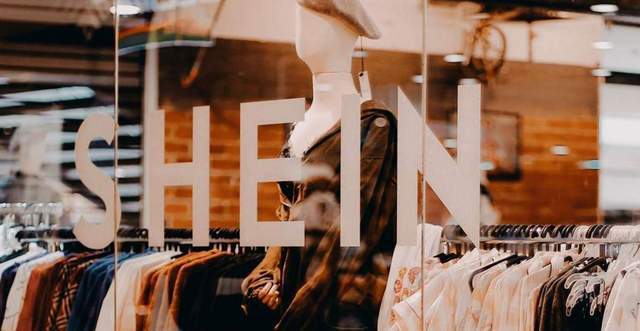
广州的超百亿投资,藏着SHEIN全球爆单的密码
Sou Hu Cai Jing· 2025-10-29 11:13
Core Insights - SHEIN is heavily investing over 10 billion in upgrading its smart supply chain while experiencing significant growth in overseas markets [1][20] - The company has adopted a unique "small order quick response" flexible supply chain model, allowing it to minimize inventory and respond rapidly to market trends [4][6] - SHEIN's initiatives include a systematic carbon reduction project for suppliers, enhancing both environmental and economic benefits [1][7] Group 1: Market Performance - SHEIN ranks as the third largest fashion retailer globally, surpassing brands like ZARA, H&M, and Uniqlo, with a market share of 1.53% in 2024 [5] - The app has maintained the top position in global fashion apparel downloads and is the second most downloaded shopping app in the U.S. as of August [5] - Google search volume for SHEIN surged by 25% last month, indicating rising consumer interest [5] Group 2: Supply Chain Innovations - The "small order quick response" model allows SHEIN to produce only 100-200 pieces initially, significantly reducing inventory levels compared to the industry average of 30% [6][7] - SHEIN has developed over 170 innovative tools since the establishment of its Fashion Manufacturing Innovation Research Center, improving operational efficiency by an average of 80% [12][19] - The company is investing in smart supply chain facilities, including a 35 billion yuan project in Zhaoqing, expected to create 20,000 to 30,000 jobs [13] Group 3: Sustainability Efforts - SHEIN's carbon reduction project aims to assist suppliers in achieving net-zero targets while improving energy management and reducing operational costs [1][8] - The company is collaborating with Donghua University to develop a new generation of recycled polyester technology, enhancing the sustainability of its materials [15][17] - SHEIN's initiatives in digital transformation and green practices are expected to significantly reduce water usage and carbon emissions, contributing to the sustainable development of the fashion industry [19][20]

解读SHEIN战略:以全球市场滋养本土产业链根基
Sou Hu Cai Jing· 2025-10-29 10:14
Core Insights - The global fashion industry is experiencing a divide, with traditional giants like Inditex and H&M facing challenges while emerging players like SHEIN are rapidly gaining market share [2][20] - SHEIN is projected to become the largest player in the global fashion market by 2025, with significant increases in web traffic and brand recognition among younger consumers [2][20] Group 1: Market Dynamics - Traditional fashion brands are seeing single-digit sales growth, contrasting with SHEIN's substantial traffic increase of 9.74% in August [2] - In a survey, 90% of young girls in the U.S. recognized the SHEIN brand, highlighting its strong market presence [2] - The shift from large orders to smaller, more personalized orders is driven by changing consumer preferences for unique products [7] Group 2: Operational Efficiency - SHEIN's model of small orders and quick response times allows factories to maintain low inventory levels, reducing unsold stock to single digits [6] - Factories partnering with SHEIN have reported significant increases in order volumes and faster payment cycles, enhancing operational stability [6][20] - The traditional manufacturing model is evolving, with a focus on digital transformation and efficiency improvements through technology [8][12] Group 3: Technological Innovation - SHEIN has invested in over 170 tools to enhance production efficiency, achieving an overall efficiency increase of 80% for suppliers [12] - Automation and digital tools are being implemented in factories, reducing reliance on manual labor and improving quality control [9][12] - New technologies in fabric printing and garment production are significantly reducing water usage and energy consumption, contributing to sustainability goals [18][19] Group 4: Strategic Investments - SHEIN is investing over 10 billion yuan in smart and green supply chain initiatives, including the establishment of smart industrial parks [14][15] - The company aims to create a collaborative ecosystem among small and medium-sized factories to enhance competitiveness and efficiency [15][20] - SHEIN's commitment to achieving net-zero emissions by 2050 reflects its focus on sustainability and environmental responsibility [16][18] Group 5: Competitive Positioning - SHEIN has surpassed traditional retailers like Zara and H&M to become the third-largest fashion retailer globally, with a market share of 1.53% [20] - The company's success is attributed to its innovative business model, digital supply chain transformation, and strategic investments in the domestic market [20] - SHEIN's approach serves as a new model for international expansion, leveraging profits from global markets to enhance local supply chains [20]
中国超市,开到宇宙尽头
创业邦· 2025-10-24 10:13
Core Insights - The article discusses the global presence of Chinese supermarkets, highlighting their establishment in various regions, including remote areas like Savannah, Jamaica, and urban centers in Latin America [5][6]. - It emphasizes the role of familial and social networks in the migration and establishment of Chinese immigrants in the supermarket business, often leading to a proliferation of small, family-run stores in emerging markets [6][17]. - The challenges faced by these supermarkets, including theft and violence, are underscored, particularly in regions with high crime rates like Jamaica and Argentina [9][12][13]. Group 1: Distribution and Establishment - Chinese supermarkets can be found in diverse locations worldwide, from urban centers to remote areas, indicating a widespread and resilient business model [5][6]. - The migration patterns of Chinese immigrants often involve familial connections, where individuals are brought over by relatives to work in supermarkets, leading to a network of small businesses [6][17]. - In developed markets, larger chains like 99 Big Chinese Supermarket have emerged, while in emerging markets, small family-run stores dominate the landscape [6][20]. Group 2: Operational Challenges - Theft is a significant issue for Chinese supermarkets, with incidents occurring frequently, and the nature of theft varies widely among different demographics [8][9]. - In Jamaica, the local economy's reliance on illegal activities contributes to a culture where theft is normalized, complicating the operational environment for supermarkets [9][10]. - In Argentina, the economic instability, marked by a 211.4% inflation rate in 2023, exacerbates the risks of robbery and theft, impacting supermarket operations [12][13]. Group 3: Business Model and Strategy - The entry barrier for operating a supermarket is relatively low, requiring only initial capital and basic operational skills, making it accessible for many immigrants [17][20]. - Successful supermarket operations often rely on understanding local consumer needs and maintaining a steady supply of popular products, particularly during peak seasons like Christmas [19][20]. - The article notes that while traditional supermarkets may seem mundane, they provide a stable income for many Chinese immigrants, allowing them to lead a decent life in foreign countries [20][30]. Group 4: Social Dynamics and Community - The social networks among Chinese immigrants play a crucial role in business operations, with shared resources and information being vital for survival in competitive markets [25][29]. - Many Chinese supermarket owners prefer to remain low-profile and avoid conflicts, often resorting to paying off local authorities to ensure business continuity [13][29]. - The article highlights a tendency among Chinese immigrants to maintain a distance from local communities, often leading to a sense of isolation despite their significant contributions to local economies [29][31].
太疯狂!3.7万品牌入局,40万门店火速覆盖,阿里终于亮出底牌
Sou Hu Cai Jing· 2025-10-22 17:51
Core Insights - Taobao has launched a new feature called "Flash Purchase" for this year's Double Eleven, allowing customers to receive products from nearby stores within two hours instead of waiting for long delivery times [1][3] - The Flash Purchase service has seen significant participation, with 37,000 brands and 400,000 offline stores involved, enhancing the shopping experience for consumers [3][5] Group 1: Flash Purchase Performance - In August, Taobao's Flash Purchase averaged 80 million orders per day, with a peak of over 120 million orders in a single day, indicating strong consumer demand [9] - Half of the users of Flash Purchase are aged 20 to 30, while the other half consists of 88VIP members and frequent shoppers, showcasing its appeal across different consumer demographics [10] Group 2: Integration and Efficiency - Alibaba has integrated previously separate resources, allowing for efficient order fulfillment by utilizing delivery networks and inventory management systems [14][16] - The system automatically determines which store to source from and which delivery rider to assign, significantly improving operational efficiency [16] Group 3: Impact on Brands - Brands like Li Ning and Muji are adapting their business models to leverage Flash Purchase, turning stores into mini-warehouses to fulfill orders quickly [20][22] - This shift allows for real-time synchronization of inventory between online and offline channels, enhancing customer satisfaction and reducing discrepancies [22] Group 4: Competitive Landscape - Other platforms like Meituan and JD are also offering fast delivery services, but Alibaba's approach focuses on leveraging brand partnerships and store networks to ensure quality and speed [24] - The goal for this year's Double Eleven is not just about sales volume but ensuring reliability and speed for both brands and consumers [24][27]

2025年《财富》中国最佳设计榜揭晓
财富FORTUNE· 2025-10-22 04:08
Core Insights - The article emphasizes the transformative impact of AI on design and its integration into various applications, reshaping daily life and work experiences [1][2] - It highlights the evolving role of designers from mere creators to value anchors, focusing on human emotions and needs in their designs [2][4] Group 1: AI Integration in Design - AI has emerged as a "super brain" for designers, enhancing their creative processes while emphasizing the importance of human judgment [2] - Numerous projects on this year's list incorporate AI technology, aiming to resonate with human emotions and fulfill real needs, such as the AI Eva intelligent cockpit assistant [2][85] - The rise of humanoid robots like the Expedition A2 marks a significant step in AI's physical integration into various service roles [7] Group 2: Social Impact of Design - The most compelling designs leverage technology to address societal vulnerabilities, such as artificial hearts for heart failure patients and bionic knee joints for the disabled [3] - Projects like the humanized customer service approach by Neusoft demonstrate a commitment to personal interaction over automation, particularly for elderly patients [3][21] - Designs that utilize "low-tech" solutions to meet emotional needs, such as aesthetic improvements in public restrooms, showcase a focus on human dignity [3][22] Group 3: Sustainability in Design - Sustainable practices have evolved from material innovation to systemic thinking, with projects like Elix Water's 100% recyclable paper bottles replacing plastic [4][102] - The production line by Shenghong captures CO2 from industrial gases to create fashionable fabrics, illustrating a shift towards sustainable design as a core requirement [4][62] Group 4: Notable Projects - The list of 50 projects showcases a deep dialogue between technology and humanity, highlighting the core value of designers in the AI era: empathy and insight [4] - Examples include the HEATTECH series by Uniqlo, which combines comfort and warmth through innovative fabric technology [14] - The eVTOL cargo aircraft by Shanghai Fengfei Aviation Technology represents a significant advancement in low-altitude logistics and emergency response applications [10][11]

美国关税下狠手!东南亚商品加税超20%,优衣库为啥死扛不迁厂?
Sou Hu Cai Jing· 2025-10-21 08:59
Core Viewpoint - The article discusses Uniqlo's strategy in response to the stringent U.S. tariff policies, highlighting the complexities behind its decision to maintain its supply chain in Asia rather than relocating to the U.S. [1][3] Group 1: Tariff Impact - By 2025, U.S. tariffs on Chinese goods will increase, with additional tariffs of 20% to 49% on products from Southeast Asian countries and 24% on non-automotive products from Japan [1] - In FY2025, Uniqlo's North American revenue is projected to grow by 24.5%, with profits increasing by 35.1%, contributing significantly to Fast Retailing's net profit of $2.8 billion [1] - Fast Retailing estimates that tariffs could reduce profits by 1% in FY2025, with a more significant impact expected in the second half of the fiscal year [1] Group 2: Supply Chain Strategy - Uniqlo's supply chain is heavily reliant on Asia, with approximately 30% of production in China and the majority in Southeast Asia, making it vulnerable to U.S. tariffs [1] - The company's operational model emphasizes "Japanese design, Asian production," allowing it to produce high-quality, cost-effective products recognized globally [4] - Asian factories offer flexibility in design changes, producing samples in 5 to 7 days, while U.S. production lacks this efficiency and skilled labor [6] Group 3: Response Strategies - Uniqlo has adopted a short-term strategy of stockpiling goods in the U.S. to mitigate the immediate impact of tariffs [6] - The company plans to increase prices by 10% to 15% on certain products in the U.S. market starting in Fall 2025, indicating a need to maintain profitability despite rising costs [6] - Fast Retailing is diversifying its strategy, focusing on North America and Europe due to slowing growth in China, with plans to open flagship stores in Chicago and San Francisco by 2026 [7] Group 4: Lessons for Other Companies - Uniqlo's approach serves as a model for other companies facing tariff pressures, emphasizing that relocating production can be more costly than the tariffs themselves [9] - The company maintains its competitive edge by leveraging its Asian supply chain while employing strategies like stockpiling, price adjustments, and production location changes to navigate economic challenges [9]

「 i 人经济真相」社恐≠不花钱:你不理我,就是最好的服务
Sou Hu Cai Jing· 2025-10-21 05:36
Core Insights - The "i-person" label has evolved from representing introversion to embodying a lifestyle characterized by selective social engagement and prioritizing personal comfort and happiness [1] Group 1: Market Trends - The "one-person dining" market in China is projected to exceed 1.2 trillion yuan by 2025, indicating a significant shift towards solo dining experiences [3] - The pet economy, particularly for cats, has surpassed 100 billion yuan, reflecting a growing trend of low-social-energy emotional connections among consumers [3] - The Chinese instant retail market is expected to reach 751.5 billion yuan by 2024 and surpass 1 trillion yuan by 2026, showcasing the demand for convenience and reduced social interaction [21][22] Group 2: Consumer Behavior - Consumers are increasingly favoring low-pressure social interactions facilitated by online platforms, such as gaming companions and AI chatbots, which cater to the "i-person" preference for controlled social environments [5] - The rise of self-service retail and hotels aligns with the "i-person" desire for minimal interaction, with the self-service retail market projected to reach 128 billion yuan by 2024, growing at 40.2% year-on-year [12][15] - The surge in self-study rooms, with a 523.7% increase in registered businesses in 2023, highlights the demand for focused, undisturbed environments for learning [18][20] Group 3: Technological Integration - The global AR/VR market is expected to reach $39.7 billion by 2029, with China leading the growth at over 40%, indicating a strong preference for immersive, independent entertainment experiences among younger consumers [7][10] - AI applications, such as Saylo AI, are becoming essential tools for "i-persons," providing companionship and emotional support through interactive experiences [5][8] Group 4: Emotional and Psychological Aspects - The trend of collecting designer toys among younger generations serves as a form of emotional expression and connection, with the market expected to exceed 80 billion yuan by 2025 [10] - The "i-person" economy reflects a broader cultural shift towards valuing personal space, emotional well-being, and self-determination in consumer choices [23]
当优衣库UT系列也用上了AI设计
36氪未来消费· 2025-10-21 04:11
Core Viewpoint - The controversy surrounding the collaboration between Uniqlo and Oriental Kopi highlights the potential risks of using AI-generated artwork in branding, raising questions about authenticity and local artist support [2][5][16]. Summary by Sections Collaboration Details - Uniqlo partnered with Oriental Kopi to release a collection featuring T-shirts and canvas bags adorned with illustrations of local food items, which have been criticized as AI-generated [3][5]. - The collection includes five T-shirt designs and two canvas bags, showcasing popular Malaysian food items and the café's exterior [3]. Artist Reactions - Local artists expressed anger and disappointment over the use of AI-generated designs, emphasizing the need for authentic local artistry [5][16]. - Illustrators pointed out flaws typical of AI-generated images, such as "image defects" and "structural misalignment," suggesting that the designs were not created by skilled artists [3][5]. Financial Implications - Uniqlo's UTme service allows customers to customize T-shirts, but the revenue from this service has not been disclosed [8][9]. - The local market for commercial illustrations typically ranges from 20 to 250 Malaysian Ringgit (approximately 30 to 421 RMB), indicating that hiring local artists would be financially feasible for a brand like Uniqlo [9]. Brand Strategy and Market Position - Uniqlo has been focusing on localizing its strategy in Southeast Asia, where it has seen significant growth, contributing approximately 31% of its overseas revenue [12]. - The incident reveals potential weaknesses in Uniqlo's quality control and understanding of local cultural sentiments, which are crucial for successful market penetration [12][16]. Broader Industry Context - The use of AI in creative processes is becoming more common, but it raises ethical questions about the value of human creativity and the implications for brand integrity [15][16]. - Similar controversies have arisen in the fashion industry, such as H&M's use of AI models, indicating a growing tension between technology and traditional creative practices [14][15]. Consumer Response - Social media has seen a rise in hashtags supporting local artists and opposing AI-generated content, reflecting consumer demand for authenticity and respect for local culture [16].