
奔驰

Search documents
BBA或成下一个「诺基亚」
雷峰网· 2025-03-02 15:11
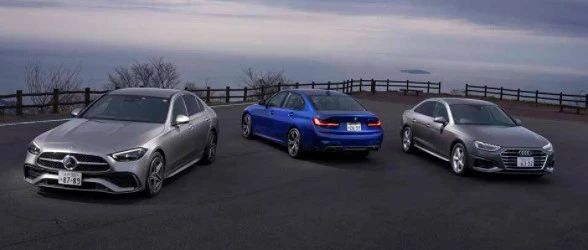
Core Viewpoint - The luxury car market is facing significant challenges as traditional brands like BBA (Benz, BMW, Audi) struggle against the rise of Chinese automakers and the shift towards electric and smart vehicles [2][4][15] Group 1: Market Dynamics - Domestic car manufacturers are breaking the market dominance of luxury brands, leading to ongoing public disputes and competitive comparisons [2][3] - BBA's market share in China, which was as high as 94.03% in 2012, is declining as they face sales drops: BMW down 4%, Mercedes-Benz down 4%, and Audi down 11.8% in 2024 [6][15] - The financial performance of BBA is deteriorating, with Mercedes-Benz's net profit down 53.8%, BMW down 83.8%, and Audi down 91% [6][15] Group 2: Industry Challenges - The traditional luxury car brands are experiencing a crisis similar to that faced by Nokia, as they struggle to adapt to the new electric and smart vehicle landscape [4][15] - BBA dealerships are closing or facing severe financial difficulties, with reports of significant losses among dealers, reaching a 50.8% loss rate [6][7] - Price wars are intensifying in the automotive industry, forcing traditional luxury brands to lower prices to maintain market share [6][15] Group 3: Technological Shift - The emergence of Chinese brands like BYD and Xiaomi is redefining luxury, focusing on advanced technology and smart features rather than traditional mechanical superiority [11][15] - Chinese automakers are rapidly developing a complete ecosystem from raw materials to charging infrastructure, with over 3.39 million public charging stations established by October 2024 [11][15] - The definition of luxury is shifting from brand prestige to technological capabilities, data scale, and ecosystem integration [15][16] Group 4: Future Outlook - The luxury car market is transitioning to a fragmented landscape where multiple standards coexist, similar to the smartphone market evolution [15][16] - The decline of BBA may not lead to their complete replacement but rather a diversification of luxury standards in the automotive industry [15][16]

固态电池|全固态电池有望27年装车,把握电池、材料、设备、资源端投资机会
中信证券研究· 2025-03-02 11:02
Core Viewpoint - The industry consensus on the timeline for solid-state battery deployment has converged to 2027 for small-scale production and 2030 for large-scale commercialization, indicating a clearer technological roadmap and increased demand for lithium resources and equipment [1][2][11]. Group 1: Solid-State Battery Deployment Expectations - Leading battery manufacturers and experts have indicated that solid-state batteries are expected to begin small-scale production by 2027, with large-scale commercialization anticipated by 2030 [2]. - The convergence of expectations suggests a clearer technological path, transitioning from single sulfide to mixed sulfide and halide materials, which will drive demand for lithium battery equipment and resources [2]. Group 2: Materials Sector - The materials sector is expected to develop along two main lines: the establishment of new solid-state electrolyte routes and the shared materials benefiting from the solid-state battery industry [3][4]. - The solid-state electrolyte routes are likely to stabilize, with a focus on sulfide materials by major players like CATL and BYD, while conductive agents and silicon anodes are projected to see increased usage in solid-state batteries [4]. Group 3: Equipment Sector - The lithium battery equipment sector is showing signs of recovery, with expectations for a dual rebound in orders and performance by 2025 as major manufacturers ramp up production capacity [5][6]. - The transition to solid-state battery manufacturing is expected to drive new investment in equipment, particularly as the industry prepares for significant advancements in production technology [6]. Group 4: Resource Sector - The demand for zirconium, a key raw material for oxide electrolytes, is projected to increase significantly, with expectations of reaching 78,000 tons by 2030, which is 395 times the demand in 2023 [7]. - The industrialization of sulfide and lithium metal anodes is expected to double lithium consumption, with significant advancements in production capabilities being reported [7]. Group 5: Future Events in the Solid-State Battery Industry - Major events in 2025 include the unveiling of Hyundai's solid-state battery production line and the Shanghai Auto Show, which are anticipated to be key platforms for solid-state battery developments [8]. - The introduction of new models featuring semi-solid-state batteries by SAIC's MG brand is expected to occur in Q2 2025, potentially marking a significant milestone in the commercialization of semi-solid-state battery technology [8].

晚点独家丨问界 M7、M9 提前改款,赶在竞品集中上市前
晚点LatePost· 2025-02-28 12:52
以下文章来源于晚点Auto ,作者晚点团队 晚点Auto . 从制造到创造,从不可能到可能。《晚点LatePost》旗下汽车品牌。 问界全新车型 M8 预计二季度上市。 文丨曾兴 编辑丨龚方毅 我们从多个独立信源处获悉,问界 M9 改款车型将于近期上市,较原计划提前近一个季度。 处在竞争更激烈的 20 万元至 30 万元 SUV 市场的问界 M7,确实需要通过改款重新激活销量。1 月问界 M7 卖出 0.8 万辆,销量已不足高峰时期的三分之一。 改款后的问界 M7 可能会上调车型价格和定位,与智界 R7 区隔,同时也和将在今年年中上市的小米 YU7 错 位竞争。小米 YU7 定位中高端纯电 SUV,处在 25 万至 35 万元价格带,从工信部申报信息来看,共有三个 版本,可能延续小米 SU7 的车型策略,推出标准版、Pro 版和 Max 版。 2 月 19 日,工信部新车申报目录出现改款问界 M9,从申报信息看,新车外观延续了家族式设计,改款主 要为动力和智驾水平的提升。新车将搭载型号为 HG15T 的增程器,与问界 M8 一致。增加了两颗侧向和 一颗后向激光雷达,在硬件上和尊界 S800 看齐。 全新车型问 ...

52万,小米SU7 Ultra最大的问题是卖便宜了?
36氪· 2025-02-28 09:25
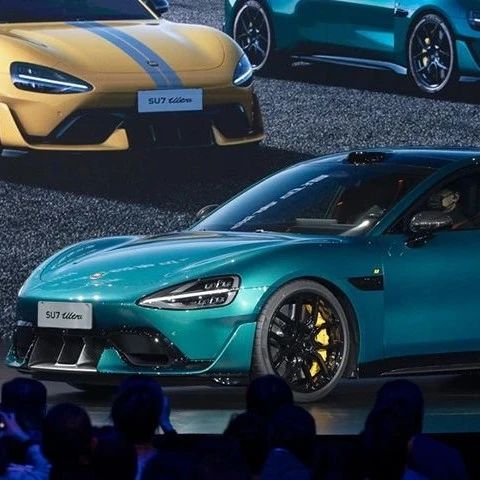
Core Viewpoint - The article discusses the pricing strategy and marketing tactics of Xiaomi's SU7 Ultra, highlighting the challenges and opportunities in positioning the vehicle as a high-end product while maintaining brand identity and consumer interest [2][5][19]. Pricing and Market Positioning - The final price of the SU7 Ultra is set at 529,900 yuan, significantly lower than the pre-sale price of 814,900 yuan, which raises questions about the brand's long-term positioning in the high-end market [5][19]. - The pricing strategy aims to attract consumers while still reflecting a premium brand image, but the substantial drop in price may dilute the perception of luxury associated with the product [19][21]. Sales Expectations and Initial Response - Xiaomi has set an ambitious sales target of 10,000 units annually, which is considered optimistic compared to competitors in the luxury segment [19][20]. - The initial response to the pricing was positive, with 6,900 units reserved within ten minutes of the announcement, indicating strong market interest [20]. Marketing Strategy - Xiaomi's marketing strategy for the SU7 Ultra focuses on leveraging track performance to generate buzz, with the vehicle breaking multiple lap records at various race tracks [10][11][12]. - The company has utilized a unique approach by involving content creators and influencers to document and share the vehicle's performance, enhancing engagement with potential customers [12][13]. Brand Image and Consumer Perception - The SU7 Ultra represents a significant step for Xiaomi in breaking away from its value-for-money image, aiming to establish itself as a serious player in the luxury automotive market [17][18]. - The marketing approach emphasizes a balance between high performance and accessibility, allowing consumers to perceive the vehicle as both desirable and attainable [15][29]. Competitive Landscape - The SU7 Ultra is positioned uniquely within the market, facing limited direct competition in the 500,000 yuan price range for electric performance vehicles, making it a standout offering [9][18]. - Xiaomi's strategy contrasts with other domestic brands that aggressively target luxury competitors, opting instead for a more measured approach that fosters goodwill among potential high-end consumers [22][29].
德国大选落幕经济仍显低迷,德国股市为何逆势飙升?
声动活泼· 2025-02-28 08:21
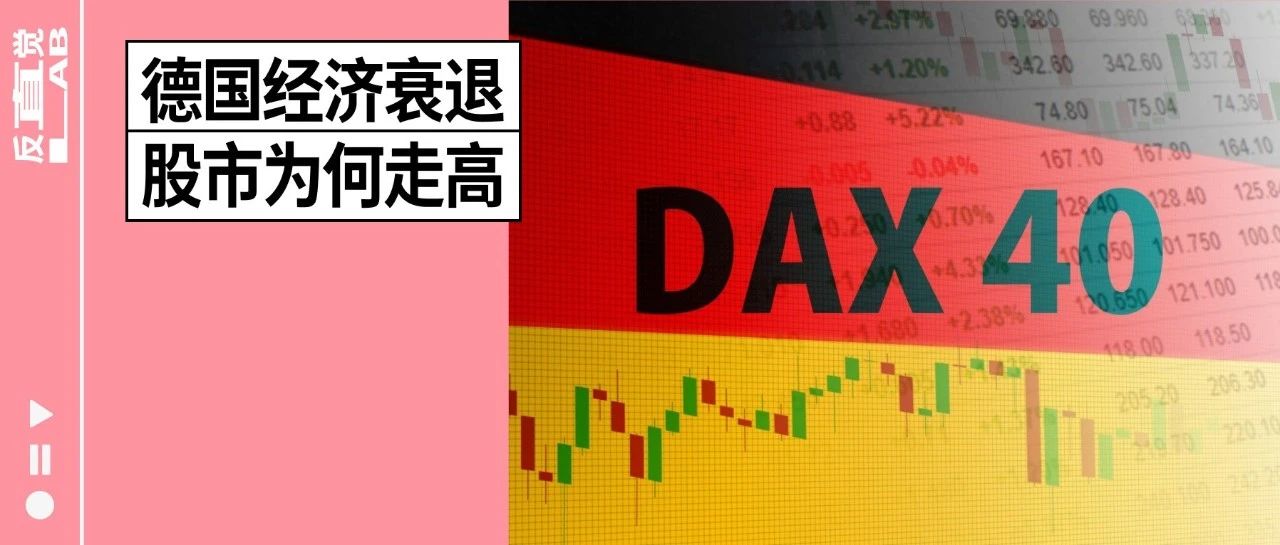
Group 1 - The article discusses the paradox of Germany's struggling economy contrasted with the strong performance of the DAX index, which recently surpassed 22,000 points, a historical high [1][3][12] - Despite a slight GDP decline of 0.3% in 2023 and a forecasted decline of 0.2% in 2024, Germany remains the third-largest economy globally, indicating that the country is not in a severe recession but rather experiencing stagnation [4][8] - The unemployment rate is projected to rise from 5.7% in 2023 to 6% in 2024, reflecting some economic challenges, but the overall fluctuations in unemployment have not been drastic [5][7] Group 2 - Key factors contributing to Germany's economic challenges include rising energy costs due to the Ukraine conflict, demographic issues, and heavy regulatory burdens that impact business operations [8][9][19] - The DAX index consists of 40 major German companies, including well-known firms like Siemens and BMW, and has shown consistent growth over the past decade, with a notable increase of 14.5% from late 2022 to early 2023 [12][13][16] - A small number of companies, particularly SAP, have significantly driven the DAX index's growth, with SAP alone contributing nearly half of the index's overall increase [16][18] Group 3 - The DAX index's performance is less correlated with the domestic economy, as only 20% of its revenue comes from Germany, while the majority is derived from international markets [17][19] - The article suggests that the rise of the DAX index is also influenced by advancements in artificial intelligence, which have catalyzed growth in the tech sector [17][19] - Political and social issues, such as immigration and inflation, are affecting public sentiment, but these do not directly correlate with the economic performance as reflected in the stock market [19][20]

浙江居科技支出榜首,英伟达四财季营收增长78% | 财经日日评
吴晓波频道· 2025-02-27 16:17
Group 1: Personal Income Tax Regulations - The National Taxation Administration announced new regulations for personal income tax reconciliation, emphasizing the protection of taxpayers' rights and clearer definitions of responsibilities [1][2] - The new regulations allow taxpayers to handle reconciliation through the personal income tax app from March 1 to March 20, 2024, with a focus on providing better legal protection for taxpayers [1] - The reform of the personal income tax system has shifted from a classification-based approach to a combined approach, allowing for more flexible tax policies [1] Group 2: Fiscal Technology Expenditure Rankings - Zhejiang province surpassed Guangdong to rank first in fiscal technology expenditure for 2024, with expenditures of 887 billion yuan and 884 billion yuan respectively [3] - The top ten provinces showed varying growth rates in technology spending, with some provinces like Hubei and Zhejiang maintaining double-digit growth [3][4] - The emphasis on innovation and increased fiscal technology spending reflects a broader trend of prioritizing foundational research and key sectors [3][4] Group 3: Real Estate Market in Tianjin - Tianjin's recent land auction set a new record for floor prices, with a notable plot in the Heping District selling for 43,449 yuan per square meter, marking an 8.82% premium [5][6] - The auction included seven residential plots, all sold, indicating a stable performance in the land market despite varying demand levels [6] - The market is seeing a shift towards high-quality residential developments, with developers being cautious due to financial pressures [6] Group 4: Nvidia's Financial Performance - Nvidia reported a 78% year-over-year increase in revenue for Q4 of fiscal year 2025, reaching 39.3 billion USD, exceeding analyst expectations [7] - The company anticipates Q1 revenue between 42.14 billion and 43.86 billion USD, driven by strong demand for AI chips [7][8] - Despite a slight decline in gaming revenue, Nvidia's overall performance remains robust due to new product launches and a growing AI infrastructure market [7][8] Group 5: DeepSeek's Pricing Strategy - DeepSeek announced significant price reductions for its API services during off-peak hours, aiming to attract more enterprise users [9][10] - The company is also accelerating the release of its R2 model, which is expected to enhance its competitive edge in the AI market [9][10] - DeepSeek's pricing strategy reflects a shift towards maintaining market share amid increasing competition from other AI service providers [9][10] Group 6: Mercedes-Benz's Market Strategy in China - Mercedes-Benz is launching a major product offensive in China, planning to introduce seven new models to regain market share amid declining sales [11][12] - The company reported a slight decrease in overall sales and a significant drop in electric vehicle sales, highlighting challenges in the transition to electric mobility [11][12] - To address competitive pressures, Mercedes-Benz is intensifying its localization strategy and increasing investments in R&D and production in China [12] Group 7: Growth of Free Cash Flow ETFs - Several asset management firms have submitted applications for free cash flow ETFs, indicating growing investor interest in this investment vehicle [13][14] - Free cash flow is a key indicator of a company's financial health, and these ETFs aim to reflect the performance of financially stable companies [13] - The rise of free cash flow ETFs aligns with a broader trend of investors seeking conservative investment options in the stock market [14]

享界S9增程版,豪华轿车市场的鲶鱼or核弹?
汽车商业评论· 2025-02-27 15:48
米斯兹之子 成就新汽车人 8550 AND F TH 视 际 实 战 團 野 跨 界 / 推 撰 文 / 海 墨 设 计 / 琚 佳 一石激起千层浪。 2月19日,在工信部的第392批《道路机动车辆生产企业及产品公告》新产品公示中,享界S9增程版 正式亮相,有消息称,新车将于今年第二季度上市。 | CANNE. 176767 | CARD MINITARIES CASAL - MULOPERS ASSESS | 日 ********* | | --- | --- | --- | | PEAR | THERE CONSULT 川開地社。 PARTICAL PROCESS COLLECTION P | | | HW 2417 13 | he " W/2. ERESSMENTER | | | 7.612 H | PAGE 20100 | | | | 66.0172 | | | 200000 | A PRO 价值数元1 | | | Proble Disco | 图:300毫>2019(108 | | | 育客无制作用式的Alt | 图 二图 三 | | | JECKNICE | DISKLESSIONA 图片的 20 ...
速递丨旧时代缓缓落幕。奔驰中国将裁员15%,补偿最高或有n+11
Z Finance· 2025-02-27 11:36
图片来源:奔驰官网 根据 彭博社报道, 奔驰 及其子公司计划在中国裁减高达 15% 的员工。 裁员将主要影响其金融和销 售部门,即 奔驰汽车金融有限公司和北京梅赛德斯 - 奔驰销售服务有限公司。 被裁员工除了可以获得 N+9 的赔偿外,如果未来两个月没有入职新公司,奔驰中国还会为其额 外发放3 月和 4 月的工资。这意味着,奔驰中国最高的赔付相当于 N+11。 据报道,相关裁员已经开始,本月裁员速度有所加快。被裁员工中大部分为签订"无固定期限劳 动合同"的长期雇员,这意味着许多员工在奔驰中国工作了五年以上。 在一周之前, 奔驰宣布将进一步削减成本,并在其新产品线中增加更多汽油和柴油车型,而非电动 汽车,旨在恢复利润率, 同时公司预计 2025 年收益将大幅下降。 陷入困境的欧洲汽车制造商和汽车零部件制造商已宣布关闭工厂并进行大规模裁员,原因可能是能源 和劳动力成本上升,导致需求疲软且加剧了与中国的竞争。 资料来源 [1]Mercedes-Benz plans to cut up to 15% jobs in China, Bloomberg News reports , https://www.reuters ...

“水军”围城,奔驰中国区CEO急了
阿尔法工场研究院· 2025-02-26 15:09
Core Viewpoint - The article discusses the challenges faced by Mercedes-Benz in the Chinese market, highlighting the impact of aggressive competition and the company's response to malicious marketing tactics from rival brands [2][4][5]. Group 1: Market Competition - Mercedes-Benz has experienced a decline in sales in China, with a projected 7% drop in 2024, resulting in a total of 683,600 vehicles sold [5]. - The competitive landscape has intensified, with domestic brands leveraging the rapid development of new energy and smart technologies to challenge established luxury brands like Mercedes-Benz [5][10]. - The term "involution" is used to describe the current competitive environment, indicating a situation where efforts yield diminishing returns, leading to irrational decisions among local competitors [9]. Group 2: Financial Performance - In the 2024 fiscal year, Mercedes-Benz reported a revenue of €145.594 billion, a decrease of 4.5% compared to 2023 [6]. - Earnings before interest and taxes (EBIT) fell by 30.8% to €13.599 billion, while net profit decreased by 28.4% to €10.409 billion [6][10]. - The decline in profitability is attributed to reduced sales, price cuts, and a product mix that is not well-received in the market [10]. Group 3: Strategic Response - To address the current market challenges, Mercedes-Benz plans to implement cost-cutting measures and launch a significant product and technology offensive [12]. - The company aims to reduce production costs by 10% by 2027, with a target of saving €5 billion through various efficiency measures [12][13]. - Mercedes-Benz will introduce 36 new models by 2027, including a focus on electric vehicles, with a goal of achieving over 30% of global sales from new energy vehicles by that year [13][14].
如何看待 理想汽车I8的官图发布和理想汽车的投资机会
2025-02-26 07:34
Summary of Conference Call on Li Auto's I8 Launch and Investment Opportunities Company Overview - The conference focused on Li Auto, specifically discussing the launch of the I8 model and its implications for investment opportunities in the electric vehicle market [1][2]. Key Points and Arguments Design and Market Perception - The official images of the I8 have exceeded market expectations, alleviating previous concerns about the design of Li Auto's electric vehicles [2][3]. - The I8's design is distinct from the Mega model, which had faced criticism, indicating Li Auto's ability to adapt quickly to market feedback [3][4]. - The I8 is perceived as more family-oriented and likely to appeal to mainstream consumers, which could enhance its market acceptance [3][4]. Competitive Landscape - The competitive dynamics in the market for vehicles priced above 300,000 yuan are shifting, with traditional luxury brands like Mercedes-Benz, BMW, and Audi (BBA) facing significant challenges [7][8]. - There are indications of BBA dealers switching to new energy vehicle brands, suggesting a weakening of BBA's market position [7][8]. - The anticipated decline in BBA's sales could create opportunities for Li Auto to capture market share in the premium segment [11][12]. Consumer Expectations - The market for vehicles above 300,000 yuan is increasingly driven by brand perception rather than just price competitiveness, which plays to Li Auto's strengths [9][10]. - Despite the influx of new models in the large six-seater category, many lack the brand strength to compete effectively with Li Auto [10][11]. Future Outlook - Projections for 2025 suggest that BBA's market share may decline further, potentially benefiting Li Auto's sales and brand recognition [8][11]. - Li Auto's product lineup, including the I8 and future electric models, is expected to improve significantly in terms of design, technology, and consumer appeal [12][13]. - The company's strategic shift towards AI and smart technology is seen as a major growth driver, with potential applications extending beyond automotive [14][15]. AI and Technological Advancements - Li Auto's transition towards becoming an AI-driven company is anticipated to unlock significant value, which is currently not reflected in its market valuation [16][18]. - The integration of AI into Li Auto's operations and product offerings is expected to enhance its competitive edge in the automotive sector [17][18]. Additional Important Insights - The overall sentiment is that Li Auto's current market position and future prospects are undervalued, with potential for significant upward adjustments in stock price as market perceptions evolve [14][19]. - The anticipated growth in sales and profitability for Li Auto in 2024 and 2025 is supported by the expected changes in the competitive landscape and consumer preferences [18][19]. Conclusion - Li Auto is positioned to benefit from a changing automotive market, particularly in the premium segment, with its innovative designs and strategic focus on AI technology. The company is expected to see improved market performance and investor interest in the coming years [18][19].
