抖音电商

Search documents
京东拿下比亚迪!车圈要变天了!
商业洞察· 2025-07-27 03:55
Core Viewpoint - The strategic partnership between JD Auto and BYD marks a significant shift in the automotive after-sales service landscape, leveraging JD's e-commerce platform to enhance BYD's service reach and efficiency [3][5][10]. Group 1: Partnership Details - On July 21, 2025, JD Auto officially became the e-commerce partner for BYD's after-sales services, allowing BYD car owners to purchase maintenance and parts through the JD app [8][12]. - The collaboration aims to provide a one-stop after-sales service platform, including original maintenance, tires, parts, and car accessories, ensuring easy access to genuine products for all car owners, not just BYD [12][10]. - This partnership is seen as a deep integration of both companies' strengths, with JD providing a robust digital platform and BYD expanding its service offerings beyond its own brand [9][12]. Group 2: Industry Context - BYD, a leader in the Chinese electric vehicle market, holds over 35% market share and ranks fifth globally in 2024 sales, indicating its strong position in the industry [10]. - The traditional after-sales service model has limitations, such as restricted service coverage and imprecise user engagement, which this partnership aims to address [10][11]. - JD's entry into the automotive sector is part of a broader strategy to diversify its business and enhance its supply chain capabilities, particularly in the after-sales market [22][29]. Group 3: JD's Broader Strategy - JD's ambitions in the automotive sector have been evident since its early investments in companies like NIO in 2015, leading to a comprehensive strategy that includes after-sales services and logistics [18][22]. - The establishment of over 1,700 car maintenance stores and partnerships with over 40,000 third-party service providers demonstrates JD's commitment to building a full lifecycle service network for vehicles [22][29]. - JD's recent ventures into food delivery and hospitality, alongside its automotive initiatives, reflect a strategic move to create an integrated ecosystem that enhances customer experience across various sectors [26][30].




2025年(上)中国电子商务用户体验与投诉数据报告-网经社
Sou Hu Cai Jing· 2025-07-22 14:07
Core Insights - The report reveals significant consumer complaints in the e-commerce sector, highlighting issues such as refund disputes, product quality, and after-sales service [8][9][10]. Overall Data - The top complaint types include refund issues (17.59%), product quality (7.08%), and after-sales service (5.32%) [10]. - Complaints are concentrated in Guangdong Province (21.84%) and Zhejiang Province (9.11%) [13]. - The gender distribution of complaints shows a predominance of male users at 77.05% compared to 22.95% for female users [16]. - Most complaints involve amounts ranging from 0 to 50,000 (42.58%) and 0 to 100 (14.96%) [20]. Rating Data and Typical Cases Digital Retail - The top platforms for complaints include Pinduoduo and Douyin E-commerce, with issues such as delayed shipments and counterfeit products [28][31]. - The report lists 16 platforms recommended for ordering, including Tuhu Car Maintenance and Vipshop, while 11 platforms, including Xiaohongshu, are advised against [23][24]. Digital Life - The top complaint platforms in this category are Meituan and Qunar, with issues related to inadequate after-sales support and false advertising [53]. - The report identifies 7 platforms recommended for ordering, including Luban Home and BOSS Zhipin, while 3 platforms, including Feizhu, are advised against [53][54]. Cross-Border E-commerce - The top complaint platforms include AliExpress and Shiji, with complaints about product issues and after-sales service [2]. - The report emphasizes the need for improved service and regulatory oversight to enhance consumer experience in the e-commerce industry [2].

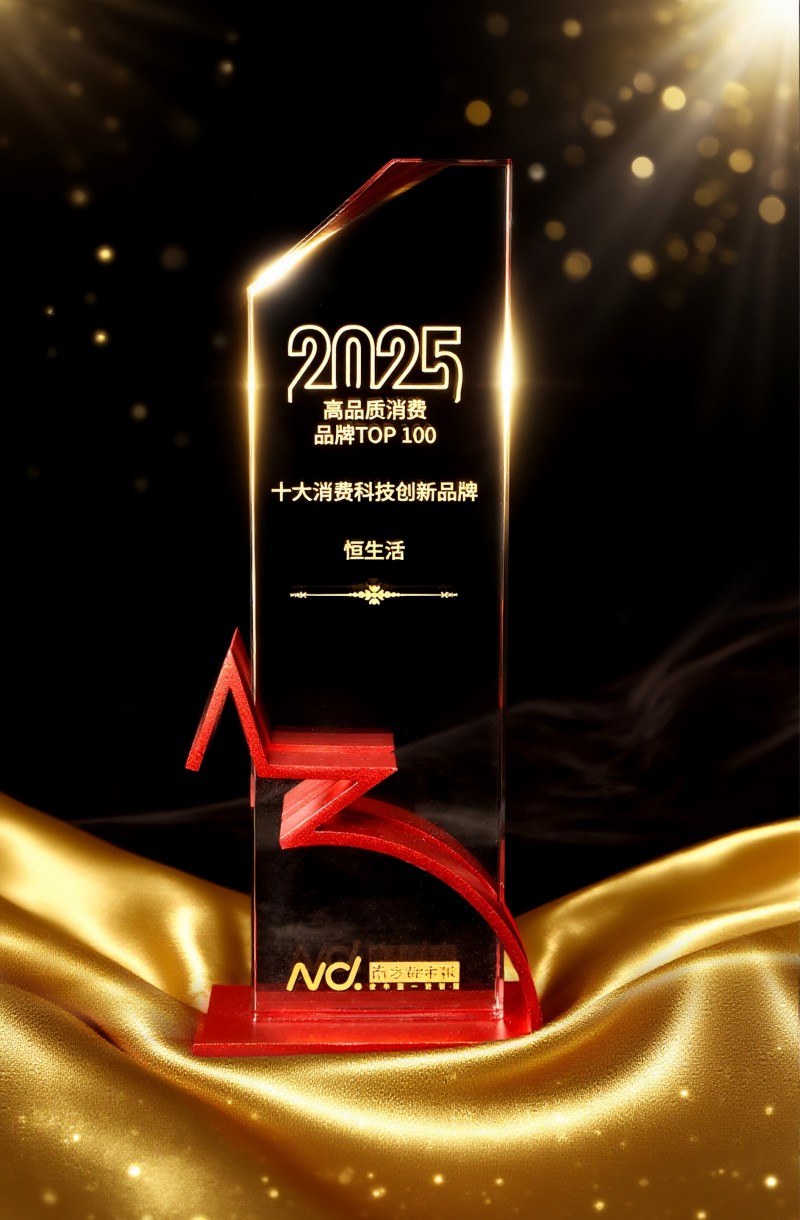
AI赋能消费体验 恒生活荣膺“2025高品质消费品牌TOP100”
Cai Fu Zai Xian· 2025-07-14 08:32
Core Insights - The core theme of the articles revolves around the transformation of consumer behavior and the rise of high-quality consumption brands in China, particularly in the context of digital economy and sustainable growth [1][2][8]. Group 1: Industry Trends - The consumer market in China is experiencing a structural optimization, with retail sales reaching 20 trillion yuan in the first five months of 2025, reflecting a 5% year-on-year growth [3]. - Four major trends in high-quality consumption brands have been identified: the rise of health and wellness consumption, AI-driven product and service upgrades, the demand for novel experiences, and the unlocking of emotional value in consumption [2][3]. - The Chinese government is actively promoting consumption through various policies aimed at stimulating consumer demand and enhancing the consumption environment [2][3]. Group 2: Company Innovations - Heng Life has been recognized as one of the "2025 High-Quality Consumption Brands TOP100" for its innovative approach in the "experience economy" and its achievements in smart retail [1][5]. - The company is leveraging AI and IoT technologies to enhance consumer experiences, such as through smart vending machines that allow for seamless transactions and data-driven insights into consumer behavior [6][9]. - Heng Life has expanded its services to over 340 cities, providing around 500 different service solutions and reaching a cumulative service user base of 2 billion [8][9]. Group 3: Future Outlook - Heng Life aims to continue its innovation in the smart retail sector, exploring new technologies like NFC payment systems and facial recognition payment kiosks, while also considering the feasibility of robotic store concepts [9]. - The company's commitment to integrating technology with consumer experiences positions it as a key player in the ongoing transformation of the retail landscape in China [8][9].
“在这个‘卷’中求新的时代,品牌要打动消费者,与消费者‘玩’在一起”
Nan Fang Du Shi Bao· 2025-07-11 23:14
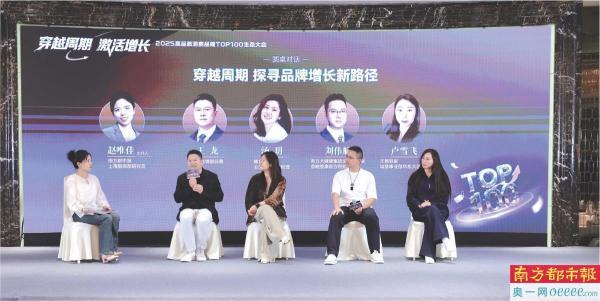
Core Insights - The "2025 High-Quality Consumer Brand TOP 100 Innovation Ecosystem Conference" was held in Shanghai, focusing on eight major tracks and 28 sub-sectors, culminating in the release of the "2025 High-Quality Consumer Brand TOP 100 Trend Insight Report" [1] - The conference emphasized the theme of "Navigating Cycles, Activating Growth," discussing the resilience and vitality of the Chinese consumer market amid macroeconomic changes [2][12] Consumer Background - The central economic work conference highlighted the importance of boosting consumption and expanding domestic demand as a priority for economic work this year [2] - From January to May, the total retail sales of consumer goods reached 20 trillion yuan, showing a year-on-year growth of 5% [2] - New consumption hotspots such as experience economy, emotional value consumption, and silver economy are emerging, driven by government policies and market dynamics [2][6] Report Highlights - The "2025 High-Quality Consumer Brand TOP 100 Trend Insight Report" identified four major trends: health consciousness driving wellness and sports consumption, AI enhancing product and service upgrades, novel experiences igniting consumer enthusiasm, and emotional value unlocking new consumption scenarios [5][6] - The report introduced new thematic studies on "Going Global" and "AI Applications," revealing that over 80% of companies plan to increase AI investments [6][19] Roundtable Discussions - The roundtable featured discussions on strategies for companies to navigate economic cycles, emphasizing the importance of innovation and adapting to new consumer trends [3][7] - Key insights included the need for brands to balance online and offline presence and to capture emotional value to resonate with consumers [7][8] Brand Insights - Brands are encouraged to adopt a mature, approachable image to connect better with consumers, moving away from overly serious branding [16][17] - The concept of "childlike fun" is gaining traction across age groups, indicating a shift in consumer preferences that brands can leverage [18] Awards and Recognition - The conference announced the "2025 High-Quality Consumer Brand TOP 100" list, along with various awards for high-quality brands and innovative consumption cases [20][21] - Notable brands recognized include L'Oréal China, MUJI, and Starbucks China, highlighting the competitive landscape in the high-quality consumer sector [21]
高品质消费品牌TOP100出炉!入选品牌集中在这八大赛道
Nan Fang Du Shi Bao· 2025-07-11 08:07
Group 1 - The "2025 High-Quality Consumption Brand TOP 100 Innovation Ecological Conference" was held in Shanghai, focusing on eight major tracks and 28 sub-fields, highlighting the importance of enhancing the quality and expansion of the Chinese consumer market [2][5] - The conference emphasized the need for new supply to create new demand, aligning with the central government's goal to boost consumption and expand domestic demand [4][5] - The report released at the conference identified four major trends in high-quality consumption brands: health consciousness driving wellness and sports consumption, AI-driven product and service upgrades, novel experiences igniting consumer enthusiasm, and emotional value unlocking new consumption scenarios [12][13] Group 2 - The report highlighted the rise of experience economy, with travel-related experiences becoming increasingly popular, such as "traveling with concerts" and "visiting iconic stores" [12] - The report also noted that over 80% of companies are affected by tariffs but are adapting through strategic adjustments, with over 60% opting for market diversification strategies [13] - AI applications are transitioning from cost-reduction tools to significant transformative forces in consumer products, with nearly 90% of surveyed companies believing AI will bring major changes [13] Group 3 - The conference featured discussions on how brands can navigate economic cycles, with insights on the importance of digital transformation and understanding consumer emotional values [19][20] - The "2025 High-Quality Consumption Brand TOP 100" list was officially announced, along with awards for various categories such as "Top Ten High-Quality Brands" and "Top Ten Consumption Technology Innovation Brands" [21][23] - Notable brands recognized included L'Oréal China, MUJI, and Starbucks China, reflecting the diverse landscape of high-quality consumer brands in China [23]
电影院告急:0人空场率达40%丨消费参考
2 1 Shi Ji Jing Ji Bao Dao· 2025-07-10 01:50
Industry Overview - The cinema industry is facing significant survival challenges, with structural contradictions becoming increasingly evident [2][5] - The total box office for the first half of 2025 reached 29.231 billion yuan, a year-on-year increase of 22.9%, nearing pre-pandemic historical peaks [2] - However, after a record-breaking February with a box office of 16.09 billion yuan, subsequent months saw a sharp decline, with June's box office at only 1.91 billion yuan, marking a ten-year low [2] Box Office Dynamics - The number of films grossing over 100 million yuan has sharply decreased to 23, with "Nezha 2" contributing 52.8% of the total box office [2] - The average number of viewers per cinema dropped to 2-4 people from March to June, with a 40% empty screening rate [2][5] Production and Investment Trends - The impact of short video platforms has led to increased investment risks in mid-tier films, prompting production companies to focus on larger projects [3] - The industry is experiencing a trend of cost reduction, with producers shortening production cycles and employing more refined cost management strategies [3] Shifts in Power Dynamics - The traditional influence of major directors is diminishing, with production companies gaining more power in negotiations [4] - Wang Changtian, chairman of Enlight Media, emphasized the need to change the profit distribution model in the industry, advocating for a more favorable split for production companies [4][6]
农产品直播电商未来到底如何
Sou Hu Cai Jing· 2025-07-07 19:22
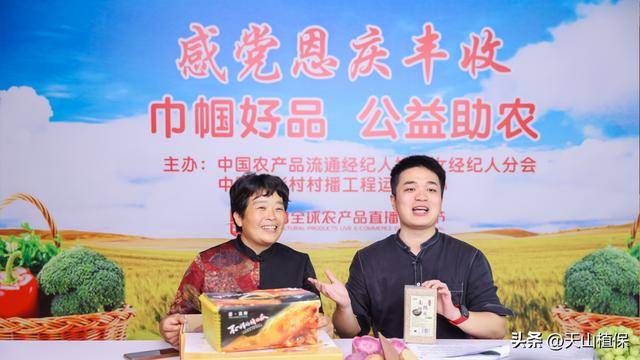
Core Insights - Agricultural live-streaming e-commerce is reshaping China's agricultural production and sales landscape, driven by 5G technology, logistics revolution, and consumption upgrades, creating a trillion-level market potential while posing challenges from farm to table [1] Group 1: Technological Empowerment - The trend of "transparent production" is becoming standard in the industry, with technologies like AI quality inspection and blockchain for product traceability enhancing consumer trust [3] - Platforms like Alibaba Cloud and JD Logistics are providing services that improve pricing strategies and reduce product loss, with JD's model reducing kiwifruit loss rates from 25% to below 5% [3] - The shift from traditional agriculture to "data-driven farming" is evident as companies analyze consumer data to guide farmers in crop selection and optimize supply chains [3] Group 2: Model Innovation - Innovative models such as "custom vegetable gardens" and integrated supply chains are emerging, with some businesses seeing significant growth in sales and customer engagement [5] - The rise of regional public brands is changing competitive dynamics, with local products gaining national recognition and increasing farmer incomes [5] - The transition from "traffic thinking" to "brand thinking" is allowing agricultural products to escape low-price competition and move towards high-value markets [5] Group 3: Challenges and Solutions - The industry faces significant challenges, including higher logistics costs in rural areas, high fresh produce loss rates, and a lack of professional talent in e-commerce [7] - Collaborative mechanisms involving government, platforms, enterprises, and farmers are essential for overcoming these challenges, as demonstrated by successful initiatives in various provinces [7] - The combination of policy incentives, technological empowerment, and market mechanisms can help agricultural live-streaming e-commerce break through growth barriers [7] Group 4: Future Outlook - By 2025, agricultural live-streaming e-commerce is expected to have evolved from a phase focused on traffic to one that emphasizes ecosystem selling and value creation [9][11] - The industry is at the beginning of a golden era, where those who can adapt to new paradigms will gain a competitive edge in the trillion-level market [12]

车企回应“截胡”小米YU7订单;微信上新功能丨新鲜早科技
2 1 Shi Ji Jing Ji Bao Dao· 2025-07-02 01:55
Group 1: Automotive Industry - Multiple car manufacturers, including NIO, Avita, and Zeekr, have introduced policies to compensate users who cancel their pre-orders for the Xiaomi YU7, offering full refunds or points rewards [1] - Xiaomi's YU7 achieved 240,000 locked orders within 18 hours of its launch [1] - Hongmeng Zhixing reported a record delivery of 52,747 vehicles in June, with a total of 800,000 vehicles delivered in 39 months, marking the fastest delivery record among new car manufacturers [5] Group 2: Technology and AI - Ant Group and Geely Holding have established a new company, Chongqing Qianli Zhijia Technology Co., with a registered capital of 10.5 million yuan, focusing on smart vehicle equipment and AI hardware [2] - OPPO launched a new deep execution feature for its AI assistant, allowing users to generate professional reports through AI-driven task management [8] - Aibo Technology has formed a partnership with NVIDIA, focusing on high-speed PCB design and manufacturing services [13] Group 3: Corporate Changes - Baidu appointed He Haijian as the new Chief Financial Officer, with organizational adjustments in the management team [3] - Gree Group announced the appointment of Zou Hui as the new Chairman, succeeding Dong Mingzhu [9] - Lakala disclosed that Lenovo Holdings plans to reduce its stake in the company by up to 3%, equating to approximately 23.64 million shares [10] Group 4: Semiconductor and Chip Industry - TrendForce predicts that DDR4 prices may peak and decline in the fourth quarter due to improved supply conditions [14] - Anlu Technology reported that the National Integrated Circuit Industry Investment Fund has reduced its stake in the company by 1% [15] - Domestic GPU company "Xiwang Sunrise" completed nearly 1 billion yuan in financing, with plans to support enterprise-level AI applications [17]
雀巢中国进入马凯思时间:增长存在压力丨消费参考
2 1 Shi Ji Jing Ji Bao Dao· 2025-07-02 01:26
Group 1 - Nestlé China has appointed Kais Marzouki as Chairman and CEO starting July 1, 2025, marking a significant leadership change in the company [1] - Marzouki has extensive experience within Nestlé, having previously served as Chairman and CEO of Nestlé Philippines and held various senior management roles across different regions [2][3] - Under Marzouki's leadership, Nestlé Philippines regained growth, increasing its market share by over 200 basis points and boosting daily consumption of Nestlé products from 0.9 to 1.1 servings [3] Group 2 - In 2024, Nestlé Greater China reported sales of 5 billion Swiss francs, reflecting a 1.3% decline in sales, with currency fluctuations contributing to a 3.5% decrease [4] - The company experienced growth in its infant nutrition and confectionery segments, while its seasoning and dairy businesses saw a decline in market share [4] - The operating profit margin decreased by 40 basis points to 16.1%, attributed to higher input costs and increased investments in advertising and marketing [4]

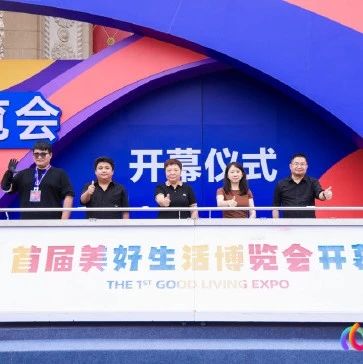
好博会侧记:让中小企业被更多人看见
新浪财经· 2025-07-02 01:11
Core Viewpoint - The first "Beautiful Life Expo" emphasizes the role of small and medium-sized enterprises (SMEs) as the main focus, showcasing their products and services while providing a platform for brand display, business matching, and industry empowerment through both online and offline channels [3][4][5]. Group 1: Event Overview - The expo officially opened on June 27 at the Beijing Exhibition Center, featuring over 400 merchants showcasing quality products and services [2]. - The event aims to create a unique experience for attendees, integrating various sectors such as daily necessities, technology, and entertainment [11]. Group 2: SME Empowerment - The organizing committee highlighted the rapid response from major e-commerce platforms like Alibaba, JD, Pinduoduo, and Douyin, which actively participated in the expo to support SMEs [6][8]. - The expo facilitated communication between SMEs and large retail enterprises, with many SME representatives attending policy briefings and product selection events [8]. Group 3: Product Highlights - Notable products included Tangshan bone china, which received positive feedback from attendees, and the presence of popular brands like Xiaomi and Longcheng motorcycles, showcasing innovative products [12][15][18]. - The event featured interactive technology demonstrations, such as a smart bionic hand that allows users to regain normal functionality, highlighting advancements in the tech sector [18]. Group 4: Audience Engagement - Attendees expressed enjoyment in the diverse offerings of the expo, with a mix of traditional and modern products attracting various demographics [11][19]. - The organizing committee continuously adjusted the layout and interactive elements to enhance visitor experience and ensure that quality products from SMEs were prominently displayed [20]. Group 5: Post-Event Activities - Even after the expo concluded, some exhibitors continued to engage with audiences through live streaming, emphasizing the ongoing efforts to promote their products [21]. - The committee's goal remains to ensure that the showcased SMEs gain visibility and recognition in the market [21].