洋河股份

Search documents
白酒行业更新报告:高端白酒引领,提振市场信心
GUOTAI HAITONG SECURITIES· 2026-02-07 01:56
Investment Rating - The report assigns an "Accumulate" rating for the liquor industry [5] Core Insights - The liquor industry is currently at the bottom of its cycle, with the "opening red" sales expected to remain under pressure year-on-year, while brand differentiation is evident. Positive feedback from high-end liquor is significantly boosting market confidence, and a shift in style and improved expectations may catalyze liquor stock prices [2][6] Summary by Sections Market Overview - The liquor market is experiencing a deep adjustment, with sales and revenue expected to decline throughout the year. However, there are signs of marginal improvement starting from Q4 2025, with high-end brands like Moutai and Wuliangye leading the market [6] High-End Liquor Performance - High-end liquor brands are showing resilience, with Moutai and Wuliangye implementing strategies to stabilize prices and enhance channel profits. Moutai's sales performance has improved, with significant user engagement and order volume [6][7] Stock Recommendations - The report recommends stocks with price elasticity, including Guizhou Moutai, Wuliangye, and Luzhou Laojiao, as well as other brands like Shanxi Fenjiu and Yingjia Gongjiu, which are expected to clear inventory [6][7] Future Outlook - The liquor industry is believed to be at the bottom of its current cycle, with potential catalysts for stock prices including improvements in sales, price increases, and inventory reduction. Positive signals from policy changes could further enhance market sentiment [6][7]




酒价内参2月7日价格发布 总价续创新高价格中枢进一步抬升
Xin Lang Cai Jing· 2026-02-07 01:27
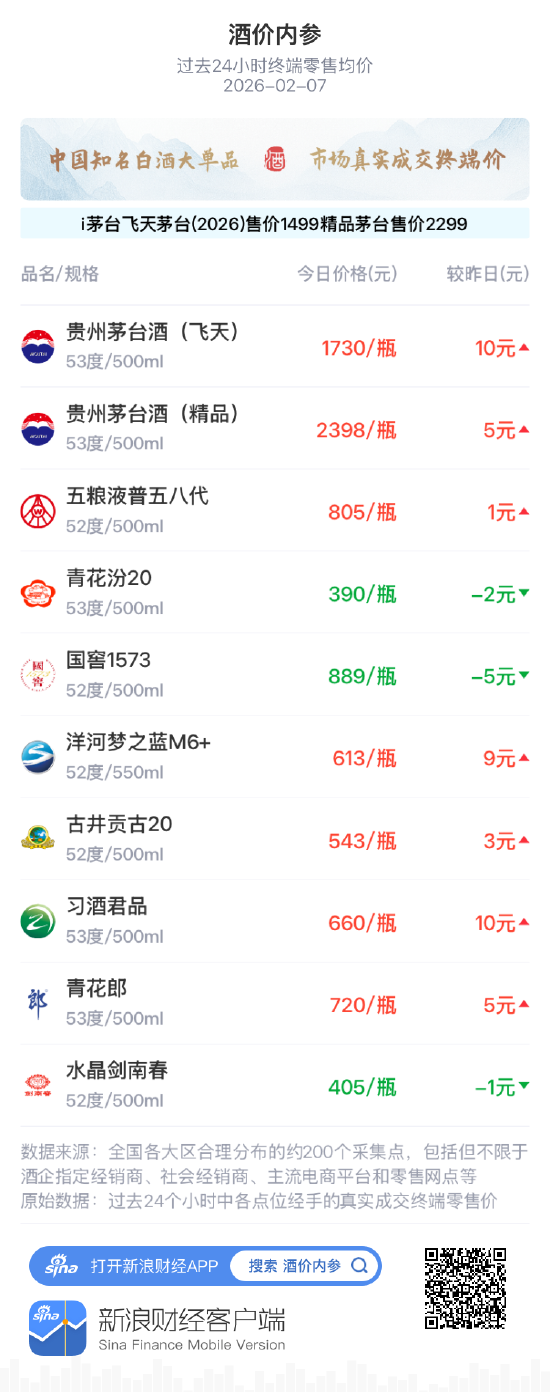
Core Viewpoint - The Chinese liquor market is experiencing a price rebound, with the average retail price of the top ten liquor products reaching a new high since the beginning of 2026, driven by strong performance from leading brands [1]. Price Trends - The total price for a package of the top ten liquor products is 9153 yuan, an increase of 35 yuan from the previous day [1]. - Among the top products, the price of Feitian Moutai has risen by 10 yuan per bottle, while Xijiu Junpin has also increased by 10 yuan, marking a five-day consecutive rise [4]. - The overall price movement shows seven products increasing and three decreasing, indicating a strong market trend [4]. Specific Product Prices - Feitian Moutai (53 degrees, 500ml) is priced at 1730 yuan, up 10 yuan from yesterday [2]. - The price of the premium Moutai (53 degrees, 500ml) is 2398 yuan, up 5 yuan [2]. - Other notable price changes include Wuliangye (805 yuan, up 1 yuan), and Guojiao 1573 (889 yuan, down 5 yuan) [2][4]. Market Dynamics - The price increase is attributed to strong demand during the pre-Spring Festival period and tight supply channels [6]. - The market sentiment is cautious, with brands like Wuliangye and Guojiao 1573 showing stable prices, contrasting with the volatility seen in Moutai [6]. - The introduction of new sales channels for Moutai has had a significant impact on retail prices, with the official platform pricing Feitian Moutai at 1499 yuan per bottle [5].

飞天茅台,一天价格调了5次!比飞天茅台涨幅更大的是→
Sou Hu Cai Jing· 2026-02-06 13:43
Group 1 - The traditional promotional season for liquor, particularly for Moutai, is approaching as spring nears, with high demand and tight supply reported at retail outlets [1] - The price of Feitian Moutai has seen significant fluctuations, with reports of price increases occurring multiple times in a single day, drawing comparisons to the volatility of gold and stocks [1] - The market price for Feitian Moutai has recently stabilized around 1,764 yuan after reaching a peak of 1,813 yuan on January 31 [3] Group 2 - The market price for the Year of the Horse Moutai has increased by 57% recently, surpassing the price increase of Feitian Moutai, with a current price of 2,998 yuan [3] - Retail promotions for Moutai have been launched by major supermarkets, with prices as low as 1,616.5 yuan per bottle during promotional events [10] - Other high-end liquors like Wuliangye and Guojiao 1573 have maintained stable prices after adjustments in 2025, while promotional strategies have shifted towards increasing bottle opening rates [10]
梦之蓝手工班《中国宴》这场中新美食对话太惊艳,满汉全席 “四四制” 藏玄机?
新华网财经· 2026-02-06 05:32
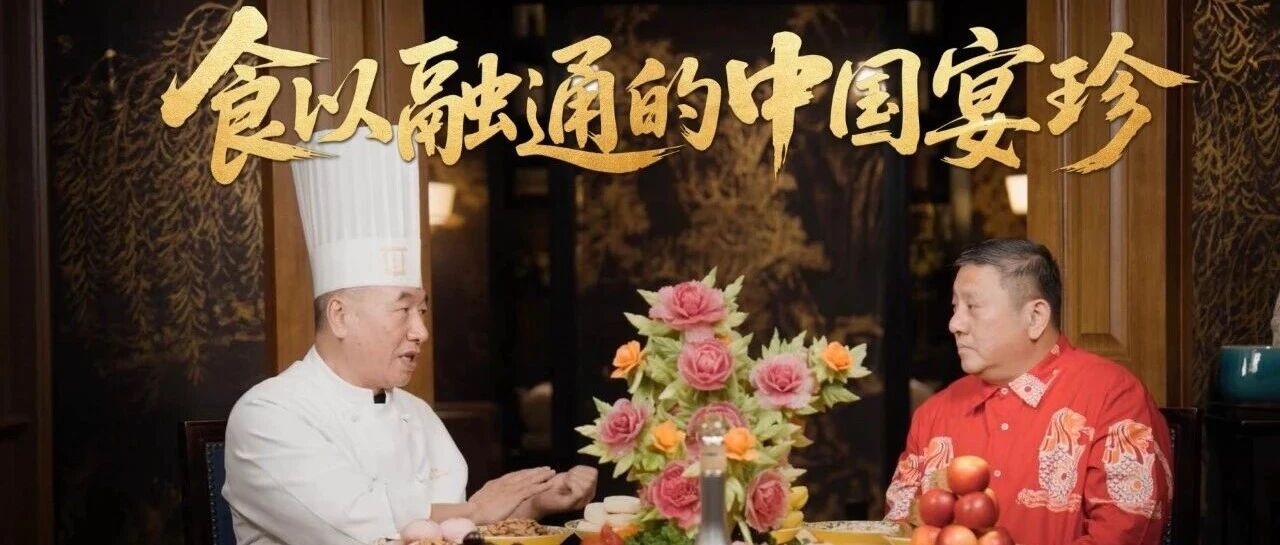
Core Viewpoint - The article emphasizes the cultural significance of the "Manchu Han Imperial Feast" as a medium for cultural exchange between Singapore and China, showcasing the fusion of culinary traditions and the importance of food in bridging civilizations [1][15]. Group 1: Cultural Significance - The "Manchu Han Imperial Feast" is not just a meal but a transmission of historical culture, serving as a bridge for dialogue between civilizations [1]. - The event highlights the integration of Singaporean "Lo Hei" and Chinese dining etiquette, creating a platform for cultural interaction through cuisine [1]. Group 2: Culinary Details - The "Four Four System" is a key aspect of the feast, where dishes are presented in groups of four, reflecting the meticulous nature of the dining experience [4]. - Various dishes, such as the "Curry Puff" and "Silver Ear Matsutake Soup," exemplify the blend of Eastern and Western culinary styles, with the soup being a notable example of this fusion [6][9]. - The "Embroidered Ball Scallop" and "One-Plate Tofu" are highlighted as traditional dishes that embody the essence of imperial cuisine, showcasing intricate preparation and presentation [11]. Group 3: Personal Experiences - Singapore's Ambassador Chen Haichuan expresses delight in the flavors and cultural connections found in the dishes, noting similarities to Singaporean cuisine [6][13]. - The exchange of local delicacies, such as the "Pandan Cake," further illustrates the ongoing dialogue between the two cultures through food [13]. Group 4: Broader Implications - The event serves as a testament to the enduring craftsmanship of the "Dream Blue Handcrafted Class," which aims to preserve traditional methods while adapting to contemporary tastes [13]. - The fusion of flavors and culinary practices signifies a deeper cultural resonance, where food transcends mere sustenance to become a vital link between different regions and traditions [13].
酒价内参2月6日价格发布 精品茅台微跌1元
Xin Lang Cai Jing· 2026-02-06 01:30
Core Insights - The core insight of the news is that the retail prices of major Chinese liquor brands have significantly increased, with the average price of the top ten products reaching a new high since 2026, indicating a strong market recovery and demand surge ahead of the Spring Festival [1][6]. Price Trends - The total retail price for a package of the top ten liquor products is 9118 yuan, which is an increase of 67 yuan from the previous day [1][6]. - Among the top ten products, eight saw price increases while two experienced declines, reflecting a general upward trend in the market [1][6]. - The most notable price increases include: - Gujinggong 20, up 15 yuan per bottle, reaching a 30-day high [1][6]. - Yanghe Dream Blue M6+ increased by 12 yuan per bottle [1][6]. - Both Feitian Moutai and Qinghua Lang rose by 10 yuan per bottle [1][6]. - Other products like Qinghua Fen 20, Guojiao 1573, and Shuijing Jian Nan Chun increased by 6 yuan per bottle [1][6]. - The only products that saw price declines were Wuliangye Pu 58 and boutique Moutai, which fell by 2 yuan and 1 yuan respectively [1][6]. Market Analysis - The data for the "Liquor Price Reference" is collected from approximately 200 points across various regions, ensuring a comprehensive and accurate representation of the market [2][7]. - The recent price trends are attributed to several factors: - The upcoming Spring Festival, which traditionally boosts consumer demand [8]. - Improved macroeconomic policies that enhance domestic demand [8]. - A shift in investment strategies, with institutional holdings at historically low levels [8]. - The current state of the liquor industry is characterized by a "five-bottom phase" in terms of policy, inventory, sales, and pricing, suggesting a potential turning point for the market [8].




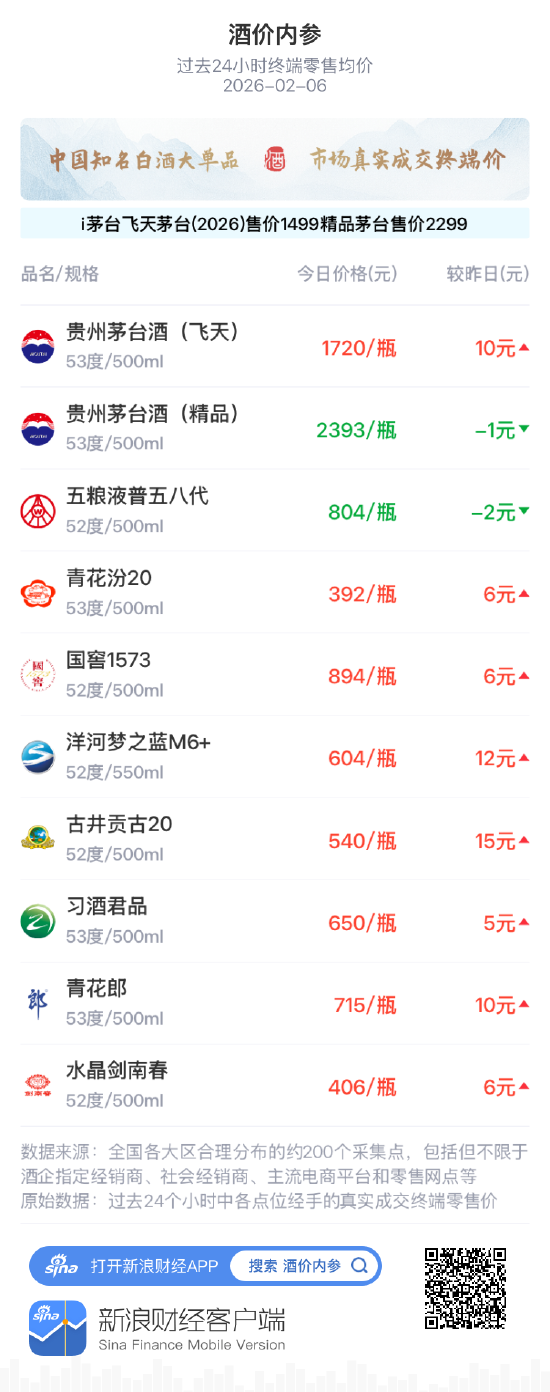
酒价内参2月6日价格发布 洋河梦之蓝M6+上涨12元
Xin Lang Cai Jing· 2026-02-06 01:24
Core Insights - The core point of the news is the significant increase in the retail prices of major Chinese liquor brands, with the average price of the top ten products reaching a new high since 2026, indicating a recovery in the market driven by seasonal demand and improved macroeconomic conditions [1][6]. Price Trends - The average retail price of the top ten liquor products rose to 9118 yuan, an increase of 67 yuan from the previous day [1][6]. - Eight out of the ten products saw price increases, with notable rises including: - Gujinggong 20, up 15 yuan per bottle, reaching a 30-day high [1][6]. - Yanghe Dream Blue M6+ increased by 12 yuan per bottle [1][6]. - Both Feitian Moutai and Qinghua Lang rose by 10 yuan per bottle [1][6]. - The only two products that experienced price declines were: - Wuliangye Pu 58th generation, down 2 yuan per bottle [1][6]. - Premium Moutai adjusted down by 1 yuan per bottle, maintaining a high price level [1][6]. Market Analysis - The data for the "Liquor Price Reference" is collected from approximately 200 sampling points across various regions, ensuring a comprehensive and objective representation of the market [2][7]. - The recent performance of the liquor sector has been buoyed by three main factors: 1. The upcoming Spring Festival, which traditionally boosts consumption [8]. 2. Improved macroeconomic policies that enhance domestic demand [8]. 3. A shift in capital market dynamics, with institutional holdings at historically low levels [8]. - The current state of the liquor industry is characterized by a "five-bottom phase" in terms of policy, inventory, sales, wholesale prices, and production-sales dynamics, suggesting a potential turning point in the market [8].
春节临近 白酒市场再现价格异动
Nan Fang Du Shi Bao· 2026-02-05 23:15
Core Viewpoint - The white liquor market is experiencing price fluctuations as the Spring Festival approaches, with Moutai's prices rising and various brands engaging in aggressive promotional activities, leading to a complex interplay of supply control and demand stimulation in the industry [4][5][9]. Price Movements - Moutai's wholesale price has increased, with some distributors predicting it could reach 2000 yuan per bottle before the festival. The average retail price for Moutai (500ml/53 degrees) was reported at 1843.38 yuan per bottle as of January 30, up from 1600 yuan in December, marking a 15.6% increase [5][9]. - The price of Wuliangye (500ml/52 degrees) has seen a slight decline, with an average retail price of 874.75 yuan per bottle as of January 30, indicating a downward trend [7]. Promotional Activities - Major liquor brands are launching extensive promotional campaigns, including cash rewards and limited edition gifts, to boost sales during the festive season. For instance, Wuliangye's promotional activities include a gift card worth up to 5000 yuan and a limited edition gift box priced at 1599 yuan [7][8]. - Other brands like Fenjiu and Guojiao 1573 are also offering similar incentives, such as cash prizes and gold jewelry, to attract consumers [8]. Market Dynamics - There is a divergence in market expectations regarding sales performance during the Spring Festival. Some distributors are optimistic about sales, while others report a decline in year-on-year sales, indicating a cautious approach to inventory management [9][11]. - Analysts suggest that the overall market is characterized by a "strong at both ends, weak in the middle" dynamic, where high-end brands like Moutai and Wuliangye maintain stable inventory levels, while mid-tier and regional brands face inventory pressures [11].

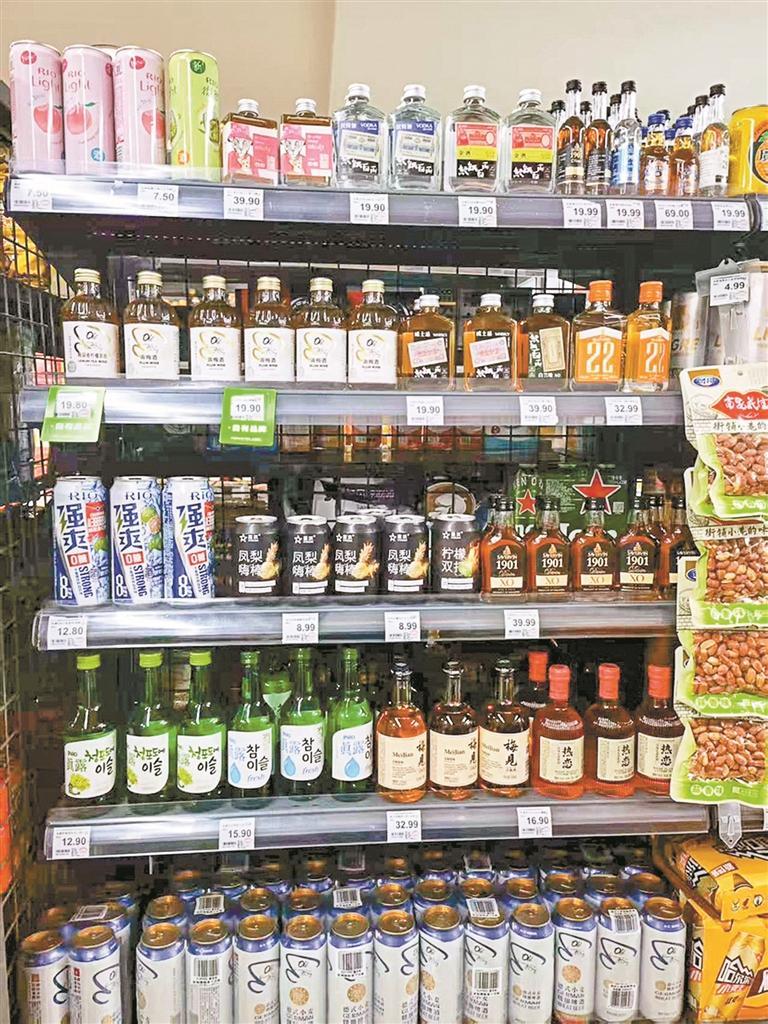
争抢“Z世代” “老白酒”杀向低度酒
Shen Zhen Shang Bao· 2026-02-05 17:55
Group 1 - The core viewpoint of the articles highlights the increasing trend of low-alcohol beverages in the Chinese liquor market, particularly driven by the younger generation's consumption preferences as the Spring Festival approaches [1][5] - Traditional liquor companies are launching new low-alcohol products to attract younger consumers, with notable examples including Moutai's 6-degree blueberry sparkling wine and Wuliangye's 29-degree product that achieved over 100 million yuan in sales within 60 days [2][3] - The market for low-alcohol beverages is experiencing growth rates that exceed the industry average, indicating a shift in consumer preferences from high-alcohol content to more moderate options [4][5] Group 2 - The competition between traditional and new liquor brands is intensifying, with established companies adapting their strategies to include younger demographics and low-alcohol products [2][3] - The market is transitioning from "expansion-based growth" to "structural growth," indicating a new phase of competition and differentiation among liquor brands [4] - The Chinese Alcoholic Drinks Association notes that the growth rate of low-alcohol products reflects a change in consumer attitudes, where alcohol is increasingly viewed as an emotional medium rather than just a social tool [5]
争抢“Z世代”,“老白酒”杀向低度酒
Shen Zhen Shang Bao· 2026-02-05 17:53
Core Viewpoint - The low-alcohol beverage market is experiencing significant growth, driven by the younger generation's changing preferences and the strategic shifts of traditional liquor companies towards lower-alcohol products [5][8]. Group 1: Market Trends - The low-alcohol beverage segment is gaining traction, with new brands and products emerging to cater to the preferences of the "Z generation" [5]. - Traditional liquor companies are launching lower-alcohol products to attract younger consumers, with several major brands already introducing new offerings [5][6]. - The growth rate of low-alcohol beverages is surpassing the average growth rate of the industry, indicating a shift in consumer demand [8]. Group 2: Product Launches - Moutai's subsidiary launched a 6-degree blueberry sparkling wine in October 2024, available on multiple online platforms [5]. - Wuliangye introduced a 29-degree product called "Yijianqingxin" in August 2023, which achieved over 100 million yuan in sales within 60 days [5][6]. - Luzhou Laojiao is preparing to launch a 28-degree product, while Yanghe has introduced a 33.8-degree "light white wine" [6]. Group 3: Consumer Preferences - Younger consumers are increasingly drawn to low-alcohol beverages for reasons such as appealing packaging and celebrity endorsements [5]. - Traditional high-alcohol products still dominate the preferences of long-time customers, who may view lower-alcohol options as less desirable [7].
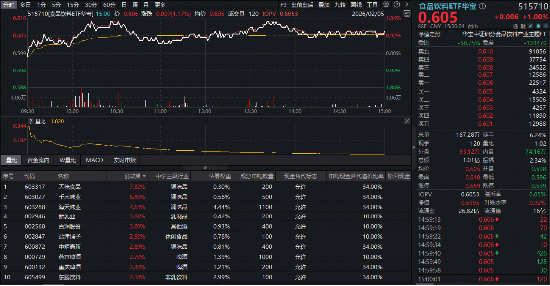
茅台再涨近2%!吃喝板块逆市猛攻,食品饮料ETF华宝上探1.84%!机构:白酒底部愈发清晰
Xin Lang Ji Jin· 2026-02-05 12:49
Core Viewpoint - The food and beverage sector is showing strong performance, with the Huabao Food and Beverage ETF (515710) experiencing a notable increase, reflecting positive market sentiment in this industry [1][3]. Group 1: Market Performance - The Huabao Food and Beverage ETF (515710) opened with a rapid increase, reaching a maximum intraday gain of 1.84%, and closed with a 1% increase [1]. - Major consumer goods stocks performed well, with Tianwei Food surging over 7% and Qianhe Flavor rising more than 6% [1]. - Leading liquor brands also showed strong performance, with Kweichow Moutai increasing nearly 2% and Wuliangye and Yanghe also seeing slight gains [1]. Group 2: Industry Insights - The recent Hu Run Research Institute report highlighted Kweichow Moutai's brand value at 795 billion yuan, ranking second overall and first among Chinese brands [2]. - The liquor sector is expected to see a recovery in demand, with traditional channel prices for Moutai rebounding to over 1600 yuan, indicating a potential bottom signal for the industry [3]. - The food and beverage sector is currently at a low valuation, with the price-to-earnings ratio of the underlying index for the ETF at 20.93, which is at the 11.74% percentile of the past decade, suggesting a favorable long-term investment opportunity [3]. Group 3: Future Outlook - The industry is anticipated to experience a gradual recovery in demand as policy pressures ease, with expectations for clearer industry consolidation and improved pricing signals [4]. - The Huabao Food and Beverage ETF is positioned to capture core assets in the food and beverage sector, with approximately 60% of its portfolio allocated to leading high-end and mid-range liquor stocks [4][5].