广达

Search documents
黄仁勋:英伟达需求非常强劲,台积电今年必须要非常努力工作
Xin Lang Cai Jing· 2026-01-31 16:27
在接受采访时,黄仁勋谈到供应链的动态。他表示,今年英伟达需求非常强劲,英伟达正在全力生产 Blackwell芯片,同时生产Rubin芯片。台积电今年必须要非常努力工作,因为英伟达需要很多晶圆和 CoWoS产能,台积电现在做得非常好。他还表示,台积电在未来10年可能会增加100%产能,这是规模 很大的基础设施投资。 格隆汇1月31日|据一财,英伟达CEO黄仁勋春节前访华到达上海、北京、深圳后,近日又到达台湾。 此次行程中,黄仁勋与当地供应商的交流备受关注。1月31日晚间,黄仁勋宴请了英伟达的供应链伙 伴,参加晚宴的包括纬创董事长林宪铭、台积电董事长魏哲家、广达创始人林百里及副董事长梁次震、 和硕集团董事长童子贤、鸿海董事长刘扬伟、仁宝董事长陈瑞聪、联发科执行长蔡力行、华硕创始人施 崇棠等。晚宴结束后,黄仁勋送魏哲家离开。 ...


黄仁勋:投资OpenAI计划没变
第一财经· 2026-01-31 15:18
Core Viewpoint - Huang Renxun's recent visit to Taiwan highlights Nvidia's strong demand and ongoing investments in AI infrastructure, emphasizing the company's commitment to expanding its production capabilities and partnerships in the AI sector [3][4][6]. Group 1: Nvidia's Demand and Production - Nvidia is experiencing robust demand this year and is fully engaged in the production of Blackwell and Rubin chips, indicating a strong growth trajectory for the company [4]. - TSMC is expected to significantly increase its production capacity by 100% over the next decade, which represents a substantial infrastructure investment to meet Nvidia's needs for wafers and advanced packaging technology [4]. Group 2: Competitive Landscape - Huang Renxun asserts that while ASICs (Application-Specific Integrated Circuits) have demand, Nvidia's approach is unique as it encompasses the entire AI infrastructure, producing a range of products including CPUs, GPUs, and networking chips [5]. - The assertion that ASIC shipments will surpass those of GPUs is dismissed, with Huang emphasizing that achieving better ASICs than Nvidia's products requires superior R&D capabilities, which many companies are attempting but have not yet succeeded [5]. Group 3: Investment in OpenAI - Reports suggest that Nvidia's $100 billion investment plan in OpenAI has stalled due to Huang's concerns, but he clarified that the partnership remains intact and Nvidia is considering participating in OpenAI's new funding round [6]. - Huang noted that the AI infrastructure development is at its inception and will take approximately 10 years, necessitating global computing facilities, including new factories in Taiwan, the US, Europe, Japan, and Southeast Asia [6].


黄仁勋台北“夜宴”:汇聚近40位台企高管,还有1位陆企董事长!
Sou Hu Cai Jing· 2026-01-31 14:56
Core Viewpoint - Nvidia's CEO Jensen Huang hosted a dinner in Taipei with key supply chain executives, emphasizing the importance of collaboration and the challenges ahead in AI technology development [1][4][10]. Group 1: Event Details - The dinner included approximately 40 executives from Taiwanese companies, with only one representative from a mainland Chinese firm [1]. - Notable attendees included leaders from Asus, MediaTek, TSMC, Quanta, and Wistron, highlighting the significance of these partnerships [1][3]. Group 2: Nvidia's Future Plans - Huang discussed the upcoming challenges in 2025 with the production of the Grace Blackwell architecture, indicating that it presents more difficulties than previous models [7]. - The GB300 cabinet has entered initial mass production, and the GB200 product is being produced smoothly, while the Vera Rubin platform is expected to simplify future production processes [8][9]. Group 3: AI Industry Insights - Huang noted that AI has become increasingly useful, with large language models now generating revenue, contrasting with previous years when AI was less effective [8]. - He projected that 2026 will be a critical year for the AI industry, with unprecedented demand for high-bandwidth memory (HBM) and LPDDR, leading to significant supply chain pressures [9]. Group 4: Nvidia's Strategic Investments - Nvidia plans to participate in OpenAI's next funding round, potentially marking its largest strategic investment to date, reflecting the company's commitment to AI development [9]. - Huang emphasized that Nvidia's comprehensive AI infrastructure, which includes CPUs, GPUs, and networking chips, cannot be easily replaced by specialized AI chips (ASICs) [9]. Group 5: Importance of Taiwanese Supply Chain - Huang stated that Nvidia's existence is heavily reliant on Taiwan's technological capabilities and engineering culture, particularly praising TSMC's role in advanced manufacturing processes [10]. - He anticipates that TSMC's capacity will grow significantly over the next decade, contributing to a major expansion in global technology infrastructure [10][12].
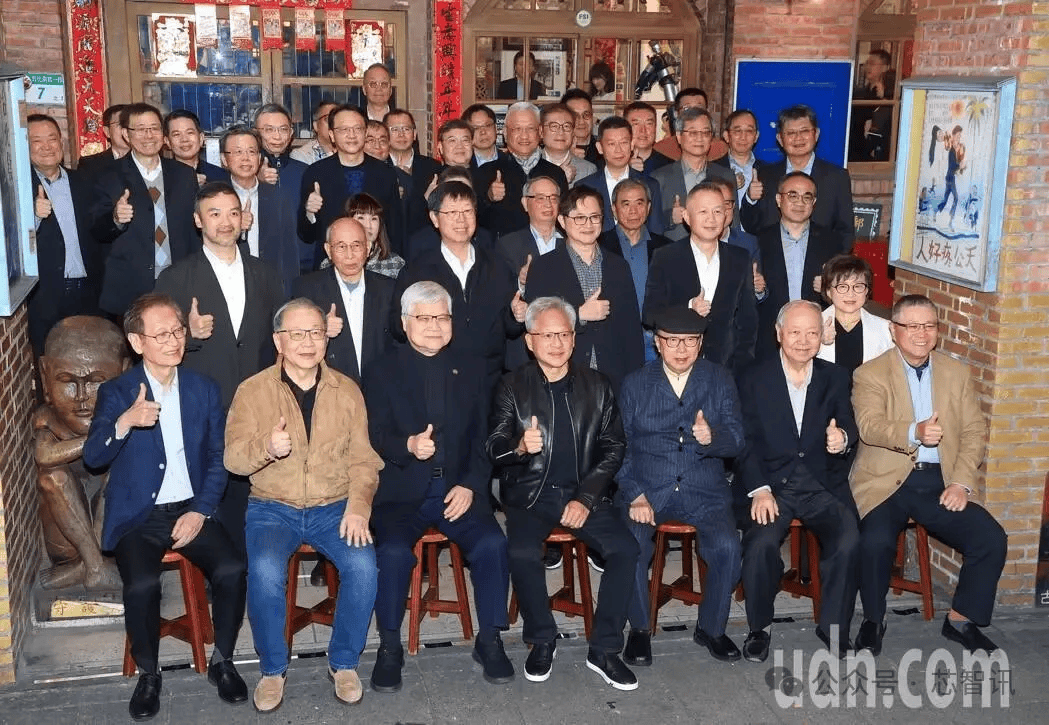
黄仁勋回应投资OpenAI计划没变
Di Yi Cai Jing· 2026-01-31 14:52
黄仁勋表示,英伟达与OpenAI的合作关系没有改变,正在考虑参与OpenAI的新一轮融资。 针对ASIC(专用集成电路)带来的竞争,黄仁勋表示,ASIC一直有需求,但英伟达做的事情非常不一 样。一方面,英伟达不只做一种芯片,而是参与到整个AI基础设施建设过程,做的产品包括CPU、 GPU、网络芯片、交换器芯片等。另一方面,英伟达与几乎所有AI公司合作,包括谷歌。此外,英伟 达与每一个云都相关,一些云计算厂商在与英伟达竞争,但这样也没有关系,英伟达还是无处不在,在 电脑系统、机器人和车里。 黄仁勋表示,ASIC出货量将比GPU更大是无稽之谈,要做到比英伟达产品更好的ASIC,要有比英伟达 更好的研发人员,许多公司正在尝试,但英伟达仍走在前面。 黄仁勋强调,英伟达年研发成本近两百亿美元。科技变得越来越复杂,英伟达此前的芯片架构Hopper很 简单、Blackwell太难了,现在做Rubin则几乎接近不可能,未来英伟达研发成本每年还会增长50%。 近日有消息称,英伟达千亿美元投资OpenAI的计划陷入停滞,原因是黄仁勋对OpenAI有疑虑。黄仁勋 回应称,双方的合作关系没有改变,英伟达正在考虑参与OpenAI的新一 ...
凯格精机20260128
2026-01-29 02:43
Summary of Kegong Precision Machinery Conference Call Company Overview - Kegong Precision Machinery benefits from the growing demand for AI computing servers and the development of the PCB industry, which drives growth in the PCBA sector. The company is a key supplier in the high-end PCB segment, with a performance inflection point expected from 2024 onwards. The improvement in revenue structure is a significant reason for profit growth exceeding revenue growth [2][7]. Key Points Industry and Market Position - Kegong Precision specializes in solder paste printing equipment, serving major server OEMs like Foxconn, Quanta, and Wistron. The company has a strong market position, with solder paste printing equipment sales accounting for 64% of its revenue in the first half of 2025, expected to increase further throughout the year [3][10]. Financial Performance - The company is projected to achieve significant profit growth, reaching 190 million yuan in 2025, with total revenue expected to reach around 2 billion yuan in 2026 and total profit around 600 million yuan. This growth is driven by an improved product mix and the release of high-margin products [4][20]. Product Structure and Profitability - Kegong's product structure is evolving, with high-end products (category three) used in data centers and 5G base stations seeing increased sales. These products have a unit price of 700,000 to 800,000 yuan and a gross margin exceeding 65%, significantly enhancing profitability [8][9]. - The overall gross margin improved from 40% in 2024 to 47% in the first half of 2025 due to the increased sales of high-margin solder paste printing equipment [7]. Employee Incentives and Shareholding Structure - The shareholding structure is stable, with the founders holding approximately 61% of the shares. A stock incentive plan was implemented in October 2025 to motivate core technical personnel, ensuring continued investment in R&D [2][4][5]. Automation and Expansion Opportunities - The demand for automation solutions in the optical module market is increasing due to labor shortages in Southeast Asia. Kegong has introduced automated assembly lines for 400G, 800G, and 1.67T optical modules, with significant orders expected from companies like Cambridge Technology and Tianfu Communication [15][19]. - The company anticipates a compound annual growth rate of 30% to 40% for its dispensing equipment, which has achieved self-sufficiency in core components [6][12]. Future Market Valuation - Kegong's current market capitalization is approximately 13 billion yuan, with a target market value exceeding 20 billion yuan, indicating over 50% growth potential based on product structure improvements and high-margin product releases [21][22]. Additional Insights - Kegong's ability to maintain high gross margins in solder paste printing equipment is attributed to its strong negotiating power with end customers and the direct collaboration with CSP clients, which mitigates pricing pressure [11]. - The company has successfully standardized non-standard products through technology decomposition and division into industrial units, ensuring sustained performance and adaptability to market demands [12].

AI领域覆铜板(CCL)市场及企业情况
势银芯链· 2026-01-28 07:36
Core Viewpoint - The article discusses the growth and dynamics of the PCB (Printed Circuit Board) industry, particularly focusing on the demand for copper-clad laminates (CCL) driven by advancements in AI applications and the increasing need for high-speed, high-frequency materials [3][13]. Industry Overview - PCB is referred to as the "mother of electronic products," serving as a carrier for electrical connections and functional integration of electronic components. The demand for PCBs is influenced by the terminal market, showing a stable growth trend [3]. - The cost structure of PCBs reveals that copper-clad laminates account for approximately 27.30% of the total cost, making them a crucial substrate in PCB manufacturing [3]. Market Segmentation - CCL can be classified based on material and structure, with different categories suitable for various applications, including communication devices, consumer electronics, and automotive electronics [10]. - High-frequency and high-speed CCLs are emerging to meet the demands of AI applications, characterized by high signal transmission speeds (10-50 Gbps) and low loss [11]. Market Size and Growth - The global AI application CCL market is projected to reach approximately $2.4 billion by 2025, $5.8 billion by 2026, and $18.7 billion by 2027, with a compound annual growth rate (CAGR) of about 18% from 2024 to 2027. The high-speed CCL market is expected to grow at a CAGR of 40%, significantly outpacing the average growth rate of the CCL market [13]. Competitive Landscape - The global CCL production capacity is primarily concentrated in Asia, with Taiwanese and Japanese companies holding significant market shares. The high-end CCL market is dominated by Taiwanese and Japanese manufacturers, while mainland Chinese companies are expected to ramp up production starting in 2026 [13]. - Key players in the CCL industry include companies like Shengyi Technology, Nan Ya Plastics, and Panasonic, each with unique strengths and market positions [17]. Recent Developments - Shengyi Technology plans to invest 4.5 billion yuan in a high-performance CCL project by 2026 [18]. - Jinan Guojiji has approved a fundraising plan to raise 1.557 billion yuan for a high-grade CCL project and R&D center [18]. - Nan Ya Plastics intends to raise up to 900 million yuan for the development of high-frequency CCLs based on AI computing power [19]. - Huazheng New Materials has recently added a high-end production line, increasing its capacity to 14 million sheets per year [19].

存储狂潮!高盛1月渠道调查:DRAM价格近期面临强劲上涨
Hua Er Jie Jian Wen· 2026-01-25 11:34
Group 1: Market Sentiment and Price Dynamics - Goldman Sachs' January 2026 DRAM market sentiment indicator signals a strong "buy" and indicates an impending price surge due to a significant premium of 172% for DDR4 spot prices over contract prices, which is historically unsustainable [1][4] - The current market pricing is severely misaligned, necessitating a substantial adjustment in contract prices as DDR5 spot prices have also begun to rebound significantly since early 2026 [2][4] Group 2: Demand and Revenue Growth - Demand for AI servers continues to accelerate, with hardware demand increasing due to a rise in rack-level AI server shipments, evidenced by Taiwanese ODM manufacturers reporting explosive revenue growth, such as Nanya Technology's revenue soaring by 445% [3][4] - The server market has shown consistent high growth, with December server ODM monthly revenue increasing by 94% year-on-year, marking the 13th consecutive month of over 50% year-on-year growth [4][5] Group 3: Company Outlook and Valuation - Goldman Sachs maintains a "buy" rating for Samsung Electronics and SK Hynix, citing extreme spot price premiums and ongoing revenue surges from ODMs as indicators of a "super cycle" in the storage industry [6][8] - Target prices are set at 180,000 KRW for Samsung Electronics and 700,000 KRW for SK Hynix, with expectations of a 50% quarter-on-quarter increase in DRAM average selling prices for Q1 2026 [8]
英伟达下一代RubinAI服务器将于8月启动交付
Jin Rong Jie· 2026-01-23 00:45
Group 1 - The first batch of RubinAI racks is expected to be delivered to customers by August this year, ensuring system integration with large-scale cloud vendors is completed by the end of the year [1] - NVIDIA's team unexpectedly announced that Vera Rubin has entered "full production" in Q1 2026, significantly ahead of the product roadmap expectations, marking an industry milestone [1] - Concerns about Rubin architecture's ability to meet the "H2 2026 delivery" commitment have been alleviated as the core components of the Rubin infrastructure are highly reused from the Blackwell series, reducing the risk of production line transformation [1] Group 2 - NVIDIA anticipates that the RubinAI series will be fully adopted by large-scale cloud vendors between Q4 2026 and Q1 2027, with cutting-edge models like GPT-5 benefiting from performance enhancements [1] - Longjiang Securities' electronics team believes that the "cable-free" design of the Midplane combined with the orthogonal backplane is the official mainstream solution under the high-density interconnection demand of the NVL576 architecture [1] - The orthogonal backplane offers significant advantages over copper cable solutions by addressing physical bottlenecks in system integration and significantly improving production efficiency [1]
AI不抢工作反而抢人?黄仁勋首次亮相达沃斯:它掀起了人类最大规模基建潮
3 6 Ke· 2026-01-22 12:24
Core Insights - NVIDIA CEO Jensen Huang discussed the macro perspective of AI at the World Economic Forum, emphasizing the changes in AI technology, the structure of the AI industry, and its potential societal impacts [1][2][3] Industry Structure - The AI industry can be divided into five layers: energy, chip and computing infrastructure, cloud infrastructure and services, AI model layer, and application layer, with the application layer being the most critical for economic growth [7][10][11] - The application layer is experiencing rapid growth due to advancements in AI models, which have led to significant investment in AI-native companies across various sectors such as healthcare, robotics, and finance [12][32] Technological Advancements - In 2025, three disruptive events are expected in the AI model layer: the emergence of Agentic AI, breakthroughs in open-source models, and significant progress in physical AI [14][15] - Agentic AI represents a shift where models can perform reasoning and planning, moving beyond simple tasks to more complex interactions [14] - Open-source models are democratizing access to AI technology, allowing various stakeholders to develop specialized applications [15] Employment Impact - Contrary to fears of job loss due to AI, Huang argues that AI will create a labor shortage by generating a demand for skilled workers in various trades, with salaries reaching six figures in the U.S. [17][18] - Historical examples, such as the impact of AI in radiology, show that AI can enhance job roles rather than eliminate them, leading to increased hiring in healthcare [18][20] Global Opportunities - AI is viewed as a critical infrastructure that can help emerging economies participate in the digital economy, with open-source models lowering the barriers to entry [22][25] - The rapid adoption of AI technology is expected to create new opportunities for countries lacking advanced computing resources [23] European Context - Europe has a unique opportunity to integrate AI into its strong industrial base, particularly in manufacturing and robotics, but requires increased investment in energy and infrastructure [28][29] - The current investment climate is not a bubble but rather a necessary phase of infrastructure development to support AI across all layers [30][31]
AI不抢工作反而抢人?黄仁勋首次亮相达沃斯:它掀起了人类最大规模基建潮
AI前线· 2026-01-22 10:23
Core Insights - The core perspective presented by Jensen Huang, CEO of NVIDIA, emphasizes that the application layer is crucial for AI to become a productive force and contribute to economic growth, highlighting that the rapid advancements in AI models have led to an explosion in applications [3][14]. Group 1: AI Industry Structure - The AI industry can be categorized into five layers: energy, chip and computing infrastructure, cloud infrastructure and services, AI model layer, and the application layer, with the application layer being the most significant for generating economic returns [12][18]. - The current investment in AI infrastructure is only in the hundreds of billions, while the actual requirement is in the trillions, indicating a massive infrastructure build-out is underway [16][15]. Group 2: AI Model Developments - In 2025, three significant developments occurred in the AI model layer: the emergence of Agentic AI, breakthroughs in open-source models, and substantial progress in physical AI, which allows AI to understand and interact with the physical world [22][24][26]. - The rise of open-source models has democratized access to AI technology, enabling various sectors to develop specialized models tailored to their needs [24]. Group 3: Job Market Implications - Contrary to fears of AI leading to job losses, Huang argues that AI will create a labor shortage, necessitating skilled workers in various trades, with many positions offering salaries nearing or exceeding six figures [5][29]. - Historical examples, such as the impact of AI in radiology, demonstrate that AI can enhance job roles rather than eliminate them, leading to increased hiring in healthcare sectors [30][32]. Group 4: Global Economic Impact - AI is viewed as a transformative infrastructure that can help bridge gaps in developing economies, with the potential for widespread adoption due to the availability of open-source models [36][40]. - The rapid adoption of AI is lowering technical barriers, allowing individuals without formal programming backgrounds to engage in digital economies [39][40]. Group 5: European Opportunities - Europe has a unique opportunity to integrate AI into its strong industrial base, particularly in manufacturing and robotics, which could lead to significant advancements in the physical AI sector [44]. - The success of AI in Europe hinges on increased energy supply, infrastructure investment, and early engagement in AI ecosystem development [45].