星展银行

Search documents
中国金融改革开放2025年度报告
Sou Hu Cai Jing· 2026-02-10 02:45
Core Insights - The report highlights that 2025 marks a critical year for China's financial reform and opening-up, transitioning from market access to institutional openness, focusing on rules and regulations, and aiming for high-quality development in the financial sector [9][10]. Market Development - The capital market's two-way opening continues to deepen, with significant improvements in the Shanghai-Hong Kong Stock Connect and Bond Connect, leading to increased trading activity and market stability [10][18]. - The internationalization of the Renminbi (RMB) is accelerating, with a global cross-border payment system and rapid development of the digital RMB, creating a dual-driven new pattern [10][33]. - The bond market has seen substantial growth, with the "Bond Connect" mechanism enhancing cross-border investment and risk management capabilities, making Chinese bonds a core option for global asset allocation [23][27]. Industry Development - Foreign financial institutions are accelerating their entry into the Chinese market, focusing on wealth management, green finance, and technology insurance, while domestic institutions are expanding internationally, particularly in Belt and Road Initiative countries [10][52]. - The insurance sector is witnessing increased foreign participation, with foreign insurance companies' total assets reaching 3.32 trillion RMB, a 12.1% increase from the previous year [57]. Institutional Introduction - The introduction of foreign institutions is shifting from mere expansion to focusing on high-net-worth wealth management and cross-border finance, indicating a more strategic approach [72]. - As of mid-2025, there are 42 foreign banks operating in China, with a strong emphasis on capital strength and international experience, contributing significantly to the local banking landscape [47][50]. Business Development - The Qualified Foreign Institutional Investor (QFII) and Qualified Domestic Institutional Investor (QDII) systems are continuously optimized, expanding investment channels and quotas, which enhances cross-border financial integration [11][52]. - The establishment of cross-border financial services in strategic regions like the Yangtze River Delta and the Guangdong-Hong Kong-Macao Greater Bay Area is progressing, creating a multi-layered regional opening pattern [11][12]. Regulatory Reform - Financial regulatory reforms are being implemented, including the optimization of the qualified foreign investor system and the introduction of new policies to enhance the financial regulatory framework [11][12]. - The integration of finance and technology is deepening, forming a comprehensive financial support system for technological innovation throughout its lifecycle [11][12]. Future Outlook - Looking ahead to 2026, the focus will be on deepening institutional openness, aligning rules and standards with international practices, and promoting a more competitive and resilient modern financial system [12].


1200亿港元南向资金涌入港股
21世纪经济报道· 2026-02-09 14:21
Core Viewpoint - The article discusses the narrowing of the AH premium, highlighting the significant reduction in the discount rate for companies listed in both A-shares and H-shares, with a focus on the factors driving this trend and the implications for market dynamics [1][3]. Group 1: AH Premium Dynamics - The AH premium has decreased significantly, with the recent listing of Dongpeng Beverage showing a discount rate of only 14%, the second lowest since 2015, compared to an average of about 33% [1]. - The Hang Seng A-share premium index has declined from a near ten-year high of 161.36 points in February 2024 to 119.44 points by February 2026, returning to levels seen in 2019 [1]. Group 2: Factors Influencing Premium Narrowing - The core reason for the narrowing AH premium is the recovery of liquidity discounts in the Hong Kong market, driven by increased participation from southbound funds, a weak dollar environment, and improved earnings in the Hong Kong market [3]. - Southbound funds have reached a record net inflow of 1.4 trillion HKD in 2025, with over 120 billion HKD net inflow recorded in early 2026, indicating a strong trend of capital flow into the Hong Kong market [5]. Group 3: Market Structure and Investor Behavior - The participation of southbound funds has increased from 20% at the beginning of 2024 to around 35%, enhancing the pricing power of mainland investors in the Hong Kong market [6]. - The liquidity gap between A-shares and H-shares has narrowed due to the influx of southbound funds, which have improved the liquidity conditions in the Hong Kong market [5]. Group 4: Valuation Disparities and Market Preferences - Some leading companies have experienced a phenomenon where H-shares are priced higher than A-shares, with notable examples including CATL and China Merchants Bank, indicating a preference for globally competitive firms by foreign investors [7]. - The article notes a "Matthew Effect" in the market, where larger companies enjoy better valuations, while smaller companies face greater discounts, with smaller IPOs often seeing discounts of around 50% compared to larger firms [10][11]. Group 5: Future Trends and Market Adjustments - The trend of narrowing AH premiums and structural differentiation is expected to continue, with high-quality leading stocks potentially experiencing a "premium inversion" becoming a norm [12]. - Adjustments in listing rules allowing growth companies to list in Hong Kong may attract more high-growth firms to global investors, further influencing the AH premium dynamics [12].



中国金融改革开放2025年度报告-安永
Sou Hu Cai Jing· 2026-02-09 03:23
Group 1: Core Insights - 2025 marks the concluding year of the "14th Five-Year Plan," with China's financial reform and opening-up entering a deep institutional phase, focusing on systemic deepening and high-quality development [1][10][15] - The integration of finance and technology is emphasized, providing robust financial support for cultivating new productive forces [1][10] Group 2: Market Development - The capital market's two-way opening continues to deepen, with significant growth in trading volumes for the Shanghai-Hong Kong Stock Connect and Bond Connect, and Hong Kong's new stock financing returning to the top globally in 2025 [1][10][19] - Policies to encourage long-term capital inflows have been implemented, clarifying the proportion and assessment mechanisms for public offerings and insurance funds entering the market, optimizing the capital market ecosystem [1][10][22] Group 3: Industry Development - Foreign banks, securities, and insurance institutions are accelerating their presence in China, focusing on wealth management, green finance, and technology insurance, with foreign insurance companies' total assets growing by 12.1% year-on-year [2][62] - Domestic financial institutions are also actively expanding overseas, particularly in Belt and Road countries and emerging markets, with the asset management industry reaching 179.33 trillion yuan, setting historical highs for both public and private funds [2][73] Group 4: Regulatory Reforms - Regulatory reforms are centered around five major areas, with multiple departments issuing policies to clarify development goals, enhancing the inclusiveness of the Sci-Tech Innovation Board and optimizing the Qualified Foreign Institutional Investor (QFII) system [3][10][15] - The establishment of a modern financial system that matches economic strength is emphasized, with a focus on risk prevention and control [3][10] Group 5: Regional Opening - Key regions such as the Yangtze River Delta, Guangdong-Hong Kong-Macao Greater Bay Area, and Hainan Free Trade Port are becoming core areas for financial opening, with various financial reform policies being implemented [2][10][12] Group 6: Financial Empowerment of Technological Innovation - The banking sector is increasing credit support for technological innovation, with the re-loan quota for innovation raised to 800 billion yuan, and the number of listed companies on the Sci-Tech Innovation Board reaching 600 with a total market value exceeding 10 trillion yuan [3][10][12]

现货金银回升,金银市场惊现杠杆绞杀,现货白银跌幅收窄
Sou Hu Cai Jing· 2026-02-06 23:15
2026年2月6日,全球贵金属市场迎来一场剧烈震荡。 凌晨,现货黄金一度跌超2.5%,随后跌幅收窄至1%以内;现货 白银更是上演"高台跳水",盘中暴跌近10%,最终收窄至2%。 这场波动并非孤立事件。 此前一日,伦敦银现单日重 挫12.31%,国内白银T D同步大跌11.64%。 自1月29日创下历史高点后,现货白银价格已回落逾40%,完全回吐年初至 今涨幅。 杠杆坍塌与监管干预成导火索 2月5日晚间,美国芝商所(CME)宣布将COMEX黄金期货初始保证金从8%上调至9%,白银期货保证金从15%大幅上 调至18%,新标准于2月6日收盘后生效。 这一举动被市场解读为监管层对投机行为的直接打压。 高杠杆交易者被迫 在规则生效前集中平仓,引发连锁抛售。 白银因市场规模较小,单日振幅高达15%,创五年最大跌幅。 与此同时,美联储人事变动预期加剧市场恐慌。 美国总统提名鹰派倾向的凯文·沃什为下任美联储主席,投资者担忧 美元流动性紧缩提前到来。 美元指数短时间内反弹,10年期美债收益率攀升,压制了无息贵金属的吸引力。 散户与机构的"多空博弈" 市场波动背后是短期投机者与长期配置者的激烈分化。 部分散户在价格高位激进加杠杆 ...

国际现货黄金、白银再度反弹 机构:市场上短期获利了结者与长期配置者并存
Xin Lang Cai Jing· 2026-02-06 11:20
来源:上海证券报·中国证券网 上证报中国证券网讯(记者 张骄)国际现货黄金、白银再度反弹。2月6日下午,伦敦现货黄金盘中涨 逾2%,一度收复4900美元/盎司关口;伦敦现货白银日内最高涨逾6%,盘中曾一度跌近10%。截至14时 24分,伦敦金报4857.57美元/盎司,涨约1.7%;伦敦银报74.12美元/盎司,涨约4.5%。 星展银行高级投资策略师邓志坚接受上海证券报记者采访时表示,国际黄金期货市场中的多头力量仍以 机构投资者为主,其操作策略很有可能在低位持有,并在价格涨至高位时部分抛售获利。同时,机构也 会在高位开始布局空头头寸,待价格回落后平仓了结。"两个方向都赚钱。" 邓志坚认为,目前市场上短期获利了结者与长期配置者并存。专业投资者即使部分止盈,通常也不会清 仓。而一旦金价回落至合理位置,中长期买家便会进场。 邓志坚进一步表示,去年四季度以来,全球央行增持、专业投资者通过ETF等方式的对冲需求持续存 在,这是基于中长期避险逻辑——包括地缘政治风险、美债风险、对美股及美国政府财政可持续性的担 忧。这些因素并未改变,因此金价下跌后仍会有买盘介入。 来源:上海证券报·中国证券网 上证报中国证券网讯(记者 张 ...
特朗普宣布下调对印度关税,2026年“印度行情”能否回归
2 1 Shi Ji Jing Ji Bao Dao· 2026-02-03 13:47
Group 1 - The Indian stock market, which faced the worst performance among emerging markets in 2025, is experiencing renewed optimism following a trade agreement with the U.S. that includes a reduction in tariffs on Indian goods [1][2] - The U.S. will lower the tariff rate on Indian goods from 25% to 18%, effective immediately, while India will stop purchasing Russian oil, which is expected to stabilize the Indian rupee and attract foreign investment back into the market [1][4] - Following the announcement, the Nifty 50 index rose by 2.55% and the Sensex index increased by 2.54%, marking the strongest single-day gains since May of the previous year [1] Group 2 - Despite the high tariffs imposed by the U.S., India's economy has shown resilience, with GDP growth projected at 7.4% for the fiscal year 2025-26, up from 6.5% in the previous year [2] - The Indian rupee appreciated by 1.5% against the dollar, reaching 90.1250, indicating a potential recovery after a year of depreciation [1][3] - The trade agreement is expected to have a positive structural impact on India's economy, enhancing its strategic importance to global investors and improving market sentiment [6] Group 3 - Various sectors related to exports, including automotive, pharmaceuticals, energy, and infrastructure, saw significant gains, with increases exceeding 2% [5] - Analysts predict that 2026 could be a recovery year for the Indian stock market, with firms like Goldman Sachs and HSBC upgrading their ratings on Indian stocks due to recent government reforms [6] - However, concerns remain regarding the attractiveness of Indian equities, as the market's valuation remains high compared to other emerging markets, with a premium of 55% to 60% [7][8]
贵金属风暴下的银行“围城”:大行筑墙,小行借道
Hua Er Jie Jian Wen· 2026-02-03 07:14
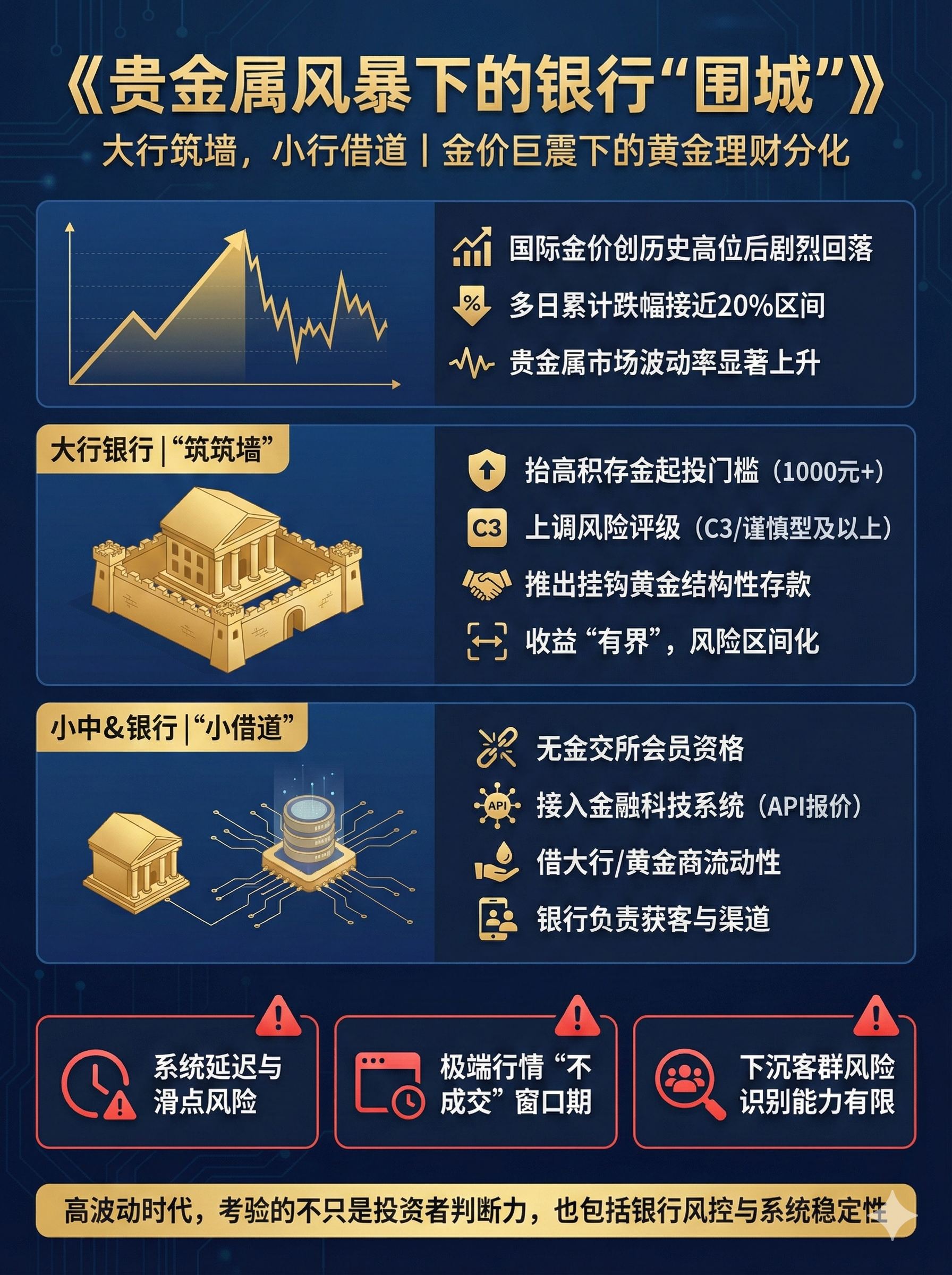
年终奖即将到手的律师王植(化名),在二月初的寒意中感到了某种难言的燥热。那是金价巨震带给市场的余温,也是财富焦虑在特定节点下的投射。 2月2日,全球贵金属市场遭遇深幅回调,此前一度冲破5500美元/盎司大关的现货黄金,在短短数个交易日内掉头向下,多日累计跌幅接近20%区间。 尽管市场弥漫着对"史诗级暴跌"的恐慌,但对于王植而言,波动即是磁石——他既不甘心在这一轮黄金热潮中彻底缺位,又对当前高位的剧烈波动心存忌 惮,最终在多家大型银行推出的黄金挂钩结构性存款前,停下了目光。 这并非王植一个人的选择。 随着大量存款到期与年终奖发放季重合,在黄金行情余温尚存的背景下,各类挂钩贵金属的理财产品正成为银行获客揽储的"胜负手"。 在这场全民淘金热中,大型银行与中小型银行对于黄金业务的态度,正在呈现出微妙的分化: 一边是努力"降温"的国股行,正通过抬高门槛、强化风险评级来构筑防火墙; 一边是仍在"升温"的中小银行,试图在技术与渠道的缝隙中,借道分享这场盛宴。 大行"筑墙" 在金价立于高位、波动率放大的背景下,国有大行与头部股份制银行正悄然掀起一场"去散户"的运动; 这种策略并非拒绝客户,而是通过提高准入门槛与设计风险对冲产 ...


金价大涨,银行黄金挂钩结构性存款火了
Sou Hu Cai Jing· 2026-01-28 02:46
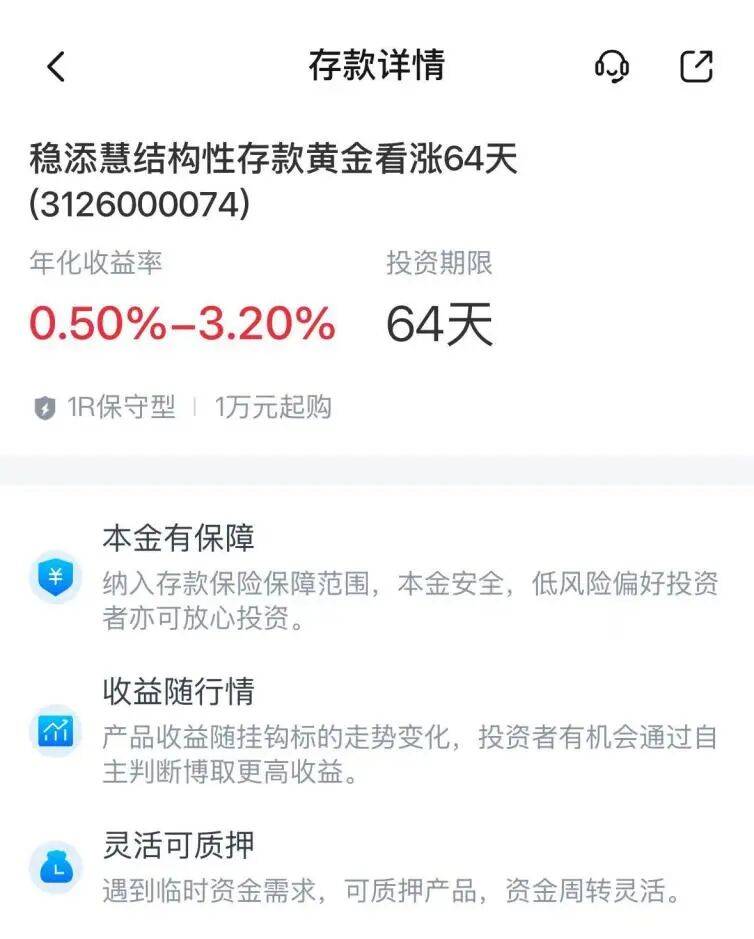
多家银行推出黄金挂钩结构性存款 随着国际金价的持续走强,与黄金相关标的挂钩的银行结构性存款也"火"了。 据梳理统计,截至目前,已经有交通银行、招商银行、兴业银行、民生银行、江苏银行、上海银行、上海农商银行等多家中资银行以及星展 银行、渣打银行等外资银行相继推出了此类特色存款产品。同时,甚至有部分热门产品还呈现了"上架即售罄"的热销状态。 多位银行业内人士表示,随着金价的不断创新高,当前和黄金挂钩的产品普遍都比较好卖,且近期储户存款大规模到期,不少投资者于近期 开始积极咨询起挂钩黄金的结构性存款情况。此外,多家上市公司也于近期披露了认购该产品情况,认购总规模也远超去年同期。 【导读】银行积极热销黄金挂钩结构性存款,上市公司认购规模远超去年同期 近期,多家银行App均推出了和黄金挂钩的结构性存款产品。例如,交通银行App显示了4款名为"稳添慧"的结构性存款产品,分别为黄金看 涨64天、黄金看跌64天、股指看涨36天和股指看跌36天。这些产品均为R1低风险产品,1万元起购,预期年化收益区间为0.5%—3.20%。 中国基金报记者 马嘉昕 记者查阅招商银行App发现,该行在售的黄金挂钩的结构性存款数量繁多,普遍期限在 ...



日元反弹缺乏数据支撑 政策博弈下汇市波动加剧
Xin Hua Cai Jing· 2026-01-27 01:36
此次波动源于上周五一则市场消息:纽约联邦储备银行对美元/日元汇率进行了"汇率询价"(rate check)。据知情人士透露,此举系代表美国财政部向多家银行询问日元兑美元的兑换成本。尽管官方 尚未确认是否实施直接干预,但此类询价在历史上常被视为潜在干预的前兆。 市场普遍认为,若财务省确实在上周五买入日元,通常应留下数千亿乃至万亿日元量级的资金流出痕 迹。目前观测到的偏差幅度有限,难以判断当局是否进行了"少量干预"或根本未入市。日本财务省暂未 就干预行动发表声明。 当前日元空头仓位已升至十多年来高位。消息传出后,市场迅速定价美日可能联手干预,触发空头回 补,推动日元走强。与此同时,美联储议息会议临近、特朗普拟宣布新任美联储主席人选,以及美国政 府停摆风险上升,亦促使投资者缩减美元敞口。 然而,日本央行周一公布的经常账户数据未能提供干预的确凿证据。数据显示,该账户余额预计于1月 28日因财政因素减少6300亿日元,虽高于中央短资、上田八木短资及东京短资研究所预测均值约1670亿 日元,但这一偏差显著小于2022年以来确认的最小干预规模(7290亿日元)。 新华财经北京1月27日电亚洲交易时段盘初,美元兑日元汇率小幅 ...
黄金结构性存款火到离谱:收益上限12%,你能拿到多少?
Sou Hu Cai Jing· 2026-01-25 11:28
听起来很热闹,但越热闹的地方越容易踩坑。很多人以为自己买的是"高收益+保本",结果到期一看收益只有零点几,心态瞬间凉透。 为了让你少走弯路,我把六家银行的黄金结构性存款做了个横向对比,顺便聊聊外资银行的"花活"和中资银行的"稳字当头",最后再给不同资金量的投资者 一些配置建议。 一,黄金结构性存款为什么突然火了? 说白了,就是两个字:焦虑。 低利率时代,普通存款收益越来越低,大家都想找点"既安全又高收益"的东西。黄金又正好在涨,银行顺势推出挂钩黄金的结构性存款,起购门槛低、期限 短,看起来特别友好。 但你要知道:高收益部分往往是"看得到吃不到"。 最近身边不少朋友都在聊黄金,朋友圈里晒金条的,晒金价截图的,晒银行"黄金结构性存款"的,一个比一个兴奋。伦敦金现价冲上4990美元/盎司后,银 行挂钩黄金的结构性存款直接被抢成"秒光",有的上市公司甚至一口气买了好几亿。 下面这张表,把你关心的几个关键点都放进去了:起购金额、期限、收益区间、挂钩标的、产品特点。 | 银行 | 起购全额 | 其即侵 | 收益区间 | 挂钩标的 | 产品特点 | | --- | --- | --- | --- | --- | --- | ...