海信

Search documents
TCL电子拟以合资形式承接索尼家庭娱乐业务51%控股 盘中大涨18%
Zhong Guo Jing Ying Bao· 2026-01-21 06:59
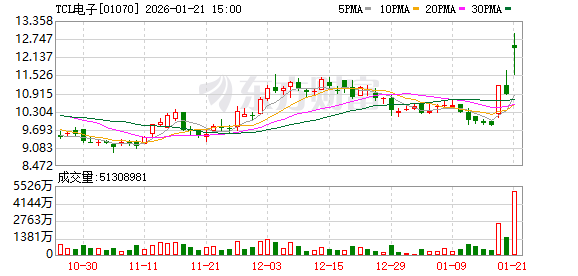
TCL电子在公告中表示,未来,合资公司将融合索尼在音视频技术、品牌价值与供应链管理方面的积 累,结合TCL在显示技术、全球产业布局、成本效率及垂直供应链等方面的优势,共同提升全球竞争 力。此外,合资公司将继续使用索尼旗下全球的"Sony"和"BRAVIA"品牌。 2026年1月21日上午,TCL电子控股有限公司(以下简称"TCL",1070.HK)股价盘中最高涨幅18.64%, 报12.92港元,创2004年9月以来新高。截至午盘,涨幅为17.08%,报12.750港元。 消息面上,一则重磅消息震动了全球消费电子行业。此前的1月20日晚间,TCL电子发布公告,宣布与 索尼公司(Sony Corporation)就家庭娱乐领域达成战略合作意向,并签署了一份不具法律约束力的意 向备忘录。 根据备忘录,双方拟成立一家合资公司,承接索尼的家庭娱乐业务,在全球范围内开展包括电视、家庭 音响等产品的研发、设计、制造、销售、物流及客户服务一体化运营业务。合资公司股权结构为TCL持 股51%,索尼持股49%。此外,双方还计划在专利、技术和品牌授权方面展开进一步合作。 有业内人士在接受《中国经营报》记者采访时表示,这意味着索尼 ...

AI算力激活数字潜能,青岛构建新质生产力发展新格局
Qi Lu Wan Bao· 2026-01-20 14:33
Core Insights - Qingdao is prioritizing technological innovation to enhance new quality productivity, focusing on embodied intelligent robots and an innovative industrial system [1][2][5] Group 1: Technological Innovation - The core element of developing new quality productivity is technological innovation, with embodied intelligent robots being a key strategy for Qingdao to seize future industrial opportunities [2] - Qingdao has established a robust ecosystem with nearly 100 robot and component companies and over 500 AI firms, ranking sixth among China's advanced manufacturing cities [2] Group 2: Industry Development - Qingdao's "10+1" innovative industrial system includes two leading industries, five emerging industries, and three advantageous industries, aiming to enhance productivity across 40 niche sectors [6] - The city is focusing on the integration of traditional industries with digital transformation, exemplified by the development of high-tech products like the world's first 8K laser television and high-speed magnetic levitation transportation systems [7] Group 3: AI and Digital Economy - Qingdao is building a comprehensive digital economy framework, emphasizing the importance of computing power as a "digital engine" for industrial innovation [8] - The city aims to become a provincial hub for computing power, with plans to enhance infrastructure and promote the integration of traditional and digital economies [8][9] Group 4: Achievements and Future Goals - Qingdao's innovation ecosystem has seen significant growth, with the number of technology-based SMEs increasing by 85% and high-tech enterprises by 98% since 2020 [7] - By 2026, Qingdao plans to achieve substantial advancements in AI and new generation information technology, targeting a scale of 200 billion yuan for the AI industry [6][10]

青岛启动科创大走廊建设
Zhong Guo Jing Ji Wang· 2026-01-16 08:09
Core Viewpoint - The Qingdao Science and Technology Innovation Corridor aims to enhance original innovation and key core technology breakthroughs, integrating technological and industrial innovation while promoting the development of education, technology, and talent [1] Group 1: Corridor Overview - The Qingdao Science and Technology Innovation Corridor officially launched on November 7, 2025, and spans 53 kilometers along the coastal road, covering an area of approximately 190 square kilometers [1] - The corridor connects major districts such as Laoshan District, Licang District, and Qingdao Blue Valley, featuring a well-developed transportation network and showcasing unique natural landscapes [1] - It is home to leading enterprises like Haier, Hisense, and GoerTek, with 20 listed companies, 998 high-tech enterprises, and 25 specialized "little giant" companies [1] Group 2: Future Development Goals - By 2027, the corridor aims to achieve significant breakthroughs in innovation platforms, talent, and enterprises, with key laboratories and new research institutions accounting for over 45% of the city's resources [2] - The number of effective invention patents per ten thousand people, total innovation talent, and high-tech enterprises is expected to grow by over 15% [2] - By 2035, the corridor is projected to lead in transformative technology results, attract world-class leading enterprises, and establish itself as a national leader in technological innovation and a global marine technology innovator [2] Group 3: Organizational and Policy Support - A collaborative mechanism will be established to enhance communication and resource integration across departments, regions, and industries [3] - Policies will be implemented to support the development of the Youth Innovation City, Smart Industry City, and Marine Technology City, creating a synergistic effect [3] - The corridor will serve as a testing ground for technology transfer, leveraging educational resources and promoting innovation ecosystems [4]
助力当家产品“行天下” ,制造业大省广东政府牵头带货
Di Yi Cai Jing· 2026-01-15 13:46
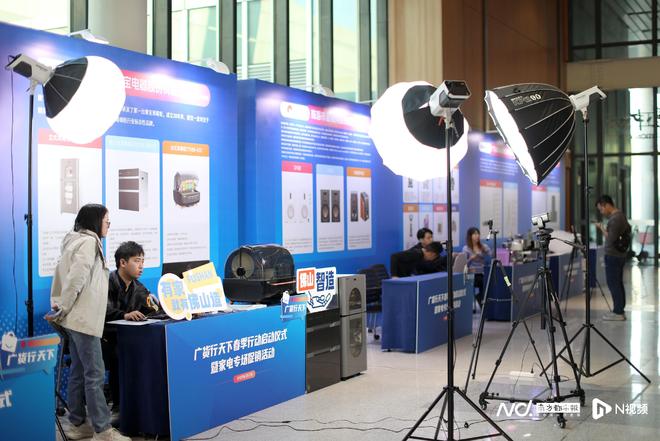
Core Viewpoint - Guangdong is leveraging government-led initiatives to enhance regional industrial strengths and promote consumption through innovative channels like live-streaming e-commerce [2][3] Group 1: Government Initiatives - The "Guangdong Goods Going Global" spring campaign was launched on January 15 in Foshan, focusing on the home appliance sector, with over 1,900 provincial enterprises participating [2] - The campaign aims to boost revenue for industrial chain companies and promote consumption upgrades through new channels [2] Group 2: Industry Participation - Major brands such as Midea, Gree, Galanz, and Hisense participated in the live-streaming sales event, showcasing a variety of products [2] - The event received support from over 10 major commercial platforms, including Alibaba International, JD.com, and Douyin, as well as numerous offline supermarkets [2] Group 3: E-commerce and Consumer Engagement - The chairman of Xinxuan Group emphasized that live-streaming e-commerce not only generates sales but also empowers quality industries and domestic brands [3] - The event highlighted the importance of e-commerce channels, with companies like Mofei Technology noting strong consumer interest in their products, even in prototype form [3] Group 4: Future Plans - The Guangdong Provincial Department of Industry and Information Technology plans to organize 12 online promotional events covering various manufacturing sectors, including home appliances, mobile phones, clothing, food, smart devices, automobiles, and beauty products [3]
广东制造爆款频出,董明珠们点赞“广货行天下”
Sou Hu Cai Jing· 2026-01-15 04:43
Core Viewpoint - The article emphasizes the importance of quality in both consumer and corporate life, highlighting the robust quality awareness ingrained in Guangdong's manufacturing culture [1]. Industry Overview - Guangdong produces one out of every three smartphones sold globally, with the Greater Bay Area's smart home appliance industry accounting for approximately 30% of the global market [2]. - By November 2025, Guangdong's home appliance exports are expected to represent nearly half of the national total [2]. Historical Context - The "Four Great Kings" of Guangdong, which include traditional products like "Pearl River Water, Guangdong Grain, Lingnan Clothing, and Cantonese Home Appliances," have evolved significantly since the 1980s [3]. Current Industry Developments - "Pearl River Water" now symbolizes Guangdong's extensive trade logistics, with cross-border e-commerce import and export volume increasing 66 times over nine years, holding over one-third of the national market share [4]. - The food industry in Guangdong aims to exceed 1.5 trillion yuan in output value by 2027, with Cantonese mooncakes accounting for 75% of national production and 90% of exports [4]. - Guangdong's clothing and home appliance sectors are innovating in smart wearables and smart home technologies, with 40% of global smartphones and 70% of consumer drones labeled as "Made in Guangdong" [5]. Ecosystem and Supply Chain - Guangdong's manufacturing ecosystem is characterized by deep collaboration and a complete industrial chain, enabling rapid product development and delivery [8]. - In the textile and apparel sector, a micro-ecosystem in Guangzhou allows for clothing production from design to delivery in as little as one day [8]. - The consumer electronics sector benefits from a "one-hour industrial circle" around Dongguan, facilitating efficient assembly of over 95% of smartphone components [8]. Innovation and Technology - The article discusses a transformation in Guangdong's manufacturing driven by AI and user experience, with companies like Gree and Skyworth leading the charge in smart technology integration [12][13]. - The shift in mindset from "what I can produce" to "how I can serve your needs" is highlighted as a key factor in enhancing product offerings [13]. Market Expansion Initiatives - The "Guangdong Goods Going Global" initiative aims to enhance market access for over 6,000 enterprises across various sectors, supported by major e-commerce platforms [15]. - The initiative employs a model of "government support, platform assistance, and enterprise participation," promoting products through cultural integration [15]. Future Outlook - Experts suggest that Guangdong's manufacturing must enhance its brand image and focus on high-value products to compete globally [20][22]. - The importance of leveraging traditional Lingnan culture for creative inspiration in product development is emphasized, alongside the need for technological innovation [22].

“广货行天下”春季行动在佛山启幕!家电专场“打头炮”
Nan Fang Du Shi Bao· 2026-01-15 01:19
Core Viewpoint - The "Guanghuo Goes Global" Spring Action, launched on January 15, 2026, in Foshan, Guangdong, aims to stimulate consumer demand and enhance the market presence of high-quality Guangdong products through a series of promotional activities involving over 6,000 enterprises and major commercial platforms [6][8][10]. Group 1: Event Overview - The event features nearly 30 key activities, with participation from over 10 large commercial platforms and approximately 6,000 enterprises across various sectors including home appliances, mobile phones, clothing, food, and more [8]. - The home appliance promotion event on the same day gathered more than 1,300 local home appliance companies, showcasing quality products and conducting live-stream sales [10]. Group 2: Economic Context - The initiative is part of a broader strategy to boost domestic demand and optimize supply in Guangdong, a major manufacturing and consumption province, to support economic recovery and industrial upgrading [6][8]. Group 3: Promotional Strategies - The promotional campaign employs a multi-layered discount structure involving government subsidies, enterprise discounts, and platform support, effectively stimulating consumer spending [11]. - Consumers can benefit from various discounts, including government "national subsidies" and brand-specific promotions, with some companies offering up to 15% off through trade-in programs [14]. Group 4: Consumer Engagement - The event includes additional incentives such as gifts, service upgrades, and exclusive discounts for consumers who use specific codes during purchases, enhancing the overall shopping experience [15]. - Companies are also implementing ongoing promotional activities throughout the first quarter, ensuring sustained consumer engagement and value [15].


董明珠拒绝空调材料“铝代铜”,格力站在新“十字路口”
Sou Hu Cai Jing· 2026-01-12 04:04
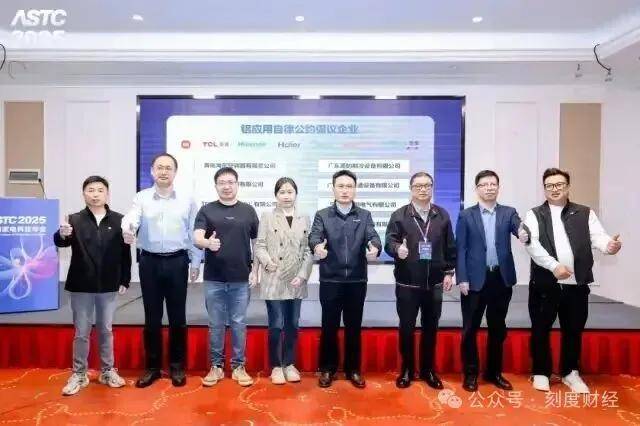
Core Viewpoint - The air conditioning industry is shifting towards aluminum as a substitute for copper, with many companies signing a self-regulatory agreement to promote this transition. However, Gree Electric Appliances, led by Chairman Dong Mingzhu, firmly opposes this shift, emphasizing the need for quality assurance before adopting aluminum technology [1][2][6]. Industry Trends - A self-regulatory agreement was signed by 19 air conditioning companies to promote the use of aluminum heat exchangers, aiming to enhance consumer trust in the technology [1][6]. - The aluminum substitution can reduce material costs by 20%-25%, with significant savings projected for manufacturers [7]. - The first domestic "aluminum substitute for copper" air conditioner is set to launch, priced approximately 20% lower than traditional copper models [7]. Gree's Position - Gree continues to prioritize copper in its products, with Dong Mingzhu stating that the technology for aluminum has not yet reached the reliability of copper [2][6]. - Gree's commitment to copper is seen as both a brand declaration and a potential strategic limitation, as the company faces increasing competition and market pressures [6][12]. Financial Performance - Gree reported a revenue of 137.18 billion yuan for the first three quarters of 2025, a decrease of 6.50% year-on-year, with a net profit of 21.46 billion yuan, down 2.27% [13][18]. - The air conditioning segment, which constitutes 78.38% of Gree's total revenue, has shown a decline, indicating a reliance on a single product line [13][18]. Competitive Landscape - Competitors like Xiaomi and Midea are adopting a more flexible approach, focusing on cost efficiency and appealing to price-sensitive consumers, which poses a threat to Gree's market share [12][20]. - Gree's average air conditioner price is significantly higher than that of competitors, limiting its competitiveness in the mid-range market [19][20]. Strategic Challenges - Gree's focus on high-quality products has led to a brand image that may be perceived as outdated by younger consumers, who prioritize smart features and design [26][27]. - The company's diversification efforts, such as the "Dong Mingzhu Health Home" initiative, have raised questions about brand identity and market positioning [30][31]. Future Outlook - The industry is moving towards aluminum technology, which may lead to Gree losing its influence in setting industry standards if it continues to resist this shift [25]. - The long-term viability of Gree's strategy of maintaining a copper-only approach is under scrutiny as market dynamics evolve [32].
CES深度观察|AI硬件消费时代的“幕后英雄”走向台前
Sou Hu Cai Jing· 2026-01-09 14:48
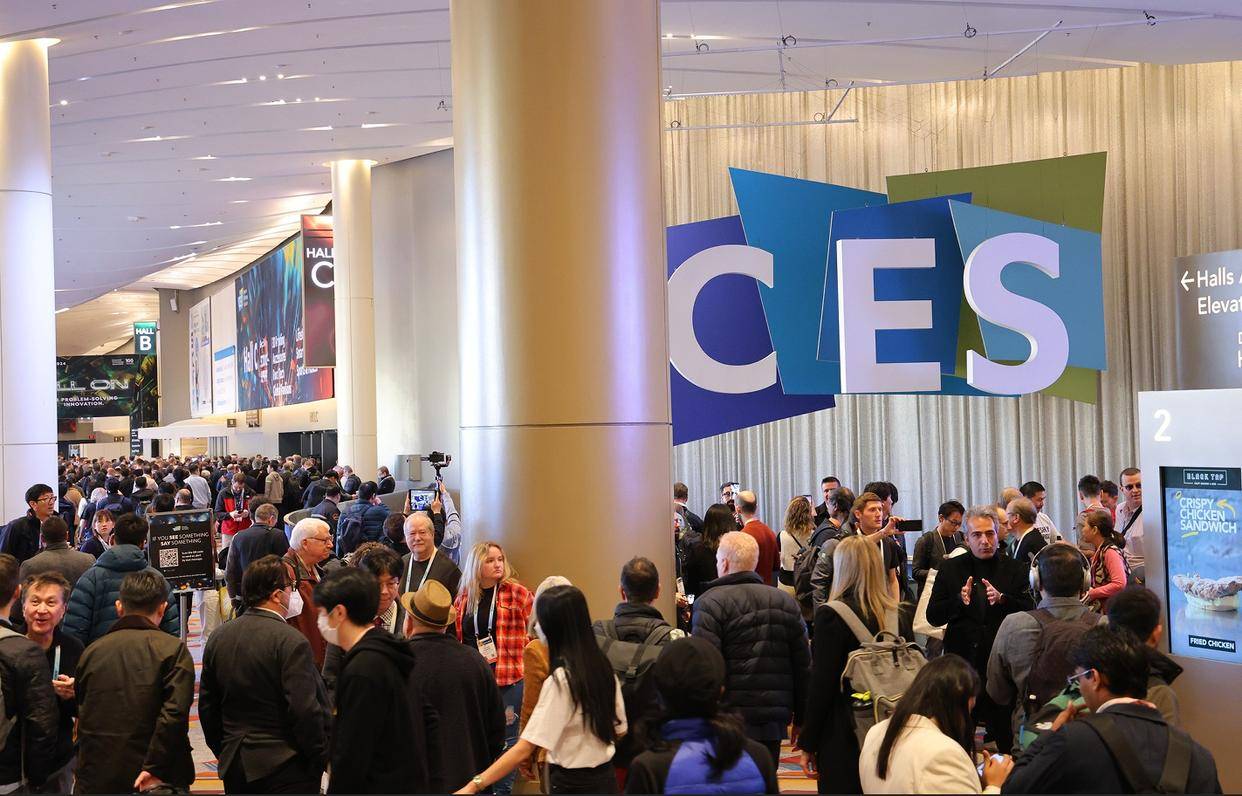
Core Insights - The 2026 CES in Las Vegas highlighted a shift from technological innovation to practical applications of AI, with a focus on new hardware products like smart cockpits, embodied robots, and AI glasses [1][3] - Chinese supply chain companies are transitioning from being "behind the scenes" to taking a front-row role in the AI hardware consumer era, showcasing their capabilities at CES [3][4] Group 1: Chinese Companies' Participation - A total of 942 Chinese companies participated in CES 2026, accounting for approximately 22% of the total exhibitors, marking a significant increase from 204 companies in 2021 [4] - The participation of Chinese firms has evolved from sporadic entries to organized group participation, reflecting a robust global presence [4][6] Group 2: Technological Advancements and Market Position - Chinese manufacturers are diversifying their strategies to capture the global AI hardware market, with companies like TCL focusing on key interactive display technologies and automakers like BYD and Great Wall leveraging AI for international expansion [6][9] - Companies like Lens Technology are transitioning from traditional component suppliers to comprehensive AI hardware ecosystem platforms, showcasing their capabilities in various AI applications [11][15] Group 3: Innovations and Product Launches - Lens Technology presented a range of innovations at CES, including a bionic dexterous hand and ultra-thin glass products for aerospace applications, demonstrating their advanced manufacturing capabilities [13][24] - The company also showcased integrated solutions for smart automotive cockpits, which have gained traction among leading automotive brands like Tesla and NIO [15][20] Group 4: Supply Chain Evolution - The evolution of the supply chain in China is driven by the need for manufacturers to adapt to the AI hardware landscape, enabling them to redefine their roles and capabilities [9][27] - Lens Technology's strategic shift illustrates how traditional manufacturing strengths can be leveraged to create competitive advantages in the AI era, with a focus on high-quality production and innovation [20][26] Group 5: Future Outlook - The transformation of Chinese supply chain companies signifies a broader shift in the manufacturing landscape, moving from scale advantages to technological leadership [28] - As these companies continue to innovate and expand globally, the AI hardware industry is expected to experience enhanced collaboration, richer application scenarios, and greater resilience [28]

CES2026:双轮驱动出海,思必驰让中国AI创新成果惠及世界
Jiang Nan Shi Bao· 2026-01-07 12:33
Core Viewpoint - The 2026 International Consumer Electronics Show (CES) serves as a significant platform for showcasing Chinese AI technology to the world, with the company Siboer demonstrating its advancements in voice interaction technology across various sectors [1]. Group 1: AI Technology and Localization - Siboer has upgraded its AI technology from simple "functional output" to a "localized empowerment engine," supporting over 40 languages and optimizing for regional language characteristics and cultural habits [2]. - The AI voice interaction system has shown exceptional adaptability in different markets, such as handling mixed languages in Southeast Asia and accommodating regional accents in North America [2]. - The company's voice system has received positive feedback for its natural synthesis and understanding of diverse languages, indicating a strong technical foundation for serving global markets [2]. Group 2: Applications in Smart Office and IoT - Siboer provides integrated voice interaction solutions for smart robots, consumer electronics, and home appliances, helping brands like Haier and Hisense develop customized multilingual interaction systems [3]. - The company showcased its AI office products, which feature intelligent sound pickup, noise reduction, and real-time transcription capabilities, attracting significant attention at CES [2][3]. Group 3: Global Market Strategy - The global integration rate of AI voice functions in smart devices is increasing, and Siboer's strategy targets both consumer and enterprise markets, achieving technical scalability and market penetration [4]. - Siboer addresses localization challenges for domestic companies going abroad, offering tailored AI voice solutions that enhance user experience in various applications [5]. - The company has successfully entered over 20 international markets, including Europe and the Middle East, by leveraging its smart office hardware and breaking the long-standing dominance of international brands in the professional audio-visual sector [5]. Group 4: Future Outlook - Siboer aims to continue its technological innovation and connect global industrial resources, contributing to a global AI cooperation framework and enhancing the presence of Chinese AI innovations worldwide [6].
新浪财经隔夜要闻大事汇总:2026年1月7日
Xin Lang Cai Jing· 2026-01-06 23:37
Market - The S&P 500 index reached a new all-time high, and the Dow Jones Industrial Average closed above 49,000 for the first time, driven by a resurgence in technology stocks, particularly Micron, which rose over 10% [3][4] - Major Chinese stocks showed mixed performance, with Pinduoduo up 2.97% and Alibaba down 3.43%, as the Nasdaq Golden Dragon China Index fell by 0.78% [4] - Oil prices declined due to concerns over global supply and uncertainty regarding Venezuela's oil production following the arrest of President Maduro, with Brent crude down 1.72% and WTI down 2.04% [4] - Precious metals and copper futures rose, with COMEX gold futures up 1.21% and silver futures up 6.00%, indicating a positive trend in the commodities market [5] Company - Elon Musk's xAI completed a $20 billion funding round, exceeding its $15 billion target, with investors including Nvidia, as the company plans to expand its data center capabilities [11] - Nvidia executives expressed optimism about the company's revenue forecasts, indicating that demand for AI models and data center chips is exceeding expectations, with a potential revenue of over $500 billion by 2026 [12] - Intel is developing a dedicated gaming platform based on its third-generation Core processor, targeting the portable gaming device market [18] - AMD's CEO stated that the rise of AI is changing hiring standards rather than replacing human jobs, as the company continues to recruit talent focused on AI technologies [19] - Geely announced the evolution of its AI technology to version 2.0, introducing advanced driving features and plans for Robotaxi operations [20] - Verge Motors launched the world's first mass-produced electric motorcycle with a solid-state battery, priced from $30,900, showcasing significant advancements in battery technology [21] - Hisense unveiled a new generation of RGB-Mini LED television technology at CES, aiming to enhance color accuracy and reduce energy consumption [22] - Morgan Stanley applied to issue cryptocurrency ETFs, marking its entry into the digital asset market as traditional financial institutions deepen their involvement in cryptocurrencies [24] - Federal Fusion Systems completed the installation of the first magnet for its fusion reactor, collaborating with Nvidia to develop a digital twin model for the reactor [25] - Microsoft partnered with a major Midwest power grid operator to modernize the electrical system, leveraging AI to improve efficiency and reliability [26]