元气森林

Search documents
代糖战来了新角色|科技赋能新消费
Jing Ji Guan Cha Bao· 2025-10-11 07:21
Core Insights - D-Allulose, a new natural sweetener, has been approved for commercial use in China, with significant industry interest and potential applications in food products [1][2][4] Industry Overview - The approval of D-Allulose aligns with the goal of reducing daily sugar intake to 25 grams per person by 2030 as outlined in the Healthy China Action Plan [1] - D-Allulose is recognized for its low-calorie content, being approximately one-tenth the energy of sucrose, and its potential benefits in managing obesity and type 2 diabetes [2] Market Potential - The global market for D-Allulose is projected to reach $14.77 million in 2024, with a compound annual growth rate (CAGR) exceeding 14% from 2025 to 2034 [3] Production and Technology - D-Allulose can be produced through two main methods: fermentation using E. coli and enzyme-catalyzed conversion [4] - Companies like Zhongliang Group have developed proprietary enzymes for D-Allulose production, while others rely on partnerships with research institutions for enzyme sourcing [5][11] Industry Players - Major companies such as Baolingbao, Sanyuan Biotech, and Dongxiao Biotech are expanding their D-Allulose production capabilities, with Baolingbao aiming for an annual capacity of 30,000 tons by 2026 [6][8] - Downstream companies, including Wahaha and Mengniu, are showing interest in testing D-Allulose in their products, although large-scale adoption is still in the experimental phase [7][8] Cost Considerations - The current price of D-Allulose ranges from 20,000 to 24,000 yuan per ton, significantly higher than erythritol, which is around 10,000 yuan per ton [9] - Companies are exploring ways to reduce costs through scale and customized formulations to enhance competitiveness [9][11] Challenges and Risks - The industry faces potential overcapacity risks, as seen with erythritol, which previously experienced a price crash due to oversupply [10] - The successful market penetration of D-Allulose will depend on continuous innovation, cost control, and the establishment of a comprehensive industry ecosystem [11]


代糖战来了新角色
Jing Ji Guan Cha Wang· 2025-10-11 07:09
Core Insights - D-Allulose, a new low-GI sweetener, has been approved for commercial use in China, with significant industry interest and potential applications in food products [1][2][4] - The global market for D-Allulose is projected to reach $14.77 million in 2024, with a compound annual growth rate (CAGR) exceeding 14% from 2025 to 2034 [3] Industry Overview - The approval of D-Allulose aligns with the "Healthy China Action (2019-2030)" initiative, which aims to limit daily added sugar intake to 25 grams per person by 2030 [1] - D-Allulose is recognized for its sugar-like taste, low caloric content (1.67 kJ/g or 0.4 kcal/g), and potential health benefits, including no impact on blood lipids or uric acid levels [2] Production and Supply Chain - D-Allulose can be produced through two main methods: fermentation using E. coli and enzyme-catalyzed conversion [4][5] - Companies like COFCO and Zhongda Hengyuan are actively developing production capabilities, with COFCO utilizing self-developed enzymes for production [5] - The production process is complex, with a need for advanced technology and significant initial investment, leading to a competitive landscape among producers [4][5] Market Dynamics - Downstream companies, including Wahaha and Mengniu, are showing interest in D-Allulose, but large-scale application is still in the testing phase [6][7] - The current cost of D-Allulose is significantly higher than other sweeteners, with prices ranging from 20,000 to 24,000 yuan per ton, compared to around 10,000 yuan per ton for erythritol [8] Future Prospects - The industry is optimistic about D-Allulose's potential, citing its broader application scenarios compared to erythritol, particularly in products sensitive to crystallization [10] - Key factors for market success include ongoing technological innovation, cost control, and the establishment of a complete industry ecosystem [10]

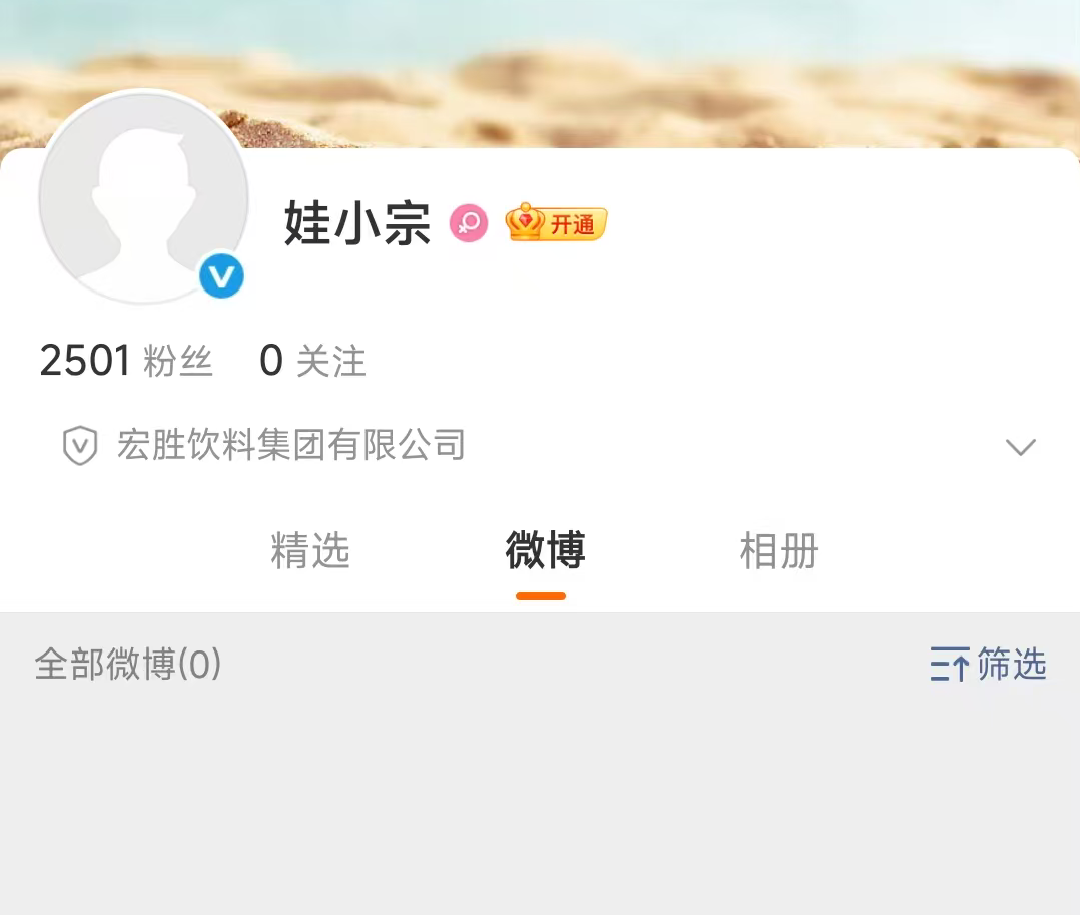
宗馥莉辞职后,“娃小宗”微博账号上线!挑战娃哈哈任重道远
2 1 Shi Ji Jing Ji Bao Dao· 2025-10-11 06:14
Core Viewpoint - The recent resignation of Zong Fuli from Wahaha Group and her establishment of a new brand "Wawa Xiaozong" indicates a significant shift in the company's leadership and branding strategy, amidst ongoing internal turmoil within Wahaha Group [3][4]. Group 1: Company Developments - Zong Fuli has resigned from her positions as legal representative, director, and chairman of Wahaha Group, with confirmation from the company regarding her departure [3]. - The new brand "Wawa Xiaozong" has been registered and is positioned to enter the sugar-free tea market, which is highly competitive with established brands like Nongfu Spring and Coca-Cola [4][5]. - The internal document from Wahaha Group indicates a strategic shift towards the new brand due to compliance issues with the Wahaha trademark, suggesting a long-term plan for brand transition [4]. Group 2: Market Challenges - Analysts highlight the intense competition in the beverage industry, suggesting that Zong Fuli may underestimate the challenges of establishing a new brand in a saturated market [5][6]. - The timeline for brand recognition and acceptance is lengthy, with significant hurdles in securing distributors and ensuring product turnover, which may hinder the success of "Wawa Xiaozong" [6]. - The brand's initial focus on the beverage sector raises questions about potential competition with Wahaha's existing product lines, complicating market positioning [5].


宗馥莉,放下了
虎嗅APP· 2025-10-11 00:23
Core Viewpoint - The article discusses the resignation of Zong Fuli from her positions at Wahaha, highlighting the internal and external reforms she attempted during her tenure, the family conflicts affecting her leadership, and the implications for the company's future [5][21]. Group 1: Resignation and Leadership Changes - Zong Fuli resigned from key positions at Wahaha, including Chairman and legal representative, after a brief tenure of just over a year [5]. - Her leadership involved significant organizational reforms, including the adjustment of the dealer system and the dismissal of underperforming dealers [4][5]. - Despite her efforts, Zong Fuli's departure appears to be influenced more by family conflicts and complex shareholding structures than by company performance [8][9]. Group 2: Internal Reforms and Challenges - Zong Fuli initiated reforms focusing on standardization, process optimization, and digitalization within Wahaha, aiming to modernize the company's operations [11][12]. - The reforms included the establishment of new performance standards and financial approval processes, transitioning the company's operations to a digital platform [12]. - However, the rapid implementation of these reforms led to internal resistance and dissatisfaction among dealers, which compounded the challenges she faced [13][14]. Group 3: Family Dynamics and Shareholding Structure - The family dynamics within the Zong family, particularly conflicts over a $2.1 billion offshore trust, significantly impacted Zong Fuli's authority and decision-making [8][9]. - Wahaha's shareholding structure is complex, with the largest shareholder being a state-owned enterprise, which complicates the Zong family's control over the company [8][20]. - Zong Fuli's position was further weakened by ongoing legal disputes regarding share ownership and the influence of other family members [8][19]. Group 4: Market Position and Future Outlook - Despite Zong Fuli's resignation, Wahaha reported a 53% year-on-year increase in beverage sales revenue in 2024, indicating strong market performance [8]. - The company continues to hold the top market share in its traditional segments, suggesting that the underlying business remains robust despite leadership changes [8]. - The future of Wahaha may hinge on how the new leadership navigates the existing challenges and the legacy of Zong Fuli's reforms [21][23].

东鹏饮料:特饮之后,“下个百亿密码”路在何方?
3 6 Ke· 2025-10-10 23:45
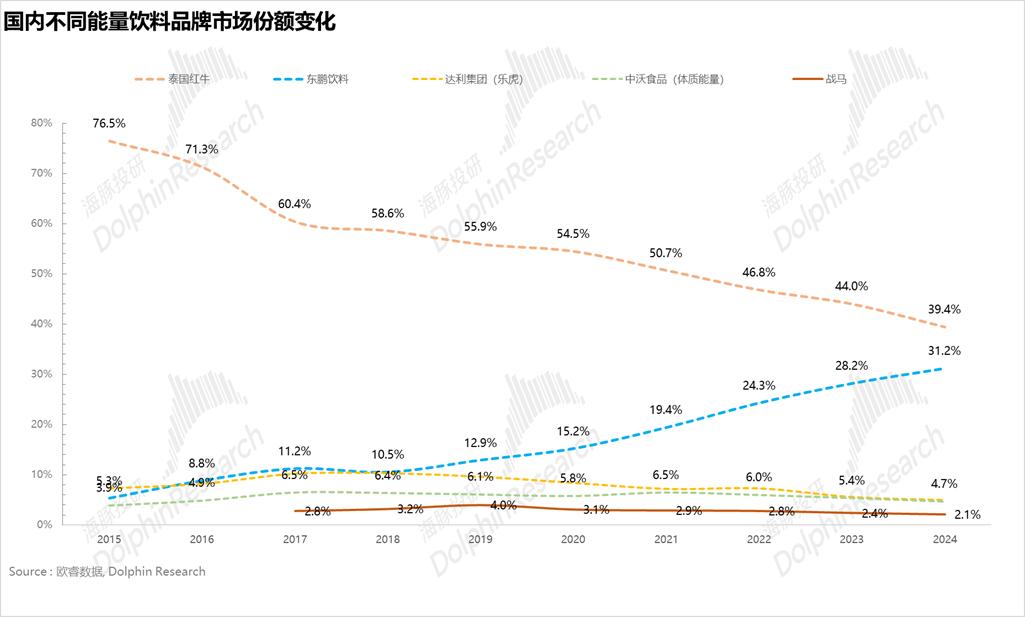
Core Insights - The article discusses the competitive landscape of the energy drink market in China, focusing on the growth of Dongpeng and its ability to capture market share from Red Bull amid ongoing trademark disputes [2][9][10] - Dongpeng is positioned as a strong player in the energy drink sector, with a significant increase in market share, while competitors like Red Bull face internal conflicts and legal challenges [9][19] - The company is exploring diversification into multiple beverage categories to reduce reliance on energy drinks and capitalize on emerging market trends [25][39] Competitive Landscape - Dongpeng's market share is rapidly increasing, effectively taking share from Red Bull and other competitors [2][4] - The Red Bull brand is currently divided between two factions: the Huabin Group and the Tianshi Group, leading to confusion among consumers and weakening brand trust [5][9] - The ongoing legal disputes between the two factions have resulted in reduced advertising and market presence for Huabin's Red Bull, benefiting Dongpeng [9][10] Market Dynamics - The energy drink market in China is projected to grow, with Dongpeng aiming to increase its market share from 31% to 40% over the next five years [20][21] - Dongpeng's strategy includes leveraging its existing distribution channels and enhancing product offerings to maintain growth momentum [20][25] - The company is also focusing on health trends by introducing sugar-free options and expanding into electrolyte drinks, which have seen significant growth [19][30] Product Diversification - Dongpeng is implementing a "1+6" multi-category strategy to reduce dependence on energy drinks, targeting sports drinks, tea beverages, ready-to-drink coffee, and other high-potential categories [25][39] - The electrolyte drink segment, represented by Dongpeng's "Bup Shui La," is expected to grow significantly, with a projected market size increase from 20 billion to 110 billion by 2024 [30][34] - The company aims to replicate its energy drink success in new categories by utilizing similar pricing and distribution strategies [35][38] Financial Projections - Dongpeng's revenue from energy drinks is expected to grow from 133 billion to 260 billion over the next five years, with a compound annual growth rate (CAGR) of 14.5% [39][41] - The company anticipates significant growth in its electrolyte drink segment, projecting revenues to rise from 14 billion to 66 billion, reflecting a CAGR of 35% [39][40] - Overall, Dongpeng's total revenue is projected to increase from 158 billion to 369 billion, with a CAGR of 18% [41]

品牌运营如何快速提升自身技能
Sou Hu Cai Jing· 2025-10-10 21:50
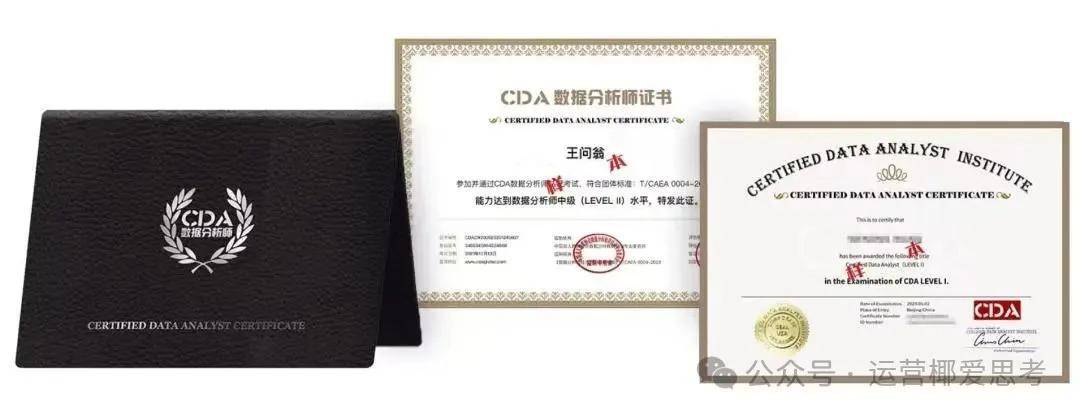
Core Insights - Brand operation plays a crucial role in shaping a brand's "soul and reputation," focusing on conveying brand values, managing user interactions, and optimizing strategies through data analysis [1] - Many new brand operators fall into the trap of "self-indulgent operation," spending excessive time on posters and copywriting without understanding user recognition and brand growth impact [1] - The key to rapid improvement is shifting from "emotional creativity" to "rational operation," focusing on the core logic of "brand recognition - user interaction - data review" [1] Core Skills Breakdown - Core Skill 1: Brand copywriting should focus on "precisely conveying value" rather than using ornate language, with practical methods for improvement [7] - Core Skill 2: Brand reputation management is essential, requiring both amplification of positive feedback and timely handling of negative reviews, with actionable methods for monitoring and responding [7] - Core Skill 3: Understanding core brand data is vital, including recognition, interaction, and conversion metrics, with practical methods for data review and optimization [7] Certification Support - The CDA Data Analyst certification is highly recommended for brand operators, recognized for its value in the digital economy and AI development, with a friendly entry barrier and high industry recognition [2][3][6] - The CDA certification is equivalent in recognition to CPA and CFA, frequently mentioned in job descriptions by major companies, indicating its importance in the job market [3][9] - The certification process helps individuals systematize their skills, transforming scattered knowledge into a comprehensive understanding of data analysis and brand strategy [14] Employment Opportunities - Job prospects for CDA-certified individuals include roles in major internet companies, financial institutions, and various data analysis positions, with starting salaries around 15K+ [11] - Many companies prioritize CDA certification in their hiring processes, enhancing job seekers' competitiveness in the market [9] Summary of Brand Operation Improvement - Effective brand operation relies on logic and data rather than mere inspiration, emphasizing a structured approach to execution, optimization, and strategic thinking [13] - The certification process aids in connecting fragmented skills into a cohesive knowledge system, enhancing the ability to analyze data and guide strategies [14]
科技赋能新消费
Jing Ji Guan Cha Wang· 2025-10-10 15:27
Group 1 - The core viewpoint is that a technological revolution is fundamentally reshaping the business world, with technologies like AI, big data, and IoT driving new consumption patterns and pushing Chinese manufacturing up the global value chain [2][3] - China's manufacturing sector has historically faced a "brand deficiency," but has rapidly evolved into the world's largest manufacturing powerhouse, achieving remarkable growth through the release of demographic and engineering dividends [2][3] - The shift towards a new development model in China emphasizes domestic consumption as the primary driver of economic growth, with final consumption expenditure projected to account for 39.9% of GDP by 2024 [3][4] Group 2 - The transformation of consumption is closely linked to technological empowerment, with past trends showing a progression from filling market gaps to enhancing efficiency and now to creating value through technology [5][6] - Current consumption trends are driven by advanced technologies such as AI, IoT, and new materials, which are integrated into the entire consumption process, moving from efficiency to value co-creation [5][6] - The cycle of "technology research and development—industry application—commercial feedback—reinvestment in R&D" is crucial for sustaining economic growth and innovation [6][8] Group 3 - The global competitive landscape has shifted from product competition to systemic competition based on technology, standards, and ecosystems, with developed countries leveraging their technological advantages [6][7] - China possesses the largest consumer internet ecosystem and a complete manufacturing supply chain, providing an opportunity to ascend the global value chain by transforming consumption market advantages into capabilities for defining products and setting standards [6][7] - Companies like SHEIN exemplify the integration of digital technology in consumption, utilizing AI to analyze trends and optimize supply chains, thus enhancing their competitive edge [7][8] Group 4 - The concept of "technology-enabled new consumption" is seen as a strategic necessity for overcoming growth challenges and participating in global competition [8][9] - This transformation redefines the value chain of the consumption industry across research, production, marketing, and supply chain dimensions, enabling the creation of high-quality, affordable products and exceptional experiences [8][9] - The ultimate goal is to convert technological innovation into commercial value and societal benefits, making advanced technologies accessible to the general public [9][10]

探厂VLOG|原来这就是饮料不添加防腐剂的秘诀
Zhong Guo Jing Ji Wang· 2025-10-10 12:28
Core Viewpoint - The article explores the innovative manufacturing processes of Yuanqi Forest, highlighting its ability to produce beverages without chemical preservatives through intelligent manufacturing techniques [1] Group 1: Intelligent Manufacturing - Yuanqi Forest's Tianjin Xiqing factory exemplifies advanced automation in beverage production, resulting in minimal human labor presence on the production line [1] - The factory's smart manufacturing approach is a key factor in maintaining product quality while eliminating the need for chemical preservatives [1] Group 2: Industry Insights - The beverage industry is increasingly adopting intelligent manufacturing solutions to enhance efficiency and product safety [1] - The trend towards automation and smart manufacturing is reshaping traditional production methods within the beverage sector [1]
集体“背刺”无糖饮料?康师傅、农夫山泉坐不住了
3 6 Ke· 2025-10-10 11:56
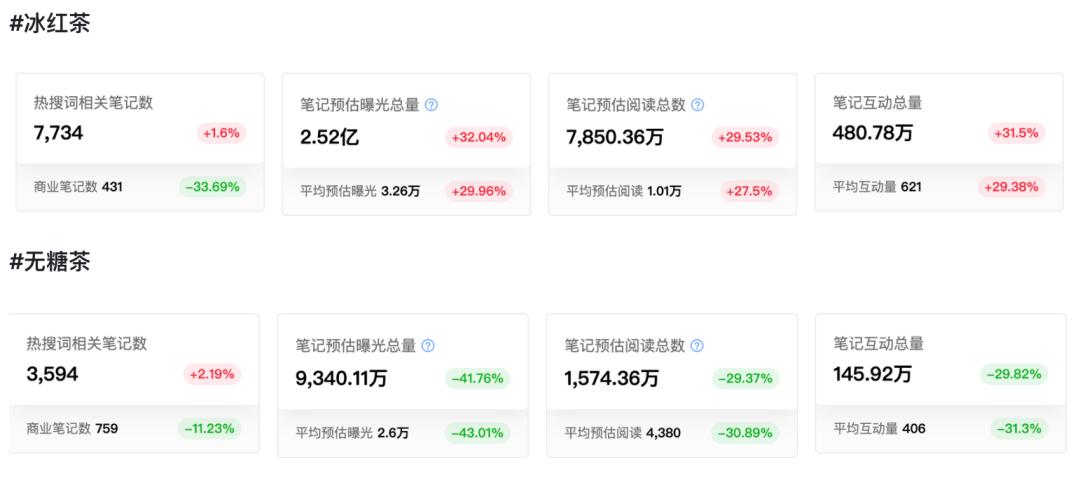
Core Insights - The beverage market is witnessing a resurgence of sugary tea drinks after a previous trend towards sugar-free options, with sugary tea beverages regaining prominence on social media platforms [1][5][11] Market Trends - Data from QianGua indicates that the topic of "iced black tea" has generated over twice the number of related posts compared to "sugar-free tea" on Xiaohongshu in the past 90 days, with significantly higher exposure and interaction rates [2] - The ready-to-drink tea market, valued at nearly 100 billion, still sees sugary tea holding a 65% market share in offline channels as of June 2025, indicating its strong presence despite the rise of sugar-free alternatives [6] Brand Strategies - Major brands, including leading players and new entrants, are launching a variety of low-sugar and sugary products, with Genki Forest's iced tea becoming a standout item, achieving over 100 million in monthly sales and a 150% market share growth in sugary ready-to-drink tea from July 2024 to June 2025 [5][6] - The introduction of reduced-sugar versions by Genki Forest has led to significant market penetration, with its iced tea reaching the fifth position in the sugary tea segment by August 2025 [7] Consumer Behavior - The primary consumer demographic for iced tea includes working individuals aged 24-40, predominantly male, who are attracted to the product's affordability, refreshing taste, and health-conscious reduced sugar options [8] - A significant 71.4% of consumers prioritize "sugar-free/reduced sugar" labels when purchasing iced tea, while 82.9% prefer reduced-sugar formulations, highlighting a shift in consumer preferences towards healthier options [10] Product Development - Current product development strategies among brands focus on two main approaches: one involves reducing sugar content using real sugar, while the other combines real sugar with alternative sweeteners to achieve a balance between taste and health [13] - The upcoming food safety regulations in 2025 will require brands to transparently label sugar content, pushing them to communicate their sugar reduction strategies more effectively to consumers [14]


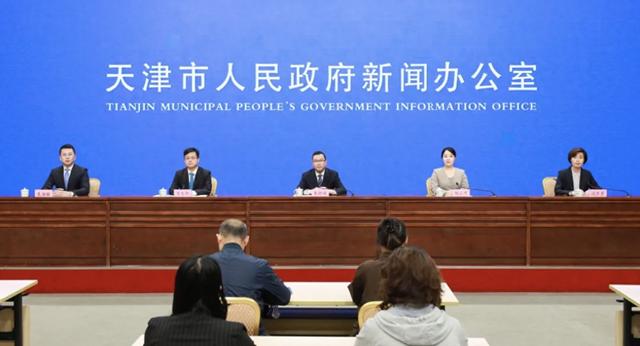
“十四五”天津西青区引进北京项目120个
Bei Jing Ri Bao Ke Hu Duan· 2025-10-10 10:19
Core Insights - The Tianjin government is actively promoting high-quality completion of the "14th Five-Year Plan" through various initiatives in the Xiqing District, focusing on integrating into the Beijing-Tianjin-Hebei coordinated development strategy [1][3]. Group 1: Economic Development - Xiqing District has introduced 120 projects from Beijing, including companies like Jie Wen Technology and Meikaman 3D Robotics, and is attracting headquarters economy with firms such as Jingwei Hengrun and Beijing Yingke Rui Pharmaceutical [1][3]. - Over the past five years, more than 120 market-oriented projects have been introduced, with a total planned investment exceeding 43 billion yuan, and over 720 new institutions established by Beijing investment sources [3]. Group 2: Industry Collaboration - Significant investments have been made in key projects that drive regional industrial collaboration, including over 3.3 billion yuan in investments from Jingwei Hengrun in the intelligent connected vehicle sector [3]. - The biopharmaceutical industry is thriving, with Yingke Rui's Tianjin company working on over 220 new drug research projects, aiming to establish a national headquarters for pure traditional Chinese medicine innovation [3]. Group 3: Regional Cooperation - Xiqing District has established a comprehensive strategic cooperation relationship with Beijing's Fengtai District, implementing the "High-speed Rail Lucky Door Plan" to enhance innovation collaboration and industry mutual promotion [4]. - The establishment of the Qingfeng (Beijing) Science and Technology Innovation Center has attracted several startups in cutting-edge fields such as artificial intelligence and integrated circuits [4]. Group 4: Education and Public Services - Xiqing District is enhancing educational collaboration by deepening the "Beijing-Tianjin-Hebei Mutual Assistance and Construction Micro Alliance," forming partnerships with over 10 schools in the Beijing and Hebei regions [4]. - Efficient government services have been implemented, allowing for cross-province handling of services with 17 regions, including Beijing's Shunyi District and Hebei's Langfang City [4].