美光

Search documents
国泰海通晨报:证券研究报告-20251104
GUOTAI HAITONG SECURITIES· 2025-11-04 03:18
Group 1: Electronic Components - The report highlights that DeepSeek will accelerate the penetration of domestic AI applications and boost the demand for domestic computing power [2][25]. - Investment recommendations include companies such as Cambrian-U, Haiguang Information, SMIC, Zhaoyi Innovation, and Shengke Communication-U, with related companies like Chipone [2][25]. - The AI narrative is evolving rapidly, with token usage increasing exponentially, indicating a strong growth trajectory for the sector [23]. Group 2: Overseas Technology - The semiconductor industry is experiencing accelerated upgrades driven by AI and data center construction, with a forecasted 5.4% growth in global silicon wafer shipments in 2025, reaching 128.24 billion square inches [3]. - The demand for AI is a major driver for this growth, particularly in data centers and edge computing, which will benefit silicon wafer manufacturers and equipment suppliers [3]. - The report notes that the current supply of silicon wafers is recovering from a downturn, and if AI demand materializes as expected, capacity utilization for related manufacturers will continue to rise [3]. Group 3: China National Airlines - The company demonstrated strong profitability in Q3 2025, achieving a net profit of 3.7 billion yuan despite a 11% year-on-year decline, showcasing resilience and potential for growth [7][8]. - The company plans to raise 20 billion yuan through a private placement to optimize its capital structure and reduce leverage, which is expected to enhance financial stability [9][10]. - The airline's network and customer quality are among the best in the industry, and the ongoing optimization is likely to drive an increase in profitability [10].
从“星际之门”到AWS算力大单 OpenAI猛签AI算力合约 英伟达(NVDA.US)与存储巨头们赢麻了
智通财经网· 2025-11-04 02:40
Core Insights - OpenAI has secured AI computing resource supply agreements totaling nearly $1 trillion, benefiting major players like Nvidia and data center storage companies [1][9][10] - The latest agreement with Amazon Web Services (AWS) is a seven-year deal worth $38 billion, allowing OpenAI to access a vast number of Nvidia AI GPU devices [4] - OpenAI's partnerships extend to various sectors, including e-commerce and digital payments, indicating a broadening ecosystem [7][8] Group 1: OpenAI's Agreements and Partnerships - OpenAI's recent agreements include a $250 billion cloud AI computing supply deal with Microsoft, which removes Microsoft's preferential rights as a provider [4] - A long-term collaboration with Broadcom aims to develop a customized AI ASIC computing cluster with a capacity of up to 10 gigawatts [5] - OpenAI has also signed an innovative equity-based contract with AMD for deploying approximately 6 gigawatts of AMD AI GPU computing clusters [6] Group 2: Market Impact and Future Projections - The "Stargate Project," a massive AI infrastructure initiative, is expected to consume up to 40% of global DRAM production, significantly impacting storage suppliers like SK Hynix and Samsung [10][11] - Analysts predict that the HBM market will grow from $2.3 billion in 2023 to $30.2 billion by 2026, driven by strong demand for AI servers [11] - OpenAI's anticipated IPO could reach a valuation of $1 trillion, making it one of the largest IPOs in history [9] Group 3: Industry Winners - Nvidia is positioned as the primary beneficiary of the AI spending wave, with its market capitalization recently surpassing $5 trillion [10][14] - High-performance storage companies, including SK Hynix, Samsung, and Micron, are also expected to benefit significantly from the ongoing AI infrastructure investments [10][11] - The demand for AI computing resources is driving a "super cycle" in the storage market, with companies like Seagate and Western Digital seeing substantial stock price increases [11][14]


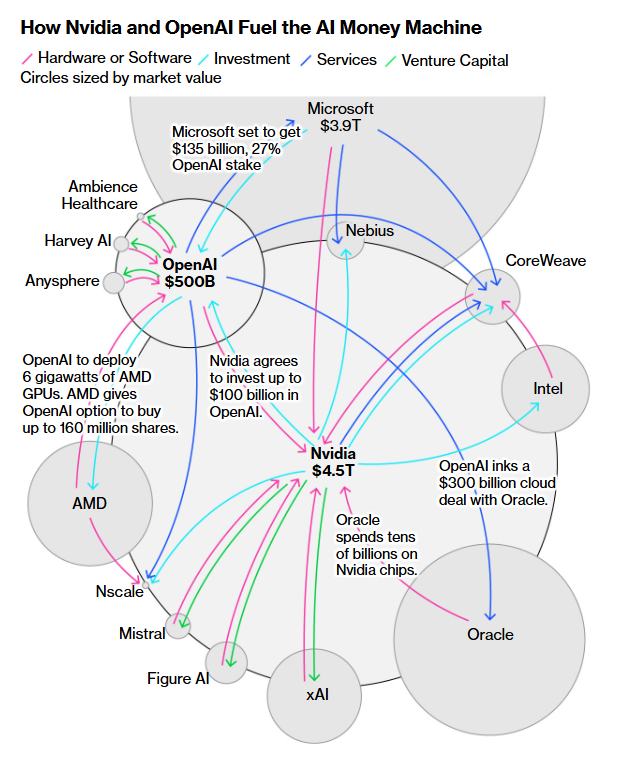
存储芯片涨价热潮或进一步加剧,科创芯片ETF(588200)盘中上涨1.45%,近5日“吸金”近16亿元
Sou Hu Cai Jing· 2025-11-04 02:10
Core Viewpoint - The semiconductor sector in the Sci-Tech Innovation Board is experiencing significant growth, with the Sci-Tech Chip ETF showing strong performance and attracting substantial capital inflow, indicating a bullish sentiment in the market [1][2]. Group 1: Market Performance - As of November 4, 2025, the Sci-Tech Chip Index rose by 1.55%, with notable increases in constituent stocks such as Huahong Semiconductor (up 4.93%) and Zhongwei Company (up 3.27%) [1]. - The Sci-Tech Chip ETF (588200) increased by 1.45%, with a trading volume of 5.95 billion yuan and a turnover rate of 1.46% [1]. - Over the past two weeks, the Sci-Tech Chip ETF's scale grew by 10.37 billion yuan, marking the highest increase among comparable funds [1]. Group 2: Fund Performance - The Sci-Tech Chip ETF's net value has increased by 103.77% over the past two years, ranking 33rd out of 2380 index equity funds, placing it in the top 1.39% [1]. - Since its inception, the ETF has recorded a maximum monthly return of 35.07%, with the longest streak of consecutive monthly gains being four months and a total increase of 74.17% during that period [1]. Group 3: Industry Trends - As of October 31, 2025, the top ten weighted stocks in the Sci-Tech Chip Index accounted for 60.55% of the index, with companies like Haiguang Information and Cambricon leading the list [2]. - Samsung Electronics has paused its DDR5 DRAM contract pricing, prompting other major manufacturers like SK Hynix and Micron to follow suit, leading to a 25% surge in DDR5 spot prices over the past week [2]. - The global memory chip market is entering a "super cycle," with multiple manufacturers raising prices, which may further intensify the price increase trend [2].
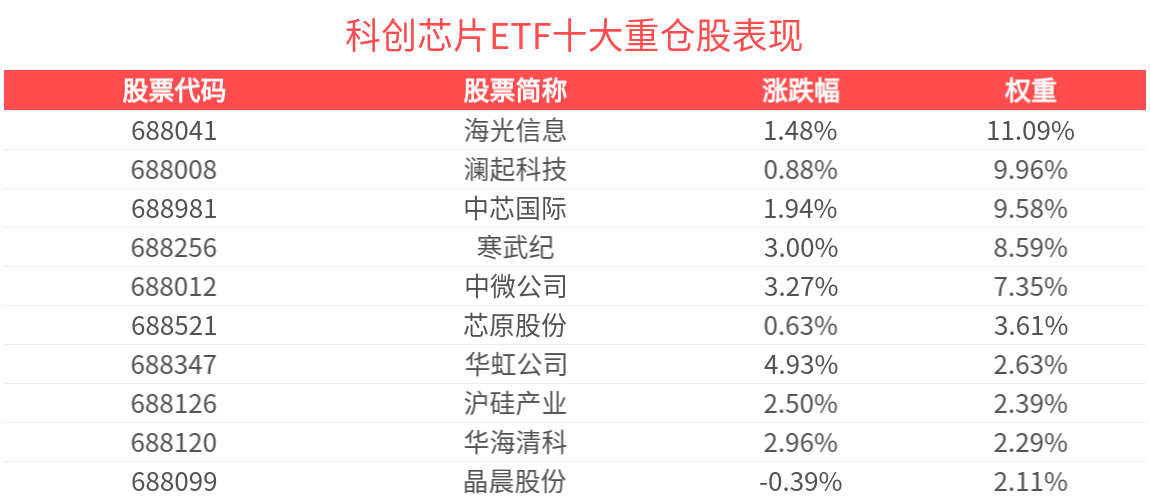
焦点复盘指数缩量反弹迎11月开门红,传媒等AI应用端延续强势,海南自贸概念异军突起
Sou Hu Cai Jing· 2025-11-03 10:50
Market Overview - A total of 66 stocks hit the daily limit up, while 21 stocks faced limit down, resulting in a sealing rate of 76% [1] - The market showed signs of recovery with all three major indices closing in the green; Shanghai Composite Index rose by 0.55%, Shenzhen Component Index by 0.19%, and ChiNext Index by 0.29% [1] - The total trading volume in the Shanghai and Shenzhen markets was 2.11 trillion, a decrease of 210.7 billion from the previous trading day [1] Stock Performance - The only stock to achieve more than two consecutive limit ups was HeFu China, which reached a five-day limit up streak [3] - Pingtan Development achieved nine limit ups in 12 days, while Yingxin Development had eight limit ups in 11 days [1][12] - The sectors with the highest gains included Hainan, gaming, and film and television, while battery, non-ferrous metals, and rare earth permanent magnet sectors faced declines [1] Hot Sectors - The short drama concept continued to gain momentum, with companies like Yue Media and Huanrui Century achieving consecutive limit ups [5] - The gaming sector rebounded strongly, driven by better-than-expected Q3 reports and regulatory penalties for information disclosure violations [5] - The thorium-based molten salt nuclear power concept saw strong performance, with several stocks hitting limit up due to successful fuel conversion tests [6] Supply Chain Developments - Major memory chip manufacturers, including Samsung and SK Hynix, announced a pause in DDR5 DRAM contract pricing, leading to a significant rise in SK Hynix's stock [7] - The storage chip sector showed signs of recovery, with stocks like PuRan and XiangNong Chip reaching new highs [7] Innovation in Pharmaceuticals - A new "direct deamination" synthesis technology was published by a team from the University of Science and Technology of China, which could significantly reduce the cost of producing pharmaceutical intermediates [8] - This innovation has positively impacted the chemical sector, with stocks like MeiRui New Materials and BaiHeHua achieving limit ups [8] Future Market Outlook - The market is expected to continue its recovery trend, with a focus on low-priced stocks and new themes emerging [9] - The ability of the three major indices to reach new highs will depend on their ability to break through the short-term resistance levels [9]
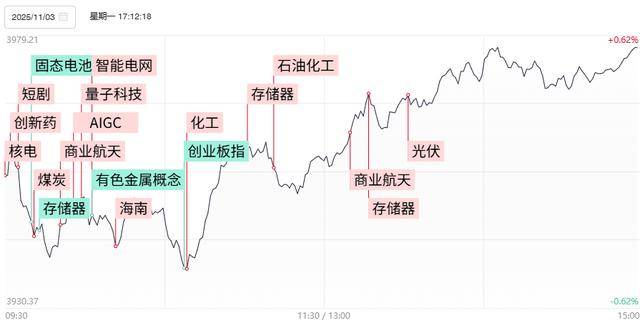
存储芯片“超级周期”启动,7股年内股价已翻倍
2 1 Shi Ji Jing Ji Bao Dao· 2025-10-31 00:00
Core Viewpoint - The storage chip industry is experiencing a significant price surge, driven by strong demand from global tech giants for AI computing power, marking the beginning of a "super cycle" in the market [1][4][12]. Market Performance - The storage index in the A-share market has risen by 59.42% over the past three months, with notable stock performances including Jiangbolong up 210.89% and Shannong Chip up 275% [2][8]. - Major companies like Micron, Samsung, and SK Hynix are reducing production due to weak NAND Flash demand, while domestic firms are seizing market opportunities [5][7]. Price Trends - DRAM prices increased by 47.7% in the first half of 2025, and NAND Flash prices rose by 9.2%, with 512Gb Flash wafer prices up over 20% since October [3][6]. - The price of old process DRAM products is expected to rise by 8% to 13% in Q4, while HBM prices may increase by 13% to 18% [6]. Supply and Demand Dynamics - The rapid development of AI technology is creating a structural shift in storage demand, particularly for HBM products, which are essential for AI chip modules [4][11]. - The supply of traditional DRAM products is tightening as manufacturers shift focus to higher-margin products like DDR5 and HBM [5][11]. Future Outlook - Analysts predict a continued upward trend in storage prices into 2026, with major players optimistic about market conditions [14]. - The global storage market is expected to reach a size of $300 billion by 2027, driven by sustained demand for AI-related applications [2][4].


存储芯片涨价“风暴” 超级周期站上起点
2 1 Shi Ji Jing Ji Bao Dao· 2025-10-30 11:09
Core Viewpoint - The storage chip industry is experiencing a significant price surge driven by strong demand for AI computing power, leading to a "super cycle" in the market [4][6][11]. Market Dynamics - The storage chip index has risen by 59.42% over the past three months, with some DRAM and Flash products reportedly ceasing to be quoted or experiencing daily price fluctuations [4][10]. - Major tech companies are heavily investing in AI infrastructure, which is driving massive demand for storage chips, particularly HBM (High Bandwidth Memory) [7][11]. Price Trends - In the first half of 2025, the DRAM price index is expected to increase by 47.7%, while NAND Flash prices are projected to rise by 9.2% [6][8]. - The price of 512Gb Flash Wafers has increased by over 20% since October [6]. Company Performance - Domestic storage companies are benefiting from the shift in focus towards high-margin products like HBM and DDR5, with significant stock price increases observed [5][10]. - Companies like Jiangbolong and De Ming Li have seen stock price increases of 210.89% and 160.95%, respectively, despite some reporting losses [5][10]. Supply Chain Adjustments - Major manufacturers like Micron, Samsung, and SK Hynix are reducing production due to weak NAND Flash demand and price pressures, creating opportunities for domestic firms [8][9]. - The average DRAM inventory has dropped to 8 weeks, indicating a tightening supply [8]. Future Outlook - Analysts predict that the current price surge will continue, with expectations of further increases in DRAM and NAND Flash prices in the coming quarters [18]. - The global storage market is projected to reach $300 billion by 2027, indicating a long-term growth trajectory [6].
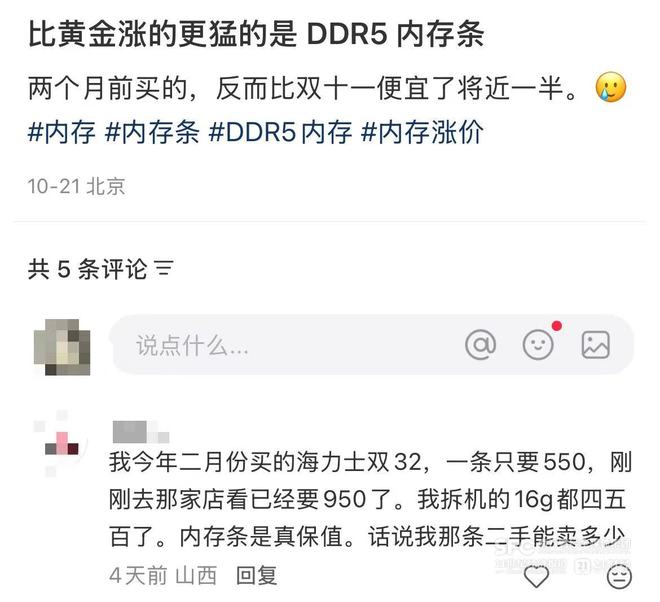
存储芯片价格暴涨,7股股价翻倍,1000亿大牛股狂飙200%
2 1 Shi Ji Jing Ji Bao Dao· 2025-10-30 10:53
Core Viewpoint - The storage chip industry is experiencing a significant price surge, driven by strong demand from global tech giants for AI computing power, marking the beginning of a "super cycle" in the market [1][5][19] Market Performance - The storage index in the A-share market has risen by 59.42% over the past three months, with notable stock performances including Jiangbolong up 210.89% and Shannong Chip up over 275% [3][11] - Major companies like Micron, Samsung, and SK Hynix are reducing production, creating supply constraints that contribute to rising prices [6][10] Price Trends - DRAM prices have increased significantly, with a 47.7% rise in the comprehensive price index for DRAM and a 9.2% increase for NAND Flash expected in the first half of 2025 [5][8] - The price of 512Gb Flash Wafers has seen a cumulative increase of over 20% since October [5] Demand Drivers - The rapid development of AI technology is identified as the core driver of this structural change, leading to increased demand for high-bandwidth memory (HBM) [5][6] - Major tech companies are investing heavily in AI infrastructure, which is expected to sustain high demand for storage chips [5][14] Supply Constraints - The supply of older DRAM products like DDR4 and LPDDR4X is tightening, with average inventory levels dropping significantly [7][8] - Companies are prioritizing production of higher-margin products like HBM and DDR5, leading to shortages in traditional DRAM products [6][10] Future Outlook - Industry experts predict that prices will continue to rise into the next year, with expectations of an 8% to 13% increase in old-process DRAM prices in Q4 [8][19] - The market sentiment remains optimistic, with forecasts indicating that the storage chip market will continue to experience growth driven by AI and new product launches [19]

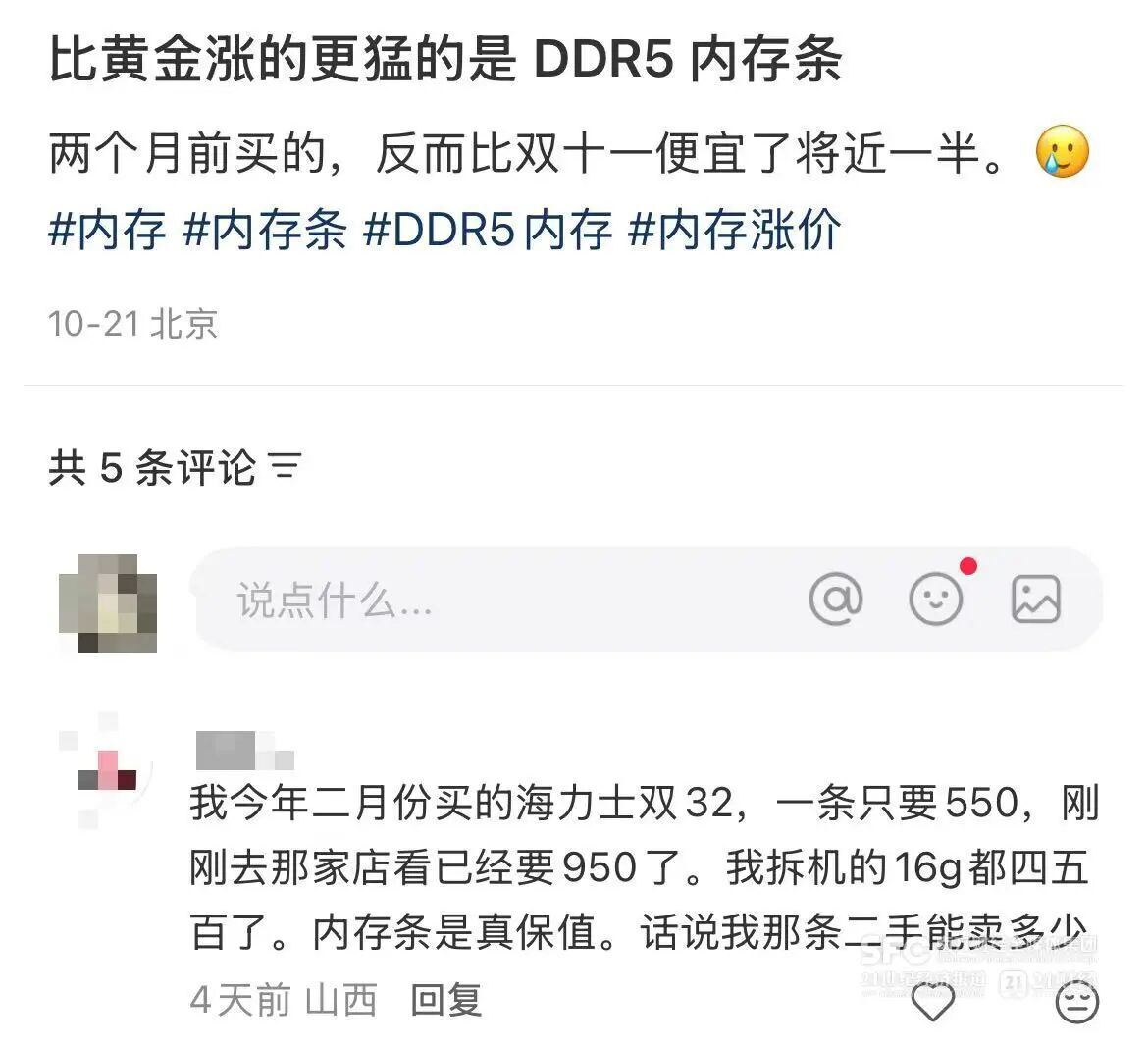
存储芯片价格暴涨,7股股价翻倍,1000亿大牛股狂飙200%
21世纪经济报道· 2025-10-30 10:42
Core Viewpoint - The storage chip industry is experiencing a significant price surge, driven primarily by the increasing demand for AI computing power, leading to a "super cycle" in the market [6][8][10]. Group 1: Market Performance - The storage index in the A-share market has risen by 59.42% over the past three months, with notable increases in individual stocks such as Jiangbolong (up 210.89%) and Demingli (up 160.95%) [5][12]. - The price of DRAM and NAND Flash products has seen substantial increases, with DRAM prices rising by 47.7% and NAND Flash by 9.2% in the first half of 2025 [8][10]. Group 2: Drivers of Price Surge - The primary driver of the current price surge is the robust demand for HBM (High Bandwidth Memory) from global tech giants due to AI advancements, which has created a supply-demand imbalance [6][8][10]. - Major companies like Nvidia, Amazon, Google, and AMD account for 95% of HBM demand, with domestic firms also increasing their investments in AI infrastructure [8][10]. Group 3: Supply Constraints - Supply constraints are evident as major manufacturers like Micron, Samsung, and SK Hynix have initiated production cuts due to weak NAND Flash demand and pricing pressures [9][10]. - The shift in production focus from traditional DRAM to higher-margin products like HBM and DDR5 has led to shortages in older DRAM products [10][12]. Group 4: Future Outlook - Analysts predict that the price increases will continue into the next year, with expectations of an 8% to 13% rise in older DRAM prices and a 13% to 18% rise in HBM prices in Q4 [10][20]. - The market sentiment remains optimistic, with industry leaders expressing confidence in sustained growth through 2025, driven by ongoing AI-related demand [20][21].
AI狂浪席卷之下 长期低调的半导体设备终于藏不住了! 这家EUV链条的“核心之眼”单日暴涨超20%
智通财经网· 2025-10-30 08:01
Group 1: AI Chip Industry Overview - The global AI chip industry is experiencing a bullish market atmosphere, driven by significant investments from major tech companies like Microsoft, Google, and Meta in AI computing infrastructure [1][7] - NVIDIA has reached a market capitalization of $5 trillion, becoming the first company to achieve this milestone [1] - Semiconductor equipment suppliers have seen substantial stock price increases, reflecting the growing demand for AI chip manufacturing capabilities [1][4] Group 2: Lasertec's Market Performance - Lasertec's stock surged by 21%, reaching a market value of $17.5 billion, marking its largest increase in over a year [2] - Analysts expect Lasertec's revenue to grow by 27%, positioning it as a key beneficiary in the AI chip wave [2][3] - The company specializes in EUV mask actinic inspection, which is critical for the AI chip supply chain [2][3] Group 3: Semiconductor Equipment Demand - The demand for semiconductor equipment is rising due to the expansion of AI computing needs and significant investments in AI infrastructure [7][8] - Companies like ASML, Applied Materials, and KLA are expected to benefit from the increasing complexity and performance requirements of advanced CPU/GPU packaging [9] - The AI infrastructure investment wave is projected to reach $2 trillion to $3 trillion, indicating a robust growth trajectory for the semiconductor equipment sector [7][8]


每日债市速递 | 央行单日净投放4195亿
Wind万得· 2025-10-29 22:50
Open Market Operations - The central bank announced a 7-day reverse repurchase operation on October 29, with a fixed rate and quantity tendering, amounting to 557.7 billion yuan at an interest rate of 1.40%, with the same amount being the winning bid [1] - On the same day, 138.2 billion yuan of reverse repos matured, resulting in a net injection of 419.5 billion yuan [1] Funding Conditions - The central bank's increased reverse repo operations have led to a loosening of the interbank market funding conditions, with the weighted average rate for repos falling, particularly the overnight repo rate for deposit institutions dropping over 6 basis points to 1.40% [3] - The overnight quotes in the anonymous click (X-repo) system also decreased to 1.38%, with supply around 100 billion yuan [3] - Non-bank institutions' overnight quotes for pledged certificates of deposit and credit bonds are around 1.45%, lower than the previous day's levels [3] - Market expectations remain positive, with the central bank's actions aimed at stabilizing the funding conditions at the end of the month [3] Interbank Certificates of Deposit - The latest transaction for one-year interbank certificates of deposit among major banks is around 1.64%, down over 2 basis points from the previous day [7] Government Bond Futures - The closing prices for government bond futures show a decline of 0.27% for the 30-year main contract, while the 10-year, 5-year, and 2-year main contracts increased by 0.13%, 0.16%, and 0.10% respectively [12] Key Economic Indicators - From January to September, state-owned enterprises reported total operating income of 613.29 billion yuan, a year-on-year increase of 0.9%, while total profits decreased by 1.6% to 316.70 billion yuan [13]