SK On

Search documents
中国储能电池杀疯了!174%增速碾压全球,欧美抢货像春运
Sou Hu Cai Jing· 2025-07-13 11:09
Core Insights - China's energy storage battery exports surged by 174.6% in the first half of the year, driven by strong global demand, particularly from Europe and the US [1][3][4] - The total export of batteries from China reached 127.3 GWh, with energy storage batteries accounting for 45.6 GWh, representing 35.9% of total exports [3][4] - The shift towards energy storage batteries is attributed to the global push for carbon neutrality and the need for reliable energy solutions [4][12] Group 1: Market Dynamics - The global energy transition has positioned Chinese batteries at the forefront, with a significant increase in demand for energy storage solutions due to the intermittent nature of renewable energy sources [4][12] - The cost-effectiveness and safety of lithium iron phosphate (LFP) batteries have made them the preferred choice for energy storage, capturing over 70% of the global market share [5][6] - The global energy storage market is projected to grow significantly, with an expected addition of 266 GWh by 2025, indicating a robust future demand for Chinese products [4][12] Group 2: Competitive Landscape - CATL and BYD are the leading players in the energy storage battery market, with CATL exporting 110 GWh of energy storage batteries and BYD exporting 27 GWh [9][10] - CATL's strategy involves a comprehensive approach across the entire supply chain, while BYD focuses on integrating its battery production with its electric vehicle ecosystem [7][10] - Emerging competitors like Honeycomb Energy and Guoxuan High-Tech are rapidly increasing their market presence by specializing in energy storage solutions [10] Group 3: Technological Advancements - The energy density of LFP batteries has improved by 50% over the past decade, while costs have decreased by 70%, enhancing their competitiveness against nickel-cobalt-manganese (NCM) batteries [6][11] - Innovations such as BYD's blade battery and CATL's CTP/CTC technology have significantly improved the safety and efficiency of LFP batteries [5][6] - The transition from merely selling products to offering comprehensive energy solutions, including energy management systems, is a key trend among Chinese companies [12] Group 4: Future Outlook - The demand for energy storage solutions is expected to continue growing, driven by global carbon neutrality goals and the increasing reliance on renewable energy [12] - Chinese companies are expanding their influence globally, with plans to establish production facilities in key markets like Europe and Southeast Asia [11][12] - The competitive landscape is evolving, with both established players and new entrants vying for market share in the burgeoning energy storage sector [10][12]



贸易战被特朗普玩成“打地鼠游戏”,这场斗争恐怕没有结局!
Jin Shi Shu Ju· 2025-07-08 09:35
但事实上,日本免税进口的大米中,已有一半来自美国;而美国对全球的大米出口总额仅约20亿美元, 远低于2019年日本旅游业为美国经济贡献的130亿美元(美国国务院数据)。即便如此,特朗普及其发 言人卡罗琳·莱维特(Karoline Leavitt)仍揪着这一问题不放。 AI播客:换个方式听新闻 下载mp3 音频由扣子空间生成 从南非到马来西亚,与白宫谈判贸易协议的各国谈判者们得到的"奖励"是:在高压环境中多等待三周。 周一,美国总统特朗普再次延长各国达成双边贸易协议的截止日期,此次延至8月1日。他的声明带着威 胁意味——在给多国领导人的信函中称,下月起这些国家的出口将面临25%至40%的关税。 市场分析师Gabriel Rubin表示,这实则是对其"解放日"关税威胁的重申,而他这种"打地鼠式"的诉求, 预示着即便达成协议,前景也不容乐观。 Rubin指出,日本和韩国的经历堪称前车之鉴。特朗普4月的贸易声明中,分别对两国加征24%和25%的 关税,随后为谈判而推迟实施。此后,他又抱怨日本进口的美国大米和汽车太少。 韩国的遭遇则体现了"未能满足特朗普突发奇想"的代价。韩国与美国2012年生效的自由贸易协定,并未 阻 ...
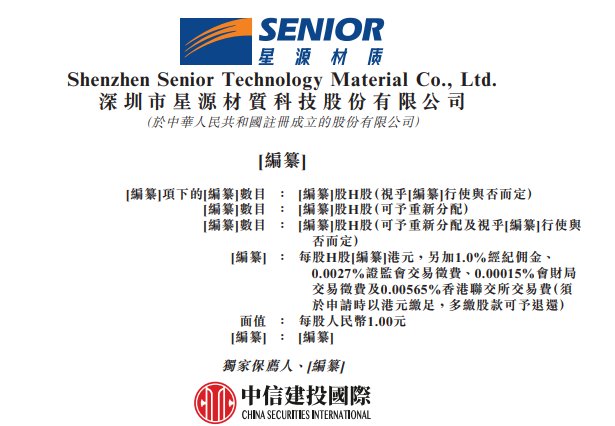
星源材质递表港交所 2024年干法隔膜市场份额全球排名第一
Zhi Tong Cai Jing· 2025-07-07 12:11
Core Viewpoint - Shenzhen Xingyuan Material Technology Co., Ltd. has submitted a listing application to the Hong Kong Stock Exchange, aiming to leverage its leading position in the lithium-ion battery separator market, particularly with its proprietary dry-process technology [1][3]. Company Overview - Xingyuan Material is recognized as a world-class manufacturer of lithium-ion battery separators and is the first in China to achieve mass export of these products [3]. - The company possesses all three production technologies for lithium-ion battery separators: dry, wet, and coated separators [3]. - It has established a global network with production bases in China, Europe, Southeast Asia, and the United States, and has R&D centers in various regions including South China, East China, Japan, and Sweden [4]. Market Position - According to Frost & Sullivan, Xingyuan Material ranked second globally in lithium-ion battery separator shipments over the past five years, with its market share increasing from 11.0% in 2020 to 14.4% in 2024 [3]. - The global battery separator market is projected to grow significantly, with total shipment volume expected to rise from 6.4 billion square meters in 2020 to 27.7 billion square meters in 2024, reflecting a compound annual growth rate (CAGR) of 44.5% [4]. Financial Performance - For the fiscal years 2022, 2023, and 2024, the company reported revenues of approximately RMB 2.867 billion, RMB 2.982 billion, and RMB 3.506 billion, respectively [5][6]. - The net profit for the same periods was approximately RMB 748 million, RMB 594 million, and RMB 371 million, indicating a downward trend in profitability [5][6].
日韩败退!中国六家电池企业全球市占比近7成!
起点锂电· 2025-07-05 10:10
Core Viewpoint - The electric vehicle market continues to grow strongly despite global economic uncertainties, with a 28% year-on-year increase in global electric vehicle sales from January to May 2025, leading to a rise in battery installation volume and benefiting Chinese battery companies significantly [2][4]. Group 1: Market Performance - In the first five months of 2025, six Chinese battery companies, including CATL, BYD, and others, achieved a market share of 68.4%, nearing 70% [4][3]. - BYD showed the most significant growth in market share, increasing by 2% compared to the same period last year, while four major Japanese and Korean companies saw a decline in their market shares, with LGES experiencing the largest drop of 2.1% [4][6]. Group 2: Regional Insights - In Europe, Korean battery companies' market share fell to 35.6%, a significant decrease of 15.4 percentage points year-on-year, while Chinese companies' market share rose to 56.3% [6][7]. - Despite a 20.5% year-on-year increase in European electric vehicle sales, the growth benefits were predominantly captured by Chinese battery companies [7]. Group 3: Company Strategies - Chinese battery companies like CATL and others are actively investing in factories in Europe to expand their market presence. For instance, CATL's battery installation capacity in China reached 26.2 GWh in May, a 39% year-on-year increase, with a domestic market share of 42% [8][9]. - CATL's major clients include Xiaomi, Tesla, and Geely, with Xiaomi's new SUV model YU7 expected to significantly boost CATL's installation volume [8]. Group 4: Competitive Landscape - Korean battery manufacturers are focusing on the North American market due to previous incentives, but recent policy changes under the Trump administration are impacting their investment strategies and market competitiveness [9][10]. - LG Energy Solutions plans to cut capital expenditures by up to 30% due to changing market conditions, indicating a slowdown in growth [10].


宁德时代启动招聘,冲击海外项目?
鑫椤锂电· 2025-07-04 06:26
Core Viewpoint - CATL is expanding its operations in South Korea by recruiting for key positions in technical solutions, indicating a strategic move to engage in large-scale energy storage system (ESS) projects in the region [2][3]. Group 1: Company Developments - CATL's South Korean subsidiary is currently hiring managers and engineers to analyze technical requirements for overseas ESS projects and prepare bidding documents [2]. - In January, CATL announced the establishment of a subsidiary in South Korea to accelerate its battery business expansion [3]. - The recruitment of ESS personnel is linked to a significant ESS project initiated by the South Korean government, which is expected to revitalize the battery storage market in the country [3]. Group 2: Market Context - The South Korean government has launched a nationwide tender for a 540MW/3240MWh battery storage system, marking the first trillion-won project in the country [3]. - The project requires operational companies to construct the storage systems by 2026 and enter into a 15-year fixed-price agreement with the Korea Power Exchange [3]. - Domestic battery companies, including LG Energy Solution, Samsung SDI, and SK On, are closely monitoring the movements of Chinese companies due to their competitive pricing strategies in major markets [3][4]. Group 3: Tender Evaluation Criteria - The ESS tender evaluation will weigh price indicators at 60% and non-price indicators at 40%, with the latter including factors such as grid connection, economic contribution, safety, technical capability, community acceptance, and project reliability [4]. - Given the competitive pricing environment, domestic companies are expected to leverage their production capabilities to reduce costs while emphasizing their strengths in non-price evaluation criteria [4].
中伟股份推进回购已耗资6.62亿 加码全球产业链境外营收占44.5%
Chang Jiang Shang Bao· 2025-07-02 23:44
Group 1: Share Buyback and Financial Performance - The company has initiated a share buyback plan, having repurchased 18.95 million shares, accounting for 2.02% of total share capital, with a total transaction amount of 662 million yuan [1][4] - The buyback started in November 2024, with a planned investment of 500 million to 1 billion yuan, aimed at implementing an employee stock incentive plan [4] - The company has distributed a total of 1.682 billion yuan in dividends since its A-share listing, with a cash dividend of 3.6 yuan per 10 shares in 2024, totaling 330 million yuan [4] Group 2: Market Position and Revenue Growth - The company maintains a leading position in the new energy battery materials sector, with a market share of 20.3% in ternary precursors and 28% in cobalt-based materials, both for five consecutive years [1] - In 2024, the company's overseas revenue reached 17.88 billion yuan, accounting for 44.5% of total revenue, representing a year-on-year growth of 27.1% [2][8] - The company has established partnerships with major global players in the lithium battery industry, including Tesla and LG Chem [6] Group 3: Financial Metrics and Challenges - The company's revenue for 2022, 2023, and 2024 was 30.344 billion yuan, 34.273 billion yuan, and 40.223 billion yuan, respectively, while net profits were 1.543 billion yuan, 1.947 billion yuan, and 1.467 billion yuan [7] - In the first quarter of 2024, the company reported total revenue of 10.787 billion yuan, a year-on-year increase of 16.09%, but net profit decreased by 18.88% to 308 million yuan [7] Group 4: Global Expansion Strategy - The company has announced plans to issue H-shares and list in Hong Kong to enhance its global strategy and create an international capital operation platform [3][9]
“大而美”法案对新能源行业影响如何?
鑫椤储能· 2025-07-01 06:49
Core Viewpoint - The "One Big Beautiful Bill Act" (OBBB Act) aims to extend tax cuts from the previous administration while significantly reducing clean energy subsidies from the current administration's Inflation Reduction Act (IRA) [1][2]. Summary by Sections Changes in Subsidies - **Electric Vehicles**: Subsidies for both passenger and commercial electric vehicles will expire by December 31, 2025 [2]. - **Renewable Energy Investment Subsidies (Energy Storage)**: - Projects must start construction within 60 days of the bill's enactment and be operational by December 31, 2028, to qualify for tax credits [3]. - The provision allowing unused credits to be transferable has been changed to non-transferable tax credits [4]. - Foreign entities, particularly Chinese companies like CATL, BYD, Envision Energy, EVE Energy, Guoxuan High-Tech, and Hichain Energy, will face new restrictions on eligibility for credits [5]. Impact on the Market - The abrupt halt of subsidies may significantly reduce growth momentum in the U.S. electric vehicle market, leading to weakened end-user demand [6]. - In energy storage, the demand for large-scale storage may decline due to the gradual elimination of credits, resulting in a sharp drop in investment returns [6]. - Adjustments to manufacturing subsidies will impact Japanese and Korean battery manufacturers more than Chinese firms, as they rely on raw materials from China [6]. Restrictions on Foreign Entities - The OBBB Act updates the interpretation of FEOC regulations, further tightening restrictions on Chinese companies [7]. - Specific foreign entities, including the aforementioned Chinese companies, are directly affected by the 2024 National Defense Authorization Act [7]. - U.S. companies with financial ties to these designated foreign entities may also lose eligibility for credits, a restriction not present in the original IRA [7]. - The definition of foreign-controlled entities is broad, with Chinese companies needing to maintain less than 50% ownership to avoid restrictions [8]. - Substantial material assistance agreements exceeding $1 million with banned foreign entities will lead to the loss of credit eligibility after two years [8]. Strategic Shifts - If the OBBB Act is enacted, the energy storage market will be most affected, with the U.S. accounting for 30% of domestic energy storage product export demand [9]. - Due to uncertainties in tariffs and domestic policies, Chinese companies are reassessing their investment decisions in the U.S., with some, like Guoxuan and Envision, already reducing production capacity and delaying project developments [9].

固态电池设备行业深度:固态电池0-1快速发展,产业化初期设备商优先受益
Soochow Securities· 2025-07-01 01:32
Investment Rating - The report recommends a focus on solid-state battery equipment suppliers, particularly leading companies such as XianDao Intelligent, laser welding equipment manufacturers like LianYing Laser, and formation and capacity equipment suppliers like HangKe Technology [2]. Core Viewpoints - Solid-state batteries possess high energy density and safety, with broad future application scenarios. The transition from liquid to solid-state batteries is expected to enhance energy density significantly, with solid-state batteries projected to achieve energy densities exceeding 500 Wh/kg by 2030 [2][11]. - The dry process for all-solid-state batteries opens new demand for equipment, with significant changes in the production process across all stages, including the elimination of solvents and the introduction of new assembly techniques [2][10]. - Domestic key equipment companies are making strides in solid-state battery production, with several firms already achieving pilot production lines and partnerships for research and development [2][12]. Summary by Sections 1. High Energy Density and Safety of Solid-State Batteries - Solid-state batteries utilize solid electrolytes, offering advantages in energy density and safety compared to traditional liquid batteries. They can achieve energy densities of 300-500 Wh/kg, significantly higher than liquid batteries [11][12]. - The solid-state design eliminates risks associated with liquid electrolyte leakage and enhances thermal stability, making them suitable for various applications, including consumer electronics and electric vehicles [11][12]. 2. Dry Process as the Mainline for All-Solid-State Batteries - The dry process introduces new production techniques that enhance efficiency and reduce costs. Key changes include the elimination of solvent use and the introduction of new assembly methods that improve the overall production process [2][10]. 3. Key Domestic Equipment Companies - Notable companies in the solid-state battery equipment sector include: - XianDao Intelligent: First to achieve full-line equipment for solid-state batteries. - LianYing Laser: Leading in laser welding equipment, expected to benefit from increased demand in solid-state battery assembly [2][12]. 4. Investment Recommendations - The report emphasizes investment in solid-state battery equipment suppliers, particularly those involved in full-line production and advanced technologies, as they are positioned to benefit from the industry's growth [2][12]. 5. Policy Support for Solid-State Battery Development - The Chinese government is actively promoting the development of solid-state batteries through various initiatives, aiming for significant advancements in production capabilities by 2027 [2][39][45].
全球竞争白热化!为何说TA距离上车还差“最后一公里”?
Zhong Guo Qi Che Bao Wang· 2025-06-30 07:54
Group 1 - The global competition for all-solid-state batteries is intensifying, with major automotive companies and related enterprises increasing R&D investments and planning mass production targets [2][3][4] - Toyota plans to mass-produce its all-solid-state battery by 2026, aiming for a driving range of approximately 1200 kilometers, which is 2.4 times longer than current models [3][4] - Other companies like Honda, Panasonic, and Sony are also actively developing all-solid-state battery technologies, with Honda planning to trial production in the coming years [3][4] Group 2 - South Korean companies such as Samsung SDI, LG Energy, and SK On are making significant progress in all-solid-state battery development, with LG Energy targeting mass production by 2026 [4] - Hyundai is also working on all-solid-state batteries, with plans to begin testing electric vehicles equipped with this technology around 2025-2026 [4] - The South Korean government is providing policy support and funding to promote the development and industrialization of all-solid-state battery technology [4] Group 3 - In the U.S., several tech companies are entering the all-solid-state battery market, collaborating with automakers like BMW and Ford to develop high-performance batteries [5] - Volkswagen Group in Germany is investing heavily in all-solid-state battery research, aiming for mass production by 2026 to enhance the competitiveness of its electric vehicles [5] - The German government is encouraging research in all-solid-state batteries through special funding initiatives [5] Group 4 - All-solid-state batteries offer significant advantages over traditional lithium-ion batteries, including higher energy density, improved safety, and better temperature adaptability [8] - The energy density of all-solid-state batteries is expected to exceed 400 Wh/kg, addressing consumer concerns about range anxiety in electric vehicles [8] - The solid-state design enhances safety by eliminating flammable liquid electrolytes and reducing risks associated with lithium dendrite formation [8] Group 5 - Despite the promising outlook for all-solid-state batteries, challenges remain in scaling production from laboratory to mass-market applications [9][10][11] - Technical hurdles include selecting the appropriate solid electrolyte technology, with options like sulfide, oxide, and polymer each having distinct advantages and disadvantages [9] - High production costs and low yield rates are significant barriers to commercial viability, necessitating advancements in manufacturing processes and quality control [10][11]


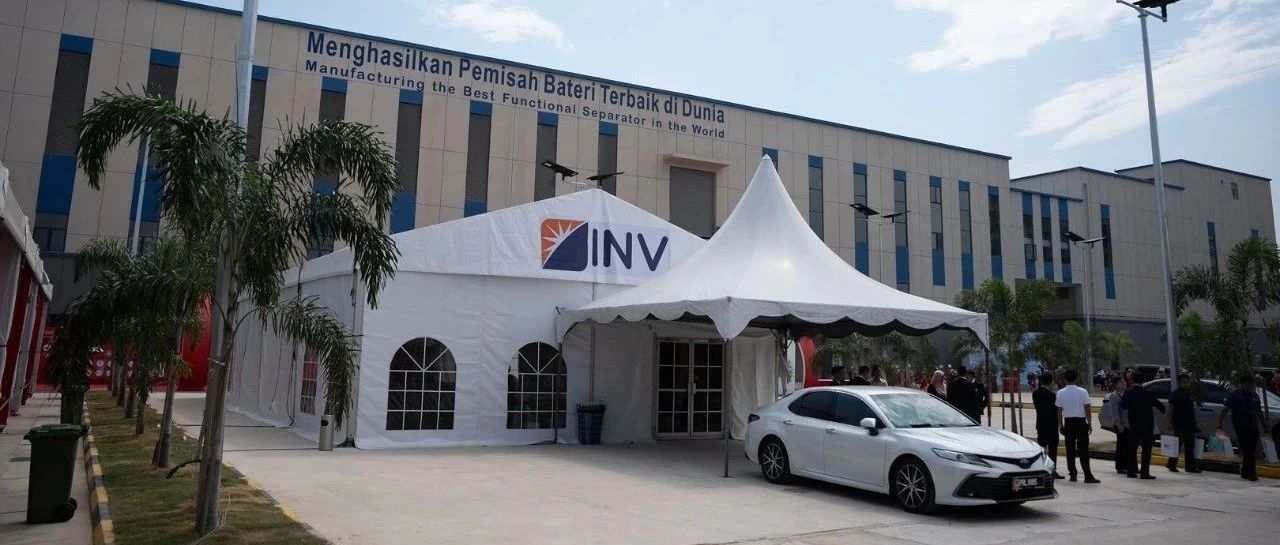
星源材质马来西亚工厂投产,技术壁垒构筑海外定价权新格局
高工锂电· 2025-06-28 09:42
Core Viewpoint - The establishment of the Xingyuan Material's factory in Malaysia marks a significant milestone in the global high-end separator manufacturing sector, aiming to escape domestic market competition and establish an independent overseas pricing system to enhance profitability [1][6][12] Group 1: Investment and Production Capacity - The total investment for the Malaysian factory is nearly 5 billion RMB, with an annual production capacity planned to reach 2 billion square meters, making it the largest production base for lithium-ion battery separators and solid-state battery rigid skeletons globally [1][6] - The factory has already received a substantial number of order intentions, indicating a strong market demand driven by battery manufacturers' capacity expansion in Southeast Asia [1][2] Group 2: Pricing Power and Market Strategy - The core strategic value of the overseas expansion is the acquisition of "independent pricing power," allowing the company to set prices based on international market supply and demand, certification barriers, service costs, and product technological added value [3][6] - The company anticipates a structural supply shortage in the overseas high-end separator market by the end of 2026, which will provide significant bargaining advantages for firms with localized advanced production capacity [6][12] Group 3: Technological Foundation - The company's confidence in seeking independent pricing power stems from its undisputed technological strength in the high-end separator field, with a product matrix that meets global market demands for higher safety, efficiency, and longevity [7][9] - The high-performance coated separator series, including nano-fiber coated, polyimide coated, and aramid coated separators, are key tools for penetrating overseas markets, providing essential safety guarantees for lithium batteries [9][12] Group 4: Industry Collaboration and Globalization - The establishment of the Malaysian factory is part of a broader trend of systematic overseas expansion of China's lithium battery industry, with a localized lithium battery industry collaboration model emerging in Southeast Asia [11][12] - The company’s strategic layout extends beyond Southeast Asia, with investments in Europe and North America, indicating a proactive approach to global supply chain security and market entry [12]