九毛九

Search documents
太二“告别”酸菜鱼,开新餐厅主打鲜料川菜
Xin Lang Cai Jing· 2025-12-25 03:53
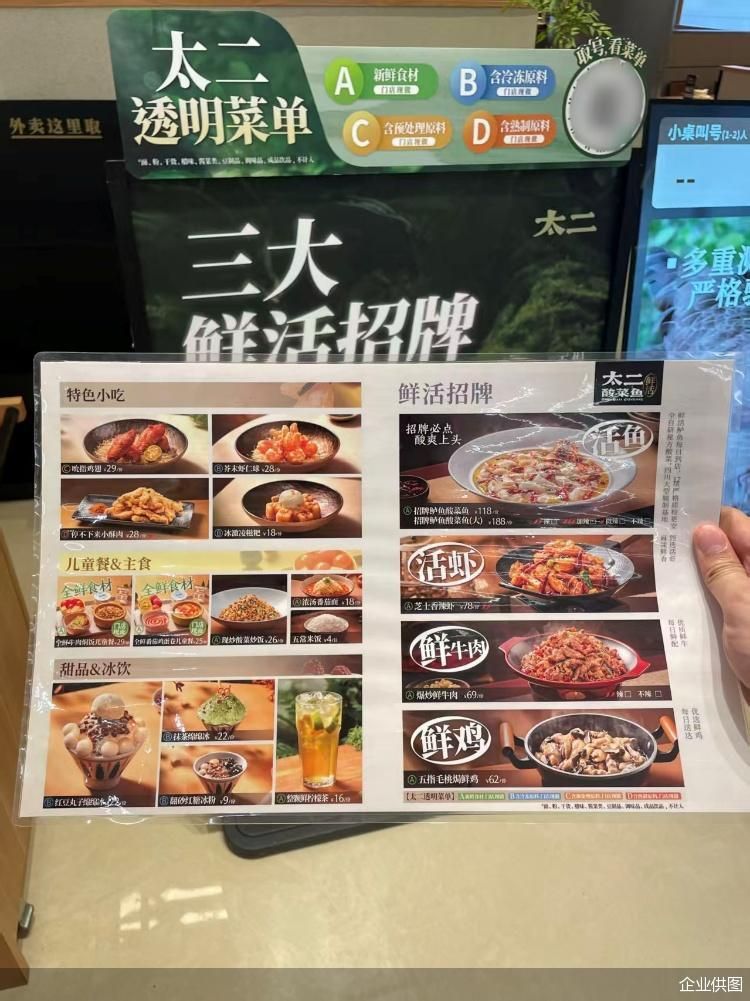
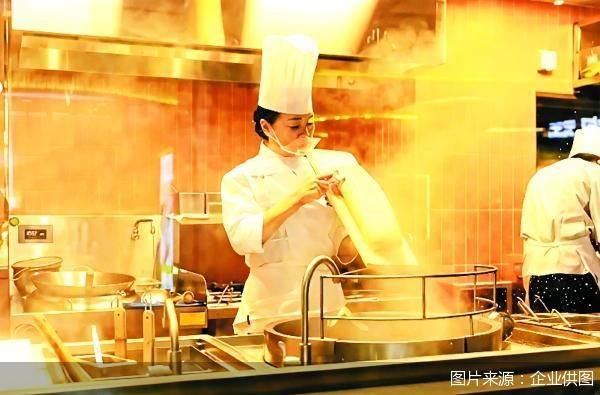
Core Viewpoint - The company "Tai Er" is undergoing a brand upgrade to "New Tai Er · Fresh Ingredient Sichuan Cuisine," focusing on fresh ingredients and expanding its menu offerings in response to market changes and performance pressures [1][2][3] Group 1: Brand Upgrade and New Offerings - The new branding emphasizes the use of fresh ingredients, with a slogan change from "Sour Cabbage is Better than Fish" to "Using Fresh Ingredients to Make Fresh Ingredient Sichuan Cuisine" [1] - The upgraded stores have introduced over 20 new dishes, including fresh beef and chicken options, expanding the total menu to over 40 items [1][2] - The new store design features a wooden color scheme and an open kitchen concept, allowing customers to see the cooking process [2] Group 2: Market Response and Consumer Feedback - Initial consumer feedback on social media indicates that many new dishes are well-received, although some long-time customers miss previous menu items [2] - The average consumer spending in the new stores remains consistent with previous locations, with per capita consumption around 70-80 yuan and couple meal packages priced between 155-165 yuan [2] Group 3: Financial Performance and Challenges - The parent company, Jiu Mao Jiu, reported a revenue decline of 10.14% year-on-year, with Tai Er's revenue specifically dropping by 13.3% to 19.48 billion yuan [3] - The number of self-operated Tai Er restaurants decreased from 612 to 547, contributing to the decline in same-store sales [3]
单品4元起,西式快餐巨头开了家烧烤店
Xin Lang Cai Jing· 2025-12-25 03:19
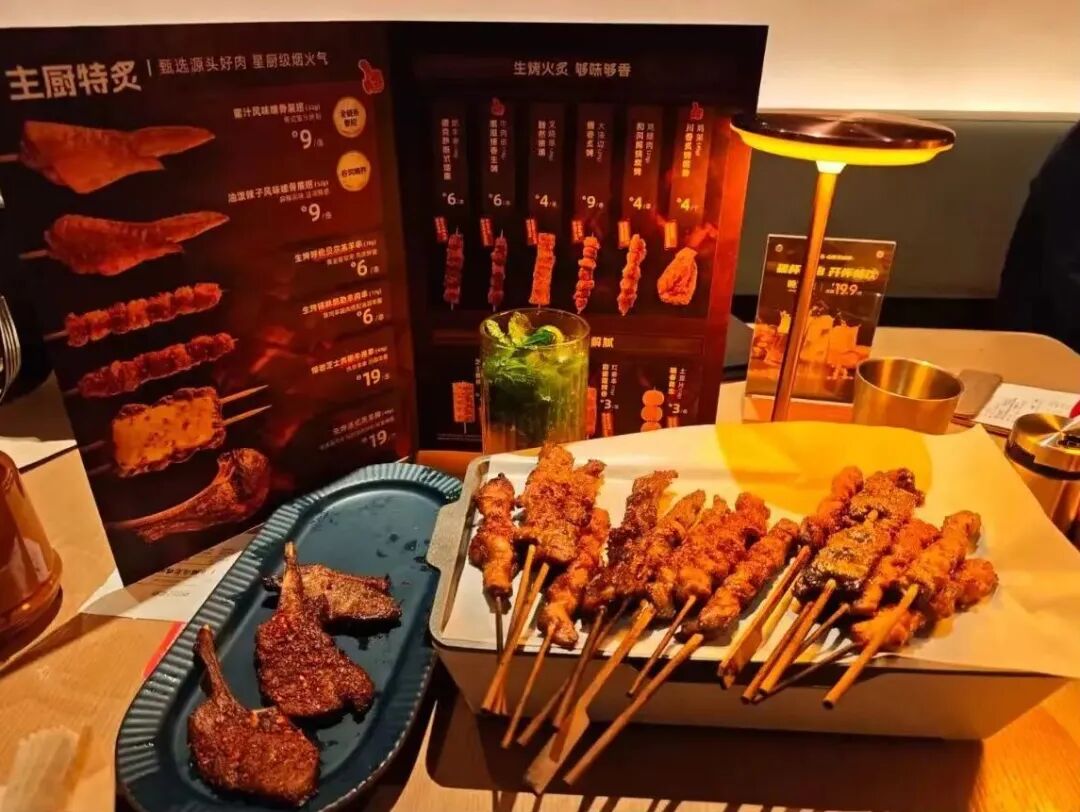
Core Viewpoint - Pizza Hut has launched a new brand called "Pizza Hut Grilled Skewers," with its first store opening in Shanghai, focusing on the late-night snack market [1][2]. Group 1: Product Offering - The new brand features over 30 SKUs with an average spending of around 70 yuan per person, including categories like popular skewers, assorted grilled vegetables, and specialty drinks [3][6]. - Prices for skewers range from 6 to 9 yuan for meat options and 4 to 6 yuan for vegetarian options, with main dishes priced at 16 yuan [3][5]. - The menu includes unique offerings such as "manager's favorites" to appeal to younger consumers [6]. Group 2: Operational Model - "Pizza Hut Grilled Skewers" operates as a "store within a store," utilizing the existing Pizza Hut location during the day and transforming into a skewers area from 5 PM to midnight [7][9]. - The ambiance is enhanced with decorative lighting and live music, creating a relaxed atmosphere for late-night dining [8]. Group 3: Industry Trends - The launch aligns with a broader trend in the restaurant industry where major brands are introducing new sub-brands, marking the emergence of a "Pomegranate Era" in Chinese dining [10]. - Competitors like KFC and Haidilao are also expanding their brand portfolios, indicating a shift towards multi-brand operations [12][13]. - The strategy leverages existing resources, including supply chains and operational expertise, to minimize costs and risks associated with new brand launches [14][17].


九毛九求“鲜”
Bei Jing Shang Bao· 2025-12-23 16:03
Core Insights - The core focus of the news is on the recent strategic adjustments made by Jiumaojiu Group to address performance pressures and enhance market positioning through brand upgrades and new restaurant concepts [1][6]. Group 1: Brand Expansion and New Concepts - Jiumaojiu Group has opened its first "Jiumaojiu Shanxi Restaurant" in Guangzhou, emphasizing fresh ingredients with a menu featuring signature Shanxi dishes [3][4]. - The new restaurant model includes a focus on "freshness," similar to the previously launched "Tai Er" brand, which has introduced a "5.0 Fresh Model" highlighting live fish and fresh meats [6][7]. - The company has also launched its first barbecue brand, "Chao Nabei," further diversifying its offerings [6]. Group 2: Performance Metrics and Challenges - Recent data indicates a decline in same-store daily sales across Jiumaojiu's main brands, with a year-on-year decrease of 9.3% for Tai Er, 19.1% for Song Hotpot, and 14.8% for Jiumaojiu [6][8]. - The total number of Jiumaojiu's stores has decreased from 824 to 686 over the past year, reflecting the company's struggle to maintain growth [6][8]. Group 3: Strategic Adjustments and Market Trends - The company is responding to industry trends that shift focus from price competition to value enhancement, emphasizing ingredient quality and customer experience [7][9]. - Jiumaojiu Group is implementing measures such as menu transparency and enhanced ingredient sourcing to improve customer trust and satisfaction [8][9]. - The group aims to strengthen brand synergy across its various offerings, optimizing supply chain and marketing strategies to reduce costs and improve efficiency [9].
呷哺卖牛排、海底捞开大排档、太二做川菜……餐饮巨头寻求“第二春”
Guo Ji Jin Rong Bao· 2025-12-23 14:46
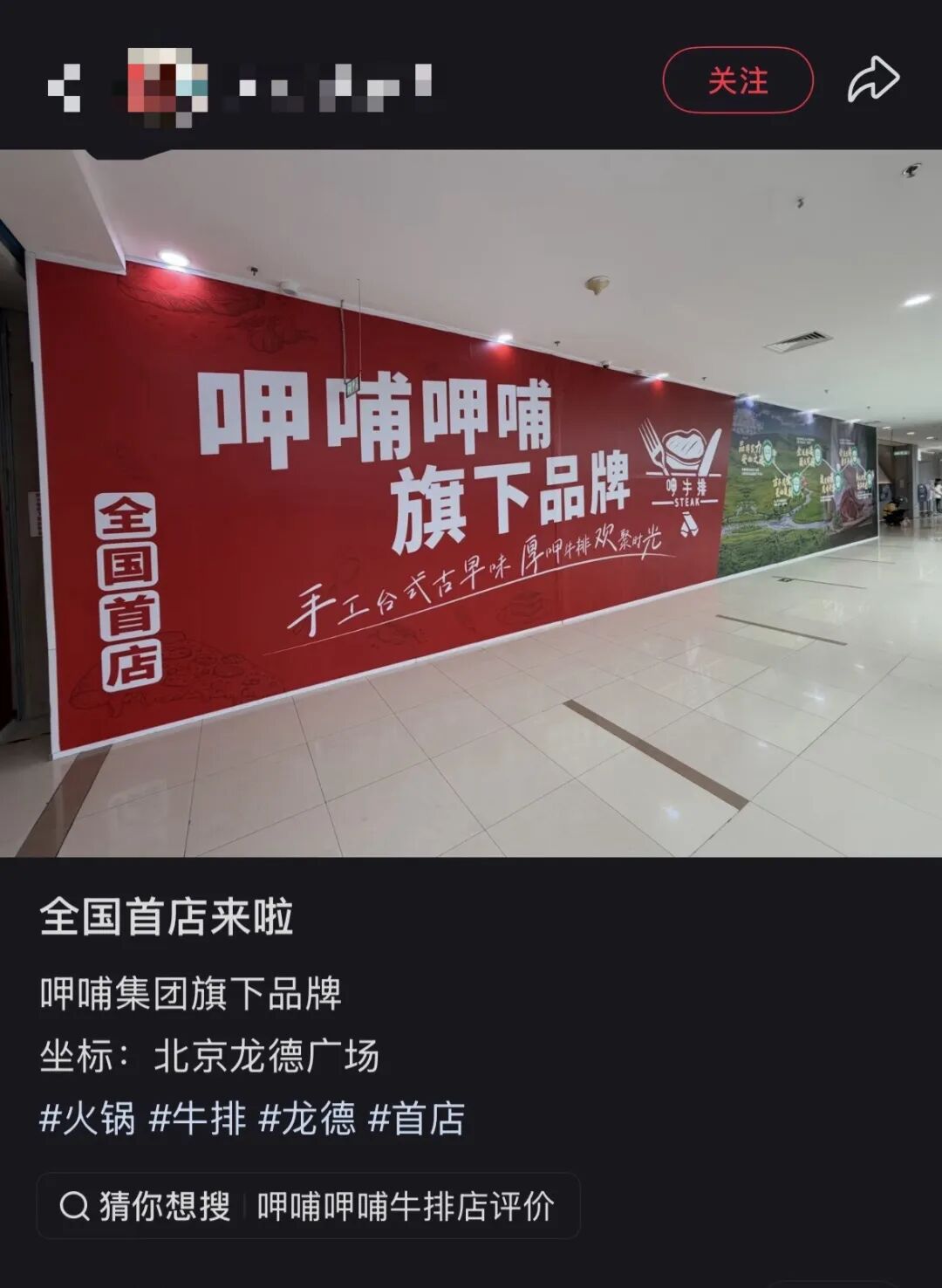
Core Viewpoint - The article discusses how several major restaurant chains, including Xiaobai Xiaobai, are exploring new business avenues to improve their core brand performance and overcome growth bottlenecks amid ongoing financial pressures [1][6]. Company Summary - Xiaobai Xiaobai, known as the "first stock of chain hot pot," has launched a new brand "Xiaoniupai" in Beijing, marking its entry into the steak market [2][3]. - The new brand focuses on "handmade Taiwanese-style thick steak," emphasizing quality and affordability to attract a broad consumer base [3]. - Xiaobai Xiaobai has faced significant financial challenges, recording losses for four consecutive years since 2021, with a total loss exceeding 1.3 billion yuan [6]. - The main brand's sales dropped by 13.5% to 1.135 billion yuan in the first half of this year, with same-store sales declining by 15.6% [6]. - The mid-to-high-end sub-brand "Coucou" has also struggled, with a 25.8% decrease in sales to 745 million yuan and a reduction in store count from 245 to 174 [6]. Industry Trends - The cross-industry move by Xiaobai Xiaobai reflects a broader trend in the restaurant industry, where companies are seeking growth through diversification amid consumer downgrading and intensified competition [9]. - Other major players, such as Haidilao and KFC, are also expanding into new categories and brands to find new growth opportunities [9][11]. - Analysts suggest that many companies are implementing a "five-multiple strategy" to create multiple consumer benefits through diversified brand operations and product offerings [13].

开新餐厅、爆改旗下品牌 九毛九集团想靠“新鲜”求生
Bei Jing Shang Bao· 2025-12-23 11:05
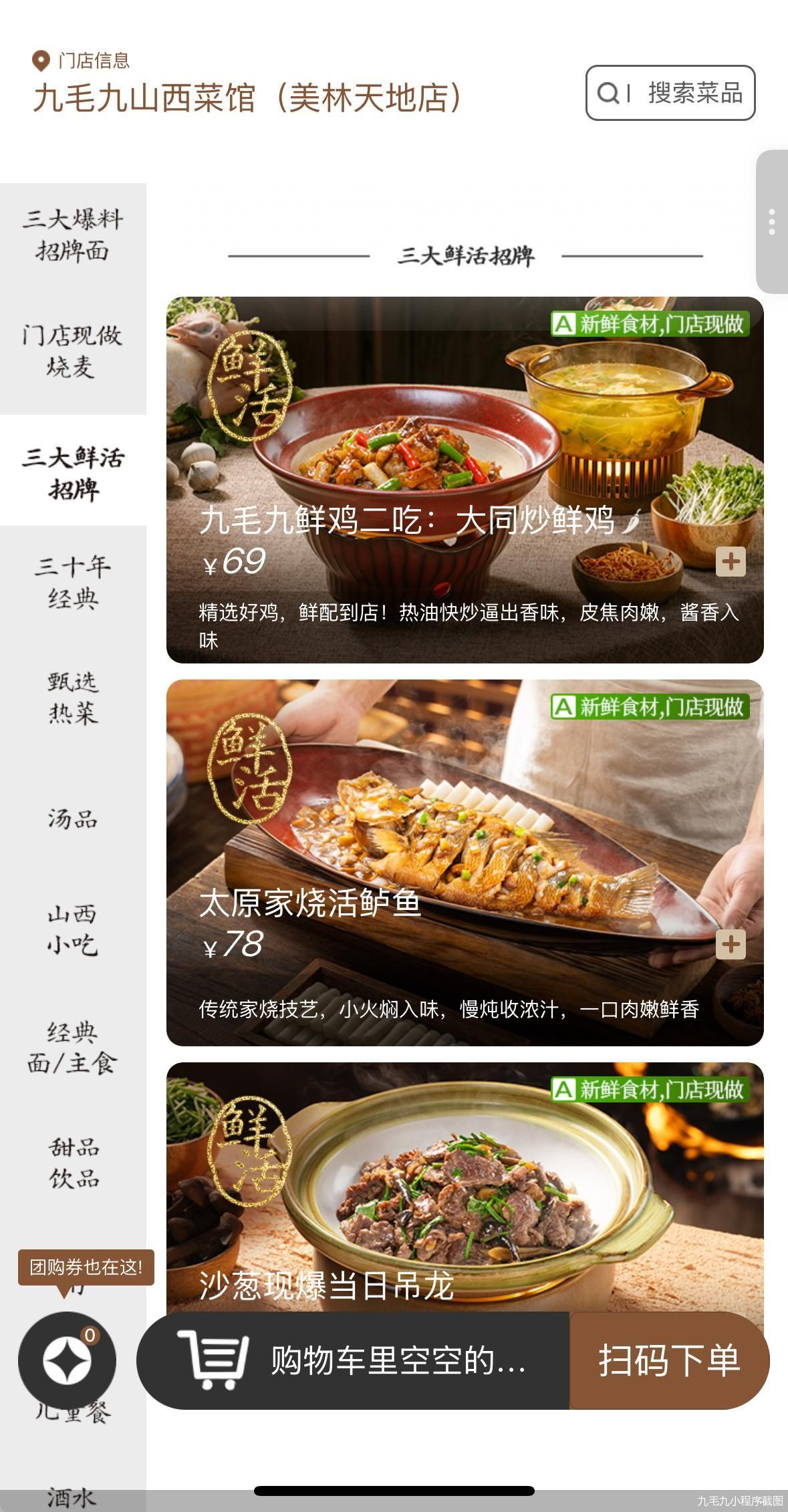
Core Insights - The core viewpoint of the news is that Jiumaojiu Group is actively implementing strategic adjustments to address growth challenges and stabilize its market position, as evidenced by the opening of new restaurant concepts and a decline in same-store sales [1][7]. Group 1: New Brand Initiatives - Jiumaojiu Group has launched its first "Jiumaojiu Shanxi Restaurant" in Guangzhou, focusing on fresh Shanxi cuisine with a tagline emphasizing "freshly made" dishes [5]. - The new restaurant features signature dishes priced between 69 to 78 yuan, highlighting the use of fresh ingredients [5]. - The company is also testing a new model for its Shanxi cuisine, with plans for future expansion yet to be disclosed [6]. Group 2: Performance Challenges - Jiumaojiu Group's same-store daily sales have seen a decline, with a drop of 9.3% for Taier, 19.1% for Song Hotpot, and 14.8% for Jiumaojiu in the latest quarter [7]. - The total number of stores has decreased from 824 to 686 over the past year, indicating significant operational pressure [7]. - Despite these challenges, there are signs of improvement, with Taier's same-store sales showing a narrowing decline and positive growth in major cities [8]. Group 3: Strategic Adjustments - The company is undergoing a brand upgrade and model transformation, including the introduction of a new "5.0 Fresh Model" for Taier, which emphasizes fresh ingredients [7]. - Jiumaojiu Group is also launching its first barbecue brand, "Chao Nabei," as part of its diversification strategy [7]. - The shift in focus from price competition to value-driven offerings reflects a broader industry trend, with consumers increasingly prioritizing ingredient quality and dining experience [8]. Group 4: Brand Synergy and Market Positioning - Jiumaojiu Group is working to enhance brand synergy by eliminating special dining rules and exploring delivery options [9]. - The company aims to establish a transparent menu system for Taier, categorizing dishes based on ingredient freshness to improve customer choice [10]. - There are concerns about potential brand confusion as Jiumaojiu expands into Shanxi cuisine, necessitating a clear communication of the brand's identity and culinary focus [11].
2025新消费大会:寻找新增量 从“中国消费”到“消费中国”
Xin Lang Cai Jing· 2025-12-19 23:35
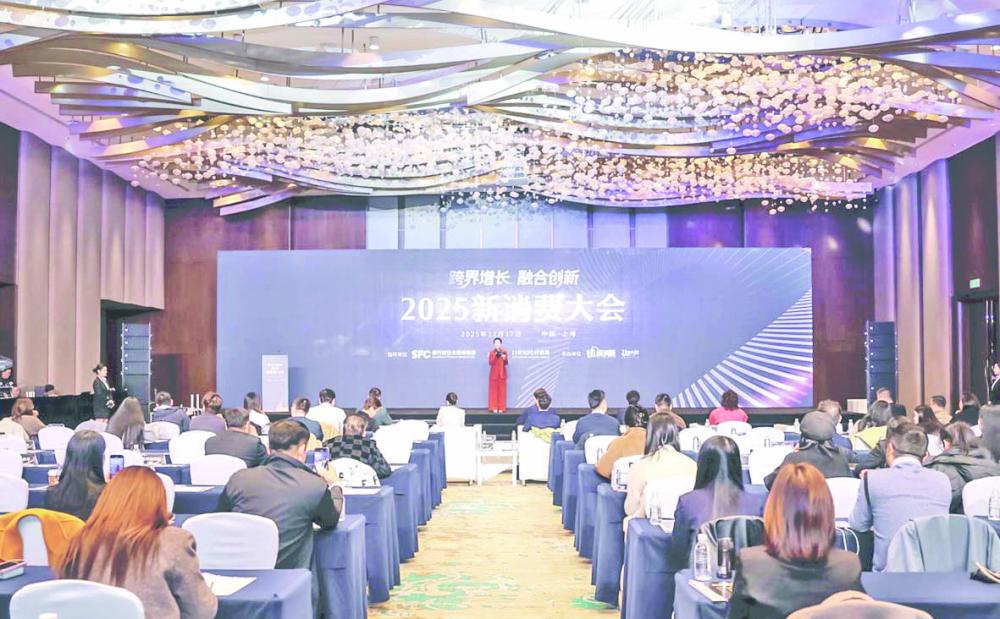
Core Insights - The "New Consumption Conference" held in Shanghai focused on the theme of "Cross-Border Growth and Integrated Innovation," discussing industry trends, business models, and strategies for rapid brand growth and innovation [2] - The consumer market is undergoing significant changes, driven by the emergence of the younger generation, particularly Generation Z, who are reshaping consumption demands and preferences [3][4] - The conference highlighted the importance of brands evolving from mere sellers to experience co-creators, emphasizing the need for deeper connections with consumers [5] Industry Trends - The consumption sector is witnessing a shift towards health-oriented and experiential consumption, moving from merely purchasing products to a holistic approach to self-care [4] - The Hong Kong stock market has become a primary venue for consumer companies to go public, with over 23 IPOs in the retail and consumption sector by the end of November [6][7] - The demand for new consumer brands is high, with a significant number of companies applying for listings, particularly in the consumer sector, indicating a robust supply-demand dynamic [7] Brand Strategies - Brands are increasingly focusing on international expansion as a core strategy, with successful domestic models serving as a foundation for global competition [8] - Emotional value is becoming a key decision-making factor in consumer choices, leading to the emergence of new consumption scenarios and demands [9] - Collaborative marketing and cross-industry partnerships are seen as effective strategies for brands to refresh their image and reach new consumer segments [9] Future Outlook - The 2025 consumer market in China is expected to explore new balances amid structural changes, with a focus on both short-term pressures and long-term confidence [10] - The conference underscored the ongoing transformation of consumption as a driving force for global economic growth, entering a phase rich with opportunities [10]
率先实现正餐全菜单透明化 “爆改”后的太二如何重塑餐饮信任?
Xin Jing Bao· 2025-12-19 04:44
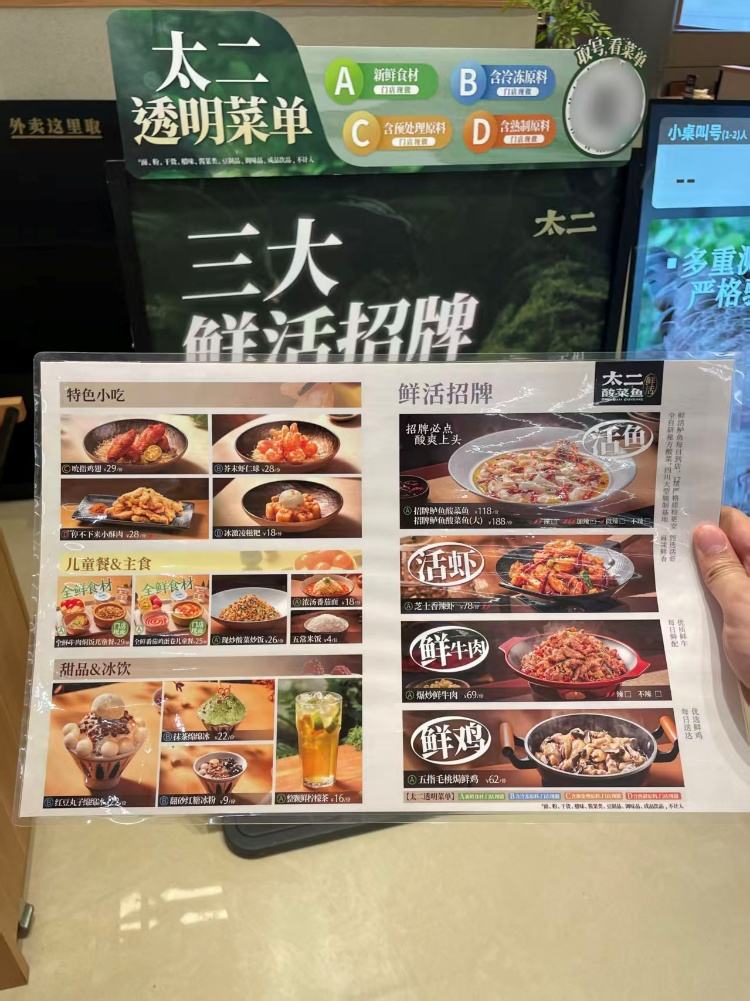
Core Insights - The article discusses the transformation of the restaurant industry in China, particularly focusing on the brand "Tai Er" and its commitment to transparency and freshness in food preparation [1][5][12] Group 1: Company Initiatives - Tai Er has launched a comprehensive menu transparency initiative, categorizing dishes based on ingredient freshness and pre-processing levels into four classes, with Class A representing the freshest ingredients [1][4] - The brand's "5.0 Fresh Model" was initiated in March 2023, and by December 2025, Tai Er aims to have over 200 restaurants operating under this model, up from an initial target of 150 [5][12] - The company emphasizes that all dishes are 100% made in-house, with a visible kitchen setup allowing customers to observe the cooking process [5][10] Group 2: Industry Trends - The chain restaurant penetration rate in the dining industry has increased from 18% in 2021 to 23% in 2024, reflecting a growing consumer demand for freshness [3][7] - The Chinese dining market is projected to reach 5.5 trillion yuan in revenue by 2024, with a year-on-year growth rate of 5.3%, surpassing the growth of retail sales [7] - Consumer preferences are shifting towards a more cautious approach, valuing authentic experiences over mere affordability, with a significant increase in searches for "fresh" and "live" food options [7][8] Group 3: Operational Challenges - The implementation of the "Fresh Strategy" poses challenges for Tai Er, particularly in managing the supply chain for fresh ingredients, which requires high standards for cold chain logistics and inventory turnover [11][12] - The company has adopted a "batch killing" method for fish to balance efficiency and freshness, ensuring that customers do not experience long wait times while maintaining quality [10][12] - Despite the positive reception of upgraded stores, the increased costs associated with fresh ingredients have led to a decline in profit margins for new store formats [12]
小米17Ultra下周发布 雷军:超高端手机/豆包大模型日均使用量破50万亿/海南封关首日iPhone大降价
Sou Hu Cai Jing· 2025-12-19 00:57
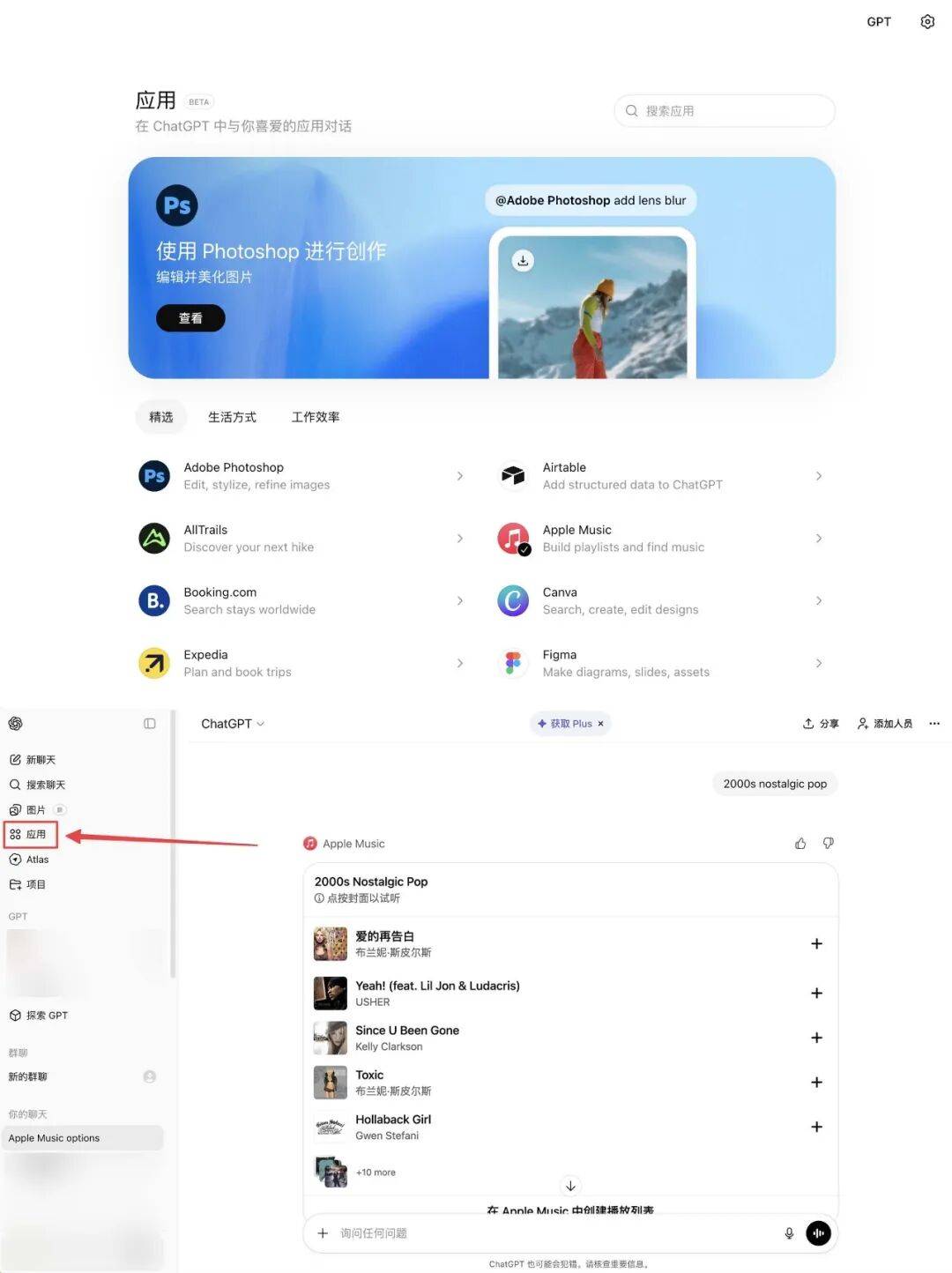
Group 1 - OpenAI has launched the "Apps" feature in ChatGPT, allowing users to interact with various applications directly within the chat interface, categorized into "Featured," "Lifestyle," and "Productivity" [2][3][4] - Developers can now submit applications for review and publication, with resources provided for best practices and UI libraries, aiming to enhance user engagement and monetization opportunities [4] - The new feature allows for seamless integration of applications with ChatGPT, enabling users to access services like Adobe Photoshop and Apple Music directly through chat commands [2][3] Group 2 - The Hainan Free Trade Port has officially commenced operations, implementing a policy of "one line open, two lines controlled, and free flow within the island," leading to significant price reductions on popular products like the iPhone 17 Pro Max [5][7][8] - The iPhone 17 Pro Max is now available at a tax-free price of 9,299 yuan, which is 700 yuan cheaper than e-commerce platforms, with additional discounts available through consumption vouchers [7] - The tax-free shopping policy allows travelers to purchase up to 100,000 yuan worth of goods annually, with specific regulations in place to prevent resale [8] Group 3 - Micron Technology has projected that the global memory shortage will persist until after 2026, driven by increased demand from AI applications [18][19][20] - The company reported a record revenue of 13.64 billion dollars for the last fiscal quarter, significantly up from 8.71 billion dollars year-over-year, indicating strong demand for DRAM and NAND products [18] - Micron is prioritizing high-bandwidth memory (HBM) production to meet the needs of AI data centers, which is expected to impact supply for consumer electronics [18][19] Group 4 - MiniMax and Zhiyu AI have completed the Hong Kong Stock Exchange hearing, positioning MiniMax to potentially become the fastest AI company to go public, with plans for an IPO in January 2026 [21][22] - MiniMax's revenue structure heavily relies on consumer products, with projected revenues of approximately 70 million dollars for 2024, largely from its interactive product Talkie [23] - Zhiyu AI has accelerated its IPO path, with a current valuation of around 40 billion yuan, having completed multiple rounds of financing since its establishment [24][25] Group 5 - OpenAI is in discussions for a potential financing round that could reach up to 100 billion dollars, aiming for a valuation of approximately 750 billion dollars [27] - This financing could significantly increase OpenAI's valuation from 500 billion dollars earlier this year, marking it as one of the largest deals of the year [27] Group 6 - Honda plans to halt production at its factories in Japan and China due to semiconductor shortages, affecting operations from late December to early January [29] - The company anticipates a reduction in operating profit by approximately 150 billion yen (around 6.78 billion yuan) due to these supply chain issues [29] Group 7 - Xiaohongshu has undergone a significant organizational restructuring to focus on growth, shifting from a vertical operation model to one based on business objectives [31] - The platform aims to increase its daily active users from 100 million to 300 million, with a new focus on high-quality mid-to-long videos [31][32] Group 8 - Tencent has clarified that all comments marked as "generated by AI" are produced independently by its AI system, while unmarked responses are written by human editors [34] - The company emphasizes the operational capabilities of its AI, which can respond at high frequencies across multiple platforms [34]


有餐企以新鲜度将菜品分“ABCD级”,餐饮透明化是趋势
Di Yi Cai Jing· 2025-12-18 10:26
Core Viewpoint - The recent focus on pre-prepared meals in China has prompted significant actions from both the government and restaurant brands to enhance transparency regarding food ingredients and preparation processes [1][4]. Group 1: Company Initiatives - Chain restaurant brand Tai Er has launched a full menu transparency classification system, categorizing dishes based on the freshness of ingredients [1]. - Tai Er's transparent menu divides dishes into four categories, with A class representing the freshest ingredients, including live fish and fresh vegetables, while B, C, and D classes indicate varying levels of processing [3]. - Fast food brand Lao Xiang Ji has implemented a similar system with a "three-color label" to indicate the processing level of dishes, enhancing consumer awareness [4]. Group 2: Industry Trends - The food industry analyst Zhu Danpeng emphasizes the need for a balance between taste and industrialization, as well as the importance of establishing national standards for pre-prepared meals [3]. - The State Council's Food Safety Office has recognized the growing public concern over pre-prepared meals and is working with various departments to expedite the formulation of national standards [4]. - The push for transparency in the restaurant industry is driven by consumer demand for fresh ingredients and visible processes, alongside regulatory pressures [4].

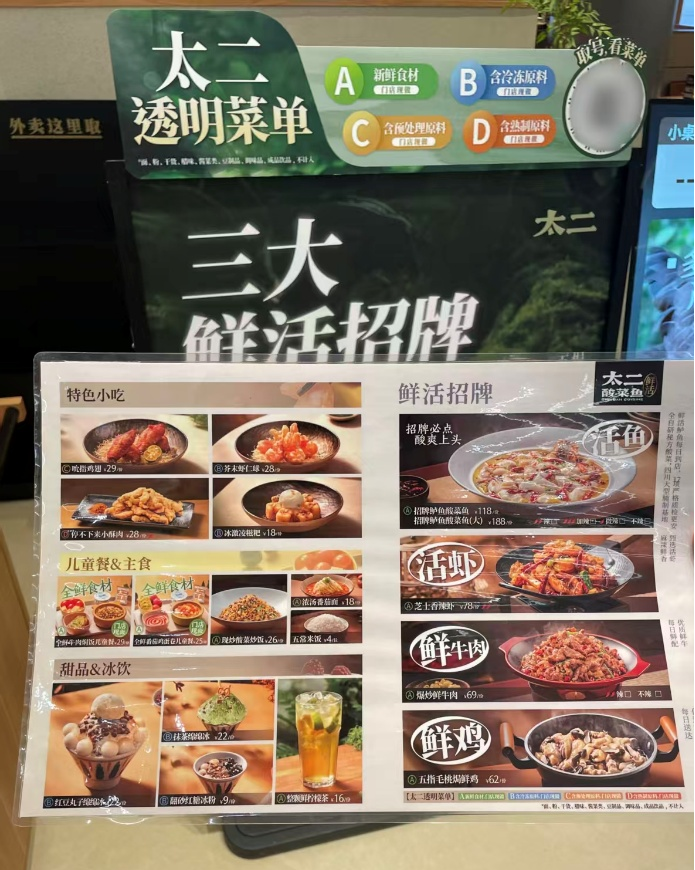
太二酸菜鱼启动全菜单透明分类制度
Bei Jing Shang Bao· 2025-12-18 05:40
Core Viewpoint - Tai Er Sauerkraut Fish has launched a comprehensive transparent classification system for its entire menu, focusing on the freshness of ingredients and clearly indicating the usage of raw materials [1][3] Group 1: Menu Classification - The menu is divided into four categories based on the freshness and pre-processing of main ingredients, with certain auxiliary ingredients excluded from this classification [1][3] - Category A represents the freshest items, including live fish, live shrimp, fresh chicken, fresh beef, and fresh vegetables, with daily fresh deliveries to the store [3] - Categories B, C, and D include items made with frozen or pre-processed ingredients, such as frozen squid and marinated pork neck, with clear labeling for consumer awareness [3] Group 2: Consumer Engagement - The initiative aims to empower consumers by allowing them to make choices based on their preferences regarding ingredient freshness and preparation methods [3] - The company maintains a commitment to 100% in-store preparation of all dishes, enhancing transparency through visible cooking processes [3] Group 3: Brand Expansion - The transparent menu classification system has been implemented across other restaurant brands under the parent company, Jiumaojiu Group, including "Jiumaojiu Shanxi Cuisine," "Song Hotpot Factory," and the newly launched "Chao Nabei" [3]