雀巢

Search documents
“涨薪只能靠跳槽”,为什么新员工总比老员工工资高?
3 6 Ke· 2025-12-24 02:49
Core Viewpoint - The year 2025 is expected to be a tumultuous year for the food and beverage industry, primarily characterized by widespread leadership changes across numerous companies, which is a rare occurrence in the industry [1] Group 1: Leadership Changes - A significant number of traditional fast-moving consumer goods (FMCG) companies are undergoing leadership changes, including major players like Coca-Cola, Nestlé China, Unilever, Kraft Heinz, and others [1] - The widespread nature of these changes suggests a collective struggle within the industry, as many companies are facing challenges in sales performance and are seeking new directions through new leadership [4] Group 2: Employee Compensation and Job Market - There is a prevailing sentiment among employees in the FMCG sector that salary increases are unlikely, leading many to consider job changes as the only viable option for salary growth [2][3] - Employees have observed that new hires often receive significantly higher salaries than existing staff, creating a disparity that can lead to dissatisfaction among long-term employees [5][6] - The current environment has led to a situation where companies are more inclined to hire externally, often at higher salaries, rather than promoting from within, which can create tension and feelings of unfair treatment among existing employees [5][6] Group 3: Market Dynamics and Future Outlook - The leadership changes are seen as a response to the challenging sales environment, with companies hoping that new leaders can revitalize performance and restore confidence among stakeholders [4] - The expectation is that new leaders will be given a grace period of about one to one and a half years to stabilize the market before being held accountable for performance [3] - Despite the current difficulties, there is an underlying belief that these traditional companies have the potential for future growth, as they possess the resources and aspirations to navigate through turbulent times [3]


滔搏寻路:销售额高单位数下降丨消费参考
2 1 Shi Ji Jing Ji Bao Dao· 2025-12-24 02:36
Group 1: Company Performance - Tmall's sales continue to decline, with a high single-digit decrease in pre-tax total sales for Q3 FY2026, slightly weaker than the overall performance in the first half of the year [1] - Nike's sales in China fell by 16% year-on-year to $1.423 billion, impacted by reduced store traffic and lower sell-through rates [1] - Li Ning reported a mid-single-digit decline in retail sales for Q3, excluding its youth brand [2] Group 2: Market Trends - The sports retail market is under pressure, with Peak's direct sales segment suffering losses exceeding 130 million yuan from January to July [2] - Anta Sports reported low single-digit positive growth in retail sales for its brand products, indicating a significant drop compared to previous years [2] - The overall market environment suggests that Tmall's transformation needs to accelerate [6] Group 3: Strategic Adjustments - Tmall is reducing its scale, with a 1.3% decrease in gross sales area of direct stores compared to the previous quarter and a 13.4% decrease year-on-year [4] - The company plans to optimize its offline store network by cautiously closing underperforming stores and focusing on extending online channels [4] - Tmall is also expanding its offerings, such as launching a running brand store and introducing a pop-up store for the Norwegian outdoor brand Norrona [5][6] Group 4: Collaboration and Future Outlook - Nike is increasing its focus on collaborating with distributors like Tmall, indicating a potential shift in strategy to enhance sales through partnerships [3]


如何理解京东要死磕的「超级供应链」
Sou Hu Cai Jing· 2025-12-23 18:26
Core Insights - The article emphasizes the need for a dual-driven approach to stimulate consumption and supply, highlighting the importance of creating new supply to meet emerging consumer demands [3][4][19] Group 1: Economic Context - Insufficient domestic demand is identified as a major challenge for the current economic landscape, with structural mismatches in supply and demand persisting in certain sectors [2] - Data from the National Bureau of Statistics indicates that while industrial inventory is expected to grow by 2025, retail sales are also on the rise, particularly in service consumption and online sales [2] Group 2: Supply Chain Strategy - Companies that can connect new demand with supply and establish efficient distribution channels will benefit from the opportunity presented by expanding domestic demand [4][5] - JD.com aims to leverage its established supply chain and logistics capabilities to create a "super supply chain" that not only reduces costs but also stimulates new consumption [4][5] Group 3: Demand Creation - The challenge of creating new supply lies in accurately capturing and translating new consumer demands into actionable production language [6] - JD.com has developed expertise in demand insight and has collaborated with brands to create customized products that meet specific consumer needs, achieving significant sales milestones [6][8] Group 4: Sales and Distribution - JD.com's self-operated model allows it to extend its collaboration with brands beyond production to include sales, thereby reducing concerns about market access for new products [9][11] - The company employs strategies such as bulk purchasing and exclusive sales agreements to mitigate risks for brands and enhance competitive pricing [9][11] Group 5: Logistics and Fulfillment - Efficient logistics are crucial for enhancing supply and service quality, with JD.com optimizing its logistics network to reduce delivery times significantly [12][13] - The company has implemented advanced logistics solutions, including a 28-day fresh milk delivery plan, which has improved product quality and reduced costs [12][13] Group 6: International Expansion - JD.com is exploring international markets by building overseas warehouses and acquiring local channels, facilitating a "group export" model for domestic brands [17][18] - The company has established over 130 global warehouses across 23 countries, enhancing its ability to support brands in international markets [18] Group 7: Conclusion - JD.com's super supply chain strategy reflects the broader transformation of the Chinese consumer market, moving from demand-driven to a dual-driven model that emphasizes efficiency and responsiveness to new consumer needs [19]


蜜雪冰城进军洛杉矶,库迪开到法国
3 6 Ke· 2025-12-23 10:12
Group 1: Store Expansion - In November, 20 chain coffee brands tracked by Yilan Commercial opened 2,979 new stores, a year-on-year increase of 75.64%, bringing the total number of stores to over 81,217, with a net increase of 2,566 stores month-on-month [1] - Leading brands are steadily expanding their store presence, with Kudi Coffee opening 84 stores and Luckin Coffee opening 132 stores, totaling over 600 new targeted locations this year across 183 cities [1] - Unique brands are also entering new markets, such as Xianji opening its first store in Yangzhou, focusing on premium matcha drinks, and Tea Li Yi Shi opening two new stores in Guangzhou, bringing its total to 496 operating stores nationwide [1] Group 2: Product Innovations - As the weather gets colder, the tea beverage market is entering its peak season, with apples, strawberries, and cherries becoming key ingredients for new product launches [3] - Various tea brands are introducing new products, such as Yihe Tang's new apple-flavored drinks and CoCo's strawberry milk options, while coffee brands like Nova Coffee are focusing on apple-based beverages [3] - Brands are also exploring new product lines, with Gu Ming introducing bottled fresh juices and Nayuki launching new baked goods, indicating a trend towards diversification in offerings [3] Group 3: Marketing Strategies - Seasonal marketing campaigns are becoming increasingly competitive, with brands like Grandpa Bu Pao Tea launching themed stores and Sweet Lala promoting apple drinks for the holiday season [4] - High-tech collaborations are on the rise, with Honey Snow Ice City partnering with Gaode for group buying services, enhancing supply chain efficiency [4] Group 4: Financial Developments - New brand "LUOSHI" has opened its first store in Shanghai, backed by A-Ma Handmade [7] - Luckin Coffee and its investor, Dazhong Capital, are evaluating multiple acquisition targets, including Nestlé's Blue Bottle Coffee and Costa Coffee, with market analysis suggesting a significant drop in Costa's value since its acquisition by Coca-Cola [7] - The Hurun Research Institute's report lists Honey Snow Group with a valuation of 150 billion yuan, highlighting the rapid growth of Chinese brands in the restaurant sector [7]


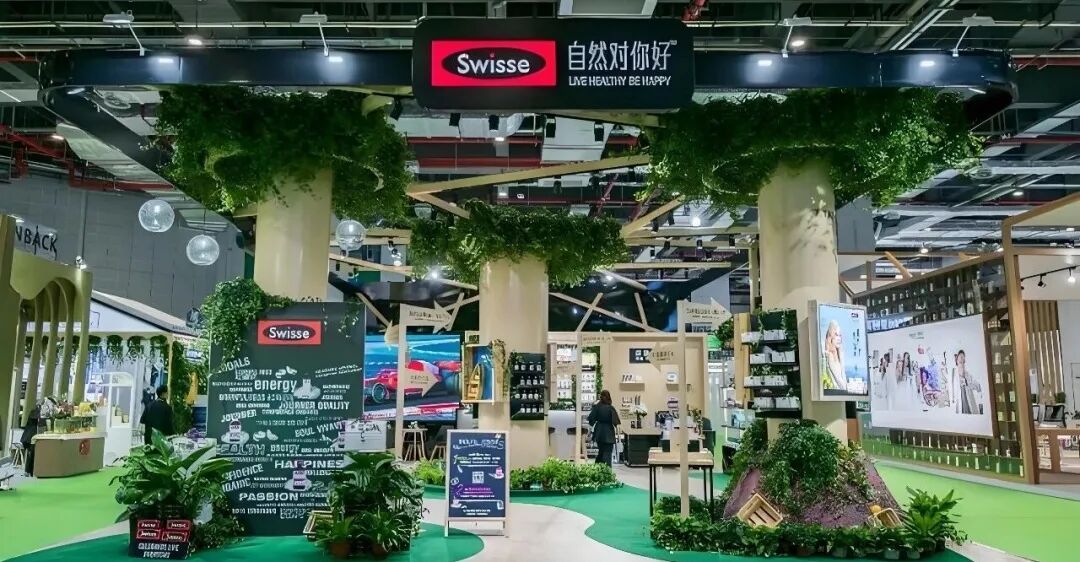
Swisse,怎么就“不香了”?
3 6 Ke· 2025-12-23 09:37
Core Insights - The article discusses the rise and challenges of Swisse, a health supplement brand acquired by China's Health and Happiness Group (健合集团), highlighting its initial success in the Chinese market and the subsequent financial difficulties faced by the parent company [2][3][8]. Group 1: Company Background and Acquisition - Swisse was founded in Melbourne in 1969 and gained popularity in China post-2010 due to its branding as a natural product and effective marketing strategies [2][3]. - In 2015, Health and Happiness Group acquired 83% of Swisse for approximately AUD 1.386 billion, aiming to leverage the brand's Australian image to penetrate the burgeoning Chinese health supplement market [3][5]. - The acquisition coincided with favorable cross-border e-commerce policies in China and a strong consumer demand for overseas health products, providing an optimal entry point for Swisse [5]. Group 2: Market Strategy and Performance - Post-acquisition, Health and Happiness Group did not merely replicate Swisse's Australian model but adapted it to the Chinese market by focusing on high-potential categories like collagen and liver health products [5][7]. - By 2024, Swisse is expected to derive nearly 80% of its sales from cross-border e-commerce channels, with a strong online market share of over 7.5% in the VDS segment [7]. - Despite its strong market presence, Swisse's revenue growth has slowed, with the adult nutrition and care (ANC) segment showing only an 8.8% increase in 2024, down from previous high growth rates [10][11]. Group 3: Financial Challenges - Health and Happiness Group reported a revenue of RMB 13.05 billion in 2024, a decline of 6.3%, and a net loss of RMB 53.72 million, marking its first loss since going public [8][12]. - The ANC segment, while still a revenue pillar, has seen its growth rate decline, contributing only 48% to total revenue in the first three quarters of 2025 [11][12]. - The baby nutrition and care (BNC) segment has experienced a significant decline, with revenues dropping from RMB 5.18 billion in 2022 to RMB 3.33 billion in 2024, a 36% decrease [13][14]. Group 4: Operational and Competitive Challenges - The pet nutrition and care (PNC) segment has not yet become a significant revenue driver, contributing only 15% to total revenue in the first three quarters of 2025 [15]. - High marketing costs are eroding profits, with sales and distribution costs reaching RMB 2.883 billion in the first half of 2025, nearly four times the net profit for the same period [22][25]. - The competitive landscape in the Chinese health supplement market is intensifying, with local brands offering lower prices and international brands increasing their local operations, impacting Swisse's market share growth [29][30]. Group 5: Future Outlook - Swisse must innovate through research and development to maintain competitiveness, moving beyond reliance on brand equity and marketing [31]. - The ability of Health and Happiness Group to rejuvenate Swisse and cultivate new growth avenues will be crucial for navigating future challenges [32].
食品饮料行业周度市场观察:行业环境,头部品牌动态,投资运营,产品技术,营销活动-20251223
Ai Rui Zi Xun· 2025-12-23 07:46
Investment Rating - The report indicates a gradual recovery in the food and beverage sector, suggesting a positive outlook for investment opportunities in the industry [6]. Core Insights - The beverage market is experiencing a surge in demand for health-oriented products, particularly turmeric drinks and low-GI foods, driven by younger consumers' health consciousness [2][10]. - The approval of elderberry anthocyanins as a new food ingredient is expected to unlock a significant market potential, with a projected global market size of $960 million by 2027 [4]. - The report highlights the ongoing price wars in the beverage industry, with major brands signaling a trend towards price reductions, which may impact profit margins across the supply chain [9]. Industry Trends - The popularity of turmeric drinks among young consumers is attributed to their perceived health benefits, despite concerns over taste and sugar content [2]. - The rise of the health economy is evident, with a significant increase in sales of health-related products, such as herbal teas and functional foods, particularly among millennials and Gen Z [2]. - The elderberry anthocyanins market is anticipated to grow rapidly, with opportunities for product innovation in immune support and gut health [4]. - The low-GI food market is projected to reach ¥176.2 billion by 2024, driven by increasing health awareness and the prevalence of diabetes among younger populations [10]. - The beverage industry is facing a structural shift, with a focus on "precision" beverages that cater to specific consumer needs and preferences [14]. Brand Dynamics - Kunlun Mountain Mineral Water has entered a strategic partnership to expand its market presence in Hong Kong, leveraging local resources and distribution channels [16]. - Jiahe Foods is transitioning from a contract manufacturer to a consumer brand, facing challenges in profitability due to rising raw material costs and increased marketing expenses [19]. - Vitasoy International reported a decline in revenue, particularly in the mainland market, as competition in the plant-based milk sector intensifies [20]. - Tian Shili's "medical-grade" sugar-free tea has achieved a high repurchase rate by targeting pre-diabetic consumers, showcasing the potential for functional beverages in the health market [21]. - The new brand "Bie Xiang Bao Bao" has gained traction in the sugar-free tea market, achieving significant sales growth through innovative product offerings [22].
欧美强推的「人造肉」,彻底败退中国
36氪· 2025-12-23 00:16
Core Viewpoint - The article discusses the rise and fall of Beyond Meat in the Chinese market, highlighting the challenges faced by plant-based meat companies in adapting to local consumer preferences and the failure of their marketing strategies [10][15][70]. Group 1: Beyond Meat's Market Performance - Beyond Meat, once a star in the plant-based meat industry, has seen its market value plummet from $20 billion to under $2 billion, losing over $10 billion in market capitalization [13][34]. - The company has closed its flagship store on Chinese e-commerce platforms and halted production at its factory in Jiaxing, Zhejiang [10][34]. - Revenue has declined from $4.19 billion in 2022 to $3.26 billion in 2024, with cumulative losses reaching $8.64 billion during the same period [34]. Group 2: Marketing Strategies and Consumer Response - Beyond Meat attempted to penetrate the Chinese market through partnerships with major brands like McDonald's and Starbucks, but these efforts did not yield the expected results [28][30]. - The company employed aggressive marketing tactics, including celebrity endorsements and campaigns promoting the health benefits of plant-based diets, but these strategies failed to resonate with Chinese consumers [31][32][70]. - A significant 74% of Chinese consumers indicated they would not repurchase plant-based meat products, primarily due to high prices and unsatisfactory taste [45][46]. Group 3: Challenges of Plant-Based Meat - The article identifies two major issues with plant-based meat: high prices and poor taste, which have hindered its acceptance in the Chinese market [39][48]. - Plant-based meat products are often priced significantly higher than traditional meat, with some products costing up to 82% more than their animal-based counterparts [41][39]. - The taste and texture of plant-based meat have been criticized, with many consumers finding them inferior to traditional meat options [44][39]. Group 4: Environmental and Health Claims - Claims regarding the environmental benefits of plant-based meat have been challenged, with studies indicating that the carbon emissions from producing plant-based meat can be significantly higher than those from traditional beef [49][48]. - The health benefits promoted by plant-based meat companies have also been questioned, as many products contain high levels of sodium and additives [48][49]. Group 5: Lessons for the Industry - The failure of Beyond Meat serves as a cautionary tale for food entrepreneurs, emphasizing the importance of aligning product offerings with genuine consumer needs rather than relying on capital-driven narratives [70][73]. - The article suggests that successful food innovations must prioritize taste, affordability, and real consumer demand rather than imposing moral or environmental arguments [66][70].

瑞幸盯上蓝瓶咖啡,咖啡头部为何扎堆换东家?
3 6 Ke· 2025-12-22 00:18
Core Insights - The coffee industry is undergoing significant changes characterized by a series of high-profile mergers and acquisitions, reflecting a deeper reassessment of coffee's intrinsic value [1][2][3] - Major players are strategically dismantling their operations to retain core assets while shedding burdensome entities, indicating a shift in how coffee's value is perceived [1][2][3] Group 1: Recent Mergers and Acquisitions - Luckin Coffee is reportedly evaluating bids for Blue Bottle Coffee and Costa, aiming to enhance its brand positioning and growth model [2][4] - Keurig Dr Pepper (KDP) announced a €15.7 billion cash acquisition of JDE Peet's, the parent company of Peet's Coffee, marking a significant move in the coffee sector [5][7] - The sale of Starbucks China to Hillhouse Capital for $2.4 billion, giving Hillhouse a 60% stake, highlights the competitive landscape and the interest from various investment firms [8][10] Group 2: Drivers Behind the M&A Wave - The current wave of mergers is a natural outcome of China's economic and capital market evolution, with a focus on market consolidation and efficiency [10][11] - The coffee market's characteristics, including slow growth and low concentration, have prompted companies to shift from growth chasing to efficiency and positioning [11][12] - The trend of asset divestiture among major brands is not a sign of decline but a strategic financial decision to optimize operations [12][13] Group 3: Changing Competitive Dynamics - The focus is shifting from physical store operations to brand equity and intellectual property, as companies seek to streamline costs and enhance profitability [19][20] - The emergence of local brands like Luckin Coffee is challenging traditional models, emphasizing efficiency and digital transformation [22][23] - The power dynamics in the coffee industry are shifting, with China evolving from a market for international brands to a source of innovative business models [23][24] Group 4: Future Implications - The ongoing mergers signify a redefinition of coffee's value, moving from a heavy reliance on physical locations to a focus on brand perception and operational efficiency [27][28] - The competition is no longer solely about coffee itself but encompasses efficiency, data utilization, and ecosystem collaboration [28]


从“配角”到“主角” 点心债市场质变
Shang Hai Zheng Quan Bao· 2025-12-21 18:15
◎记者 黄冰玉 张欣然 离岸人民币债券市场正经历一轮结构性跃迁。 从发行规模持续扩张,到发行人与投资者结构明显多元,再到长期限品种逐步增多,业内人士认为,点 心债正由早期的小众市场,迈向具备配置属性的成熟债券市场。在人民币国际化稳步推进、债券通"南 向通"机制持续优化及全球融资需求多元化的背景下,点心债迎来了提升国际影响力的重要窗口期。 从制度层面看,债券通"南向通"机制对需求端形成重要支撑。熊奕称,自2022年起,监管部门允许在岸 银行直接投资点心债,迄今总规模已达6000亿元人民币。随着未来"南向通"将合格投资者范围进一步扩 大至非银金融机构,还将继续提振点心债市场的需求和增强流动性,进一步释放长期投资需求。 发行人与投资者结构变化显著 在规模扩张的同时,点心债市场的结构性变化更为深刻。 早期点心债主要由金融机构发行、银行资金参与。近年来,发行主体明显扩展至国企、优质民企、科技 企业以及境外机构,投资者结构也由银行主导逐步转向多元化。 2024年底以来,阿里巴巴、百度、腾讯、美团等中资科技企业,以及淡马锡、雀巢、安达保险 (Chubb)等境外发行人相继进入点心债市场,推动市场覆盖行业和主体类型进一步拓展。 ...
RLTY: A 9% Yield, An Attractive Discount, And Potential Recovery
Seeking Alpha· 2025-12-21 13:00
Group 1 - The primary goal of the "High Income DIY Portfolios" service is to provide high income with low risk and capital preservation for DIY investors [1] - The service offers seven portfolios, including three buy-and-hold, three rotational portfolios, and a conservative NPP strategy portfolio [1] - The portfolios are specifically designed for income investors, including retirees or near-retirees, aiming to create stable, long-term passive income with sustainable yields [1] Group 2 - The "Financially Free Investor" focuses on investing in dividend-growing stocks with a long-term horizon and employs a unique 3-basket investment approach [2] - This approach aims for 30% lower drawdowns, 6% current income, and market-beating growth over the long term [2] - The service includes a total of 10 model portfolios with varying income targets and risk levels, along with buy and sell alerts and live chat support [2]