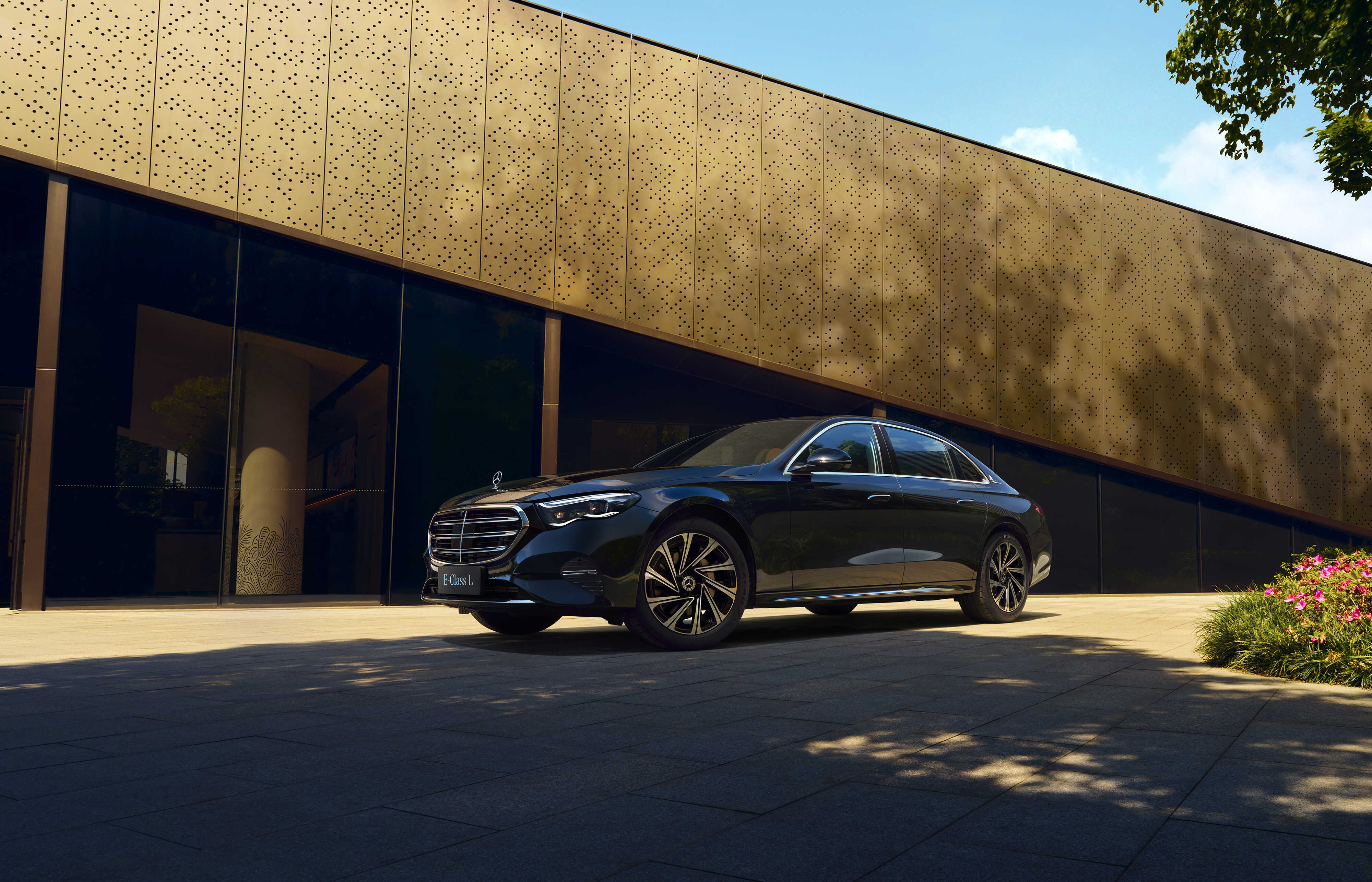
奔驰

Search documents
合资车企在华将迎来电动化“背水一战”
Zhong Guo Qi Che Bao Wang· 2026-01-19 00:35
Group 1 - The core viewpoint of the article highlights the significant challenges faced by multinational automotive companies in the Chinese electric vehicle (EV) market, with a notable decline in sales and market share [3][4]. - In 2025, Volkswagen's sales in China dropped to 2.69 million units, a decrease of 8% year-on-year, with only 116,900 units being electric vehicles [3]. - BMW's sales in China fell by 12.5% to 625,500 units, while Mercedes-Benz experienced a 19% decline, selling only 575,000 units [3]. - Chinese domestic brands have captured nearly 70% of the passenger car market share, with a retail penetration rate of 53.9% for new energy vehicles [4]. Group 2 - The year 2026 is viewed as a critical turning point for multinational car manufacturers, with intensified product strategies aimed at regaining market share in China [5][6]. - Volkswagen plans to launch over 20 new energy models in 2026, marking it as a year for accelerated delivery of new energy products [6]. - BMW aims to introduce around 20 new products across all powertrain types, leveraging a new generation platform [6]. - Audi and other manufacturers are focusing on localizing R&D and product offerings to better meet Chinese consumer demands [6]. Group 3 - Multinational companies still hold significant advantages in brand recognition, craftsmanship, and global service systems, particularly in the high-end electric vehicle market [8]. - The transition from traditional fuel vehicle users to electric vehicle buyers is a key challenge for these companies, necessitating effective strategies to convert brand loyalty into electric vehicle sales [9]. - Companies are encouraged to innovate in battery technology and smart driving features to differentiate themselves in the competitive landscape [9].

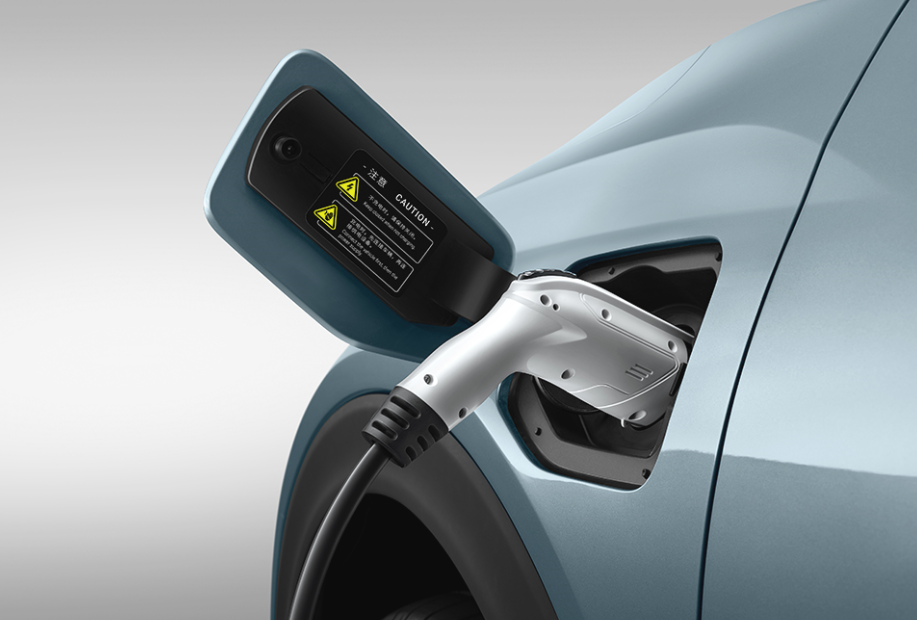
奔驰宝马奥迪,在中国市场集体遇冷
Xin Lang Cai Jing· 2026-01-18 16:22
电动化成救命稻草,欧洲老家是主战场 智通财经记者 吴遇利 2025年对BBA而言又是充满挑战的一年。 近日,传统豪华车三强BBA(奔驰、宝马、奥迪)先后发布了2025年全球销量数据。数据显示,奔驰 和奥迪去年全球销量均有明显下滑,仅宝马微增0.5%。 具体来看,宝马以246.37万辆的全球交付量稳居三强首位,同比微增0.5%,成为唯一保持增长的品牌; 奥迪全球交付162.36万辆,同比下降2.9%;奔驰表现最弱,集团全年交付216万辆,同比下滑10%,其 核心乘用车板块交付180万辆,同比下滑9%,已连续六年销量走低。 就中国市场的表现来看,BBA悉数下跌。其中,宝马销量最高;奔驰跌幅最大,下跌近两成。整体计 算,三家车企2025年在华销量比2024年减少了约26万辆。 | 车企 | 2025 年全球销量 | 全球同比 | 2025 年在华销量 在华同比 | | | --- | --- | --- | --- | --- | | 事」 | 246.37 万辆 | 0.5% | 62.55 万辆 | -12.5% | | 奔驰 | 216 万辆 | -10% | 57.5 万辆 | -19% | | 奥迪 | ...

德媒爆料欧洲金主已换,中国不再是首选,投资风向大变?
Sou Hu Cai Jing· 2026-01-18 05:42
Group 1 - The shift in Europe's attitude towards China has transformed from viewing it as a lucrative market to a competitive threat, particularly in the automotive sector [1][2] - European companies, especially in Germany, have seen a significant decline in their market share and profits due to the rise of Chinese brands like BYD in the electric vehicle market [2][4] - By 2025, China's automotive exports are projected to reach nearly 5.6 million units, marking a growth of over 10% year-on-year, while Germany's industrial output has declined [4][10] Group 2 - European media and experts are advocating for a strategic shift, suggesting that Europe should focus on core areas like semiconductors and precision machinery while reducing reliance on China [5][7] - The EU has initiated anti-subsidy investigations and imposed tariffs on Chinese electric vehicles, reflecting a more protectionist stance [7][10] - Despite the challenges, some German companies are seeking partnerships with Chinese firms, such as Volkswagen collaborating with XPeng Motors to develop electric vehicles [11][13] Group 3 - The competitive landscape is intensifying, with projections indicating that by 2026, China's share of the global automotive market will continue to rise while Europe's share may decline [8][10] - Germany's exports to China have decreased by nearly 10% by 2025, leading to concerns about over-reliance on the Chinese market [11][15] - The ongoing competition necessitates a unified industrial strategy in Europe to maintain its influence in global trade [10][15]


喜娜AI速递:昨夜今晨财经热点要闻|2026年1月18日
Xin Lang Cai Jing· 2026-01-17 22:24
Group 1 - The broad-based index ETFs experienced significant net outflows, totaling 212.6 billion yuan, with the CSI 300 seeing a net outflow of 103.4 billion yuan, while 117 industry-themed ETFs attracted over 1 billion yuan in net inflows, particularly in software and non-ferrous metals sectors [2][7] - SpaceX's valuation has surged nearly threefold in two years, reaching 800 billion dollars by the end of 2025, driven by the rapid growth of its Starlink user base, which increased 114 times in four and a half years, establishing a multi-layered commercial monetization system [2][7] - Huabao Fund's heavy investment in NIO has led to dissatisfaction among investors due to the company's ongoing losses and the fund's underperformance compared to benchmarks, highlighting issues with active management capabilities [2][7] Group 2 - China has achieved a significant breakthrough in chip manufacturing with the successful development of its first series-type high-energy hydrogen ion implanter, marking a milestone in self-sufficiency in key semiconductor technologies [3][8] - The annual electricity consumption in China is projected to exceed 10 trillion kilowatt-hours for the first time, reaching 10.4 trillion kilowatt-hours, reflecting a 5% year-on-year growth and indicating improvements in both economic stability and energy structure [3][8] - The sales of major German automotive brands (BBA) in China have collectively declined, with Mercedes-Benz, BMW, and Audi experiencing year-on-year drops of 19%, 12.5%, and 4.9% respectively, as they face challenges in the new energy and smart vehicle sectors [3][8] Group 3 - The China Securities Regulatory Commission (CSRC) has recognized outstanding contributions from inspection and enforcement teams, emphasizing a commitment to maintaining a high-pressure stance against illegal activities in the capital market [4][9] - Elon Musk is seeking damages ranging from 79 billion to 134 billion dollars from OpenAI and Microsoft, alleging that OpenAI has deviated from its non-profit mission and that their partnership constitutes fraud, which both companies have denied [4][9] - The People's Bank of China has announced a reduction in the minimum down payment for commercial property loans to 30%, aimed at accelerating inventory reduction in the real estate market and adapting to changing supply and demand dynamics [5][9]
BBA,势败如山倒
虎嗅APP· 2026-01-17 13:44
Core Viewpoint - The article discusses the significant decline in sales for traditional luxury car brands (BBA: BMW, Benz, Audi) in China in 2025, highlighting their reliance on marketing language to mask underlying issues [4][7]. Sales Performance - In 2025, the sales figures for BBA in China were as follows: BMW (including MINI) sold 625,500 units, down 12.5%; Audi (including FAW and SAIC) sold approximately 617,000 units, down 5%; and Mercedes-Benz (including commercial vehicles) sold 575,000 units, down 19% [5][7]. - All three brands saw their annual sales drop below 700,000 units, ending a five-year period of stable high sales [4]. Market Dynamics - The decline in BBA sales is attributed to a structural loss in the face of the rising tide of new energy vehicles (NEVs), with NEV penetration in China approaching 60% and domestic brands capturing 65% of the market share [8]. - The retail sales of fuel vehicles dropped by 30% year-on-year, indicating a significant shift in consumer preferences [8]. Consumer Sentiment - BBA's customer loyalty has fallen below 18%, meaning that out of 100 previous BBA customers, fewer than 18 intend to repurchase from the same brand [14]. - In contrast, new energy brands like AITO, Li Auto, Tesla, and Xiaomi have a high percentage of potential customers coming from BBA, with figures of 36.81%, 27.22%, 24.21%, and 19.15% respectively [14]. Strategic Responses - Audi plans to launch new models like the A6L e-tron and E7X in 2026 to address its technological shortcomings [15]. - Mercedes-Benz aims to introduce 15 new models in 2026, including a locally produced GLC, to enhance its market position [15]. - BMW's new generation iX3 is set to launch in late 2026, featuring advanced technology and local AI capabilities, with pricing being a critical factor for its success in the NEV market [16].

晚间利空!超过十家上市公司发布减持、4家超过2.2%!
Sou Hu Cai Jing· 2026-01-17 05:40
Group 1 - Multiple listed companies announced shareholder reduction plans, with notable reductions including Ruimaite at 4.98%, Youyan Silicon at 3%, Chengdu Xian Dao at 2.51%, and Zhen Shitong at 2.24% [1] - Other companies such as Lianchuang Optoelectronics and Xiongdi Technology announced reductions of 2%, while several others planned reductions of 1% [3] - The reasons given for these reductions were primarily "personal funding needs," which may be interpreted negatively in a sensitive market environment [3] Group 2 - Some stocks, like Zhizhi New Materials, experienced significant price increases but later clarified that their business does not involve popular market concepts such as AI or quantum technology, which led to a denial of the narrative supporting their stock price surge [4] - Liou Co. faced a trading suspension due to a 96.77% price increase over ten trading days, with the company indicating that its AI-related revenue is minimal [4] Group 3 - Several companies, including Kunlun Wanwei and Shanghai Hanhua, forecasted significant losses for 2025, with Kunlun Wanwei expecting a loss between 1.9 billion to 2.4 billion [6][7] - The list of companies predicting profit declines or losses is growing, with Weiyuan Co. expecting a more than 2000% drop in net profit [8] Group 4 - On January 16, 2026, institutional investors showed mixed sentiments, with Meinian Health receiving a net buy of 579.4 million and Sanan Optoelectronics 552.4 million, while Jin Feng Technology faced a net sell of 1.097 billion [9][12] - The divergence in fund flows indicates a split in market sentiment among institutional investors [12] Group 5 - Industry-wide pressures are emerging, with a report indicating that the smartphone market will face tight supply and rising prices for memory chips starting in the second half of 2025, which may lead to decreased consumer demand [14] - The automotive sector also reported declines, with major brands like BMW, Mercedes-Benz, and Audi showing significant drops in sales in China [14] Group 6 - Global commodity price fluctuations, such as a 4.56% drop in NY crude oil prices, are impacting the profitability of energy and raw material companies in the A-share market [16] - Despite negative news, market activity continues with notable trading in stocks like Tongyu Communications and Hongxiang Shares, indicating ongoing volatility [16] Group 7 - The evening of January 16, 2026, presented a mixed market landscape with ongoing shareholder reductions, risk warnings from popular stocks, and a blend of positive and negative earnings forecasts [17]
BBA中仅宝马去年全球销量实现增长,在中国市场集体遇冷
Xin Lang Cai Jing· 2026-01-17 00:02
具体来看,宝马以246.37万辆的全球交付量稳居三强首位,同比微增0.5%,成为唯一保持增长的品牌; 奥迪全球交付162.36万辆,同比下降2.9%;奔驰表现最弱,集团全年交付216万辆,同比下滑10%,其 核心乘用车板块交付180万辆,同比下滑9%,已连续六年销量走低。 就中国市场的表现来看,BBA悉数下跌。其中,宝马销量最高;奔驰跌幅最大,下跌近两成。整体计 算,三家车企2025年在华销量比2024年减少了约26万辆。 | 车企 | | 2025 年全球销量 全球同比 2025 年在华销量 在华同比 | | | | --- | --- | --- | --- | --- | | 事」 | 246.37 万辆 | 0.5% | 62.55 万辆 | -12.5% | | 奔驰 | 216 万辆 | -10% | 57.5 万辆 | -19% | | 奥迪 | 162.36 万辆 | -2.9% | 61.75 万辆 | -5% | 三家企业都在公告中提及,受全球地缘政治、经济环境及区域市场竞争加剧等多重因素影响,公司销量 承压。 2025年对BBA而言又是充满挑战的一年。 近日,传统豪华车三强BBA(奔驰、 ...
解码全球新材料政策:从美/日/中等12国布局看产业未来机遇
材料汇· 2026-01-16 15:41
Core Viewpoint - New materials are the cornerstone of global technological revolution and industrial transformation, with significant implications for high-end manufacturing and emerging industries. Major economies are integrating new materials into their national strategies to secure competitive advantages and ensure supply chain safety [2]. Group 1: United States - The U.S. focuses on maintaining its global leadership in advanced materials, emphasizing digital-driven research and strategic breakthroughs in areas like semiconductors and quantum technology [4]. - The U.S. has invested over $40 billion in the National Nanotechnology Initiative, which has led to significant advancements in nanotechnology and the rapid development of emerging industries [4][6]. - The U.S. aims to reduce the average research and development cycle for new materials by 45% through AI-driven initiatives and has established a $1 billion project for sustainable semiconductor materials [6]. Group 2: Japan - Japan emphasizes enhancing material innovation capabilities, focusing on high-end materials and data-driven research to maintain its global market share [8][9]. - The Japanese government allocated 123 billion yen for semiconductor-related plans in 2024, aiming to boost domestic semiconductor sales significantly by 2030 [10]. - Japan's National Institute for Materials Science is integrating AI to predict material properties, enhancing the reliability of electronic materials [11]. Group 3: China - China aims for high-quality development in the new materials industry, focusing on strategic materials and leveraging vast application scenarios for industrialization [14]. - The country has established a comprehensive policy framework to support new materials, including a guide covering 299 types of new materials to facilitate their application [15][16]. - China leads in the production of rare earth functional materials and advanced energy storage materials, with a significant market share in superhard materials [16]. Group 4: European Union and Core Member States - The EU aims to become a global leader in materials science, focusing on green and digital transitions while ensuring regional supply chain security [18]. - The EU has initiated the European Green Deal and the Critical Raw Materials Act to enhance the circular economy and local sourcing of critical materials [18][19]. - The EU's Horizon Europe program allocated €3 billion for new materials research, emphasizing biobased and two-dimensional materials [19]. Group 5: Germany - Germany integrates new materials with its industrial base, particularly in automotive and high-end equipment manufacturing, focusing on lightweight and smart materials [22]. - The country invests over €1 billion annually in automotive lightweight materials research, aiming for significant weight reductions in vehicles [22]. - Germany's advanced ceramics hold a global market share of approximately 12-15%, widely used in automotive and aerospace applications [22]. Group 6: France - France focuses on aerospace and renewable energy sectors, enhancing high-performance composite materials and energy storage materials through dedicated funds [23]. - The French government established a €1.5 billion fund for aerospace materials, collaborating with Airbus on carbon fiber composites [23]. - France leads in aerospace structural materials, holding a significant market share in the European market [23]. Group 7: Sweden - Sweden emphasizes low-carbon technologies, focusing on green steel and biobased materials, leveraging local resources for production [24]. - The country achieved large-scale production of green steel, aiming to meet low-carbon demands in automotive and construction sectors [24]. - Sweden's biobased materials technology is leading in Europe, with a significant market share in wood-based materials [25]. Group 8: United Kingdom - The UK aims to enter the "Materials 4.0" era, focusing on digitalization and sustainable materials through integrated research and development [26]. - The UK government has invested £800 million in a materials digitalization platform to enhance research efficiency [28]. - The UK is a leader in quantum materials and hydrogen storage materials, with significant advancements in biocompatible materials [28]. Group 9: South Korea - South Korea targets core material localization and supply chain autonomy, closely aligning with its semiconductor and battery industries [30]. - The country has set ambitious goals for domestic production of semiconductor materials, aiming for an 85% localization rate by 2030 [32]. - South Korea's battery materials hold over 30% of the global market share, with significant advancements in silicon-based anode materials [32]. Group 10: Brazil - Brazil leverages its mineral and agricultural resources to focus on lithium processing and biobased materials, integrating its materials industry with renewable energy [38]. - The Brazilian government has established a fund to support lithium material industries, attracting international investments [39]. - Brazil aims to become a top-three global supplier of lithium materials by 2030, with significant market shares in biobased materials [40]. Group 11: India - India emphasizes localized manufacturing of materials, focusing on semiconductors and photovoltaic materials to support its electronics and renewable energy sectors [41]. - The Indian government has launched initiatives to attract investments in semiconductor materials, offering substantial incentives [42]. - India aims for a 40% localization rate in semiconductor materials by 2027, leveraging its demographic advantages for cost-effective production [42]. Group 12: New Material Technology Development Trends - AI is expected to exponentially enhance the speed of new material research and development, integrating data-driven approaches into material design [46]. - Modern material manufacturing techniques are evolving towards atomic-scale control, enhancing material properties through nanoscale innovations [47]. - The demand for materials capable of performing under extreme conditions is driving the development of multifunctional materials [48]. - The green transformation of material production and application is becoming increasingly important, with a focus on sustainability and lifecycle assessment [50]. - The diversification of cutting-edge material technology routes is evident, with multiple approaches being explored for quantum computing and storage materials [51]. Conclusion - The global competition in the new materials industry is fundamentally a contest of national strategic intent, technological innovation, and resource endowment. The focus on strategic areas, technological empowerment, green transformation, and supply chain security will shape the future landscape of the new materials industry [52][53].

中汽协发布《2025城市NOA汽车辅助驾驶研究报告》
Yang Shi Wang· 2026-01-16 15:27
Core Insights - The report highlights the significant development of urban Navigation Assisted Driving (NOA) as a new competitive frontier for China's automotive industry, driving a transformation in the global industrial ecosystem [1] Market Overview - From January to November 2025, the cumulative sales of passenger cars equipped with urban NOA reached 3.129 million units, with a market penetration rate of 15.1%, an increase of 5.6 percentage points compared to the entire year of 2024 [2] - Domestic brands led the smart driving wave, contributing 2.5373 million units, accounting for 81.1% of total sales, while global brands like Mercedes-Benz, BMW, Audi, and Toyota are collaborating with leading Chinese technology suppliers [2] Competitive Landscape - The market is characterized by a "dual-driven" model of "in-house development" by car manufacturers and "third-party collaboration" [4] - In the third-party supplier market, Momenta and Huawei dominate, holding approximately 80% of the market share, with Momenta leading at about 61.06% and Huawei at 19.76% [4] Technological Advancements - The report emphasizes that technological iteration is the fundamental driving force of industry development, with end-to-end large models leading the transformation of smart driving system architecture [6] - Companies like Tesla and Li Auto have achieved mass production of "one-piece" end-to-end models, while Huawei's architecture enhances complex scenario processing through cloud-vehicle collaboration [7] Future Outlook - The report anticipates that by 2030, high-level autonomous driving functions will achieve large-scale market application, with urban NOA expected to become a mainstream configuration, potentially generating trillions in industry growth [8] - It identifies challenges such as the need for breakthroughs in core technologies, data security, and the establishment of a regulatory framework, proposing five key development recommendations [8]
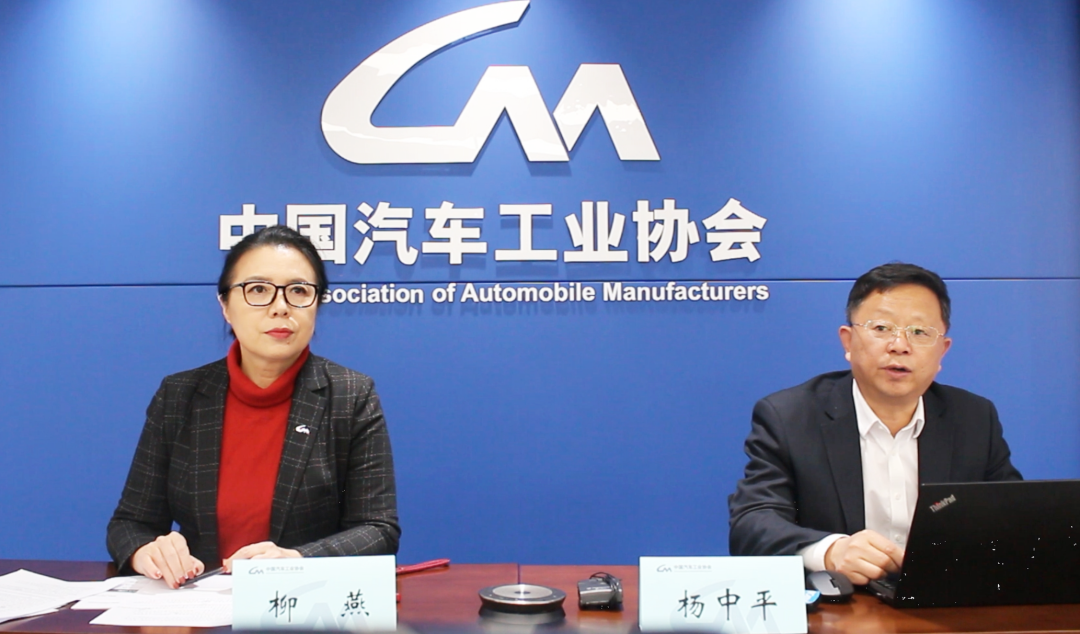
奔驰段建军:蓄力、再次腾飞,2026年做好三件事
Zhong Guo Jing Ji Wang· 2026-01-16 13:13
Core Insights - 2025 is a challenging year for Mercedes-Benz, with a shrinking luxury car market above 400,000 yuan and a product update cycle that is in its later stages [1][3] - Despite market challenges, Mercedes-Benz aims to strengthen its presence in China by focusing on product and service enhancements [1][4] Market Trends - The market share for vehicles priced above 400,000 yuan is expected to decline from 6.3% to 5.2%, while the share for vehicles priced between 300,000 and 400,000 yuan will drop from 9.0% to 8.4% [3] - Conversely, vehicles priced below 50,000 yuan and in the 50,000 to 100,000 yuan range are seeing growth, with shares increasing from 2.6% to 3.5% and from 11.5% to 13.8%, respectively [3] Sales Performance - Mercedes-Benz plans to deliver over 575,000 new vehicles to Chinese customers in 2025, maintaining a leading market share in the core luxury segment and the high-end luxury market [3] - The annual delivery of the Mercedes-Maybach GLS SUV is projected to grow by nearly 14% [3] Product Strategy - The company will introduce over 15 new and updated models, covering various luxury segments and drive types, including the new electric platforms MB.EA, AMG.EA, and VAN.EA [4] - Key upcoming models include the new electric GLC SUV and the next-generation S-Class sedan, set to launch within the year [4] Digital Transformation - Mercedes-Benz is accelerating the upgrade of its entire vehicle lineup with intelligent features, including multiple over-the-air software updates for models equipped with the MB.OS operating system [4] - The company is focusing on enhancing retail experiences and digital operations through AI applications for customer communication and service [4] Sustainability Initiatives - The company is committed to sustainable development, promoting a green transition and aiming for a "dual 6 million" milestone in vehicle and engine production [5] - Mercedes-Benz is also involved in social initiatives, including a youth education project that is expected to benefit over 100 schools nationwide [5] Long-term Vision - The CEO emphasizes the importance of product quality, service excellence, and continued investment in China as key strategies for the company's future [7]