
问界

Search documents
上海开放型经济多重优势吸引国际投资持续加码 前九个月跨国公司地区总部再增44家
Jie Fang Ri Bao· 2025-10-12 02:18
Core Insights - Shanghai maintains its position as the city with the highest concentration of regional headquarters for multinational companies in mainland China, with a total of 1,060 recognized headquarters and 631 foreign R&D centers as of September this year, marking an increase of 44 and 40 from the end of last year respectively [1] Group 1: Multinational Companies in Shanghai - The city has implemented measures to support the enhancement of multinational company headquarters, establishing a four-tier cultivation framework: nurturing headquarters, China regional headquarters, Asia-Pacific headquarters, and global division headquarters [2] - Decathlon has been in Shanghai for over 30 years and has established several companies, with two recognized as regional headquarters for China [1][2] - RAPA Group, a German family-owned enterprise, entered the Chinese market in 2020 and is preparing to establish a regional headquarters in Shanghai [2][3] Group 2: Economic Growth and Projections - RAPA Group's revenue in China increased from 5.39 million yuan in 2022 to an expected 430 million yuan this year, with projections to exceed 800 million yuan next year, indicating a potential 150-fold increase in five years [3] - Shanghai's government emphasizes its status as a global trade hub and international consumption center, attracting international investors and enhancing the city's open economy [3]
明年起实施!新能源车购置税减免技术门槛提高 专家:引导企业加大研发投入 淘汰落后产品
Mei Ri Jing Ji Xin Wen· 2025-10-10 09:37
Core Points - The announcement introduces updated national standards for energy consumption in pure electric passenger vehicles and raises the pure electric range requirement for plug-in hybrid vehicles from 43 kilometers to 100 kilometers [3][9] - The new standards aim to align with rapid advancements in battery technology and to encourage companies to increase R&D investments, phasing out outdated products and promoting high-quality development in the industry [3][8] Summary by Category New Standards Implementation - The new energy consumption limits for pure electric passenger vehicles will be enforced starting January 1, 2026, based on the mandatory national standard GB 36980.1—2025 [4][8] - The revised energy consumption limits are approximately 11% stricter than previous phases, with the weight thresholds adjusted to 1090kg and 2710kg for vehicle classifications [7] Impact on Plug-in Hybrid Vehicles - The new requirement for plug-in hybrid vehicles significantly raises the pure electric range threshold, which is expected to enhance consumer experience and reduce daily travel costs [9][10] - Approximately 40% of currently available plug-in hybrid vehicles have a pure electric range below 100 kilometers, which may lead to a clearance sale by manufacturers before the new standards take effect [9][10] Market and Policy Implications - The announcement signals a potential end to the current exemption from vehicle purchase tax for new energy vehicles, with a shift towards a 5% tax rate expected in the near future [13] - The new technical requirements are seen as a necessary step for vehicles to qualify for the upcoming half-price vehicle purchase tax policy, which will be applicable from January 1, 2026 [13]

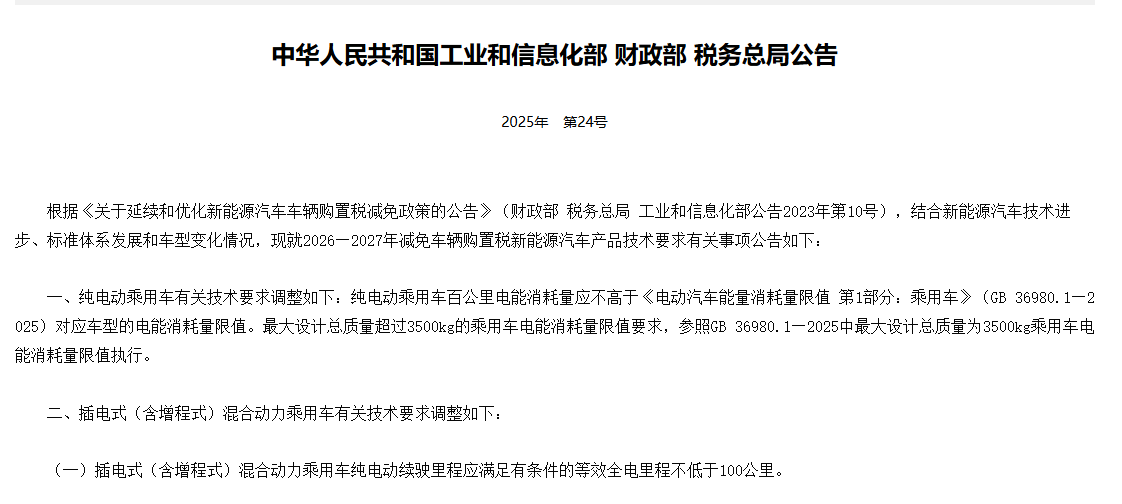
明年起实施!新能源车购置税减免技术门槛提高 专家:引导企业加大研发投入,淘汰落后产品
Mei Ri Jing Ji Xin Wen· 2025-10-10 09:27
Core Viewpoint - The Ministry of Industry and Information Technology (MIIT) and other departments have issued an announcement regarding the technical requirements for new energy vehicles (NEVs) to be eligible for vehicle purchase tax exemptions from 2026 to 2027, emphasizing the need for higher technical standards to promote quality development in the industry [1][4][9]. Summary by Sections Technical Requirements for NEVs - The announcement introduces updated national standards for the energy consumption of pure electric passenger vehicles, requiring a maximum energy consumption of 100 kilometers for plug-in hybrid vehicles, up from the previous 43 kilometers [4][10]. - The new standards aim to align with advancements in battery technology and encourage companies to invest in research and development, phasing out outdated products [4][9]. Implementation Timeline - The new technical requirements will take effect on January 1, 2026, for models listed in the directory of NEVs eligible for vehicle purchase tax exemptions [4][5]. Energy Consumption Standards - The energy consumption limit for pure electric passenger vehicles is set according to the national standard GB 36980.1-2025, which will be enforced starting January 1, 2026 [5][8]. - The new standard tightens energy consumption limits by approximately 11% compared to previous phases, reflecting the need for improved vehicle efficiency [8]. Market Impact - The increase in the pure electric range requirement for plug-in hybrid vehicles may lead to a clearance sale for models that do not meet the new standards, as around 40% of currently available models have a pure electric range below 100 kilometers [10][11]. - The announcement is seen as a signal that the exemption policy for NEV purchase taxes may be phased out, with a potential shift to a 5% tax rate starting next year [13]. Industry Response - Experts suggest that automakers should prepare for the new standards by enhancing their vehicle designs and focusing on improving the efficiency of their electric systems [4][9]. - The new requirements are expected to drive technological upgrades in battery capacity and hybrid systems, enhancing product safety and competitiveness [8][9].
国庆车市情况
数说新能源· 2025-10-10 02:41
分组1 - BYD: Orders increased by over 30% month-on-month, with an expected 130,000 to 150,000 orders during the National Day holiday; sufficient inventory and multiple new models launched, returning to a cost-performance route with prices lower than expected, leading to positive order response [1] - AITO M7: Orders account for 50% of single-store sales, with over 60% year-on-year growth; expected to reach 30,000 orders during the 8-day holiday [1] - Li Auto: The Li L6 model saw strong orders, attracting users from competitors like YU7, Model Y, and others; approximately 15,000 new orders in the first five days before the holiday, with a total expected to reach nearly 70,000 by the weekend; orders recovered well after a price cut announced on October 2 [1] 分组2 - Zeekr: Zeekr X received over ten orders daily during the exhibition; pre-sale orders for Zeekr 9X exceeded 60,000, with a lock-in rate of 50-60%, and user budgets mostly above 500,000 [1] - Xpeng: Orders at single stores were less than 40 units in the first seven days of the holiday, with an expected total of 40,000 for the month [1] - Tesla, Xiaomi, and Leap Motor: Month-on-month performance remained stable, but year-on-year growth was significant [1] 分组3 - SAIC H5: Product strength is average, with high pricing, facing pressure to maintain a steady monthly sales of 10,000 units [1]


新势力品牌国庆卖得怎么样?5位一线销售聊聊实际情况
车fans· 2025-10-10 00:30
Group 1 - The overall customer flow during the National Day holiday was high, with some brands experiencing better sales compared to the previous months, although there was a decline compared to the same period last year due to new store openings in the same city [2][11][16] - The most popular models included the AITO M7, Yu7, and i6, with customers particularly focused on delivery times and vehicle features [2][7][11][22] - Promotional activities included test drive incentives and tax rebate policies, which helped boost consumer confidence, especially for newly launched models [2][11][17] Group 2 - Some brands did not implement any additional promotional activities during the holiday, maintaining a consistent policy from the previous month [8][9][12] - Local auto shows were held, but their effectiveness in attracting customers was considered limited, with some brands opting for external exhibitions instead [13][19][24] - The impact of subsidy reductions was noted, with some brands offering trade-in subsidies to encourage purchases before the changes took effect [12][23]
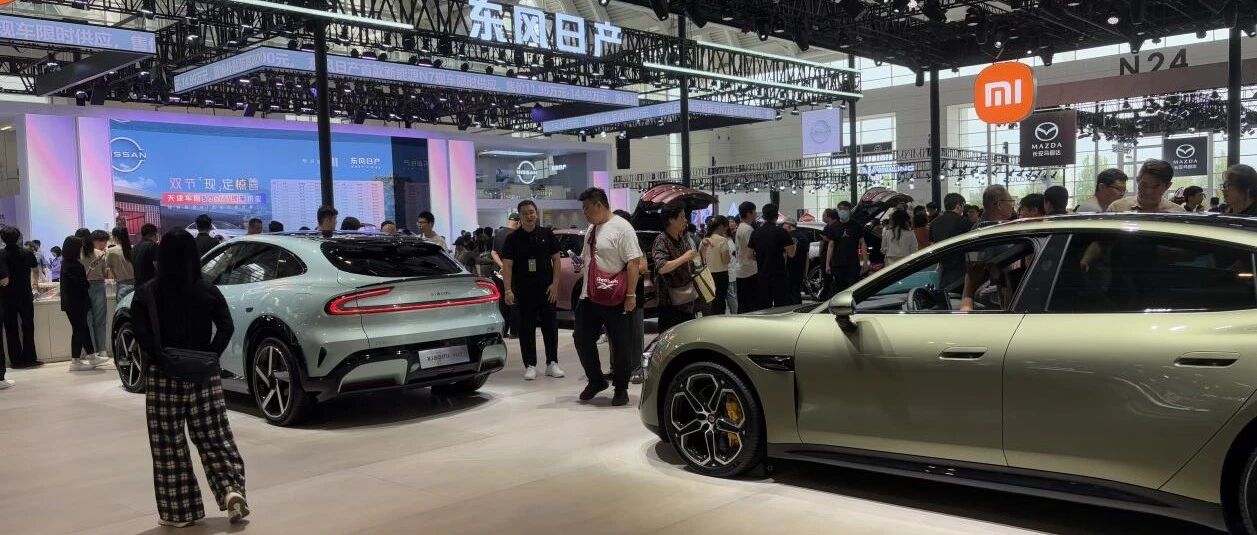
比亚迪系列专题:技术为本,向高端化演进
Guolian Minsheng Securities· 2025-10-09 13:54
Investment Rating - The report maintains an investment rating of "Outperform the Market" for BYD [7] Core Viewpoints - The luxury image of traditional brands is a result of historical accumulation, technology, and brand strength. Under the wave of new energy, domestic brands are redefining luxury through new technologies. BYD's path to high-end positioning relies on its technological advantages to foster brand preference among consumers [4][11] - BYD's high-end strategy is built on "technology foundation, brand stratification, and global expansion," utilizing a three-tier brand matrix for precise market coverage [11][59] Summary by Sections Introduction: Where Will BYD's High-End Path Lead? - In 2024, BYD's passenger car sales reached 4.25 million units, with models priced below 200,000 yuan accounting for 84.3% of sales. The launch of the Tengshi D9 in 2022 marked the beginning of BYD's high-end journey, followed by the introduction of the Yangwang and Fangchengbao brands [8][15] Quantitative Standards for Successful High-End Definition - High-end brands are defined as those with an average price above 300,000 yuan. In 2024, 14 brands met this criterion, with six being domestic brands. The top three brands by sales were traditional luxury brands "BBA," followed by domestic brands like Li Auto and AITO [20][23] Key to BYD's High-End Breakthrough: Focus on Technological Strength - BYD's high-end strategy includes the Tengshi brand, which integrates advanced technologies to create a comprehensive product matrix. The Tengshi brand achieved sales of 107,000 units in 2024, with an average transaction price of approximately 350,000 yuan [32][36] - The Fangchengbao brand focuses on the personalized automotive market, leveraging leading technologies to create unique products [46] Investment Recommendations - The report suggests that BYD's exploration of high-end positioning is gradually correcting its strategic direction, with a focus on technology-driven sales growth. The "Universal Intelligent Driving" strategy is expected to accelerate brand high-end positioning and enhance revenue and profit margins in the medium to long term [12][59]
老牌德系豪华车,加速失守中国市场
Di Yi Cai Jing· 2025-10-09 13:01
Group 1 - The core viewpoint is that German luxury car manufacturers, particularly Mercedes-Benz, are facing significant challenges in the Chinese market, with declining sales figures compared to competitors like BMW and Porsche [1][2][3] - In the third quarter, BMW experienced a global sales increase of 8.8%, while Mercedes-Benz and Porsche saw declines, with Mercedes-Benz's sales in China dropping by 27% to 125,000 units [1] - The decline in sales for Mercedes-Benz is particularly severe, with a reported retail volume of 27,000 units in July, marking a more than 40% month-on-month decrease, the lowest monthly sales in five years [1] Group 2 - Porsche has also been struggling in the Chinese market, with a 15% drop in deliveries in 2023 and a projected 28% decline in 2024, leading to a total of 32,200 units sold in the first three quarters of 2023, down 26% year-on-year [2] - The competitive landscape in the luxury car segment is intensifying, with domestic brands like Wuling and Li Auto gaining market share due to their advantages in smart and electric vehicle technology [3] - Mercedes-Benz is shifting its strategy for electric vehicles, moving away from the "EQ" sub-brand to integrate electric models into its mainstream product lineup, with plans to launch a new electric model based on the MMA platform [3][4]
9月新势力销量:零跑6万,「鹏界米」4万
Xin Lang Ke Ji· 2025-10-09 02:41
Core Insights - The article discusses the significant changes in the electric vehicle (EV) market during the "Golden September and Silver October" sales period, highlighting the competitive landscape among new energy vehicle brands in China [2][25]. Delivery Performance - The top three brands in terms of delivery volume are Li Auto, Xiaopeng, and Aion, with Li Auto delivering 66,657 units, a year-on-year increase of 97% [4][5]. - Xiaopeng achieved a record delivery of 41,581 units, marking a 95% year-on-year growth, while Aion's deliveries fell by 19% [4][5]. - Xiaomi's deliveries exceeded 40,000 units for the first time, showing a remarkable 300% year-on-year increase [4][5]. - NIO ranked fifth with 34,749 units delivered, reflecting a 64% year-on-year growth, while Li Auto ranked sixth with 33,951 units, down 37% year-on-year [4][5]. Market Dynamics - The article indicates that traditional automakers' EV brands are growing but struggle to pose a significant threat to the top six new energy brands [6]. - The monthly delivery threshold for leading brands has risen to 40,000 units, creating challenges for brands that cannot meet this benchmark [6]. Brand Strategies - Li Auto's strategy focuses on offering competitive pricing and features in mainstream models, which has resonated with cost-conscious consumers [9]. - Xiaopeng's growth was driven by aggressive promotional financing policies, including zero-interest loans and substantial trade-in subsidies [12]. - Aion's decline suggests a need for reevaluation of its market strategy, while BYD's sub-brand Fangchengbao saw a 345% increase in deliveries, indicating successful market penetration [5][6]. Emerging Trends - The article notes the increasing importance of production capacity, as Xiaomi's recent surge in deliveries was attributed to improved production capabilities [16]. - The introduction of new models, such as NIO's M7, is expected to bolster sales and strengthen market positioning in the high-end segment [13][14]. - The competitive landscape is evolving, with traditional luxury brands beginning to take the EV market seriously, as evidenced by the launch of new models like the Mercedes-Benz electric CLA [26]. Future Outlook - The article suggests that the future of the EV market will be characterized by technological advancements, increased competition from traditional automakers, and a need for brands to differentiate themselves through innovation and multi-brand strategies [27].
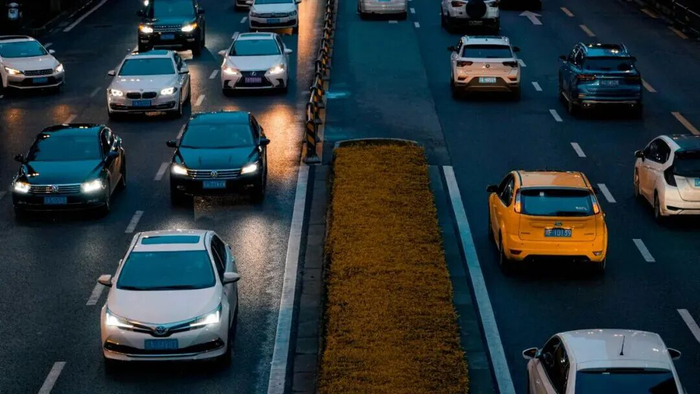
车fans国庆假期一线市场热度调研
车fans· 2025-10-09 00:31
Core Insights - The overall foot traffic in the automotive industry increased significantly during the National Day holiday, with over 72% of surveyed stores reporting an uptick in customer visits, particularly in the new energy vehicle (NEV) segment, which outperformed traditional fuel vehicles [1][4]. Group 1: Foot Traffic Performance - 74% of NEV stores reported an increase in foot traffic, slightly higher than the 65% of fuel vehicle stores [4]. - Among the stores reporting increased foot traffic, 58% experienced an increase of up to 30%, while 42% saw an increase greater than 30% [4]. - The highest reported increase in foot traffic was from Hongmeng Zhixing stores, with 89% of 31 surveyed stores indicating an uptick [4]. Group 2: Consumer Purchase Intent - Consumer purchase intent showed signs of recovery, with 52% of respondents indicating an increase in purchase willingness during the holiday [6]. - 96% of stores noted that the reduction in vehicle replacement subsidies significantly impacted consumer purchase intent, with over 60% reporting a clear effect [8][10]. - The end of full exemption policies by the end of 2025 has led consumers to become more decisive about their vehicle purchase timelines [11]. Group 3: Influencing Factors on Consumer Behavior - The reduction in replacement subsidies was identified as a primary factor affecting consumer purchase intent, with 77% of stores citing it as a key influence [9]. - New model releases have attracted consumer attention away from price reductions and added features, becoming the leading factor in purchase decisions [15]. - The effectiveness of promotional strategies, such as celebrity endorsements, varied, with some stores questioning their necessity [14][15]. Group 4: Brand Strategies - Different brands are targeting distinct demographics with their marketing strategies, with traditional brands favoring established celebrities and new energy brands opting for younger stars [16]. - The introduction of tax policies by manufacturers has had mixed feedback, with 59% of sales reporting average effectiveness and 28% noting significant impact [15].
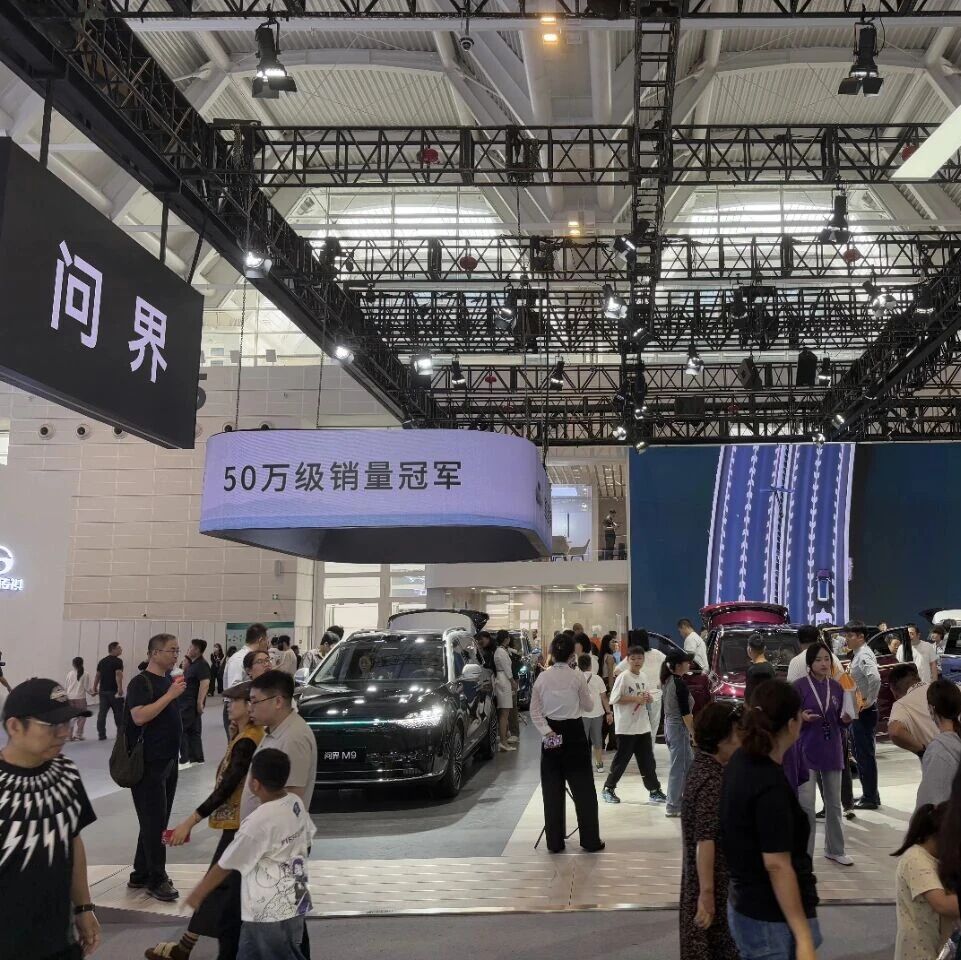
车企抢滩“金九银十”销售旺季
Ren Min Ri Bao Hai Wai Ban· 2025-10-08 22:11
Group 1 - The automotive market in China is experiencing a surge in activity during the traditional peak sales months of September and October, with numerous new car launches aimed at attracting consumers [1][3] - Over 20 new car models were launched in the second half of September, covering a price range from 50,000 to 500,000 yuan, with significant sales reported for models like the new Audi A5L Sportback and the new XPeng P7 [1] - A new marketing strategy of "one price nationwide" has been adopted by many automakers, which sets a fixed and transparent sales price, enhancing brand credibility and consumer confidence [1] Group 2 - The "trade-in subsidy" has become a key marketing strategy, with 8.3 million applications for vehicle trade-ins reported as of September 10, indicating strong consumer interest [2] - Local governments are promoting car purchases through various incentives, such as the 560 million yuan subsidy program in Zhengzhou and a 5,000 yuan subsidy for new cars priced over 100,000 yuan in Guangzhou [2] - A new auto consumption loan interest subsidy policy, effective from September, has increased consumer engagement, with over 60% of buyers opting for financing options [2]