
小米汽车

Search documents
理想汽车三季度每交付一辆车亏6700元 李想称回归创业公司管理模式迎接挑战
Chang Jiang Shang Bao· 2025-11-28 00:26
Core Viewpoint - Li Auto, the first profitable company among new car manufacturers, has reported a return to losses in Q3 2025, with significant declines in revenue and vehicle deliveries compared to previous periods [2][8]. Financial Performance - In Q3 2025, Li Auto's total revenue was 27.4 billion yuan (3.8 billion USD), a decrease of 36.2% from 42.9 billion yuan in Q3 2024 and a 9.5% decline from 30.2 billion yuan in Q2 2025 [2][4]. - The company reported a net loss of 624 million yuan (87.7 million USD) in Q3 2025, contrasting with net profits of 2.8 billion yuan and 1.1 billion yuan in Q3 2024 and Q2 2025, respectively [2][4]. - Vehicle sales revenue was 25.9 billion yuan (3.6 billion USD), down 37.4% from 41.3 billion yuan in Q3 2024 and 10.4% from 28.9 billion yuan in Q2 2025 [5]. - The gross profit for Q3 2025 was 4.5 billion yuan (627.8 million USD), a 51.6% decrease from 9.2 billion yuan in Q3 2024 [6]. Vehicle Deliveries - Li Auto delivered 93,200 vehicles in Q3 2025, a decline of 39.01% from 152,800 vehicles in the same period last year [3][9]. - The company has lost its position as the sales champion among new car manufacturers, with a reported 32.89 million vehicles delivered in the first ten months of 2025, down 16.36% year-on-year [11]. Operational Challenges - The company is facing operational challenges, including a significant drop in vehicle deliveries and a need to adjust its management approach back to a startup model to better respond to market changes [4][15]. - Li Auto's operating expenses were 5.6 billion yuan (793.1 million USD) in Q3 2025, a slight decrease from 5.8 billion yuan in Q3 2024 [7]. - The company has adjusted its annual sales target from 700,000 to 640,000 vehicles due to declining delivery numbers [12][13]. Strategic Adjustments - Li Auto plans to accelerate its product development cycle from a four-year major iteration to a two-year cycle to keep pace with competition [14][15]. - The company aims to differentiate its vehicle designs more distinctly rather than relying solely on configuration, moving away from a "cookie-cutter" approach [15].


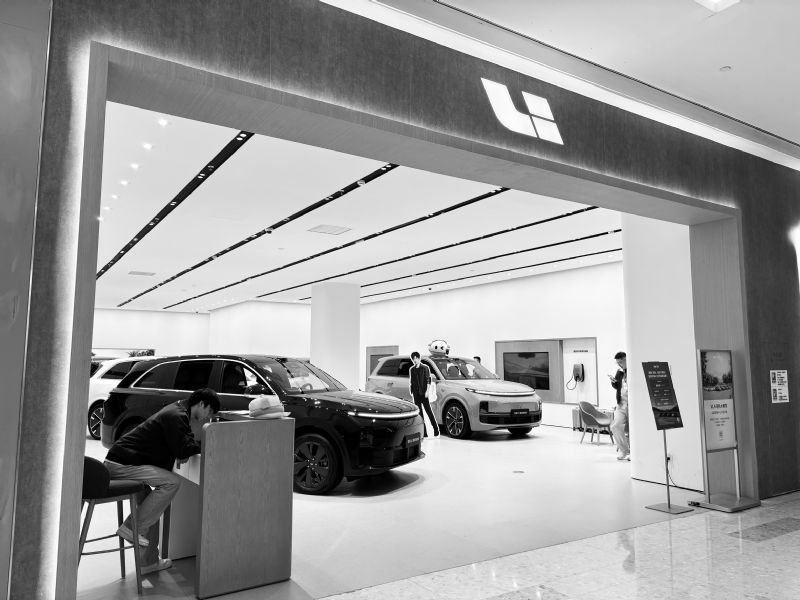
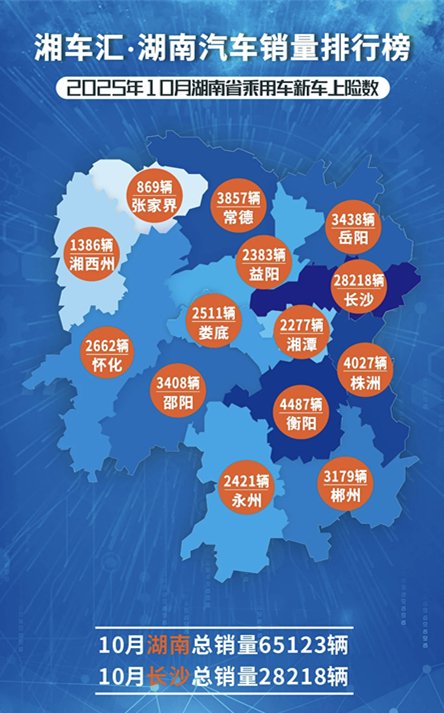
湖南10月汽车上险榜发布,总量较上月增长2.18%
Chang Sha Wan Bao· 2025-11-27 04:36
Core Insights - Hunan's automotive market shows a recovery trend in October, with new car insurance numbers rising by 2.18% compared to September, indicating a strong consumer demand during the peak season [1][3] - The data reveals that while Hunan's overall new car insurance numbers increased, the provincial capital, Changsha, experienced a slight decline, suggesting a unique consumption rhythm in Changsha and Zhuzhou compared to other cities [3] - The penetration of new energy vehicles (NEVs) in Hunan is at 43.33%, which is lower than the national average of 51.6%, highlighting significant growth potential for NEVs in the region [3] Market Performance - In October, the top three brands for new car insurance in Hunan were SAIC-GM Wuling's Hongguang MINI, Dongfeng Nissan's Sylphy, and BYD's Qin PLUS, indicating strong competition among these brands [4][6] - The performance of the Hongguang MINI as an entry-level family car has established it as a "god car" in Hunan, while the Sylphy's consistent ranking aligns with its national market performance [4] - BYD demonstrated strength with four models in the top 16 for new car insurance, indicating its broad market appeal and potential for expansion into higher-end segments [7] Brand Insights - Xiaomi's vehicles, particularly the YU7 and SU7, ranked first and fourth in Changsha's new car insurance numbers, showcasing the brand's growing popularity despite recent challenges [7][10] - Tesla's performance in October was notably weak, ranking 16th in Changsha's new energy vehicle insurance numbers, raising questions about its future strategies in the competitive market [10] - The data suggests that brands like BYD and Xiaomi are effectively capturing consumer interest, while traditional leaders like Tesla may need to adapt to maintain their market positions [10]

汽车智能化月报系列(三十):9月城区NOA渗透率达16%,小鹏发布第二代VLA、Robotaxi、全新一代IRON-20251126
Guoxin Securities· 2025-11-26 08:56
Investment Rating - The report maintains an "Outperform" rating for the automotive industry [4][6]. Core Insights - The penetration rate of NOA (Navigation on Autopilot) in urban areas reached 16% in September, with significant advancements in autonomous driving technologies from companies like Xiaopeng and others [1][16]. - The report highlights a continuous increase in the adoption of high-resolution cameras, with 800 million pixel cameras accounting for 46.7% of the market by September 2025, reflecting a year-on-year increase of 28 percentage points [2]. - The market share of lidar technology is also on the rise, with a penetration rate of 12.2% for passenger vehicles by September 2025, up 5.3 percentage points year-on-year [2]. Summary by Sections Industry News - Xiaopeng launched its second-generation VLA, Robotaxi, and the new generation IRON, marking a significant step in the integration of AI in transportation [1][16]. - Other notable developments include the mass production plans for autonomous trucks by Xiaoma Zhixing and the acquisition of a pure unmanned license by WeRide in Switzerland [1]. High-Frequency Core Data Updates - The penetration rate of front-view cameras in passenger vehicles reached 67.8% by September 2025, with a notable increase in the adoption of 800 million pixel cameras [2]. - The share of Nvidia chips in the driving domain increased to 57.6%, reflecting a year-on-year growth of 25.9% [2]. Smart Driving - The penetration rate of passenger vehicles equipped with L2-level or higher functions reached 34.8% by September, with significant growth in both highway and urban NOA functionalities [3]. - The report indicates that the penetration rates for various sensors, including front-view cameras and lidar, have shown consistent growth [3]. Investment Recommendations - The report recommends investing in companies such as Xiaopeng Motors, Leap Motor, and Geely for complete vehicles, while suggesting Xiaoma Zhixing and WeRide for L4 technologies [4]. - For components, it recommends companies like Hesai Technology for data acquisition and Horizon Robotics for data processing [4].

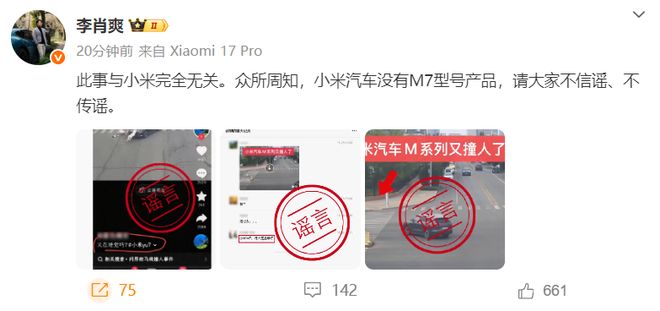
小米汽车李肖爽:并无M7型号产品,“撞人”事故车辆与小米无关
2 1 Shi Ji Jing Ji Bao Dao· 2025-11-26 06:36
Group 1 - The core issue revolves around rumors regarding Xiaomi's M series vehicles, which have been debunked by the company, clarifying that it does not have any M series models [1][4] - Xiaomi's main models include the Xiaomi YU7, Xiaomi SU7 Ultra, and Xiaomi SU7, with no existence of an M7 model [1] - Xiaomi Auto, a wholly-owned subsidiary of Xiaomi Group, was established in 2021 to enter the smart electric vehicle sector [4] Group 2 - The company achieved a significant milestone by producing its 500,000th vehicle in just 602 days since the launch of its first model, the SU7, on March 28, 2024, setting a record in the domestic new energy vehicle industry [4] - As of November 26, Xiaomi Group's stock price was reported at 40.28 HKD per share, reflecting a slight decline of 0.15%, while the stock has increased over 16% year-to-date, with a total market capitalization of 1.05 trillion HKD [4]
激光雷达,“卷”向安全
Di Yi Cai Jing· 2025-11-26 02:14
Core Viewpoint - The focus on safety in lidar technology is becoming increasingly critical as the autonomous driving industry evolves, with companies like Hesai Technology emphasizing that safety should not be overlooked in favor of technical specifications [1][4]. Group 1: Safety Emphasis - Hesai Technology's co-founder highlighted the importance of safety in lidar systems, stating that the lower limit of safety is crucial for the overall experience [1]. - The frequency of safety mentions during industry presentations is notably high, indicating a shift in focus towards safety amidst rising competition and incidents in autonomous driving [1][3]. - The integration of lidar as a safety sensor is becoming a competitive focal point in the industry, especially following several high-profile accidents [1][2]. Group 2: Multi-Sensor Fusion - Domestic automakers are primarily adopting multi-sensor fusion strategies for autonomous driving, with lidar being a key component for safety redundancy [2]. - The decision to retain lidar in vehicles is driven by safety concerns, particularly in challenging driving conditions [2][3]. - Recent accidents have sparked discussions about the potential safety benefits of incorporating lidar into vehicles, leading to new models being equipped with this technology [2]. Group 3: Technical Challenges - The effectiveness of lidar as a safety feature hinges on its ability to avoid false positives and negatives, similar to how airbags function [3]. - Previous incidents have highlighted the risks associated with lidar misinterpretations, such as false alarms triggered by environmental factors [3]. - Current lidar technologies face challenges like "high reflectivity expansion," which can lead to safety risks, necessitating advancements in design [3][4]. Group 4: Industry Developments - Hesai Technology has introduced photon isolation technology to enhance lidar safety by ensuring that each channel operates independently, reducing the risk of false readings [4][5]. - The development of proprietary chips aims to lower costs while improving performance, reflecting the competitive nature of the lidar market [5]. - Leading companies in the lidar sector are actively enhancing safety features in their products, with notable advancements from Huawei and Suteng Ju Chuang [5][6]. Group 5: Regulatory Influence - New regulations, such as the stringent L2-level driving assistance safety standards, are pushing companies to elevate safety measures in their lidar systems [6]. - The regulatory environment is expected to create a larger market for lidar while simultaneously imposing higher safety requirements [6].

CEO们不再为了流量吹牛,挺好的
3 6 Ke· 2025-11-25 02:24
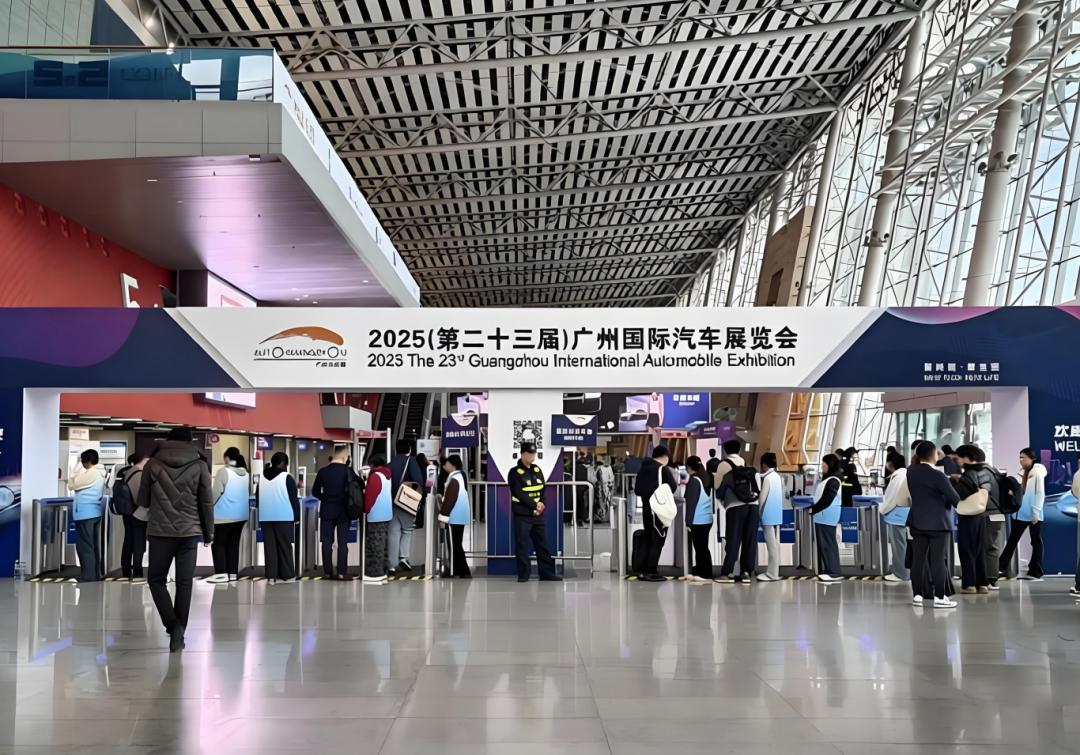
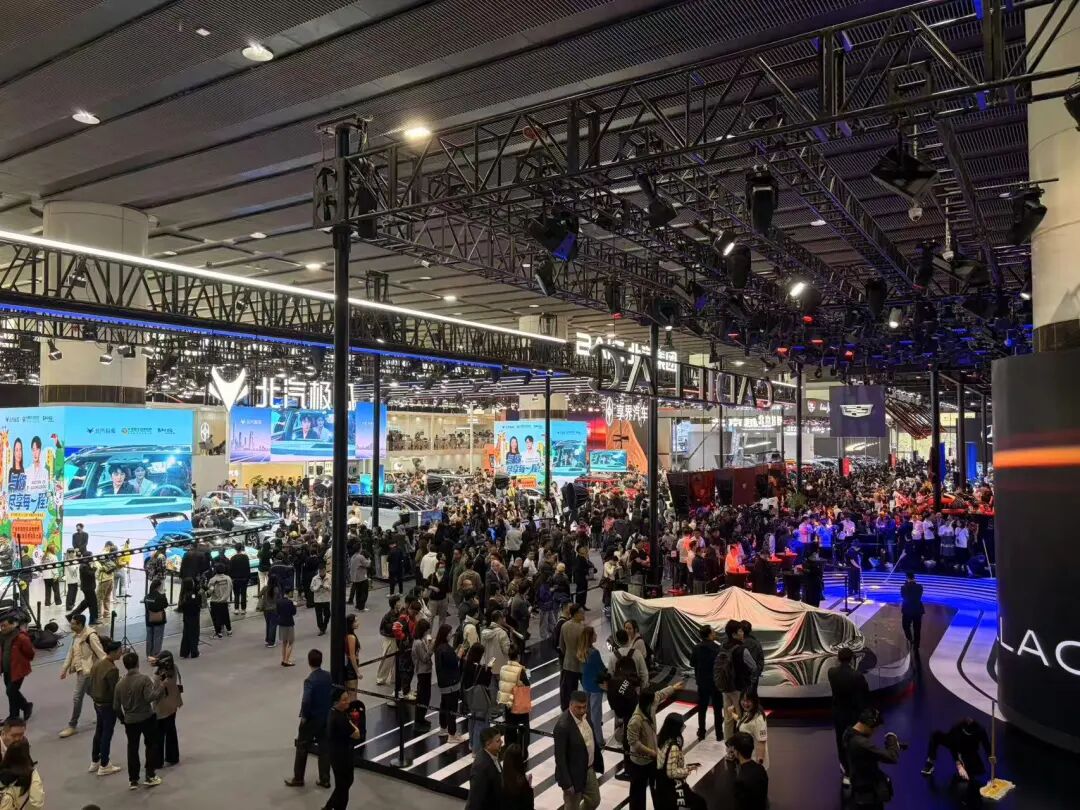
Core Viewpoint - The 2025 Guangzhou Auto Show is described as the "coldest" edition in history, marked by a significant reduction in the number of vehicles and exhibition halls, reflecting broader changes in the automotive industry and marketing strategies [1][3][5]. Group 1: Event Overview - The 2025 Guangzhou Auto Show featured 1,085 vehicles, a decrease of 86 from 1,171 in 2024, and reduced the number of exhibition halls from 16 to 14 by canceling the commercial vehicle hall [3][5]. - The show has seen a decline in the presence of high-profile executives promoting their brands, indicating a shift away from a focus on celebrity-driven marketing [5][12]. Group 2: Industry Trends - The automotive industry is experiencing a transformation as regulatory pressures increase and companies reflect on their practices, leading to a decrease in the emphasis on "traffic-driven" marketing strategies [5][12]. - There is a growing consensus among industry leaders to return to technology innovation and product quality, moving away from aggressive marketing tactics that prioritize hype over substance [14][16]. Group 3: Changes in Marketing Strategies - The previous trend of executives engaging in high-profile marketing stunts has diminished, with a focus now on product demonstrations and technical discussions during presentations [14][16]. - Exhibition designs have shifted to prioritize vehicle features and technology over flashy displays, indicating a maturation of the industry [16].
广州车展新趋势:新能源大六座排队登场 纯电车企回手拥抱油箱
Nan Fang Du Shi Bao· 2025-11-24 23:16
Core Viewpoint - The 2025 Guangzhou Auto Show highlights a surge in the launch of large six-seat SUVs by various automakers, reflecting both market demand and a potential lack of innovation in the industry [2][3][7]. Group 1: Large Six-Seat SUVs - Numerous automakers are introducing large six-seat SUVs at the Guangzhou Auto Show, indicating a competitive market segment with varying price points and features [3][4]. - The entry price for these SUVs is below 300,000 yuan, with models like the Geely Galaxy M9 starting at 180,000 yuan and offering advanced features such as the new generation Raytheon electric hybrid system [4]. - Higher-end models above 300,000 yuan include the Zhiji LS9 priced at 322,800 yuan, showcasing futuristic designs and advanced technology [5][6]. Group 2: Market Dynamics and Concerns - Industry insiders express skepticism about the practicality of large six-seat SUVs, suggesting that many features may not align with consumer needs, leading to potential forced consumption [7][8]. - The competitive landscape is described as "overheated," with automakers rushing to enter the large six-seat SUV market to avoid missing out on perceived opportunities [8]. Group 3: Return of Traditional Fuel Vehicles - A noticeable trend at the auto show is the return of traditional fuel vehicles, with many brands that previously focused on electric vehicles now introducing hybrid and fuel models [9][11]. - The market is expected to see a coexistence of electric and hybrid vehicles, with predictions indicating that internal combustion engine vehicles will still account for about one-third of new car sales by 2040 [10][15]. - Companies like Chery and Geely emphasize their commitment to maintaining a strong presence in the fuel vehicle market, even as they expand their electric offerings [12][14]. Group 4: Consumer Preferences and Market Viability - The rise of hybrid and extended-range vehicles is seen as a response to consumer concerns over range anxiety and charging infrastructure, particularly in regions where electric vehicle adoption is slower [13]. - The profitability of hybrid models is highlighted, with companies like Li Auto achieving financial success through their hybrid offerings [13][14]. - The automotive industry is expected to maintain a diverse energy mix, with both electric and hybrid vehicles playing significant roles in the market [16][17].


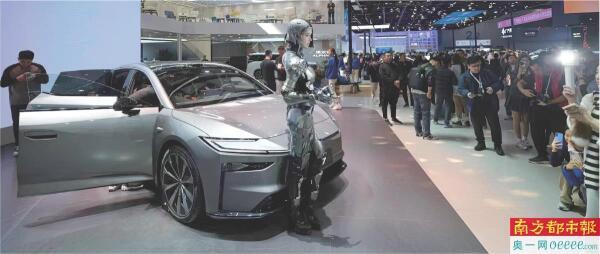
劳斯莱斯等顶级豪车退群,海外品牌自救,这届广州车展还有哪些趋势?
3 6 Ke· 2025-11-24 10:14
Core Insights - The automotive industry is shifting from a "price war" to a "value war," focusing on product quality and features rather than just pricing strategies [2][5][15] - The Guangzhou Auto Show reflects a more pragmatic approach, with companies emphasizing self-improvement and local partnerships, particularly with Huawei [6][9][11] - Consumer behavior is becoming more rational, with a greater focus on product quality and functionality rather than brand loyalty or emotional appeal [15][17] Industry Trends - The current Guangzhou Auto Show has fewer high-profile executives and new models, indicating a shift towards marketing and sales of existing models [1] - The competition among car manufacturers is increasingly centered on product performance and quality, moving away from aggressive pricing strategies [2][3] - There is a notable increase in the number of D-class SUVs being launched, with over 10 new models introduced in the second half of the year, priced between 200,000 to 500,000 yuan [3][5] Brand Strategies - Domestic brands are focusing on enhancing value rather than cutting prices, with many introducing advanced features in new models without reducing prices [5][12] - Foreign brands are increasingly localizing their operations, with many models developed by domestic teams and collaborations with local suppliers [6][8] - Major foreign brands like Mercedes, BMW, and Audi are adopting more competitive pricing strategies, with some models priced lower than domestic competitors [8][12] Consumer Behavior - Consumers are showing a more practical approach to purchasing decisions, focusing on the alignment of products with their needs rather than emotional factors [15][17] - The trend of rapid product iteration in the automotive sector has led to a more discerning consumer base, with buyers prioritizing quality and functionality [17] - The overall sentiment suggests that the automotive industry will continue to face intense competition, but with a more mature and rational market environment in the coming years [15][17]
龙华区数字经济核心产业总产出超5600亿元
Nan Fang Du Shi Bao· 2025-11-23 23:15
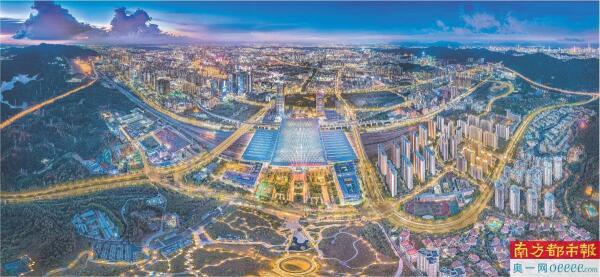
Core Viewpoint - Longhua District is transitioning from an industrial district to a strong industrial district, showcasing rapid development and significant achievements in various sectors, particularly in advanced manufacturing and digital economy [2][4]. Group 1: Industrial Development - Longhua District has established five provincial-level characteristic industrial clusters, leading the city in quantity, with advanced manufacturing output accounting for over 70% of the industrial total [2][5]. - The digital economy's core industries have surpassed a total output of 560 billion yuan, with the district successfully nurturing two industrial clusters worth over 100 billion yuan and seven clusters worth over 10 billion yuan [2][7]. - In 2024, the total industrial output value in Longhua is expected to exceed 650 billion yuan, with a year-on-year growth of 5.6%, marking a significant leap in the national industrial rankings [4][7]. Group 2: Talent and Innovation - Longhua District has introduced 34 academicians and over 2,800 high-level talents, with a total talent resource exceeding 900,000 [11][12]. - The district has implemented various talent policies, including financial incentives for graduates and support for research and housing, to attract and retain skilled professionals [12]. Group 3: Investment and Projects - Over 200 key projects have been introduced this year, with registered capital exceeding 15 billion yuan, and an expected annual output of over 57 billion yuan [8][10]. - Longhua has signed strategic cooperation agreements with major companies, including Xiaomi, to establish significant operational centers, which are projected to generate substantial annual sales [8][10]. Group 4: Technological Advancements - Longhua District is home to innovative companies like the first commercial pure-blood Harmony self-service coffee machine and a pioneering smart watch, showcasing the district's commitment to technological breakthroughs [3][4]. - The district has successfully nurtured national-level manufacturing champions, with five companies recognized in the national list, accounting for 22.7% of the city's new total [5][6].
碳酸锂正式突破10万大关;比亚迪/宁德时代都出了院士;国轩高科新品正式交付大众;中伟股份登陆港交所;VC涨价已超200%
起点锂电· 2025-11-23 10:59
Group 1 - The newly elected academicians include Lian Yubo from BYD and Wu Kai from CATL, highlighting the recognition of their contributions to the industry [6] - The total number of academicians in the Chinese Academy of Sciences is now 908, while the Chinese Academy of Engineering has 1002 academicians [5] Group 2 - Times United showcased its 45Ah large cylindrical lithium iron phosphate battery at a trade fair, attracting interest from international buyers due to its strong adaptability and stable performance [7][8] - Guoxuan High-Tech successfully delivered its UC standard battery cells to Volkswagen, marking a deepening collaboration with the automaker [9] Group 3 - Xindongda announced a strategic partnership with Shangfei Aviation, positioning itself in the low-altitude trillion-yuan market for electric vertical takeoff and landing aircraft [10] - Chuangneng New Energy officially entered the lightweight power market through a strategic alliance with Tianji Lithium Battery [10] Group 4 - As of October 14, 2025, there are 17,300 lithium battery-related companies in China, with 61.48% established between 5 to 10 years ago [11] - The lithium battery industry in China has formed a relatively stable market structure, with significant concentrations in first-tier cities and regions like South China and East China [11] Group 5 - Envision released a global AI-driven power system aimed at promoting green industrial transformation [12] - Funeng Technology has developed ultra-large capacity energy storage cells, enhancing the lifespan and cost-effectiveness of energy storage solutions [13] Group 6 - EVE Energy signed a strategic cooperation agreement with Huabao New Energy to advance solid-state battery technology [14] - The price of petroleum coke has surged to a historical high, with expectations of further increases due to potential refinery maintenance [16] Group 7 - Zhongwei Co. officially listed on the Hong Kong Stock Exchange, becoming the first A+H stock in the lithium battery materials sector with a market value of 49.424 billion [17] - The price of vinyl carbonate (VC) has increased over 200% due to supply constraints, with current prices exceeding 155,000 yuan per ton [18] Group 8 - Shengtun Group's 200,000-ton lithium iron phosphate project has been signed, with a total investment of 5.9 billion yuan [19] - Lithium carbonate futures have surpassed 100,000 yuan per ton for the first time since June 2024, leading to a rebound in related stocks [20] Group 9 - LG Chem secured a contract worth 3.76 trillion Korean won (approximately 25.7 billion USD) for cathode materials from a U.S. client [21] - Shengxin Lithium Energy announced a framework agreement with Huayou Holdings for the procurement of 221,400 tons of lithium salt products from 2026 to 2030 [22] Group 10 - Shangtai Technology signed a contract for a 200,000-ton anode material project in Shanxi, with an expected annual output value of 6 billion yuan [23] - Fengyuan Co. has successfully entered mass production of high-pressure dense lithium iron phosphate products [25] Group 11 - Tianci Materials expects its annual electrolyte sales to reach 720,000 tons in 2025, exceeding its initial target [26] - A recent analysis ranked the net profits of lithium battery equipment companies, with the top three being Putailai, Xian Dao Intelligent, and Dazhu Laser [28][30] Group 12 - Liyuanheng launched a quality monitoring system for ultrasonic welding, enhancing battery manufacturing reliability [31] - Xian Dao Intelligent introduced an integrated solution for solid-state battery formation, addressing key challenges in the process [32][33] Group 13 - A network of battery recycling points has been established in 14 cities in Liaoning Province to facilitate the disposal of used electric bicycle batteries [35] - A 40,000-ton lithium battery recycling project in Shandong has begun the approval process, with an investment of 300 million yuan [36] Group 14 - A project in Anhui for processing 20,000 tons of waste lithium batteries is nearing implementation [37] - A new battery recycling project in Zhejiang aims to optimize the reuse of 25,000 tons of lithium batteries [39] Group 15 - A project in Hubei for the comprehensive regeneration of 120,000 tons of lithium iron phosphate black powder has been announced [40] - XPeng Motors has launched its first mass-produced land carrier vehicle, marking a significant step in its production capabilities [42] Group 16 - NIO's CEO announced the milestone of 30,000 domestic users for the Firefly model, with plans for international expansion [43] - Evergrande Auto's two subsidiaries have been taken over by Guangzhou state-owned assets, indicating a shift in ownership [44] Group 17 - Xiaomi Auto has achieved a remarkable milestone of producing 500,000 vehicles in just 1 year and 7 months, setting a record in the industry [45] - GAC Group has completed the pilot production line for solid-state batteries, paving the way for mass manufacturing [46] Group 18 - BYD has applied for a patent for a multi-gun charging method, enhancing vehicle compatibility with various charging systems [47] - Star Motion Era, a company specializing in embodied intelligence, has secured nearly 1 billion yuan in A+ round financing [48]


