
极氪

Search documents
造车新势力2025年12月及全年交付“成绩单”一览
Xin Lang Cai Jing· 2026-01-01 08:29
Summary of Key Points Group 1: Delivery Data - Li Auto delivered 44,246 vehicles in December, with a total of 109,194 vehicles delivered in Q4 2025, bringing cumulative deliveries to 1,540,215 vehicles by December 31, 2025 [1] - NIO delivered 48,135 vehicles in December, a year-on-year increase of 54.6%, with Q4 deliveries totaling 124,807 vehicles, up 71.7%. The total annual deliveries reached 326,028 vehicles, marking a historical high with a 46.9% increase [1] - Xpeng Motors delivered 37,508 vehicles in December, a 2% year-on-year increase, and a total of 429,445 vehicles for the year, reflecting a 126% growth [1] - Xiaomi Auto exceeded 50,000 vehicle deliveries in December [1] - Leap Motor delivered 60,423 vehicles in December, a 42% increase, with total annual deliveries of 596,555 vehicles, up 103% [1] - Zeekr delivered 30,267 vehicles in December, a historical high with an 11.3% year-on-year increase, totaling 224,133 vehicles for the year [1] - Lantu Auto achieved total deliveries of 150,169 vehicles for the year, marking a 87% year-on-year increase [1] - Hongmeng Zhixing delivered 589,107 vehicles for the year, a 32% increase, with December deliveries reaching 89,611 vehicles, setting a new monthly record for three consecutive months [1] - Seres delivered over 57,000 vehicles in December, setting a new monthly record, with total annual deliveries exceeding 420,000 vehicles [1] - IM Motors achieved annual sales of 81,017 vehicles, marking a new historical high [1] - GAC Aion's Haobo Aion BU reached 40,066 vehicle sales in December, a new high, with the i60 model exceeding 10,000 sales in its first month [1]





2025年12月极氪交付30267台
Zheng Quan Shi Bao Wang· 2026-01-01 07:50
人民财讯1月1日电,2025年12月极氪品牌交付30267台,创历史新高,同比增长11.3%,环比增长 4.9%,极氪9X月交付突破10000台。2025年极氪累计销量超22.4万台。 ...
车市寒冬迎新政“强心针”,2026年前景如何?
Guo Ji Jin Rong Bao· 2025-12-31 16:09
Core Viewpoint - The Chinese automotive market is experiencing a downturn as the year ends, with many companies facing challenges in sales and inventory management due to policy changes and consumer hesitation [1][6][15]. Group 1: Market Conditions - The automotive market is described as facing a "cold winter," with sales personnel frequently using the term to describe current conditions [1][5]. - Sales data indicates a significant decline in orders, with some brands reporting a drop from approximately 20 orders to around 10 in a month [9]. - The overall market sentiment is cautious, with many consumers waiting for clearer policy guidelines for 2026 before making purchasing decisions [6][7]. Group 2: Policy Impact - The Ministry of Finance and other departments released the implementation details for the 2026 vehicle trade-in subsidy, which is expected to provide a boost to the market [2][16]. - The new subsidy structure includes up to 20,000 yuan for electric vehicles and 15,000 yuan for fuel vehicles, aimed at encouraging consumer purchases [16]. - The discontinuation of previous trade-in subsidies has led to a decline in consumer demand, contributing to the current market slowdown [15]. Group 3: Sales Trends - Retail sales in the first three weeks of December showed a decline of approximately 19% year-on-year, with wholesale sales down by about 23% [14]. - The new energy vehicle segment also faced challenges, with retail sales only increasing by 1% year-on-year, while wholesale sales decreased by 10% [14]. - The disappearance of the "tail effect" typically seen at year-end is attributed to policy changes and consumer uncertainty regarding future incentives [15]. Group 4: Future Outlook - Industry experts predict that the overall growth rate for the automotive market in 2026 will exceed zero growth, with expectations for a strong start in January [16]. - Companies are focusing on inventory clearance and promotional strategies to stabilize sales channels as they await further policy developments [12].

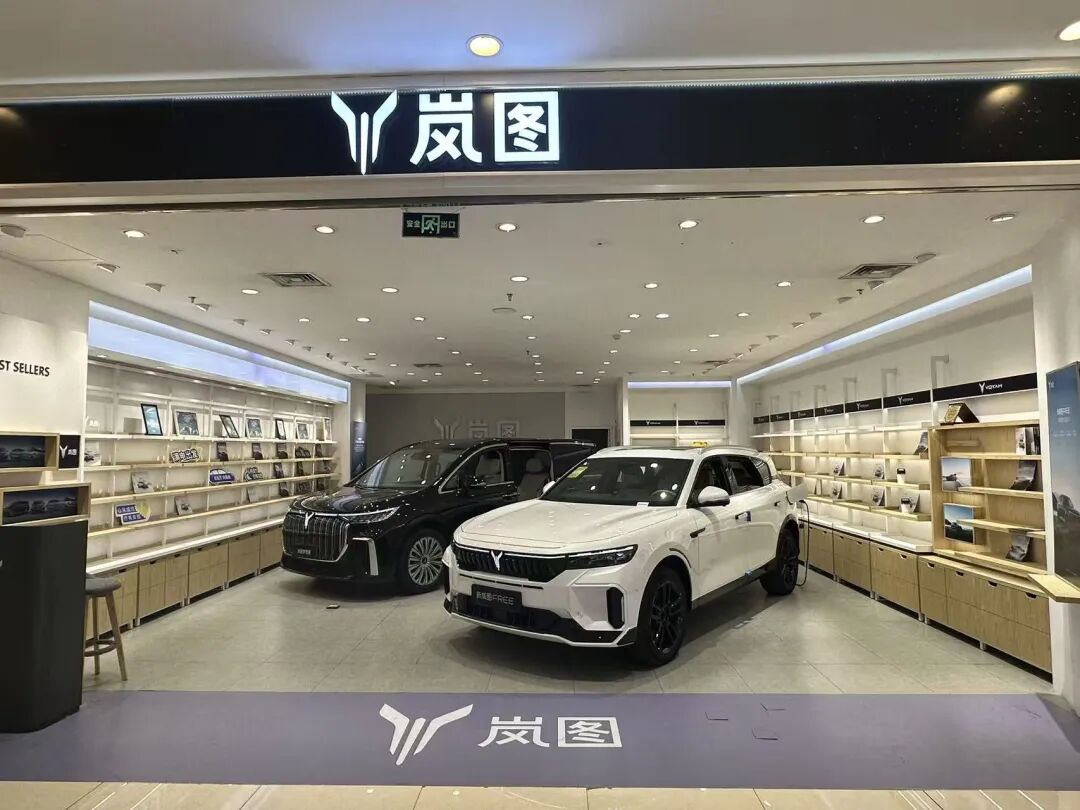
2025年即将结束,在新能源品牌的你过得还好吗?
车fans· 2025-12-31 00:30
Core Viewpoint - The market share of new energy vehicles (NEVs) is expected to increase further in 2025, with intensified competition driven by price wars, flagship product launches, and the introduction of L3 autonomous driving testing by the end of the year [1] Group 1: Sales Performance - Monthly average sales are around 40-50 units, totaling approximately 550 units for the year, with the best-selling model being the AITO M8, which accounted for about 25% of total sales [2] - The YU7 model has seen explosive sales, maintaining its price without discounts, while the YU7 Max is recognized for its comfort and driving experience [5][6] - The M03 model continues to be the best seller, with promotional activities boosting sales, and the P7+ is highlighted for its technological advancements and spacious design [10][11] Group 2: Market Outlook - There is optimism for the NEV market in 2025, with expectations of increased market share and regulatory support for luxury brands [3] - Despite a decline in sales compared to the previous year, brands like L6 and i6 have accumulated significant orders, indicating a potential rebound [8] - Concerns about the NEV market's sustainability are emerging, with some sales personnel expressing skepticism about future growth due to subsidy reductions and increased competition [13][17] Group 3: Product Development - The introduction of new models such as the AITO M7 and the upcoming MPV products is anticipated to enhance product competitiveness [3] - The i6 model has gained traction with a significant number of pre-orders, reflecting consumer interest despite overall sales challenges [8] - The focus on product strength and technological improvements, particularly in intelligent driving capabilities, is seen as crucial for attracting customers [11]
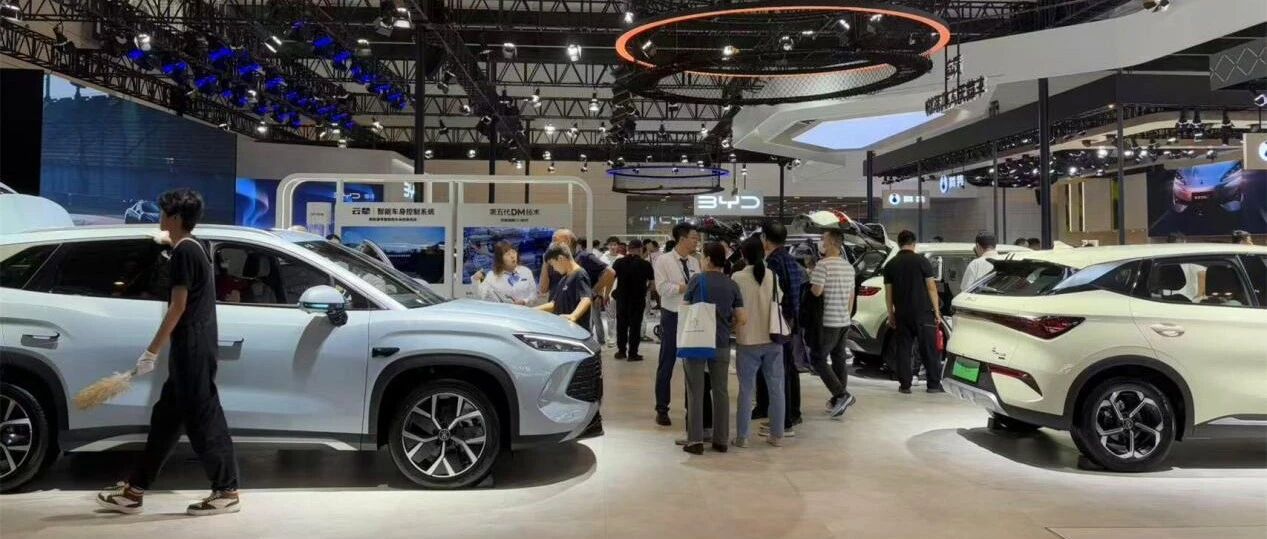
2025汽车行业年鉴 | 新技术篇:故事是开局,商业化才是终点
Jing Ji Guan Cha Wang· 2025-12-30 11:01
Group 1: Industry Overview - The Chinese automotive industry is at a pivotal moment, with significant advancements in technology expected by 2025, including solid-state batteries and new charging methods [2] - The competition among companies is shifting from storytelling to the robustness of their technological systems, with a focus on market scale, cost control, and user reputation [2] Group 2: Battery Technology - By 2025, solid-state batteries are on the verge of mass production, while semi-solid batteries are already being used in high-end models, with brands like NIO and Zhiji promoting these technologies [3] - Traditional liquid battery manufacturers are adopting a dual strategy, investing heavily in solid-state battery research while maintaining their market position with innovative liquid battery designs [3] - Startups in the solid-state battery space are leveraging venture capital to bypass traditional patents and seek partnerships with second-tier automakers [3] Group 3: Charging Solutions - The competition between fast charging and battery swapping is intensifying, with new models featuring 800V high-voltage platforms enhancing fast charging capabilities [4] - Companies are focusing on user experience and profitability in their charging networks, with Tesla and NIO expanding their proprietary networks while third-party operators form alliances [4] - The battery swapping model is gaining traction through partnerships with major automakers, although it faces challenges related to high fixed asset investments and operational complexities [5] Group 4: Driving Technologies - Range-extended electric vehicles are experiencing rapid growth, appealing to family buyers and mid-to-high-end SUV consumers [6] - There are concerns about the long-term impact of range-extended vehicles on the industry, particularly regarding resource allocation for pure electric vehicle development [7] - The introduction of steer-by-wire systems is set to revolutionize vehicle control, enhancing the potential for advanced driver-assistance systems and future autonomous driving [7] Group 5: Future Trends - The industry is expected to move towards a more integrated approach, balancing various technologies rather than focusing on a single solution [8] - By 2026, solid-state batteries may begin to see limited commercial deployment, primarily in high-end models, serving as a proof of concept rather than a mass-market solution [8] - Companies are likely to adopt mixed charging and swapping strategies based on user needs, optimizing their offerings for different market segments [8] - The distinction between high-end range-extended and plug-in hybrid vehicles is blurring, with market success determined by the ability to provide a seamless user experience [9]

极氪美股退市仅3天即发起23亿天价索赔 吉利实施私有化前是否刻意隐瞒重大信息?
Xin Lang Cai Jing· 2025-12-30 07:33
Core Viewpoint - Geely's subsidiary Zeekr has filed a lawsuit against battery supplier Sunwoda, claiming damages of 2.314 billion yuan due to quality issues with battery cells supplied over a period of two years, raising questions about the timing and motivations behind the lawsuit following Zeekr's recent privatization and delisting from the U.S. stock market [1][2][11]. Group 1: Lawsuit Details - The lawsuit was filed by Weir Electric Vehicle Technology, a key subsidiary of Zeekr, which has been involved in the development and manufacturing of core components for electric vehicles since its establishment in 2017 [2]. - Weir Electric claims that the battery cells delivered by Sunwoda from June 2021 to December 2023 had quality issues, leading to significant financial losses, including the principal claim of 2.314 billion yuan plus interest and legal costs [2][3]. - The relationship between Weir Electric and Sunwoda began in April 2021, with the first Zeekr model equipped with Sunwoda cells delivered in October 2021 [2]. Group 2: Market Impact and Financial Losses - Zeekr's rapid delisting from the U.S. market occurred just 19 months after its IPO, resulting in a direct loss of approximately 3.5 billion yuan for Geely, which raised concerns about the company's financial health and strategic decisions [7][8]. - The IPO raised a total of 3.62 billion yuan, but after accounting for underwriting fees and other costs, the net external funding was only about 1.496 billion yuan [8]. - Geely's total cash outlay for the privatization was around 24 billion yuan, with a significant portion of shareholders opting for cash payouts, leading to a direct cash loss of about 5 billion yuan [8]. Group 3: Quality Issues and Customer Feedback - The battery cells in question were primarily used in the Zeekr 001 WE86 model, which saw over 70,000 units sold in 2022, with more than 60% of those being the WE86 version [3]. - Customers reported issues such as slow charging speeds and discrepancies in advertised range, with complaints escalating in 2023 regarding battery performance and safety concerns [3][4]. - By the end of 2023, Weir Electric began reducing purchases from Sunwoda, shifting to products from CATL and Geely's own battery company [4]. Group 4: Strategic Implications of the Lawsuit - If Zeekr wins the lawsuit, the compensation could significantly improve its financial metrics, including net profit and cash flow, as the claimed amount exceeds its losses for the first three quarters of 2025 [9]. - The lawsuit could also help restore Zeekr's brand reputation by establishing supplier accountability for quality issues, potentially enhancing its negotiating power in future supply chain discussions [10]. - The timing of the lawsuit, following the delisting, raises questions about whether Geely aimed to avoid disclosure obligations under U.S. regulations, allowing for a more strategic approach to litigation [11][12].


吉利汽车午后涨超3% 极氪私有化完成 有望增厚公司利润并实现协同效应
Zhi Tong Cai Jing· 2025-12-30 06:19
Core Viewpoint - Geely Automobile has completed the privatization of Zeekr and its delisting from the New York Stock Exchange, making Zeekr a wholly-owned subsidiary, which is expected to enhance operational efficiency and profitability through integration and cost reduction measures [1] Group 1: Company Developments - Geely's stock rose by 3.09% to HKD 18.04, with a trading volume of HKD 705 million [1] - The completion of Zeekr's privatization allows Geely to increase its ownership stakes in Zeekr and Lynk & Co from approximately 65% and 82% to 100% respectively [1] Group 2: Financial Implications - The integration is projected to reduce R&D expenses by 10% to 20%, BOM costs by 5% to 8%, and operational costs by 10% to 20% [1] - Capacity utilization is expected to improve by 3% to 5%, which will contribute to enhanced efficiency [1] - The expected increase in net profit for 2026 is estimated to be between RMB 2 billion to 3 billion [1] Group 3: Strategic Outlook - The privatization is anticipated to facilitate further integration of Geely's four brands: Geely, Galaxy, Lynk & Co, and Zeekr, leveraging synergies for cost reduction and efficiency improvements [1]
吉利汽车与极氪整合完成 淦家阅将出任吉利汽车集团CEO
Sou Hu Cai Jing· 2025-12-30 03:38
运营商财经网 李广艳/文 日前,吉利汽车控股有限公司发布公告,宣布已经与极氪正式合并,极氪将成为吉利汽车的全资附属公 司,并从纽约证券交易所退市,引发关注。据悉,相关管理层调整目前也已经完成,其中,淦家阅将担 任合并后的吉利汽车集团CEO,接下来运营商财经网将大致梳理他的过往经历。 淦家阅很年轻,公开资料显示,他出生于1981年,今年44岁,江西九江永修县人,曾在郑州航空工业管 理学院就读,并取得了管理学学士学位,去年还前往清华大学读了金融EMBA。 如今,吉利汽车已经完成对极氪的私有化及合并事项的交易,整合已经结束,而淦家阅也已经出任合并 之后的吉利汽车集团CEO。 运营商财经网副总经理康锐表示,当下不只是吉利,包括上汽集团、广汽集团、东风汽车等各大车企都 在进行整合,这能够进一步集中资源,参与市场竞争。 运营商财经(官方微信公众号yyscjrd)—— 主流财经网站,一家全面覆盖科技、金融、证券、汽车、 房产、食品、医药、日化、酒业及其他各种消费品网站。 从其履历来看,淦家阅属于是吉利内部成长起来的本土高管,据了解,自2003年大学毕业之后,他就加 入了吉利汽车集团,先后担任过子公司财务经理、集团财务管理部 ...
李书福,考验将至
虎嗅APP· 2025-12-29 23:59
Core Viewpoint - Geely Automobile has shown significant sales growth, particularly in the new energy vehicle (NEV) segment, with a total of 2.788 million vehicles sold in the first 11 months of 2025, representing a 42% year-on-year increase, and NEV sales reaching 1.534 million, a 97.4% increase [5][10]. Group 1: Overall Sales Performance - Geely is on the verge of breaking the 3 million sales mark, having sold 2.788 million vehicles in the first 11 months of 2025, which is a 41.7% increase compared to the same period in 2024 [10]. - The company has successfully met its sales targets for 2023 and 2024, with a notable increase in sales in the second half of the year, prompting an upward revision of sales targets [9][10]. - The sales growth from 2018 to 2022 was stagnant, with the company failing to meet its targets during those years, primarily due to a lack of clear direction and innovation [12]. Group 2: Contribution of New Energy Vehicles - The Galaxy series, launched in 2023, has become the sole growth driver for Geely, with sales reaching 113.5 thousand units in the first 11 months of 2025, contributing 95% to the total sales growth [15][17]. - NEV sales have increased significantly, with a contribution rate to total sales growth reaching 92.1% in the first 11 months of 2025 [23]. - Despite the growth in NEV sales, Geely's overall sales quality is considered low, as the growth is heavily reliant on the Galaxy series [19]. Group 3: Challenges and Strategic Positioning - Geely's previous goal of having 90% of its sales from NEVs by 2020 was not met, with NEV sales only accounting for 6.2% in 2021 [21]. - The company has not set new targets for NEV sales despite surpassing 50% in the first 11 months of 2025, indicating a cautious approach towards the transition from fuel vehicles [25]. - The market dynamics for NEVs are uncertain, with varying opinions on the future growth potential as the penetration rate exceeds 50% [26]. Group 4: High-End Brand Strategy - Geely's attempts at high-end branding through its Zeekr and Lynk & Co brands have faced challenges, with Zeekr's stock performance declining post-IPO and Lynk & Co's growth being limited [36][40]. - The merger of Lynk & Co and Zeekr may dilute the brand's positioning, as the combined product line includes a mix of fuel, hybrid, and electric vehicles, complicating the brand identity [44][50]. - The overall sales growth in 2025 is primarily driven by the Galaxy series, with limited advancements in high-end market penetration or international expansion [50].

乘联分会:11月全国乘用车整体市场价格变化指数为-0.39 市场成交价15.79万
智通财经网· 2025-12-29 09:04
Core Insights - The overall passenger car market price index in November 2025 is -0.39, with an average transaction price of 157,900 yuan, reflecting a month-on-month increase of 7,757 yuan or 5.17% [1] - The overall discount index for the market in November is -1.3, with an average discount of 25,700 yuan, which is a decrease of 841 yuan or 3.17% from the previous month [1] Passenger Car Market - The sedan market price index is -8.16, with an average transaction price of 122,600 yuan, showing a month-on-month increase of 5,266 yuan or 4.49% [1] - The SUV market price index is 6.62, with an average transaction price of 183,500 yuan, reflecting a month-on-month increase of 10,035 yuan or 5.78% [2] - The MPV market price index is -5.01, with an average transaction price of 260,300 yuan, indicating a month-on-month decrease of 11,942 yuan or 4.39% [2] Discounts in Passenger Car Market - The sedan market discount index is -0.17, with an average discount of 27,700 yuan, which is an increase of 77 yuan or 0.28% from the previous month [2] - The SUV market discount index is -2.31, with an average discount of 24,100 yuan, showing a decrease of 1,609 yuan or 6.25% from the previous month [2] - The MPV market discount index is 0.14, with an average discount of 20,700 yuan, reflecting a decrease of 1,406 yuan or 6.36% from the previous month [3] New Energy Vehicle Market - The overall new energy vehicle market price index is -0.82, with an average transaction price of 161,600 yuan, indicating a month-on-month increase of 9,516 yuan or 6.26% [3] - The new energy sedan market price index is -11.06, with an average transaction price of 107,000 yuan, reflecting a month-on-month increase of 7,031 yuan or 7.03% [3] - The new energy SUV market price index is 6.75, with an average transaction price of 205,600 yuan, showing a month-on-month increase of 9,611 yuan or 4.91% [4] Discounts in New Energy Vehicle Market - The overall new energy vehicle market discount index is -0.13, with an average discount of 9,700 yuan, which is a decrease of 86 yuan or 0.88% from the previous month [3] - The new energy sedan market discount index is 0.87, with an average discount of 10,000 yuan, reflecting an increase of 409 yuan or 4.28% from the previous month [4] - The new energy MPV market discount index is -0.32, with an average discount of 12,700 yuan, indicating a decrease of 623 yuan or 4.67% from the previous month [5]