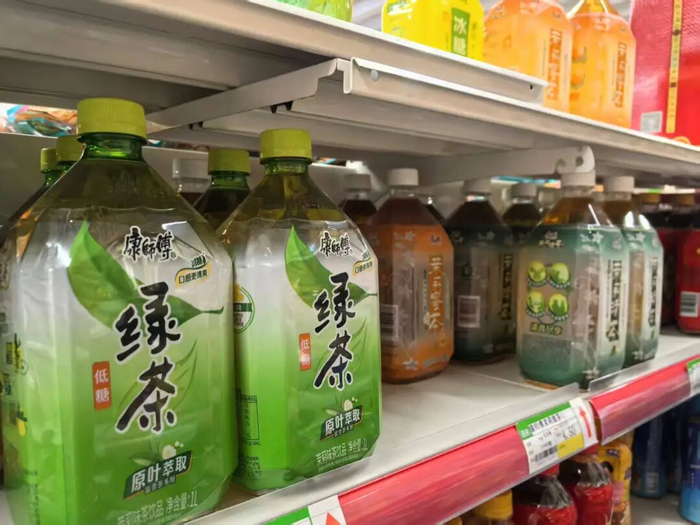
康师傅控股

Search documents
理性和感性,消费品牌如何做出选择?
财富FORTUNE· 2025-11-15 13:04
Core Insights - The Chinese consumer market is experiencing polarization, with consumers becoming more rational in their purchasing decisions while also increasing their willingness to spend on emotional and personalized experiences [1] - The "emotional economy" is emerging, driven by social media and innovative marketing strategies, with the market size expected to exceed 2.3 trillion yuan in 2024 and surpass 4.5 trillion yuan by 2029 [1] - Brands face the challenge of balancing consumer savings and spending while building lasting emotional connections with consumers [1] Group 1: Consumer Behavior - Consumers are increasingly focused on value for money, durability, and rational purchasing, as evidenced by the fading significance of traditional shopping festivals like "Double 11" [1] - The rise of emotional spending reflects a growing segment of consumers willing to pay a premium for emotional resonance and personalized experiences [1] Group 2: Brand Strategies - Chen Yingrang emphasizes that businesses should focus on core operations and innovate to meet consumer needs, using examples from Kang Shifu's product line to attract younger consumers [2] - Dai Tana from Erdos highlights the importance of creativity in fashion branding to differentiate in a competitive market, stating that quality and effective communication are key to engaging consumers [2] - Wei Zhe from Jia Yu Capital notes that the shift from price-performance ratio to value-driven consumption is crucial, suggesting that brands must navigate between rational and emotional consumer needs [3] Group 3: Market Trends - The new tea beverage sector is becoming a prominent area for consumer IPOs, with brands like Gu Ming and Mi Xue Bing Cheng gaining significant attention from investors [2] - The discussion among industry leaders indicates that future consumer brands must prioritize consumer service and insights to thrive, balancing quality and price effectively [3]



食品饮料周报:贵州茅台发布分红、回购方案,积极提振信心-20251114
Tianfeng Securities· 2025-11-14 09:43
Investment Rating - Industry Rating: Outperform the market (maintained rating) [5] Core Viewpoints - The food and beverage sector experienced a decline of -0.56% from November 3 to November 7, underperforming compared to the Shanghai Composite Index (+1.08%) and the CSI 300 Index (+0.82%). The liquor segment, particularly the white liquor category, saw a decrease of -0.84%, indicating a weaker performance during this period [12][18]. - Guizhou Moutai announced a mid-term dividend plan for 2025 and a new share repurchase plan, which includes a commitment to a 30 billion yuan dividend and a 15-30 billion yuan buyback. This reflects the company's strong recognition of its own value and has positively impacted its stock price [12][18]. - The white liquor industry is currently in a sales off-season, with expectations that companies will focus on inventory reduction in Q4 2025. The Shenyin Wanguo white liquor index PE-TTM stands at 19.52X, which is considered relatively low compared to the past decade, suggesting potential recovery opportunities in the sector [12][18]. Summary by Sections Market Performance Review - From November 3 to November 7, the food and beverage sector's performance was -0.56%, with specific declines in various sub-sectors: white liquor (-0.84%), beer (-0.66%), soft drinks (-1.20%), and dairy products (-0.38%). In contrast, pre-processed foods (+2.26%) and baked goods (+1.69%) showed positive growth [18]. White Liquor Insights - The white liquor segment's performance was notably weaker than the overall food and beverage sector. Guizhou Moutai's announcements regarding dividends and share repurchases are seen as confidence-boosting measures. The current PE-TTM for the white liquor index is at a historically low level, indicating potential for recovery as consumer spending gradually improves [12][18]. Beer and General Consumer Goods - The beer sector also faced a decline of -0.66%, but there is optimism for recovery driven by upcoming consumption policies. The general consumer goods segment, particularly pre-processed and baked goods, is expected to benefit from valuation shifts and marginal changes as the restaurant sector slowly recovers [2][13]. Investment Recommendations - For the white liquor sector, three main investment lines are recommended: strong beta stocks (e.g., Jiu Gui Jiu, Shui Jing Fang), value recovery stocks (e.g., Ying Jia Gong Jiu), and strong alpha stocks (e.g., Shanxi Fen Jiu, Guizhou Moutai) [3][17]. - In the beer segment, focus on stocks with sustained growth potential and those that may benefit from cost advantages is advised [3][17].

7款无糖饮料4款测出糖度?网上流行的糖度计靠谱吗
Qi Lu Wan Bao· 2025-11-14 08:20
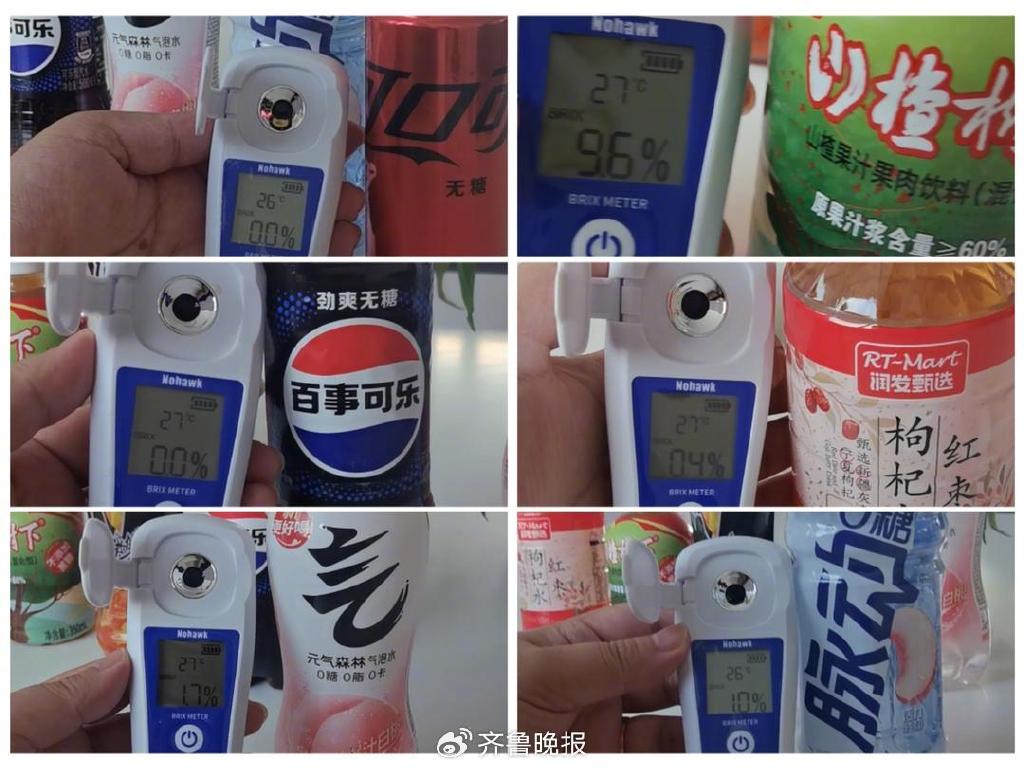
Core Insights - The article discusses the reliability of "sugar-free" beverage claims, highlighting discrepancies between consumer expectations and actual sugar content measured by refractometers [1][5][7] Group 1: Measurement Discrepancies - A study conducted by journalists revealed that out of seven "sugar-free" beverages tested, four showed measurable sugar content, with one product exceeding consumer expectations at 9.6% [5][7] - The testing method, using a refractometer, measures the total concentration of soluble solids, not just sugar, leading to potential misinterpretations of "sugar-free" claims [7][8] Group 2: Industry Trends - The market for sugar-free beverages in China is rapidly expanding, with a compound annual growth rate of nearly 30% from 2018 to 2023, projected to reach a scale of 100 billion by 2025 [8] - Companies are increasingly using multiple sweeteners to replicate the taste of traditional sugary products, indicating a shift in formulation strategies [8][9] Group 3: Consumer Education - There is a growing need for consumer education regarding the definitions of "sugar-free" and the presence of alternative sweeteners, as many consumers lack understanding of these concepts [9][11] - Recommendations for consumers include scrutinizing product labels, nutritional information, and ingredient lists to make informed choices about sugar-free products [11][12]
400余家参展企业及品牌代表将参展2025中国老字号·名特新商品交易博览会
Zhong Guo Xin Wen Wang· 2025-11-13 06:02
Core Insights - The 16th China (Dalian) Light Industry Commodity Expo and the 2025 China Time-honored Brand and Specialty New Product Trade Expo will be held from November 20 to 23 in Dalian, covering a total exhibition area of 12,000 square meters with nearly 500 international standard booths [1] - The theme of this year's expos is "New Quality Development of Light Industry, New Driving Force for a Better Life," focusing on linking light manufacturing with brand consumption across various sectors [1] Industry Overview - The expos will feature over 400 participating enterprises and brand representatives from 20 provinces and more than 100 cities, showcasing over 100 time-honored brands [1][2] - Notable participating brands include Shanghai Meilin, White Rabbit, and Tianjin Feige, highlighting the craftsmanship and innovative spirit of these time-honored brands [2] Regional Highlights - Various provincial delegations will present their unique strengths, such as the Shanghai Light Industry Association showcasing brands like Meilin and White Rabbit, and the Tianjin delegation featuring brands like Feige and Yumeijing [3] - The exhibition will also include cultural products from the Hubei Museum, emphasizing the rich cultural heritage of the region [3] Local and International Participation - Local Dalian enterprises such as Yanhua Group and Jinqi Group will present new products across multiple sectors, reinforcing Dalian's position as a significant light industry base in northern China [4] - International exhibitors from Iran and Nepal will add diversity and global perspectives to the expo, enhancing its international appeal [4] Event Significance - The expos serve as a crucial platform for showcasing achievements in the light industry and time-honored brands, promoting transactions and guiding consumer trends [4] - The core model of "Exhibition + Industry + Consumption" aims to strengthen regional collaboration, industry synergy, and brand promotion, supporting high-quality development in China's light industry and time-honored brands [4]
中国消费市场-2025 年第三季度总结_整体需求趋弱,前景仍谨慎;高端消费成亮点-China Consumer_ Pulse Check_ 3Q25 wrap-up_ Overall demand softer and outlook remains prudent; high-end consumption a bright spot
2025-11-13 02:48
Summary of China Consumer Pulse Check: 3Q25 Industry Overview - The report focuses on the **China Consumer** sector, highlighting softer consumption trends in **3Q25** across various industries including spirits, sportswear, cosmetics, and dairy [2][12]. Key Findings - **Overall Demand**: Consumption trends have softened, with earnings misses and growth deceleration noted in multiple sectors. Home appliances, despite benefiting from trade-in policies, also experienced a deceleration due to tougher comparisons and subsidy controls [2][12]. - **Peak Season Performance**: Goods consumption during peak seasons, such as the National Day holiday and Double 11, was weaker than expected, indicating a broader trend of demand softness [2][12]. - **Price Pressure**: The softness in demand has continued to pressure prices in categories like sportswear, spirits, and dairy. However, some players in prepared food and air conditioning are becoming more disciplined in their promotions due to limited economic value [2][12]. - **Bright Spots**: Some multinational corporations, particularly in the premium segments like luxury goods and cosmetics, reported signs of improvement in trends, attributed to wealth effects, foreign exchange impacts, easier comparisons, and improved operations [2][12]. - **Cautious Outlook**: Despite some positive signs, the overall outlook remains cautious due to broad-based softness observed in 3Q results and deteriorating macro data related to consumption [2][12]. Sector Preferences - **Preferred Sectors**: The most preferred sectors identified are diversified retailers, beverages, and pet food. The apparel and footwear OEM sector preference has been lifted to Neutral from least preferred due to easing tariff uncertainties [3][12]. - **Least Preferred Sectors**: The least preferred sectors include sports retailers, furniture, projectors, discretionary small kitchen appliances, and non-super-premium spirits [3][12]. Investment Focus - The report emphasizes focusing on companies with idiosyncratic growth opportunities, particularly in the new consumption space, despite softening sentiment due to brand cycles and base concerns. Companies with high shareholder returns and market share efficiency are viewed as more defensive in the current consumption backdrop [2][12]. Additional Insights - **Earnings Visibility**: Companies with relatively high earnings visibility into the next year, such as those driven by store and category expansion in freshly made drinks, are highlighted as potential investment opportunities [2][12]. - **Market Dynamics**: The report notes that while some sectors are facing challenges, there are still opportunities for growth in niche and premium brands, which are expected to outperform the broader industry despite a likely slowdown compared to the first half of the year [12][14]. Conclusion - The overall sentiment in the China consumer market for 3Q25 indicates a cautious approach due to softer demand trends, with specific sectors showing resilience and potential for growth. Investors are advised to focus on companies with strong fundamentals and growth visibility while remaining aware of the broader economic challenges.
2025年《财富》中国500强峰会圆满落幕,精彩观点连连看
财富FORTUNE· 2025-11-12 13:04
Core Insights - The 2025 Fortune China 500 Summit held in Shanghai focused on the theme "Harnessing Momentum, Expanding Frontiers: The Next 25 Years of the 21st Century," bringing together leaders from top companies to discuss how to navigate the new order shaped by intelligence, resilience, and sustainability [1][3]. Group 1: Key Themes and Discussions - Five parallel sessions were held, covering topics such as the next phase of the global energy revolution, the new maritime era of Chinese manufacturing, the path to building high-end brands, AI-enabled digital innovation for long-term growth, and the technology and capital driving high-quality future living [3][43][53]. - The summit included discussions on the importance of adapting to efficiency in logistics, emphasizing flexibility and rapid resource allocation to create value and achieve sustainability [9]. - The banking sector's digital transformation over the past two decades has created opportunities and challenges, particularly with the rise of generative AI, which banks must leverage through organizational restructuring [11]. Group 2: Globalization and Localization - Globalization presents new opportunities for Chinese companies, allowing them to showcase their brand, management, and social value on the world stage despite challenges [12]. - Effective globalization requires extreme localization, ensuring that companies adapt to local markets while maintaining their global strategies [17]. - The future of Chinese enterprises going global involves deeper participation in global value chains rather than merely exporting products [20]. Group 3: Industry Innovations and Trends - The automotive industry is highly competitive, with Chinese companies excelling in scale, speed, and cost, while European firms offer deep expertise in quality and safety [25]. - The demand for smarter products necessitates a focus on material innovation and collaboration across the supply chain to achieve integrated solutions [26]. - The consumer goods sector is evolving, with brands needing to balance rational spending with emotional value, reflecting consumers' increasing expectations [36][39]. Group 4: Technology and Sustainability - The integration of AI in industries is seen as a means to overcome challenges and drive new value, with a focus on combining technology with specific applications to ensure return on investment [77][83]. - The healthcare sector is embracing technology to create a comprehensive ecosystem that addresses health and wellness needs, emphasizing the importance of data and compliance [89][92]. - The energy sector is shifting towards quality over quantity, with a focus on sustainable practices and the assetization of distributed solar power to create a win-win scenario for stakeholders [96].
漕桥河交出水清岸绿新答卷(我家门前有条河)
Ren Min Ri Bao· 2025-11-11 22:40
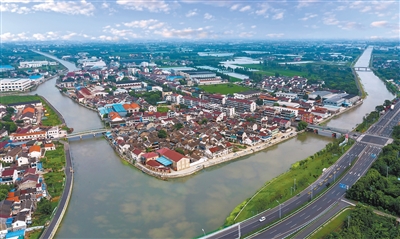
Core Insights - The transformation of the Caoqiao River from a heavily polluted waterway to a clean water source reflects the successful implementation of comprehensive water management strategies in the Taihu Lake region [1][3] - The improvement in water quality has attracted new green and low-carbon industries, enhancing local economic development and providing job opportunities for residents [2][3] Group 1: Water Quality Improvement - The Caoqiao River's water quality improved from a grade V (severely polluted) to a stable grade II (good quality) due to systematic ecological dredging and pollution control measures [2][3] - Continuous efforts over 18 years included the establishment of a sewage network that integrated wastewater from 1.3 million households and over 300 enterprises [2] Group 2: Economic Development - The establishment of new industries along the river, such as the production base of Yibao Company, which has a capacity of 200 million boxes annually, signifies the economic revitalization of the area [2] - The opening of the first phase of the Wenlv project in 2023 is expected to attract over 5 million visitors annually and create thousands of jobs, further integrating economic growth with environmental restoration [2]
2025《财富》中国500强峰会在上海举行
财富FORTUNE· 2025-11-11 14:37
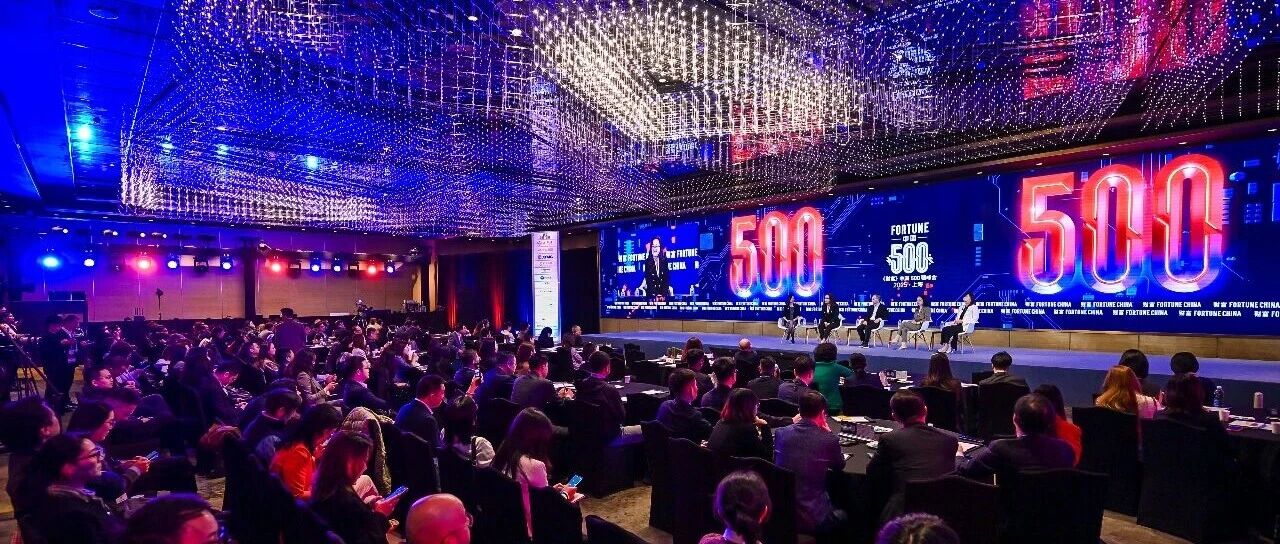
Core Insights - The 2025 Fortune China 500 Summit was held in Shanghai, focusing on the theme "Navigating Trends: The Next 25 Years of the 21st Century" [1] - In 2024, the total revenue of the companies on the Fortune China 500 list reached $14.2 trillion, with a net profit of $756.4 billion, marking a growth of approximately 7% compared to the previous year [1] - The total revenue of the 500 companies accounts for about three-quarters of China's GDP, which is projected to be $18.75 trillion in 2024 [1] Group 1: Summit Overview - The summit gathered leaders from top companies and innovative enterprises to discuss how to lead and define a future path that integrates intelligence, resilience, and sustainability [1] - The event featured discussions on eight core topics, including CEO vision dialogues, globalization vs. localization, and the future of green and intelligent industries [4] - Five parallel sessions were held, covering themes such as the next phase of the global energy revolution and the new era of Chinese manufacturing [5] Group 2: Key Participants and Events - Notable speakers included executives from Procter & Gamble, Schneider Electric, and FedEx, among others, who shared insights on industry trends and challenges [6] - The summit also hosted the Most Powerful Women (MPW) breakfast meeting, focusing on overcoming internal competition and seeking growth [8] - The 40 Under 40 lunch event highlighted young leaders driving innovation and industry influence in sectors like AI and green technology [9]
日本方便面回暖,日清食品内地2025前三季度增长5.4%,华西、华北带头复苏
3 6 Ke· 2025-11-11 03:56
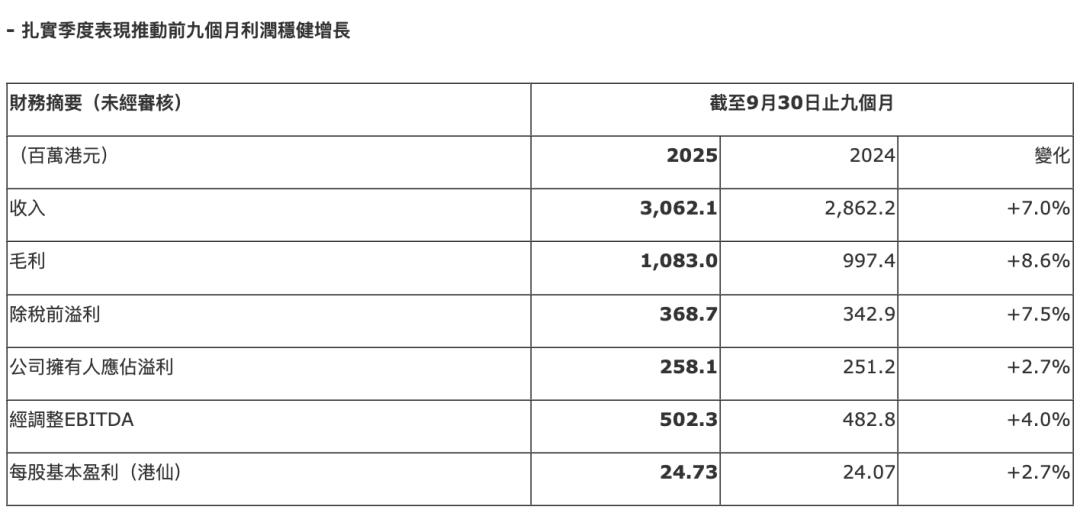
Core Insights - Nissin Foods reported a revenue of HKD 30.62 billion (approximately RMB 28.04 billion) for the first three quarters ending September 30, 2025, representing a year-on-year growth of 7.0% [1][2] - The net profit for the same period was HKD 2.58 billion (approximately RMB 2.36 billion), showing a year-on-year increase of about 2.7% [1][2] - The gross profit margin improved from 34.8% to 35.4%, attributed to the strong sales of high-margin cup noodles and enhanced production efficiency [2] Financial Performance - Revenue for the nine months ending September 30, 2025, was HKD 3,062.1 million, up from HKD 2,862.2 million, a 7.0% increase [2] - Gross profit rose to HKD 1,083.0 million, an 8.6% increase from HKD 997.4 million [2] - Profit before tax increased by 7.5% to HKD 368.7 million from HKD 342.9 million [2] - Adjusted EBITDA grew by 4.0% to HKD 502.3 million from HKD 482.8 million [2] - Basic earnings per share rose to 24.73 cents from 24.07 cents, reflecting a 2.7% increase [2] Regional Performance - Revenue from Hong Kong and other regions grew by 9.5% to HKD 1.20 billion, driven by stable sales of instant noodles and rising demand in overseas markets [2] - Revenue from mainland China was HKD 18.60 billion (approximately RMB 17.03 billion), with a modest year-on-year growth of 5.4%, accounting for about 60% of total revenue [2][3] Strategic Adjustments - The company is shifting its sales strategy from an over-reliance on e-commerce to strengthening offline channels, particularly in core markets like South China [5] - Nissin aims to maintain profit margins by controlling promotional expenses and avoiding price hikes despite rising raw material costs [5][6] - The company is focusing on product upgrades and cost optimization, with recent investments in new product lines targeting health-conscious consumers [6] Market Challenges - The demand for instant noodles in China is slowly recovering, with management noting a resurgence in sales in previously struggling regions [3][6] - The competitive landscape has intensified, with Nissin facing challenges from both external competitors and changing consumer preferences [10][11] - The company's market share in China has declined significantly, dropping to around 4% in 2023 from a peak of 14.5% in 2018 [11] Future Outlook - Nissin is investing approximately RMB 240 million in new facilities in Zhuhai, Guangdong, to enhance production efficiency and meet growing demand for high-end products [6][7] - The management remains optimistic about the recovery of the mainland market, projecting a 9.4% revenue growth in the first half of 2025 [6][7]
业务员“拆东墙补西墙”,康师傅怎么了?
Zhong Guo Jing Ying Bao· 2025-11-10 10:27
Core Insights - The incident involving two wholesalers in Zhengzhou who failed to receive their orders from Master Kong highlights significant issues within the company's distribution and sales practices, particularly under pressure to meet performance targets [2][3] - The overall performance of Master Kong has been declining, with a reported revenue drop for the first time in five years, prompting the company to implement price increases that have led to mixed market reactions [5][6] Group 1: Incident Overview - Two wholesalers transferred a total of 210,000 yuan to Master Kong's account but did not receive their products, leading to an investigation revealing that a sales representative had forged payment codes to intercept funds [3] - The sales representative's actions were driven by intense pressure to meet performance targets, which could result in minimal take-home pay after deductions and potential fines from regional managers [3][4] Group 2: Market and Performance Pressure - The fast-moving consumer goods (FMCG) industry, particularly for Master Kong, is experiencing significant pressure due to market saturation and competition from emerging brands, leading to a decline in sales performance [4][5] - Master Kong's revenue for the first half of 2025 was reported at 40.092 billion yuan, a decrease of 2.7% year-on-year, while net profit increased by 20.5% to 2.271 billion yuan, indicating a complex financial landscape [5][6] Group 3: Pricing Strategy and Market Response - Master Kong has raised prices on its 1L beverages from 4 yuan to a range of 4.5 to 5 yuan, which has received mixed feedback from retailers, with some reporting difficulties in selling the products post-price increase [6][7] - The company's management believes that the price increase is necessary to improve profit margins, despite acknowledging that it may negatively impact sales volume [6][8] Group 4: Competitive Landscape - The beverage market is becoming increasingly competitive, with new tea brands and ready-to-drink options gaining market share, which poses a threat to Master Kong's traditional bottled beverage sales [9][10] - The rise of delivery services and the popularity of fresh tea drinks are reshaping consumer preferences, leading to a decline in demand for Master Kong's products [9][11] Group 5: Innovation and Future Strategies - Master Kong is attempting to innovate by launching new products such as "Frozen Tea" and "Special Fresh Noodles," aiming to capture new market segments and respond to changing consumer preferences [10][11] - Despite these efforts, industry experts suggest that Master Kong's product innovations are often slow and lack differentiation, which may hinder its ability to compete effectively in a rapidly evolving market [10][11]