
iRobot

Search documents
兆威机电首次覆盖:微型传动系统龙头,人形机器人、XR、汽车电子打开成长空间(附下载)
Xin Lang Cai Jing· 2026-01-08 11:36
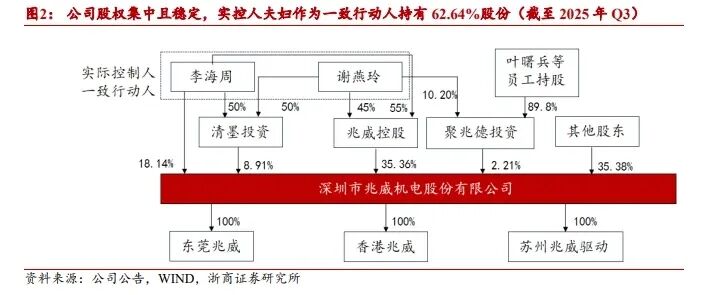
Core Viewpoint - The company is a leading player in the micro drive system industry, with a strong focus on expanding its downstream markets and a solid technical foundation established by its experienced management team [1][2][5]. Group 1: Company Overview - The company was founded in 2001 and went public in 2020, initially focusing on precision injection molding and components, later shifting to micro drive systems in 2010 [1][2]. - The company has expanded its product applications to various industries, including automotive electronics, communication devices, smartphones, medical care, service robots, industrial automation, smart homes, and AR & VR [1][5]. Group 2: Market Position and Strategy - Micro drive systems are core components in the industrial sector, characterized by their miniaturization, high precision, reliability, lightweight, and low noise, with significant market demand across various sectors [5][14]. - The company targets key industries undergoing intelligent upgrades, such as smart automotive, consumer technology, medical technology, and advanced manufacturing, to meet diverse application needs [5][14]. Group 3: Customer Base and Product Development - The company adopts a customized business model to develop micro drive systems based on client needs, enhancing user stickiness and building a strong customer base [6][15]. - It has established partnerships with renowned companies like Huawei, Bosch, BYD, Great Wall Motors, Vivo, OPPO, Xiaomi, iRobot, and others, enhancing its market competitiveness [6][15]. Group 4: Financial Performance - From 2017 to 2024, the company achieved a compound annual growth rate (CAGR) of 15.7% in revenue and 24.3% in net profit, with projected revenues of 1.525 billion yuan and net profits of 225 million yuan in 2024, reflecting year-on-year growth of 26.4% and 25.1% respectively [7][16]. - The company experienced a significant decline in its micro drive system business for smartphone camera modules in 2020 but has since rebounded due to successful expansions into automotive electronics and other sectors [7][16]. Group 5: Cost Structure and R&D Investment - The company's gross margin remains stable at around 30%, with raw material costs being a significant portion of total costs, making it sensitive to fluctuations in material prices [10][18]. - R&D expenses have increased significantly post-IPO, with a year-on-year growth of 86.7% in 2021, reflecting the company's commitment to enhancing its competitive edge through innovation and solution development [10][18].

中国的竞争对手们,留给杉川和iRobot的时间不多了 | 海斌访谈
第一财经网· 2026-01-07 05:17
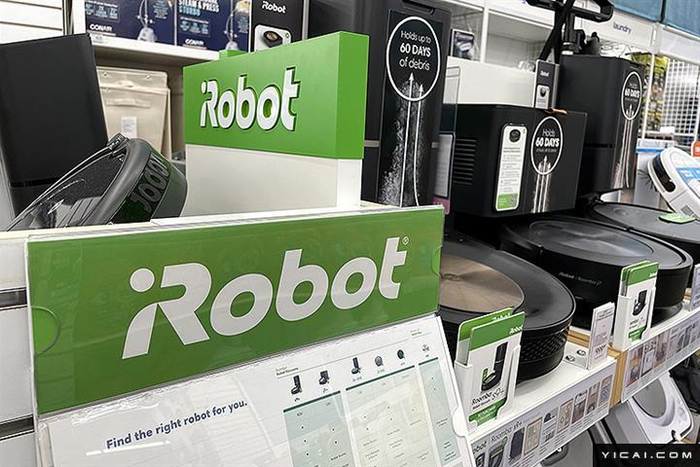
Core Insights - The acquisition of iRobot by Sugawa Group reflects a sense of inevitability due to iRobot's declining market position and financial struggles [1][9] - iRobot, once a leader in the global robotic vacuum market, is now facing significant competition from Chinese brands, leading to a drastic reduction in its market share [4][5] Group 1: Market Position and Competition - iRobot's absence from the North American Consumer Electronics Show highlights its declining relevance, while Chinese competitors like Roborock and Ecovacs showcase innovative products [3][4] - iRobot's market share in the U.S. has plummeted from nearly 30% in August 2024 to just 12% by August 2025, with Shark and Roborock taking the lead [4][5] - In Europe, iRobot's position is even weaker, with local brands dominating the market, and it only maintains a leading share in Japan [4][11] Group 2: Financial Struggles and Acquisition Dynamics - iRobot filed for bankruptcy protection in 2025, leading to its acquisition by Sugawa Group, which was initially a manufacturing partner [3][9] - The acquisition was driven by Sugawa's need to recover losses from unpaid manufacturing costs, rather than a strategic desire to own the brand [9][10] - The cash payment for the acquisition is primarily based on iRobot's outstanding debts, indicating a distressed asset acquisition [9] Group 3: Challenges Ahead for Sugawa Group - Post-acquisition, Sugawa faces the challenge of stabilizing iRobot's market position while managing its own brand, 3I, which has struggled to gain traction [10][14] - Balancing resources between iRobot and 3I will be critical, as maintaining both brands simultaneously poses significant operational challenges [13][14] - The potential for iRobot to be resold after stabilization exists, as previous layoffs have improved its financial metrics, making it a candidate for a second sale [15]
创创创2026创1创5创,创20创新高
Donghai Securities· 2026-01-05 09:14
Market Overview - The domestic retail market for robotic vacuum cleaners is expected to grow due to policy incentives, with a notable effect from the Q4 base year[7] - In 2025, the online sales of robotic vacuum cleaners increased by 6% in revenue and 9% in volume year-on-year during the first 51 weeks[7] - The average retail price of robotic vacuum cleaners saw a decline of 6% to 3535 RMB during the "Double 11" shopping festival, influenced by increased promotions and brand competition[7] Product Trends - The introduction of active water cleaning technology is leading the innovation cycle in the market, with brands like Ecovacs and Roborock launching new models that enhance cleaning efficiency[10] - The global market for smart robotic vacuum cleaners is projected to ship 2,060.3 million units in 2024, reflecting an 11.2% year-on-year growth, with a total sales value of $9.31 billion, up 19.7%[13] - The average price of robotic vacuum cleaners is expected to rise by 7.6% to $452 in 2024 due to technological upgrades[13] Competitive Landscape - The top five global robotic vacuum manufacturers are all Chinese companies, with Roborock and Ecovacs leading in shipment volumes[13] - Roborock achieved a market share of 21.7% in the global robotic vacuum market during the first three quarters of 2025, with significant sales growth in North America and Europe[13] - The competitive landscape is shifting as iRobot faces challenges, including a 6.7% decline in global shipments and a 2.6 percentage point drop in market share to 13.7%[48] Future Outlook - The market is expected to see increased competition, with a focus on cost control and supply chain efficiency as brands compete on price and technology[49] - The trend towards smart home integration and personalized cleaning solutions is anticipated to drive future product development, with a potential rise in subscription-based services[49] - Companies are advised to focus on understanding consumer needs and enhancing product features to maintain competitiveness in a rapidly evolving market[49]


中小市值2026年年度策略报告:流动性宽松,关注AI应用机会-20251230
CMS· 2025-12-30 09:02
Group 1 - The report emphasizes that global liquidity is continuously improving, which is expected to enhance equity asset returns, particularly in the context of AI-related software and edge applications [1][7][11] - The report suggests that the growth space for small-cap and growth sectors is likely to expand due to synchronized global monetary policy easing [7][11] - The report highlights the significant advancements in AI models, particularly with the release of Gemini 3.0 and GPT-5.2, which are expected to drive substantial commercial opportunities in AI applications [21][28][39] Group 2 - The report identifies key companies to watch, including Blue Sky Technology and Spring Wind Power, which are expected to benefit from AI-related growth [8][65] - It also mentions companies like Jieshun Technology and Kaige Precision Machinery, which are positioned to capitalize on AI-driven product releases and innovations [7][65] - The report notes that the valuation of small-cap stocks remains low, with PE ratios for the National Index 2000 and the Growth Enterprise Market Index at 57.1x and 41.21x respectively, indicating potential for further valuation recovery [65]





石头科技(688169):跟踪点评:海外行业出清背景下的经营表现——收入保持高增速,盈利能力或受自补扰动
Huachuang Securities· 2025-12-30 08:15
Investment Rating - The report maintains a "Strong Buy" rating for Stone Technology (688169) [1] Core Views - The company has demonstrated strong revenue growth despite challenges in the overseas market, with a notable increase in sales driven by the expansion of its product range and brand strength [1][8] - The company's profitability may face pressure due to self-subsidy impacts, with a slight decrease in net profit margin observed [8] - The report highlights the potential for future growth through new product launches, particularly in the lawn mower segment, which could become a significant revenue driver [8] Financial Performance Summary - Total revenue projections for the upcoming years are as follows: - 2024: 11,945 million - 2025: 18,845 million (38.0% YoY growth) - 2026: 23,513 million (57.8% YoY growth) - 2027: 28,119 million (24.8% YoY growth) [3] - Net profit forecasts are: - 2024: 1,977 million - 2025: 1,737 million (-3.6% YoY) - 2026: 2,360 million (35.9% YoY) - 2027: 3,037 million (28.7% YoY) [3] - Earnings per share (EPS) estimates are: - 2024: 7.63 - 2025: 6.70 - 2026: 9.11 - 2027: 11.72 [3] Valuation and Price Target - The target price for the stock is set at 224.1 yuan, with the current price at 151.90 yuan [4] - The report suggests a price-to-earnings (P/E) ratio of 22.7 for 2025, decreasing to 13.0 by 2027 [8] Market Position and Competitive Landscape - The report notes that the recent bankruptcy of iRobot may alter the competitive landscape, potentially benefiting leading companies like Stone Technology [8] - The company has shown strong growth in retail sales for its vacuum and floor cleaning machines, significantly outpacing industry averages [8]
iRobot破产启示录|深度
Guo Ji Jin Rong Bao· 2025-12-29 09:48
Core Viewpoint - iRobot, a pioneer in the robotic vacuum cleaner industry, has voluntarily filed for bankruptcy, leading to the delisting of its common stock from NASDAQ, with a complete acquisition by its creditor, Shenzhen Sijuan Robot Co., Ltd., expected to be finalized by February 2026 [1][4][6]. Financial Performance - For the first three quarters of 2025, iRobot reported revenues of $375 million, a 26.5% decline from $510 million in the same period last year, with a net loss of $130 million, a 90% increase year-over-year [6][10]. - The company has only $24.8 million in cash, while total liabilities have reached $508 million, with current liabilities at $480.9 million and shareholder equity at -$26.9 million [6][9]. Market Position and Competition - iRobot's market share has significantly declined, from 17.9% in the first half of 2023 to 7.9% by the first half of 2025, falling to fifth place in the global market [13]. - The company has seen a continuous drop in revenue from $1.183 billion in fiscal year 2022 to an estimated $682 million in fiscal year 2024, marking three consecutive years of net losses [10]. Industry Dynamics - Chinese brands like Ecovacs and Roborock are rapidly gaining market share, with significant increases in overseas app downloads and product recommendations on major platforms [14][23]. - The competitive landscape is shifting, with Chinese manufacturers focusing on rapid product innovation and integration of advanced features, contrasting with iRobot's slower innovation pace [16][20]. Supply Chain and Operational Challenges - iRobot's reliance on third-party manufacturers has led to operational challenges, with significant delays and increased costs due to supply chain disruptions [20]. - The company has moved its robot production from China to Vietnam to mitigate tariff risks, but still faces high costs associated with components sourced from China [20]. Future Outlook - The shift in the smart home ecosystem is evident, with the competitive focus moving towards creating integrated solutions rather than just standalone products, indicating a potential long-term decline for iRobot if it cannot adapt [26].
iRobot破产启示录
Guo Ji Jin Rong Bao· 2025-12-29 09:23
Core Insights - iRobot, a pioneer in the robotic vacuum industry, has voluntarily filed for bankruptcy and will be delisted from NASDAQ, with trading of its common stock suspended on December 22 [1][4] - The company has reached a financial restructuring agreement with its creditor and manufacturing partner, Shenzhen Sijuan Robotics Co., Ltd., which will acquire 100% of iRobot's equity through a debt-to-equity swap, expected to be completed by February 2026 [1][4] Financial Performance - iRobot's revenue for the first three quarters of 2025 was $375 million, a 26.5% decrease from $510 million in the same period last year, with a net loss of $130 million, a 90% increase year-over-year [5][8] - The company has only $24.8 million in cash, while total liabilities have reached $508 million, with current liabilities at $480 million and stockholder equity at -$26.8 million [5][8] Market Position - iRobot's global market share in the high-end robotic vacuum segment has significantly declined from over 60% between 2015 and 2017 to just 7.9% in the first half of 2025, ranking fifth in the market [10][12] - The company has seen a continuous drop in revenue from $1.183 billion in fiscal year 2022 to an estimated $682 million in fiscal year 2024, with three consecutive years of net losses [8][10] Competitive Landscape - Chinese brands like Ecovacs and Roborock are rapidly gaining market share, with significant increases in overseas app downloads and product recommendations on major consumer platforms [11][12] - The innovation pace of iRobot has slowed, with competitors launching new products and features at a much faster rate, leading to a loss of competitive edge [12][16] Supply Chain and Operational Challenges - iRobot's reliance on third-party contract manufacturers for production has created vulnerabilities, particularly as it faces increased costs from tariffs and supply chain disruptions [16][18] - The company has shifted its production capacity from China to Vietnam to mitigate tariff risks, but still relies on Chinese suppliers for components, which complicates its operational strategy [16][18] Industry Evolution - The smart home service robot market is shifting towards Chinese manufacturers, who have developed robust supply chains and manufacturing capabilities, allowing for rapid product iteration and cost advantages [17][20] - The competitive focus is moving from mere product performance to ecosystem building and long-term technological endurance, indicating a significant industry transformation [20]
美国巨头,彻底输了
Sou Hu Cai Jing· 2025-12-28 10:13
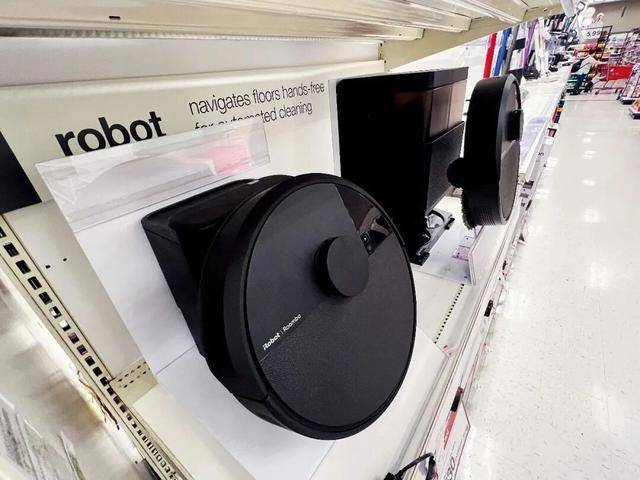
Core Viewpoint - iRobot, the pioneer of the robotic vacuum industry, has filed for Chapter 11 bankruptcy and will be acquired by its Chinese manufacturer, Shanjun Robotics, marking the end of an era for the company [1][5]. Financial Performance - iRobot's revenue peaked at $1.565 billion in 2021 but has since declined by over 20% annually, projected to be $682 million in 2024 [5]. - The company has reported net losses ranging from $100 million to $300 million each year from 2022 to 2024, with a net loss of $130 million in the first three quarters of this year [5]. - As of September 27, iRobot's total liabilities reached $508 million, with only $24.7 million in cash and equivalents remaining [6]. Acquisition Details - Shanjun Robotics will convert its debt into 100% equity of iRobot through a court-supervised process, expected to be completed by February 2026 [1]. - Shanjun became iRobot's largest creditor after acquiring approximately $190 million of its outstanding debt from various investment firms [6]. - The acquisition is seen as a strategic move for both companies, with Shanjun aiming to leverage iRobot's brand and market presence while iRobot seeks to stabilize its operations [7][8]. Market Dynamics - The shift in the robotic vacuum industry is indicative of a broader trend of manufacturing and innovation moving towards China, with local companies rapidly gaining market share [3][10]. - iRobot's failure to innovate and respond to competitive pressures from Chinese manufacturers has contributed to its decline, with significant technological advancements made by competitors [10][11]. - The global smart robotic vacuum market saw a shipment of 17.424 million units in the first three quarters of this year, with Chinese brands capturing nearly 70% of the market share [11]. Future Challenges - Post-acquisition, Shanjun faces the challenge of revitalizing iRobot and competing effectively against established Chinese brands that have already penetrated both online and offline markets [15]. - The competitive landscape remains intense, with brands like Roborock and Ecovacs leading in market share and innovation, necessitating a focus on price, technology, and ecosystem development for iRobot's resurgence [16][18].
家电行业专题研究:拥抱龙头,重视出海
Xin Lang Cai Jing· 2025-12-26 12:24
Group 1: Domestic Demand and Market Outlook - The home appliance sector is expected to show a "high first half and stable second half" trend in 2025, driven by policy continuation and consumption peaks [1] - In the first three quarters of 2025, air conditioner shipments increased by 8.4%, refrigerators by 2.4%, and washing machines by 4.1% year-on-year [1][13] - For 2026, the continuation of subsidies is anticipated to mitigate the impact of high base effects and demand pull-forward, with projected declines in overall appliance sales of -4% to -7.3% under various subsidy scenarios [1][16][19] Group 2: Export Performance and Global Market Trends - Home appliance exports have slowed down due to tariff policies and global supply chain adjustments, but still show resilience and structural highlights [2] - In 2025, the export growth rate for air conditioners is expected to be weaker than that of washing machines and refrigerators, primarily due to adverse weather conditions affecting overseas demand [2][39] - The U.S. market is projected to benefit from a rate cut, which may enhance demand for home appliances, while the European market is expected to maintain a slow recovery [42][44][50] Group 3: Investment Themes - The narrative in the black appliance sector is shifting from "market share chasing" to "profit and pricing power," with Chinese brands like Hisense and TCL expected to convert market share into higher profits [3][55] - White appliances are seen as having strong growth potential due to their historical resilience through cycles, with leading brands like Midea and Haier expected to maintain stable growth and generous dividends [3][83] - The global competition in new consumer products, particularly in smart imaging and robotic vacuum cleaners, is expected to favor Chinese brands, highlighting their competitive advantages [3] Group 4: Financial Metrics and Valuation - As of December 22, 2025, the home appliance sector's PE TTM is 16.27 times, remaining below the 10-year average of 32.8% [7] - The white appliance segment's current PE is 11.22, while black appliances stand at 25.94, indicating varying levels of market valuation [9] - The home appliance sector has seen a decline in public fund holdings, with a heavy allocation of only 2.46% in Q3 2025, reflecting concerns over demand in 2026 [9]



东海证券晨会纪要-20251226
Donghai Securities· 2025-12-26 03:10
Group 1: Forklift Industry Insights - In November 2025, forklift sales in China saw a significant increase, with domestic sales rising by 23.9% year-on-year to 75,200 units, while overall sales reached 119,700 units, up 14.1% year-on-year [5][6] - The cumulative sales of forklifts from January to November 2025 totaled 1.3404 million units, reflecting a year-on-year growth of 14.2%, with domestic sales at 843,000 units and exports at 497,400 units [5][6] - The growth in domestic forklift demand is linked to the recovery of the manufacturing and logistics sectors, supported by a 5.1% year-on-year increase in social logistics in October 2025 and a manufacturing PMI new orders index of 49.2 in November [6][7] Group 2: Globalization of Leading Companies - Anhui Heli has laid the foundation for a new factory in Thailand, marking a significant step in its globalization strategy, with an investment of approximately 425 million yuan and an expected annual production capacity of 10,000 forklifts and battery sets [7] - Hangcha Group has established a new company in Dubai, UAE, to enhance its global presence, focusing on sales, service, leasing, and maintenance of forklifts and industrial vehicles, capitalizing on the region's growing logistics demand [8] Group 3: Robotic Vacuum Cleaner Market Developments - The global smart robotic vacuum cleaner market is increasingly dominated by Chinese brands, with a total shipment of 17.424 million units in the first three quarters of 2025, representing an 18.7% year-on-year increase, and Roborock leading with a 21.7% market share [12][13] - iRobot, a pioneer in the robotic vacuum sector, has filed for bankruptcy and will be acquired by Ecovacs Robotics, which may lead to a redistribution of market shares among leading brands [13] - The upcoming 2026 CES is anticipated to showcase innovative robotic vacuum technologies, including AI-enabled features that enhance cleaning capabilities and user experience [14][15]