瑞幸咖啡

Search documents
茶咖共舞 黔滇联动——贵州省茶产业专家服务团共话特色产业融合赋能乡村振兴新路径
Xin Lang Cai Jing· 2026-01-12 04:33
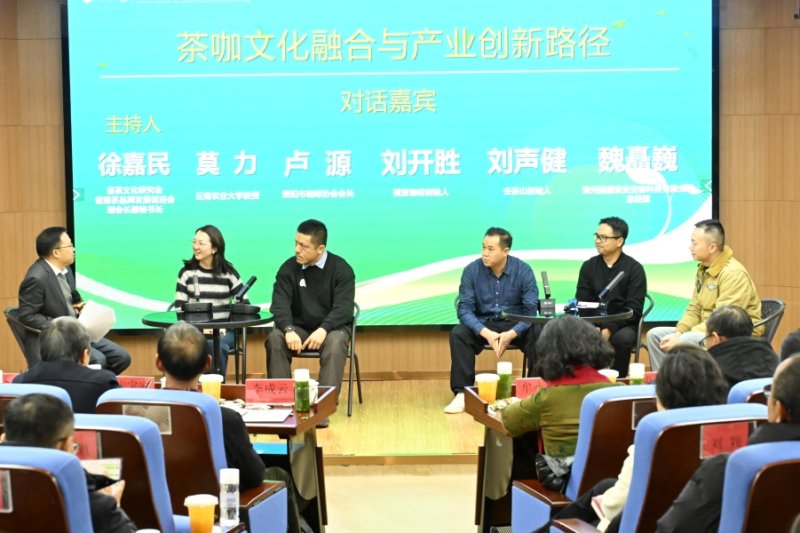
Group 1 - The core idea of the event is to explore the integration of tea and coffee industries in Yunnan and Guizhou, aiming to empower rural revitalization through collaboration and innovation [1][5][10] - Over 150 participants from academia and industry gathered to discuss the fusion of tea and coffee cultures, brand building, and market expansion strategies [3][4] - The event highlighted the historical significance of tea and the introduction of coffee to China, emphasizing the potential for mutual growth and shared consumer spaces [4][12] Group 2 - Experts discussed various innovative approaches, such as combining red tea with local fruits and expanding coffee into snack offerings, to meet consumer needs [4][9] - The importance of continuous innovation and appealing to younger consumers was emphasized, with suggestions for the tea industry to learn from the coffee sector's quality and experience [4][10] - The event underscored the need for a dual focus on product functionality and emotional value, aiming to create a cultural connection with consumers [4][10] Group 3 - The integration of tea and coffee is seen as a transformative process, shifting from a one-way output to a value co-creation model between production and consumption [5][10] - Successful case studies, such as the popularity of matcha products in coffee shops, were presented to illustrate the potential for cross-industry collaboration [9][10] - The need for talent cultivation in the coffee industry was highlighted, with recommendations for educational institutions to develop relevant programs [9][10] Group 4 - The event concluded with a call to deepen the integration of tea and coffee, leveraging unique regional advantages to foster innovation and new business models [14][15] - Participants expressed optimism about the future of tea and coffee collaboration, aiming to create products that appeal to diverse age groups and enhance market opportunities [12][14]

2025美国OTC市场年度分析报告:交易激增、转板通畅与中企布局机遇
Sou Hu Cai Jing· 2026-01-12 03:13
Core Insights - The OTC Markets in the US have become a strategic platform for small and medium-sized enterprises (SMEs) seeking overseas capital, with a notable increase in market activity and transaction volume in 2025 [2][15]. Group 1: Overall Market Status - As of December 31, 2025, the total number of securities in the OTC market was 12,299, a decrease of 105 from 12,404 at the end of 2024, representing a decline of 0.85% [3]. - The total trading volume for the OTC market in 2025 reached approximately $646.21 billion, with a monthly average of $55.69 billion [5]. - The Asian region has become a significant contributor to the OTC market, with 4,293 companies and a trading volume of $44.5 billion as of Q3 2025 [4][11]. Group 2: Market Structure and Reforms - A major reform implemented on July 1, 2025, optimized the market structure from three tiers to four: OTCQX, OTCQB, OTCID, and Pink Limited, enhancing risk differentiation and transparency [5][15]. - The OTC market's tiered structure has led to a concentration of quality companies in higher tiers, with only 4 companies in the OTCQX tier, representing less than 0.5% of the total [14]. Group 3: Transition to Main Board Markets - In 2025, 35 companies successfully transitioned from the OTC market to the main board, a decrease of 27.1% from 48 companies in 2024 [6]. - The Nasdaq was the preferred destination for these transitions, with 23 companies (65.7%) moving there, reflecting a shift in preference compared to 2024 [6][8]. Group 4: Chinese Enterprises in the OTC Market - By the end of 2025, there were 848 Chinese companies listed on the OTC market, covering diverse sectors such as renewable energy, biomedicine, and internet services [11]. - The majority of Chinese companies are concentrated in the Pink Limited and expert markets, indicating a need for improved compliance and operational standards to access higher-tier markets [14]. Group 5: Future Outlook - The OTC market is expected to remain active in 2026, driven by policy reforms and an improving regulatory environment, with a continued focus on the "OTC cultivation, then main board transition" strategy for Chinese enterprises [15].
外资撤离潮,中国真要变天?别急,经济刚吃饱饭,咱还稳得住!
Sou Hu Cai Jing· 2026-01-11 17:38
Core Viewpoint - The recent withdrawal of foreign capital from China is not solely a sign of a changing economic landscape but rather a combination of global strategic adjustments and local competition dynamics, indicating that the market is not collapsing but rather undergoing a redistribution of opportunities [1][5][10] Group 1: Foreign Capital Withdrawal Reasons - A portion of foreign companies is struggling to adapt to the evolving preferences of Chinese consumers, leading to decreased competitiveness against local brands [3][5] - Global strategic realignments by multinational corporations, such as layoffs at Microsoft and Amazon, are not specifically targeting China but are part of a broader trend of economic contraction [5][10] - The exit of some foreign banks, like Citibank, reflects limited market share and profitability issues rather than a defeat in the Chinese market [5][6] Group 2: Impact of Foreign Capital Exit - The withdrawal of foreign capital may create short-term challenges, particularly in retail, dining, and certain manufacturing sectors, resulting in reduced orders and job adjustments [8][10] - Local companies are poised to fill the gaps left by foreign firms, demonstrating the resilience and adaptability of the domestic market [8][12] Group 3: Long-term Implications and Strategies - The departure of foreign capital highlights existing vulnerabilities in technology and core components, emphasizing the need for accelerated domestic innovation [12][18] - Maintaining stability in employment, supply chains, and market expectations is crucial, with a focus on supporting local enterprises through targeted policies rather than mere subsidies [14][16] - The importance of strategic self-reliance in key industries such as semiconductors, renewable energy, and artificial intelligence is underscored, necessitating a unified effort from both government and businesses [18]
一周新消费NO.343|王老吉 x WAKUKU推出炫彩潮玩礼盒;瑞幸联名《魔道祖师》推出非咖新品
新消费智库· 2026-01-11 13:03
New Product Launches - DQ and My Little Pony launched two new products: "Triple Berry Rainbow Cereal Blizzard" and "Miracle Magic Pony Cake Ice Cream" [2][4] - Wanglaoji collaborated with WAKUKU to release a colorful gift box containing 11 cans of Wanglaoji's 310ml beverage, priced at 139.9 yuan [4][5] - Heima launched a new "Rice Drink" made from high-quality Wuchang rice, suitable for breakfast and sports [4][5] - Let Tea introduced two new juice teas: Turmeric Lemon Tea and Three Grapefruit Juice Tea, with over 50% NFC juice content and no added sugar [5] - Joyoung launched a new soy milk product with a simple formula, containing 3.3g of protein per box [6] - Luckin Coffee partnered with the popular IP "Mo Dao Zu Shi" to launch non-coffee products, including Snow Tea and Strawberry Tea [6][7] - Yuanqi Forest entered the herbal tea market with a new product that features six herbal ingredients and no artificial additives [7] - Luxi River and Nestlé KitKat released a gift box containing "Oat Crunch Chocolate Peach Crisp" in two flavors [8] - Wei Chuan launched a new drink called "Horse Success Water," made from lychee and bamboo sugar [8] Industry Events - CoCo announced its expansion into 66 cities across 19 provinces in China since June 2024, focusing on lower-tier markets [11] - South Korean company Samjin Foods plans to increase its investment in China through a partnership with a local company for comprehensive operations [11] - RIMOWA released a new advertising campaign featuring actor Xu Guanghan to celebrate the Year of the Horse [11] - Burger King's online ordering system experienced a crash during peak times, leading to customer complaints [12][14] - Alipay's "Tap to Pay" feature surpassed 100 million daily transactions, expanding its application across various sectors [12] - Bawang Tea upgraded its 桂馥兰香 tea base with seasonal osmanthus flowers [12] - The Beijing Chocolate Museum opened, featuring a temperature-controlled environment to preserve exhibits [16] - IKEA announced the closure of seven stores in China starting February 2, 2026, after a comprehensive review of customer touchpoints [12] - Nestlé recalled infant formula in several European countries due to quality issues with a supplier's ingredient [17] - Muyuan Foods appointed Gao Dong as the new Chief Financial Officer [12] Investment and Financing - Kinotek raised $2 million for its sports analysis platform, which is already in use by MLB teams and top gyms [18] - Nutritional raw material producer Nuoyun Bio completed a Series A financing round with investments from multiple firms [18] - Bain Capital acquired the parent company of South Korean brand Andar for 216.6 billion KRW (approximately 1.046 billion yuan) [20] - Weiyuan Synthetic secured nearly 300 million yuan in a new financing round to accelerate its product development [18] - Only Group acquired a majority stake in British menswear brand Drake's [18] - Marubeni's US subsidiary acquired the Jacobson Group, which owns several footwear brands [18] - Acai Yogurt was confirmed to be acquired by Mei Yogurt, with the founding team stepping down [18] - FrieslandCampina completed the acquisition of a US whey protein company to enhance its production capacity [18] - 24 Hour Fitness's founder Mark Mastrov returned to lead the company after a buyout [18] - Fairfax Financial Holdings increased its stake in Under Armour to approximately 22% [18] Food and Beverage Trends - Uni-President launched a new 1L juice product line featuring grape and peach flavors, emphasizing zero fat and real fruit juice [25] - Yili signed actress Ma Yili as a brand ambassador for its marketing campaign for the Year of the Horse [25] - O'MILLS opened its first store in South China, focusing on naturally fermented and healthy food options [25] - Wei Family's music bistro opened in Xi'an, quickly gaining popularity on social media [25] - Black Sesame's controlling shareholder changed to Guangxi Travel Health Industry Group [28] - RIO launched a jelly alcohol product in two flavors, emphasizing a unique drinking experience [28] - Samyang collaborated with KFC to launch two new noodle products, priced at 19.9 yuan per cup [28] - Yakult introduced a limited edition packaging for the New Year, featuring auspicious colors and messages [28] - Grandpa's Farm submitted a listing application in Hong Kong [28] - Nongfu Spring released a zodiac commemorative glass bottle water, with 160,000 sets available through a lottery [31]







传媒互联网产业行业研究:国务院对外卖平台开展调查,OpenAI押注 AI医疗
SINOLINK SECURITIES· 2026-01-11 12:26
Investment Rating - The report does not explicitly provide an investment rating for the industry Core Insights - The coffee industry remains highly prosperous with brands actively opening new stores, although there is a caution regarding short-term data volatility due to the seasonal downturn [3] - The tea beverage sector is under slight pressure as it enters the off-season, with a trend of subsidy reductions expected despite the government's investigation into delivery platforms [3] - The e-commerce sector continues to face challenges, showing lackluster performance due to the domestic consumption environment [3] - Music streaming platforms are highlighted as valuable internet assets driven by domestic demand, with a recommendation to focus on music subscription platforms [3] - The virtual asset and trading platform market is experiencing limited catalysts, with cryptocurrency prices remaining volatile [3] - The automotive service sector is seeing expansion, with new 4S stores being opened by Zhongsheng Group in various cities [3] - The internet healthcare sector is gaining attention with OpenAI's launch of "ChatGPT Health," suggesting a focus on this area [3] - The AI and cloud sectors are viewed positively, with recommendations to monitor leading tech companies with strong cash flows [3] - The media sector is showing signs of recovery, with new games performing well and user growth in the gaming segment [3] Summary by Sections 1.1 Consumer & Internet - The Hang Seng non-essential consumer index decreased by 0.98%, underperforming the Hang Seng index by 0.57 percentage points [8] - Notable stock performances include: Gu Ming (+8.72%), Ba Wang Tea (+6.99%), and Luckin Coffee (-6.47%) [8][10] 1.2 Platform & Technology 1.2.1 Streaming Platforms - The Hang Seng media index increased by 3.22%, outperforming both the Hang Seng index and the technology index [15] - Key stock performances include: iQIYI (+0.99%) and Tencent Music (-2.86%) [15] 1.2.2 Virtual Assets & Internet Brokers - As of January 9, the global cryptocurrency market cap reached $319.54 billion, up 3.40% [22] - Bitcoin and Ethereum prices were $90,505 and $3,083.14, reflecting changes of +0.6% and -1.2% respectively [22] 1.2.3 Automotive Services - The Hang Seng composite index rose by 0.38%, with notable stock performances including Advance Auto Parts (+12.73%) [31] 1.2.4 O2O - The Hang Seng internet technology index decreased by 0.27%, with key stock performances such as JD Health (+13.31%) and Didi Global (-7.19%) [37] 1.2.5 AI & Cloud - The Nasdaq internet index increased by 1.59%, with Amazon (+9.22%) and Google (+4.26%) showing strong performances [39] 1.3 Media - The Shenwan一级传媒 index increased by 13.14%, with the advertising and marketing sector showing the largest gains [46] - Key stock performances include: Xindong Company (+18.50%) and Tencent Holdings (-1.93%) [46]




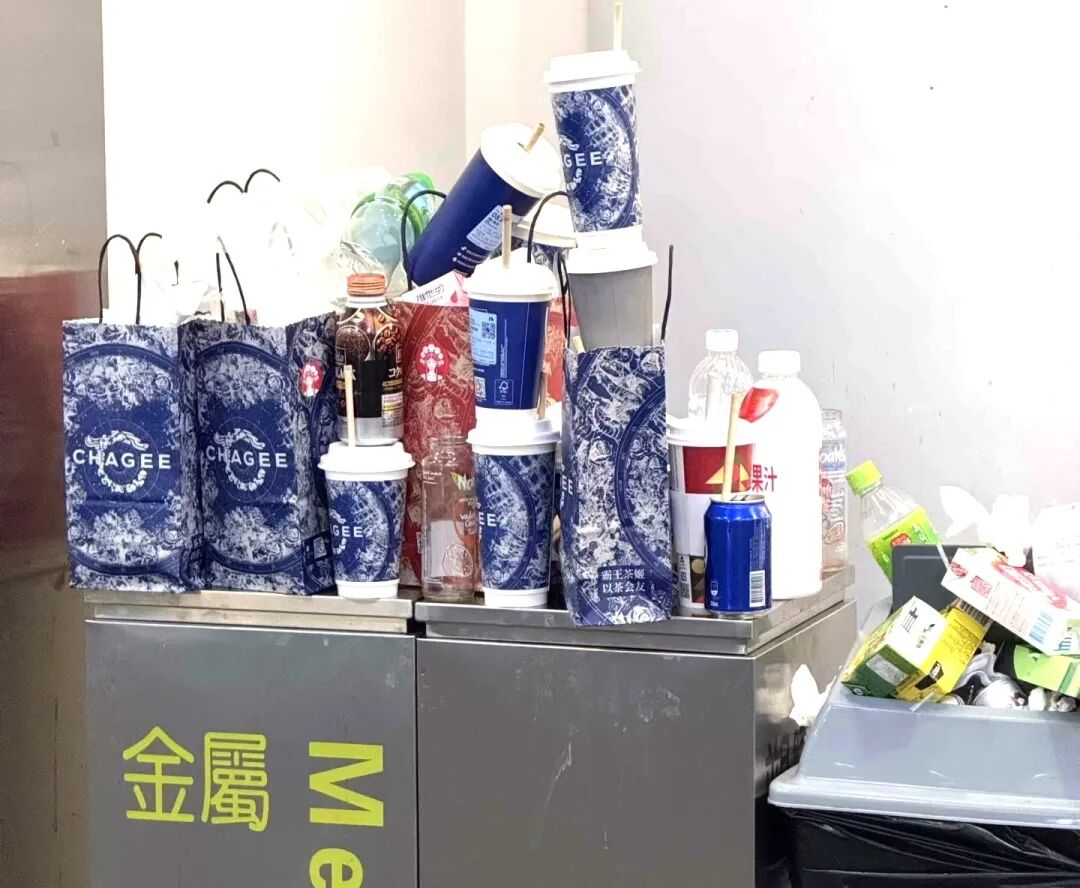
期末周校园垃圾桶,藏着饮品大战的最前线
3 6 Ke· 2026-01-11 02:28
Core Insights - The competition among beverage brands in university campuses has intensified, particularly during exam periods, as evidenced by the overwhelming presence of coffee and tea packaging in library trash bins [1][5][9] - Social media discussions highlight the significant consumption of beverages by students during finals, indicating a strong market demand [2][4] Industry Overview - The beverage market in universities is characterized by a fierce competition among brands like Luckin Coffee, Kudi, and others, with each brand employing different strategies to capture market share [9][15] - Luckin Coffee has established a significant presence with 29,214 stores as of Q3 2025, with 6.83% of its stores located in schools [11] - Kudi Coffee is also expanding rapidly, aiming to surpass 18,000 stores by December 2025, with 9.42% of its locations in educational institutions [11][13] Market Dynamics - The demand for beverages in university settings is driven by students' high consumption rates, particularly during exam periods, creating a lucrative market for beverage brands [17] - The annual compound growth rate of the campus dining market is projected to be 31.6%, with expectations to exceed 600 billion yuan by 2025, indicating substantial growth potential [17] - Brands are increasingly focusing on campus locations not only for immediate sales but also to build long-term customer loyalty among young consumers [17] Brand Strategies - Different brands are adopting unique strategies to penetrate the campus market, such as Kudi's low-investment store model and Bawang Tea's premium positioning [15][17] - The presence of co-branded packaging suggests that collaborative products are gaining popularity among students, further enhancing brand visibility [8]
5家消费公司拿到新钱;古茗2025年超额完成开店计划;泡泡玛特马年盲盒线上一分钟售罄|创投大视野
36氪未来消费· 2026-01-10 15:05
Investment Opportunities - Mu Xiaoma completed nearly 10 million RMB in Pre-A financing, with funds allocated for self-research of core components and new product development [3] - Canmi Bio raised 20 million RMB in angel round financing, focusing on enhancing its supply chain system [4] - Su Man Xiang secured several million RMB in A round financing, aimed at supply chain optimization and brand influence enhancement [6] - Xing Lian Future SATELLAI announced several million RMB in A round financing for AI technology development in pet health [8] - Zhang Bang Food completed 10 million RMB in angel round financing, focusing on capacity expansion and global supply chain network construction [9] Company Expansion Plans - Gu Ming exceeded its 2025 target by opening hundreds of additional stores, reaching a total of 13,000 stores by the end of 2025, with plans to open 4,000 more in 2026 [10][11] - Ming Ming Hen Mang is set to become the first "bulk snack stock" in Hong Kong, achieving a retail sales volume of 66.1 billion RMB, a 74.5% increase year-on-year [14] Market Trends - Disney's "Zootopia 2" became the highest-grossing Hollywood film in China, with box office revenue of approximately 4.25 billion RMB [19] - The domestic travel market saw 142 million trips during the New Year holiday, with total spending of 84.789 billion RMB [22]






我为什么劝你少喝9.9元的咖啡?
洞见· 2026-01-10 12:35
Core Viewpoint - The article emphasizes the quality and health benefits of coffee and milk products sourced from Yunnan and Xinjiang, highlighting their natural ingredients and production processes that ensure high standards of quality and taste [2][38]. Group 1: Coffee Insights - Yunnan coffee is currently in its golden flavor period, making it an ideal time for coffee enthusiasts to enjoy its rich aroma [6][9]. - The coffee beans from Yunnan, particularly the Arabica variety, are known for their balanced flavor and low caffeine content, making them gentler on the stomach [64][74]. - The freeze-dried coffee developed by the Yunnan Agricultural Academy retains the beans' freshness and aroma, providing a taste comparable to freshly ground coffee [19][78]. - The product is free from additives like sugar and cream, making it suitable for health-conscious consumers [66][70]. - The official price for the coffee is set at 59 yuan per can, with a promotional offer of 59.9 yuan for two cans [35][86]. Group 2: Milk Product Insights - The Xinjiang "土姥姥" milk is sourced from a pristine desert oasis, ensuring high-quality milk production [38][90]. - This milk contains 3.1g of protein and 100mg of calcium per 100ml, meeting both Chinese and EU safety standards [42][44]. - The milk is produced from high-quality Holstein cows, known for their high milk yield and protein content, raised in a controlled environment [98][104]. - The production process emphasizes strict quality control, ensuring that every drop of milk meets high standards [96][108]. - The pricing for the milk is competitive, with offers such as 89 yuan for three boxes [56].
永和大王等中国业务或被“打包”上市,快乐蜂意图国际资本
Sou Hu Cai Jing· 2026-01-10 03:12
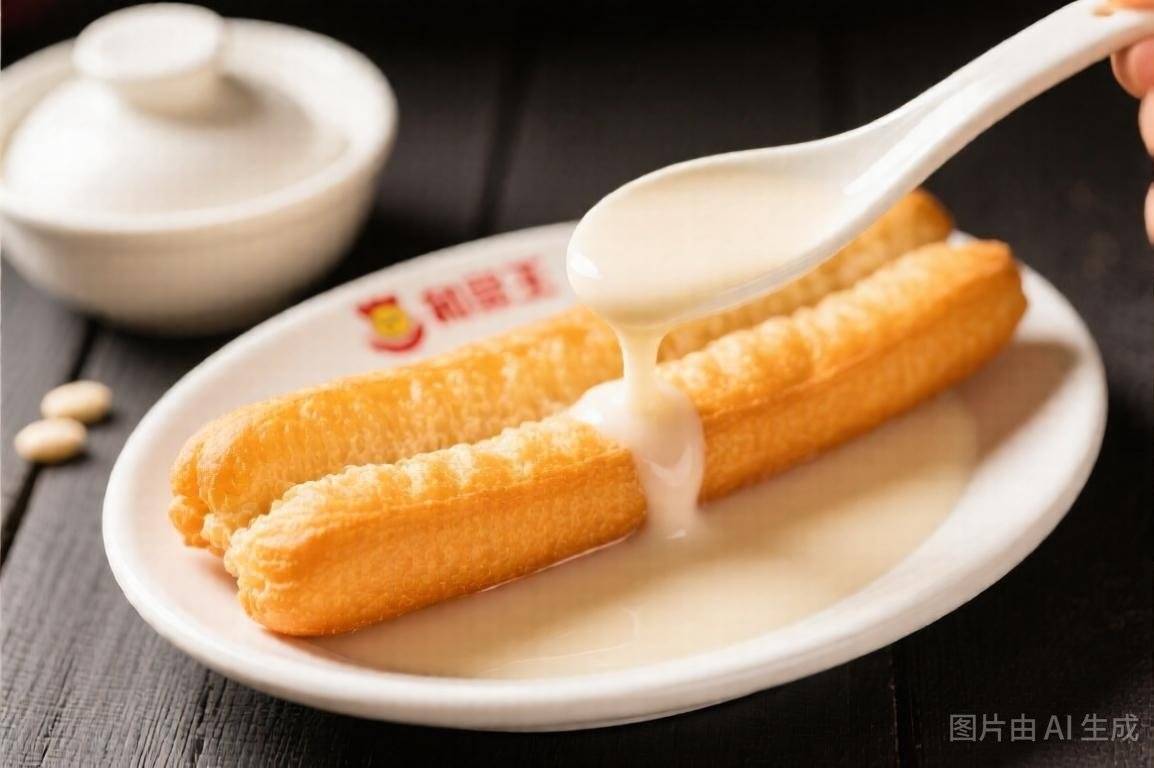
来源:GPLPCN 近日,有媒体报道称,菲律宾餐饮巨头快乐蜂食品集团宣布了一项重大计划:分拆包括中国业务在内的所有国际业务,成立一家名为"快乐蜂国际公司"的新 实体,并计划在2027年底前于美国证券交易所独立上市。 若顺利实施,在中国拥有永和大王、宏状元等多个品牌,门店数量超550家的业务板块,将开启一段全新的资本航程。 不过,快乐蜂这艘准备驶向资本深海的战舰,在中国水域正面临不小的风浪。为了应对激烈的本土竞争,特别是来自瑞幸、蜜雪冰城等品牌在加盟商和投资 回报率上树立的新标杆,永和大王已经主动调整了航向,包括推行"超值模式",通过降低菜单价格来吸引顾客,换来了订单量的大幅增长。 此外,永和大王等品牌还大幅降低了新开门店的成本,将单店投资进行大幅压缩,并计划将新店重点开在二线城市的社区等租金更友好的区域,目标是将投 资回收期缩短。这些策略调整已初见成效,快乐蜂中国业务在2025年第三季度实现了同店销售额增长8%的回升。 此番分拆上市,可视为快乐蜂为其国际业务,尤其是中国业务,注入的一剂"强心针"。独立上市不仅能募集到更专注的国际扩张资金,提升品牌在全球市场 的知名度,也能让不同偏好的投资者更清晰地选择投资标的 ...
新茶饮一年消失15.7万家,品类选错了?
3 6 Ke· 2026-01-09 12:39
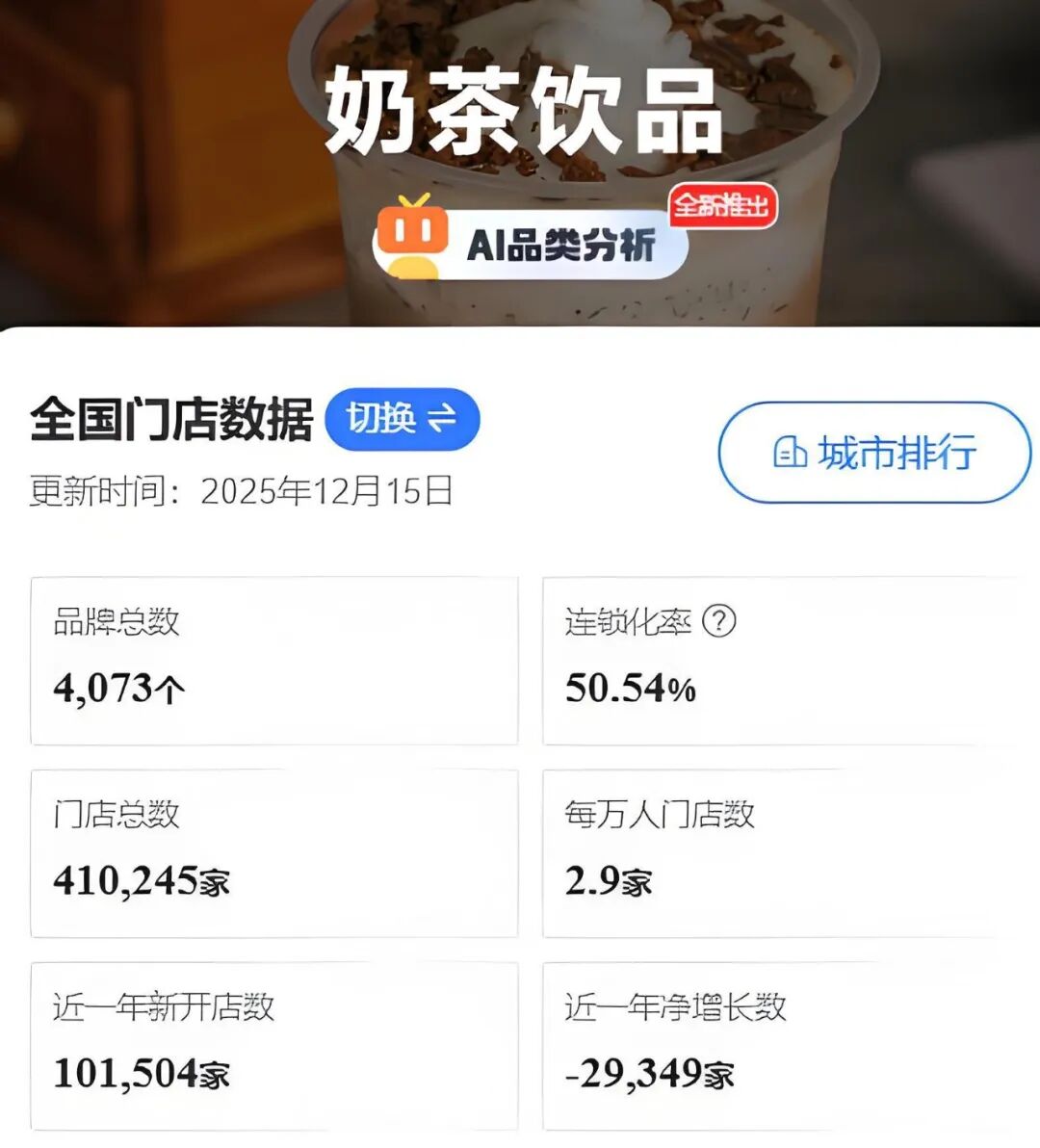
Core Insights - The new tea beverage sector in China has seen significant growth, with major brands like Mixue Ice City, Gu Ming, and others successfully going public, leading to the emergence of the "New Tea Beverage Six Dragons" [1][10] - The total number of tea beverage stores in China has surpassed 400,000, but the industry is experiencing a rapid "survival of the fittest" phase, with 157,000 stores closing in the past year [1][3] Industry Overview - The new tea beverage industry is characterized by a high chain rate of 50.54%, with a total of 410,245 stores and a net decrease of 29,349 stores in the past year [3] - The development of the tea beverage sector has evolved from low-cost, low-quality products in the 1980s to a focus on high-quality tea and innovative flavors in recent years [4][7] Brand Development - Major brands have adopted different strategies, with some focusing on single-hit products while others diversify their offerings [9][10] - The "single-hit" strategy has allowed brands like Shuyi Burned Fairy Grass to optimize their product development and operational efficiency, but it also poses risks if consumer preferences shift [11][13] Product Innovation - The introduction of unique products like cheese milk cap tea has revolutionized the market, leading to a focus on high-quality tea bases and innovative flavor combinations [5][7] - Brands are increasingly exploring the use of fresh fruits and unique ingredients to differentiate their products, although this also complicates supply chain management [8][17] Market Challenges - The rapid expansion of the new tea beverage market has led to intense competition and a high rate of store closures, indicating a need for brands to innovate continuously [1][13] - Supply chain complexities are increasing as brands strive to maintain quality and manage costs, with some companies investing in their own ingredient sourcing [17][18]