安踏

Search documents
安踏并购锐步已完成实缴?
Nan Fang Du Shi Bao· 2025-08-07 23:10
Group 1 - Anta Group is reportedly eyeing the acquisition of Reebok's China operations from Authentic Brands Group (ABG), following its recent acquisition of the German outdoor brand Jack Wolfskin [1][6] - If the acquisition of Reebok is finalized, it would mark another significant addition to Anta's portfolio, which already includes brands like FILA, Descente, and Amer Sports [1][6] - Anta has a history of successful acquisitions, transforming struggling brands into profitable entities, as seen with its turnaround of FILA in China [6][9] Group 2 - Reebok, once the world's leading sports brand in the 1990s, has seen a decline in market share and brand value, with its global market share projected to remain below 1.5% in 2024 [2][4] - The brand's sales in China have been underwhelming, with total sales on major e-commerce platforms amounting to only 160 million RMB last year [4] - Reebok was sold by Adidas to ABG for approximately 2.1 billion euros (around 2.5 billion USD) in 2021, but has struggled to regain its former prominence [3][4] Group 3 - Anta's acquisition strategy is characterized by a focus on differentiated positioning across various price segments, allowing it to cater to a wide range of consumer needs without internal brand competition [9] - The company is expanding its global footprint while maintaining a stronghold in the Chinese market, with recent acquisitions aimed at enhancing its international presence [9] - The potential acquisition of Reebok could provide Anta with new growth opportunities, especially as some of its existing brands face slowing growth [9]
电商促销"暑期档"效应凸显 轻奢品类频现历史低价
Jing Ji Guan Cha Bao· 2025-08-07 03:00
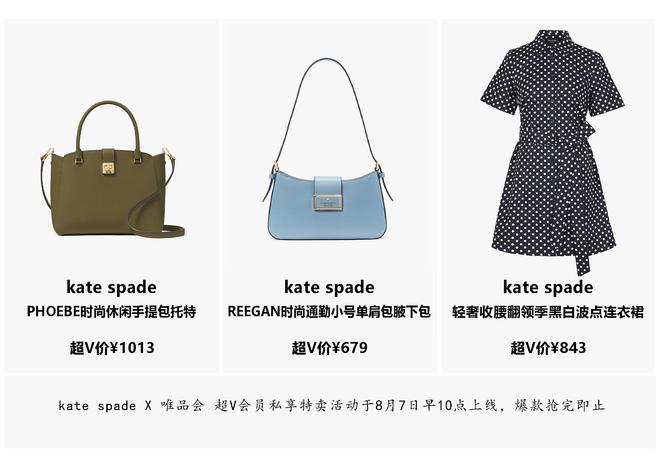
Group 1 - The traditional e-commerce promotional calendar is being disrupted, with significant discounts available during the summer months, leading to a shift in consumer purchasing behavior [1][3] - Consumers are increasingly attracted to high-cost performance products during the summer, as evidenced by the sale of a Kate Spade bag at a price lower than previous promotional events [1] - E-commerce platforms and brands are more willing to offer discounts in the summer, with events like the "8.8 Fast Grab Festival" providing prices 20% lower than regular levels [1] Group 2 - The summer season has seen a surge in demand for categories such as light luxury and sportswear, with brands like Anta, Fila, and Skechers identifying this period as a new growth opportunity [3] - Consumers are shifting from concentrating their spending during major promotional events to seeking value in everyday purchases, indicating a move towards a more regular promotional landscape [3]

安踏李宁特步,集体撞上“中年墙”
创业邦· 2025-08-07 00:09
Core Viewpoint - The Chinese sports brand industry is experiencing a collective slowdown, marked by the end of the "national sports dividend" period and increasing competition from domestic brands, leading to a "mid-life crisis" for leading companies like Anta, Li Ning, and Xtep [6][10][8]. Group 1: Market Trends - The penetration rate of sports shoes in China has reached around 50%, comparable to the US and Japan, with the domestic sports shoe and apparel market expected to grow only 5.9% to 410 billion yuan in 2024, marking the end of the previous decade's double-digit growth [6][10]. - From 2021 to 2023, domestic brands gained market share due to the Xinjiang cotton incident, with Nike and Adidas dropping to 16.2% and 8.7% market shares respectively, while Anta, Fila, and other brands collectively surpassed 20% [6][10]. - The concentration ratio (CR5) of domestic sports brands has reached 53%, making China the market with the highest concentration globally, indicating a shift from offensive strategies to defensive ones for leading brands [6][10]. Group 2: Challenges for Leading Brands - Anta and Li Ning are facing a "mid-life crisis," with both brands reporting low single-digit growth for several consecutive quarters, and Anta's overall growth relying on other outdoor brands [10][11]. - Anta's recent half-year report highlighted increased discount rates and return rates, indicating heightened price sensitivity among consumers, leading to a downward revision of growth targets [10][11]. - The industry is projected to face a turning point in 2024, with Euromonitor forecasting a mere 5.8% growth over the next five years, suggesting that leading brands will not only face industry slowdowns but also market share declines [10][11]. Group 3: Brand Strategy and Operations - The article discusses the challenges of brand operation in the sports apparel sector, noting that while domestic brands have excelled in manufacturing, they have struggled to translate this into global brand recognition [13][14]. - Domestic brands have relied on celebrity endorsements and major events for brand promotion, but this strategy is losing effectiveness as market dynamics change [14][15]. - The article emphasizes the importance of learning from smaller niche brands that have successfully captured market segments by understanding consumer needs better than established brands [18][19]. Group 4: Consumer Engagement and Distribution - The shift from a supply-demand imbalance to oversupply has led to increased competition, with brands needing to adapt to a more consumer-centric approach [21][22]. - Direct-to-consumer (DTC) strategies are highlighted as essential for improving efficiency and understanding consumer preferences, with successful examples from both domestic and international brands [23][24]. - The need for brands to focus on value-for-money propositions is emphasized, as consumers increasingly demand better price-performance ratios, which could reshape the competitive landscape [26][27].
中产三件套之后,安踏又盯上了年轻人的钱包和欧美老炮的情怀?
Feng Huang Wang Cai Jing· 2025-08-06 08:52
Core Viewpoint - Anta is reportedly set to acquire Reebok from ABG, marking a significant move in its global expansion strategy, despite Reebok's declining market presence and challenges faced by previous owners [1][7]. Group 1: Anta's Expansion Strategy - Anta has achieved a revenue of 70.826 billion yuan in 2024, surpassing Nike in the Chinese market for the first time [3]. - The company has built a comprehensive brand matrix through acquisitions, including FILA and Amer Sports, positioning itself as a "sports brand harvesting machine" [5][15]. - Anta's chairman, Ding Shizhong, emphasizes the importance of acquisitions for internationalization, aiming to leverage global markets for growth [3][8]. Group 2: Reebok's Market Position - Reebok, once a leading brand, has seen its global market share drop to less than 1.5% by 2024, struggling to maintain relevance [1][7]. - The brand's e-commerce sales in China are projected to be only 160 million yuan in 2024, highlighting its diminished presence [7]. - Despite its decline, Reebok holds unique value for Anta, particularly in North American distribution channels and its strong basketball heritage [7]. Group 3: Challenges and Opportunities - Anta's potential acquisition of Reebok presents both opportunities to enhance its professional sports segment and challenges in integrating Reebok into its existing brand portfolio [7][15]. - The acquisition price poses a significant challenge for Anta's financial resources, as previous sales of Reebok were at substantial valuations [7]. - Anta must address the complexities of multi-brand management and the integration of Reebok's team to ensure a successful turnaround [15][16].
中产三件套之后,安踏又盯上了年轻人的钱包和欧美老炮的情怀?
凤凰网财经· 2025-08-06 08:43
Core Viewpoint - Anta is reportedly set to acquire Reebok from ABG, marking a significant move in its global expansion strategy, despite Reebok's decline in market share and previous ownership challenges [1][2][4]. Group 1: Anta's Expansion Strategy - Anta has established itself as a leader in the Chinese sports market, surpassing Nike China with a revenue of 70.826 billion yuan in 2024 [4]. - The company has successfully built a diverse brand portfolio through acquisitions, including FILA and Amer Sports, enhancing its market presence [7][9]. - Anta's chairman, Ding Shizhong, emphasizes the importance of internationalization through mergers and acquisitions to strengthen the company's global footprint [4][10]. Group 2: Reebok's Historical Context - Reebok, founded in 1958, was once a dominant player in the sports industry, surpassing Nike in sales in 1987, but has struggled since its acquisition by Adidas in 2006 [9]. - The brand's sales in China are projected to be only 160 million yuan in 2024, highlighting its decline [9]. - Despite its challenges, Reebok possesses valuable assets such as a North American distribution network and a strong reputation in basketball and fitness, which could benefit Anta [9][10]. Group 3: Challenges and Opportunities - Anta's potential acquisition of Reebok presents both opportunities and challenges, including the need to integrate Reebok into its existing brand matrix and manage the complexities of multi-brand operations [9][18]. - The acquisition could enhance Anta's professional sports segment and facilitate its entry into international markets, particularly in North America [9][10]. - However, the financial implications of the acquisition and the need for effective brand positioning and team integration remain significant hurdles [9][18]. Group 4: Future Directions - Anta's strategy includes a dual approach of high-end professional and mass-market trendy products, aiming to optimize its brand portfolio and operational efficiency [20]. - The company has continued its acquisition strategy, including a recent investment in South Korea's Musinsa and the acquisition of Jack Wolfskin, to strengthen its market presence [17][18]. - The success of these strategies will depend on Anta's ability to leverage its acquisitions effectively and respond to the evolving competitive landscape in the sportswear industry [20].
8月5日财经简报|中国船舶吸收合并中国重工 A股热度居高
Sou Hu Cai Jing· 2025-08-05 10:34
Group 1: Corporate Restructuring and Market Dynamics - China Shipbuilding has absorbed and merged with China State Shipbuilding Corporation, with a transaction scale of 115.15 billion yuan, marking a significant move in state-owned enterprise consolidation [2] - The A-share market remains active, with 1.96 million new accounts opened in July, a year-on-year increase of 71%, and the Shanghai Composite Index rising by 0.96% to recover above 3600 points [2] Group 2: Policy and Economic Data - The State Council plans to implement interest subsidies for consumer loans to lower financing costs, particularly for car and home appliance purchases, although there are uncertainties regarding interest rates returning to the "2% range" [3] - Starting August 8, new government bond interest will be subject to value-added tax, which may impact bond yields and bank funding costs [4] - The "Two New" policy has shown significant results, with manufacturing sales revenue increasing by 8.9%, and high-tech and digital economy core industries growing by 14.3% and 10.1%, respectively [5] Group 3: Company Highlights - Tesla's board has approved granting Elon Musk restricted stock worth approximately 30 billion dollars to incentivize his retention, amidst ongoing discussions regarding his compensation plan and Tesla's stock price volatility [6] - Anta has responded to rumors of acquiring Reebok by stating it does not comment on market speculation, but such a transaction could reshape the sports apparel industry [6] Group 4: Global Trade and Geopolitics - The U.S.-China tariff dispute continues, with Trump threatening to raise tariffs on India, while the EU has paused countermeasures against the U.S., drawing criticism from former EU officials regarding the impact on European strategic autonomy [9] - International oil prices have seen a four-day decline, with U.S. oil dropping to 66 dollars per barrel due to OPEC+ production increases and weak U.S. demand [10] Group 5: Artificial Intelligence and Technology Applications - The State Council is promoting the "Artificial Intelligence +" initiative, coinciding with the upcoming release of GPT-5, which is expected to boost the AI industry chain, including sectors like robotics and semiconductors [12] - SAIC has achieved mass production of semi-solid state batteries, drawing attention to related concept stocks such as Shanghai Xiba [13] Group 6: Energy and Raw Materials - The recovery of U.S. shale oil production, combined with expectations for Chinese demand, has led to significant price fluctuations in non-ferrous metals like copper and nickel, while gold prices have risen due to safe-haven demand [14]



中国可选消费行业:群雄激战,拉锯持续:业绩前瞻与展望
Bank of China Securities· 2025-08-05 07:18
Investment Rating - The report maintains an "Overweight" rating for the Chinese discretionary consumption sector [2] Core Insights - The overall consumption in China has received some support from national policies and e-commerce platform subsidies, but competition among brands and retailers has intensified, leading to potential risks of underperformance in earnings for many companies [2][3] - The report anticipates that the recovery of the current consumption cycle may take longer compared to the 2010s, which could result in faster capital rotation and less patience from investors [2] - Chinese companies are becoming increasingly competitive overseas, with international expansion seen as a significant growth driver for profitability [2] Summary by Sections Overall Consumption Performance - In the first half of 2025, China's total retail sales increased by 5.0% year-on-year, but there was a slowdown in sales data during the second quarter [5][6] - The home appliance sector showed strong performance with a year-on-year growth of 30.7% due to trade-in subsidies, supporting overall retail data [5][6] E-commerce and Competitive Landscape - The 618 shopping festival saw a total GMV of 855.6 billion RMB, a 15.2% increase year-on-year, but the competition was tougher than in 2024, leading to challenges for brands [5][6] - The report predicts that the upcoming Double 11 shopping festival will continue this trend of intense competition, potentially leading to downward adjustments in earnings guidance for many companies [5][6] Sector-Specific Insights Home Appliances - The report expects the central government's trade-in subsidies for durable goods to be extended into the second half of 2025, but the marginal benefits may decline due to previously released demand [5][6] - A potential price war is anticipated in the fourth quarter of 2025 due to demand slowdown and competition from emerging brands [5][6] Tourism - The tourism sector is expected to benefit from continued consumer demand for experiential consumption, although domestic air travel has slowed down in 2025 [5][6] - The report is optimistic about leading companies in the hotel sector outperforming the industry, with expectations of moderate year-on-year recovery in RevPAR metrics [5][6] Toys and Jewelry - The toy and jewelry sectors are currently performing strongly, with expectations for continued momentum into the second half of 2025 [5][6] - The overseas market is seen as a bright spot for toy companies, despite tariff threats, with new product launches anticipated in the fourth quarter [5][6] Apparel - The apparel sector's performance in the second quarter of 2025 was below expectations, leading to increased competition among brands in the Chinese market [5][6] - High-end brands are expected to accelerate their overseas expansion, albeit at the cost of some profit margins [5][6] Valuation and Market Outlook - The report notes that the consumption sector's valuations remain at historically low levels, with only a few leading companies showing higher valuations due to market concentration [9][10] - Without significant economic stimulus, the recovery of the consumption sector's profitability may take longer than previous cycles, limiting the upward movement of valuation multiples [9][10] Stock Selection Logic - The report highlights specific companies such as Anta, Tongcheng Travel, Pop Mart, and Blokus as having strong potential for growth both domestically and internationally [2][5]


八马茶业赴港IPO,仍有三大悬念待解
Sou Hu Cai Jing· 2025-08-04 05:01
Core Viewpoint - Baima Tea Industry has made progress in its IPO process in Hong Kong, having received the "full circulation" filing notice from the China Securities Regulatory Commission (CSRC), allowing it to enter the hearing stage at the Hong Kong Stock Exchange [2][3]. Group 1: IPO Progress - Baima Tea plans to issue up to 29.13 million shares of overseas listed ordinary shares, while 106 shareholders will convert 43.9869 million shares of unlisted domestic shares into overseas listed shares [2]. - The previous IPO application submitted on January 17, 2023, became invalid due to the lack of the CSRC's "full circulation" filing notice, which is now resolved [3]. - The company must update its prospectus within three months to continue the review process [3]. Group 2: Historical Challenges - Baima Tea's IPO journey has faced multiple challenges, including a failed attempt to list on the Shenzhen Stock Exchange in 2013 and subsequent withdrawals from the market due to regulatory issues [5][6]. - The CSRC raised 46 specific questions regarding the company's operations, including concerns about related party transactions and the adequacy of R&D investment [5][6]. Group 3: Compliance and Regulatory Issues - The key to Baima Tea's successful listing hinges on resolving previous regulatory concerns, particularly regarding related party transactions, which amounted to approximately 300 million yuan in 2020 [6][8]. - The company has a complex network of related party transactions, with over 60% of significant transactions linked to the controlling shareholder's family [6][10]. Group 4: Financial Metrics and Requirements - Baima Tea has exceeded the profitability requirements set by the Hong Kong Stock Exchange, with a net profit of 3.72 billion yuan from 2022 to 2023 and 208 million yuan in the first three quarters of 2024 [12][13]. - The company meets the operational history and management stability requirements, having been established for 28 years and controlled by the Wang family [12][13]. Group 5: Market Challenges - The traditional tea industry has low capitalization, with only two listed tea companies in Hong Kong, both of which have underperformed in the market [19][21]. - The tea market in China is substantial, with a projected domestic sales market size of 340 billion yuan in 2024, but the industry faces challenges in transparency and standardization [20]. Group 6: Future Considerations - Baima Tea's ability to attract investors post-IPO remains uncertain, as traditional tea companies struggle to gain market interest due to a lack of recognition and investor confidence in their business models [24]. - The company must navigate several critical steps in the IPO process, including submitting updated application materials, passing the hearing stage, and successfully marketing its shares to potential investors [15][16].
耐克回到起跑线
3 6 Ke· 2025-08-03 23:41
Core Insights - Nike's brand connection with China has weakened over the past two decades, leading to a significant decline in revenue and brand narrative clarity [4][5][6] - The latest financial report indicates a 21% year-over-year revenue drop in the Greater China region, with e-commerce down 31% and wholesale channels down 24% [4][17] - The company's shift towards a Direct to Consumer (DTC) model has created initial efficiencies but has also led to a disconnect with local market dynamics [16][29] Group 1 - Nike's advertising strategy in the early 2000s effectively resonated with a nation eager for recognition and success, exemplified by Liu Xiang's Olympic victory [1][2] - The brand's previous dominance in the market was characterized by consistent double-digit growth, with little competition, leading to complacency [8][12] - The rise of the sneaker resale market in 2019 marked a shift in consumer behavior, focusing more on investment potential rather than product experience [9][10] Group 2 - Under CEO John Donahoe, Nike adopted a DTC approach, which initially seemed effective but ultimately led to a loss of brand identity and connection with consumers [15][21] - The restructuring of the organization to prioritize efficiency over brand essence has diluted Nike's core narrative centered around sports [23][28] - The company's response to market challenges has been slow and ineffective, revealing deeper issues within its global structure and decision-making processes [30][32] Group 3 - The introduction of the "Win Now" strategy aims to restore Nike's brand spirit by focusing on local market needs and empowering regional leadership [36][38] - The shift back to professional and technical products reflects a recognition of changing consumer preferences towards lifestyle and comfort [45][46] - Nike's recent organizational changes indicate a move towards greater local adaptability, essential for regaining market relevance in China [40][46]

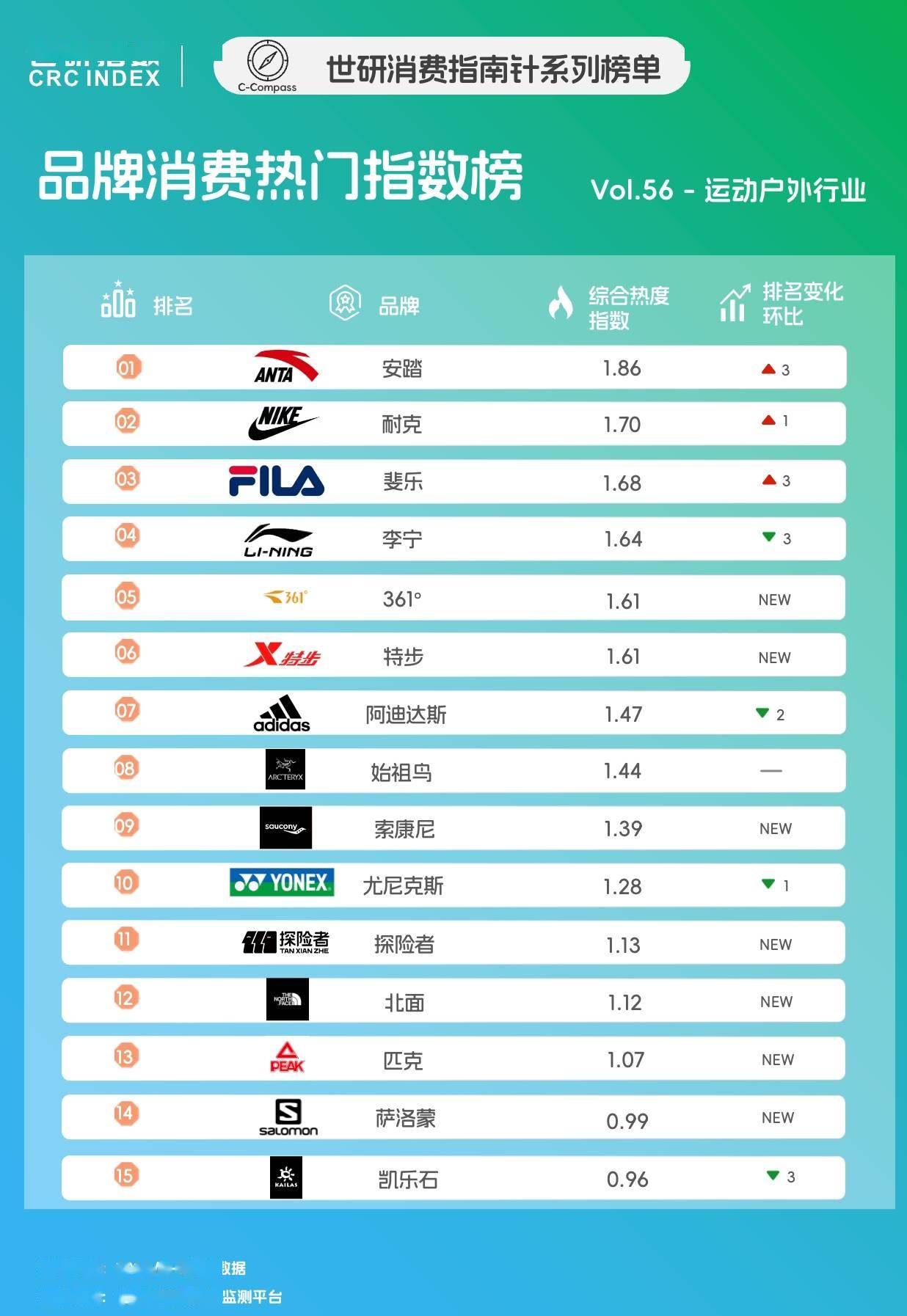
运动品牌营销细分,潮流基因强化圈层认同|世研消费指数品牌榜Vol.56
Sou Hu Cai Jing· 2025-08-01 11:51
Group 1: Domestic Sports Brands - Domestic sports brands such as Anta, Li Ning, 361°, and Xtep are utilizing a dual strategy of technological democratization and precise scene targeting to capture the segmented sports market [4] - Anta has introduced the Mach 5SE running shoes with advanced nitrogen technology and carbon tube anti-twist system at a price below 500 yuan, while Li Ning has implemented a full-sole heterogeneous carbon plate for professional scene configuration, breaking the monopoly of international brands on high-end technology [4] - Brands are addressing localized needs by dissecting sports scenarios; for instance, 361° developed a "wetland anti-slip" outsole for rainy regions, and Xtep's Hydrogen Wind 5.0 targets high-temperature training environments in southern China [4] Group 2: International Sports Brands - International brands like Nike, Adidas, Fila, Saucony, and Yonex are leveraging cutting-edge technology and precise marketing to establish a stronghold in the high-end market [5] - Nike has reinforced its dominance in the elite racing segment with the ZOOMX midsole in the Vaporfly Next% 3, while Saucony addresses marathon runners' core pain points with the Endorphin Pro4's carbon fiber structure [5] - Marketing strategies focus on deepening connections with specific consumer segments; for example, Nike's limited edition Kobe 8 "What The Kobe" has generated global collector interest, and Adidas has collaborated with Japanese street brand BAPE to create a new SUPERSTAR series [5]