
顺鑫农业

Search documents
酒业半年大考:八仙过海寻出路,三大趋势定格局
Sou Hu Cai Jing· 2025-07-21 07:29
Industry Overview - In 2024, the production of large-scale liquor enterprises is expected to reach 4.145 million kiloliters, a year-on-year decrease of 1.8%, while sales revenue is projected to increase to 796.38 billion yuan, a year-on-year increase of 5.3%, indicating a unique trend of "declining volume but increasing profit" [2] - By the first half of 2025, 59.7% of liquor companies reported a decline in operating profit, and 50.9% experienced a contraction in revenue, with an average inventory turnover period of 900 days, up 10% year-on-year, highlighting significant challenges in the industry [2] Key Trends - The industry is witnessing a simultaneous trend of "contraction and concentration," with smaller companies exiting the market and leading firms shifting focus from "high-speed growth" to "steady development" [3] - A "channel revolution" is underway, with major companies moving towards direct consumer engagement through new sales channels like online platforms and instant retail, indicating a shift in power from distributors to brands [4] - Consumer demand is evolving, driven by younger consumers, leading to product upgrades towards lower alcohol content and diverse flavors, with major brands launching new products to cater to these trends [5] Company Performance - **Kweichow Moutai**: Aims for a 9% revenue growth by 2025, with a first-quarter revenue of 51.443 billion yuan, up 11.07%, and a net profit of 26.847 billion yuan, up 11.56%, demonstrating strong execution of its strategic goals [6][7] - **Wuliangye**: Targets revenue growth in line with macroeconomic conditions, reporting a first-quarter revenue of 36.940 billion yuan, up 6.05%, and a net profit of 14.860 billion yuan, up 5.80%, with ongoing channel reforms [6][8] - **Luzhou Laojiao**: Focuses on low-alcohol products, with a first-quarter revenue of 9.352 billion yuan, up 1.78%, and a net profit of 4.593 billion yuan, up 0.41%, indicating a strong market position in lower alcohol segments [6][9] - **Shanxi Fenjiu**: Reports a first-quarter revenue of 16.523 billion yuan, up 7.72%, and a net profit of 6.648 billion yuan, up 6.15%, with ongoing efforts in national expansion and product innovation [6][10] - **Guojiao**: Achieves a first-quarter revenue of 5.099 billion yuan, up 9.17%, and a net profit of 1.644 billion yuan, up 7.27%, driven by a focus on the wedding market [6][12] Strategic Shifts - The industry is transitioning from "incremental expansion" to "stock optimization," with companies focusing on refining existing markets rather than pursuing aggressive growth [17] - A shift from "channel-driven" to "consumer-driven" strategies is evident, with companies prioritizing direct consumer engagement and enhancing consumer experiences [18] - The trend is moving from "high alcohol content" to "low and diverse products," with major brands launching lower alcohol options to attract younger consumers [20] - Companies are increasingly emphasizing "long-term value" over short-term performance, with a focus on cultural branding and sustainable growth strategies [21] - The shift from "national expansion" to "regional deepening" is becoming a survival strategy for many companies, focusing on local market penetration and brand recognition [22][23]






大佬紧急套现5亿!口子窖股东狂抛1000万股,股价悬了!
Sou Hu Cai Jing· 2025-07-20 16:18
Group 1 - The major shareholder of Kuozi Jiao, Liu Ansheng, sold 10 million shares for 500 million yuan, citing "personal funding needs," which raises questions about the legitimacy of this reason given his significant stake of 42.01% in the company [1][3] - The method of selling shares was through a "block trade," allowing for a discreet transaction that avoids immediate market impact, but potentially at a discount, which could harm retail investors [3][4] - The timing of the sale, which must be completed within three months after a 15-day trading period, suggests urgency that may indicate insider knowledge of potential negative news, such as disappointing quarterly results [4][6] Group 2 - Kuozi Jiao, a leading regional liquor company, is facing challenges due to increased competition from major brands like Moutai and Wuliangye, which are capturing market share in lower price segments [6][8] - Despite a projected revenue growth of 5% to 8 billion yuan in 2024, net profit growth is only 2%, indicating rising costs outpacing revenue growth, leading to a decline in profit margins [6][7] - The company's inventory turnover days have increased from 80 to 100 days, suggesting excess stock that may need to be sold at lower prices, further squeezing profit margins [7] Group 3 - The current state of the liquor market reflects a "winner-takes-all" scenario, where leading brands thrive while regional players like Kuozi Jiao struggle to survive [8][9] - Changing consumer preferences, particularly among younger generations who favor beer and wine over traditional liquor, pose a long-term risk to Kuozi Jiao's customer base [8] - Regulatory pressures, such as stricter alcohol consumption policies, further complicate the market landscape for Kuozi Jiao, which primarily targets business-related consumption [8]

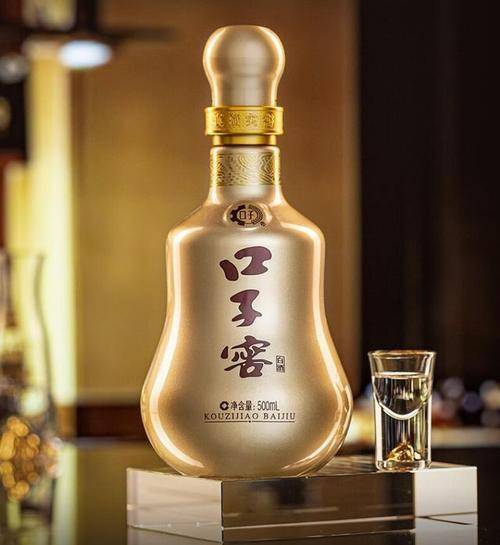
食饮行业周报(2025年7月第3期):龙头白马持续反弹,大众品Q2业绩表现分化-20250720
ZHESHANG SECURITIES· 2025-07-20 11:52
Investment Rating - The industry rating is maintained as "Positive" [4] Core Views - The rotation between old and new consumption sectors continues, with leading brands in liquor and dairy products rebounding. The performance of mass-market products in Q2 shows divergence, with new consumption-related stocks experiencing rapid growth despite previous adjustments in performance expectations. Traditional channel reforms have impacted some stocks, leading to ongoing adjustments in performance [1][3][33] - The liquor sector is expected to have limited downside potential for leading companies, with high ROE, dividends, and cautious profit assumptions indicating a valuation floor. Recommended stocks include Guizhou Moutai, Shanxi Fenjiu, and Luzhou Laojiao [2][12] - New consumption trends are anticipated to continue, with potential for recovery in the second half of the year. Focus on low-priced or undervalued stocks with future catalysts, including Wei Long, Yili, and Wancheng Group [1][3][33] Summary by Sections Liquor Sector - The liquor sector remains at a low point, with a focus on potential policy catalysts and rebound opportunities. Leading brands with strong market positions are prioritized for investment. Recommended stocks include Guizhou Moutai, Wuliangye, and Shanxi Fenjiu [2][12] - Recent performance shows a positive trend, with Luzhou Laojiao, Yanghe, and Jiu Gui Jiu leading in gains, while Jinzhidao and Huangtai Jiuye faced declines [5][39] Mass-Market Products - The new consumption paradigm is reshaping the food and beverage investment landscape. Despite a recent pullback, the long-term trend remains positive, with clear opportunities for continued investment. Focus on stocks that align with new consumption trends, such as Wei Long, Yili, and Wancheng Group [3][33] - The mass-market sector has seen significant fluctuations, with stocks like Huangshi Group and Guoquan showing strong gains, while stocks like Ganyuan and Gu Ming faced notable declines [39][42] Performance Metrics - From July 14 to July 18, the Shanghai Composite Index rose by 1.09%, with non-dairy beverages and liquor sectors showing gains of 2.16% and 1.30%, respectively. Conversely, frozen foods and snacks experienced declines of 2.26% and 1.10% [39][40] - The valuation levels for the food and beverage industry have adjusted, with the liquor sector showing the highest valuation increase this week [43]

牛栏山二锅头也没人喝了?顺鑫农业上半年净利跌近六成
Guan Cha Zhe Wang· 2025-07-19 09:17
Core Viewpoint - The performance of Beijing Shunxin Agriculture Co., Ltd. is declining significantly due to the deep adjustment in the liquor industry, with a projected net profit drop of 53.85% to 63.32% for the first half of 2025 compared to the previous year [1][2]. Financial Performance - The expected net profit for the first half of 2025 is between 155 million to 195 million yuan, down from 423.57 million yuan in the same period last year [1][2]. - Basic earnings per share are expected to decrease from 0.5697 yuan to below 0.2629 yuan, a decline of approximately 54% [1][2]. - In 2023, the company reported net losses of 673 million yuan and 296 million yuan in 2022, indicating a trend of financial struggles [3]. Business Segments - The liquor segment contributes nearly 80% of the company's revenue, primarily through its "Niulanshan" and "Ningcheng" brands [2][3]. - The liquor sales model relies heavily on distribution partnerships, with a focus on both local and regional markets [3]. Market Trends - The light bottle liquor market is experiencing rapid growth, with its market size projected to increase from 352 billion yuan in 2013 to 1500 billion yuan by 2024, reflecting a compound annual growth rate of 13.8% [5]. - The price range of 50-100 yuan is identified as a key growth driver, with expectations for the market to exceed 2000 billion yuan by 2025 [5]. Competitive Landscape - The entry of numerous brands into the light bottle liquor segment is intensifying competition, posing challenges for Shunxin Agriculture [7]. - Major liquor companies are increasingly focusing on high-quality light bottle products to capture market share, which may further pressure Shunxin's performance [6][7].


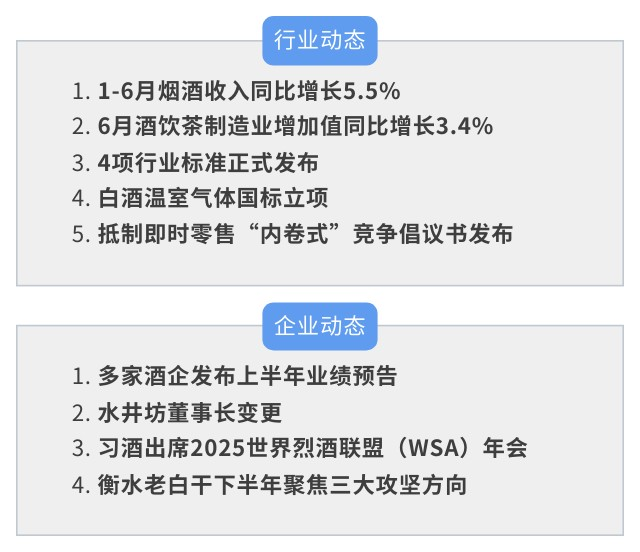
中经酒业周报∣1-6月烟酒收入同比增长5.5%,4项行业标准正式发布,多家酒企发布上半年业绩预告
Xin Hua Cai Jing· 2025-07-18 07:14
Industry Dynamics - In the first half of 2023, the revenue from tobacco and alcohol increased by 5.5% year-on-year, totaling 331.6 billion yuan, while June's revenue was 51.6 billion yuan, showing a decline of 0.7% year-on-year [4] - The added value of the beverage and tea manufacturing industry grew by 3.4% year-on-year in June, with a 4.7% increase in the first half of the year [4] - Four industry standards related to fermented rice wine and fruit wines were officially released, set to be implemented on February 1, 2026 [4] - A national standard for the carbon footprint quantification of liquor was included in the 2025 national standard plan [5] - The China Chain Store & Franchise Association issued a proposal to resist "involution" competition in instant retail, emphasizing the need for fair market practices and sustainable development [5] Company Dynamics - Multiple liquor companies released their performance forecasts for the first half of 2023, showing a significant divergence in results. The white liquor sector generally performed poorly, with Shui Jing Fang's net profit dropping by 56.52% and other companies like Jiu Gui Jiu and Shun Xin Agriculture also reporting substantial declines [7] - Some companies, such as Chuan Jiu Group and Qinghai Spring, reported growth in revenue and profits, while the beer sector, led by Yan Jing Beer, saw a net profit increase of 40%-50% [7] - The wine and yellow wine sectors faced losses, attributed to rising costs and inadequate market expansion [7] - The chairman of Shui Jing Fang Group was replaced, marking a significant change in leadership [10] - Hengshui Laobaigan plans to focus on three key areas in the second half of the year: deepening core market channels, enhancing differentiated operations for banquet scenarios, and accelerating the implementation of a digital marketing system [10]


白酒难卖?皇台酒业上半年预亏450万元至650万元;京东酒水业务上半年整体增长24%丨酒业早参
Mei Ri Jing Ji Xin Wen· 2025-07-17 01:50
Group 1 - The core viewpoint of the news highlights the challenges faced by the liquor industry, particularly the decline in sales revenue for companies like Huangtai Liquor due to market environment changes and intensified competition [1] - Huangtai Liquor expects a net profit loss of 4.5 million to 6.5 million yuan for the first half of 2025, compared to a loss of 3.97 million yuan in the same period last year [1] - The company needs to reassess its market positioning, optimize product structure, and explore new markets to reverse the declining performance [1] Group 2 - JD Group's liquor business experienced a 24% overall growth in the first half of 2025, with self-operated segments growing over 41%, solidifying its position as the largest retail platform in the liquor industry [2] - The partnership between JD and Xijiu has surpassed 1 billion yuan in 2023, with expectations for double-digit growth in 2024 and continued rapid development in 2025 [2] - This collaboration is expected to enhance market expansion and brand influence for Xijiu while strengthening JD's advantages in the liquor sector, contributing to the industry's digital transformation [2] Group 3 - Langjiu announced a comprehensive upgrade of the Langjiu Manor Membership Festival for 2025, featuring "three main venues + hundreds of city sub-venues," which will significantly expand brand reach and consumer interaction [3] - The chairman of Langjiu Group indicated that the quality storage of premium sauce liquor will reach 300,000 tons this year, providing a solid foundation for the brand's quality [3] - The opening of Longma Winery in 2026 is expected to enhance Langjiu's product matrix and expand its market presence in the strong aroma and sauce aroma segments, improving overall competitiveness [3]

被茅台甩开,五粮液增长失速恐难短期翻身!
Sou Hu Cai Jing· 2025-07-17 01:25
Core Viewpoint - The liquor industry, particularly the leading company Wuliangye, is undergoing a significant adjustment period, facing unprecedented challenges and a slowdown in growth, with 2024 showing only single-digit increases in revenue and net profit [1][2][4]. Financial Performance - In 2024, Wuliangye achieved revenue of 89.175 billion yuan, a year-on-year increase of 7.09%, and a net profit of 31.853 billion yuan, up 5.44% [1]. - The first quarter of 2025 saw revenue of 36.94 billion yuan, growing 6.05%, and net profit of 14.86 billion yuan, increasing 5.80% [1]. - The company's revenue growth has reached historical lows, failing to meet the initial double-digit growth targets [1][2]. Market Position and Competition - Wuliangye's performance is lagging behind its competitor Moutai, which reported revenue of 170.899 billion yuan in 2024, with a growth rate of 15.71%, nearly double that of Wuliangye [4]. - The net profit margin for Wuliangye in 2024 was 37.22%, down 0.63 percentage points, while the sales expense ratio increased significantly to 11.99% [4]. Investor Sentiment - Institutional holding in Wuliangye has decreased from 79.26% in 2020 to 73.52% in the first three quarters of 2024, indicating cautious sentiment among professional investors [4]. - The company's market capitalization has dropped by over 500 billion yuan from its peak four years ago, with a current price-to-earnings ratio of around 15 times, significantly lower than its peers [4]. Dividend Policy - Wuliangye announced a record cash dividend of 22.3 billion yuan for 2024, with a payout ratio of 70%, exceeding the average A-share dividend rate of 30% [5]. - Despite the high dividend, market reaction has been muted, with the stock price remaining low [5]. Product and Channel Challenges - Wuliangye faces challenges in product structure and pricing, with a significant increase in promotional expenses, which rose by 49% to 6.76 billion yuan [4][6]. - The company reported a 5.99% increase in revenue from its distribution channels and a 12.89% increase from direct sales channels in 2024 [9]. Inventory and Supply Issues - As of the end of 2024, Wuliangye's inventory reached 18.23 billion yuan, a year-on-year increase of 4.86%, reflecting broader industry inventory challenges [9][11]. - The overall inventory crisis in the liquor industry has surpassed 1 trillion yuan, with significant overproduction issues [11]. Strategic Initiatives - Wuliangye has implemented a "only reduce, not increase" strategy to stabilize pricing, which has shown some short-term success [12]. - The company is attempting to diversify its product offerings to attract younger consumers, but current revenue from these initiatives remains low [14]. Future Outlook - The liquor industry is transitioning from "scale expansion" to "value cultivation," with Wuliangye's challenges reflecting broader structural adjustments within the industry [17]. - The company holds significant cash reserves and a commitment to dividends, providing a buffer for its transformation efforts [18].
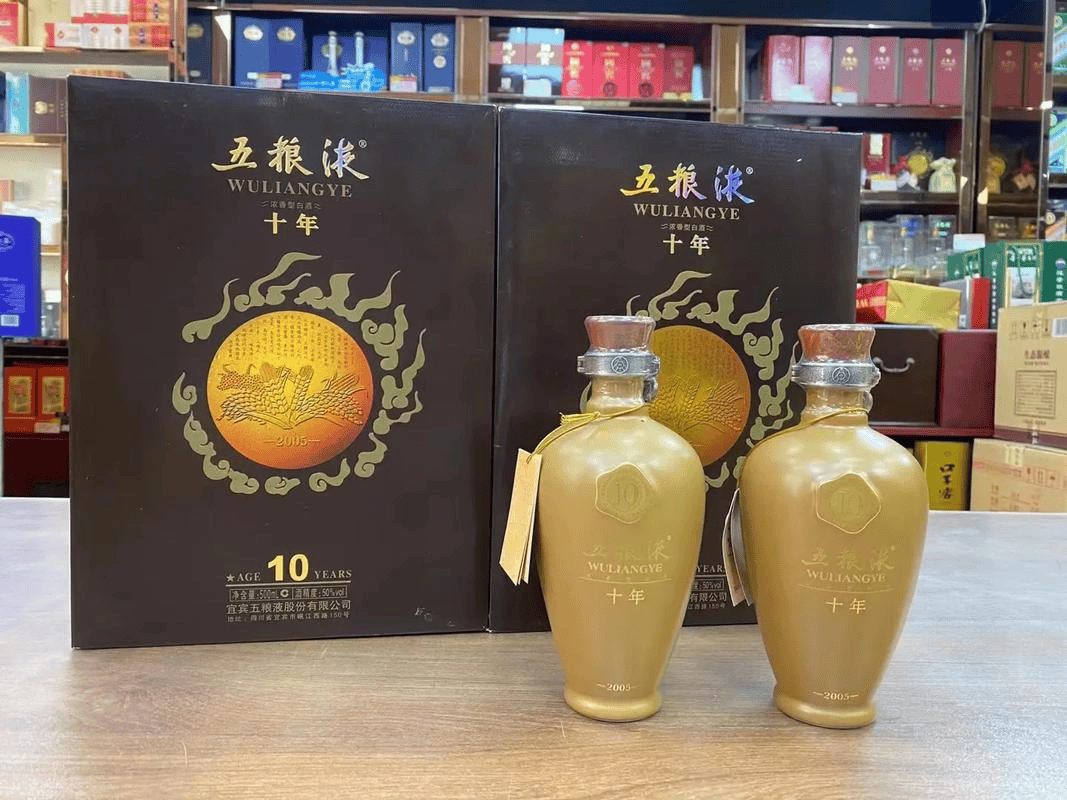
4家白酒股集体暴雷,利润暴跌93%,白酒泡沫彻底破裂了?
Sou Hu Cai Jing· 2025-07-16 07:25
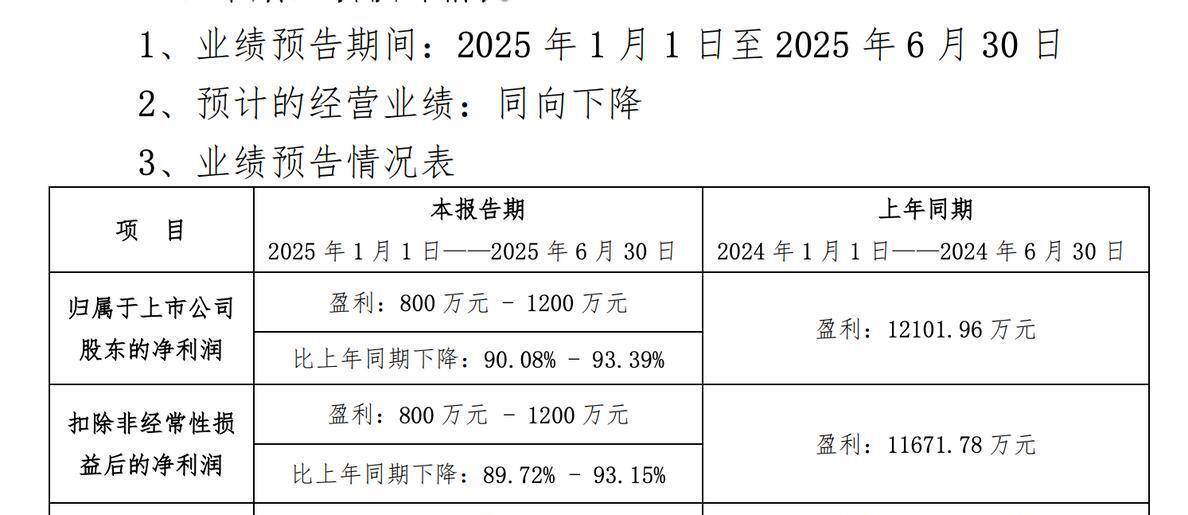
Core Viewpoint - The Chinese liquor industry, particularly the baijiu sector, is facing unprecedented challenges, including plummeting profits, inventory buildup, and price inversion, raising concerns about the potential bursting of the industry's bubble [1] Group 1: Financial Performance - Four listed baijiu companies have issued profit warnings, indicating a significant decline in earnings, with net profits expected to drop by 90.08% to 93.39% compared to the previous year [1] - The company Jiu Gui Jiu is projected to report a net profit of only 8 million to 12 million yuan for the first half of 2025, a staggering 93% decrease year-on-year, with revenue down 43% to 560 million yuan [1] - Water Well Square, despite a 14.54% increase in sales volume, saw revenue decline by 12.84% to 150 million yuan, and net profit halved by 57% to 10 million yuan [2] Group 2: Inventory and Distribution Challenges - Jiu Gui Jiu's dealer network expanded from 528 to 1,774 from 2019 to 2023, leading to severe inventory issues, with a backlog of 1.67 billion yuan and an average turnover period of 1,300 days, significantly higher than the industry average of 800 days [2] - The overall baijiu industry is facing a massive inventory buildup of 150 billion yuan, with 60% of companies experiencing price inversion [5] Group 3: Market Dynamics and Consumer Behavior - The baijiu market is witnessing a structural shift in consumption, with a sharp decline in demand for high-end products and a growing preference for lower-priced options, particularly in the 300-500 yuan range [5] - Young consumers are increasingly abandoning baijiu, with only 19% of those born in the 1990s and 2000s expressing a preference for it, compared to 52% for beer [5] - The traditional sales channels are struggling, with e-commerce now accounting for 18% of sales, and live streaming driving price transparency [8] Group 4: Strategic Responses - Companies are attempting to adapt to the downturn; for instance, Jiu Gui Jiu launched a new product in collaboration with a popular retailer, but concerns remain about the effectiveness of such strategies [7] - Water Well Square is focusing on banquet promotions and cashback offers, yet continues to face significant losses [7] - Major brands like Wuliangye and Moutai are introducing new products aimed at younger consumers, but the effectiveness of these initiatives is still uncertain [7]

一瓶几十元,白酒巨头狂卷光瓶酒
Xin Lang Cai Jing· 2025-07-16 05:50
Group 1 - The core viewpoint of the article highlights the growing popularity of low-priced "light bottle" liquor in the Chinese market, as high-end liquor brands struggle with price declines and sales challenges [1][14][16] - Major liquor companies are launching new products in the light bottle segment, with notable examples including Yanghe's "Yanghe Daqu High Line Light Bottle Liquor" priced at 59 yuan, which sold over 10,000 bottles in 48 hours [1][4] - The light bottle liquor market has reached a scale of approximately 1.5 trillion yuan in 2024, with continued growth expected in 2025, making it one of the most dynamic segments in the liquor industry [3][10] Group 2 - Consumer behavior is shifting towards more rational choices, with a significant portion of consumers prioritizing cost-effectiveness and practicality in their liquor purchases [10][11] - The traditional light bottle liquor market, represented by brands like Niulanshan and Baijiu, has established a strong presence, while new entrants are emerging to capture market share amid changing consumer preferences [7][9] - The competitive landscape is intensifying as more companies enter the light bottle segment, leading to concerns about market saturation and the ability to maintain quality and differentiation [17][18] Group 3 - The high-end liquor market, particularly brands priced above 1,000 yuan, is experiencing significant price declines, with major brands like Moutai and Wuliangye seeing their market prices drop below their official guidance prices [16][17] - The shift towards light bottle liquor reflects a broader trend in the industry where companies are adapting to consumer demands and seeking new growth opportunities in a challenging market environment [15][17] - The light bottle segment is increasingly viewed as a mainstream choice, moving away from its previous perception as a low-end product, and is now seen as a potential growth engine for liquor companies [17][18]


半年报预警白酒“失速之年”:中秋旺季不再来?行业告别击鼓传花
Hua Xia Shi Bao· 2025-07-15 14:41
Core Insights - The Chinese liquor industry is undergoing a significant value reconstruction, moving away from the "easy profit" era as companies face declining sales and profits [1][2][8] - Market participants are compelled to rethink their survival strategies, shifting from reliance on inventory accumulation to focusing on consumer demand [1][6] Performance Decline - Major liquor companies reported substantial profit declines for the first half of 2025, with Shunxin Agriculture's net profit expected to drop by 53.85%-63.32% to between 155 million and 195 million yuan, down from 423 million yuan [2] - Jiu Gui Jiu's net profit is projected to fall by 90.08%-93.39% to between 8 million and 12 million yuan, with revenue expected to decrease by approximately 43% [2] - Jinzhongzi Wine anticipates a loss of 60 million to 90 million yuan, citing ongoing industry adjustments and declining production [2] Market Challenges - The industry is facing increased inventory pressure and a cautious market outlook, with high-end liquor prices continuing to decline and consumption shifting towards home drinking and lower-priced options [3][4] - The restaurant sector, a key consumption channel for liquor, has seen a significant slowdown, with revenue growth dropping to 0.9%, impacting overall liquor sales [4] Cash Flow Pressures - Over 81.3% of liquor distributors prioritize maintaining cash flow over profit, reflecting the urgent need to manage inventory and liquidity [5] - Distributors are resorting to selling products at lower prices to move inventory, as retail markets struggle to absorb excess stock [5] Transformation Imperative - The deep industry adjustments and weak seasonal performance are driving liquor companies to accelerate their transformation efforts, with a focus on consumer-centric strategies [6][8] - Leading companies like Moutai are shifting from a product-centric to a consumer-centric approach, emphasizing the need for innovation and service integration [6][7] Innovation and Market Adaptation - Luzhou Laojiao is focusing on product innovation to meet evolving consumer demands, successfully launching lower-alcohol products and expanding into new beverage categories [7] - Regional companies are also adapting by exploring new sales channels and product development to navigate market pressures [7][8] Overall Industry Trends - The liquor industry's transformation paths vary, but all aim to abandon the "easy profit" mindset and focus on sustainable growth through consumer engagement and market adaptation [8]