娃哈哈

Search documents
今日财经要闻TOP10|2025年10月9日
Sou Hu Cai Jing· 2025-10-09 11:41
Group 1 - The Ministry of Commerce and the General Administration of Customs announced export controls on lithium batteries and artificial graphite anode materials to safeguard national security and interests, effective from November 8 [1][2] - The export control measures are in line with international practices and aim to prevent the proliferation of dual-use items, with a focus on military applications [2][6] - Export applications to military users and those listed on control and watch lists will generally not be approved [3][6] Group 2 - The Ministry of Commerce confirmed that the decision to implement export controls on rare earth-related technologies was made after careful evaluation, addressing risks posed by illegal acquisition of technologies by foreign entities [6][7] - The government aims to maintain the stability of the global rare earth supply chain while fulfilling international obligations [6][7] - The Ministry of Commerce also placed certain foreign entities, including anti-drone technology companies, on an unreliable entity list, prohibiting them from engaging in import and export activities with China [10]
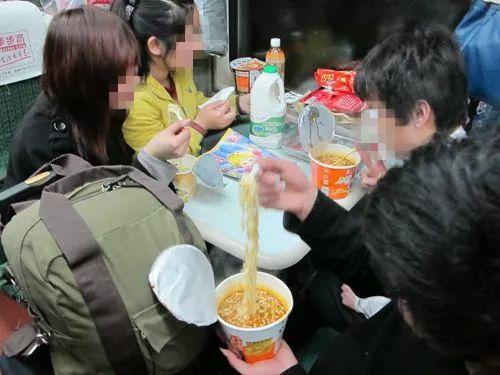
从泡面到文创雪糕,一节车厢,浓缩二十年食品饮料消费变迁
3 6 Ke· 2025-10-09 01:00
Core Insights - The article discusses the evolution of food consumption on trains in China, highlighting the shift from traditional snacks like instant noodles to more diverse and experiential food options that cater to modern consumer preferences [4][6][9]. Group 1: Historical Context - In 1999, the introduction of the "Golden Week" holiday led to a surge in domestic travel, with 28 million trips taken that year, generating 14.1 billion yuan in tourism revenue [5]. - By 2024, domestic travel during the National Day holiday reached 765 million trips, with total spending hitting 700.8 billion yuan [5][6]. - The transition from traditional green trains to high-speed trains has significantly reduced travel times, enhancing the travel experience [6]. Group 2: Changing Consumer Preferences - Consumers are increasingly seeking food and beverages that offer aesthetic appeal and emotional satisfaction during travel, moving beyond mere sustenance [6][9]. - New food items like specialty milk teas and creative snacks are becoming popular, reflecting a shift towards experiential consumption [7][9]. Group 3: Evolution of Train Food - Instant noodles, particularly brands like Kang Shifu, became iconic in train dining due to their convenience and affordability, with Kang Shifu's beef noodles launched in 1992 [12][14]. - The introduction of various snacks, including spicy chicken feet and ready-to-drink congee, has diversified the food options available on trains [18][20]. - The development of packaging technologies, such as modified atmosphere packaging, has improved the freshness and convenience of ready-to-eat foods like marinated meats [27][28]. Group 4: Regional and Cultural Influences - The rise of regional specialty foods on trains reflects a growing consumer desire for local experiences, with products like beef jerky and traditional snacks gaining popularity [42][47]. - The introduction of themed creative ice creams on trains showcases the blending of cultural elements with food offerings, enhancing the travel experience [38][39].


传宗馥莉被带走,娃哈哈董事会成员回应;资深天使投资人因车祸不幸离世;微信灰度测试一次性撤回全部消息;鸡排哥疑似成立工作室丨邦早报
创业邦· 2025-10-09 00:09
Group 1 - Wahaha's board member denies rumors about the arrest of Zong Fuli, stating it is "fake news" amid ongoing scrutiny of the company [3] - The passing of veteran angel investor Xiao Qingping in a car accident is confirmed, highlighting the loss in the IT investment community [3] Group 2 - The 2025 Nobel Prize in Chemistry awarded to three scientists for their contributions to the development of metal-organic frameworks, with a total prize of 11 million Swedish Krona (approximately 8.36 million RMB) [5] - WeChat is testing a feature to withdraw all messages at once, improving user experience compared to the current one-by-one withdrawal method [7] Group 3 - DJI is facing consumer backlash as it announces price reductions on several products, leading to demands for refunds from customers who purchased at higher prices [10] - Nvidia's CEO confirms investment in Elon Musk's startup XAI, expressing excitement about the financing [9] Group 4 - BYD reports a 5.52% year-on-year decline in September's new energy vehicle sales, totaling 396,300 units [10] - SAIC Motor achieves a 40.4% year-on-year increase in September vehicle sales, leading the industry with 440,000 units sold [10] - Seres announces a 19.44% year-on-year increase in September new energy vehicle sales, totaling 44,700 units [10] Group 5 - Google plans to invest $10 billion in a data center cluster in Visakhapatnam, India, with a capacity of 1 GW, expected to be operational by July 2028 [10] - Leap Motor is set to launch sales in Brazil in November, starting with models imported from China [10] Group 6 - The Osaka World Expo is projected to generate a profit of 23 to 28 billion yen (approximately 1 to 1.3 billion RMB), with ticket sales exceeding expectations [11] - Foton Motor reports a 6.08% year-on-year increase in total vehicle sales for September, reaching 55,253 units [11] - Great Wall Motors announces a 23.29% year-on-year increase in total vehicle sales for September, totaling 133,639 units [11] Group 7 - JD Logistics acquires its local instant delivery subsidiary from JD Group for $270 million, aiming to enhance last-mile delivery capabilities [12] - Beijing Yunji Technology seeks to raise HKD 659.6 million through an IPO in Hong Kong [12] - CATL's Shanghai subsidiary increases its registered capital by approximately 13%, reaching about 2.83 billion RMB [12] Group 8 - Japan's second-largest IPO this year raises 156.6 billion yen, with strong interest from institutional investors [12] - Aston Martin launches the DB12 S flagship model, enhancing its product lineup [13] Group 9 - The National Day box office in China surpasses 1.75 billion RMB, with over 47 million attendees, indicating a strong film market [15] - Denmark plans to ban social media use for individuals under 15, citing concerns over children's well-being [15] - Japan reports over 5,000 bankruptcies from April to September this year, marking a 1.5% increase year-on-year [15]

从泡面到文创雪糕,列车车厢浓缩20年消费变迁
Xin Lang Cai Jing· 2025-10-08 11:08
Core Insights - The article discusses the evolution of food and beverage consumption on trains in China, highlighting the shift from basic sustenance to experience-oriented products that enhance travel enjoyment [4][6][20]. Group 1: Historical Context - In 1999, the introduction of the "Golden Week" holiday led to a surge in domestic travel, with 28 million trips taken and a total tourism revenue of 14.1 billion yuan [1]. - By 2024, domestic travel during the National Day holiday reached 765 million trips, generating a total expenditure of 700.8 billion yuan [2]. Group 2: Changing Consumer Preferences - Consumers now prefer visually appealing and emotionally satisfying food and beverage options during travel, moving beyond mere hydration and sustenance [4][6]. - The demand for experience-oriented products is expected to surpass last year's levels during the National Day holiday [6]. Group 3: Food and Beverage Innovations - The introduction of instant noodles, particularly the iconic Kang Shifu beef noodles in 1992, revolutionized train food consumption, meeting the needs of travelers for convenience and affordability [8][11]. - The rise of various snack options, such as spicy chicken feet and eight-treasure porridge, reflects a diversification in train food offerings, catering to modern consumer tastes [12][16]. Group 4: Packaging and Preservation Advances - The introduction of "modified atmosphere packaging" by brands like Zhou Hei Ya has extended the shelf life of ready-to-eat products, making them more suitable for train travel [22][23]. - The growth of portable and fresh options, such as freeze-dried coffee and instant fruit teas, indicates a trend towards convenience and quality in travel snacks [25][26][28]. Group 5: Cultural and Regional Influences - The emergence of cultural-themed ice creams and regional snacks on trains highlights a growing emphasis on local experiences and culinary diversity during travel [34][36]. - Passengers are increasingly exposed to regional specialties, enhancing their travel experience and connecting them to local cultures [38][41].
小米公司状告服装店,雷军人品遭质疑,被告手捧300多页文书哭诉
Sou Hu Cai Jing· 2025-10-08 07:57
Core Viewpoint - The article discusses a legal dispute between Xiaomi and a small clothing store in Guangzhou over trademark infringement, highlighting the complexities of brand imitation and consumer perception in the market [5][31]. Group 1: Legal Dispute Overview - Xiaomi has filed a lawsuit against a small clothing store for using a logo that closely resembles its own, leading to public backlash against Xiaomi for perceived bullying of a smaller entity [3][5]. - The clothing store received over 300 pages of legal documents from Xiaomi, which has sparked mixed reactions from the public [3][5]. - The store's logo not only mimics Xiaomi's signature orange color but also replicates the iconic square structure, indicating intentional infringement rather than coincidence [9][31]. Group 2: Consumer Perception and Brand Imitation - Initial public sentiment favored the clothing store, viewing Xiaomi's actions as excessive, but shifted dramatically once the logo was revealed, leading to a consensus that the store's actions were deliberate [31]. - The article emphasizes that brand imitation is not merely a trivial issue; it involves systematic attempts to confuse consumers and capture market share through visual and psychological tactics [7][9]. Group 3: Broader Implications and Industry Context - The article draws parallels with other cases of trademark infringement in various industries, such as the disputes involving NIO and the automotive sector, illustrating a pattern of brand confusion tactics [11][22]. - It discusses the legal standards for determining trademark infringement, including consumer confusion and the significance of brand recognition in legal contexts [18][22]. - Companies are encouraged to adopt proactive brand protection strategies, such as defensive trademark registrations, to mitigate risks associated with brand imitation [27][29].

名创分拆的潮玩品牌 TOP TOY 交表;麦当劳拟4年内新增1万家店;贝恩资本或竞购 Costa丨品牌周报
36氪未来消费· 2025-10-05 14:12
Group 1: Costa Coffee Sale - Coca-Cola is evaluating the sale of Costa Coffee, with Bain Capital emerging as a potential buyer, following initial discussions with private equity firms [3][4] - Costa Coffee was acquired by Coca-Cola for £3.9 billion (approximately 34.7 billion yuan) seven years ago, but is now being sold for £2 billion (approximately 19.4 billion yuan), indicating a significant decline in value [3][4] - The performance of Costa has deteriorated since its acquisition, with revenue dropping from £1.3 billion in 2018 to a slower growth rate, and only 400 new stores added globally in seven years [3][4] Group 2: Competitive Landscape - The coffee market is facing intense competition from established brands like Starbucks and emerging players such as Luckin Coffee and McCafé, which are impacting Costa's market share [4][5] - Costa's growth in China has been particularly challenging, failing to meet its target of 1,000 stores, with only around 500 currently operational [4][5] Group 3: McDonald's Expansion Plans - McDonald's plans to open nearly 10,000 new stores globally within four years, aiming to surpass its competitor, Mixue Ice City, which currently has 46,479 stores [6][8] - The strategy includes expanding in both urban and rural areas, focusing on increasing brand visibility and reducing operational costs through efficient supply chain management [6][8] Group 4: Goyard's Performance - Goyard's revenue surged by 64% to €810 million in the 2024 fiscal year, with a significant portion of sales coming from international markets [9][10] - The brand has maintained a high resale value, surpassing Hermès with a 104% retention rate, indicating strong consumer demand despite the overall luxury market downturn [9][10] Group 5: Mijia Ice City Acquisition - Mijia Ice City has acquired a 53% stake in Fresh Beer Fulu Family for approximately 297 million yuan, expanding its product offerings into the fresh beer market [11][12] - Fresh Beer Fulu Family, established in 2021, focuses on affordable fresh beer products, with prices ranging from 5.9 yuan to 9.9 yuan per 500mL [11][12] Group 6: TOP TOY's Market Position - TOP TOY, a brand spun off from Miniso, reported revenues of 6.79 billion yuan in 2022, with projections of 19.09 billion yuan by 2024, but struggles to differentiate itself from competitors like Pop Mart [14][15] - The brand primarily relies on collaborations with international IPs, which limits its brand recognition and profitability compared to Pop Mart's unique IP creations [15][16]





娃哈哈改名,宗馥莉太想进步了
商业洞察· 2025-10-04 09:25
Core Viewpoint - The article discusses the challenges faced by Wahaha, particularly in its key product lines and market performance, indicating a stagnation in growth and a need for strategic transformation under the leadership of Zong Fuli [3][5][6]. Group 1: Market Performance - Wahaha's sales growth has declined, with a 37% drop in sales of AD Calcium Milk in East China and a decrease in market share for purified water from 18% to 12% [5][6]. - The beverage industry is experiencing significant competition, with Wahaha's revenue remaining stagnant around 50 billion from 2015 to 2023, only breaking 70 billion in 2024 due to emotional consumption following the founder's death [11][12]. - The bottled water market is projected to grow significantly, with an expected market size of 310 billion by 2025, indicating a potential opportunity for Wahaha if it can adapt [23][24]. Group 2: Competitive Landscape - Competitors like Nongfu Spring and Yibao have been gaining market share, with Nongfu Spring holding a 48.53% share in bottled water, while Wahaha's share is at 45.04% [22][23]. - The article highlights the increasing competition in the beverage sector, particularly in bottled water, where Wahaha has been losing ground to brands like Nongfu Spring and Yibao [14][15][25]. - The overall market for bottled water is becoming more competitive, with new entrants potentially further fragmenting market share [29]. Group 3: Strategic Initiatives - Zong Fuli aims to revitalize Wahaha by focusing on water and tea products, with a significant increase in sales targets for distributors [18][19]. - The company is attempting to penetrate first-tier markets through partnerships with retail channels like Hema and FamilyMart, which has shown positive results in market share growth [20][22]. - Wahaha is also exploring the no-sugar tea segment, which has seen rapid growth, although initial product launches have not met expectations [31][34]. Group 4: Future Outlook - The introduction of the new brand "Wah Xiaozong" is seen as a strategic move to enhance decision-making efficiency and facilitate a quicker response to market changes [37][38]. - The company faces pressure to maintain its revenue levels, with reports indicating a potential decline in sales compared to the previous year [37][39]. - The long-term goal for Wahaha is to transform and adapt to the evolving beverage market, moving away from its traditional product lines to capture new growth opportunities [36][38].

娃哈哈彻底改名!一个时代结束了
商业洞察· 2025-09-30 09:25
Core Viewpoint - The article discusses the potential rebranding of Wahaha to "Wah Xiaozong" under the leadership of Zong Fuli, highlighting the risks and implications of such a move in a competitive beverage market [3][5][20]. Group 1: Rebranding Strategy - Wahaha is planning to change its brand name to "Wah Xiaozong" starting from the 2026 sales year, as indicated in a leaked internal notice [9][12]. - The rebranding is seen as a necessary step for Zong Fuli to gain absolute control over the brand, as the current ownership structure complicates trademark usage [12][14]. - Zong Fuli has previously attempted to transfer the "Wahaha" trademark to her personal company but faced legal obstacles, making the rebranding a strategic move to bypass these issues [13][14]. Group 2: Market Position and Challenges - Wahaha's brand value is estimated at 91.1 billion yuan, but changing the name could confuse consumers and lead to a loss of brand loyalty, especially in lower-tier cities [20][21]. - The company has been facing declining sales and increased competition from rivals like Nongfu Spring, which poses a significant challenge for the new brand to establish itself [30][34]. - The rebranding effort may lead to short-term sales impacts, as existing distributors are already struggling with profitability due to recent changes in sales strategies [21][24]. Group 3: Future Prospects - If the rebranding is executed, it represents a gamble on the future of the brand, with the potential for significant market share loss if not managed properly [26][27]. - The company aims to return to a revenue scale of 70 billion yuan in 2024, but faces skepticism about its ability to maintain this performance amid fierce competition [28][29]. - Zong Fuli's strategy includes focusing on product differentiation and maintaining distributor confidence to ensure the new brand can thrive in a competitive landscape [37].

2025年度品牌无形资产增长(首批)30强发布
Sou Hu Wang· 2025-09-30 07:19
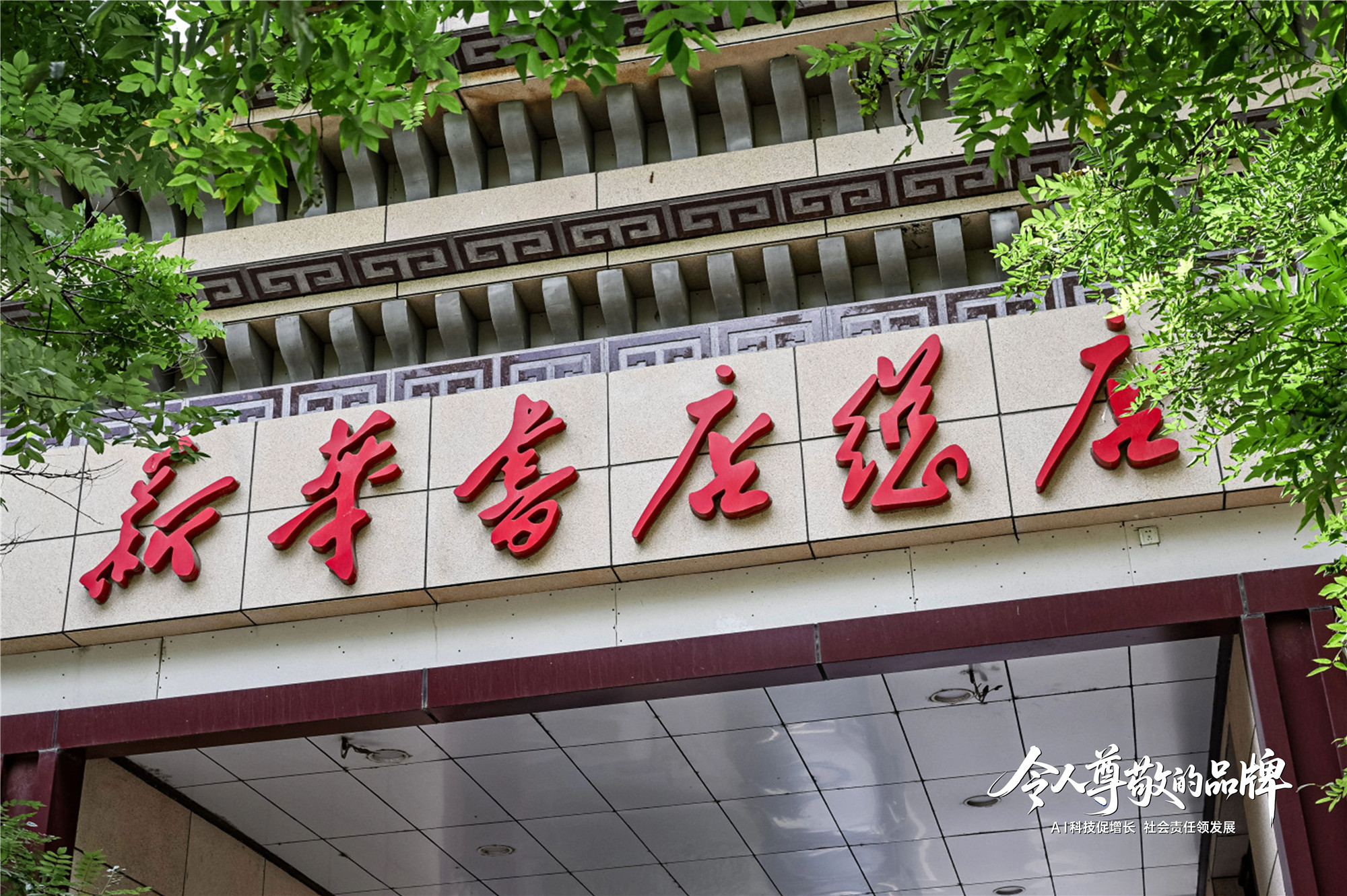
9月29日,由CCTV-1《大国品牌养成记》("简称《大国品牌》")联合全球知名增长战略咨询公司沙利文· 头豹研究院和中国人民大学新闻学院共同主办的"2025令人尊敬的品牌发布仪式",在北京新华书店总店 举行。 当前,全球政经格局发生深刻变革,中国经济亦进入以高质量发展为代表的新阶段。品牌建设已成为推 动中国制造向中国创造转变、中国速度向中国质量转变、中国产品向中国品牌转变的关键力量。 本次活动即围绕新时代中国企业品牌化发展,以"声誉力与长期价值共生"为主题,现场发布了"2025年 中国令人尊敬的品牌"无形资产及声誉活跃30强榜单。中国石化、中国中车、三一集团、宝武钢铁、保 利集团、南方电网、双良集团、海澜集团、娃哈哈、纳爱斯集团、华熙生物等知名品牌入选。 据主办方介绍,本次评选基于严谨的评估模型,从市场与财务表现、品牌影响与声誉资产、创新与全球 竞争力、社会责任与可持续四大维度,对参选品牌进行了系统性评估。首批入选的30家中国企业来自高 端制造、能源交通、人工智能、生物科技、日用消费等多个领域。它们不仅在经济指标上表现突出,更 在技术原创、绿色发展、雇主品牌、国际影响力等方面树立了行业标杆。其发展实践充分证 ...
曾经聊过的一个 空手套白狼的项目
叫小宋 别叫总· 2025-09-30 03:47
Core Viewpoint - The article discusses a project focused on deuterium-free water, highlighting its potential market value and the unique resources available for its production. Group 1: Project Overview - The project aims to produce deuterium-free water, which is marketed as a premium product despite natural water already having low deuterium levels [2][4] - The process of removing deuterium from water is complex and costly, but the project seeks to leverage a specific resource from a company in Sichuan that produces deuterium water [5][7] Group 2: Business Model - The founder of the project plans to finance the acquisition of deuterium-free water as a byproduct from the Sichuan company, which has not recognized its commercial value [10][16] - The business strategy includes building a purification line to prepare the deuterium-free water for sale, with a vision to compete against established brands like Wahaha and Zhong Shanshan [15][17] Group 3: Market Potential - The founder claims that with sufficient funding, the project could achieve mass production within six months, go public in three years, and potentially compete globally within ten years [18] - The project is positioned to attract significant investment by promising high returns, with the founder suggesting a potential for ten-thousandfold returns for investors [22]