
瑞幸咖啡

Search documents
茶饮六小龙掀起EGC整顿风暴
3 6 Ke· 2026-01-08 09:54
Core Viewpoint - The incident involving "Bawang Tea Ji" and its apology for a video depicting "making milk tea with bare hands" has triggered a rapid response across the tea beverage industry, leading to a collective halt on employee-generated content (EGC) and a wave of internal investigations among brands like Gu Ming, Starbucks, and Luckin Coffee [1][5][10]. Group 1: Industry Response - Following the incident, several tea brands initiated immediate internal checks, prohibiting employees from filming videos and issuing rectification notices [1][8]. - The rapid response indicates a shift from encouraging employee-generated content to a more cautious approach, reflecting the industry's concern over potential risks associated with such marketing strategies [4][10]. - The incident has led to a broader industry-wide self-examination regarding the management of employee-generated content, with brands now prioritizing compliance and risk management [10][17]. Group 2: Employee-Generated Content (EGC) Dynamics - EGC, which allows employees to share their perspectives on daily operations and product creation, was previously seen as a cost-effective and engaging marketing strategy [2][3][12]. - The recent backlash against EGC highlights the dual-edged nature of this marketing approach, where the potential for brand exposure is countered by the risks of unregulated content creation [12][17]. - The industry is now grappling with the challenge of balancing the benefits of EGC with the need for stricter content management to avoid reputational damage [17][18]. Group 3: Brand Management and Governance - The incident has exposed weaknesses in brand governance and the ability to manage decentralized content creation effectively, as many brands lack the tools to oversee employee-generated content [17][18]. - There is a growing recognition that as brands expand and employee-generated content becomes more prevalent, companies must develop clearer guidelines and frameworks to manage content risks [18]. - The need for a more structured approach to content creation is evident, as brands seek to maintain consumer trust while allowing employees some creative freedom [17][18].


新兴玩家不断涌入,中国咖啡市场“变阵”拉开序幕
Bei Jing Wan Bao· 2026-01-08 02:52
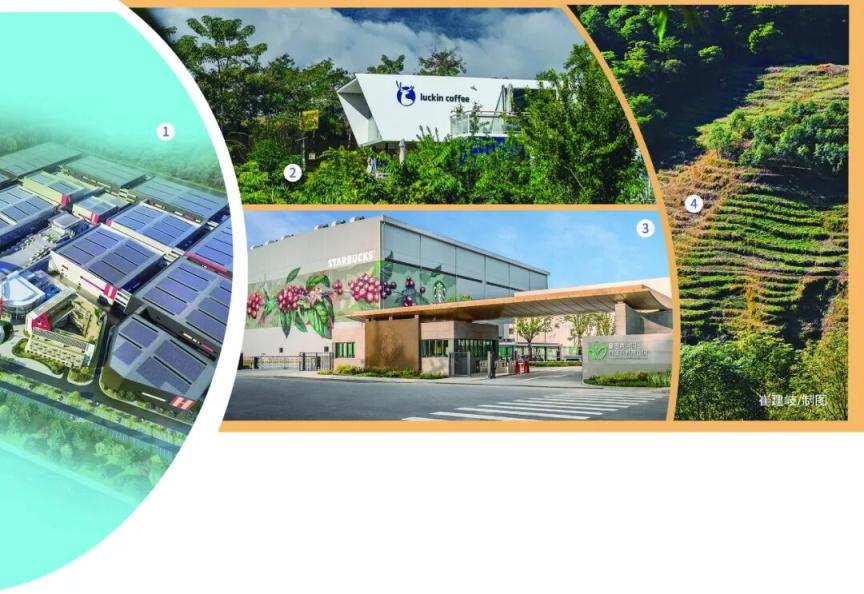
Core Insights - The coffee market in China is experiencing intense competition, shifting from price wars to supply chain control, digital operations, and penetration into lower-tier markets [2][4] - The transformation reflects a deeper change in coffee consumption culture, evolving from "social consumption" to "daily consumption" [2][3] - Domestic brands are rapidly gaining market share, leveraging low pricing strategies and digital ordering models, while international brands are seeking strategic adjustments [3][5] Market Dynamics - The initial dominance of Western brands like Starbucks and Costa is being challenged by local brands such as Luckin Coffee, which disrupted the market with lower prices and convenient services [3][4] - As of 2024, the per capita annual coffee consumption in China is projected to rise from 6 cups in 2016 to 22 cups, with significant growth in second and third-tier cities [4] - Luckin Coffee has nearly 30,000 stores, while Starbucks operates around 8,000 stores after 26 years in China [4][5] Pricing Trends - Coffee prices have been declining, with average consumer spending on coffee dropping from 41 yuan in September 2023 to 26 yuan by September 2025 [6] - The proportion of coffee shops with prices below 15 yuan has increased from 29.8% in September 2024 to 36.9% in September 2025, driven by aggressive price competition [6] - The price war has altered consumer expectations, leading to a vacuum in the 16-25 yuan price range, pushing consumers towards cheaper options or premium brands [6] Challenges and Strategies - Coffee brands face challenges such as high costs, price pressures, and severe product homogenization, leading to decreased consumer loyalty [7] - Brands are responding by launching budget sub-brands, utilizing smart devices for cost reduction, and diversifying their business models [7] - Luckin Coffee has achieved a gross margin of 63.8% through scale procurement and self-built roasting factories [7] Supply Chain Importance - The competition is shifting towards supply chain integration and restructuring, with a focus on controlling costs and ensuring quality from "seed to cup" [9][10] - Coffee bean prices have seen significant fluctuations, impacting profitability; for instance, the price of Arabica coffee futures reached a 47-year high, increasing by 118.57% over the past year [10] - Major brands are engaging in long-term procurement agreements and establishing their own roasting facilities to stabilize costs and enhance efficiency [10][11] Future Outlook - The coffee industry is expected to undergo a "de-bubbling" reshuffle, leading to increased market concentration and the emergence of brands that leverage unique supply chains or regional advantages [12] - The market is transitioning from price-driven competition to efficiency-driven value competition, emphasizing the need for brands to establish a complete value chain advantage [12]

越泡越浓的奶茶,让打工人心悸失眠?
36氪· 2026-01-08 00:10
Core Viewpoint - The article discusses the rising concerns regarding the caffeine content in milk tea, particularly focusing on the brand "霸王茶姬" (Bawang Chaji), which has faced backlash for allegedly high caffeine levels that some users have likened to addictive substances [5][7][8]. Summary by Sections Caffeine Controversy - A popular social media influencer raised alarms about the caffeine content in Bawang Chaji's new milk tea products, suggesting it could be dangerously high and addictive [5][12]. - The Shanghai Narcotics Control Office had to clarify that caffeine is naturally present in tea and that Bawang Chaji's caffeine levels are within acceptable limits [7][8]. Consumer Reactions - The controversy has led to widespread panic among consumers, with many expressing concerns about sleeplessness after consuming milk tea [9][19]. - Bawang Chaji's stock plummeted by 14.5% on December 26, resulting in a market value loss of approximately $200 million [13]. Caffeine Content Comparisons - A cup of Bawang Chaji's milk tea can contain caffeine levels comparable to 2.5 cans of Red Bull, with specific drinks exceeding 200 mg of caffeine [20][22]. - The caffeine content in Bawang Chaji's drinks is significantly higher than that in standard coffee beverages, challenging the brand's claims of being a healthier alternative [24]. Health and Marketing Implications - The article highlights a shift in consumer perception, where milk tea is increasingly viewed as a potential health risk rather than a simple indulgence [32][44]. - Bawang Chaji has attempted to address these concerns by introducing lower-caffeine options, but these have not gained significant market traction due to taste compromises [31][41]. Broader Industry Trends - The article notes that the caffeine issue is not isolated to Bawang Chaji, as other brands like 喜茶 (Heytea) and 一点点 (Yidiandian) are also facing similar scrutiny regarding their caffeine levels [41][43]. - The marketing strategies of milk tea brands have evolved to downplay health risks while promoting the enjoyment factor, leading to a disconnect between consumer awareness and actual product content [46][47].

中国咖啡市场“变阵”拉开序幕
Zheng Quan Ri Bao· 2026-01-07 17:05
Core Insights - The Chinese coffee market is experiencing intense competition, shifting from price wars to a focus on supply chain management, digital operations, and penetration into lower-tier markets [1][2][9] - The transformation in coffee consumption culture is evident, with coffee evolving from a "social consumption" to a "daily consumption" product [1][2] Market Dynamics - Domestic brands like Luckin Coffee have disrupted the market traditionally dominated by international players such as Starbucks and Costa by leveraging delivery and digital ordering models [2][3] - The proportion of consumers drinking coffee during daily activities has reached 47.89% [2] - The per capita annual coffee consumption in China is projected to rise from 6 cups in 2016 to 22 cups by 2024, with significant growth in second and third-tier cities [2] Brand Expansion - Major coffee brands such as Luckin, Kudi, and others have surpassed 10,000 stores, with Luckin nearing 30,000 locations [3] - Starbucks operates approximately 8,000 stores in China after 26 years, while some mid-tier brands have seen slower growth or even a decline in store numbers [3] Strategic Shifts - International brands are seeking strategic partnerships and restructuring to adapt to the changing market landscape, with Starbucks forming a joint venture with Boyu Capital to enhance local market expertise [8] - The competition is shifting from brand premium to efficiency and scale, with domestic brands likely to dominate the market [4] Pricing Trends - Coffee prices have been declining, with average consumer spending on coffee dropping from 41 yuan in September 2023 to 26 yuan by September 2025 [6] - The percentage of coffee shops with prices below 15 yuan has increased from 29.8% to 36.9% within a year [6] Challenges and Innovations - Coffee brands face challenges such as high costs, price pressures, and severe product homogeneity, leading to decreased consumer loyalty [7] - Brands are exploring various strategies to enhance value, including launching budget sub-brands and utilizing technology to reduce costs [7] Supply Chain Importance - The competition is increasingly focused on supply chain integration, with companies aiming to control costs and ensure quality from sourcing to retail [9][10] - Fluctuations in coffee bean prices have prompted brands to secure long-term procurement agreements and invest in roasting facilities to stabilize costs [9][10] Future Outlook - The coffee industry is expected to undergo a "de-bubbling" reshuffle, leading to increased market concentration and the emergence of brands that leverage unique supply chains and localized operations [11] - The market is transitioning from price-driven competition to efficiency-driven value competition, emphasizing the need for brands to establish comprehensive value chains [11]
2025消费IPO真相:熬够16.5年,才配敲钟
Sou Hu Cai Jing· 2026-01-07 10:54
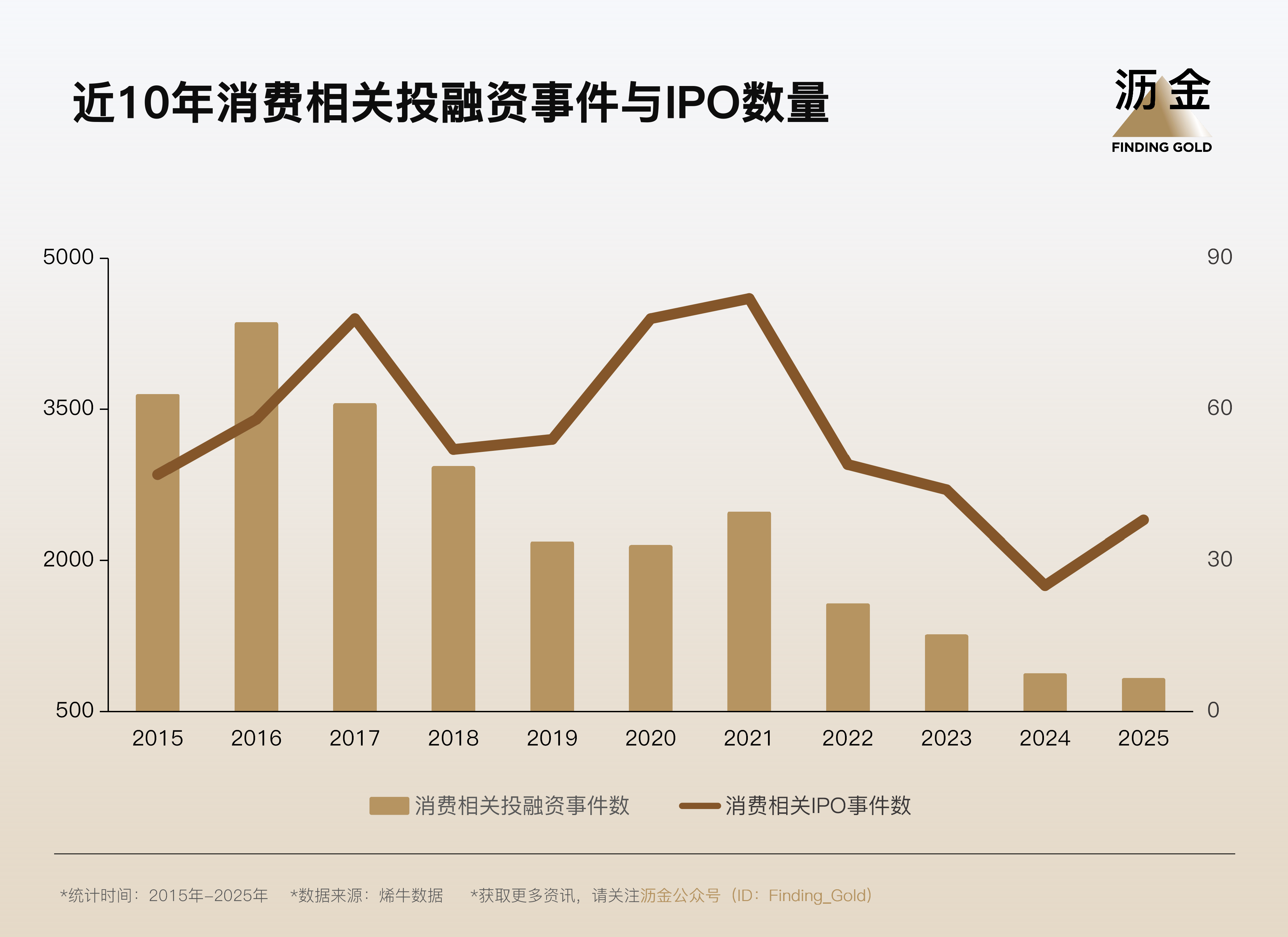
Group 1 - The consumer investment landscape in China has drastically changed, with the number of financing events dropping from 4,345 in 2016 to just 812 in 2025, indicating a cleansing of over 80% of false demands and PPT projects [4] - The number of IPOs is rebounding, increasing from 25 in 2024 to 38 in 2025, signaling a shift where the primary market is purging excess while the secondary market is identifying valuable opportunities [4] - The average age of companies going public in 2025 is 16.5 years, highlighting that only those with extensive industry experience and stable supply chains are able to secure IPOs [4][5] Group 2 - Investment is increasingly directed towards companies with high barriers to entry and essential needs, such as hard-tech consumer products, rather than purely marketing-driven DTC brands [5] - The pet industry is emerging as a significant sector, attracting investment in areas like pet CT and vaccine development, indicating a shift in consumer spending patterns [5] - Global expansion is a key trend, with 20% of funded projects having international attributes, emphasizing the importance of leveraging China's supply chain advantages in global markets [5][6] Group 3 - The current market environment favors companies with factories, technology, and overseas channels, which are considered scarce assets [6] - The era of relying on capital to sustain operations is over, and a focus on profitability from day one is essential for survival [5][6] - The lengthy wait for IPOs has filtered out truly valuable companies, marking a transition to an era that rewards craftsmanship, scientific innovation, and long-term thinking [7]
喝星巴克和住亚朵的,其实都是同一类人
Xin Lang Cai Jing· 2026-01-07 09:57
Core Viewpoint - Starbucks aims to differentiate its growth strategy amidst ongoing price wars and expansion in the Chinese coffee market by enhancing its membership offerings through partnerships with brands like Atour Group, Hilton, and China Eastern Airlines [2][4][11]. Group 1: Membership Strategy - Starbucks has announced a joint membership program with Atour Group, allowing members to enjoy benefits such as free room upgrades, free breakfast, and double points when using each other's services [2]. - The company has a significant membership base, with over 160 million members expected by November 2025, and 25 million active members within 90 days [5]. - The membership demographics of Starbucks and Atour show considerable overlap, targeting digital-savvy consumers who value efficiency in their purchases [5][6]. Group 2: Market Positioning - Starbucks has previously engaged in a price reduction strategy, but the adjustments were modest and selective, reflecting a careful approach to maintain brand integrity and profitability [4][15]. - The company operates 8,566 stores in China, while competitors like Luckin Coffee and Koolearn have significantly larger store counts, indicating a competitive landscape [14]. - Starbucks' sales from membership accounted for 74.4% of its revenue in the Chinese market for the fiscal year 2024, highlighting the importance of its membership strategy [10]. Group 3: Consumer Behavior and Trends - High-value members contribute significantly to Starbucks' profits, with a strong inclination towards premium products, indicating a focus on high-margin items [9][10]. - The evolving consumer landscape in China shows a shift towards price sensitivity and a demand for quality experiences, which Starbucks must navigate carefully [19][20]. - The partnership strategy allows Starbucks to reduce customer acquisition costs by leveraging shared user bases, enhancing the value proposition for both brands [8]. Group 4: Future Considerations - Starbucks is exploring further enhancements to its membership system, including the introduction of a new tier, "Diamond Membership," to better segment its customer base and increase engagement [11]. - The company is also considering adjustments to its product pricing, offerings, and store models in response to market changes and consumer preferences [20]. - The collaboration with local capital through a joint venture may influence Starbucks' strategies in pricing and market penetration, particularly in lower-tier markets [20].

2025钱流向了哪?就藏在这十个消费关键词里
Sou Hu Cai Jing· 2026-01-07 04:47
Group 1 - The core viewpoint is that Chinese consumers are shifting from valuing simple affordability and high-end premiums to paying for tangible "value" [3] - The consumer mindset in China is characterized by ten key themes that reflect the emotional and practical needs of consumers [4] Group 2 - Emotional value is becoming a significant factor in purchasing decisions, with products like Labubu toys representing a desire for dopamine rather than just functionality [5] - By 2025, consumption is expected to transition from "functional attributes" to "emotional attributes," allowing products that provide emotional value to command higher prices [6] Group 3 - The focus is shifting from price-performance ratio to quality-price ratio, with consumers seeking "good products at low prices" rather than simply the cheapest options [9] - Brands like Luckin Coffee and Leifeng are successfully competing against established players by offering high-quality products at significantly lower prices [9] Group 4 - The demand for safety is increasing, with consumers purchasing gold as a reliable asset in uncertain times, reflecting a need for tangible security [11] - Health-conscious consumption is evolving from general wellness to more targeted, precise health products that cater to specific needs [12] Group 5 - AI is becoming integrated into everyday consumer products, transforming from a mere software concept to practical applications in various consumer scenarios [15] - Companies that can effectively incorporate AI into their products are likely to create the next big hit in the market [15] Group 6 - The emphasis on extreme experiences is growing, with companies like Pang Donglai and Hema redefining shopping as enjoyable experiences rather than mere transactions [16] - Businesses that prioritize customer experience and emotional connection are more likely to retain consumer loyalty [16] Group 7 - Instant retail is becoming a battleground for major players like JD, Meituan, and Taobao, who are investing heavily to dominate the "last mile" delivery [18] - The competition is focused on breaking down the barriers between online and offline shopping, making rapid delivery a standard expectation [19] Group 8 - Transparency in product ingredients is increasingly demanded by consumers, who are becoming more discerning about what they purchase [20] - Brands that fail to be transparent risk losing consumer trust and market share [21] Group 9 - Localization is key for brands looking to succeed in China, with a shift from imitating international brands to understanding and catering to local preferences [23] - The future of the Chinese consumer market is characterized by a "local dominance" era, where brands that resonate with local culture and needs will thrive [25] Group 10 - The collective themes indicate a consciousness awakening among Chinese consumers, who seek recognition and satisfaction of their emotional and practical needs [26] - Understanding these evolving consumer preferences is crucial for predicting future market trends [26]

2026年3大营销洞察:当品牌离开舞台中央
3 6 Ke· 2026-01-07 02:55
Core Insights - In 2025, brand marketing is experiencing a significant transformation, characterized by diverse expressions and increased engagement, largely driven by the widespread adoption of AI technology in marketing strategies [1][2] - The rise of nostalgia-driven campaigns is notable, with brands like McDonald's and Gap successfully launching retro-themed marketing initiatives that resonate well on social media [1] - Brands are shifting towards decentralized narratives, as seen in Nike's "So Win" series, which emphasizes individual athlete stories rather than a singular competitive focus [1] Group 1: AI in Brand Marketing - AI has become a default element in brand marketing strategies, enhancing efficiency in content creation, user insights, and ad optimization [2][3] - However, this reliance on AI has sparked a trust crisis among consumers, who are increasingly questioning the authenticity of brand messages and whether they are generated by real individuals [3][5] - The shift towards AI-generated content has led to a perception that brands are merely content publishers rather than authoritative voices [5][6] Group 2: Emotional Marketing - The proliferation of AI in content production has transformed emotional marketing, making it easier for brands to generate content but also diluting the authenticity of emotional expressions [7][10] - Brands are now faced with the challenge of maintaining genuine emotional connections with consumers in an environment where emotional expressions can quickly become superficial [10][11] - Successful emotional marketing hinges on the authenticity of the emotions conveyed and their relevance to the consumer's real-life experiences [11] Group 3: Endorsement Marketing - The role of celebrity endorsements is evolving, with brands increasingly distancing themselves from traditional celebrity-driven narratives [12][13] - Celebrities are now positioned more as facilitators of brand expression rather than central figures, allowing brands to maintain a clearer identity [13][15] - This shift reflects a broader trend of brands recalibrating their authority and narrative control in response to the unpredictable nature of public figures [16][17] Conclusion - In a landscape where expression is abundant, the focus for brands is shifting towards exercising judgment and restraint rather than merely amplifying their voices [17][18] - The challenge lies in ensuring that brands remain relevant and credible, even as the dynamics of communication and consumer engagement evolve [18]

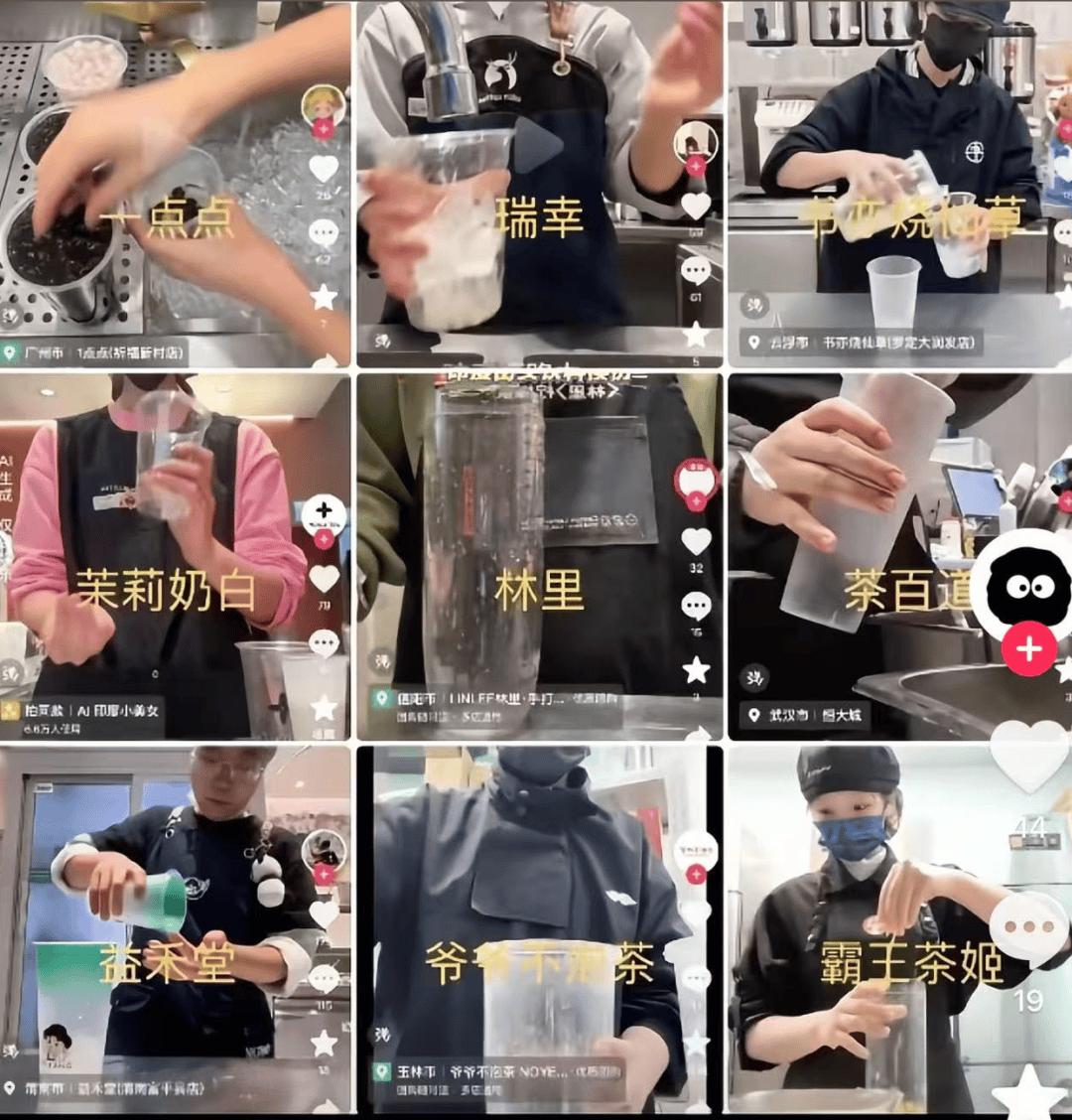
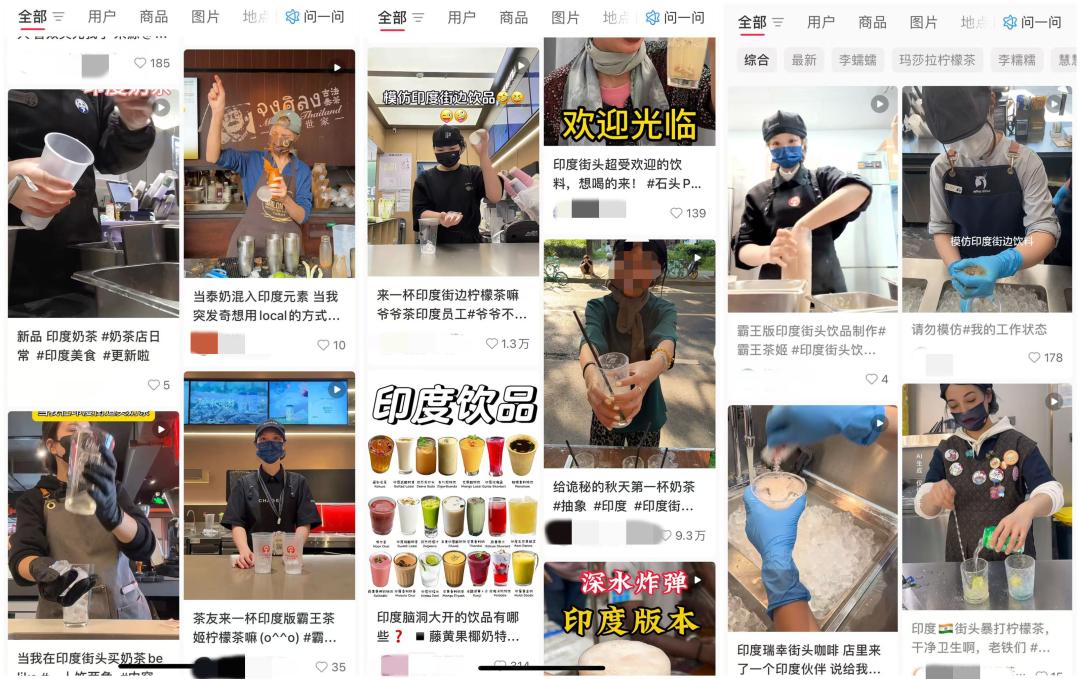
祸从天降,茶饮圈跟风玩梗“徒手制茶”,多品牌被中伤
3 6 Ke· 2026-01-07 00:42
Core Viewpoint - The incident involving employees from various tea brands, including Bawang Chaji and Luckin Coffee, mimicking a viral video of making drinks without proper hygiene practices has sparked significant consumer backlash and raised concerns about food safety standards in the industry [1][3][10]. Group 1: Incident Overview - A viral video showed a staff member from a tea brand preparing drinks without gloves, leading to widespread criticism and concerns about hygiene [1][10]. - The brands involved quickly responded, with Bawang Chaji announcing an indefinite closure of the affected store and disciplinary actions against responsible personnel, emphasizing that food safety is a non-negotiable priority [3][10]. Group 2: Consumer Reactions - Many consumers expressed distrust, questioning the hygiene practices behind the drinks they purchase, with comments reflecting a zero-tolerance attitude towards perceived food safety violations [10][12]. - Some consumers acknowledged the incident as an extreme case but emphasized the need for brands to demonstrate effective corrective actions to restore trust [16]. Group 3: Industry Implications - The incident highlights a broader issue within the tea industry, where the actions of individual employees can significantly impact brand reputation and consumer trust [9][19]. - The need for brands to establish and enforce strict food safety standards is underscored, as the industry has evolved beyond its initial growth phase and now requires robust management practices [17][20]. Group 4: Management and Brand Image - The incident serves as a reminder that employees represent the brand at all times, and any actions perceived as unprofessional can lead to rapid negative backlash [19][21]. - Brands must address management blind spots, particularly regarding employee behavior on social media and during work hours, to prevent similar incidents in the future [20].
安心消费“码”上见
Xin Lang Cai Jing· 2026-01-06 21:34
Core Viewpoint - The article highlights the implementation of the "放心消费码" (Safe Consumption Code) in the Weisu Bay area of Huangshi City, which aims to enhance consumer confidence and transparency in the dining and shopping experience through digital integration and real-time information sharing [1][2][3]. Group 1: Consumer Experience - The "放心消费码" allows consumers to access essential information about merchants, including business licenses and food safety permits, enhancing their confidence in making purchases [1][3]. - The initiative aims to create a new consumption trend in Weisu Bay, where consumers can "scan to know everything" about the businesses they engage with [2][3]. Group 2: Regulatory Framework - The Huangshi Consumer Committee and the Xiaolu District Market Supervision Bureau developed the "放心消费码" to address issues such as slow consumer rights protection and outdated information on traditional public notice boards [2]. - The market supervision department ensures that the information displayed through the code is updated in real-time, maintaining a 0% occurrence rate for unlicensed operations and expired permits in the area [3]. Group 3: Complaint Management - The "放心消费码" includes a complaint public module, allowing consumers to view complaints against merchants and feedback on their integrity, which encourages compliance among businesses [4]. - A consumer rights protection service station is established in the area to facilitate dispute resolution between consumers and merchants, alongside various complaint channels [4][5]. Group 4: Cultural Integration - The initiative encourages merchants to incorporate cultural elements into the "放心消费码," enhancing the value of cultural tourism in the area by sharing historical and cultural narratives related to their products [5]. - This integration aims to elevate Weisu Bay from a mere tourist spot to an experiential destination, allowing consumers to enjoy both safe consumption and cultural richness [5].