科顺股份

Search documents
宏观和大类资产配置周报:关注7月政治局会议-20250713
Bank of China Securities· 2025-07-13 14:10
Macro Economic Overview - The report emphasizes the importance of monitoring the implementation of domestic growth stabilization policies, particularly following the recent political bureau meeting [4] - The macroeconomic indicators show a mixed performance, with June CPI rising by 0.1% year-on-year and PPI declining by 3.6% [5][19] - The National Development and Reform Commission (NDRC) projects that China's economic increment during the 14th Five-Year Plan will exceed 35 trillion yuan, with an expected total economic output of around 140 trillion yuan this year [19][20] Asset Performance Review - The A-share market experienced an overall increase, with the CSI 300 index rising by 0.82% and CSI 300 futures up by 1.75% [2][12] - Commodity futures also saw significant gains, with coking coal futures increasing by 7.00% and iron ore futures up by 3.87% [2][12] - In the bond market, the yield on ten-year government bonds rose by 2 basis points to 1.67%, while active ten-year government bond futures fell by 0.27% [2][12] Asset Allocation Recommendations - The report suggests an asset allocation hierarchy favoring stocks over commodities, bonds, and cash, indicating a bullish outlook on equities [6] - The recommendation for stocks is to overweight, focusing on the implementation of "incremental" policies [4][6] - Bonds are advised to be underweighted due to potential short-term impacts from the stock-bond relationship [4][6] Industry Insights - The real estate sector has shown strong performance, leading the market with a 6.06% increase, driven by supportive policies [36] - The non-bank financial sector also performed well, increasing by 3.94% [36] - The automotive industry faced a slight decline, with a decrease of 0.56%, indicating potential challenges despite overall market growth [36] Economic Policy Developments - The government has introduced new employment support policies aimed at stabilizing jobs, including expanding loan support for maintaining employment [20] - The NDRC has allocated an additional 10 billion yuan for central budget investments to promote employment among key groups [20] - The report highlights the ongoing efforts to enhance the inclusive childcare service system, which is expected to support family stability and economic growth [20]
多个千万人口城市,落户门槛放宽至45岁
21世纪经济报道· 2025-07-11 14:39
Group 1 - The article highlights the trend of major cities in China, particularly those with populations exceeding ten million, relaxing their household registration (hukou) policies to attract talent, especially young graduates [1][2][3] - Cities like Chongqing, Zhengzhou, and Qingdao have completely removed age restrictions for talent registration, while Dongguan plans to eliminate age limits for individuals with higher education qualifications [2][3] - Shenzhen's policies are noted as particularly favorable, allowing graduates with a college degree to register without age restrictions, which is appealing to young professionals [3][4] Group 2 - The article discusses the importance of providing attractive job opportunities as a key factor in attracting young talent to major cities, with a focus on the demand for technical and composite talents [6][7] - Data from a recruitment report indicates that cities with relaxed hukou policies, such as Shenzhen and Chengdu, are among the top in job demand, with a significant need for skilled professionals in emerging industries [7] - The article emphasizes that cities must not only lower hukou barriers but also enhance job offerings and streamline talent policies to improve their attractiveness [8][9]

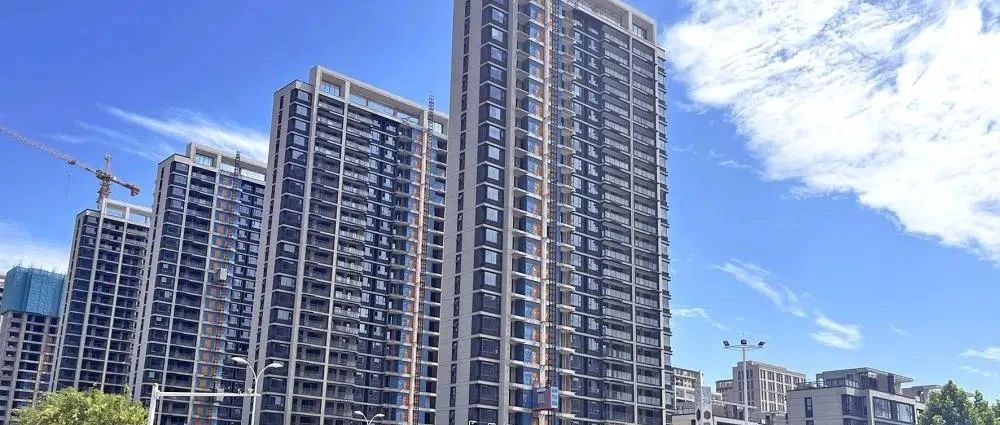
千万人口城市“破限”,落户门槛进入“45岁时代”
2 1 Shi Ji Jing Ji Bao Dao· 2025-07-11 13:25
Group 1 - The article highlights the trend of major cities in China, such as Shenzhen, Dongguan, and Chongqing, relaxing their household registration policies to attract talent, particularly focusing on lowering age restrictions for residency [1][2][3] - Shenzhen's policy allows graduates with a full-time college degree to settle without social security or work requirements, reflecting a broader trend among cities to create more favorable conditions for young professionals [1][4] - The report indicates that cities like Chongqing have already eliminated age limits for talent registration, with a significant population increase, reaching 31.9 million by the end of 2024, making it the most populous city in China [2][3] Group 2 - The demand for skilled and composite talent is increasing, particularly in emerging industries such as artificial intelligence and new energy vehicles, as traditional manufacturing undergoes transformation [7][8] - The report from Liepin indicates that job demand in first-tier and new first-tier cities is significant, with cities like Shenzhen and Dongguan ranking among the top 20 in national job demand [6][7] - Companies are increasingly focusing on the attractiveness of job positions and the overall economic development of the region when considering talent acquisition, with factors such as housing prices and local policies playing a crucial role [7][8][9] Group 3 - The article emphasizes the importance of cities developing a strong talent brand, which includes enhancing the efficiency of talent policies and providing competitive job opportunities [8][10] - The recognition of local industry clusters and the presence of notable companies can significantly influence job seekers' decisions, as seen in regions like Hangzhou [9][10] - The overall strategy for cities to attract talent involves not only lowering residency barriers but also improving the quality of life and job satisfaction for new residents [8][10]
东方雨虹20250709
2025-07-11 01:13
Summary of the Conference Call for Dongfang Yuhong Industry Overview - The conference call primarily discusses the waterproofing industry, focusing on Dongfang Yuhong's strategies and market conditions in 2025 [2][3][4]. Key Points and Arguments 1. **Price Adjustment Strategy**: - After a price war in the second half of last year, the company initiated a price increase strategy, particularly in the retail waterproof coating market, which holds a 70% market share nationally. Price increases reached up to double-digit percentages [2][3][4]. 2. **Market Competition Dynamics**: - The competitive landscape in the engineering market has changed, with leading companies like Yuhong, Keshun, and Beixin Waterproof no longer engaging in price wars. Price adjustments have been implemented, indicating a potential recovery in average industry profit margins [2][8][9]. 3. **Decline in Engineering Market Demand**: - A significant number of waterproof companies have exited the market, with estimates suggesting a reduction of at least 60% in the number of operating companies. This consolidation has concentrated pricing power among the top three companies [2][6][7]. 4. **Quality Concerns Due to Price Wars**: - The price wars have led to a decline in product quality, with some companies failing to meet basic testing standards. There is a need for stronger regulation to prevent short-sighted behaviors that sacrifice quality for market share [2][10][11][12]. 5. **Sales Performance**: - In the first half of 2025, the civil construction business saw a revenue decline of over 10% in Q1 but rebounded with double-digit growth in Q2. Retail business showed growth in both quarters, outperforming the engineering market [2][26][27]. 6. **Retail vs. Engineering Market Strategies**: - The retail market benefits from a strong market share and brand influence, allowing for significant price increases. In contrast, the engineering market is more fragmented, making unified price strategies challenging [5][6]. 7. **Future Market Trends**: - The future of the engineering market depends on the willingness of leading companies to avoid price wars and push for price increases. If the top three companies agree to this, the feasibility of price adjustments is high [9][24]. 8. **Customer Focus in Engineering Market**: - Customers prioritize quality and delivery capabilities, especially given recent market instability. Trust in suppliers' ongoing profitability and delivery reliability is crucial [18]. 9. **Sales Model Transformation**: - The company is shifting its sales model towards retail and engineering channel partnerships, optimizing customer structure and improving accounts receivable management efficiency [32]. 10. **Capital Expenditure and Overseas Expansion**: - The company is focused on managing excess domestic capacity and is cautious with overseas investments, primarily using leasing strategies for expansion [33]. Other Important Insights - **Market Recovery Potential**: - Despite challenges, there is optimism about the recovery of profit margins in the waterproofing industry as the competitive landscape stabilizes [8][9]. - **Impact of Non-Standard Products**: - The presence of low-quality non-standard products has negatively impacted overall industry margins and pricing stability, necessitating further observation of quality control measures [8]. - **Long-term Development Strategy**: - The company emphasizes the importance of avoiding short-sighted behaviors, enhancing product quality, and focusing on brand building for sustainable growth [13][14]. This summary encapsulates the key discussions and insights from the conference call, highlighting the strategic direction and market conditions faced by Dongfang Yuhong in the waterproofing industry.

防水行业提价专家交流
2025-07-11 01:05
Summary of Conference Call on Waterproof Industry Price Increase Industry Overview - The waterproof industry is experiencing a significant price increase due to a challenging market environment in 2024, primarily influenced by a downturn in the real estate sector and a subsequent decline in demand for renovation and construction materials [1][2][4]. Key Points and Arguments - **Price War Impact**: In 2024, the industry faced a price war that led to three rounds of price reductions (15%-20%), which did not improve sales or market share but diluted profits [1][2]. - **Price Increase Implementation**: Starting mid-June 2025, companies began to implement price increases across various product categories: waterproof materials (3%-8%), mortar products (5%-7%), and sealants (8%-10%), with an overall increase of approximately 6%-7% [1][2]. - **Sales and Profit Goals**: The price increase aims to improve unsatisfactory sales progress and profit margins from the first half of 2025. Companies hope to encourage distributors to increase inventory and meet sales targets [1][2][7]. - **Market Stability and Volatility**: Current market prices are relatively stable, but fluctuations may occur during late July to early August when distributors purchase in bulk, making this a critical period for assessing the effectiveness of the price increase [1][8]. - **Profit Margin Expectations**: If the price increase is successful, company-level profits are expected to rise by 4-5 percentage points. Some companies are also reducing costs through layoffs and cutting unnecessary expenses [1][10]. - **Distributor Contract Adjustments**: Major companies are adjusting distributor contracts to lower sales targets, helping distributors maintain profit margins amid market challenges [1][11]. Additional Important Insights - **Regional Demand Decline**: The Southwest region has seen a more than 30% reduction in demand for construction materials since 2023, with new projects decreasing significantly [2][16]. - **Market Share Variability**: Companies like Dekor and Rain Rainbow have varying market shares in the Southwest, with Dekor holding about 12%-13% and Rain Rainbow around 10% [22]. - **Future Trends**: The trend of rural self-built housing is expected to continue, particularly in regions like Yunnan and Guizhou, driven by local cultural factors and government policies [20][21]. - **Profitability Focus Shift**: There is a potential shift in performance evaluation from sales volume to profit margins, which may lead to changes in operational strategies, including cost-cutting measures [29][30]. This summary encapsulates the key discussions and insights from the conference call regarding the waterproof industry's current state and future outlook.
建筑建材行业集体“反内卷”,要向“违规分包”“垫资施工”开刀
第一财经· 2025-07-10 13:19
Core Viewpoint - The construction industry is uniting against "involution" to improve long-term operational quality and resist illegal practices, aiming for sustainable development and enhanced competitiveness [1][2][3]. Group 1: Industry Initiatives - 33 major construction companies have issued a joint initiative to combat industry issues such as illegal subcontracting and low-price bidding, emphasizing compliance and fair competition [2][3]. - The initiative calls for a focus on core responsibilities, technological innovation, and avoiding blind expansion and excessive debt [2][3]. Group 2: Market Conditions - The construction industry is facing intensified competition and a need for transformation due to various domestic and international factors [3]. - Long-standing issues like low-price bidding and a focus on scale over quality have led to high project volumes but low profitability [3][4]. Group 3: Responses from Related Industries - The cement industry is also responding to the "anti-involution" call, with measures to align production capacity with actual output and address overcapacity issues [6][8]. - Major waterproof material companies have announced price increases ranging from 1% to 13% to counter rising costs and thin profit margins [8]. Group 4: Market Impact - The "anti-involution" movement has led to a rally in A-share construction and building materials sectors, indicating a potential recovery in profits for leading companies [8][9]. - Analysts suggest that the initiative will help optimize market ecology, reduce excessive competition, and enhance overall industry competitiveness [9].
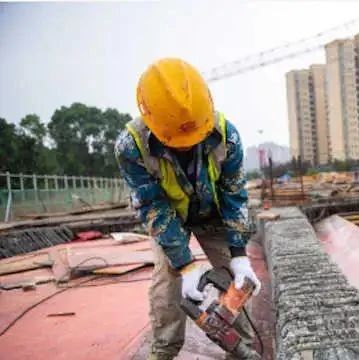
防水市场开始涨价 水泥企业称不去产能将面临生存压力
Hua Xia Shi Bao· 2025-07-10 13:01
Core Viewpoint - The construction industry is joining the "anti-involution" movement, aiming to enhance industry self-discipline and eliminate excessive competition, following similar trends in the photovoltaic and new energy vehicle sectors [2][4]. Group 1: Industry Trends - In the first five months of the year, national real estate development investment reached 36,234 billion yuan, a year-on-year decrease of 10.7%, with declines in new construction, ongoing projects, and completions [2]. - A joint initiative by 33 construction companies aims to promote industry transformation through technological innovation and to avoid blind expansion and excessive debt [2][6]. - The construction industry is experiencing significant slowdowns due to urbanization and reduced market demand, leading to overcapacity and a noticeable decline in growth rates [2][6]. Group 2: Cement Industry - The China Cement Association has issued guidelines to align actual production capacity with registered capacity, emphasizing the importance of capacity replacement policies for industry optimization [3][6]. - The cement industry is familiar with capacity reduction, with a projected utilization rate of 53% for cement clinker in 2024, down 6 percentage points from 2023, and an expected profit of around 25 billion yuan, a 20% decrease year-on-year [6][7]. - The industry is facing significant profit declines due to ongoing adjustments in the real estate sector and delays in infrastructure projects [6][7]. Group 3: Waterproofing Sector - Waterproofing companies have initiated price increases to counteract rising raw material costs, with price adjustments ranging from 3% to 13% for various products [4][5]. - Major waterproofing firms reported a significant drop in net profits for 2024, with Beijing Oriental Yuhong's net profit down 95.24% year-on-year, while Keshun Waterproof managed to turn a profit despite challenges [5]. - The waterproofing industry is experiencing a decline in production due to fluctuating downstream demand, prompting companies to raise prices to stabilize their financial performance [5].
建筑建材行业集体“反内卷”,要向“违规分包”“垫资施工”开刀
Di Yi Cai Jing· 2025-07-10 11:00
Group 1 - The construction industry has faced intense competition leading to low profit margins and unsustainable practices, prompting 33 major companies to jointly issue an initiative against "involution" [1][2] - The initiative emphasizes the need for the industry to focus on core responsibilities, enhance competitiveness, and resist illegal practices such as subcontracting and false bidding [2][3] - The construction sector has historically prioritized scale over quality, resulting in high output but low profitability, with issues like low-price bidding and excessive debt prevalent [3][6] Group 2 - The cement industry is responding to the "anti-involution" call by pushing for alignment between registered and actual production capacities, aiming for structural optimization and transformation [5][6] - Major waterproof material companies have announced price increases ranging from 1% to 13% to address rising costs and thin profit margins, indicating a shift towards better profitability [6][7] - The recent "anti-involution" movement has led to a rally in the A-share construction and materials sectors, with expectations of profit recovery for companies involved [6][7]
建材行业定期报告:反内卷升级,看好建材板块盈利能力修复
CMS· 2025-07-08 07:48
Investment Rating - The report maintains a recommendation for the building materials sector, indicating a positive outlook for profitability recovery in the industry [2]. Core Insights - The building materials industry is experiencing a "de-involution" campaign aimed at improving overall profitability, particularly in the cement sector, where demand is currently suppressed due to high temperatures and rainy weather [1][10]. - The report highlights a significant increase in land acquisition by the top 100 real estate companies, with a year-on-year growth of 33.3%, reflecting a recovery in investment confidence among real estate enterprises [6][13]. - Price adjustments in the waterproofing materials sector are noted, with leading companies implementing price increases of 1% to 13% across various product categories, indicating a shift towards healthier competition in the consumer building materials market [6][13]. Summary by Sections Cement Industry - The national average cement price has continued to decline, with a drop of 10-15 CNY/ton in certain regions, while some areas like Jilin and Chongqing have seen price increases of 30-50 CNY/ton [10][22]. - The cement market is under pressure with a current inventory ratio of 76.00%, indicating a continued accumulation of stock [10][22]. - The China Cement Association has initiated measures to address supply-demand imbalances, which are expected to enhance overall industry profitability [10][11]. Float Glass Industry - The float glass market is experiencing weak price performance, with a national average price of 1174 CNY/ton, down 3.27 CNY/ton from the previous period [11]. - Inventory levels have decreased slightly, with a total of 6.9085 million heavy boxes reported, and production has increased to 110.34 million tons [11][12]. - Despite some replenishment activities in the downstream market, overall demand remains limited, leading to expectations of continued price weakness [11][12]. Fiberglass Industry - The market for non-alkali fiberglass remains stable, with prices around 3700 CNY/ton for high-end products, while electronic fiberglass prices are expected to rise due to tight supply [12]. - The main product G75 in the electronic fiberglass market is priced between 8800-9200 CNY/ton, showing stability compared to the previous week [12]. Consumer Building Materials - The report emphasizes the trend of price increases among leading companies in the waterproofing sector, which is seen as a positive sign for the industry's competitive landscape [6][13]. - Recommendations for investment include companies like Weixing New Materials, Keda Manufacturing, and Mona Lisa, which are positioned well for growth in the current market environment [14][15][16].



【建筑建材】周专题:轨道频谱稀缺驱动竞赛,国内低轨星座建设步入加速期——建材、建筑及基建公募REITs周报(孙伟风)
光大证券研究· 2025-07-07 08:34
Group 1 - The article discusses the acceleration of low Earth orbit (LEO) satellite constellation construction in China, driven by the scarcity of orbital and frequency resources [2] - LEO satellites offer advantages such as reduced power attenuation, lower communication latency, and simplified terminal design compared to geostationary orbit (GEO) satellites [2] - Major domestic satellite projects include "Guowang" (12,992 satellites), "Qianfan" (over 15,000 satellites), and "Honghu-3" (10,000 satellites), all with phased launch plans [2] Group 2 - Leading waterproof companies like Yuhong, Beixin, and Keshun have initiated a new round of price increases for engineering products, following a previous price hike for consumer products [3] - The collective price increase among leading companies is seen as a strategy to recover prices amid a backdrop of industry "anti-involution," although current demand remains weak [3]