蜜雪冰城

Search documents
2025年职场红利盘点:在这些赛道里,捡回“上行”信心(全文版)
3 6 Ke· 2025-12-19 06:47
Group 1 - The article discusses the impact of AI on the workplace, highlighting both the potential benefits and the challenges faced by employees as AI technologies evolve [2][3] - It notes that many companies are still hesitant to invest in employer branding, focusing instead on product performance and financial results, which diminishes the importance of employee relations [3] - The trend of seeking "versatile talents" in job descriptions is increasing, while the concept of "one-person companies" emerges as a response to workforce reductions, raising questions about the value of teamwork [3] Group 2 - The article reflects on the struggles of an AI startup team, emphasizing the challenges of navigating the AI landscape and the impact of rising price sensitivity among consumers [3][4] - It mentions the organization of various events, including AI talent salons and recruitment fairs, aimed at fostering community and industry engagement [4] - The publication aims to maintain high content standards and neutrality while exploring monetization strategies through paid content, indicating a shift in the media landscape [4] Group 3 - The article presents a list of the top 50 employers in the workplace bonus category, showcasing companies that have excelled in employer branding and employee engagement [8][15] - It highlights the importance of adapting to changing market demands and the emergence of new job roles in sectors like IP management and overseas market promotion due to the globalization of brands [11] - The narrative emphasizes the need for companies to innovate and adapt to the evolving economic landscape, particularly in the context of AI and automation [11]


2025新消费大会:寻找新增量,从“中国消费”到“消费中国”
2 1 Shi Ji Jing Ji Bao Dao· 2025-12-19 02:28
Core Insights - The 2025 New Consumption Conference highlighted the transformation of the consumption industry, emphasizing the shift from "Chinese consumption" to "consumption China" and the importance of cross-industry growth and innovation [1][10] Industry Trends - The consumption sector is undergoing significant changes, driven by the emergence of a new generation of consumers, particularly the Z generation, who are reshaping demand and preferences [2][3] - Investment institutions continue to seek opportunities in the consumption sector, indicating strong investment demand despite competitive pressures [2] Brand Evolution - Brands are transitioning from being mere sellers to becoming experience co-creators, integrating more deeply into consumers' lives [4] - The relationship between brands and consumers is evolving from a one-way transaction to a two-way nurturing and growth dynamic [4] Market Dynamics - The Hong Kong stock market has become a primary venue for consumer companies to go public, with over 23 IPOs in the retail and consumption sector by the end of November [5][6] - The influx of capital into new stock offerings reflects a market response to trends and confidence in the consumption sector [6] International Expansion - Many consumer brands are prioritizing international expansion as a core strategy, viewing it as a natural choice for growth rather than a desperate measure [7] - Successful domestic models are seen as essential for competitive international ventures, with brands needing to establish a strong presence in global markets [7][8] Consumer Insights - Emotional value is becoming a key decision-making factor in consumer behavior, influencing product innovation and market strategies [8] - Brands are encouraged to create products and services that translate abstract emotions into tangible consumer experiences [8][9] Conclusion - The 2025 New Consumption Conference underscored the complex dynamics of the consumption market, highlighting the balance between short-term pressures and long-term confidence, as well as the interplay between local focus and international outreach [10]

魏宏丞“接班”康师傅CEO:他负责的饮品业务下滑中
2 1 Shi Ji Jing Ji Bao Dao· 2025-12-19 01:51
Group 1 - The core point of the article is the leadership transition at Master Kong, with the announcement of a new CEO, Wei Hongcheng, who will take over from the current CEO, Chen Yingrang, in 2026 [1][4] - Wei Hongcheng, aged 43, has been with Master Kong for 10 years and has held various positions, including Chairman of Master Kong Beverages since 2019, where he has contributed to steady revenue and profit growth [1][2] - Master Kong is undergoing a transformation towards becoming a high-quality, full-category beverage company, although its beverage business is currently facing challenges, with a 2.6% year-on-year decline in beverage revenue to 26.359 billion yuan in the first half of 2025 [2][3] Group 2 - The decline in Master Kong's beverage revenue is attributed to several factors, including a shift in consumer demand for sugary tea, a reduction in the number of marketing distributors, and price increases affecting sales [3] - In contrast, Nongfu Spring's beverage business saw an 18.6% year-on-year revenue increase to 16.18 billion yuan during the same period, highlighting a significant performance gap between the two companies [2][3] - Master Kong remains optimistic about its beverage business, expecting continued growth from new product contributions and a richer product matrix [3]
魏宏丞“接班”康师傅CEO:他负责的饮品业务下滑中丨消费参考
2 1 Shi Ji Jing Ji Bao Dao· 2025-12-19 01:48
Group 1 - The core point of the article is the announcement of a leadership transition at Master Kong, with the current CEO Chen Yingrang set to retire in 2026, and Wei Hongcheng appointed as the new CEO effective January 1, 2026 [1][2][6] - Wei Hongcheng, aged 43, has been with Master Kong for 10 years and has held various positions, including Chairman of Master Kong Beverages since 2019, where he has led strategic decisions resulting in steady revenue and profit growth [2][3] - Master Kong is undergoing a transformation towards becoming a high-quality, full-category beverage company under Wei Hongcheng's leadership [3] Group 2 - Master Kong's beverage business is currently facing challenges, with a reported revenue decline of 2.6% year-on-year to 26.359 billion yuan in the first half of 2025 [4] - Specific declines include a 6.3% drop in tea beverage revenue to 10.67 billion yuan, a 6.0% drop in water sales to 2.377 billion yuan, and a 13.0% drop in juice sales to 2.956 billion yuan, while carbonated and other beverages saw a 6.3% increase to 10.256 billion yuan [4] - In contrast, Nongfu Spring's beverage business experienced an 18.6% revenue growth to 16.18 billion yuan during the same period, highlighting a significant performance disparity [4] Group 3 - Factors contributing to Master Kong's performance disparity with Nongfu Spring include a shift in consumer demand for sugary tea products and a reduction in the number of marketing distributors from 67,215 to 63,806 [5] - Additionally, price increases in Master Kong's beverage products, such as the 1L iced tea, may have negatively impacted sales, with reports of a 33% drop in sales from some retailers [5] - Despite these challenges, Master Kong remains optimistic about its beverage business, citing a continuous expansion of its product matrix and the expectation of increased contributions from new products [5][6]
看懂这些关键领域,在2026年捡回“上行”信心(限免阅读)
3 6 Ke· 2025-12-18 15:17
Group 1 - The core theme of the articles revolves around the impact of AI on the workplace, highlighting both the potential benefits and challenges faced by employees and companies in adapting to AI technologies [2][3]. - The narrative discusses the cautious approach of capital investment in AI applications, emphasizing that many startups have failed due to pursuing "pseudo-demand" [2]. - The emergence of AI tools has led to a significant shift in job dynamics, with the introduction of "super individuals" potentially displacing other workers in the same demand unit [2]. Group 2 - The articles reflect on the harsh realities faced by employees in China, where few companies invest in employer branding, focusing instead on product strength and performance [3]. - There is a trend of companies expanding job descriptions to seek "composite talents," raising questions about the necessity of teamwork in the workplace [3]. - The narrative also touches on the struggles of an entrepreneurial team from 36Kr, noting the challenges faced in the AI startup landscape and the impact of rising price sensitivity among consumers [3]. Group 3 - The articles mention various events organized by the company, including AI talent salons and large recruitment fairs, aimed at fostering community and industry engagement [4]. - The company has produced influential deep reports, despite facing pushback from some companies regarding content [4]. - The focus remains on maintaining high content standards and neutrality while exploring monetization through paid content [4]. Group 4 - The "Top 50 Employers for Workplace Benefits" list includes companies in advanced manufacturing, such as Momenta, SiLing Robotics, and Gree Electric, showcasing leaders in the industry [6][10]. - The articles highlight the growth and challenges faced by these companies, including the need for skilled talent in areas like AI and robotics [8][11]. - The narrative emphasizes the importance of innovation and adaptation in the rapidly evolving job market, particularly in sectors influenced by AI and automation [13].
“盲池基金的时代过去了?”
母基金研究中心· 2025-12-18 09:10
Core Viewpoint - The era of blind pool funds is considered over, with a shift towards more project-specific funds that require certainty in underlying projects for fundraising [1][2]. Group 1: Transition from Blind Pool Funds - The consensus among industry professionals is that blind pool funds are becoming obsolete, with most current fundraising efforts tied to specific projects rather than traditional reserve projects [1]. - Investors are increasingly demanding certainty regarding the underlying projects of funds, whether from state-owned or private investors [1][2]. - The emergence of the "investment and production" era emphasizes the importance of resource integration and value discovery in fund management [1]. Group 2: Rise of Specialized Funds - Specialized funds are regaining popularity due to the strong performance of IPOs in the Hong Kong and A-share markets, particularly among leading technology companies [3][5]. - These funds are generally smaller in scale compared to blind pool funds and focus on specific projects, which makes them more attractive to investors seeking clarity and lower commitment amounts [4][6]. - The recent trend shows that individual LPs and industry players are eager to participate in specialized funds to capitalize on the growth of Chinese technology innovation [5][6]. Group 3: Characteristics and Challenges of Specialized Funds - Specialized funds offer higher certainty as they invest in pre-identified projects with clear growth potential, providing LPs with more control and quicker setup times [6][7]. - However, specialized funds face challenges such as the inability to expand or redeem funds post-registration, which can complicate follow-up investments in successful projects [8][9]. - The competitive landscape means that specialized fund managers must act quickly to secure quality projects, as delays can result in missed opportunities [9][10]. Group 4: Comparative Analysis of Fund Types - While specialized funds are favored for their lower risk and higher certainty, they do not completely eliminate the risks associated with blind pool funds, especially in volatile sectors [9][10]. - Blind pool funds typically have larger scales, allowing for diversified risk management, which can be advantageous in uncertain market conditions [9][10]. - Both fund types have their strengths and weaknesses, and fund managers need to adapt to market trends while building strong relationships with LPs [10].

新茶饮不是倒在价格战
3 6 Ke· 2025-12-18 01:27
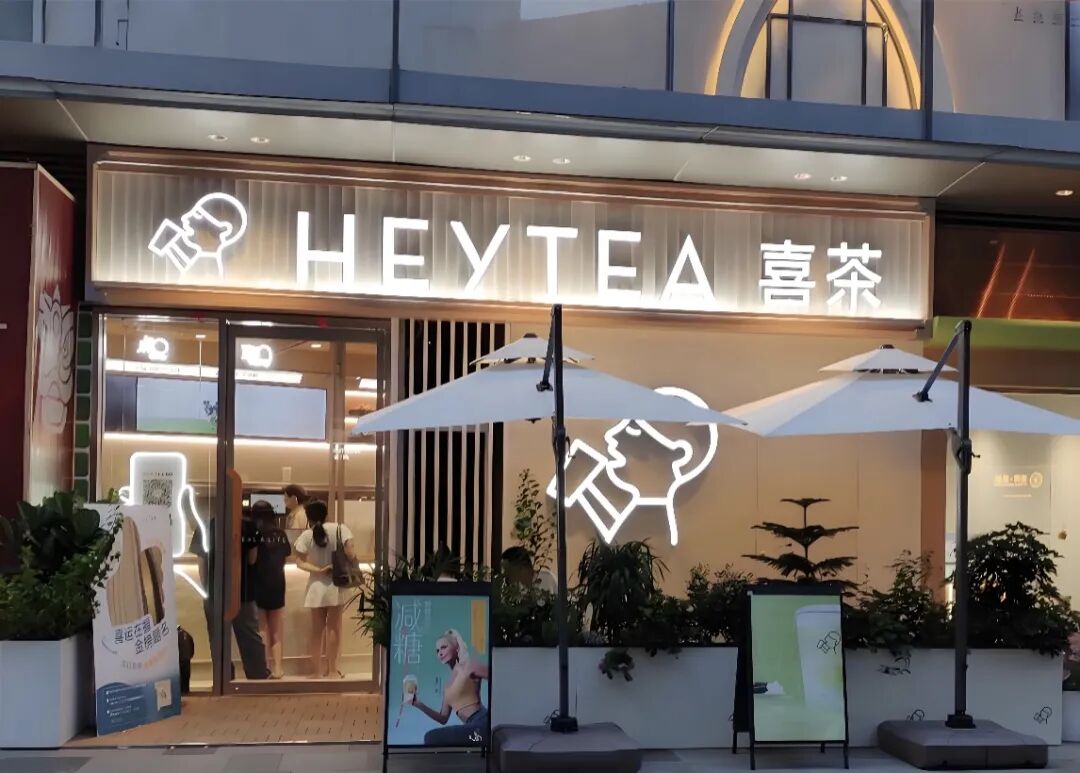
Core Insights - The decline of new tea beverage brands, exemplified by Heytea closing over 600 stores, indicates a significant challenge in the industry's expansion strategy [1] - The rapid growth of store numbers has not translated into profitability, with many brands facing pressure on single-store performance [3][5] - The shift to a franchise model has not alleviated the financial burdens on franchisees, leading to increased closures and operational difficulties [7][11] Industry Overview - As of October 2024, Heytea had 4,610 stores, but this number is projected to drop to 3,930 by October 2025, marking a net decrease of 680 stores in one year [3] - Other brands, such as Bawang Chaji, are also experiencing profit declines despite increasing store counts, with adjusted net profits dropping by 22.23% year-over-year [3] - The overall market is seeing a decline in same-store sales, with Heytea's monthly GMV per store down 28.3% [5] Franchise Model Challenges - Franchisees are reporting extended payback periods, often exceeding 18 months, due to high operational costs and insufficient sales [7][18] - Complaints from franchisees include high operational costs and inadequate support from the franchisor, leading to inefficiencies [7] - The franchise model, initially seen as a growth lever, is now revealing significant risks as profitability at the store level diminishes [18] Competitive Landscape - The market is becoming increasingly crowded, with many brands competing on price rather than quality, leading to thinner profit margins [8][21] - The rise of mid-tier brands with established franchise systems is intensifying competition, forcing established brands to engage in price wars [8][21] - The consumer preference is shifting towards more affordable options, as seen with the growth of brands like Mixue Ice Cream and Tea [21][25] Economic Context - The overall economic environment is affecting consumer spending, with retail sales growth slowing to 2.9% year-over-year as of October 2025 [23] - The shift in consumer behavior towards more budget-conscious spending is impacting non-essential goods like premium tea beverages [23][25] - The industry is facing a hard constraint as the high-margin growth period ends, forcing brands to adapt to a more competitive and price-sensitive market [23][27] Future Directions - The industry may need to pivot towards creating more frequent and everyday products, reducing reliance on high-margin narratives [27] - Alternatively, weaker players may exit the market, leading to a reduction in supply and potentially healthier competition in the long run [27] - The focus will shift from merely expanding store counts to ensuring each store can operate profitably under real market conditions [27]
蜜雪冰城回应美国开首店,外卖平台推独家预售套餐
3 6 Ke· 2025-12-18 01:21
Core Insights - The company "Mixue" is expanding its presence in the U.S., with a new store in Hollywood, Los Angeles, which has attracted attention on social media [1][5] - The store is part of a broader strategy to establish overseas locations, including plans for New York and Mexico [16] Group 1: Store Launch and Consumer Engagement - The Hollywood store is located on the bustling Hollywood Walk of Fame, directly across from the Chinese Theatre [1] - Starting December 15, the company is distributing free drinks featuring the "Snow King" mascot at various locations, including the University of Southern California, to attract students and the Chinese community [3] - The store's design mirrors that of its domestic counterparts, featuring a transparent plastic bottle and a red-themed cap, with the brand name "MIXUE" in English [5] Group 2: Product Offerings and Pricing - The store has launched pre-sale packages on food delivery platforms, with two options priced at $3.99 (approximately 28 RMB), including two drinks and ice cream [5][6] - The drinks available in the pre-sale include options like Taro Grape and Coconut Milk Tea, with a unique sugar level selection ranging from regular to 200% sweetness [6] Group 3: Financial Performance and Expansion - As of mid-2025, Mixue reported a revenue of 14.87 billion RMB, a year-on-year increase of 39.3%, with a net profit of 2.72 billion RMB, up 44.1% [16] - The total number of global stores reached 53,014, with 4,733 located overseas, marking a net increase of 128 international locations [16]

中金2026年展望 | 旅游酒店及餐饮:服务连锁正当时,布局反转和高成长
中金点睛· 2025-12-17 23:54
Core Viewpoint - The service industry is showing signs of stabilization and bottoming out after experiencing price pressure and same-store sales decline in 2024, with expectations for recovery in 2026, particularly in sub-sectors like hotels and duty-free [2][17]. Group 1: Industry Trends - The service consumption ratio is increasing, supported by improved infrastructure for chain operations, leading to the emergence of more quality brands [4][21]. - The government has introduced multiple policies to promote service consumption, indicating a potential for stronger recovery in domestic demand [18][20]. - The hotel sector is expected to see a rebalancing of supply and demand in 2026, with RevPAR stabilizing due to a low base and slowing supply growth [4][31]. Group 2: Sub-sector Analysis - **Hotels**: The hotel industry faced pressure from weak business travel demand and continued supply expansion, but RevPAR showed signs of recovery in October 2025, driven by ADR increases [26][33]. - **Duty-Free**: Duty-free sales are stabilizing, with a focus on the potential of new policies to boost sales from departing travelers and local residents [45][49]. - **Dining**: The dining sector is experiencing a controlled competitive environment, with affordable brands performing relatively well amidst a recovering landscape [36][44]. Group 3: Investment Opportunities - Companies that can effectively meet consumer demands for value and emotional satisfaction, possess strong operational capabilities, and capture sustainable growth drivers are likely to succeed [4][29]. - The focus on high-quality brands and those with strong internal capabilities is expected to yield better performance in the coming years [4][21]. Group 4: Market Performance - In 2025, companies like Gu Ming and Mi Xue have shown significant stock performance, indicating a trend where companies with strong growth potential outperform their peers [7][12]. - The overall market for the service sector is expected to see a gradual recovery, with structural opportunities emerging in the hotel and duty-free segments [6][31].





“AI+全球化”双轮驱动,重构全球餐饮产业新生代
Sou Hu Cai Jing· 2025-12-17 13:58
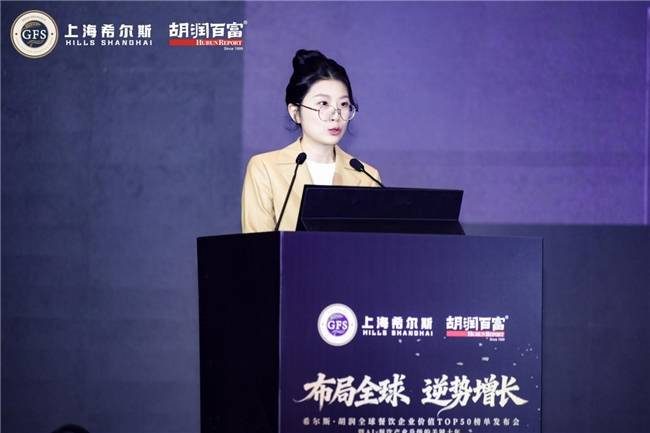
Core Insights - The event held on December 15, 2025, in Suzhou, focused on "AI + Globalization" as a central theme, aiming to explore new development paths for the global catering industry [1] - Hills, as a provider of global catering intelligent growth solutions, emphasizes a full-chain empowerment system to assist global catering brands in achieving precise localization and global breakthroughs [3] Industry Developments - The "2025 Hills · Hurun Global Catering Enterprise Value TOP 50" list was unveiled, serving as a new benchmark for measuring industry value and recognizing the core competitiveness of quality catering brands [6] - The summit aimed to drive industry growth through a dual approach of "list empowerment + trend analysis," focusing on AI and globalization as key topics [8] AI Integration - The summit highlighted the transition from "experience-driven" to "intelligent-driven" operations in the catering industry, showcasing AI applications across the entire production, service, and management chain [9] - Leading brands shared practical experiences in health food development, digital management of global stores, and refined operations in new tea drinks, addressing the industry's urgent need for technological breakthroughs [9] Globalization Strategies - A roundtable forum discussed three key topics: brand globalization, regional characteristics, and new growth paradigms, featuring representatives from top brands sharing strategies for overseas market localization and global supply chain development [10] - The discussions emphasized the importance of connecting local brands with global resources and trends, showcasing Hills' role in facilitating industry collaboration [10] Cultural and Economic Synergy - The event concluded with a high-profile dinner that integrated business discussions with cultural performances, enhancing the industry's value and cultural essence [11] - The participation of over a hundred top domestic and international catering brands, along with support from various industry organizations, reinforced Hills' leadership position in the catering ecosystem [11]