奔驰

Search documents
我们该怎样记住2025年的中国汽车?
Xin Lang Cai Jing· 2026-01-04 11:30
Core Insights - The Chinese automotive industry has undergone a significant transition in 2025, moving towards the popularization of electrification and the acceptance of safety and responsibility in intelligent driving, while the focus has shifted from expansion to efficiency, governance, and organizational capability [2][69]. Group 1: Industry Competition and Regulation - The Chinese automotive sector has seen a comprehensive intervention from the government to restore competitive order, addressing issues like price wars and production consistency [4][70]. - The intervention marks a shift from merely addressing price control to tackling the root cause of competition, which is the high degree of product and capability homogeneity among companies [6][73]. - The need for differentiation in competition is emphasized, suggesting that true market differentiation must be established to eliminate the cycle of homogeneous competition [9][75]. Group 2: State-Owned Enterprise Reform - The establishment of a new state-owned enterprise, Changan Automobile, marks a significant reform in the state-owned automotive sector, indicating a shift from scale and form to mechanisms and efficiency [10][14]. - The reform aims to enhance the capabilities of state-owned enterprises, focusing on creating irreplaceable advantages in key areas [12][14]. - The changes in state-owned enterprises reflect a broader trend towards efficiency and capability building in the face of new industry challenges [15][64]. Group 3: Intelligent Driving and Safety - The rapid adoption of intelligent driving technologies has led to a shift in focus from technical capabilities to safety and responsibility, with companies facing increased scrutiny over their marketing practices [16][18]. - A significant traffic accident in March 2025 highlighted the urgent need for clear definitions of responsibility and safety standards in intelligent driving [18][21]. - Companies like Geely are taking proactive steps to enhance safety standards, indicating a broader industry trend towards building safety as a core competency [21][23]. Group 4: Globalization and Market Dynamics - The Chinese automotive industry is increasingly viewed as a key player in global market dynamics, with companies recognizing the need for localized manufacturing and long-term partnerships abroad [44][46]. - The shift from merely exporting products to establishing a presence in foreign markets reflects a deeper understanding of the complexities of global trade [44][46]. - The evolving landscape of international relations, particularly between China and the West, is reshaping how Chinese automotive companies approach global expansion [43][48]. Group 5: Capital Market Engagement - The surge of Chinese automotive companies seeking IPOs in Hong Kong indicates a strategic reassessment of capital and risk in light of global market changes [56][58]. - The focus on stable cash flow and clear profit models is becoming essential as the industry transitions into a phase of stock competition and technological differentiation [56][58]. - The choice of Hong Kong for IPOs reflects a desire for regulatory stability and alignment with global standards, enhancing transparency and governance [58][61]. Group 6: Industry Consolidation and Efficiency - A trend of strategic consolidation is emerging, with companies prioritizing resource concentration and efficiency over brand proliferation [66][66]. - Major global automakers are also reducing operations and focusing on core competencies, indicating a broader industry recognition that scale alone may not ensure safety in a volatile market [66][66]. - The end of the expansion phase in the automotive industry signals the beginning of a more competitive environment that tests endurance, efficiency, and organizational capabilities [66][66].



喜茶掉队、DeepSeek被它打败,2025年好品牌之争谁赢了
3 6 Ke· 2026-01-04 02:24
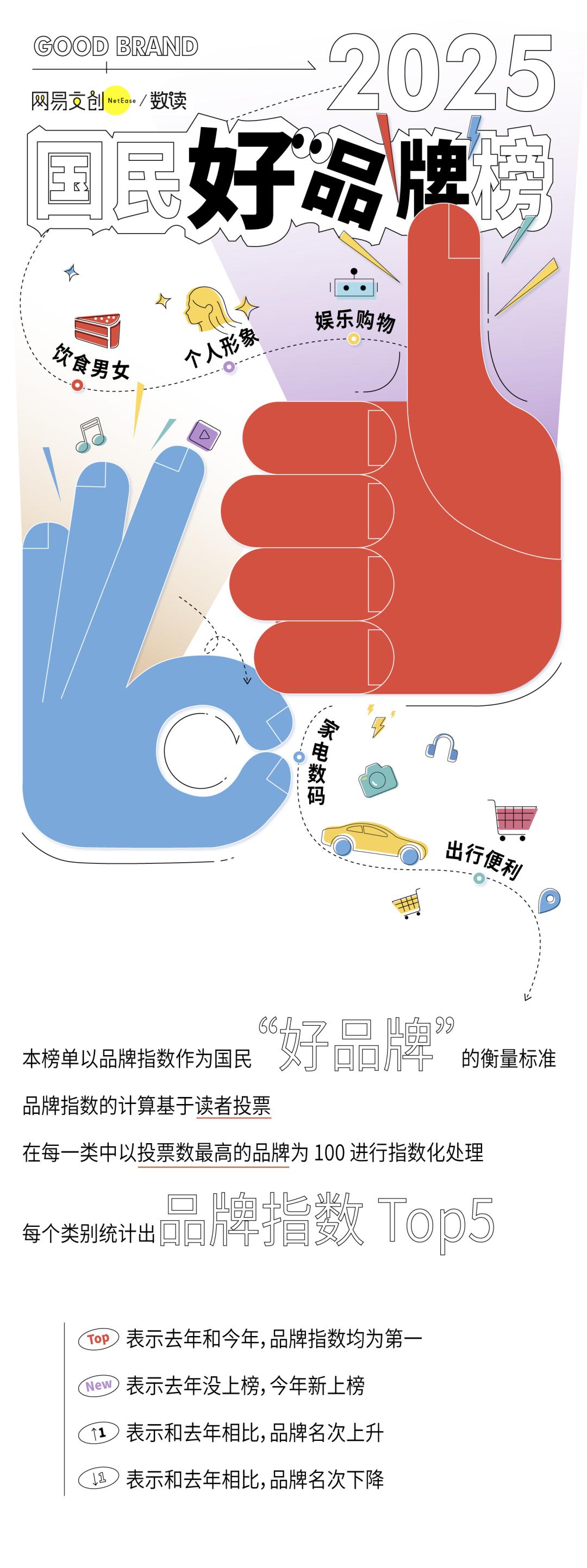
Group 1 - The brand index is used as a measurement standard for the public, calculated based on reader votes, with the highest voted brand in each category set to 100 for index processing [2] - The top five brands in various categories have been identified, with changes in rankings noted, including new entries and shifts in positions compared to the previous year [4][9] - The overall consumer sentiment indicates a cautious approach to spending, with a significant portion of respondents prioritizing product quality and reliability over brand loyalty [123][124] Group 2 - Heytea has fallen behind, with Guming Tea replacing it in the top five, and Guming Tea's store count reaching 11,179 with a net profit of 1.625 billion yuan, surpassing its total profit from the previous year [9] - Haidilao remains the top brand in the hot pot category, while KFC and McDonald's have swapped positions, with KFC slightly ahead [12] - The beverage market sees a return of Nongfu Spring to the top ranks, while Wahaha faces management turmoil, impacting its brand perception [15][17] Group 3 - In the beauty and personal care sector, Estee Lauder and L'Oreal dominate, with significant changes in rankings and the absence of local brands in the top positions [41] - Anta and Li Ning lead the sportswear category, with Li Ning rising to first place from fourth last year, while Adidas has returned to the rankings [45] - Douyin has surpassed Bilibili in the short video sector, with Douyin's daily active users reaching 600 million, while Bilibili has improved its profitability [55] Group 4 - The e-commerce landscape is evolving, with traditional platforms like JD, Meituan, and Taobao entering the instant retail competition, leading to significant financial investments in subsidies [73] - The AI app market is witnessing explosive growth, with ByteDance's products leading in active user numbers, indicating a shift towards AI-driven applications [80] - The adult product market is quietly rising, with brands like Durex and Okamoto leading the category [82] Group 5 - The home appliance market is characterized by intense competition, with Midea focusing on diversified business strategies, while Haier emphasizes high-end and localized operations [92] - Huawei continues to focus on the high-end market, with significant developments in its HarmonyOS ecosystem, while Apple faces challenges with its latest iPhone series [94][95] - The hotel industry is shifting towards new chain hotels, with traditional five-star hotels losing appeal as consumers seek more modern accommodations [116]

宝马大降价,“以前想都不敢想”
Zhong Guo Zheng Quan Bao· 2026-01-03 08:06
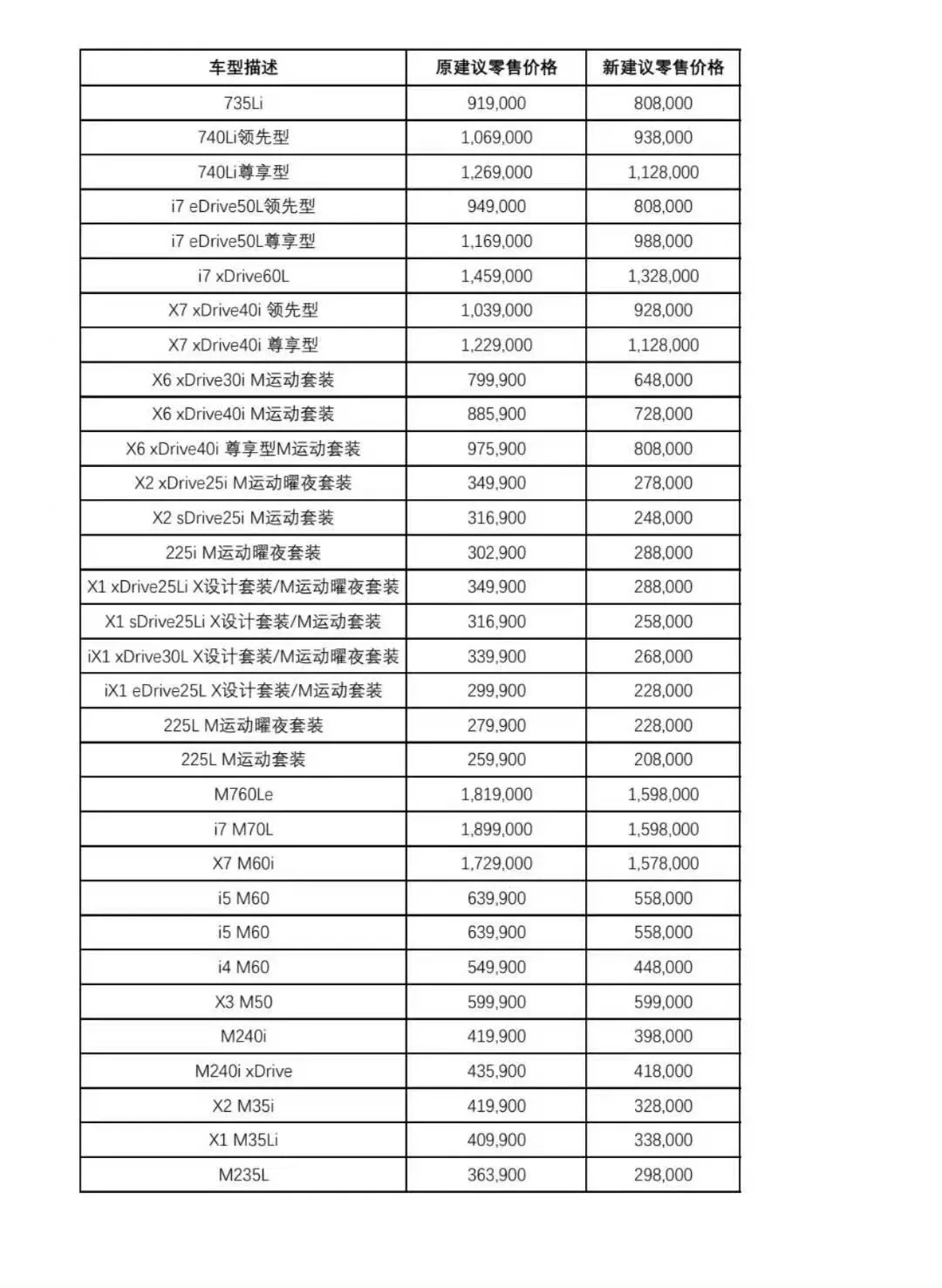
Core Insights - BMW China announced a "systematic value upgrade" on January 1, 2026, marking a significant price reduction across 31 key models, including a notable drop of 301,000 yuan for the flagship electric model i7 M70L, now priced at 1,598,000 yuan [1] - The price cuts are seen as a response to declining market performance in China, with a 11.2% year-on-year drop in sales for the first three quarters of 2025, totaling 465,000 units, which is a stark contrast to a global sales increase of 2.4% [3] Price Adjustments - The price reductions set new records in the luxury car market, with the iX1 eDrive25L seeing a 71,900 yuan decrease (24%), now starting at 228,000 yuan, directly competing with mid-range electric models like Tesla Model Y and BYD Tang EV [2] - The flagship 7 Series also experienced significant price cuts, with the 735Li dropping from 919,000 yuan to 808,000 yuan (12% reduction), and the 740Li leading model decreasing to below 900,000 yuan [2] Market Challenges - BMW's market share in China has been under pressure, with the X5 SUV's sales plummeting to 5,498 units in October 2025, ranking 12th, and the 5 Series lagging behind competitors like Audi A6L [3] - The luxury car market is undergoing a transformation, with new entrants like AITO and Li Auto reshaping consumer perceptions, making traditional brand premiums less relevant [4] Competitive Landscape - The rapid penetration of electric vehicles in China is intensifying competition, with retail penetration rates for new energy passenger vehicles reaching 53.6% in the first 11 months of 2025, and peaking at 59.3% in November [5] - Other luxury brands are also facing sales pressures, with Mercedes-Benz reporting a 14% decline in sales in the first half of 2025, prompting price reductions on key models [5] Strategic Response - BMW's price cuts may trigger a chain reaction in the luxury car market, reflecting a broader shift from brand competition to value competition, posing challenges for traditional luxury automakers in balancing brand equity with market share [5]
最高降30万元!宝马打响2026年车企价格战“第一枪”!下调旗下31款车型建议零售价
Jin Rong Jie· 2026-01-03 07:13
Core Viewpoint - BMW has initiated a significant price adjustment for 31 models in China, with reductions generally exceeding 10%, and some models seeing cuts of over 20% [1][3]. Group 1: Price Adjustments - The price adjustments affect both gasoline and electric vehicles, with flagship models like the i7M70L seeing a reduction of 301,000 yuan, dropping from 1,899,000 yuan to 1,598,000 yuan, a decrease of 16% [1][2]. - The entry-level 735Li model's price has been reduced from 919,000 yuan to 808,000 yuan, a 12% decrease, while the X1 series has seen reductions of 19% and 18% for different variants [1][2]. - After the price adjustments, 10 out of the 31 models will have suggested retail prices below 300,000 yuan, up from only 3 models previously [3]. Group 2: Market Context - BMW's price cuts are described as a strategic response to market dynamics rather than a price war, emphasizing long-term value and product upgrades [4]. - In the first three quarters of 2025, BMW's deliveries in China fell by 11.2% year-on-year, with significant declines in sales for key models like the X5 and 5 Series [4]. - The company reported a revenue decline of 5.6% year-on-year for the first three quarters of 2025, with a total revenue of 999.99 billion euros [5]. Group 3: Competitive Landscape - Competitors such as Mercedes-Benz and Audi have not yet followed BMW's lead in price reductions [6]. - The recent government subsidies for vehicle replacements may influence consumer purchasing behavior and market dynamics in 2026 [8][9].
从小车转向SUV,“中国偏好”正重塑欧洲市场
Xin Lang Cai Jing· 2026-01-03 05:55
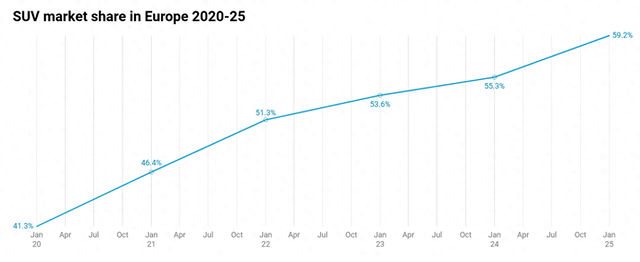
(文/观察者网 张家栋 编辑/高莘) 近日,市场研究公司Dataforce的数据显示,自2020年以来,欧洲汽车市场发生了重大变化。曾经主导欧 洲街道的小型紧凑型轿车与掀背车不再是欧洲最高销量的产品,取而代之的是,一度因为体积庞大、油 耗惊人而招致鄙夷的SUV。 据市场研究公司Dataforce的数据,2020年,SUV占欧洲新车销量的41%,如今这一数字已达到59%。 《欧洲汽车新闻》近日在相关报道中表示,尤其是紧凑型与中型SUV,逐步取代小型车,成为欧洲市场 新的增长中心。 欧洲车市SUV销量占比变化 欧洲汽车新闻 尽管在外媒眼中,这一变化往往被简单归因为"消费者偏好改变",但从产业视角看,它更像是一场由全 球平台统一逻辑驱动,并在中国市场放大后反向影响欧洲的结构性调整。 | | Model | 2025 sales | | --- | --- | --- | | 1 | VW T-Roc | 196,246 | | 2 | VW Tiguan | 180,683 | | 3 | Toyota Yaris Cross | 174,567 | | 4 | Peugeot 2008 | 160,104 | | ...
宝马大降价!“以前想都不敢想”
Zhong Guo Zheng Quan Bao· 2026-01-03 04:50
Core Viewpoint - BMW's recent price cuts in China are a strategic response to declining market performance, aiming to maintain market share amid increasing competition and changing consumer preferences [1][3][4] Group 1: Price Adjustments - BMW has officially reduced prices on 31 key models, with flagship electric model i7M70L seeing a drop of 301,000 yuan, from 1,899,000 yuan to 1,598,000 yuan [1] - The domestic M235L model has fallen below 300,000 yuan for the first time, while the 2 Series four-door coupe has reached a new low of 208,800 yuan [1] - The price cuts are unprecedented in the luxury car market, with significant reductions on electric models like iX1eDrive25L, which dropped by 71,900 yuan (24%), now starting at 228,000 yuan [2] Group 2: Market Performance - BMW's sales in China for the first three quarters of 2025 totaled 465,000 units, a year-on-year decline of 11.2%, representing 26% of global sales [3] - The X5 model, once a market leader, saw sales plummet to 5,498 units in October 2025, ranking 12th, while the 5 Series sold fewer than 8,000 units in August 2025, trailing behind Audi A6L [3][4] Group 3: Competitive Landscape - The rise of new energy vehicle brands like Li Auto and NIO is reshaping consumer perceptions of luxury cars, diminishing the traditional brand premium [4] - The penetration rate of new energy passenger vehicles reached 53.6% in the first 11 months of 2025, indicating a shift from policy-driven to market-driven dynamics [5] - Other luxury brands, such as Mercedes-Benz, are also facing sales pressures, with a 14% decline in the first half of 2025, prompting them to initiate price cuts on key models [5]
那边贾跃亭倾情唱《北京北京》,这边车厂跨年吸睛放大招
汽车商业评论· 2026-01-02 23:06
设计 | 甄 尤 美 撰文 | 王 菁 编辑 | 张 南 2025年12月,是中国车企表达欲爆棚的一个月。 一方面,作为忙碌一年的企业,他们有太多成绩希望对外传达,如不断进阶的产品科技、突飞猛进的自主研发、节节攀升的销量、到处覆盖的充 换电站,以及延伸到五湖四海的海外销售等。 另一方面,越来越懂人格化表达的他们,又希望借着圣诞节的快乐、新年夜的期盼,以一群人的身份与目标受众"站在一起",迎上情感共鸣的自然 流量。 随着新年倒计时的结束,车企们都交上了这份2025年最后的营销答卷。他们都写了什么?谁是最好的解题家? 共探新营销,共创新可能 贾跃亭倾情献唱《北京北京》 "怎么样,你想不想北京?""当然太想了,孩子和老爸老妈都还在北京呢。"远在大洋彼岸的贾跃亭用这么简单的一段对话,就狠狠地让全网打工人 和创业者共情了。 12月31日,贾跃亭在自己社交媒体平台发布了自己亲自演唱的《北京北京》,充满沧桑和情绪的声调,配以画面中从创业至今的欣喜与辛酸时 刻,甚至一次次抹泪时刻,让他的"造车梦"和FF再次回归国人视野。 这年尾,同贾跃亭的沧桑不同,雷军显得有点落寞,他选择在跨年之时直播拆车。只是因为感冒,他又宣布因个人原因 ...

宝马突然大范围调价,最高降30万
新华网财经· 2026-01-02 10:57
Core Viewpoint - BMW China will adjust the suggested retail prices of several key models starting January 1, 2026, with some models seeing price reductions of over 300,000 yuan [1]. Price Adjustment Overview - The price adjustment by BMW is extensive, covering both flagship and entry-level models, with reductions generally exceeding 10% [2]. - For instance, the flagship model i7 M70L will see a price drop of 301,000 yuan, from 1,899,000 yuan to 1,598,000 yuan, representing a 16% decrease [3]. Specific Model Price Changes - The model with the highest reduction is the BMW iX1 eDrive25L, with its price dropping from 299,900 yuan to 228,000 yuan, a decrease of 24%. The fuel version X1 also sees reductions, with the X1 xDrive25Li's price falling from 349,900 yuan to 288,800 yuan (18% decrease) and the X1 sDrive25Li from 316,900 yuan to 258,000 yuan (19% decrease) [4]. - The entry-level 735Li of the BMW 7 Series will see its price reduced from 919,000 yuan to 808,000 yuan, while the 740Li will drop from 1,069,000 yuan to 938,000 yuan, both reflecting a 12% decrease [6]. Strategic Implications - BMW describes this price adjustment as a "systematic value upgrade," emphasizing its strategy of "for China, in China," aimed at lowering the purchase threshold to enhance brand affinity and market competitiveness [6]. - The new pricing allows consumers to purchase the BMW M235L for under 300,000 yuan or the 2 Series four-door coupe for less than 260,000 yuan, significantly lowering the entry barrier for luxury vehicle ownership [6]. - This broad price adjustment is expected to alter the competitive landscape of the domestic luxury car market, with potential implications for rival brands like Mercedes-Benz and Audi regarding their pricing strategies [6].
政策预期向上修复-26年车市如何展望
2025-12-31 16:02
Summary of Conference Call Records Industry Overview - The records primarily discuss the **automobile industry**, focusing on the **new energy vehicle (NEV)** market and related government policies impacting vehicle sales and subsidies [1][2][4]. Key Points and Arguments Policy Changes and Subsidies - The **subsidy policy for new energy vehicles** is expected to decrease by **20%-30%**, amounting to approximately **¥220 billion to ¥230 billion**. This adjustment aims to enhance fund management and reduce fraudulent activities [1][2]. - The new policy introduces a **proportional subsidy** based on the new vehicle price, with a maximum of **¥20,000**, transitioning from fixed subsidies to a more flexible approach [2]. - Different vehicle types will see adjusted subsidy amounts, with **low-end models** like micro electric vehicles receiving reduced support, while **mid to high-end models** will benefit from increased subsidies [4][3]. Market Dynamics - The **2025 equipment update policy** offers substantial support for trucks, with a **¥45,000 subsidy** for scrapping heavy diesel trucks and **¥95,000** for purchasing new energy trucks, totaling **¥140,000** [7]. - The **2025 fourth quarter** saw a decline in retail sales, with December experiencing a **32%** drop in the first week compared to November, indicating a potential **zero to negative growth** in NEV demand due to expiring tax exemptions and supply pressures [15][2]. Economic Impact - The **economic outlook** suggests that **low-income groups** will struggle to increase purchasing power, limiting growth in the mid to low-end vehicle market. The overall automotive consumption is expected to maintain a **0% growth** rate in 2026, with a focus on high-quality development [18][16]. - The **2026 NEV market** is projected to have a **60% penetration rate**, with an expected growth rate of **14%** in the first quarter, indicating a positive trend despite challenges [20]. Challenges and Solutions - Challenges in policy implementation include **fund management** and **audit processes**, with recommendations for improved data sharing and stricter verification mechanisms to combat fraud [5][6]. - The **cross-regional subsidy issue** is addressed by requiring that new vehicle invoices and license plates belong to the same province, aiming to stabilize sales fluctuations across regions [17]. Future Trends - The **export market** for Chinese automobiles is anticipated to grow significantly, with a **25% increase** expected in January 2026, driven by high demand and favorable conditions [21]. - The competitive landscape in the automotive industry is shifting towards **innovation and technology**, with traditional brands facing pressure while new energy and luxury brands may thrive under supportive policies [22]. Additional Important Content - The **2026 passenger vehicle trade-in policy** has been adjusted to prevent short-term arbitrage, requiring vehicles to be registered in the owner's name for at least one year prior to the policy announcement [11]. - The **battery supply shortage** and rising lithium carbonate prices are attributed to high demand driven by subsidies for new energy trucks, leading to market imbalances [8][9]. This comprehensive summary encapsulates the critical insights from the conference call records, highlighting the evolving landscape of the automobile industry and the implications of government policies on market dynamics.
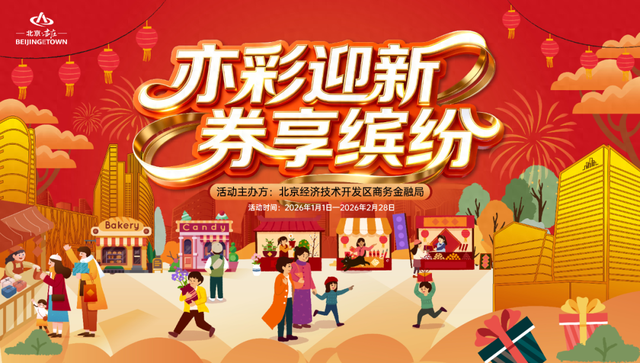
最高可减10500元!北京经开区新年消费券1月1日起发放
Xin Lang Cai Jing· 2025-12-31 04:30
Core Viewpoint - Beijing Economic-Technological Development Area (BDA) is launching a consumption promotion campaign titled "Yicai Welcomes the New Year · Coupons Enjoy Splendor" from January 1 to February 28, 2026, aimed at boosting consumer spending in the automotive, retail, and dining sectors [1][4]. Group 1: Automotive Sector - Consumers purchasing eligible vehicles can receive direct subsidies ranging from 1,500 to 10,000 yuan, with an additional 500 yuan for pure electric models, leading to a maximum discount of 10,500 yuan [3]. - Major automotive companies, including Xiaomi, Tesla, Mercedes-Benz, Audi, and BYD, are participating in this initiative [3]. Group 2: Retail Sector - The campaign features innovative retail consumption vouchers, including "Longzhu Discount Coupons" and "Group Purchase Universal Coupons," designed to enhance consumer engagement during the New Year and Spring Festival [3]. - Five major shopping malls are collaborating to offer diverse and creative voucher formats, aiming to stimulate holiday shopping activity [3]. Group 3: Dining Sector - The dining sector will utilize an online registration and lottery system for distributing dining vouchers, ensuring fairness and enhancing consumer experience [4]. - The second round of dining vouchers will be available for registration starting February 1, 2026, with a lottery draw on February 5 [6]. Group 4: Overall Strategy - The BDA's consumption promotion strategy will focus on three main lines: innovative models, key sectors, and the integration of culture, commerce, tourism, and sports [5]. - The campaign aims to create a vibrant consumption atmosphere during traditional peak seasons, thereby stabilizing economic growth expectations and enhancing residents' sense of well-being [4].