
华润啤酒

Search documents
智通港股沽空统计|11月27日
智通财经网· 2025-11-27 00:25
Short Selling Ratios - Geely Automobile-R (80175), Kuaishou-WR (81024), and JD Health-R (86618) have the highest short selling ratios at 100.00% each [1][2] - China Ping An-R (82318) has a short selling ratio of 89.61%, while SenseTime-WR (80020) and China Resources Beer-R (80291) follow with 89.27% and 75.13% respectively [2] Short Selling Amounts - Alibaba-SW (09988) leads in short selling amount with 3.768 billion, followed by Meituan-W (03690) at 2.272 billion and Xiaomi Group-W (01810) at 1.584 billion [3] - Tencent Holdings (00700) and AIA Group (01299) also feature in the top five with short selling amounts of 1.242 billion and 0.582 billion respectively [3] Short Selling Deviation Values - China Ping An-R (82318) has the highest deviation value at 64.42%, indicating significant divergence from its historical short selling average [4] - Geely Automobile-R (80175) and Kuaishou-WR (81024) follow with deviation values of 56.33% and 40.21% respectively [4] - Baidu Group-SWR (89888) also shows a notable deviation value of 36.29% [4]




百威亚太三季度在中国销量下滑? 营收被华润啤酒超过
Xin Lang Cai Jing· 2025-11-26 12:51
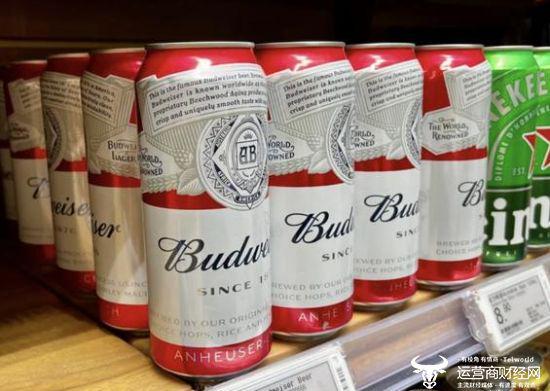
来源:运营商财经网 运营商财经网 周颖/文 近日,百威亚太发布2025年三季度财报,报告显示,公司第三季度营利双双下降,其中中国市场面临挑 战。 据百威亚太2025年三季度财报,公司营业收入为46.91亿美元,同比下降8.09%,净利润为5.94亿美元, 同比下降19.95%,销量为661.40万千升,同比减少7.10%。 其中第三季度公司收入为15.55亿美元,同比下降8.80%,净利润为1.85亿美元,同比减少7.96%,销量 同比下滑8.58%至225.12万千升。而对于销量的减少,百威亚太表示,主要因为公司在中国的业务布局 影响,但被印度的表现所部分抵消。 从中国市场的具体表现来看,2025年前三个季度,中国市场销量减少9.3%,收入减少11.3%,每百升收 入下降2.2%。其中第三季度中国市场销量减少11.4%,收入减少15.1%,每升收入减少4.1%,下降幅度 进一步拉大。百威亚太对此解释称,主要由于加大创新产品及品牌推广的投入,以及拓展非即饮市场的 相关投入,加上在存货管理过程中出现不利的品牌组合所致。 此外值得一提的是,在今年上半年,百威亚太营业收入同比下降7.74%至224.5亿元,被华润啤 ...


即时零售市场规模持续扩张,品牌如何探寻新增长路径?
Xin Hua Cai Jing· 2025-11-26 12:16
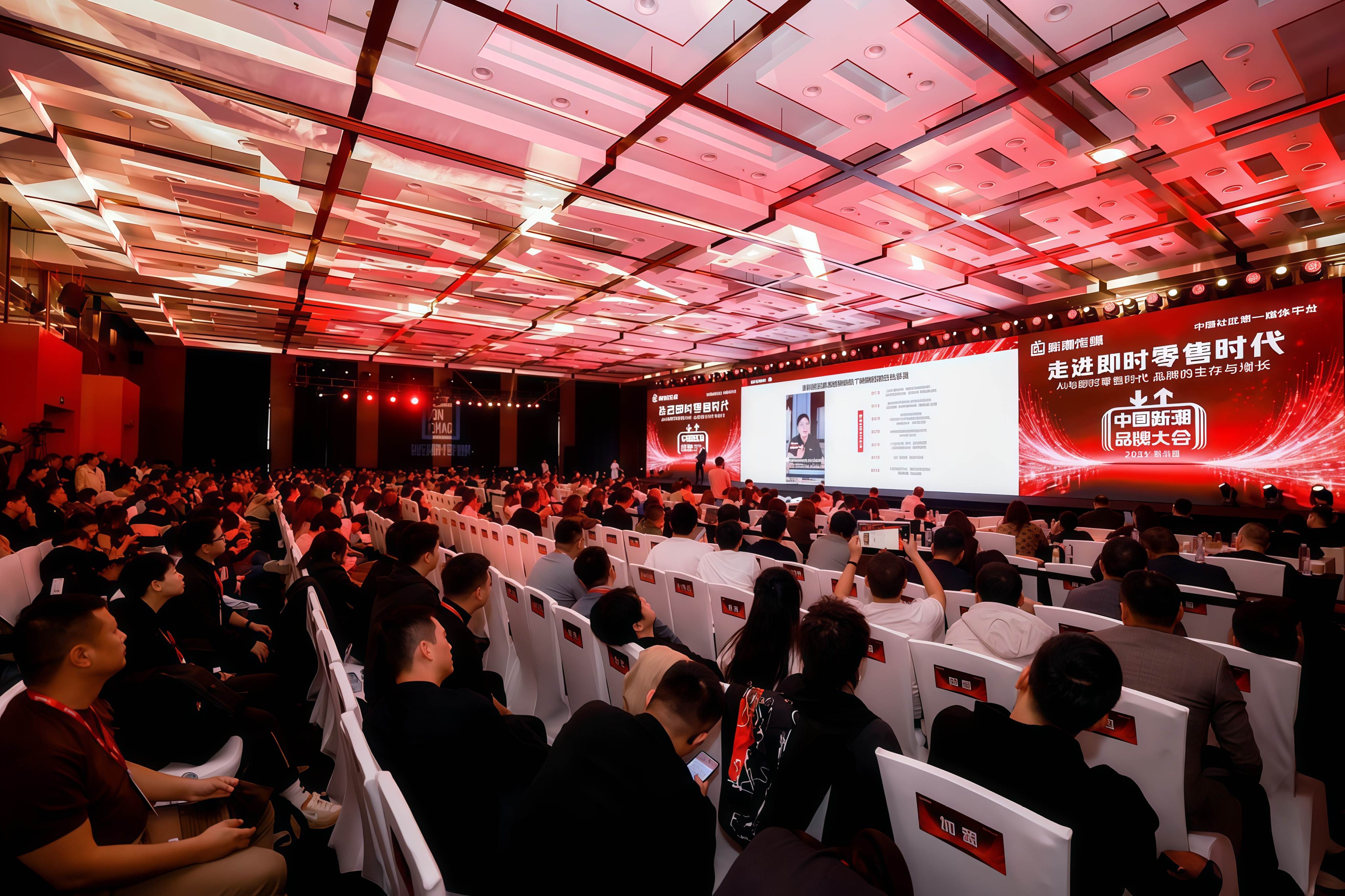
Core Insights - The instant retail market in China is expanding rapidly, with projections indicating it will surpass 1 trillion yuan by 2026 and reach 2 trillion yuan by 2030, with an average annual growth rate of 12.6% during the 14th Five-Year Plan period [1] - The rise of AI and instant retail is reshaping the industry value network, with instant retail expected to account for 20% to 25% of the retail market [4] - Companies face three core challenges: increased market uncertainty due to economic cycles, widening growth disparities among enterprises, and intensified competition from overcapacity and product homogeneity [1] Industry Trends - Instant retail is characterized by online ordering and offline fulfillment, meeting local demand through local retail supply [1] - The convenience of "30-minute fulfillment" is creating irreversible consumer habits and driving double-digit growth in the market [4] - The integration of AI in e-commerce is shifting decision-making from human to AI-driven processes, fundamentally altering customer acquisition strategies [4] Company Strategies - Companies are encouraged to embrace new models like AI and instant retail while maintaining operational fundamentals and continuous innovation to navigate market fragmentation [1] - The focus on offline marketing is becoming crucial for brand growth, with efforts to digitize and automate offline media to enhance market share [4] - New潮传媒 plans to expand its coverage to 300 cities by 2026 and increase its smart screen installations to 800,000, indicating a strong commitment to enhancing its digital presence [5]
国投证券:食品饮料行业迎来基本面与估值双重复苏机遇
智通财经网· 2025-11-26 09:13
Core Viewpoint - The report from Guotou Securities emphasizes the importance of consumption in economic growth, predicting a stabilization in the consumption fundamentals in 2026, which presents a significant opportunity for investment in the food and beverage industry [1] Group 1: Alcohol Industry - The liquor sector is at a cyclical bottom, with low expectations, low holdings, and low valuations, suggesting potential for left-side layout opportunities [2] - The rapid clearing of financial reports in the past two quarters indicates a resolution of supply-demand conflicts, with a gradual recovery in household consumption expected [2] - The white liquor business model remains strong, and with a potential economic recovery, valuations are likely to rebound quickly [2] Group 2: Beer Industry - The beer sector is expected to maintain a structural market in 2026, with investment opportunities in companies with strong single-product growth logic and those benefiting from competitor adjustments [3] - Overall profitability in the beer sector is on an upward trend, driven by the expansion of products priced between 8-10 yuan and improved efficiency from lean management [3] Group 3: Dairy Industry - The dairy sector is positioned for a turnaround in the raw milk cycle in 2026, with a focus on the profitability elasticity of the dairy supply chain [4] - Demand for dairy products has shown differentiation, with low-temperature fresh milk and cheese experiencing healthy growth, while room temperature liquid milk has been a drag [4] - The average milk price in major production areas is expected to recover above the average cost of production in 2026, making it an opportune time to invest in the dairy supply chain [4] Group 4: Soft Drink Industry - The soft drink sector has seen significant performance differentiation, with companies in strong growth categories leading the industry [5] - In 2026, there is a focus on functional beverages and the competitive landscape of packaged water, with an emphasis on companies introducing new products [5] - The demand for low-sugar functional beverages is anticipated to grow, particularly among white-collar workers seeking fatigue-relief options [5] Group 5: Snack Industry - The snack sector is benefiting from strong new channel drivers, with expectations of improved gross and net profit margins due to scale effects [6] - The konjac product category is maintaining high market interest, with significant growth potential in China [6] - Investment recommendations include focusing on companies with strong performance during the adjustment period and those with leading products in the snack sector [6]



食饮年度投资策略:稳基调黎明将至,抱主线向阳而生
Guotou Securities· 2025-11-26 08:09
Core Insights - The report emphasizes a cautious yet optimistic outlook for the food and beverage sector, suggesting that the economic cycle and drinking policies will stabilize, leading to potential recovery in valuations, particularly in the liquor segment [1][12] - The investment strategy focuses on identifying companies with strong performance resilience and growth potential across various sub-sectors, including liquor, beer, dairy, soft drinks, and snacks [12] Group 1: Liquor Industry - The liquor sector is currently experiencing a bottoming out phase, with low expectations, low holdings, and low valuations. The report suggests that the supply-demand imbalance is easing, and consumer spending is expected to gradually recover, making it a good time to invest in leading brands like Moutai and Wuliangye [1][27] - In Q3 2025, the liquor industry saw a revenue and profit decline of around 20%, with high-end and regional liquor experiencing significant drops in growth rates. The report indicates that the industry is in an adjustment phase, with companies becoming more pragmatic in their growth targets [27][39] - The report highlights a trend towards premiumization, with consumers increasingly favoring well-known brands and products, leading to a concentration of market share among top players [53][58] Group 2: Beer Industry - The beer sector is expected to maintain a structural growth trend, particularly for companies with strong single-product growth logic. The profitability of beer companies is on an upward trajectory, driven by the expansion of products priced between 8-10 yuan and improved operational efficiency [2] Group 3: Dairy Industry - The dairy sector is poised for a turnaround in the raw milk cycle in 2026, with expectations of recovering demand for raw milk as deep processing capacities come online. The report recommends investing in the dairy supply chain, as average milk prices are projected to rise above production costs [3][6] Group 4: Soft Drinks Industry - The soft drink sector is advised to focus on high-growth categories and capitalize on changes in competitive dynamics within the market. The report notes that functional beverages, particularly low-sugar options, are expected to gain traction, catering to the needs of health-conscious consumers [4] Group 5: Snack Industry - The snack segment is benefiting from new channel dynamics, with significant growth potential in bulk snack sales. The report highlights the strong performance of companies like Wancheng Group and suggests that products like konjac snacks have substantial market growth opportunities [5][20]
中国必选消费品11月成本报告:蔬菜和瓦楞纸显著涨价
Haitong Securities International· 2025-11-25 12:34
Investment Rating - The report provides various investment ratings for companies in the consumer staples sector, with "Outperform" ratings for several companies including China Feihe, Haidilao, and China Resources Beer, while Budweiser APAC is rated as "Neutral" [1]. Core Insights - The report highlights significant price increases in vegetables and corrugated paper, with the spot cost index for vegetables rising by 7.08% month-on-month and 16.16% year-on-year, while corrugated paper prices increased by 8.81% month-on-month and 17.49% year-on-year [6][24][27]. - Most spot cost indices for monitored consumer goods have risen, while futures cost indices have generally declined, indicating a mixed outlook for the sector [31]. Summary by Category Beer - The spot cost index for beer decreased by 2.25% month-on-month, with a cumulative decline of 3.04% since the beginning of the year [12][32]. - The futures index also fell by 2.62% month-on-month, reflecting ongoing supply-demand imbalances [12][32]. Condiments - The spot cost index for condiments decreased by 0.95% month-on-month, with a cumulative decline of 3.50% since the start of the year [15][33]. - Soybean prices have shown an increase, with spot prices rising by 1.38% month-on-month [15][33]. Dairy Products - The spot cost index for dairy products increased by 0.74% month-on-month, while the futures index decreased by 1.07% [18][34]. - Fresh milk prices have declined to 3.03 yuan/kg, a year-on-year decrease of 3.2% [18][34]. Instant Noodles - The spot cost index for instant noodles increased by 0.64% month-on-month, while the futures index decreased by 1.47% [21][35]. - Palm oil prices have decreased significantly, impacting production costs [21][35]. Frozen Foods - The spot cost index for frozen foods increased by 0.37% month-on-month, while the futures index rose by 0.52% [24][36]. - Vegetable prices have surged due to adverse weather conditions, contributing to rising costs [24][36]. Soft Drinks - The spot cost index for soft drinks increased by 2.50% month-on-month, while the futures index decreased by 1.70% [27][37]. - The price of PET chips has declined, affecting overall production costs [27][37].


“黄酒一哥”地位有变,古越龙山跨界啤酒寻增量
Bei Ke Cai Jing· 2025-11-25 03:17
Core Viewpoint - The leading advantage of Guyue Longshan, the top player in the yellow wine market, is gradually diminishing, as its revenue has been surpassed by its competitor, Kuaijishan, in the first three quarters of this year [1][2]. Financial Performance - In the first three quarters, Guyue Longshan reported revenue of 1.186 billion yuan, a year-on-year decline of 8.1%, while net profit was 135 million yuan, a slight increase of 0.17% [2]. - The third quarter revenue was 293 million yuan, down nearly 27% year-on-year, with net profit at 40 million yuan, an increase of 11.78%. However, the non-recurring net profit dropped to 582,000 yuan, a decrease of 85.26% [2][3]. - The cash flow from operating activities was negative 189 million yuan, reflecting a significant decrease in contract liabilities by 68.16% [2]. Market Competition - Guyue Longshan's sales in its home market of Zhejiang fell by over 10%, while Kuaijishan's sales in the same region increased by 17.89% [3]. - The competition between Guyue Longshan and Kuaijishan has intensified, with analysts noting that the gap in revenue and net profit between the two companies has been narrowing in recent years [5][6]. Product Strategy and Challenges - The company faces challenges in upgrading its product structure and has not fully capitalized on the high-end market, with the gross margin for mid-to-high-end products only slightly increasing [4][5]. - The mainstream price range for yellow wine has not significantly increased compared to other alcoholic beverages, limiting the company's ability to enhance brand value [4][5]. Innovation and Collaboration - Guyue Longshan has partnered with China Resources Beer to launch a cross-border product combining yellow wine and beer, aiming to leverage the extensive distribution network of China Resources [7][8]. - The effectiveness of this collaboration in expanding the market for yellow wine outside its traditional regions remains to be seen [8]. Product Line and Brand Positioning - Investors have raised concerns about the complexity and unclear positioning of Guyue Longshan's product line, suggesting a need for a more focused approach to enhance consumer loyalty [9][10]. - The recent change in indirect controlling shareholder may lead to potential brand enhancement and market growth opportunities for the company [10].


中国必选消费品11月价格报告:白酒批价多数下跌,方便食品与调味品价格回升
Haitong Securities International· 2025-11-24 13:11
Investment Rating - The report assigns an "Outperform" rating to multiple companies in the essential consumer goods sector, including Guizhou Moutai, Wuliangye, and others [1]. Core Insights - The wholesale prices of Baijiu have mostly declined, while prices for instant foods and condiments have rebounded [1][10]. - Discounts for convenience foods and seasonings have narrowed compared to the end of October, indicating a potential recovery in consumer spending [19][38]. - The report highlights the stability of discounts for infant formula and beer, while discounts for liquid milk and soft drinks have increased [21][38]. Summary by Sections Baijiu Pricing - The wholesale prices for various Baijiu brands, such as Moutai and Wuliangye, have shown significant declines compared to previous months and year-to-date figures [9][40]. - For instance, the price of Feitian Moutai (case) is 1650 yuan, down by 110 yuan from last month, and down 590 yuan year-to-date [40]. Consumer Goods Discounts - Convenience foods have seen an increase in average and median discount rates, moving from 93.2%/95.9% at the end of October to 95.8%/97.0% [19][38]. - Seasonings also experienced a rise in discount rates, from 83.7%/84.9% to 85.9%/88.9% [19][38]. - In contrast, liquid milk discounts have widened, with average rates dropping from 69.6% to 66.0% [21][38]. Company Ratings - The report lists several companies with an "Outperform" rating, including: - Guizhou Moutai - Wuliangye - Luzhou Laojiao - Shanxi Fenjiu - Yanghe - Others [1].




“上平台有些销量,但我还是主动撤下了!”一位烟酒店老板的自白:赚不到钱,还要和顾客扯皮售后
Mei Ri Jing Ji Xin Wen· 2025-11-24 10:29
Core Viewpoint - The annual "Double 11" shopping festival highlights the contrasting experiences of retailers in the liquor industry, with some embracing instant retail while others, like a store owner named Li Mu, have opted to withdraw due to low profitability despite high sales volumes [1][2][3]. Group 1: Instant Retail Growth - Instant retail in the liquor sector is recognized as a new consumption trend, with significant sales growth reported during promotional events, such as a 612% increase in transaction volume for Moutai during "Double 11" [1][2]. - Major platforms like Meituan and JD.com are experiencing explosive growth in liquor sales, with predictions indicating that the market size for liquor instant retail could exceed 100 billion yuan by 2027 [11][12]. Group 2: Challenges Faced by Retailers - Many liquor retailers are cautious about instant retail, with over 40% reporting cash flow pressures and difficulties due to high inventory and price discrepancies [3][4]. - Retailers like Li Mu have found that despite some sales, the costs associated with instant retail, including platform commissions and customer service issues, have led to minimal profits [4][7]. Group 3: Pricing and Competition - The pricing strategies of instant retail platforms often disrupt traditional pricing structures, leading to conflicts with distributors and retailers who struggle to maintain profitability [15][16]. - Price comparisons show that many premium liquors are sold at lower prices on instant retail platforms compared to official brand stores, creating a challenging environment for traditional retailers [5][6]. Group 4: Consumer Behavior and Market Dynamics - The convenience of instant retail is appealing to younger consumers, with many preferring the quick delivery of liquor for social occasions [9][10]. - The industry is witnessing a shift towards digitalization and the need for brands to adapt to changing consumer preferences, emphasizing the importance of maintaining brand integrity while exploring new sales channels [17][18].

白酒行业即时零售“热赛道”难解渠道“冷难题”?
Mei Ri Jing Ji Xin Wen· 2025-11-24 09:00
Core Insights - The annual "Double 11" shopping festival has highlighted the contrasting experiences of retailers in the liquor industry, with some like Li Mu opting to withdraw from instant retail platforms due to low profitability despite high sales volumes [1][2][4] - The liquor instant retail market is recognized as a new consumption trend, but many retailers remain cautious and hesitant to fully engage due to profitability concerns and operational challenges [2][4][16] Group 1: Market Dynamics - Instant retail platforms have reported explosive growth in sales during promotional periods, with significant year-on-year increases in transaction volumes for premium liquor brands [1][10] - The market for liquor instant retail is projected to grow substantially, with estimates suggesting a penetration rate increase from 1% in 2023 to 6% by 2027, potentially exceeding a market size of 100 billion [10][11] Group 2: Retailer Challenges - Many liquor retailers, especially smaller ones, are struggling with cash flow pressures and high inventory levels, leading to a situation where over 40% of distributors report financial strain [4][8] - Retailers face difficulties in maintaining profitability due to high logistics costs and platform commission fees, which can significantly erode margins [16][18] Group 3: Consumer Behavior - The rise of instant retail is driven by changing consumer habits, with younger consumers seeking convenience and quick delivery options for liquor purchases [9][13] - Instant retail has become a preferred choice for many consumers, with the ability to receive orders within 30 minutes enhancing the appeal of this shopping method [9][10] Group 4: Industry Perspectives - Industry experts acknowledge the potential of instant retail but caution that the current price competition and low-margin environment could disrupt traditional distribution channels and pricing structures [16][18] - There is a growing consensus that the future of instant retail in the liquor sector will require a shift from price competition to value creation, emphasizing the need for a sustainable business model that balances consumer demand with brand integrity [18][19]
