宝马

Search documents
汽车行业双周报(20251208-20251221):26年汽车出口思考(1):分析中国车企对欧洲出口的可行性-20251226
Hua Yuan Zheng Quan· 2025-12-26 12:36
Investment Rating - The investment rating for the automotive industry is "Positive" (maintained) [1] Core Insights - The Western European passenger car market is large, with significant room for improvement in the penetration rate of new energy vehicles (NEVs). The annual sales of passenger cars in Western Europe exceed 10 million units, and the NEV penetration rate increased by 6 percentage points year-on-year to 29% in the first ten months of 2025. Countries with high passenger car sales, such as Germany, the UK, France, Spain, and Italy, have NEV penetration rates generally below 35% [3][6][12] - The growth of the European NEV market in 2026 is supported by policy foundations, including comprehensive EU regulations and incentives for NEV adoption. The EU aims for climate neutrality by 2050, and while there are adjustments to the 2035 "zero-emission" target, the overall goals remain intact [12][15] - With Chinese manufacturers accelerating their presence in Europe, it is expected that NEV exports from China to Europe will see rapid growth in 2026. Currently, major shares in the Western European NEV market are held by manufacturers like Volkswagen and BMW, but companies like BYD are increasing their market share [20][28] Summary by Sections 1. Western European Passenger Car Market - The market is characterized by a significant annual sales volume exceeding 10 million units, with a NEV penetration rate that has room for growth. The focus will be on B/SUV-B/C/SUV-C models to enhance NEV penetration [3][6][10] 2. Policy Support for NEV Growth in 2026 - The EU has established clear targets for NEV transition, with penalties and incentives for carbon emissions. The 2026 NEV market growth is expected to be bolstered by continued or new subsidies in key European countries [12][15] 3. Growth of Chinese Manufacturers in Europe - Chinese manufacturers are expected to see significant growth in NEV exports to Europe, with companies like BYD and Geely leading the charge. The expansion of sales networks and local production will contribute to this growth [20][28]



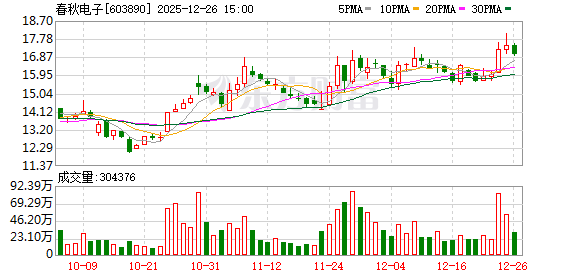
春秋电子:公司在笔记本电脑结构件领域的终端客户为联想、戴尔、三星等主流笔记本电脑品牌商
Mei Ri Jing Ji Xin Wen· 2025-12-26 10:13
Group 1 - The company, Spring Autumn Electronics (603890.SH), reported stable orders and good operational performance [2] - The company's end customers in the notebook structural components sector include major brands such as Lenovo, Dell, and Samsung [2] - In the automotive magnesium alloy application business, the company's end customers include Xiaomi, NIO, XPeng, BYD, BMW, Geely, and Volkswagen [2]


中原保时捷中心母公司回应:「我们不会跑的」
Di Yi Cai Jing· 2025-12-26 06:43
"我们不会跑的,会负责到底。"12月26日,对于东安控股集团有限公司(下称"东安集团")"跑路"的消 息,该公司内部人士向第一财经记者表示,但对于东安集团旗下4S店联系不上以及经营异常等情况, 她表示并不知情。 东安控股旗下另一家控股公司新乡东新汽车有限责任公司,是直接控股上述4S店的实体公司。今日, 记者拨通了该公司联系电话,但对方在听到记者咨询公司具体运营情况的来意后,表示"不清楚"后,便 匆忙挂断了电话。(转载自:第一财经) 近两天,东安集团旗下两家保时捷门店经营异常一事在业内闹得沸沸扬扬,一家是贵阳市花溪区孟关保 时捷中心,另一家是郑州中原保时捷中心。这两家经销商都隶属于东安集团。根据东安集团官网信息, 该集团旗下除了这两家保时捷门店外,还经营着宝马、奥迪、鸿蒙智行、上汽大众、东风本田、一汽丰 田、广汽昊铂、长城哈弗共十余家经销商门店,门店位置基本集中在郑州和新乡,后者是东安集团大本 营。 12月26日,第一财经记者拨打了上述经销商门店联系电话,但除了东风本田一家门店外,其他门店电话 全部打不通。接通的东风本田门店内部人员告诉记者,他所在的门店依旧在正常运营,但是已经出现了 内部经营异常的情况,至于集 ...
扩展版图!亿纬锂能连投三大项目
起点锂电· 2025-12-25 10:33
Core Viewpoint - The article highlights the expansion and diversification efforts of EVE Energy in the energy storage and power battery sectors, emphasizing new project investments and collaborations to enhance its market position [3][4][5]. Group 1: Project Investments - EVE Energy has invested in three projects across different fields, including a capital increase of 236,762,400 MYR (approximately 400 million RMB) in its Malaysian subsidiary, raising its registered capital to 744,649,400 MYR (approximately 1.1 billion RMB) [4]. - The company has initiated the construction of the "Sodium Energy Headquarters and Jinyuan Robotics AI Center," with plans for completion by 2027, focusing on sodium battery R&D and AI robotics integration [4]. - A joint venture with Foton Motor has been established with a registered capital of 500 million RMB, covering new material R&D, battery sales, and recycling of used power batteries [5]. Group 2: Market Expansion - EVE Energy is focusing on overseas expansion, with significant financing efforts since 2019 totaling nearly 20 billion RMB, targeting energy storage and power battery markets [7]. - The company announced a budget of approximately 8.654 billion RMB for a new energy storage battery project in Malaysia, with a construction period of two and a half years [7]. - EVE Energy's global footprint includes over ten projects, making it one of the fastest-growing lithium battery companies in recent years [7]. Group 3: Battery Technology and Collaborations - The company is stabilizing its power battery segment while expanding its energy storage market, with notable progress in a cylindrical battery project in collaboration with BMW [10]. - The Omnicell cylindrical battery, developed over eight years, features advanced technology and has already been installed in nearly 70,000 vehicles, achieving over 270,000 kilometers in total driving distance [10]. - EVE Energy's energy storage products, including various systems, are seeing increased shipments, supported by an optimized customer structure and the launch of flagship products [12]. Group 4: Future Outlook - The energy storage sector is expected to become a significant growth driver for EVE Energy, with ongoing technological iterations and a favorable market environment anticipated in the coming years [12]. - The strategic investment in the Malaysian project is seen as a crucial step for expanding the energy storage business, leveraging Malaysia's position as a key hub for global lithium battery enterprises [12].

德铁买中国大巴德国财长这么说
Di Yi Cai Jing Zi Xun· 2025-12-25 09:47
Group 1 - The core point of the article is the signing of a framework agreement between Deutsche Bahn and BYD for the production of 200 electric buses, highlighting the push for green public transport in Germany and the importance of cost-effectiveness in procurement decisions [2] - The agreement comes at a time when the EU is easing restrictions on fuel vehicles, with German officials emphasizing the need for electric vehicle adoption while also expressing a desire for patriotic purchasing practices [2][3] - Despite a decline in Germany's economic performance, foreign investment interest, including from Chinese companies, remains strong, with a slight decrease in foreign investment projects in 2024 compared to the previous year [3][4] Group 2 - Germany is implementing the "Growth Opportunities Act" to attract more foreign investment through tax incentives and structural reforms, including a gradual reduction of corporate tax rates from 15% to 10% by 2032 [4] - The bilateral trade volume between Germany and China reached €185.9 billion in the first three quarters of the year, with China remaining Germany's largest trading partner [4] - Chinese companies are increasingly focusing on greenfield investments in Germany, particularly in sectors like electric vehicles and digitalization, moving away from previous trends of mergers and acquisitions [5] Group 3 - Chinese enterprises face challenges in Germany due to increased scrutiny on foreign investments, including foreign investment reviews and data protection regulations, which can lead to longer approval times for transactions [6] - The German business community emphasizes the importance of the Chinese market, with many companies relocating operations to China to better align with local demands [7] - The trend of German companies moving operations to China reflects a strategic focus on local market needs, indicating a deep reliance on the Chinese market for future growth [7]

德铁买中国大巴德国财长这么说
第一财经· 2025-12-25 09:22
Core Viewpoint - The article discusses the recent agreement between Deutsche Bahn and BYD for the purchase of 200 electric buses, highlighting the shift towards electric transportation in Germany and the challenges faced by foreign investments in the country [3][4]. Group 1: Electric Bus Agreement - Deutsche Bahn signed a framework agreement with BYD for 200 electric buses to be produced in Hungary, emphasizing cost-effectiveness and the push for green public transport in Germany [3]. - The agreement coincides with the EU's relaxation of the "fuel vehicle ban," indicating a significant trend towards electrification in transportation [3]. Group 2: Economic Performance and Foreign Investment - Germany's economic growth has stagnated, with a projected growth of only 0.1% for 2025, down from previous forecasts [4]. - Despite the economic downturn, foreign investment interest in Germany remains, driven by the need for supply chain integration and access to the EU market [4]. Group 3: Tax Reforms and Investment Climate - Germany plans to gradually reduce the corporate tax rate from 15% to 10% by 2032, alongside other tax incentives to attract foreign investment [5]. - In the first three quarters of this year, bilateral trade between Germany and China reached €185.9 billion, with China remaining Germany's largest trading partner [5]. Group 4: Changing Investment Strategies - Chinese companies are increasingly favoring greenfield investments over mergers and acquisitions, reflecting a more strategic approach to entering the German market [6]. - Key sectors of interest for Chinese investments in Germany include digitalization, energy, and electric vehicles, with a focus on local sales rather than manufacturing [6]. Group 5: Challenges for Chinese Investments - Chinese companies face significant challenges in Germany, including foreign investment scrutiny, subsidy reviews, and data protection regulations [7]. - The German government has tightened regulations on foreign investments, particularly in sensitive sectors, which may lead to longer approval times for investments [7]. Group 6: Importance of the Chinese Market for German Companies - German companies are increasingly recognizing the importance of the Chinese market, with many relocating R&D centers to China to better align with local demands [8]. - The trend of "Eastward migration" among German firms highlights their commitment to maintaining a strong presence in China, as they believe leaving the market would result in lost opportunities [8].

大数据洞察中国二手车消费新方向
Zhong Guo Qi Che Bao Wang· 2025-12-25 08:59
Core Insights - The central theme of the articles highlights the ongoing support for automotive consumption in China, particularly through the "trade-in" policy, which is expected to maintain high demand in 2026, especially for used cars [1] - The rise of new energy vehicles (NEVs) is contrasted with the stability of traditional fuel vehicles, showcasing the varying depreciation rates and market dynamics between these segments [2][4] Group 1: Automotive Consumption Trends - The "trade-in" policy will continue to be a key initiative in promoting automotive consumption, with a focus on used car exchanges [1] - In 2025, over 11.2 million cars were traded in under the "trade-in" program, indicating a strong demand for vehicle replacement [1] - The high transfer rate of used cars, reaching 33.1% in October 2025, suggests a breaking down of regional barriers, facilitating smoother transactions [1] Group 2: Depreciation Rates and Vehicle Value - Fuel vehicles experience significant depreciation, with a first-year value retention of approximately 66%, while the third-year depreciation approaches 50% [4] - New energy vehicles see a sharper depreciation curve, with values nearly halving within two years, suggesting a need for timely trade-ins to maximize value [4] - The best time to sell fuel vehicles is within three years, while new energy vehicles should ideally be traded within two years to avoid rapid value loss [4] Group 3: Market Performance of Vehicle Brands - Traditional fuel brands like Toyota and Honda maintain strong resale values, with models like the Highlander and Accord retaining over 65% of their value after three years [2][3] - In contrast, some luxury brands, such as Land Rover and Volvo, show declining resale values, with rates around 40% [2][3] - Among new energy vehicles, Xiaomi's SU7 leads with a one-year retention rate exceeding 90%, while traditional luxury brands struggle to compete in this segment [2][3] Group 4: Regional Market Dynamics - The second-hand car market shows significant regional preferences, with Beijing having the highest average transaction price exceeding 100,000 yuan, while provinces like Gansu and Inner Mongolia show more tolerance for older vehicles [9] - The penetration rate of second-hand new energy vehicles has increased from 3.6% at the end of 2022 to 11.2% by October 2025, with southern regions showing stronger demand compared to northern areas [11] - Cross-regional transactions are becoming commonplace, with platforms like Guazi facilitating a significant volume of sales across provinces, enhancing market accessibility [8]

德铁买中国大巴德国财长这么说,中企如何“迎难而上”
Di Yi Cai Jing· 2025-12-25 06:41
Group 1 - The core viewpoint of the article highlights the growing interest of Chinese companies in investing in Germany, particularly in sectors like electric vehicles and digitalization, as evidenced by the recent agreement between Deutsche Bahn and BYD for 200 electric buses [1][2] - Deutsche Bahn's decision to partner with BYD is driven by cost-effectiveness and the aim to support Germany's green transition and carbon reduction goals, coinciding with the EU's relaxation of the "fuel vehicle ban" [1][2] - The German economy has shown signs of stagnation, with zero growth in Q3 compared to Q2, and a forecasted growth of only 0.1% for 2025, prompting discussions on economic restructuring [2][3] Group 2 - Foreign investment in Germany is primarily motivated by the need for supply chain integration and access to the EU market rather than short-term high returns, with 1,724 foreign investment projects recorded in 2024, a slight decrease of 2% year-on-year [2][3] - The German government is actively seeking to attract more foreign investment through tax incentives and structural reforms, as outlined in the "Growth Opportunities Act" [2][3] - Recent changes in investment patterns show a shift from mergers and acquisitions to greenfield investments by Chinese companies, with a notable example being CATL's factory investment in Thuringia [3][4] Group 3 - Chinese companies are increasingly focusing on rational investment strategies, moving away from opportunistic investments, with key areas of interest including digitalization (51%), energy (48%), and electric vehicles (35%) [4][5] - Challenges for Chinese enterprises in Germany include site selection for factories or stores, accessing local government subsidies, and finding suitable labor [5][6] - The tightening of foreign investment regulations in Germany has created uncertainties for Chinese companies, with increased scrutiny on foreign acquisitions and data protection [6][7] Group 4 - German companies emphasize the importance of the Chinese market, with a notable trend of relocating operations to China, as seen with major firms like Volkswagen and BMW [7] - The dependency of the German economy on China remains significant, with a lack of clear structural de-risking trends observed [7]

中国市场 L3 自动驾驶车型量产准入许可:象征性举措还是重大产业机遇?
Counterpoint Research· 2025-12-25 06:14
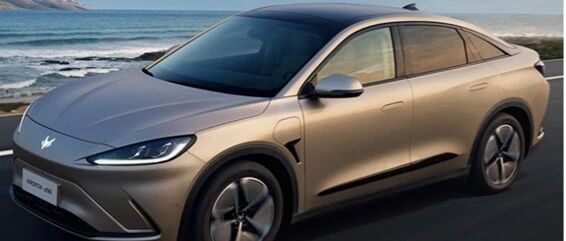
Core Insights - The article discusses the approval of L3-level conditional autonomous driving vehicles in China, specifically the Changan Deep Blue SL03 and BAIC Arcfox αS6, highlighting their operational limitations and the significance of this regulatory milestone [4][6]. Group 1: Regulatory Approval and Market Impact - On December 15, 2025, the Ministry of Industry and Information Technology of China approved Changan and BAIC's applications for L3-level autonomous vehicles, allowing them to operate under specific conditions [4][6]. - The approval is seen as a symbolic milestone that exceeds the immediate production value, with the first half of 2026 expected to be a critical window for mass production of L3-level autonomous vehicles in China [6][7]. Group 2: Competitive Landscape - Tesla's Full Self-Driving (FSD) 14.2 system is anticipated to enter mass production in China between Q2 and Q3 of 2026, increasing competitive pressure on local automakers [6]. - Joint ventures represented by companies like BMW, GM, and Mercedes are likely to miss the approval window for L3-level autonomous production in 2026 due to internal communication and localization compliance challenges [6]. Group 3: Technical Analysis of Approved Models - Both approved models, Changan Deep Blue SL03 and BAIC Arcfox αS6, are based on L2-level hardware but have been adapted for specific L3 operational design domains (ODD) [7]. - Changan's solution relies on pure visual perception and a rule-based planning and control system, reflecting the company's ongoing advancements since 2020 [10]. - BAIC's approach utilizes multi-sensor fusion and an end-to-end software architecture, optimized for L3 highway scenarios based on Huawei's commercial autonomous driving system [10]. Group 4: Future Projections - Additional models from companies such as BYD, FAW, GAC, NIO, and SAIC are expected to receive L3-level approval, with models from XPeng, Tesla, and those equipped with Huawei ADS 4.0 anticipated to launch in the latter half of 2026 [7].


国盛证券:首予敏实集团(00425)“买入”评级 机器人等新兴赛道打开长期成长空间
Zhi Tong Cai Jing· 2025-12-25 03:57
Core Viewpoint - Minth Group (00425) is a leading player in the exterior and body structure components sector, continuously expanding its new products and customer base, with projected net profits for 2025-2027 at 2.813 billion, 3.443 billion, and 4.073 billion yuan, representing growth rates of 21%, 22%, and 18% respectively, and corresponding market PE ratios of 13, 11, and 9 times [1] Group 1 - Minth Group has over 30 years of industry experience, with core business lines including metal trim, plastic parts, aluminum components, and new energy vehicle battery boxes, serving over 70 major domestic and international automakers such as BMW, Mercedes-Benz, Tesla, and BYD [2] - The company's overseas revenue share increased from 41% in 2021 to 65% in the first half of 2025, indicating significant progress in its globalization strategy [2] - The business structure is continuously optimized, with the battery box segment projected to account for 27% of revenue in the first half of 2025, becoming the largest revenue source [2] Group 2 - The traditional exterior component business remains robust, with a diverse range of products contributing to sustained growth, benefiting from the dual upgrades of lightweight and intelligent features [3] - The battery box business, a core area in the new energy sector, has established a global supply system with factories in Serbia, France, and Poland, achieving a revenue CAGR of 173% from 2020 to 2024 [3] - The company is extending its offerings to include front and rear collision modules, subframes, and die-casting structural components, enhancing the integrated value of battery boxes and chassis structures [3] Group 3 - Minth is actively entering emerging sectors such as humanoid robots, liquid cooling, and low-altitude economy, leveraging its manufacturing expertise [4] - In the humanoid robot sector, Minth has signed a strategic cooperation agreement with Zhiyuan Robotics to develop joint modules and electronic skin, with small batch samples already completed [4] - The company has received orders for AI server liquid cooling from leading Taiwanese manufacturers and is collaborating with Fuman Technology to establish a factory capable of mass production by the end of 2025 [4]