吉利

Search documents
中泰国际每日动态-20250917
ZHONGTAI INTERNATIONAL SECURITIES· 2025-09-17 01:43
Market Overview - The Hang Seng Index slightly declined by 8 points or 0.03%, closing at 438 points on September 16, 2025[1] - The Hang Seng Tech Index rose by 0.6%, closing at 6,077 points[1] - Market turnover was recorded at HKD 294.1 billion, with a net outflow of HKD 3.18 billion from the Hong Kong Stock Connect[1] Economic Indicators - Investor sentiment is cautious, awaiting the outcome of the upcoming FOMC meeting[1] - The U.S. Federal Reserve's potential rate cut is anticipated to have limited impact on Hong Kong stocks due to already high valuations[2] - Sectors sensitive to interest rates, such as AI, robotics, semiconductors, and real estate, may benefit more directly from monetary policy changes[2] Sector Performance - The automotive parts sector saw a significant rise, with Sanhua Intelligent Controls (2050 HK) increasing by 12.8%[3] - The pharmaceutical sector experienced minor declines, with a focus on innovative drugs and leading CXO companies[3] - The renewable energy sector showed mixed performance, with solar stocks generally rising, such as Xinyi Solar (968 HK) up by 2.1%[4] Company Insights - Chaoyun Group (6601 HK) reported a 7.2% increase in revenue to RMB 1.34 billion, with pet category revenue doubling to RMB 96 million, a growth of 101.4%[5][6] - The overall gross margin improved by 2.9 percentage points to 49.3%[5] - The company plans to expand its offline pet store count to 200 by 2027 and is expected to maintain a high dividend payout ratio of 80%[8] Investment Strategy - The report suggests focusing on technology leaders and sectors benefiting from industrial upgrades, such as semiconductors and AI, amidst market volatility[9] - The anticipated rate cut by the Fed is expected to attract foreign capital back to Hong Kong stocks, with a focus on sectors showing strong earnings certainty[9]
弥富科技IPO:募投项目产能扩大近2倍 3名股东突击入股被问询
Xi Niu Cai Jing· 2025-09-16 08:01
Group 1 - The core viewpoint of the article is that Yifu Technology (Zhejiang) Co., Ltd. is preparing for an IPO to raise 200 million yuan for expansion projects in automotive quick-connect plugs and sensors, as well as for a research and operations center in Shanghai [3][4] - Yifu Technology was established in 2016 and specializes in the design, research, production, and sales of key components for automotive fluid pipeline systems and other plastic parts, serving major clients such as Geely, Li Auto, and Great Wall Motors [3] - The planned fundraising will significantly increase production capacity, with an additional 10 million units for quick-connect products and 30 million units for sensor products, nearly doubling the current production capacity [3] Group 2 - In June 2024, Yifu Technology introduced external investment institutions to expand its operational scale and optimize governance structure, with significant stakes held by partners of its major client, Pengling Co., Ltd. [3] - The Beijing Stock Exchange has requested Yifu Technology to clarify the background and pricing of the recent investments, as well as to ensure there are no conflicts of interest or special arrangements [3][4] - The company has responded to the first round of inquiries from the Beijing Stock Exchange, addressing 12 questions related to the necessity and fairness of related transactions, cost accounting accuracy, and the rationale behind the fundraising projects [4]


中泰国际每日晨讯-20250916
ZHONGTAI INTERNATIONAL SECURITIES· 2025-09-16 04:53
Market Overview - On September 15, the Hong Kong stock market experienced narrow fluctuations, with the Hang Seng Index rising by 58 points or 0.2% to close at 26,446 points. The Hang Seng Tech Index increased by 0.9% to 6,043 points. The market turnover decreased to over HKD 290.2 billion, with a net inflow of HKD 14.47 billion from the Stock Connect, continuing to support the market [1] - Economic data from China in August indicated a slowdown in growth momentum, with moderate consumption growth, significant investment slowdown, and ongoing downward pressure in the real estate sector. Notably, the credit pulse index in August declined for the first time in nine months, which may exert pressure on the Hong Kong stock market [1] Macroeconomic Dynamics - In August, China's retail sales growth slowed significantly, with a year-on-year increase of only 3.4%, the lowest since November of the previous year. Fixed asset investment growth from January to August was only 0.5%, with real estate investment declining by 12.9% [2] - The new housing transaction volume in major cities showed a mixed performance, with a year-on-year decline of 6.3% in the last week, contrasting with a rise in first-tier cities [2] Industry Dynamics - The Hong Kong automotive sector saw a rebound after a period of stagnation, with companies like BYD and NIO experiencing stock price increases. NIO is set to launch its new E8 model on September 20 [4] - The healthcare index in Hong Kong rose by 0.2%, driven by the CXO sector. Recent government meetings emphasized the promotion of biomedical technology innovation and the upgrading of the biopharmaceutical industry [4] Pharmaceutical Sector Insights - The innovative drug and CXO sectors are expected to maintain robust growth, with leading companies in these areas showing strong performance in the first half of 2025. The demand for innovative drugs in oncology, metabolism, and autoimmune diseases is anticipated to grow steadily [6][7] - Traditional medical service sectors are expected to recover gradually, although the impact of medical insurance cost control remains a concern. Government policies aimed at alleviating financial issues for medical institutions are expected to improve the operating environment over time [8] Key Company Recommendations - China Biologic Products (1177 HK) reported a 10.7% increase in revenue to RMB 17.57 billion in the first half of 2025, with a net profit increase of 12.3% to RMB 3.39 billion. The company is expected to achieve double-digit growth in product sales revenue [10] - Hansoh Pharmaceutical (3692 HK) saw a 14.3% increase in revenue to RMB 7.43 billion, with a net profit increase of 15.0% to RMB 3.14 billion, driven by strong performance in its oncology products [10] - WuXi AppTec (2359 HK) reported a 20.6% increase in revenue to RMB 20.80 billion, with a net profit increase of 95.5% to RMB 8.29 billion, reflecting strong core business performance [11] Environmental Sector Insights - Gree Power (1330 HK) reported a 24.5% increase in net profit to RMB 380 million in the first half of 2025, driven by increased waste processing and electricity generation [12] - The company has rationally expanded its capacity, with waste processing capacity growing from 33,710 tons/day in FY21 to 40,310 tons/day in FY24, indicating a compound annual growth rate of 6.1% [13]
汽车稳增长方案带来利好,汽车产业链股、港股整车股走强
Xin Jing Bao· 2025-09-15 14:46
Core Viewpoint - The Ministry of Industry and Information Technology (MIIT) has emphasized the importance of stabilizing growth in the automotive industry and regulating competition, leading to a significant rise in automotive stocks on September 15, 2023 [1][2]. Group 1: Policy Initiatives - The "Automotive Industry Stabilization Growth Work Plan (2025-2026)" was officially released on September 13, outlining 15 initiatives and 3 guarantee measures across four dimensions: expanding domestic consumption, improving supply quality, optimizing the development environment, and deepening open cooperation [2]. - The plan aims for approximately 32.3 million vehicle sales in 2025, a year-on-year increase of about 3%, with new energy vehicle sales targeted at around 15.5 million, reflecting a 20% growth [2]. Group 2: Industry Response - Following the MIIT's initiatives, the China Association of Automobile Manufacturers (CAAM) issued a payment standard for automotive suppliers, advocating for a 60-day payment term to stabilize the supply chain and reduce systemic risks [3]. - Major automotive companies, including FAW, Dongfeng, Changan, SAIC, and BYD, have committed to actively implementing the payment standards proposed by CAAM [2]. Group 3: Market Reaction - On September 15, automotive stocks surged, with notable increases in companies such as Jianghuai Automobile (up 6.68%) and BYD (up 2.63%), reflecting positive market sentiment towards the government's initiatives [1]. - Hong Kong-listed automotive stocks also experienced gains, with Li Auto rising by 4.56% and NIO by 3.53%, indicating a broader market response to the regulatory changes [1].




中汽协推动“60天账期”承诺落地 17家车企响应
Xin Lang Cai Jing· 2025-09-15 12:26
Core Viewpoint - The China Automotive Industry Association (CAAM) has issued a payment standard initiative for automotive manufacturers, establishing a maximum payment term of 60 days for suppliers, effective from the date of delivery acceptance [1][2]. Group 1: Initiative Details - The initiative specifies that the payment term starts from the date of delivery and acceptance, with a maximum of 60 calendar days [1]. - It outlines requirements for delivery acceptance, payment terms, reconciliation, and payment processes, including a principle that delivery acceptance should not exceed three working days [1]. - The initiative encourages stable cooperation between suppliers and manufacturers, with contracts having a minimum validity of one year [1]. Group 2: Industry Response - Seventeen major automotive companies, including FAW, Dongfeng, Changan, SAIC, and BYD, have committed to implementing the initiative, aiming to foster a collaborative ecosystem between vehicle manufacturers and parts suppliers [1][2]. - In August, these companies collectively sold approximately 2.6 million vehicles, accounting for over 90% of China's total automotive sales for that month, indicating strong industry support for the initiative [2]. Group 3: Market Impact - Following the announcement of the initiative, the A-share automotive sector saw a net inflow of 3.27 billion yuan, with a 1.1% increase in stock prices [2]. - Several listed parts suppliers, such as Wanxiang Qianchao and Zhejiang Shibao, experienced stock price surges, while vehicle manufacturers like Haima and Jinbei also saw significant gains [2]. Group 4: Regulatory Context - The initiative aligns with recent regulatory actions aimed at promoting the healthy development of the automotive industry, including a three-month special campaign to address online irregularities in the sector [2]. - The Ministry of Industry and Information Technology has also released a work plan for stabilizing growth in the automotive industry from 2025 to 2026, focusing on structural optimization and quality improvement [2]. Group 5: Historical Context - Prior to this initiative, CAAM had already advocated for fair competition and healthy industry development, with commitments from major companies to adhere to a 60-day payment term [3]. - Data from Wind indicates that the average payment cycle for major domestic automakers was 183 days in the first half of this year, an increase of about 7 days compared to the same period in 2024 [3].





17家车企集体表态!
Guo Ji Jin Rong Bao· 2025-09-15 12:21
Core Viewpoint - The China Automotive Industry Association (CAAM) has launched an initiative to standardize payment practices between automotive manufacturers and suppliers, aiming to foster a collaborative ecosystem and promote high-quality development in the automotive industry [1][2][8]. Group 1: Initiative Principles - The initiative emphasizes not exploiting the advantages of large enterprises to harm suppliers' interests, promoting a win-win collaboration between vehicle manufacturers and parts suppliers [2]. - In the order confirmation phase, both parties should agree on order details, and any changes to existing orders must be mutually negotiated [2]. - Payment terms stipulate that the maximum payment period should not exceed 60 calendar days from the date of delivery and acceptance [2]. Group 2: Contract Duration - The initiative encourages establishing long-term cooperative relationships, with each contract having a minimum validity period of one year [3]. Group 3: Industry Response - As of the report, 17 automotive manufacturers have committed to implementing the initiative, including Chery Group, which aims to standardize contract terms and comply with the "Regulations on Payment for Small and Medium Enterprises" [4]. - Companies like Seres and Changan Automobile have expressed their commitment to industry self-discipline and adherence to the 60-day payment term [4][5]. - Other major players such as Dongfeng, BYD, and Great Wall have also pledged to support the initiative and ensure supplier rights are protected [5]. Group 4: Policy Context - This initiative is part of a broader governmental effort to regulate the automotive industry, following the implementation of the revised "Regulations on Payment for Small and Medium Enterprises" which established a legal basis for the 60-day payment term [9]. - The CAAM's initiative details operational standards across four key areas: order confirmation, delivery acceptance, payment settlement, and contract duration [9]. Group 5: Industry Challenges - Despite the industry's growth, challenges persist, including rising debt levels among manufacturers due to increased R&D investments and structural adjustments for electric vehicle production [10]. - The average payment cycle for ten major domestic automakers was reported to be 182 days in the first half of the year, significantly exceeding the 60-day requirement [11].
知行科技涨超5% 年内斩获多款车型定点 公司积极拓展具身智能业务
Zhi Tong Cai Jing· 2025-09-15 07:57
Core Viewpoint - Zhixing Technology (01274) has seen a stock increase of over 5%, currently up 5.37% at HKD 8.04, with a trading volume of HKD 24.97 million [1] Group 1: Company Developments - Recently, Zhixing Technology showcased its advanced driver assistance and embodied intelligence solutions at the 2025 IAA MOBILITY in Germany [1] - The company presented an integrated "Driving-Parking-Charging" solution that combines driver assistance and embodied intelligence [1] - In the first half of this year, Zhixing Technology delivered 116,000 sets of combined driving assistance solutions and products, representing a year-on-year growth of 20.8% [1] Group 2: Project Acquisitions - As of the end of August, Zhixing Technology secured 31 project designations from leading domestic brands such as Chery and Geely, with most models expected to be produced in 2025 and 2026 [1] Group 3: Research and Development Progress - According to recent research from Caitong Securities (601108), the company has made rapid progress in R&D and is actively expanding its embodied intelligence business [1] - The company has officially mass-produced its self-developed iDC500 combined driving domain controller, which is expected to be integrated into multiple key models from major Chinese automotive groups in the second half of the year [1] - In the field of embodied intelligence, the company established Aimo Star Robotics, focusing on the R&D and commercialization of embodied intelligence technology, and signed a framework agreement for equity transfer with "Little Craftsman" to quickly lay out key components for embodied intelligence [1]
急了?奔驰设计师狂怼奥迪“过时”,CEO嫌“太卷”
Feng Huang Wang Cai Jing· 2025-09-15 06:25
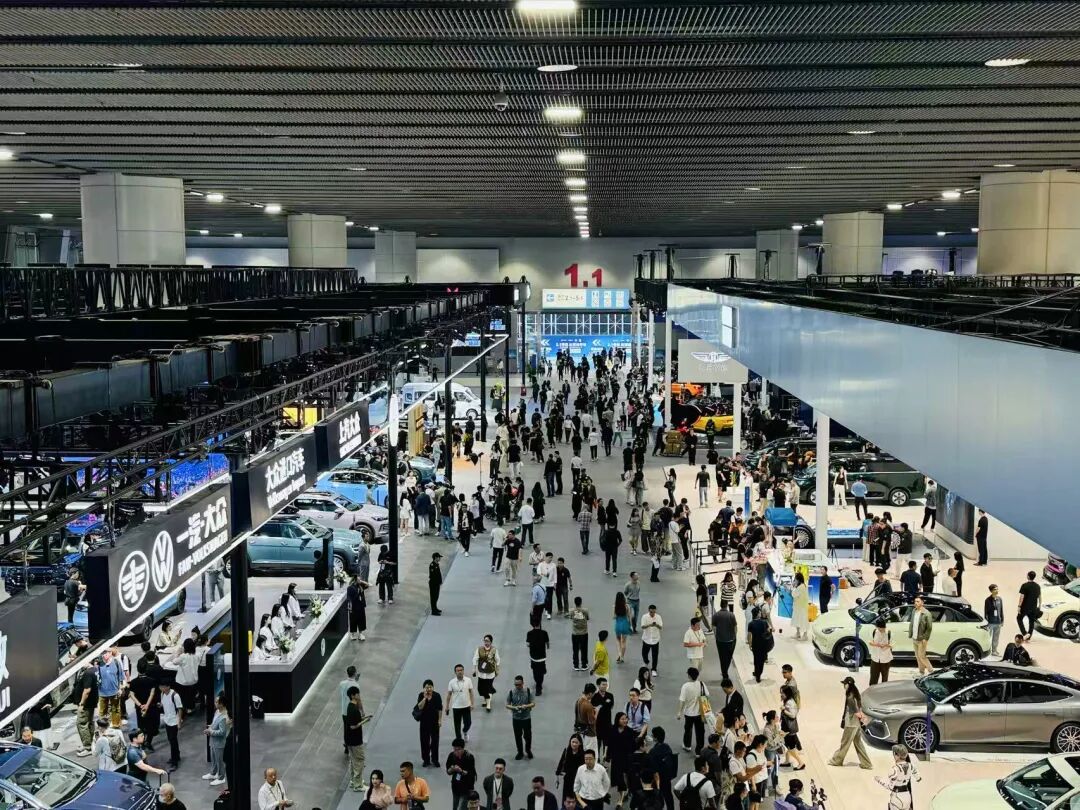
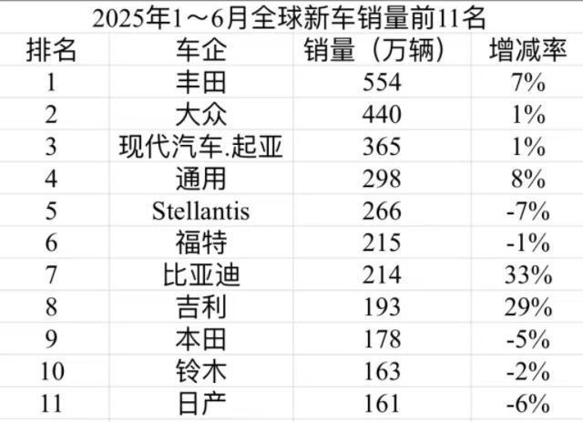
Core Viewpoint - The Munich Auto Show has become a battleground between Chinese automakers and traditional German giants, with over 100 Chinese companies participating, marking a nearly 50% increase from the last event [1] Group 1: Market Dynamics - Chinese automotive registrations surged by 91% since the beginning of the year, with Chinese brands capturing nearly double their market share in Europe to 5.1%, just behind Mercedes' 5.2% [1] - The German automotive industry is facing a critical moment, with warnings from the media that without innovation, companies like Volkswagen may face extinction [1] - The shift in consumer preference towards Chinese electric vehicles is evident, as traditional German brands experience significant sales declines in China, with Mercedes down 14% and Audi down 10.2% in the first half of the year [5] Group 2: Competitive Landscape - Chinese automakers, once seen as imitators, are now leading the charge in electric vehicle innovation, with companies like BYD planning to establish over 1,000 stores across 32 European countries by the end of 2025 [1] - The global automotive landscape is changing, with BYD and Geely showing remarkable growth rates of 33% and 29% respectively, surpassing Honda and Nissan [7] - The BBA (Benz, BMW, Audi) group is adjusting its electric vehicle strategies, moving from aggressive full electrification to a more pragmatic approach that includes hybrid models [9] Group 3: Product Innovations - Mercedes-Benz showcased its new electric GLC model, featuring a 39.1-inch Hyperscreen, which received significant attention at the show [10] - Volkswagen introduced the ID.CROSS concept car, with plans for production models to be released starting in 2026, indicating a push into the entry-level electric vehicle market [11] - Audi is shifting its focus back to driving experience, while BMW is betting on high-tech features to attract consumers [11] Group 4: Economic Pressures - The BBA is facing profit declines due to falling sales, with Mercedes' net profit halving by 55.8% and Volkswagen's operating profit dropping by 32.8% to €6.7 billion [5] - The competitive pricing strategies of Chinese brands are putting pressure on traditional automakers, leading to concerns about profit erosion in the industry [3][10]
2025泰达论坛:中国汽车出海8大难关
Zhong Guo Qi Che Bao Wang· 2025-09-15 01:21
Group 1: Challenges in Internationalization of Chinese Automotive Industry - The rise of regional integration and the trend of multi-center globalization will lead to increased fragmentation in industry standards, markets, and supply chains [2] - Trade protectionism is intensifying, with multiple countries imposing tariffs and raising technical standards, which undermines China's price advantage and increases compliance complexity [3] - The phenomenon of "involution" among Chinese brands may affect sustainable international expansion, potentially impacting supply chain quality and reducing trust among overseas consumers [4] Group 2: Data Cross-Border Issues - As the scale of Chinese automotive exports continues to grow, the competition over trade rules and digital economy regulations between China, the US, and Europe is intensifying, making data cross-border a critical issue for the automotive export industry [5] - There are currently about 146 countries that have enacted over 190 data security-related laws and regulations, with increasing demands for data localization and stricter compliance requirements [5] Group 3: Battery Recycling and Compliance - The rapid development of the new energy sector has positioned China as a leader in the lithium-ion battery industry, with manufacturing costs reduced to one-eighth of what they were a decade ago [7] - Many countries, particularly in Europe, are emphasizing the importance of battery recycling, with established regulatory frameworks that set clear requirements for recycling capacity and lithium recovery rates [7] Group 4: Intellectual Property Challenges - Despite the growth in automotive exports, China's intellectual property layout remains relatively lagging, with a noticeable increase in patent litigation against Chinese companies as export volumes rise [8] - The cost of intellectual property litigation can significantly impact profit margins, with estimates suggesting that the return on investment for intellectual property is approximately 1:10 [9] Group 5: Technical Barriers - The automotive industry faces complex and multi-dimensional technical certification barriers, especially under the trends of smart connectivity and new energy, requiring compliance with various standards [10] - New emerging barriers, such as ethical and green barriers, necessitate a comprehensive understanding of related industries to meet market entry requirements [12] Group 6: Logistics and Shipping Challenges - Roll-on/roll-off shipping remains the primary method for automotive exports, with 75% of vehicles shipped this way in the first half of the year, but domestic shipping capacity is still insufficient [13] - The number of Chinese roll-on/roll-off ships is limited, accounting for only 7.6% of the global fleet, which poses challenges for the growth of automotive exports [13] Group 7: Export Credit Insurance - Export credit insurance is a government-supported tool designed to assist domestic companies in expanding into international markets, particularly during challenging global economic conditions [14] - Companies are advised to consider various insurance products, including comprehensive export trade insurance and specific contract insurance for individual countries [14]

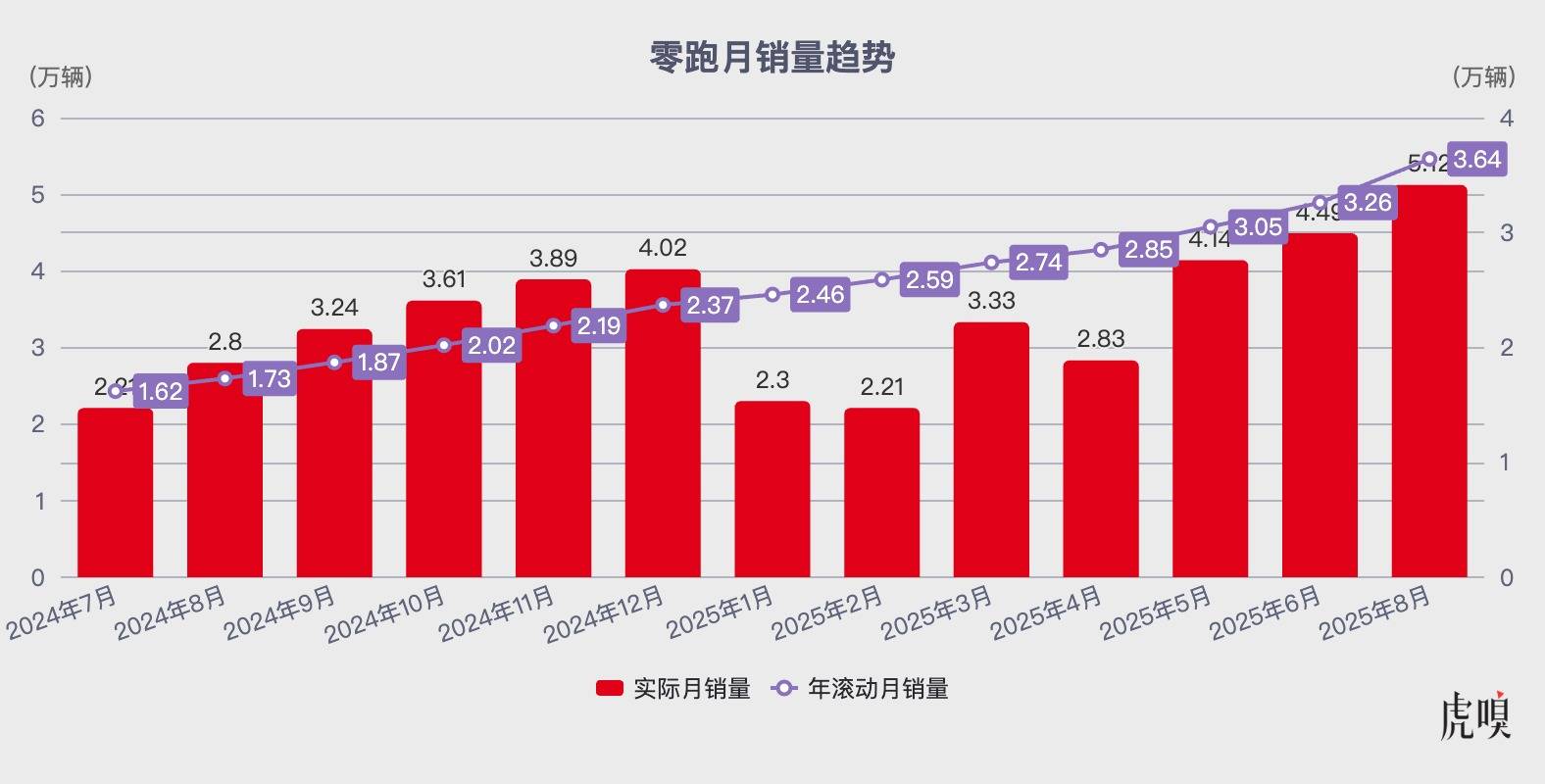
零跑冲向年销400万辆?
Hu Xiu· 2025-09-14 06:08
Core Viewpoint - The company aims to achieve annual sales of 4 million vehicles, a target that reflects its ambition to surpass traditional automotive giants and not just compete with new entrants in the market [3][6][7]. Group 1: Sales Performance and Growth Strategy - The company has shown remarkable growth, with a target of reaching 1 million sales in the near future, which is seen as a mid-term goal rather than a final destination [6][9]. - As of August, the company has maintained the monthly sales champion position among new forces in the automotive sector for six consecutive months, with a record monthly sales of over 50,000 units [9]. - The company has successfully exported 25,000 vehicles from January to July and aims for a total annual sales target of 500,000 units [9]. Group 2: Product Strategy and Market Positioning - The company employs a "high cost-performance" pyramid strategy, which has been crucial for its success in the domestic market, and aims to extend this strategy to achieve 2 million sales [8][20]. - The product lineup includes closely related models that cater to different market segments, allowing for stable output and mutual promotion among product lines [10][17]. - The company has introduced new models like the Lafa 5, which targets younger consumers and emphasizes personalization [14][16]. Group 3: International Expansion - The overseas market presents significant growth potential, with the company achieving a 1762% increase in overseas sales in the first half of the year [22]. - The company has established over 700 sales and service outlets in collaboration with Stellantis, enhancing its market presence and local expertise [23]. - The introduction of localized products, such as the B10 range extender, is aimed at addressing specific market needs in regions with less developed charging infrastructure [24]. Group 4: Financial Performance and Brand Perception - The company's gross profit margin has risen to 14%, approaching the industry standard of 15%-20%, with a path towards profitability becoming clearer [31]. - The company has received positive feedback for its customer service, achieving high response rates to consumer complaints, which has bolstered its brand reputation [31][32]. - The company's approach focuses on delivering expected products without excessive marketing, which has resonated well with consumers and strengthened brand loyalty [32][33].