
娃哈哈

Search documents
高龄创始人的苦恼:双星“宫斗”事件背后的代际困境
Tai Mei Ti A P P· 2026-01-08 04:26
Group 1 - The core issue revolves around the public letter from Wang Hai, chairman of Qingdao Double Star Celebrity Group, announcing the severance of ties with his son Wang Jun and daughter-in-law Xu Ying, indicating doubts about Wang Jun's succession capabilities [1][3] - The Double Star Celebrity Group, originally a state-owned enterprise, has transformed into a leading brand in the sports shoe industry, but has faced increasing competition in recent years, leading to a decline in its market presence [3][4] - Wang Hai's public letter reflects broader challenges in the succession of private enterprises in China, highlighting the emotional and operational struggles faced by aging founders [3][4] Group 2 - Similar succession conflicts have occurred in other major consumer companies, such as Shuanghui Group, where founder Wan Long had a public dispute with his son over differing business philosophies [4][5] - The founders of these companies, including Wang Hai, Wan Long, Zhu Xinli, and Zong Qinghou, share common traits of having built their businesses during China's economic reforms, yet they now face difficulties in transitioning leadership to the next generation [5][6] - The aging founders are often reluctant to step back, leading to internal conflicts as they grapple with the future of their brands amidst changing market dynamics [10][11] Group 3 - The companies led by these founders have historically excelled in product quality, market channels, and scale, establishing strong brand identities in their respective sectors [10][11] - As the market evolves from scarcity to abundance, these once-dominant brands are encountering significant challenges, with some heirs willing to take over but facing resistance from their founders [11][12] - The ongoing legal disputes within Double Star indicate a deepening struggle for control, reflecting the complexities of succession planning in family-owned businesses [12]


复盘2025年商业舆论事件,人们为何如此愤怒
3 6 Ke· 2026-01-07 12:49
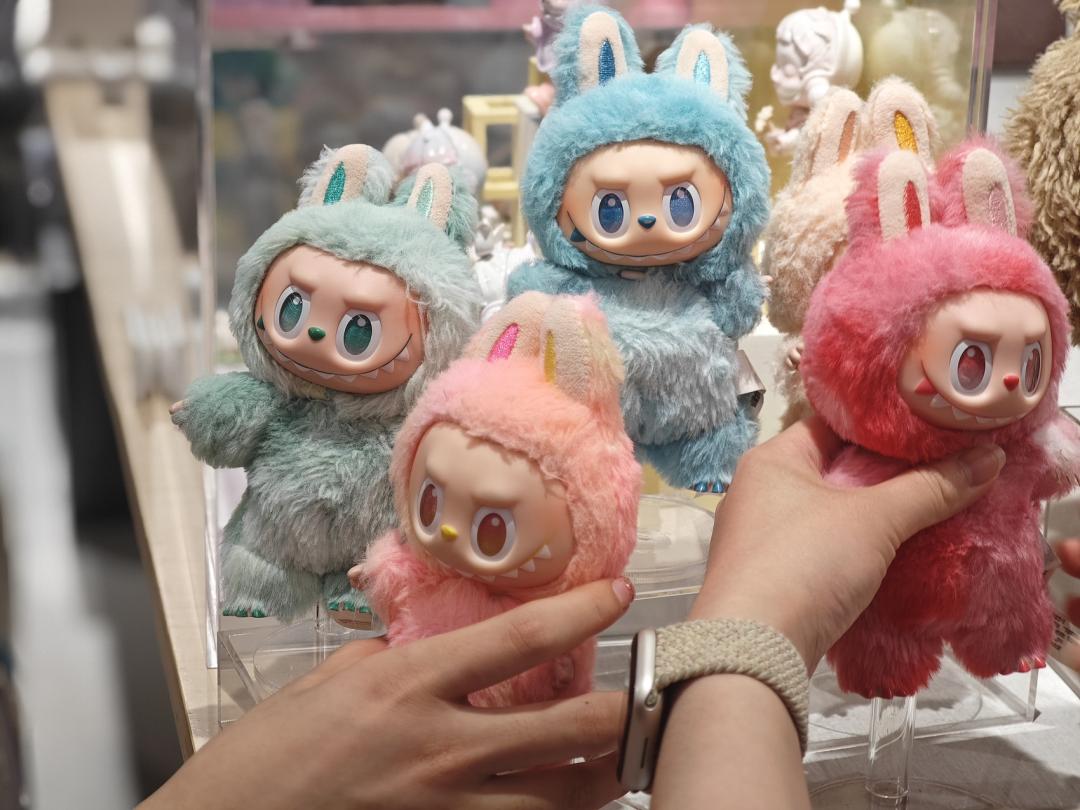
Core Insights - The annual words "Rage bait" and "brain rot" reflect how digital platforms reshape thoughts and behaviors, highlighting the significant role of emotions in driving interactions and commercial outcomes [1] - The concept of "emotional value" has gained prominence, influencing consumer behavior and brand perception, as seen in the success of products like LABUBU and the backlash against brands that misalign with public sentiment [2][3] Group 1: Emotional Value and Consumer Behavior - LABUBU's popularity illustrates a shift in consumer behavior, where emotional satisfaction and participation in trends become key drivers of success, especially in a context of economic slowdown [3][4] - The rapid rise and subsequent decline of LABUBU in the second-hand market indicate that once a product becomes ubiquitous, its appeal diminishes, emphasizing the need for uniqueness in consumer goods [4][6] - The term "emotional value" is often used to describe non-utilitarian satisfaction derived from products, but its vague nature necessitates deeper exploration to understand its various implications [6][7] Group 2: Media Influence and Public Sentiment - The rise of social media and algorithm-driven content has amplified emotional responses, particularly anger, which can lead to rapid dissemination of sentiments and potential backlash against brands [15][18] - The phenomenon of "old school" or "老登" reflects a societal shift towards critiquing traditional narratives and embracing micro-narratives, indicating a growing desire for authenticity and relatability in public discourse [10][12] - The decline of traditional media has resulted in a polarized public discourse, where the absence of neutral reporting exacerbates tensions and complicates brand management in the face of public scrutiny [26][27] Group 3: Brand Management and Public Relations - The emergence of entrepreneur IPs, characterized by relatable and down-to-earth personas, highlights the importance of authenticity in brand representation, though it carries risks if personal missteps occur [22][23] - Companies face challenges in managing public perception, especially in an environment where emotional responses can quickly escalate into crises, necessitating a more strategic approach to communication [24][26] - The lack of a mediating voice in public discourse can lead to increased pressure on brands and entrepreneurs, making it essential for companies to navigate the complexities of modern communication effectively [27][28]

2026年的暴富密码,藏在2025的“意想不到”中
Sou Hu Cai Jing· 2026-01-07 08:56
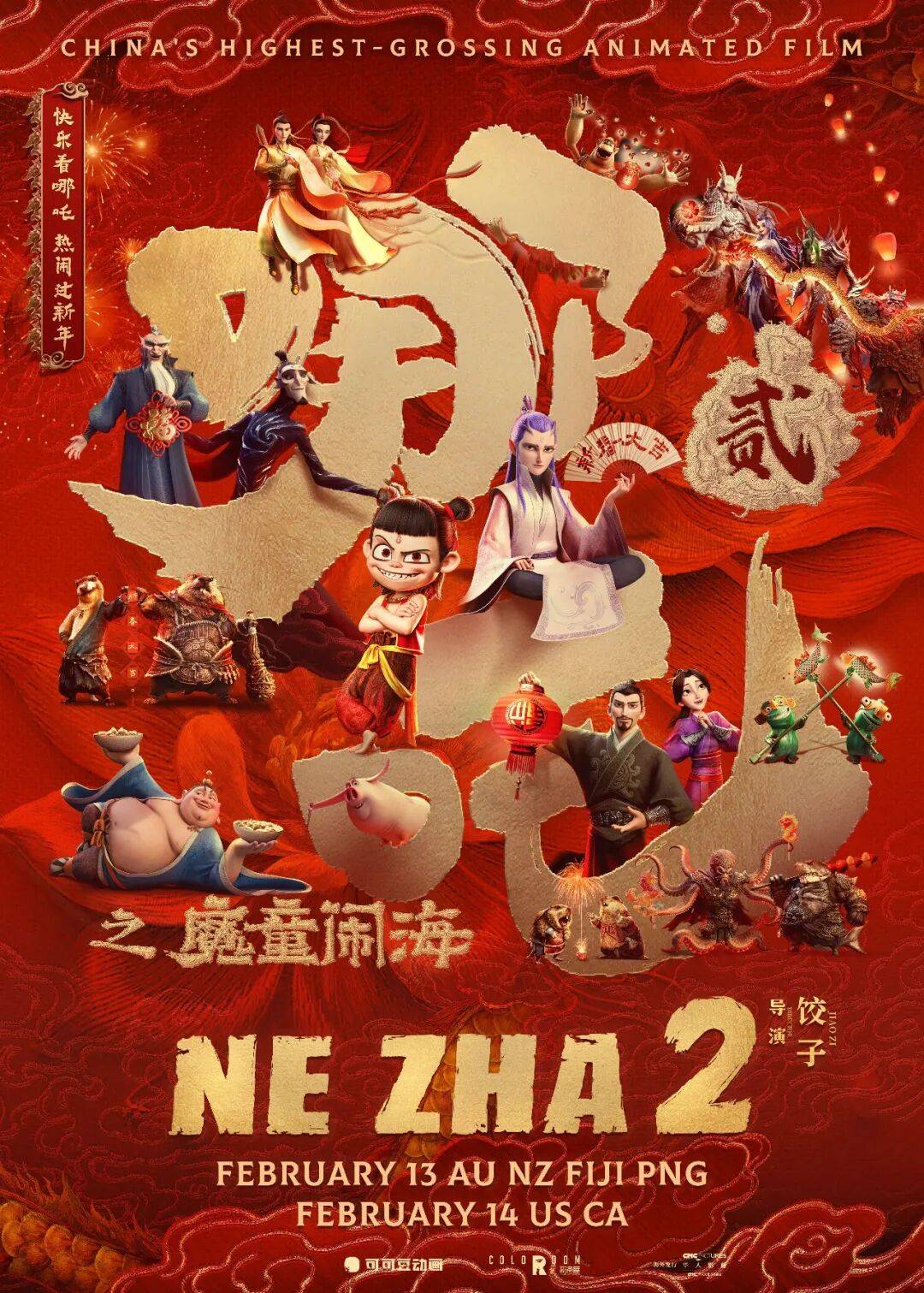
Group 1 - The film "Nezha 2" achieved a record-breaking box office of 15.4 billion, ranking among the top five globally, showcasing the high industrial standards of Chinese animation and promoting Chinese culture [1][4] - The rapid adoption of artificial intelligence (AI) throughout the year has transformed various industries, with significant advancements in AI applications such as healthcare, education, e-commerce, and finance [3][4] - China has become the world's largest exporter of new energy vehicles, with domestic brands increasing their market share in Europe and Southeast Asia [5][6] Group 2 - The competitive landscape in the food delivery sector intensified as major internet companies engaged in aggressive subsidy wars, leading to significant price reductions for consumers [6][8] - The tea beverage industry saw a surge in IPOs, with brands like Mixue Ice City and others expanding internationally, indicating a strong growth trend in the sector [6][8] - The financial sector experienced a slight increase in average salaries among listed banks, while the total number of employees in major state-owned banks decreased [9] Group 3 - The A-share market saw an 18% increase, reaching a ten-year high with total market capitalization surpassing 100 trillion [9] - The micro-short drama industry surpassed the film industry, achieving a scale of 50 billion, indicating a shift in consumer entertainment preferences [9][11] - Predictions for 2026 include continued growth in AI integration across industries, increased exports of new energy vehicles, and the emergence of new popular IPs in the cultural sector [11][12]
传统饮料行业面对革新变化
Xiangcai Securities· 2026-01-07 06:27
Investment Rating - The industry investment rating is maintained as "Buy" [4] Core Insights - The traditional beverage industry is undergoing significant changes, with a shift towards health-conscious consumption and personalized beverage options [6][12] - The beverage market is transitioning from a focus on sugary drinks to healthier, sugar-free alternatives, with sugar-free beverages projected to account for over 45% of the market by 2024 [7][15] - The industry is experiencing a dual-track development focusing on health and sensory enjoyment, with ready-to-drink beverages posing a significant challenge to traditional bottled drinks [17] Summary by Sections Current Situation - The past decade has seen a transformation in China's beverage industry, with evolving consumer demands and marketing strategies. Consumers now prioritize health, hydration, and personalized experiences over mere thirst quenching [6][12] Product Dimension - The beverage market's core trend is the pursuit of health, with sugar-free drinks becoming mainstream. In 2014, sugar-free beverages accounted for about 5%, which is expected to rise to over 45% by 2024. The market is now dominated by packaging water, tea drinks, and energy beverages [7][15][17] Channel and Marketing Dimension - The beverage industry is moving towards a multi-channel approach, emphasizing comprehensive channel coverage and online-offline integration. This shift presents opportunities for smaller brands to leverage social media and innovative marketing strategies to drive sales [8][20][21] Investment Recommendations - The food and beverage industry is characterized by resilience and is currently undervalued. The report suggests focusing on leading brands with strong channel advantages and emerging growth companies that align with health and experience trends. The industry is shifting from scale benefits to structural benefits, highlighting the importance of health and experience in future growth [9][22]
2025资本市场年度人物盘点:老将承压,新生代突围
Nan Fang Du Shi Bao· 2026-01-07 04:17
Group 1 - The core trend in the 2025 Chinese capital market indicates a shift from scale expansion to value return, emphasizing hard-core strength over conceptual speculation [2] - The experiences of industry veterans and new generation entrepreneurs reflect the necessity of risk awareness, essence adherence, and innovation embrace to navigate market changes [2] Group 2 - The resignation of Vanke's former CEO, Zhu Jiusheng, marks a significant event in the real estate sector, highlighting the vulnerabilities of high-leverage models amid industry downturns [4] - Xiaomi's CEO Lei Jun faces challenges in the automotive sector, where safety concerns and brand reputation are critical as consumer expectations evolve from mere production to quality [6] - BYD's Wang Chuanfu celebrates record sales of 4.6024 million electric vehicles globally, yet faces declining domestic revenue and profit, indicating the need for technological depth and operational excellence [8] Group 3 - The emergence of new entrepreneurs like Liu Jingkang, who launched a drone brand to compete with DJI, illustrates the survival imperative of differentiation in a competitive landscape [11] - Peng Zhihui's transition from Huawei employee to entrepreneur showcases the capital market's recognition of technical talent, but the challenge remains in converting technical prowess into sustainable profits [13] - Wang Xingxing's company, Yushutech, aims for an IPO, representing the maturation of the embodied intelligence sector, where commercialization and market expectations will dictate future success [15] Group 4 - Bubble Mart's founder Wang Ning experiences a volatile year, with significant revenue growth followed by a sharp decline in stock price, emphasizing the need to shift from reliance on hit products to ecosystem building [20] - Cambricon's Chen Tian Shi sees a turnaround with consecutive profitable quarters, driven by AI computing demand, highlighting the importance of technological barriers and ecosystem development in hard tech [22] - Liang Wenfeng's low-profile yet impactful contributions in AI through DeepSeek demonstrate that sustained innovation is crucial for success in the artificial intelligence era [24][25]
新浪财经资讯AI速递:昨夜今晨财经热点一览 丨2026年1月5日
Xin Lang Cai Jing· 2026-01-04 22:57
Group 1: Company Conflicts and Governance - Dousheng Shoe Industry's founder Wang Hai announced a severance of ties with his son Wang Jun and daughter-in-law Xu Ying, highlighting a power struggle within the family over control of the company [1][7] - The internal conflict has reportedly drained the company's resources for transformation and has cast a shadow over the future of this traditional domestic brand [1][7] - Zong Fuli has resumed her role as the legal representative and manager of Hongsheng Group after a three-year hiatus, consolidating power to strengthen control over the company [2][10] Group 2: Market and Economic Updates - OPEC and non-OPEC oil-producing countries decided to maintain their current production levels for February and March 2026, aiming to stabilize the oil market [3][11][12] - The Chinese yuan has experienced a "weak to strong" trend, with both offshore and onshore rates surpassing the "7" mark by year-end 2025, driven by multiple factors including a weaker dollar and stable economic fundamentals [4][13] - The A-share market is anticipated to potentially see a "New Year opening red" as cyclical sectors may emerge as market leaders amid improving economic recovery expectations [4][14] Group 3: Real Estate Market Trends - The real estate market in key cities showed signs of "partial warming and continued differentiation" during the New Year holiday, with Beijing's new policies beginning to take effect and Shenzhen's second-hand housing transactions increasing by 43% year-on-year [4][15] - The publication "Qiushi" emphasized the need for stable expectations in real estate policies, indicating a shift towards a new phase focused on maintaining stability [5][15] Group 4: Corporate Actions and Clarifications - Yushutech issued a clarification denying involvement in any "green channel" application for its IPO, asserting that its listing process is proceeding normally [1][8] - Fangda Carbon announced the termination of its participation in the restructuring of Shanshan Group due to insufficient due diligence time, stating that this decision would not adversely affect its operations or financial status [5][16]
喜茶掉队、DeepSeek被它打败,2025年好品牌之争谁赢了
3 6 Ke· 2026-01-04 02:24
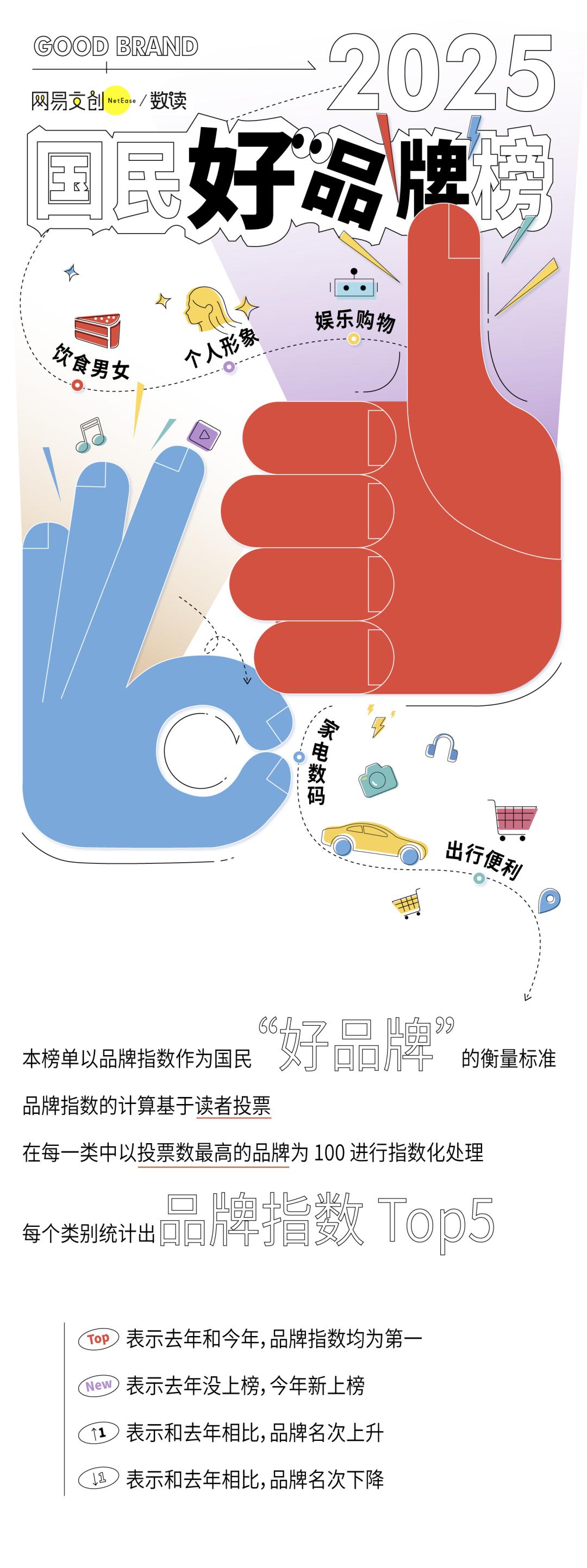
Group 1 - The brand index is used as a measurement standard for the public, calculated based on reader votes, with the highest voted brand in each category set to 100 for index processing [2] - The top five brands in various categories have been identified, with changes in rankings noted, including new entries and shifts in positions compared to the previous year [4][9] - The overall consumer sentiment indicates a cautious approach to spending, with a significant portion of respondents prioritizing product quality and reliability over brand loyalty [123][124] Group 2 - Heytea has fallen behind, with Guming Tea replacing it in the top five, and Guming Tea's store count reaching 11,179 with a net profit of 1.625 billion yuan, surpassing its total profit from the previous year [9] - Haidilao remains the top brand in the hot pot category, while KFC and McDonald's have swapped positions, with KFC slightly ahead [12] - The beverage market sees a return of Nongfu Spring to the top ranks, while Wahaha faces management turmoil, impacting its brand perception [15][17] Group 3 - In the beauty and personal care sector, Estee Lauder and L'Oreal dominate, with significant changes in rankings and the absence of local brands in the top positions [41] - Anta and Li Ning lead the sportswear category, with Li Ning rising to first place from fourth last year, while Adidas has returned to the rankings [45] - Douyin has surpassed Bilibili in the short video sector, with Douyin's daily active users reaching 600 million, while Bilibili has improved its profitability [55] Group 4 - The e-commerce landscape is evolving, with traditional platforms like JD, Meituan, and Taobao entering the instant retail competition, leading to significant financial investments in subsidies [73] - The AI app market is witnessing explosive growth, with ByteDance's products leading in active user numbers, indicating a shift towards AI-driven applications [80] - The adult product market is quietly rising, with brands like Durex and Okamoto leading the category [82] Group 5 - The home appliance market is characterized by intense competition, with Midea focusing on diversified business strategies, while Haier emphasizes high-end and localized operations [92] - Huawei continues to focus on the high-end market, with significant developments in its HarmonyOS ecosystem, while Apple faces challenges with its latest iPhone series [94][95] - The hotel industry is shifting towards new chain hotels, with traditional five-star hotels losing appeal as consumers seek more modern accommodations [116]

娃哈哈不上市的资本迷局:揭开宗庆后家族37年的股权魔术
Sou Hu Cai Jing· 2026-01-03 06:26
Group 1 - The core issue is why Wahaha, despite generating over 50 billion in annual revenue, has refused to go public for 37 years, with concerns that listing would expose its financial practices and valuation bubble [1][4] - Wahaha's founder, Zong Qinghou, has created a complex capital structure that allows for profit transfer through parallel companies, avoiding scrutiny that would come with a public listing [3][5] - The beverage industry is witnessing a shift where competitors like Nongfu Spring are leveraging public financing for innovation, while Wahaha remains stagnant due to its reluctance to embrace transparency [6] Group 2 - The investigation into a joint venture with Danone revealed that Zong's family had registered 87 offshore companies, which generated significant profits without authorization, highlighting the hidden financial maneuvers of Wahaha [3] - The potential for valuation inflation in capital markets is illustrated through hypothetical funding rounds, emphasizing that Wahaha's true profitability would be revealed if it were to go public [4] - The intricate structure of Wahaha, including its dual company setup with state-owned shares, presents significant barriers to listing, such as competition with non-listed entities and complex ownership arrangements [5]

宗馥莉重任宏胜集团法定代表人,该职位两个月内换三任
Di Yi Cai Jing· 2026-01-02 13:42
不久前的2025年11月5日,该集团法定代表人刚由祝丽丹变更为郑群娣。 第一财经记者了解到,祝丽丹曾辅佐宗馥莉经营宏胜集团,2022年11月接替宗馥莉成为宏胜集团董事长 及法定代表人。天眼查APP显示,祝丽丹曾在158家娃哈哈关联企业中担任法定代表人或高管。 1月2日晚间,第一财经记者获悉,近日,宗馥莉重新担任宏胜饮料集团有限公司(以下简称宏胜集团) 法定代表人。 郑群娣也是宗馥莉手下干将。天眼查显示,郑群娣在多个娃哈哈相关公司担任法定代表人。 天眼查信息显示,2025年12月26日,宏胜集团法定代表人由郑群娣变更为宗馥莉。变更后,宗馥莉还同 时担任宏胜集团的董事和经理。 宏胜集团的法定代表人变更较为频繁。不久前的2025年11月5日,该集团法定代表人刚由祝丽丹变更为 郑群娣。 去年10月底,有媒体报道称,宏胜集团法定代表人祝丽丹已离职,其办公室已搬空。 ...
普通人如何规划“老有所安”
Di Yi Cai Jing Zi Xun· 2026-01-01 10:17
Core Insights - The year 2025 marks the beginning of a "Awakening Era" for wealth inheritance in China, particularly affecting private entrepreneurs and high-net-worth individuals, as well as ordinary families facing inheritance anxieties [2][3] Group 1: Wealth Inheritance Challenges - The inheritance risks highlighted by real cases, such as the disputes involving the Zong family trust and the Hermes heir being defrauded of 15 billion, reflect the broader anxieties surrounding wealth transfer in Chinese families [2] - The overlapping challenges of global geopolitical impacts, industrial and technological transitions, and generational wealth transfer create uncertainties in inheritance and business succession [3] - Many Chinese entrepreneurs exhibit a lack of awareness regarding the importance of succession planning, often avoiding discussions about wills, trusts, and insurance, which are crucial for effective wealth transfer [3][4] Group 2: Structural Issues in Inheritance - The historical ownership disputes in private enterprises stem from the close ties between private and state-owned enterprises, with 32% of enterprises having ownership disputes as revealed by a 1998 survey [4] - The simplistic ownership structures prevalent since the 1980s, often involving family members, have led to governance failures and increased risks during transitions due to personal conflicts and financial entanglements [4] - The complexity of entrepreneurs' marital histories complicates inheritance, as modern legal principles advocate for equal rights among all children, which can lead to disputes over wealth distribution [4] Group 3: The Need for Systematic Governance - To ensure orderly succession and wealth transfer, businesses must move away from "parental culture" and moral expectations, focusing instead on strategic planning and governance systems [5] - China is currently experiencing a peak in private wealth accumulation, with significant assets held in real estate and savings, necessitating effective inheritance strategies to address the challenges posed by an aging population [6] - The transition from "individual heroism" to "institutionalism" and from "family control" to "social contribution" is essential for the long-term sustainability of wealth and its positive impact on society [6] Group 4: Promoting Wealth Transfer Awareness - Ordinary families are increasingly facing inheritance disputes and marital risks, highlighting the need for better education and promotion of wealth transfer and risk management tools [6][7] - Recommendations for families include integrating identification with "will certificates," early retirement savings for younger generations, and understanding the role of family trusts and life insurance in managing inheritance risks [7] - The development of family trusts in China has progressed, with regulatory changes lowering the entry threshold, thus expanding access to wealth management tools for both high-net-worth individuals and ordinary families [8] Group 5: Governance and Cultural Considerations - Effective governance of wealth transfer requires a combination of financial strategies, legal frameworks, and cultural understanding, emphasizing the importance of scientific awareness among wealth holders [9] - Historical precedents demonstrate that successful family inheritance relies on clear legal agreements rather than emotional promises, with trusts serving as a compassionate solution to human weaknesses [9]