
燕京啤酒

Search documents
春节走访:成都市场跟踪
GF SECURITIES· 2026-02-13 11:41
Investment Rating - The industry investment rating is "Buy" indicating an expected performance that will exceed the market by more than 10% over the next 12 months [27]. Core Insights - The report highlights that the Chinese liquor market, particularly in Chengdu, is showing signs of recovery as the Spring Festival approaches, with increased sales velocity for major brands like Guojiao and Wuliangye [6][8]. - The seasoning market is also experiencing improved sales, with brands like Qianhe and Haitian gaining market share, and promotional activities increasing in supermarkets [11][12]. - The report suggests a positive outlook for the liquor sector in 2026, with recommendations for key stocks including Luzhou Laojiao, Shanxi Fenjiu, and Kweichow Moutai among others [2][4]. Summary by Sections Chengdu Liquor Market Tracking - Sales velocity for Wuliangye and Guojiao has accelerated as the Spring Festival approaches, with Wuliangye's current batch price at 790 CNY per bottle and Guojiao at 850 CNY per bottle [7][9]. - Feedback from distributors indicates that inventory levels are healthy, with a focus on maintaining good stock levels to avoid excess [8][9]. Chengdu Seasoning Market Tracking - Soy sauce sales have improved year-on-year, with Qianhe and Haitian leading in market share, and promotional activities in supermarkets have increased significantly [11][12]. - The overall health of inventory levels in the seasoning market is noted, with major brands maintaining shorter inventory ages, indicating strong sales performance [11][15]. Investment Recommendations - For the liquor sector, the report recommends stocks such as Luzhou Laojiao, Shanxi Fenjiu, and Kweichow Moutai, anticipating a new growth cycle starting in 2026 [2][4]. - In the consumer goods sector, companies like Anjuke Foods and Yanjing Beer are highlighted as having potential for outperforming the market due to new products and channels [2][4].





百威亚太在中国不好卖了,销量连跌两年
Jin Rong Jie· 2026-02-13 09:05
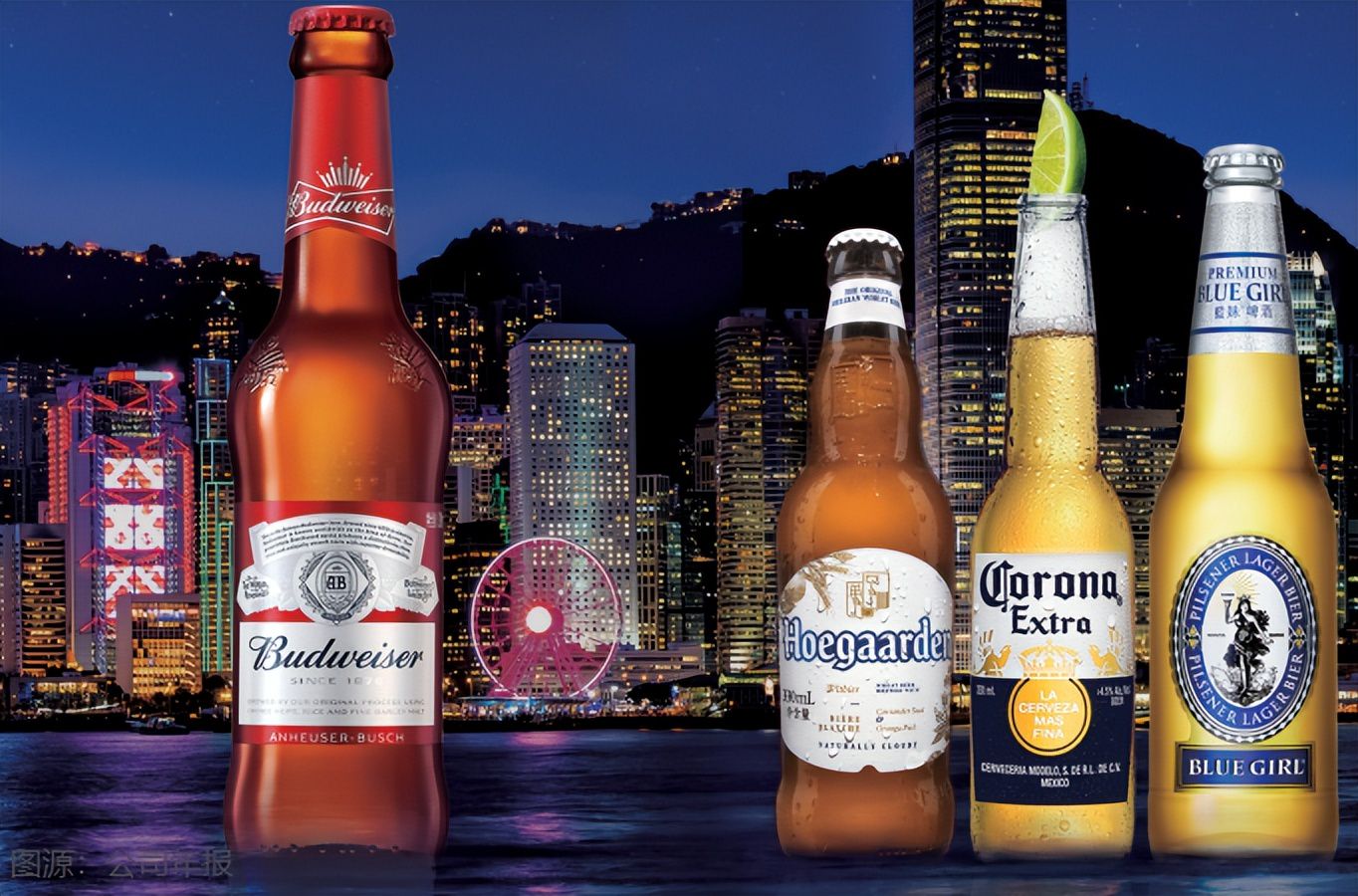
Core Viewpoint - Budweiser is facing unprecedented growth pressure in the Chinese market, with declining sales and profits reported in its latest earnings report [1][2]. Financial Performance - Budweiser APAC reported a revenue of $5.764 billion (approximately 39.787 billion RMB) for 2025, a year-on-year decrease of 6.1% [1]. - Beer sales reached 7.966 billion liters, down 6.0% year-on-year [1]. - The profit attributable to equity holders was $489 million (approximately 3.375 billion RMB), a significant decline of 32.6%, marking a low point in net profit over recent years [1]. Market Challenges - The company has experienced a continuous decline in key metrics, with beer sales and revenue in China dropping by 8.6% and 11.3% respectively in 2025 [2]. - The decline is attributed to a slowdown in high-end dining and entertainment channels, which have traditionally been strong for Budweiser [2]. - The company has been slow to adapt to new retail and e-commerce channels, with a lower proportion of non-on-premise sales compared to competitors [2]. Strategic Initiatives - Budweiser is increasing investments in non-on-premise channels and enhancing its sales team capabilities, particularly in Guangdong [2]. - The company is also focusing on marketing its core sub-brands, including new endorsements for Harbin Beer to strengthen connections with younger consumers [2]. Cost Pressures - Increased investments to support distributors and brand promotion in emerging channels have created additional profit pressures for Budweiser [3]. - The company plans to maintain high-intensity marketing and channel investments in 2026, coinciding with the World Cup events [3]. Industry Context - The domestic beer industry is entering a contraction phase, with local brands accelerating their premiumization and channel transformation, increasing pressure on international giants like Budweiser [3][4]. - Competitors such as Yanjing Beer and Chongqing Beer are forecasting significant profit growth, with Yanjing expected to achieve a net profit of 1.584 billion to 1.742 billion RMB, a year-on-year increase of 50%-65% [3][4]. Leadership Focus - CEO Cheng Yanjun has emphasized the need to reignite growth and rebuild market share in China as a primary task [4].

新消费研究-即时零售应需而生-酒类品牌或迎新机遇
2026-02-13 02:17
Summary of Conference Call on Instant Retail and Alcohol Industry Industry Overview - The instant retail market in China is projected to reach 1 trillion yuan by 2025 and 2 trillion yuan by 2030, with the alcohol category experiencing rapid growth, particularly after increased investment from internet platforms [2][3][20] - Instant retail is divided into platform models and self-operated models, with the platform model integrating supermarkets and chain stores, while the self-operated model is controlled by the platform [2][5] Key Insights - The rapid expansion of Meituan's Yaimasongjiu, which adopts a franchise model, aims to cover third-tier cities, although most stores are still in the ramp-up phase [2][5] - Beer accounts for the highest sales proportion in Yaimasongjiu's store structure, with profits mainly derived from craft products, while profits from white liquor are thinner [2][6] - The average monthly revenue per store is approximately 200,000 yuan, with a net profit margin of 10%, benefiting from a low-cost operational model [2][6] Market Dynamics - The shift in consumer behavior towards instant consumption, increased subsidies from e-commerce platforms, and innovative marketing strategies from emerging brands are driving the rapid development of instant drinking, especially for white beer [3][7] - The white liquor industry has seen a channel model adjustment since 2022, with accelerated development of online and instant retail channels [8][9] Sales and Revenue Projections - By 2030, the market size for alcohol in instant retail is expected to exceed 90 billion yuan, maintaining a double-digit compound annual growth rate [4] - The penetration rate of instant retail in the white liquor market is currently low at 2%, compared to 15%-20% for online channels, indicating significant growth potential [4] Operational Insights - Yaimasongjiu's sales structure shows that white liquor accounts for 15%-20% of sales, while beer SKUs make up 60%-70% [6] - The gross margin for craft beer products is around 50%, while white liquor operates on a consignment model with lower margins [6] Competitive Landscape - The white liquor market is becoming increasingly concentrated, with the top 10 brands accounting for nearly 60% of revenue by 2024 [9] - Major brands like Moutai and Wuliangye have established strong consumer recognition, reducing the need for extensive channel education [9][19] Impact of Instant Retail - Instant retail is enhancing the operational efficiency of white liquor chain stores, allowing for a lighter asset operation model [11] - The collaboration between alcohol companies and instant retail platforms is crucial for brand strength and market penetration [17][19] Future Outlook - The overall online channel currently accounts for 15%-20% of the total distribution scale, with instant retail being a smaller fraction [20] - Companies that strategically position themselves in this evolving market are expected to enjoy longer operational cycles and brand longevity [20] Investment Recommendations - Positive outlook on companies such as Luzhou Laojiao, Shanxi Fenjiu, Guizhou Moutai, and Yanjing Beer due to their proactive strategies in the instant retail space [20]
净利四年连降,中国市场失速,百威亚太仍深陷增长困境
Xin Lang Cai Jing· 2026-02-12 07:27
Core Viewpoint - Budweiser APAC reported a significant decline in performance for 2025, with total sales down 6.0% to 79.658 million hectoliters, revenue falling 6.1% to $5.764 billion, and net profit attributable to shareholders plummeting 32.6% to $489 million, indicating unprecedented growth pressures on the company [2][17]. Financial Performance - The company has experienced a continuous decline in net profit for four consecutive years, with revenue decreasing for two years despite growth potential in the Asia-Pacific beer market [2][17]. - Normalized EBITDA for 2025 was $1.588 billion, a decrease of 9.8%, with the corresponding profit margin dropping 113 basis points to 27.6% [2][17]. - Basic earnings per share fell from 5.51 cents to 3.70 cents, reflecting a weakening profitability that has eroded investor confidence [2][17]. Market Dynamics - The Chinese market, once a core growth engine, saw sales drop 8.6% and revenue decline 11.3% in 2025, significantly underperforming compared to overall company metrics [4][19]. - The company’s reliance on immediate consumption channels has been detrimental, as foot traffic in these areas has decreased, directly impacting sales [21]. - Despite efforts to expand non-immediate consumption channels and O2O strategies, these investments have temporarily reduced profitability [22][23]. Regional Performance - The western Asia-Pacific region, including China and India, reported a 6.7% decline in sales and an 8.2% drop in revenue, while the eastern markets achieved a slight revenue increase of 1.3% but experienced a minor sales decline [10][25]. - The strong performance in the Indian market, which contributed over 20% revenue growth, was insufficient to offset declines in the Chinese and Korean markets, highlighting a lack of regional synergy [10][25]. Internal and External Challenges - Internal issues include mismatches in channels, products, and organizational structure, with a high dependency on immediate consumption channels and slow responses to changing consumer trends [26]. - Externally, increasing competition from local brands and macroeconomic fluctuations have further pressured the company’s market position [26][27]. Strategic Adjustments - Budweiser APAC aims to regain growth momentum by focusing on market share recovery in China, enhancing product innovation in core and premium segments, and accelerating digital transformation through the BEES platform [28]. - The company plans to invest in the Korean market for profit margin expansion and target India as a key growth driver, while also exploring acquisition opportunities in Southeast Asia [28][29]. - The board has proposed maintaining a stable dividend of 5.66 cents per share, reflecting confidence in long-term growth despite current performance challenges [29].

燕京啤酒:截至2026年2月10日公司股东总户数为43233户
Zheng Quan Ri Bao Wang· 2026-02-11 08:09
证券日报网讯2月11日,燕京啤酒(000729)在互动平台回答投资者提问时表示,截至2026年2月10日, 公司股东总户数为43233户。 ...
重要调整!MSCI中国A股指数新纳入33只股票(附表格)
Shang Hai Zheng Quan Bao· 2026-02-11 01:01
Group 1 - The U.S. stock market showed mixed results on February 10, with the Dow Jones reaching a new closing high, while technology stocks mostly declined, including Intel dropping over 6% and Micron Technology falling more than 2% [1][9] - Despite the Federal Reserve signaling stable policies and tech giants advancing AI applications, concerns over persistent inflation, a weakening labor market, and regulatory uncertainties have made investors cautious about high-valuation tech stocks [1][9] - The market is shifting towards sectors less impacted by AI trading, with materials and utilities performing well recently [1] Group 2 - MSCI announced its quarterly index adjustments on February 11, which will take effect after the market closes on February 27, 2026, adding 63 stocks to the global standard index and removing 61 [2][3] - The MSCI China A-share index will include 33 new stocks while excluding 9, with the inclusion of stocks in this index also meaning entry into the MSCI global standard index series, attracting significant passive fund tracking [3][6] - Notable new additions to the MSCI global stock index include AST SpaceMobile, Coherent Corp, and FTAI Aviation, while the emerging markets index will see additions like Hongqiao Group and Century Huatong [3]
国信证券晨会纪要-20260210
Guoxin Securities· 2026-02-10 01:00
证券研究报告 | 2026年02月10日 | 晨会纪要 | | --- | | 数据日期:2026-02-09 | 上证综指 | 深证成指沪深 | 300 指数 | 中小板综指 | 创业板综指 | 科创 50 | | --- | --- | --- | --- | --- | --- | --- | | 收盘指数(点) | 4123.08 | 14208.43 | 4719.05 | 15487.40 | 4173.83 | 1458.16 | | 涨跌幅度(%) | 1.41 | 2.16 | 1.62 | 1.60 | 2.66 | 2.51 | | 成交金额(亿元) | 9497.26 | 12997.46 | 5227.57 | 4454.52 | 6392.92 | 729.09 | 【常规内容】 宏观与策略 策略周报:杠杆资金和外资流出额增加——2 月第 1 周立体投资策略周报 行业与公司 食品饮料周报(26 年第 6 周):白酒春节动销渐起,预制菜国标公开征 求意见 海外市场专题:AI Agent 专题:Opus 4.5 开启 AI Agent 拐点,CPU 需 求迎高增 房地产行业快评:如何看 ...
食品饮料行业深度分析:金星啤酒“中式风味精酿”带来的启示
Sou Hu Cai Jing· 2026-02-09 15:43
Group 1 - The report focuses on the transformation of Jin Xing Beer into a "Chinese-style craft beer" and analyzes the development logic and local characteristics of the craft beer industry in China, showcasing the transformation paths of regional beer companies and new industry trends [1][2] - Jin Xing Beer, a regional brewery with over 40 years of experience in Central China, successfully entered the craft beer market in 2024, launching tea-based craft beer products that significantly boosted its performance. By Q3 2025, the revenue share of these products reached 78.1%, increasing the overall gross margin from 27.3% in 2023 to 47.0% [1][9] - As of 2024, Jin Xing has become the eighth largest beer company in China and the largest flavor craft beer company, successfully transitioning from traditional industrial pale beer to high-margin craft beer [1][9] Group 2 - The report highlights that the development of the craft beer industry in China combines international commonalities and local characteristics. The growth of craft beer aligns with the global trend of compensatory consumption following high concentration in the beer industry, with the current CR5 in China reaching a high level [2][3] - Local characteristics are driven by flavor innovation and the re-industrialization of craft beer, with domestic companies holding market power. The rich resources of tea, fruits, and traditional Chinese medicine provide natural conditions for product innovation, as consumers prefer flavor-driven experiences [2][3] - Jin Xing's success is attributed to its industrialized craft beer approach, utilizing the 1258 brewing process and cold brew technology to ensure flavor stability, and establishing a product matrix that combines online retail and offline quality channels for nationwide penetration [2][3] Group 3 - The report clarifies the differences between lager, ale, industrial beer, and craft beer, and outlines the global development history and policy impacts on the craft beer industry. It notes that the current penetration rate of craft beer in China is still low, with consumption upgrades, the rise of new consumer groups, and cultural trends driving continued growth [3][9] - Jin Xing Beer has built a product matrix of "1+1+N," focusing on a core tea beer and various regional flavor craft beers, achieving a market share of 14.6% in the flavor craft beer segment and 3.1% in the overall craft beer market by Q3 2025 [29][30]

2026年2月:中国酒类行业展望
Zhong Cheng Xin Guo Ji· 2026-02-09 11:21
Investment Rating - The report maintains a stable investment rating for the Chinese liquor industry, indicating that the overall credit quality of the industry is not expected to change significantly in the next 12 to 18 months [5]. Core Insights - The liquor industry is closely tied to macroeconomic conditions and per capita income levels. Recent years have seen consumption pressures due to economic slowdown, low investment, and policy restrictions, leading to negative revenue and profit growth for large-scale enterprises [6][8]. - The white liquor sector has been experiencing a continuous decline in production since 2017, with a "volume and price drop" scenario expected to persist into 2025 due to high inventory and slow market movement [6][14]. - The beer industry remains stable with high market concentration, but faces challenges from reduced consumption in dining and entertainment venues. The trend towards product premiumization and innovation continues to drive growth [5][26]. - Overall, the liquor industry is under pressure from weak economic recovery and consumption policies, with expectations of continued downward pressure on revenue and profits in the future [10][39]. Summary by Sections Key Points - The liquor industry's demand is significantly affected by macroeconomic conditions and per capita income. Recent economic factors have led to a decline in revenue and profit growth for large-scale enterprises [6][9]. - White liquor production has been decreasing since 2017, with a projected "volume and price drop" scenario continuing into 2025 due to high inventory levels and slow market activity [14][25]. - The beer industry maintains a high concentration level, with stable production capacity utilization. However, the reduction in dining and entertainment venues has negatively impacted beer consumption [26][37]. Analytical Approach - The analysis focuses on the credit fundamentals of the liquor industry, examining key indicators affecting consumption since 2025, including disposable income, consumer confidence, and policy adjustments [7]. Industry Fundamentals - The liquor industry's demand is closely linked to macroeconomic conditions and disposable income levels. Recent years have seen consumption pressures due to economic slowdown and policy restrictions [8][9]. - The white liquor sector has been facing a continuous decline in production, with a significant drop in output expected in 2025 due to high inventory and slow market movement [14][25]. Financial Performance - Since 2025, white liquor enterprises have generally experienced significant declines in operating performance, while beer companies have benefited from optimized product structures [39][40]. - The overall debt levels of liquor companies are low, and while debt service indicators have declined, they remain favorable. Group companies have access to financing channels that support their debt repayment capabilities [39][40].
春晚,白酒春节营销的巅峰之战|观酒周报
2 1 Shi Ji Jing Ji Bao Dao· 2026-02-09 06:50
Group 1 - The upcoming Spring Festival is a crucial marketing period for the liquor industry, with a long holiday expected to boost consumption opportunities [1] - The CCTV Spring Festival Gala has announced four major liquor sponsors: Wuliangye, Yanghe, Gujinggong, and Langjiu, with each having a significant presence in the event [1][2] - There are expectations of additional liquor brands participating in the Spring Festival Gala, despite a perceived reduction in sponsorship compared to previous years [1] Group 2 - In recent years, the Spring Festival Gala has typically featured a core group of four liquor sponsors, with additional brands appearing in various capacities [2][3] - The number of liquor brands participating in the Spring Festival Gala has varied, with a peak of nine brands in 2024, indicating a trend of increasing brand involvement [4] - Some liquor companies are shifting their focus to local television programs to strengthen brand presence in their key markets, while still maintaining participation in major events like the CCTV Spring Festival Gala [5] Group 3 - Various liquor brands are exploring partnerships with social media platforms to enhance engagement and marketing reach during the Spring Festival [8] - Companies like Xijiu are entering into direct sales partnerships with platforms like Meituan to facilitate quicker delivery and boost sales [9] Group 4 - New product launches are occurring, such as the introduction of a low-alcohol liquor by Shui Jing Fang, which has seen significant pre-sale success [10] - The UMEET blueberry sparkling wine from Moutai has achieved impressive sales figures on its launch day, indicating strong market interest [11] - Luzhou Laojiao aims to enhance its market position and is targeting a top-three industry ranking, reflecting competitive ambitions within the sector [12] Group 5 - Chongqing Beer reported growth in revenue, profit, and sales volume for 2025, indicating a recovery and positive trend in the beer market [14]